
Hurricane season doesn’t announce itself with a calendar invite. It builds quietly offshore, gathers speed, and by the time a named storm is tracking toward your zip code, the window for thoughtful preparation has already closed. For anyone living within reach of a coastline, the months between now and June 1st aren’t a countdown — they’re a design problem. What gear do you actually trust when the power is out, the roads are flooded, your signal has dropped, and your phone is sitting at 8%?
The smartest coastal preparedness kits aren’t built around bulk. They’re built around precision. Tools that work without electricity. Radios that function when networks collapse. Lights that require no batteries, no charging, no maintenance. Blades that deploy on physics rather than springs that quietly corrode in salt air. What follows are five designs that solve real coastal emergencies without adding clutter to your go-bag or guilt to your preparation plan.
1. NoxTi Titanium Tritium Keychain Light
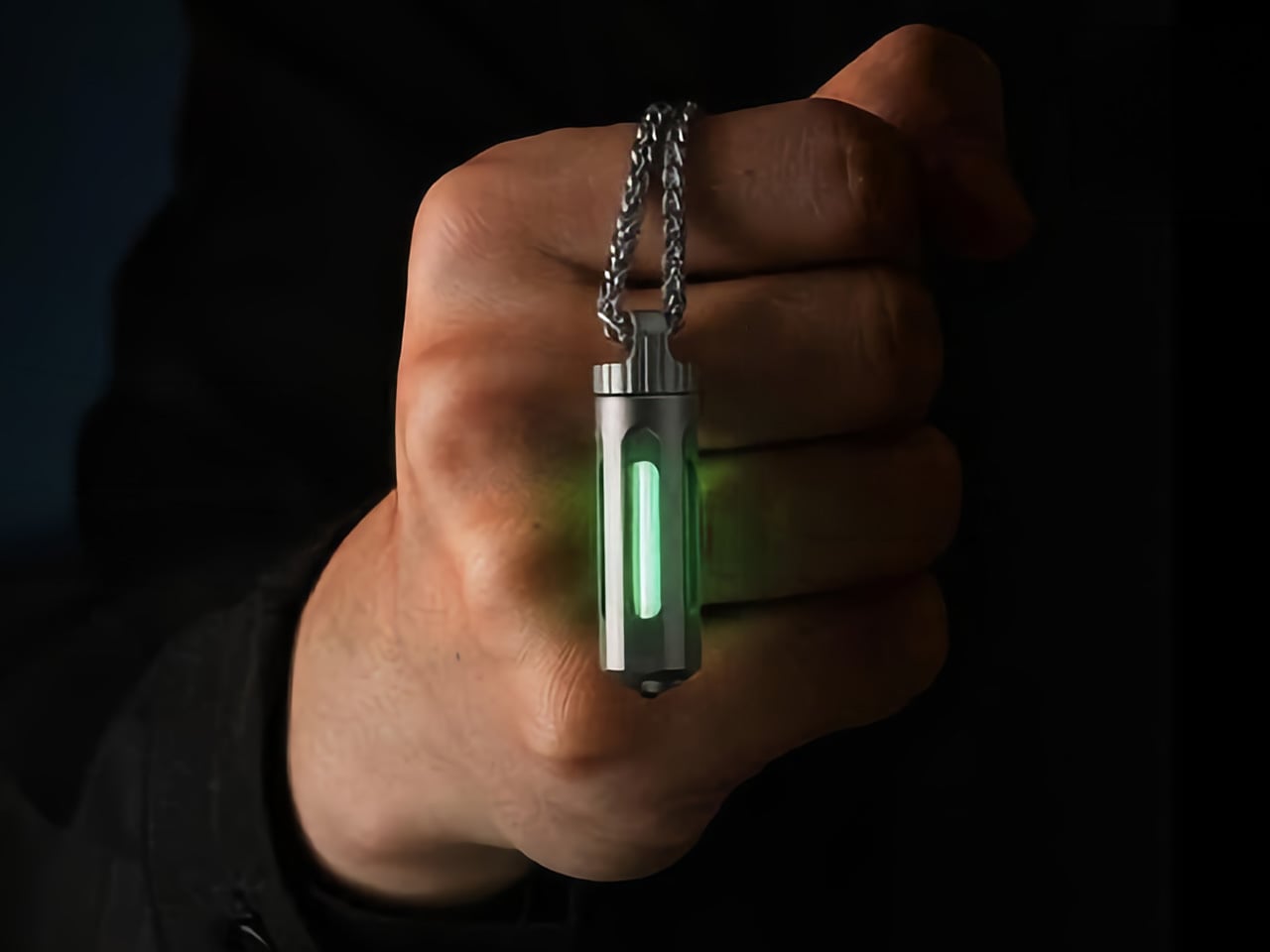


Tritium is a hydrogen isotope with a 12.3-year half-life. As it decays, beta particles strike a phosphor coating and produce continuous light — no battery, no charging, no maintenance required. The same physics used in emergency exit signs and military watches is packaged into the NoxTi: a 45mm Grade 5 titanium cylinder weighing 10.7 grams that glows reliably for 25 years. For coastal homeowners facing multi-day outages, that guarantee is worth more than any lumen count.
The tritium vial sits inside a precision quartz tube with 92% light transmission, held inside a CNC-machined body that resists salt-air corrosion. A ceramic glass breaker at one end handles vehicle-escape emergencies — one of the most critical scenarios during coastal flooding. When the vial dims after two decades, you push it out and slide in a replacement. Six color options, two titanium finishes, tritium pricing from $45.
What We Like
- 25 years of passive illumination powered entirely by material physics, with zero maintenance
- Ceramic glass breaker turns an everyday keychain accessory into a genuine flood-escape tool
What We Dislike
- The glow is intentionally faint — it orients you in the dark, it doesn’t light a room
- Tritium is regulated in certain countries, worth confirming before you order
2. RetroWave 7-in-1 Radio
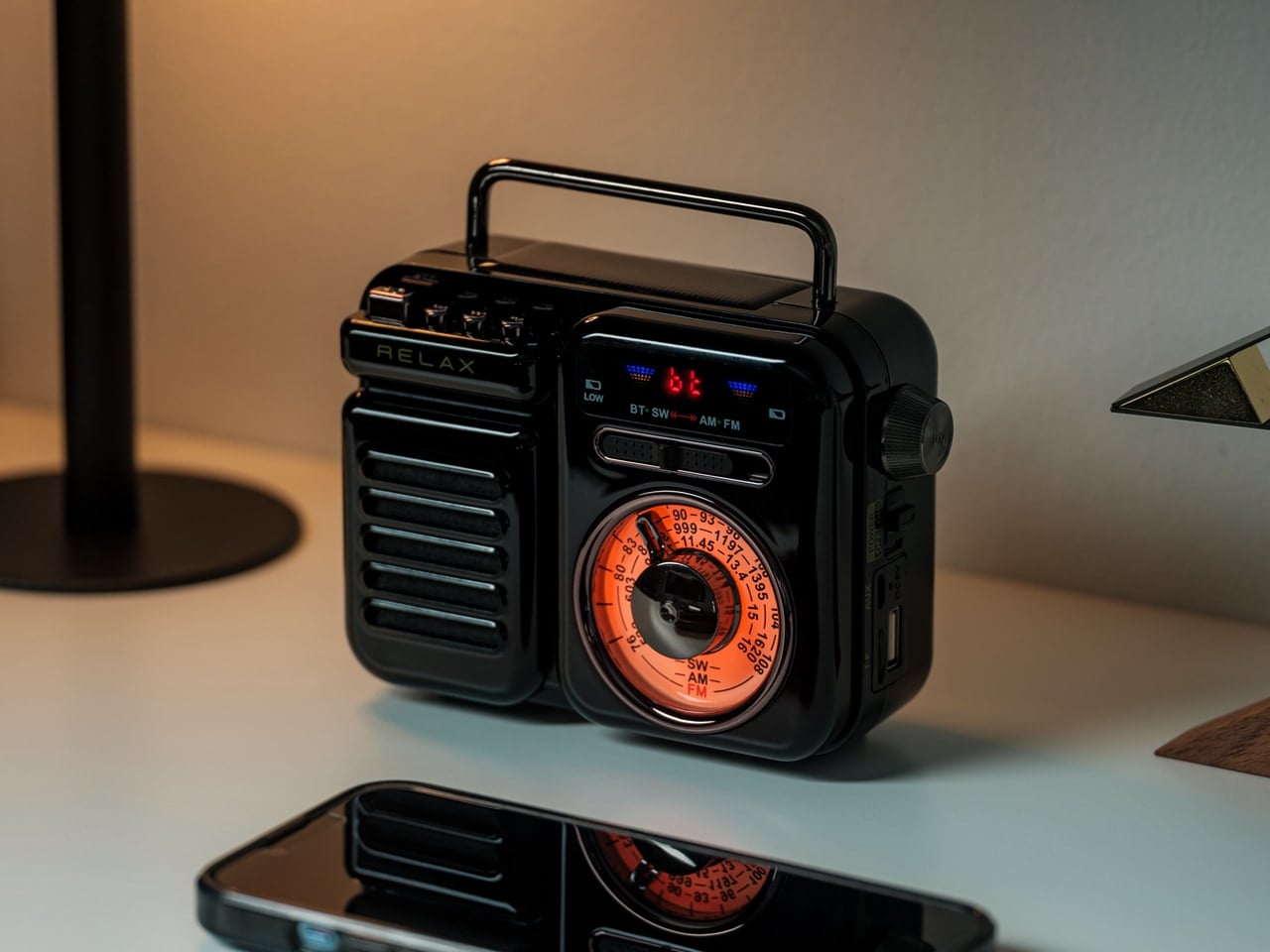


When a hurricane makes landfall, cell towers flood, lose power, or get overwhelmed. The RetroWave 7-in-1 Radio receives AM, FM, and shortwave broadcasts — infrastructure that operates completely independent of internet providers and remains live when everything digital has collapsed. Shortwave is the detail that separates it from a novelty: international emergency transmissions reach you even when every local tower in your county is offline.
Beyond its radio identity, the RetroWave functions as a Bluetooth speaker, MP3 player, LED flashlight, SOS alarm, hand-crank generator, and solar charging unit. That crank-plus-solar pairing is the decision that makes it genuinely coastal-ready. During a multi-day outage with no infrastructure in sight, a radio that generates its own energy isn’t a clever feature — it’s the only communication device in the room still working.
What We Like
- Hand-crank and solar charging mean it never fully runs out of operational power
- Shortwave reception works completely independent of the internet and cellular networks
What We Dislike
- Seven integrated functions mean a single point of failure affects the entire device
- The retro aesthetic may cause buyers to underestimate it as decor rather than serious emergency hardware
3. Edgelet SpearEdge Titanium Folder


Hawks don’t cut with force — they cut with geometry. Their curved talons guide material naturally into the cutting path while the arc concentrates force exactly where it needs to land. That principle is what Edgelet has brought into the SpearEdge: a 66.3mm titanium folder with a hawk-talon blade profile built for the pull-cut motions your hand already makes naturally. Through cordage, packaging, and emergency sheeting, it demands less effort than a straight edge in a high-stress moment.
The finger ring adds slip resistance when handles are wet — a coastal reality worth designing around from the start. The titanium body resists the salt-air corrosion that quietly destroys conventional carry gear over a coastal season, and the open keyring slot at the tail means tool-free attachment to any go-bag loop.
Click Here to Buy Now: $32 $50 (35% off). Hurry, only a few left!
What We Like
- Hawk-talon geometry reduces pull-cut effort through cordage and wet materials under pressure
- Full titanium construction resists the salt-air corrosion that degrades conventional coastal carry gear
What We Dislike
- The curved blade profile is a specialist shape — it won’t feel as universal as a straight edge for every task
4. TriBeam Camplight
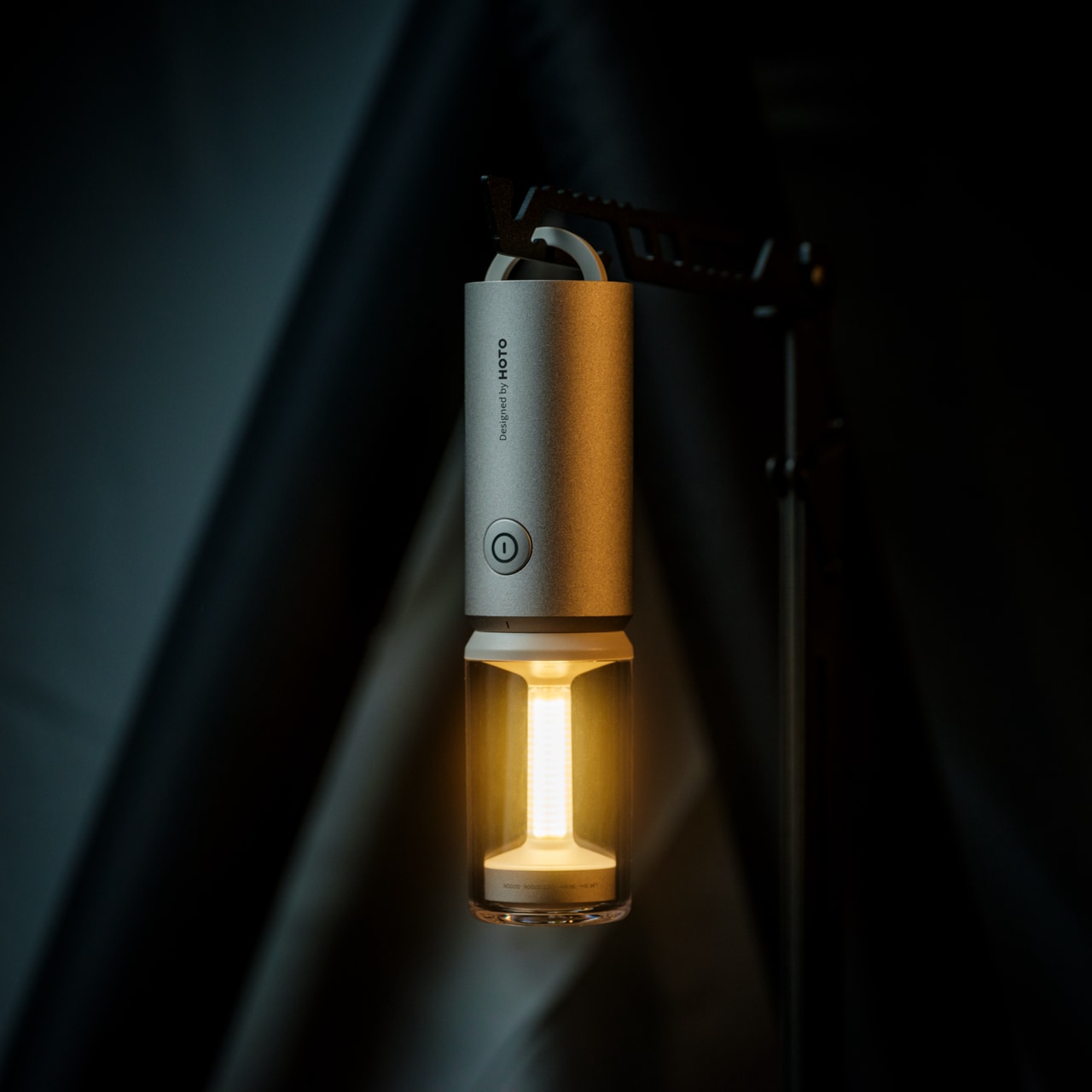

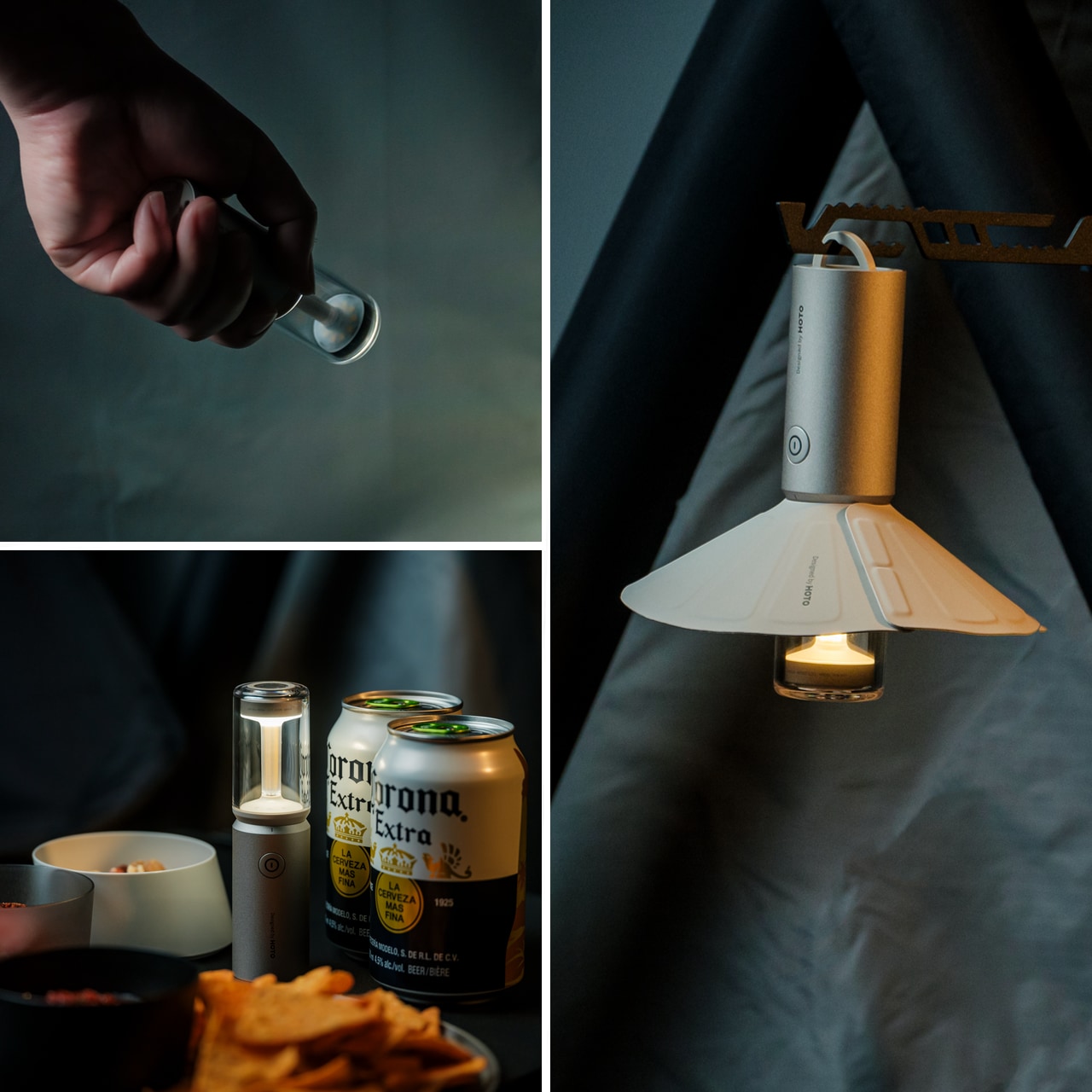
Most emergency lighting treats light as binary. The TriBeam Camplight approaches illumination the way good design should — with modes built to match the moment. A 5-lumen ambient glow for navigating interiors without destroying night vision. A diffused camping mode for shared spaces. A focused 180-lumen beam for moving through flooded exteriors or searching in the dark. All three live inside a 12.8cm, 135-gram form factor that disappears into a jacket pocket without negotiation.
The TriBeam’s coastal value is its coherence across the full arc of a storm event. Ambient light for the final hours before landfall, flashlight mode for immediate tasks during the storm, and a 50-hour battery life that outlasts the extended outages that follow a major hurricane without a single recharge. It earns a permanent shelf position long before the season arrives, which is precisely the kind of preparedness tool that actually makes it out the door.
What We Like
- Three distinct modes adapt fluidly across pre-storm, during-storm, and post-storm scenarios
- 50-hour battery life comfortably outlasts most extended post-hurricane power outages in coastal zones
What We Dislike
- 180-lumen maximum output is solid for camp-scale use but limited for long-distance emergency signaling
- Single-button mode cycling may slow down switching for users who need to change modes quickly under pressure
5. Cubik
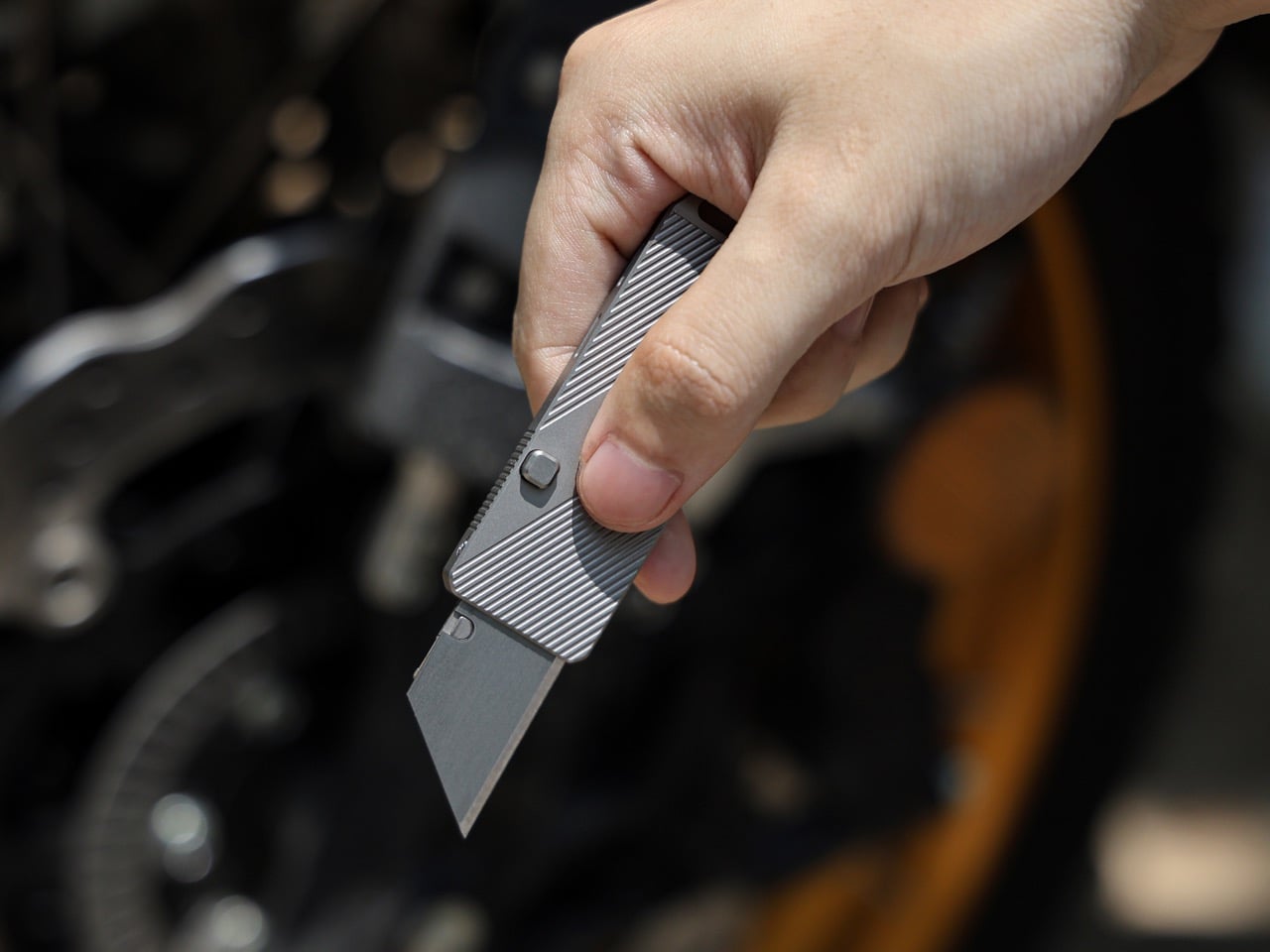


Most EDC knives fail the coastal environment test quietly. Springs corrode. Bearing systems fill with salt residue. The Cubik solves this at the mechanical level: press the trigger, tilt the knife downward, and gravity deploys the blade. Release, and it locks solid. No springs, no bearings, no hidden pivot mechanisms accumulating salt. In a marine environment, removing every rust-prone component isn’t minimalism — it’s engineering honesty applied to a real problem.
The blade locks solidly enough to pierce hardwood, proving that restraint and functional strength aren’t at odds. The tungsten carbide glass breaker integrated into the rear handle adds a vehicle-escape capability inside a format most people would read as a refined daily carry — the same critical function the NoxTi covers from the keychain end. Two glass breakers across a coastal kit means redundancy, which is the structural principle every good preparedness strategy is built around.
What We Like
- Gravity deployment eliminates springs and bearings — the primary corrosion vulnerabilities in any coastal carry knife
- Tungsten carbide glass breaker adds a high-stakes vehicle-escape function inside an unassuming daily carry format
What We Dislike
- Gravity deployment requires a learned wrist motion that takes deliberate practice to make instinctive under stress
- The stripped-back mechanism may read as feature-light to buyers who equate knife quality with mechanical complexity
The Best Coastal Kit Is the One You’ll Actually Carry
Preparedness fails most often not because people lack the right gear, but because the right gear never made it into the bag. These five designs earn permanent carry not by stacking features, but by removing the ones that fail under salt air, dead batteries, and sustained pressure. The best coastal kit isn’t the most expensive — it’s the one built around tools you trust completely before the season ever starts.
Hurricane season 2026 begins June 1st, and the window for deliberate preparation is narrower than it feels from the other side of spring. Each tool on this list solves a specific coastal failure mode — lighting without electricity, communication without infrastructure, cutting without corrosion, illumination without recharging, and emergency signaling without a signal. Put them together, and you have a kit that performs at the precise moment every conventional backup stops working.