
Music used to take up space in the most satisfying way. There was a record sleeve to pull from a shelf, a cassette to slot into a deck, a disc to slide into a tray. Each was a small, deliberate act that made listening feel like a choice rather than a background default. Streaming replaced all of that with convenience, and something tactile and visual quietly disappeared along the way.
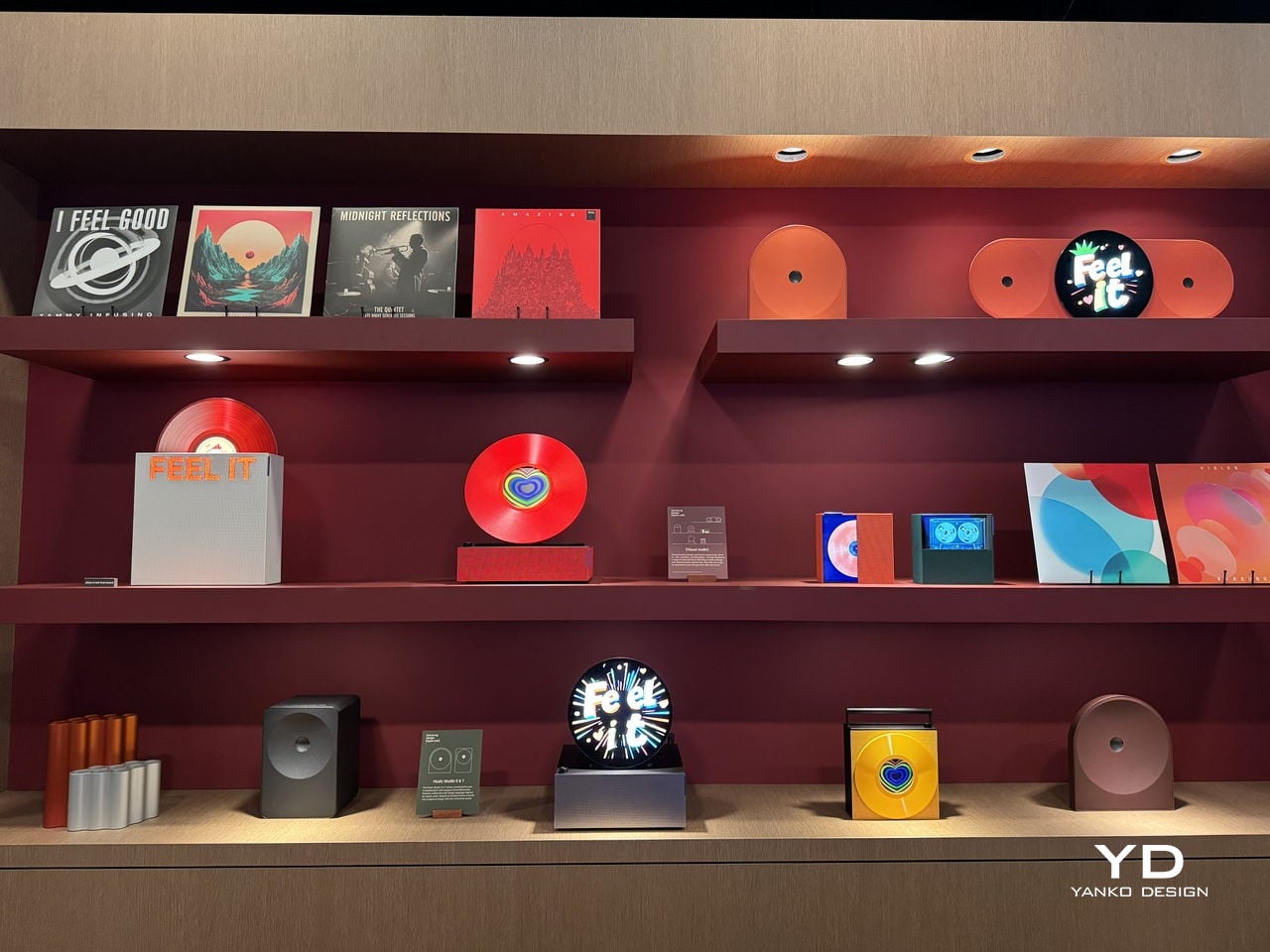
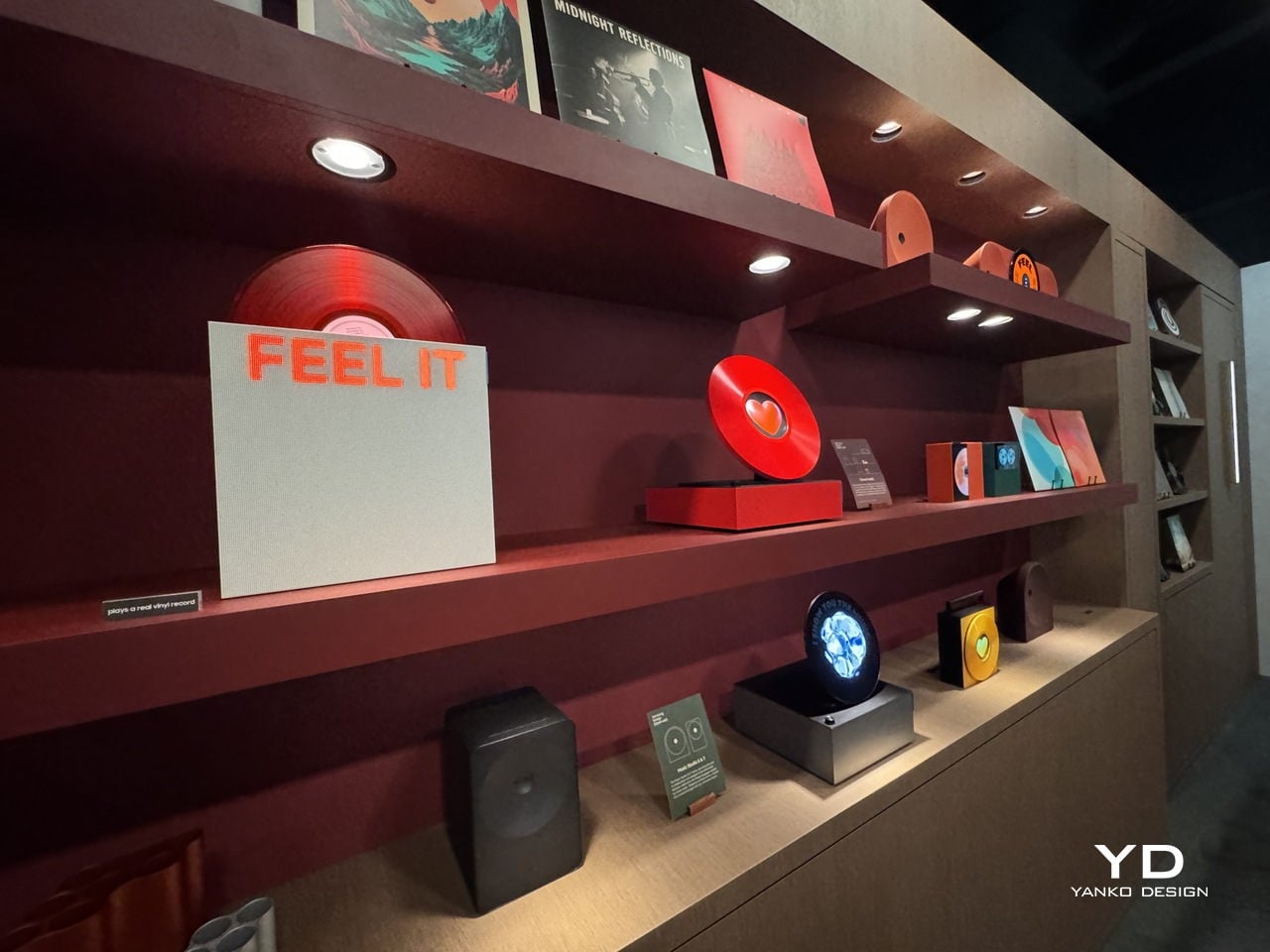
Samsung Design seems to think that loss is worth addressing. At Milan Design Week 2026, it presented Visual Audio, a collection of music player concepts that reinterpret the forms of LPs, cassettes, and CD players through tailored displays. Rather than smart speakers with screens bolted on, they’re objects designed to make listening visible again, giving digital music a presence that largely disappeared with the vinyl era.
Designer: Samsung Audio
The appeal of analog formats was never really about fidelity. It was about having something to look at while the music played, a record spinning on a platter, tape reels turning inside their housing, a disc glowing in a transparent tray. Each gave listening a visual rhythm you could follow without thinking. Streaming quietly removed all of that, leaving the experience invisible in a way that’s only grown more obvious.
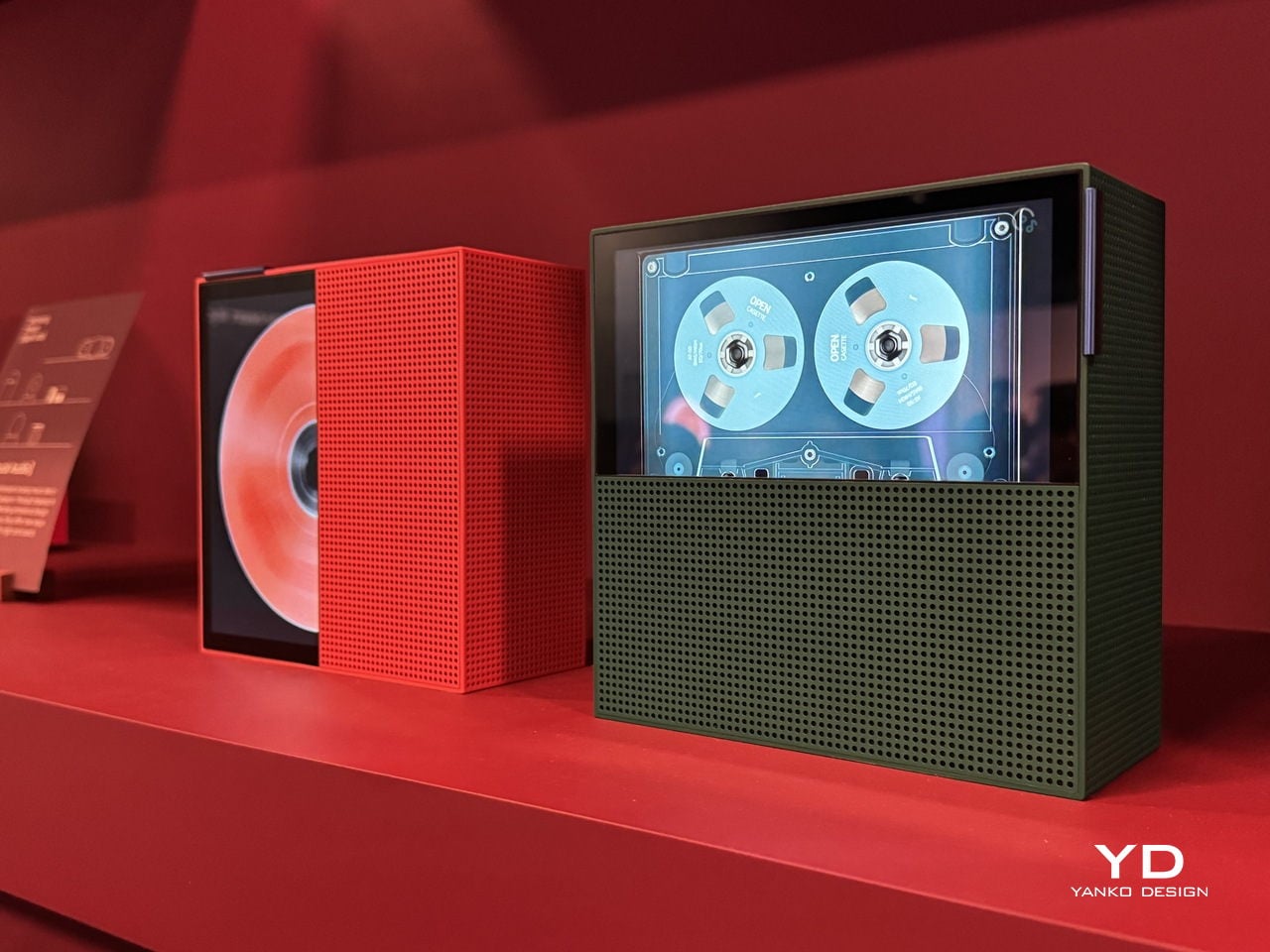
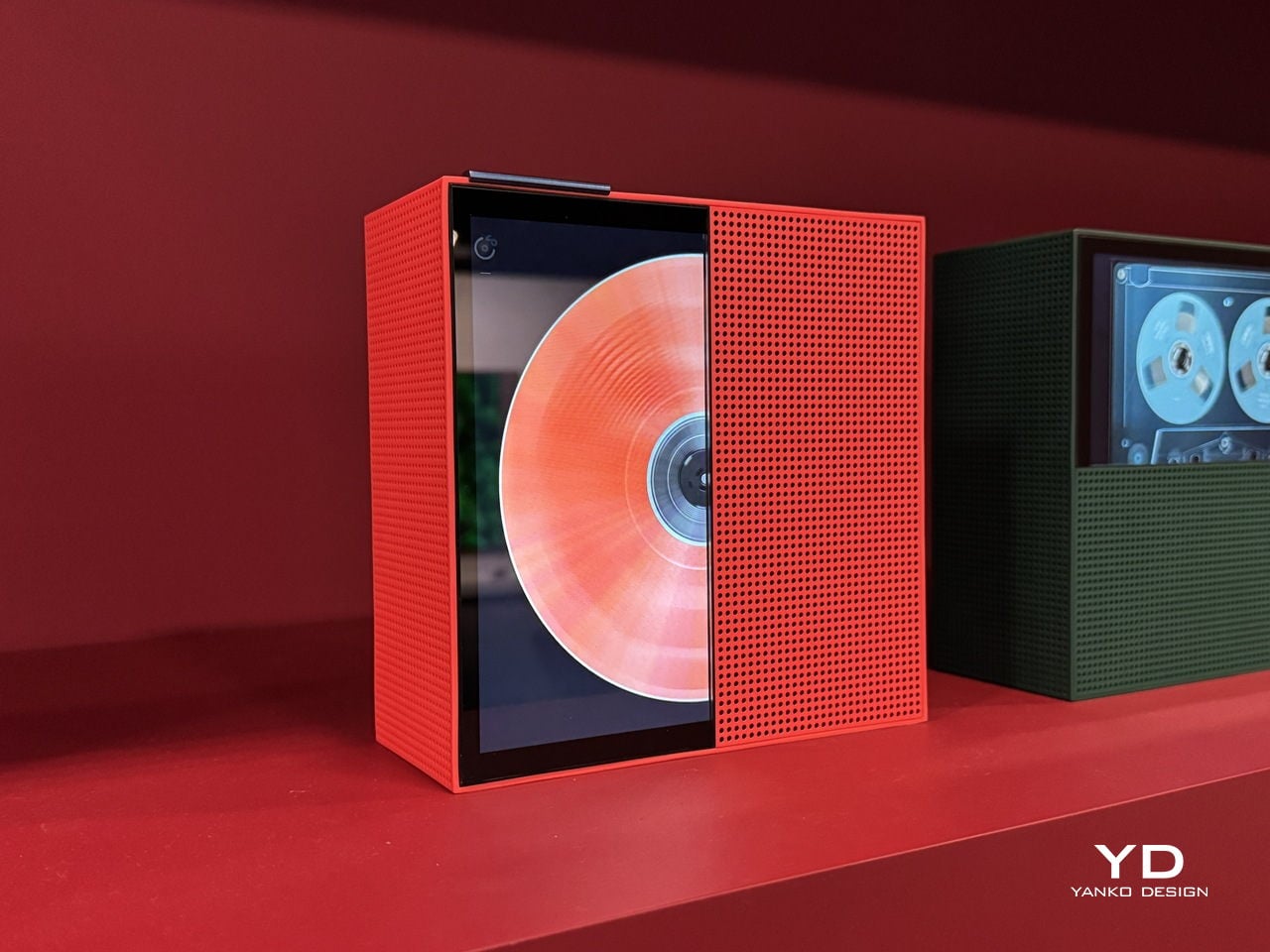
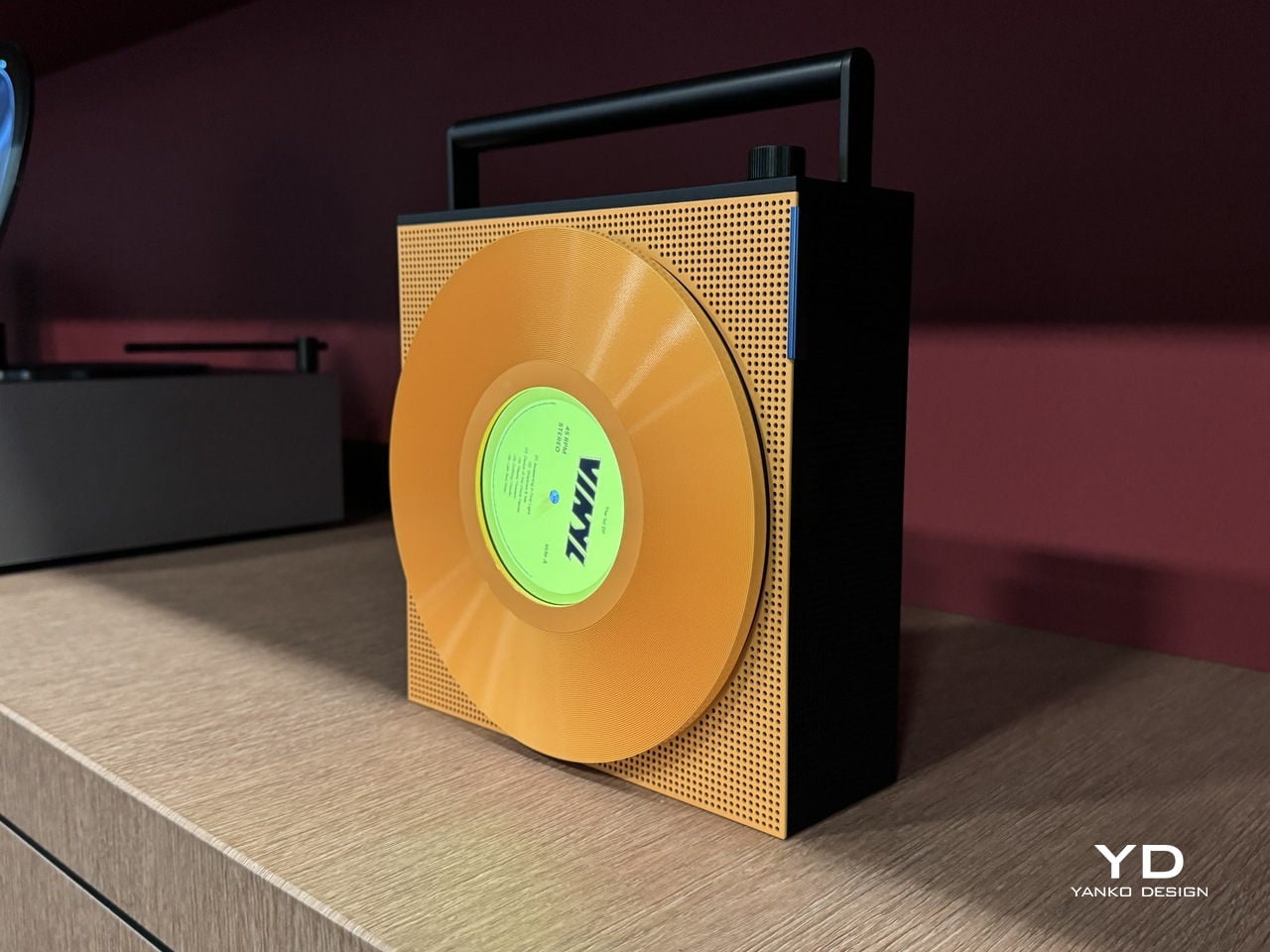
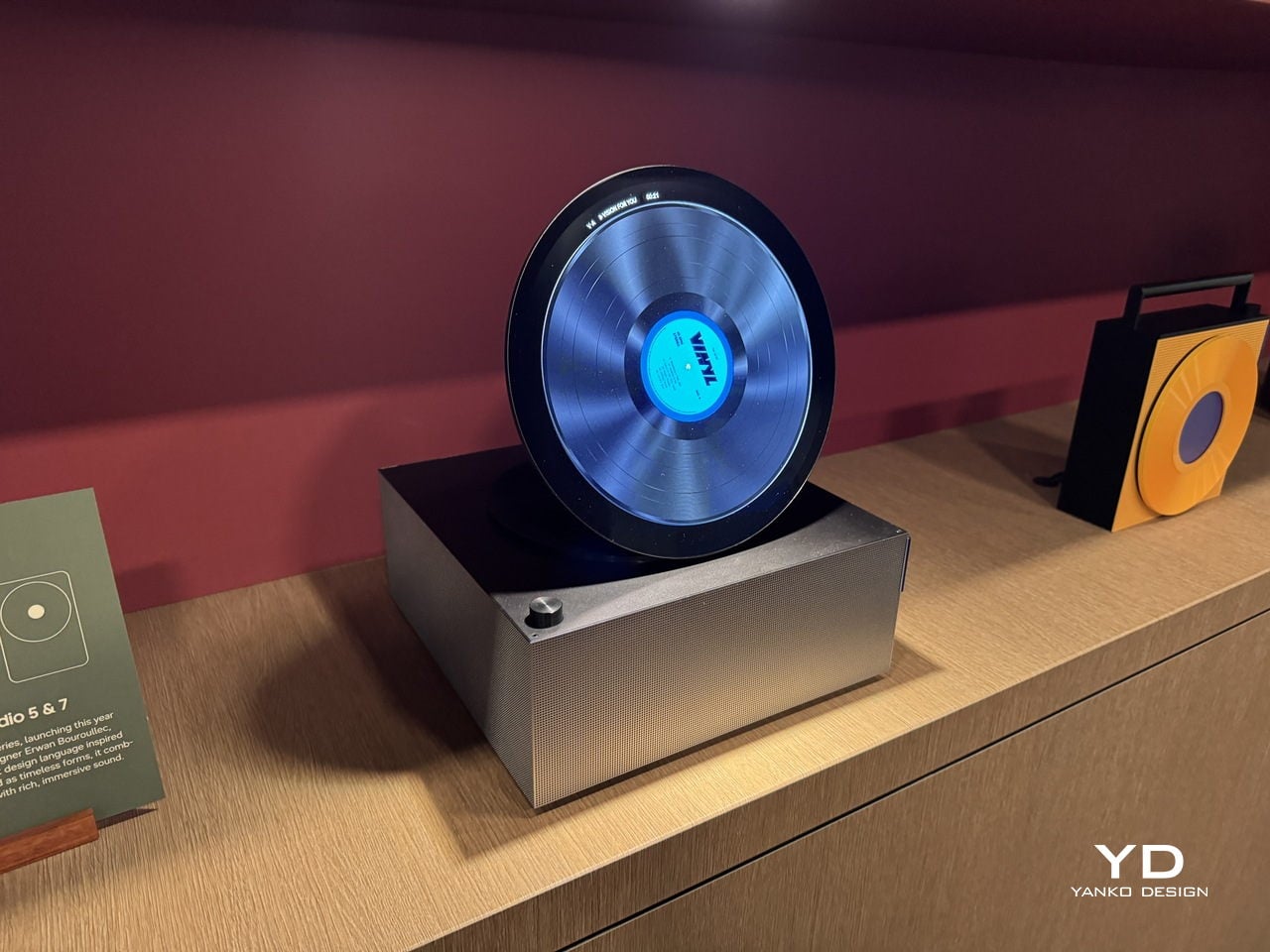
Visual Audio addresses this with objects that are clearly players but also clearly more. One recalls the boxy silhouette of a cassette deck, its screen animating spinning reels as the music plays. Another takes the form of a circular piece that simulates vinyl in motion, with a rotating label at the center. Each has a visual identity tied to the analog format it evokes, and that’s very much the point.
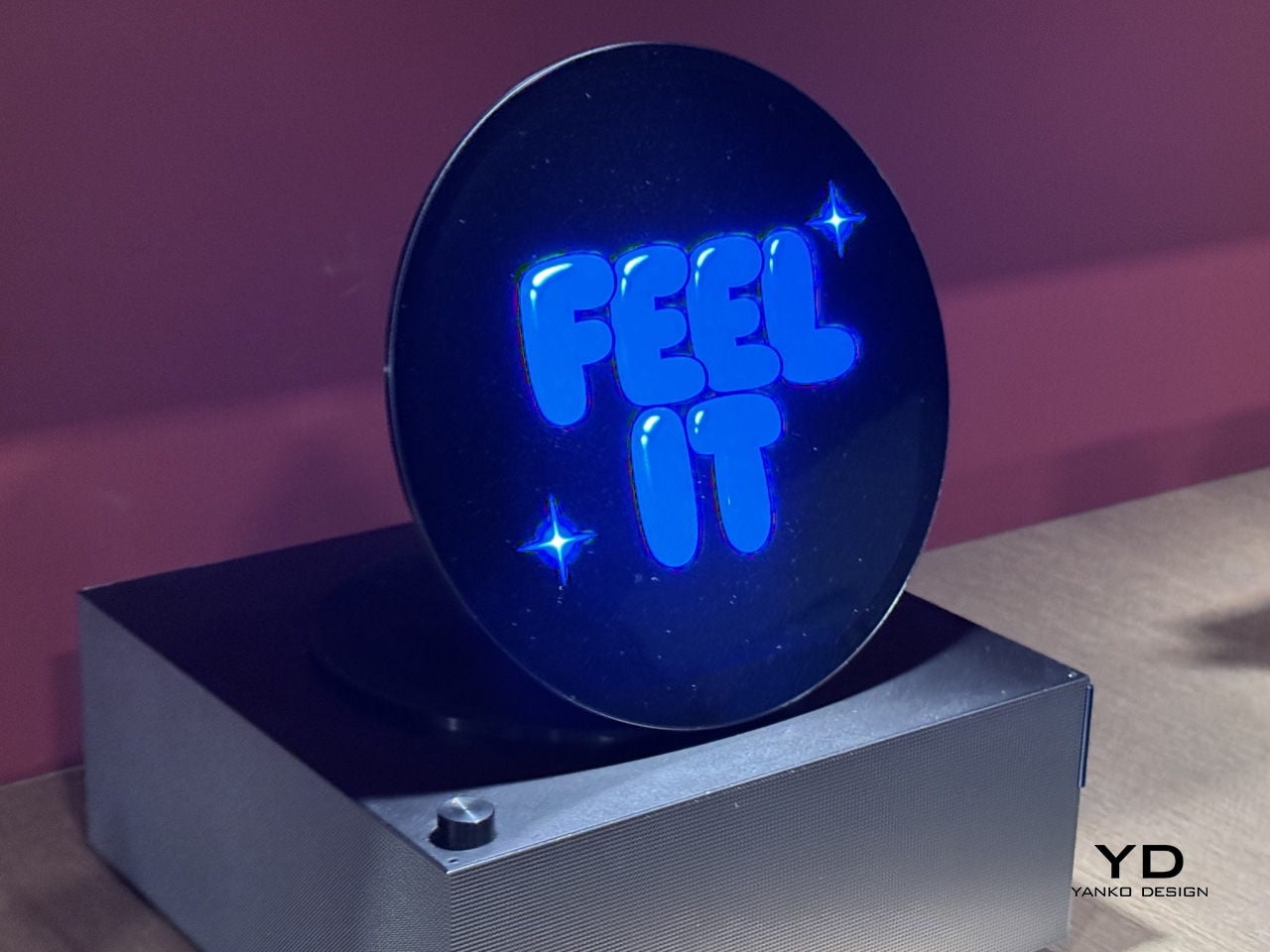
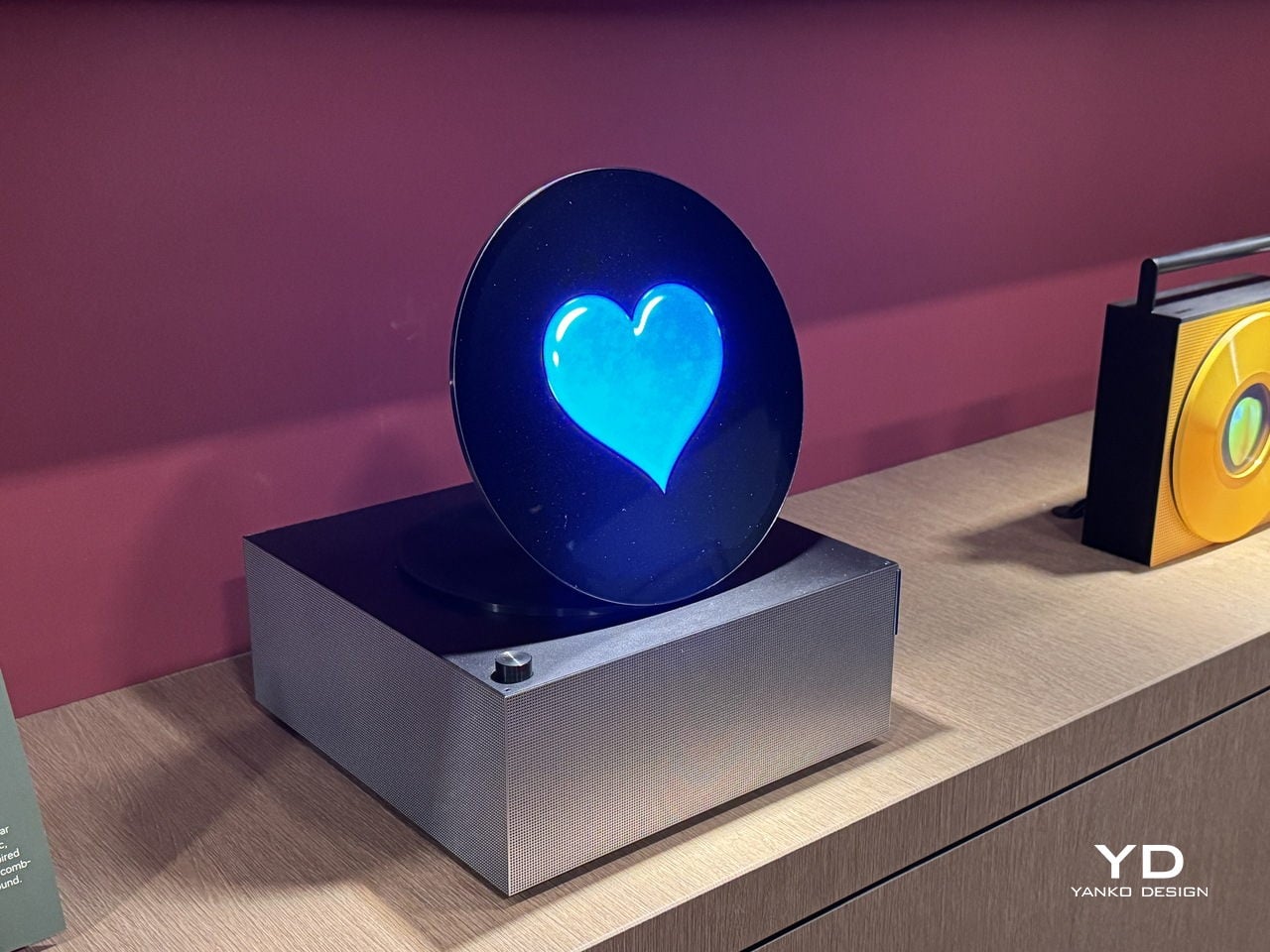
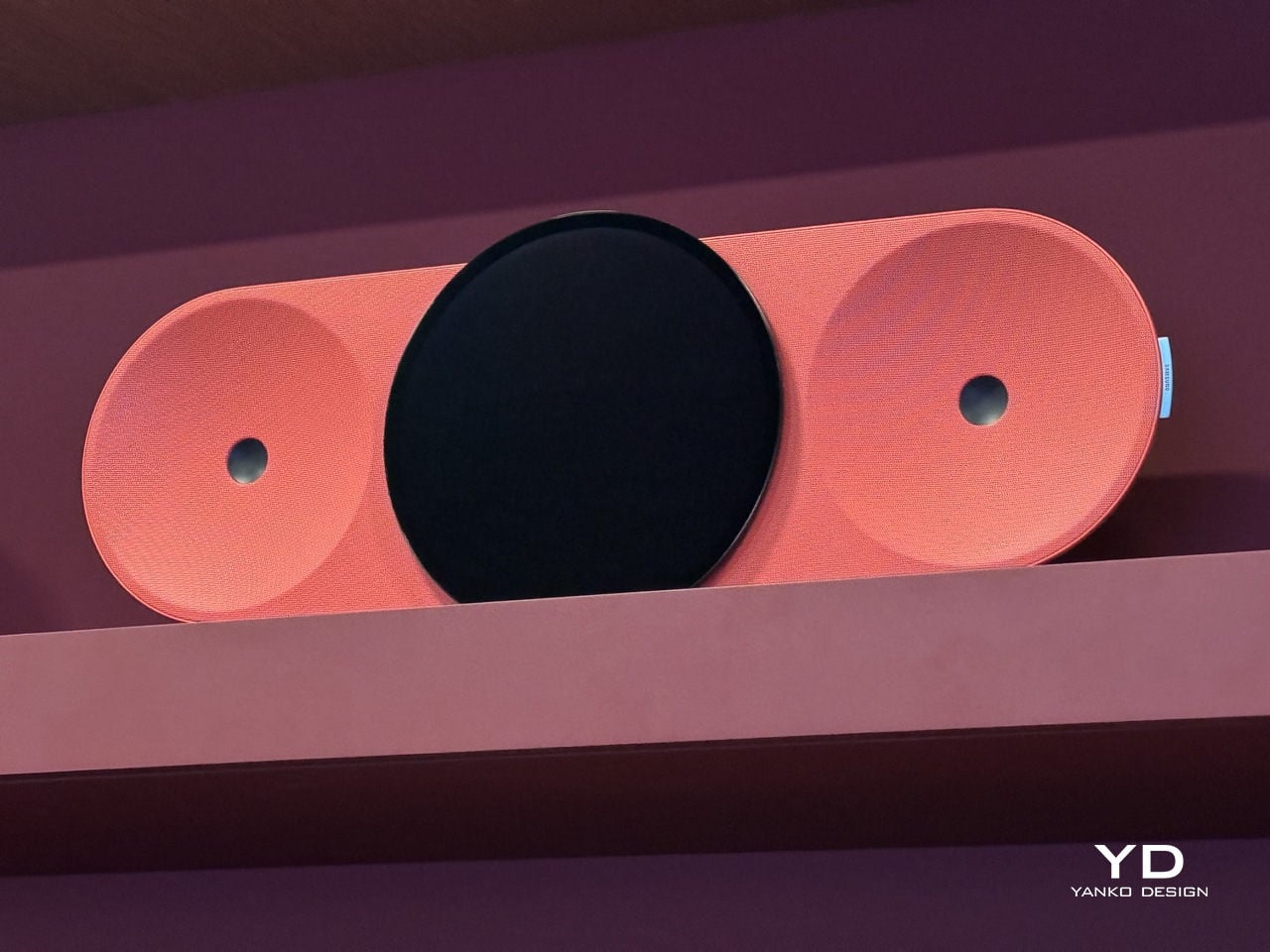
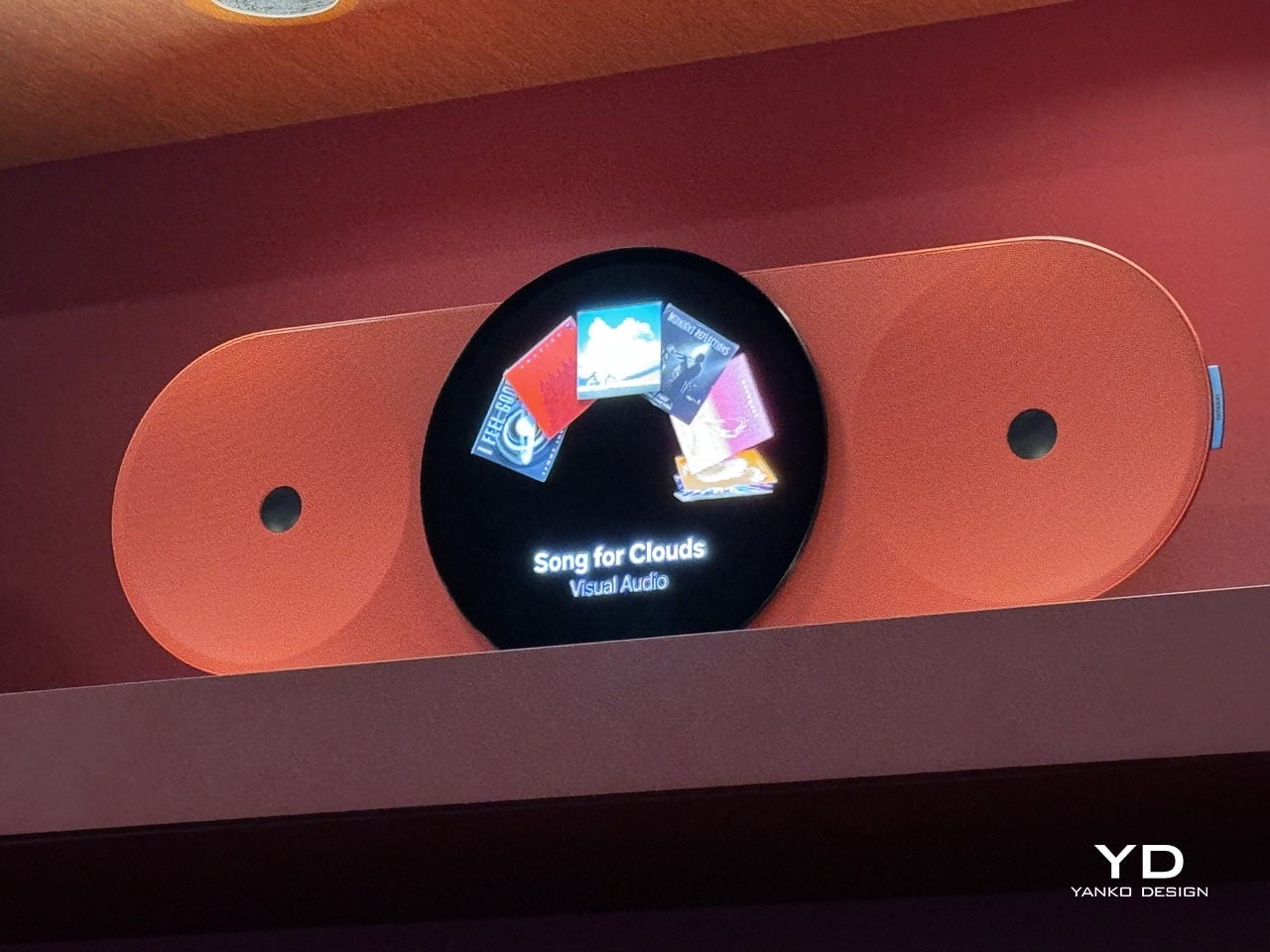
What these objects do differently from regular speakers or streaming devices is make playback legible. When something is playing, you see it happening. The interface isn’t a generic progress bar on an app; it’s a reel turning, a record label spinning, album art presented in a way that matches the physical form of the device. That makes sitting down to listen feel more like an occasion than a habit.
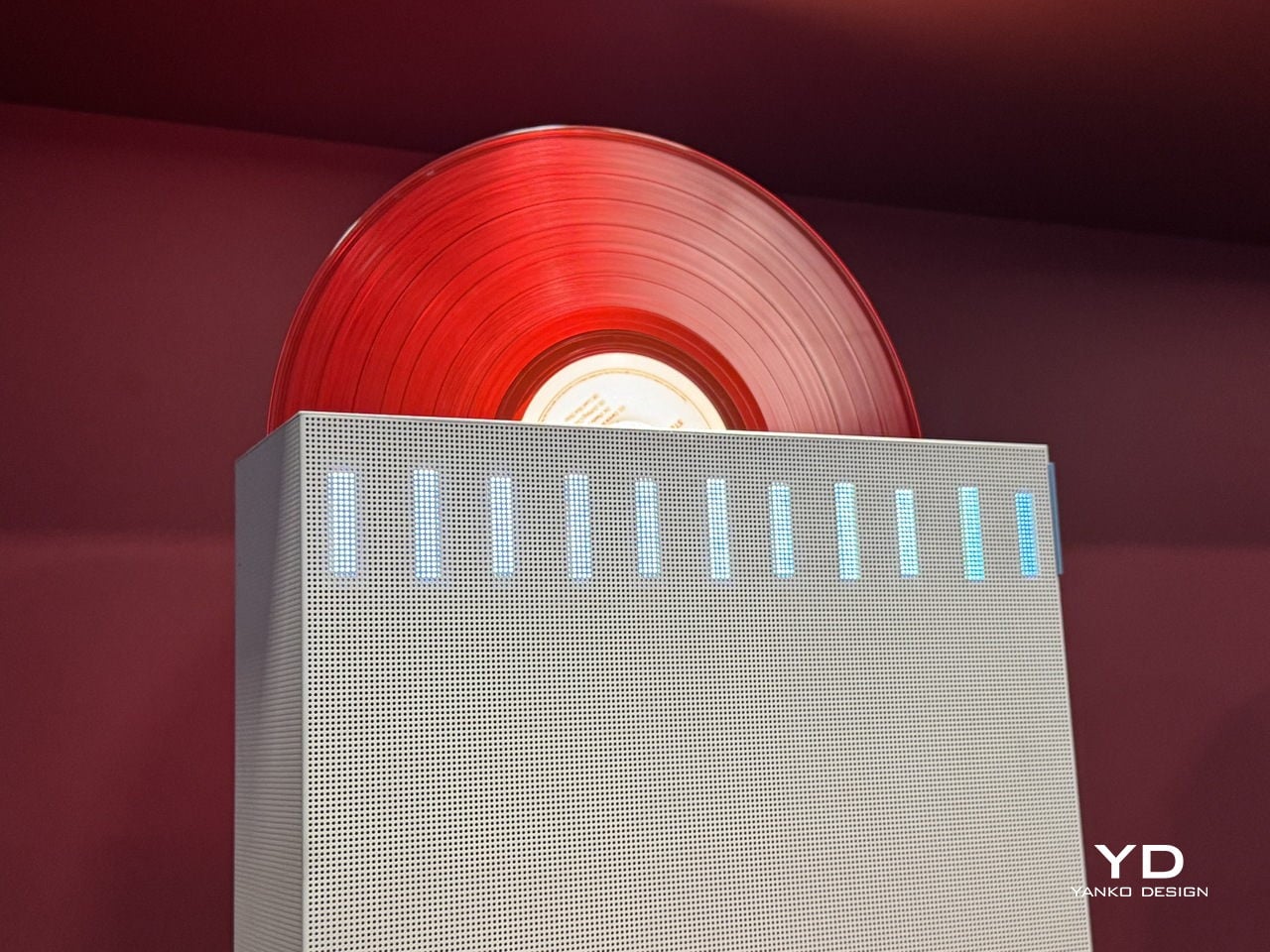
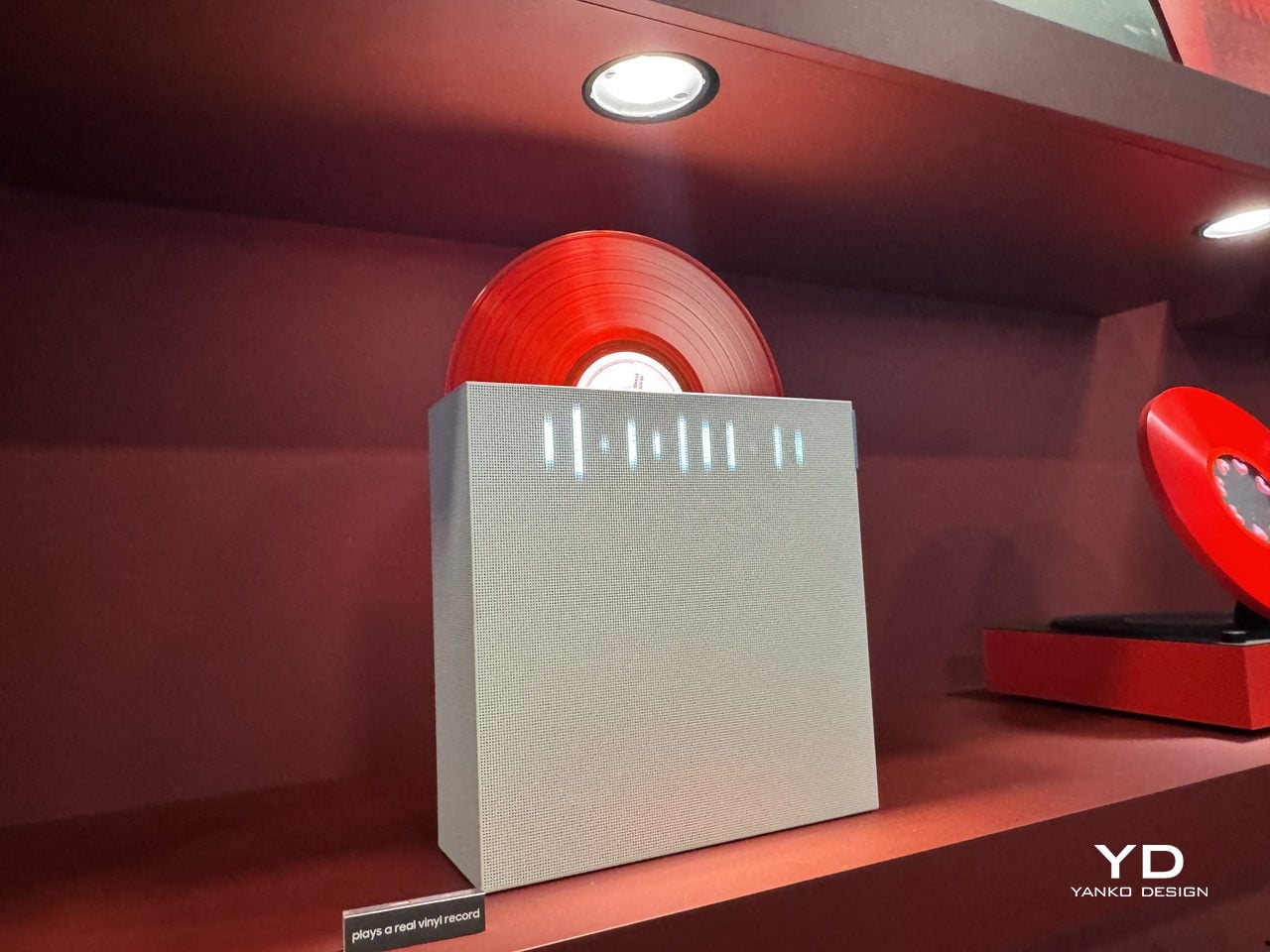
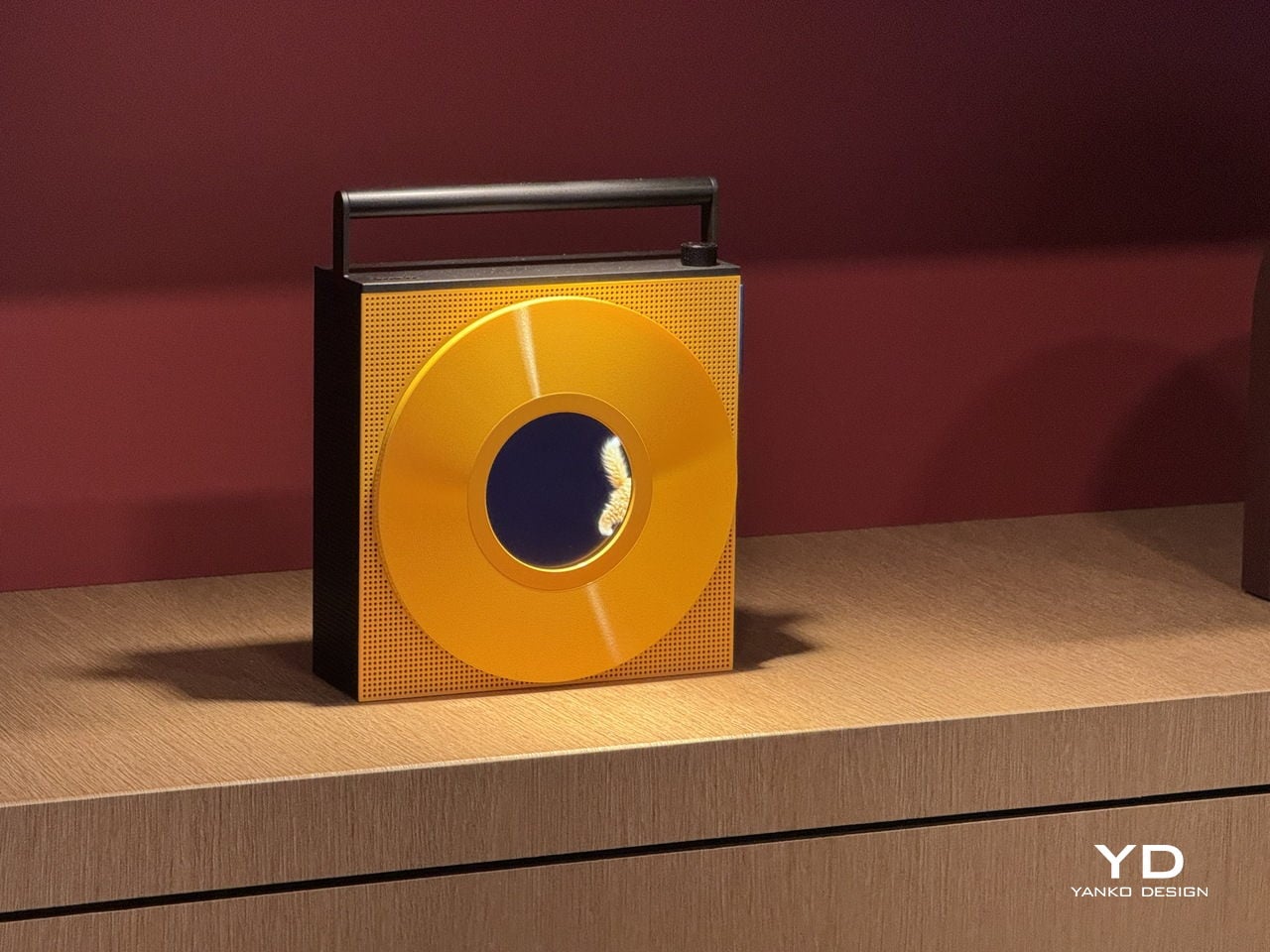
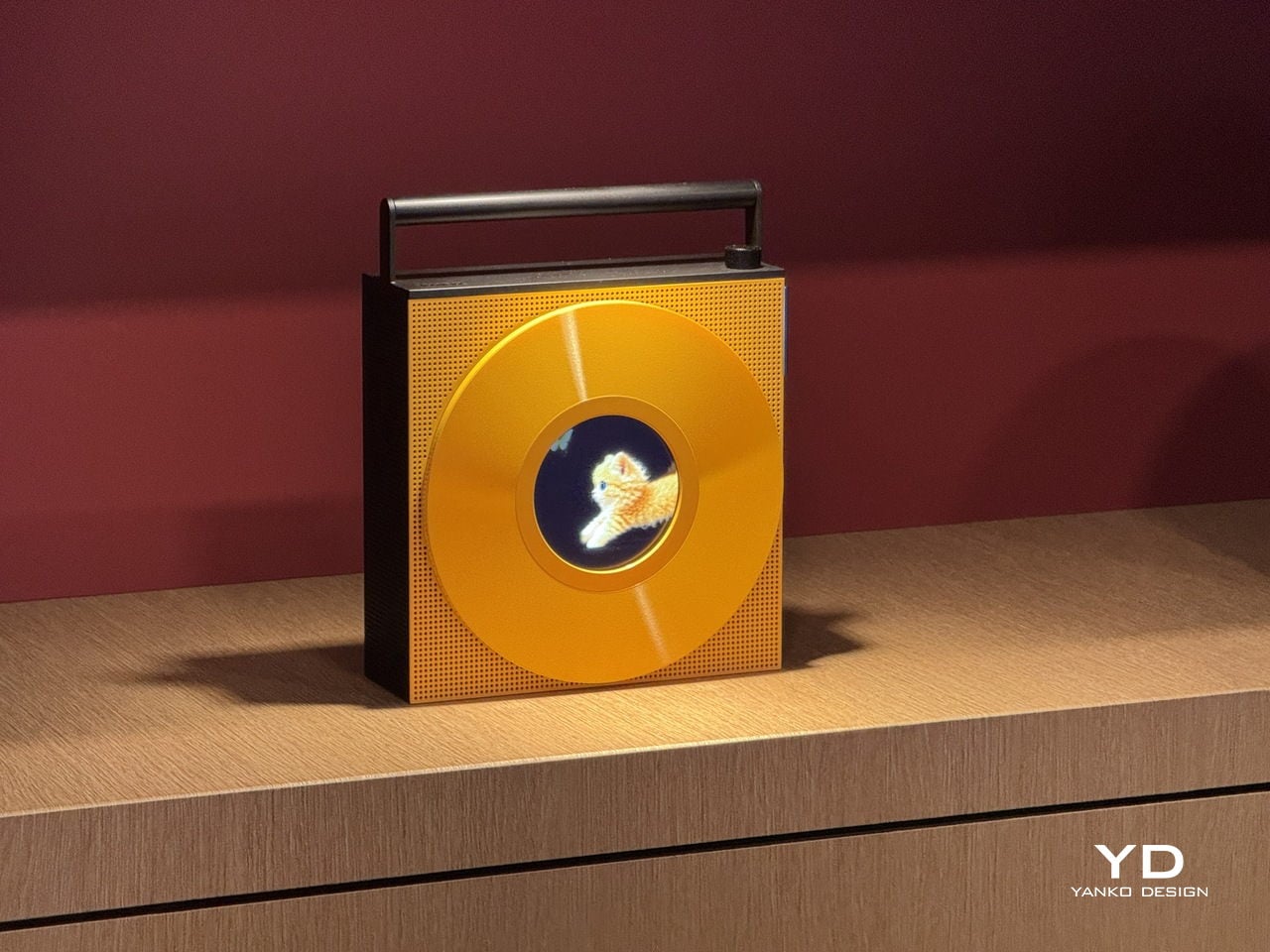
There’s also how these pieces actually live in a room. A speaker that looks like a cassette deck or a miniature turntable doesn’t need to be tucked in a corner; it contributes to the space around it, the way a record collection or a well-placed audio rack once did. Keep one on a desk, and it quietly communicates something about taste and how seriously you take the act of listening.
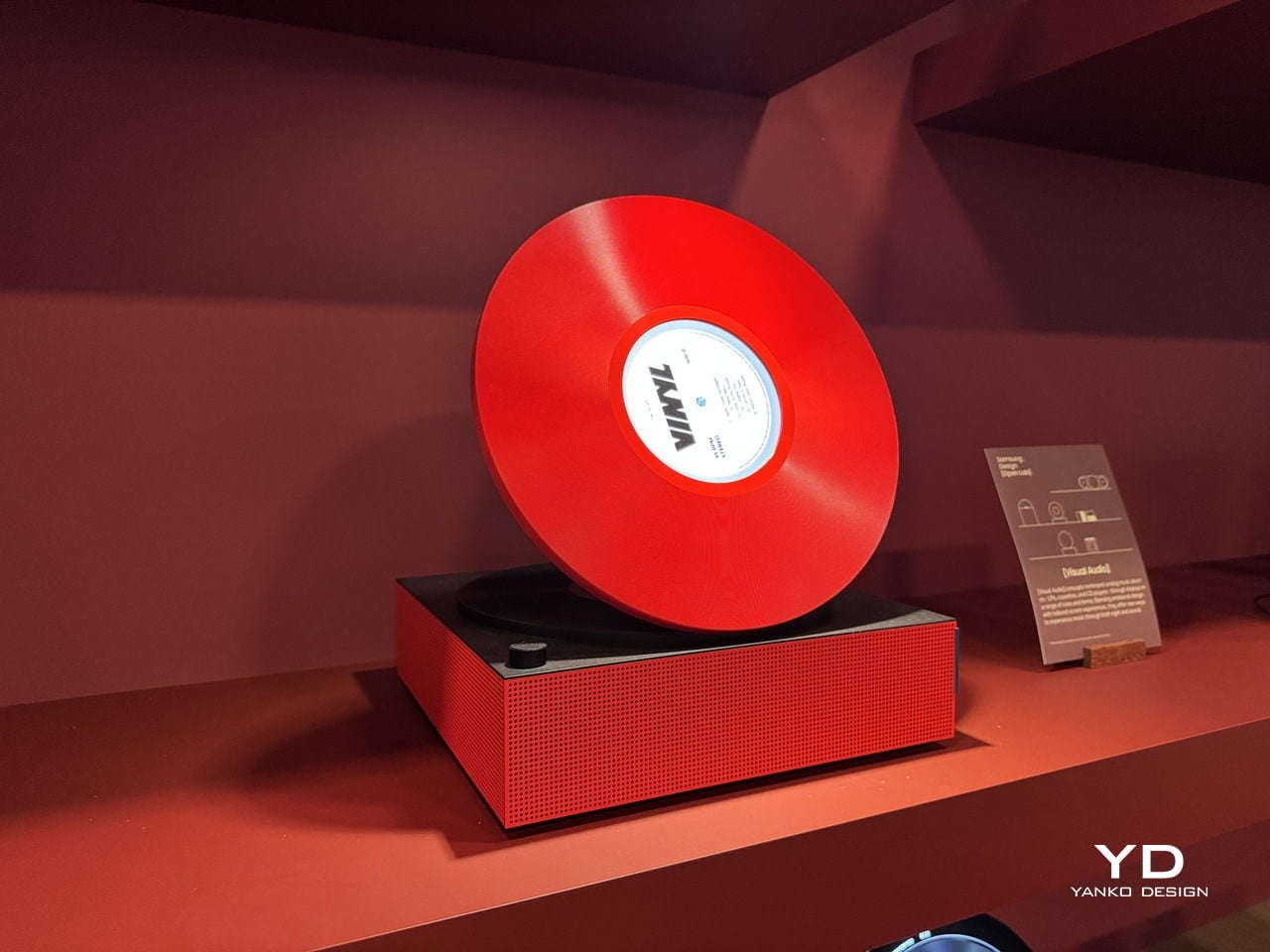
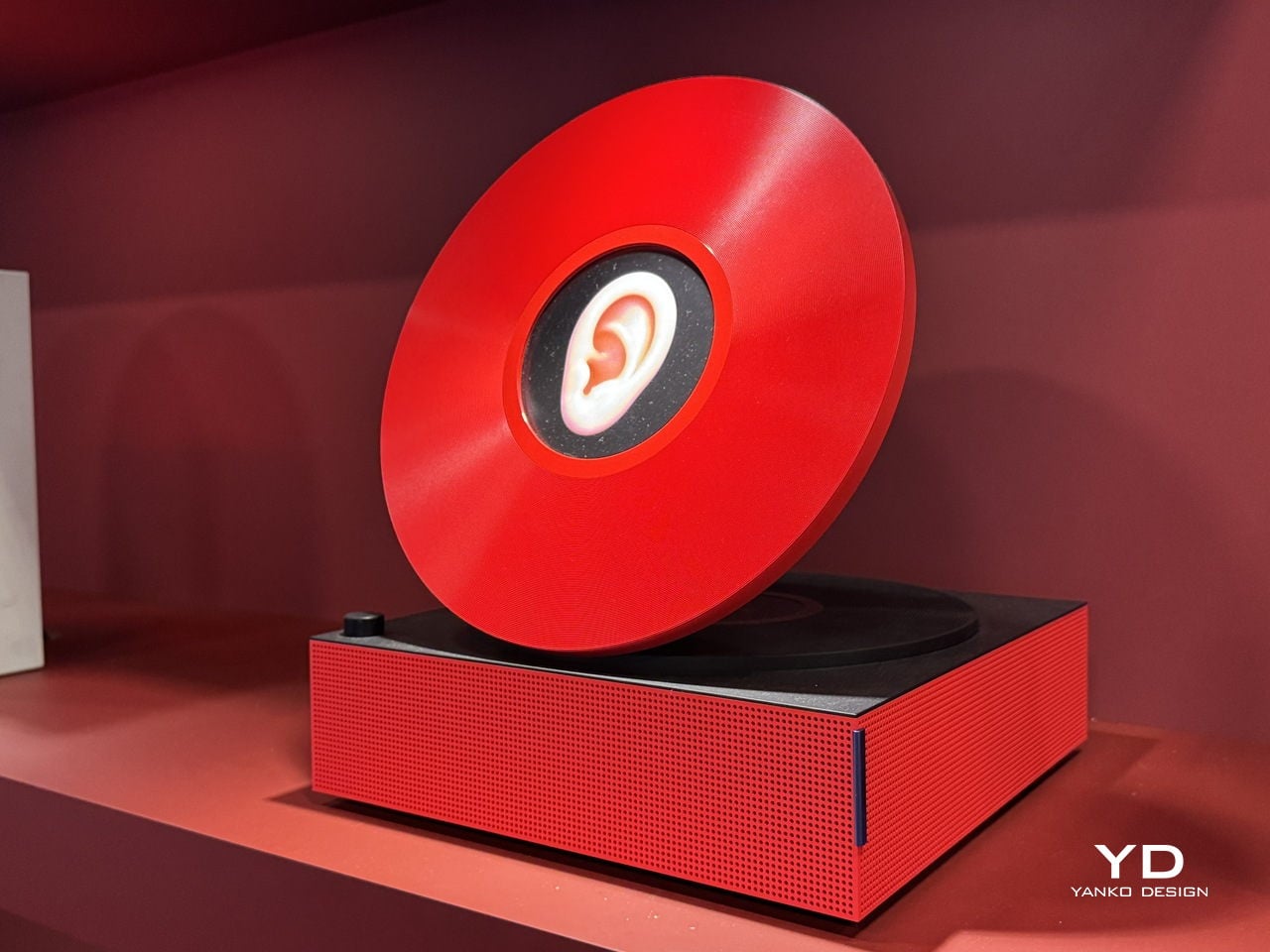
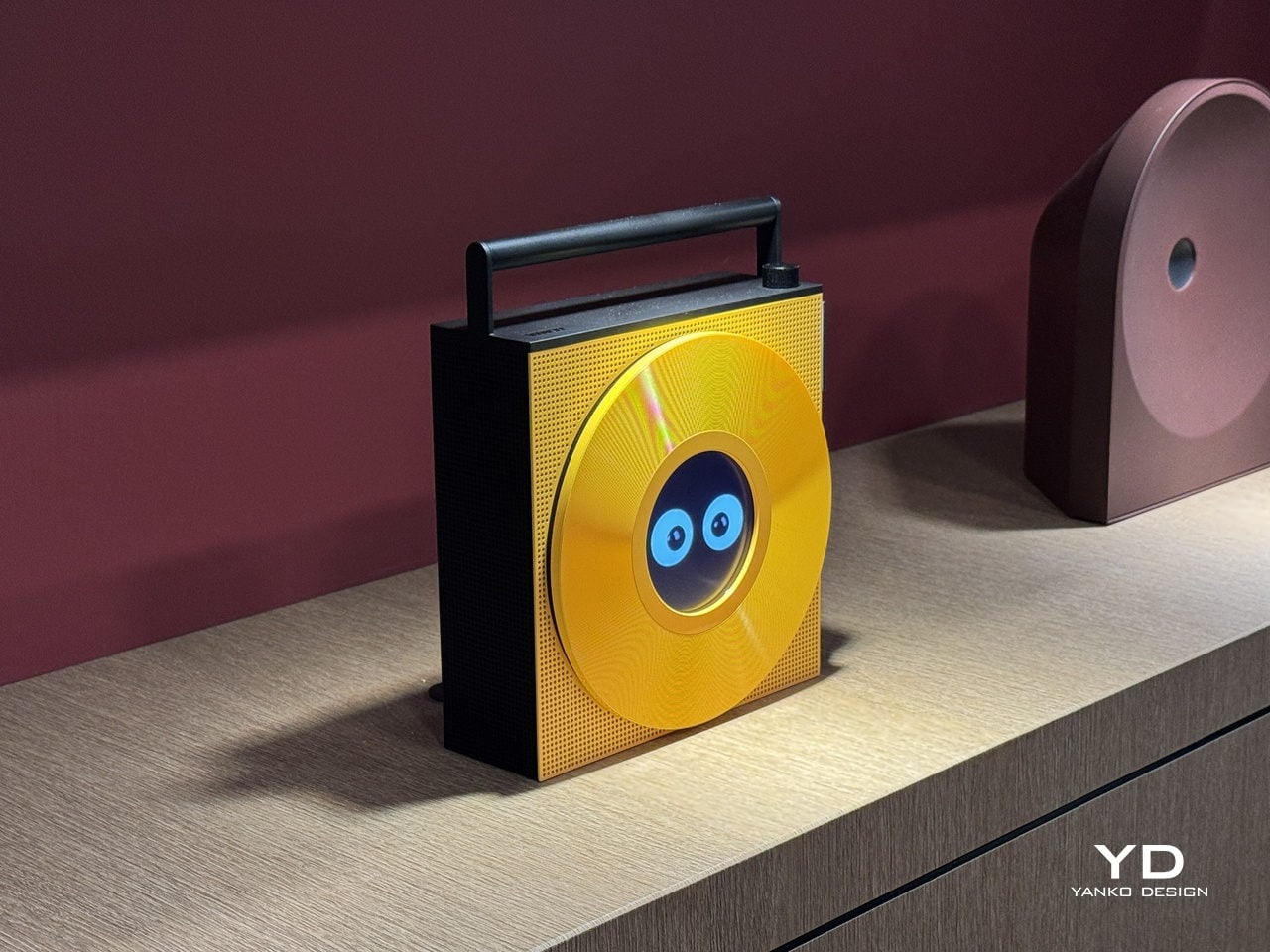
None of the Visual Audio concepts are headed for retail, and Samsung Design is upfront about that. They’re experiments, open questions about what music players could look like if they treated the emotional intelligence of analog formats as a design priority. The interesting thing is how specific and considered they are for objects not going anywhere near a store, which suggests this line of thinking goes beyond the exhibition itself.