
Most furniture design is an exercise in addition. More drawers. More shelves. More compartments to fill with things we forget we own. It is refreshing, then, to come across a piece that does the exact opposite and still lands somewhere quietly brilliant.
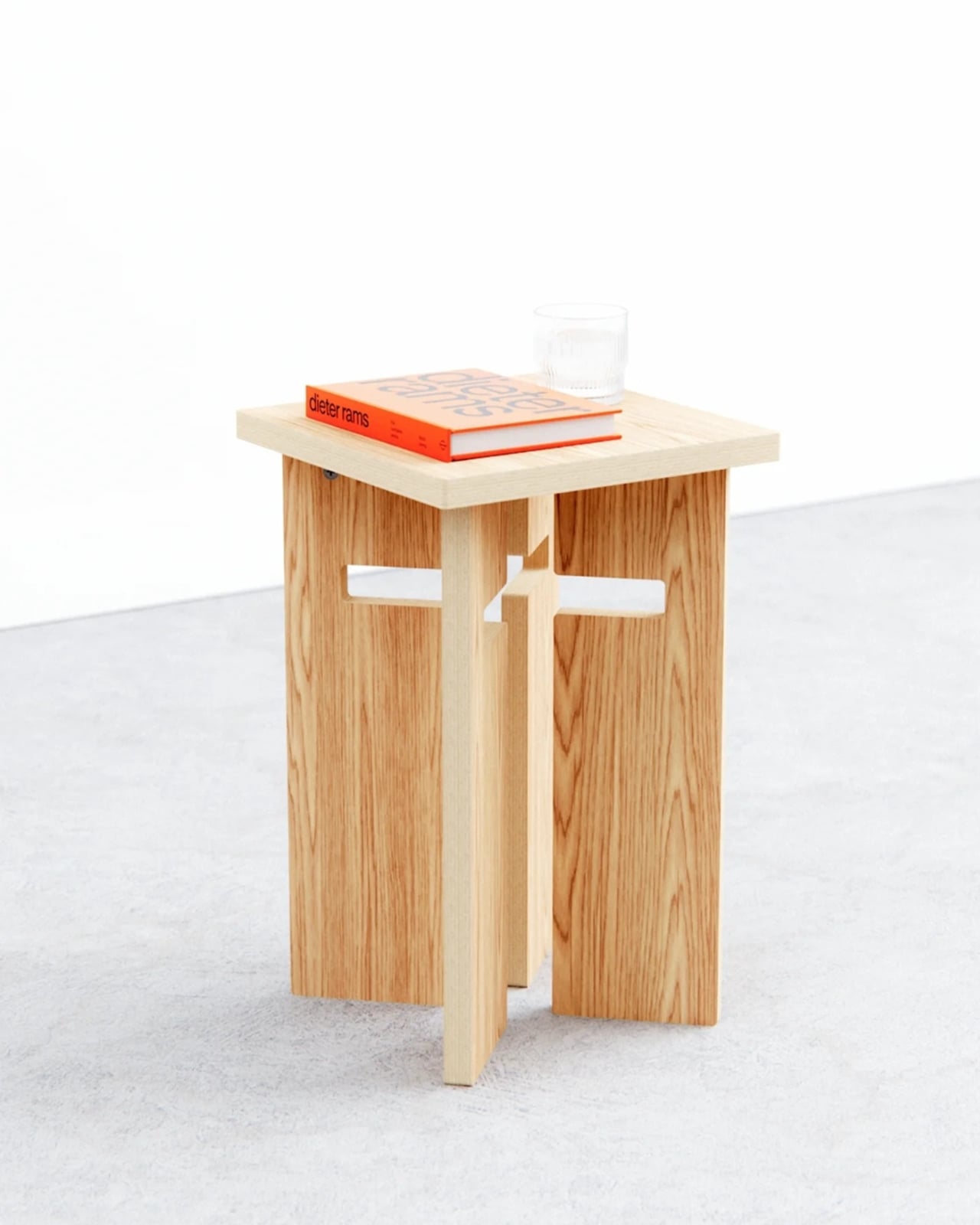
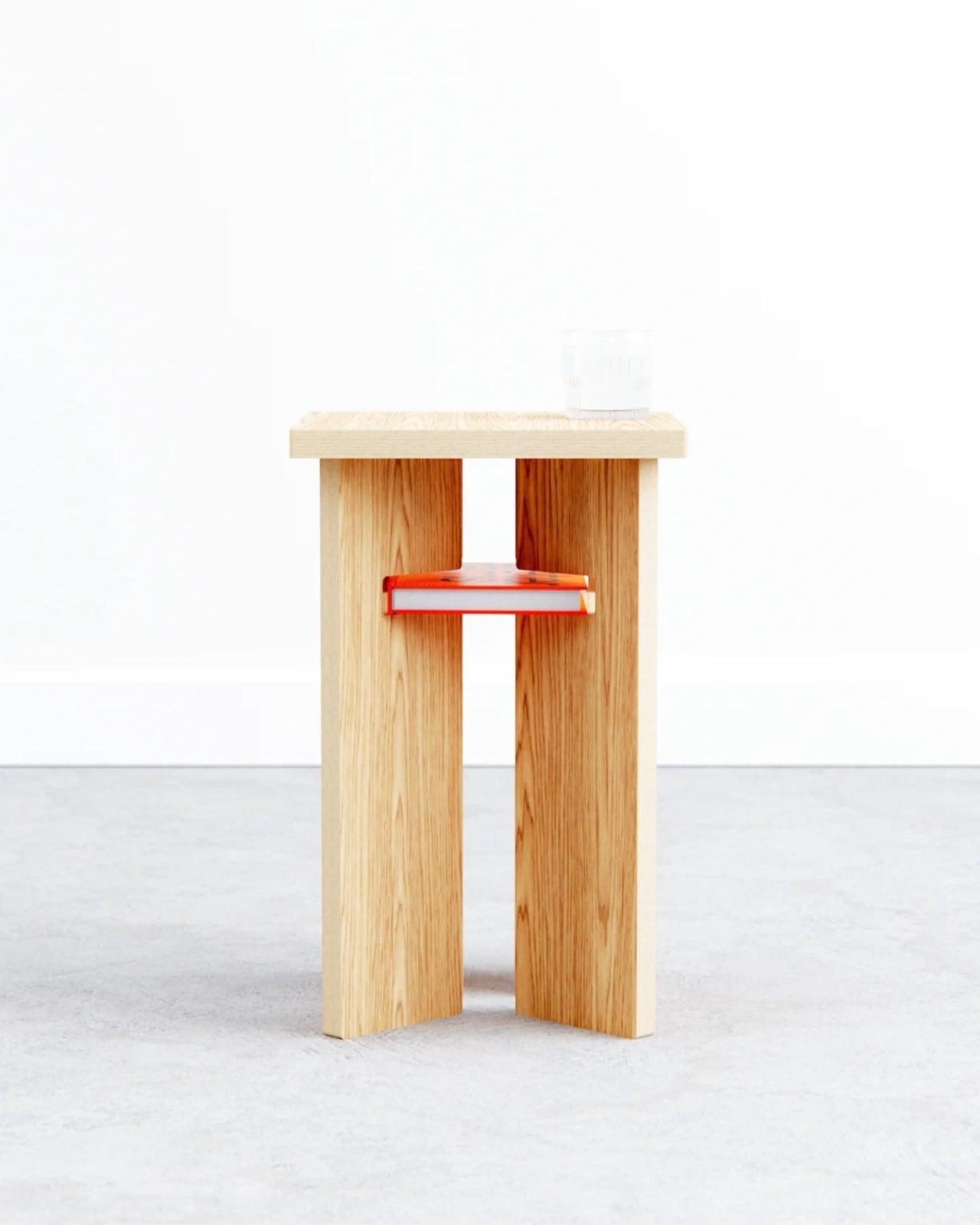
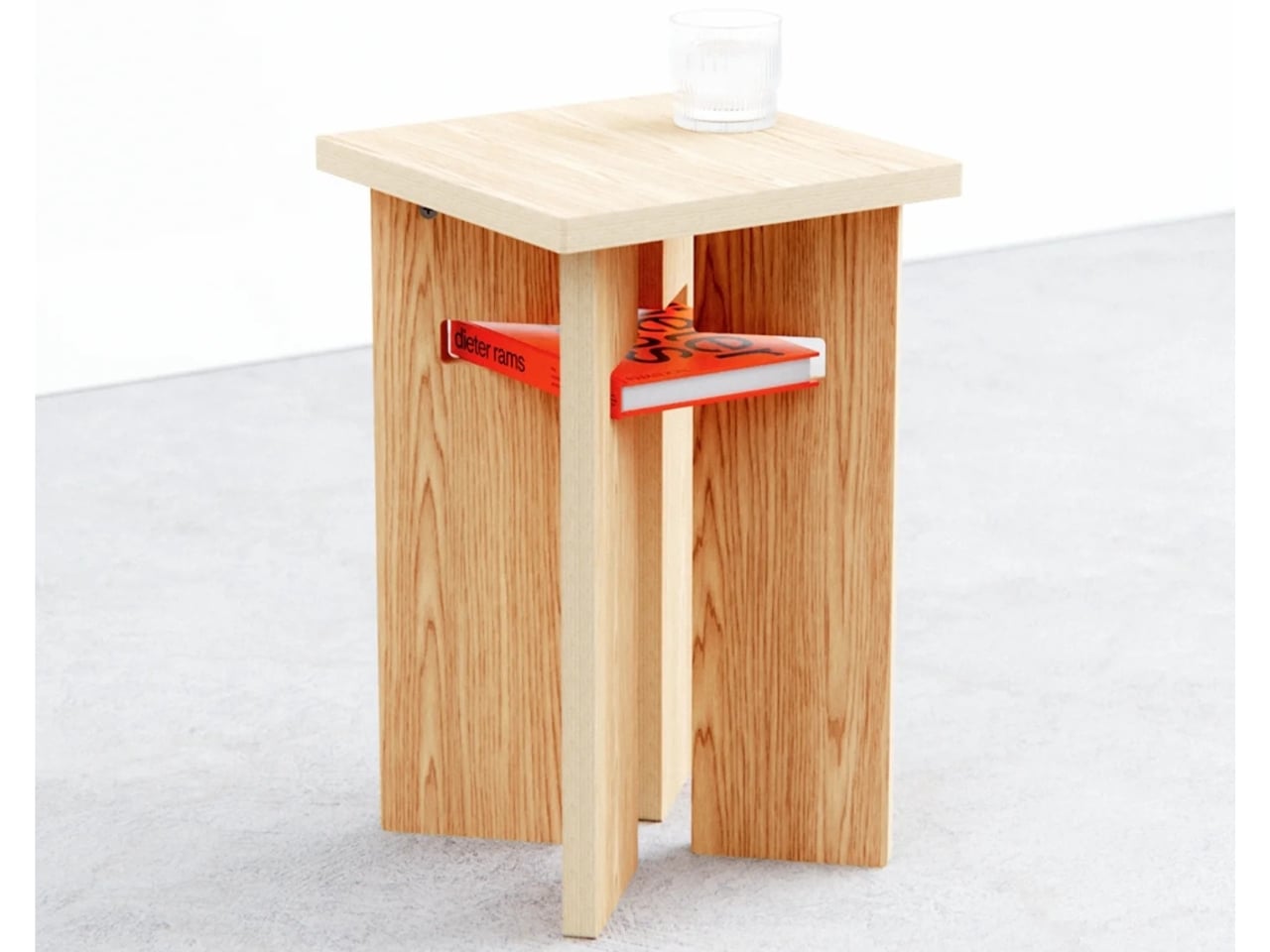
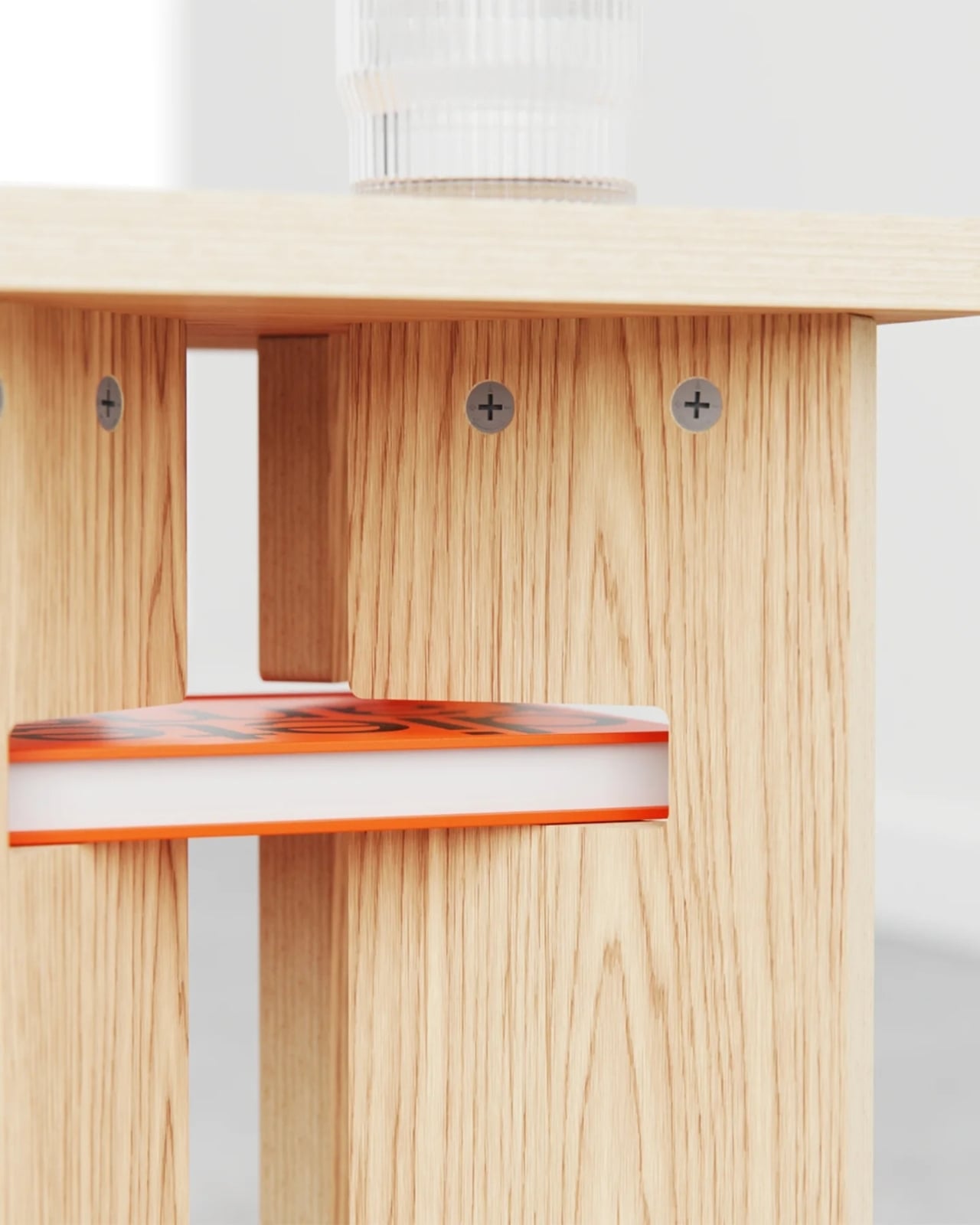
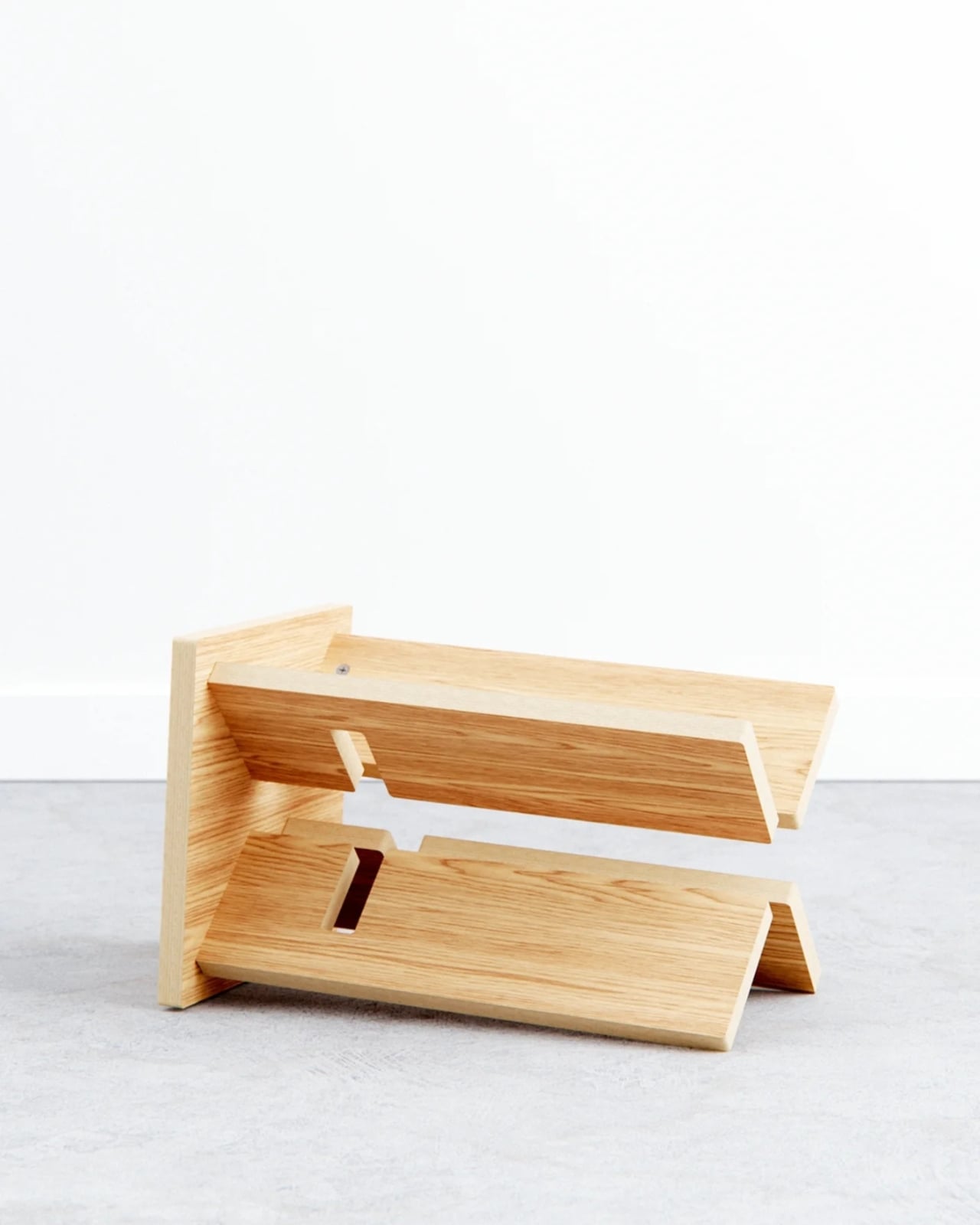
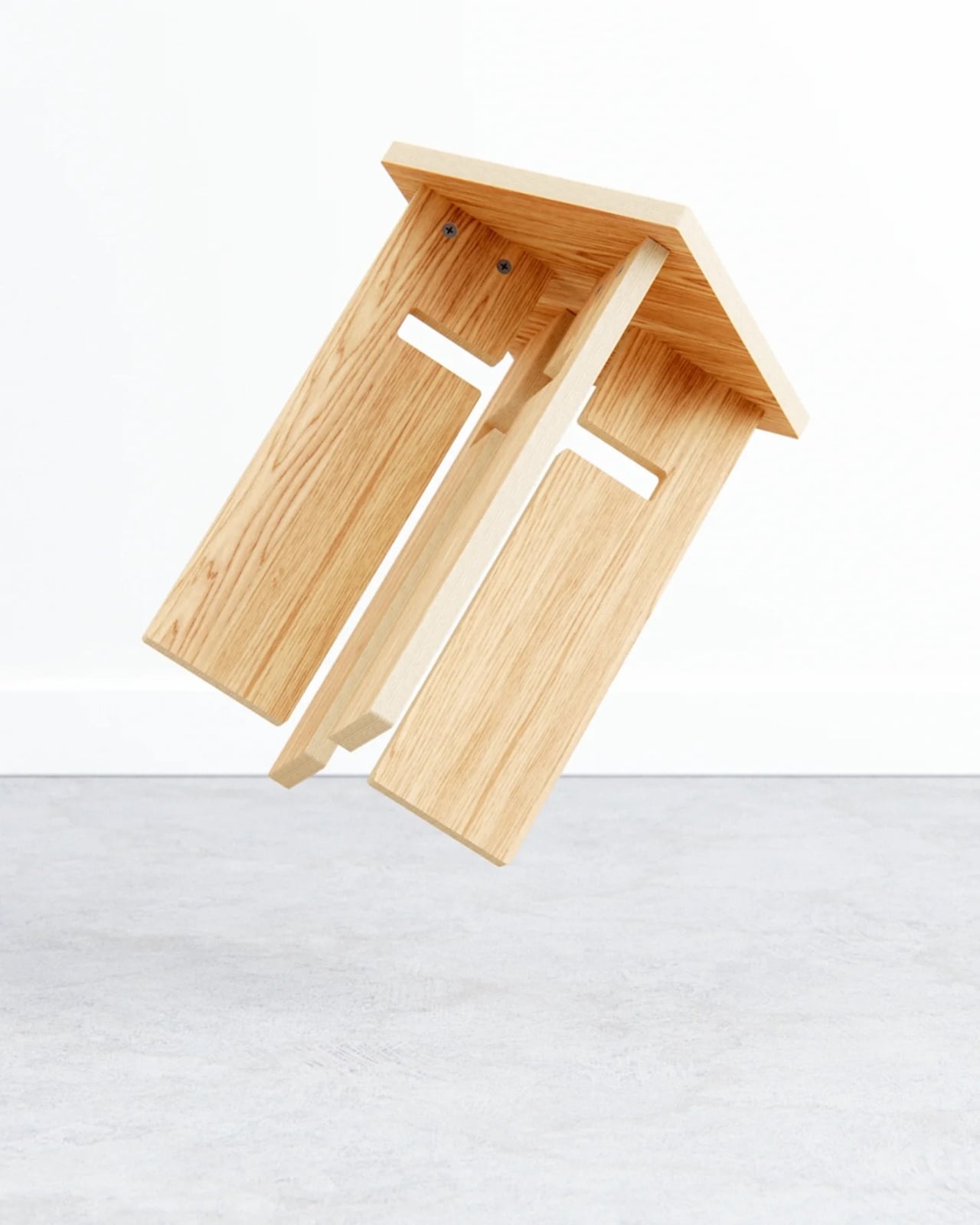
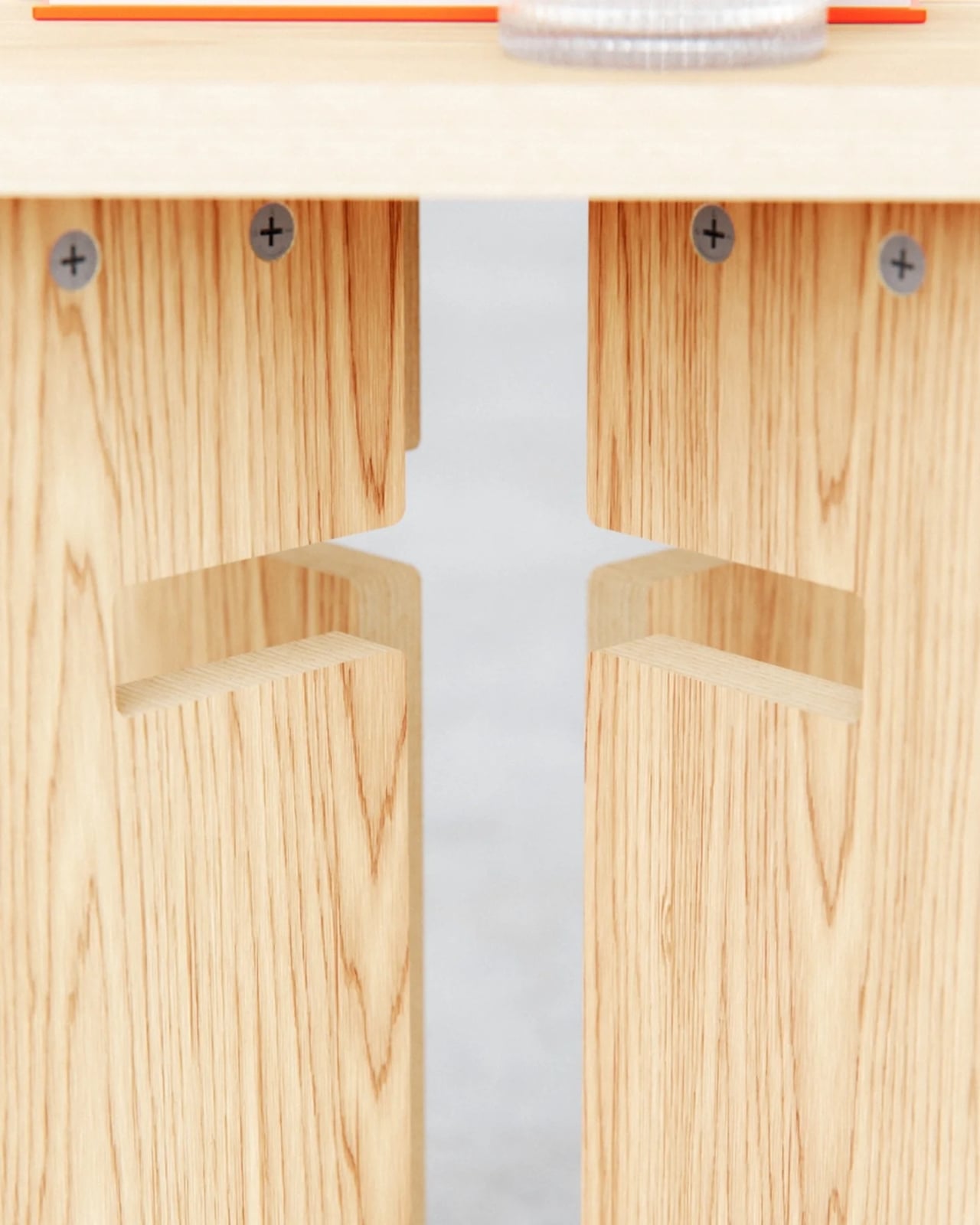
Meet the Notch Side Table, designed by Liam de la Bedoyere of Bored Eye Design. It is a flat-pack side table made of wood, clean-lined and minimal in the way that good, thoughtful furniture tends to be. From certain angles, it looks almost unremarkable. Two sets of paired legs, a flat top, honest grain. Then you look between the legs and notice the cutout, a precisely carved notch sized to hold a single book suspended between the panels, spine facing out, held steady by the tension of the slot. That is it. That is the entire idea. And somehow, it is one of the more satisfying design moves I have seen in a while.
Designer Name: Liam de la Bedoyere (Bored Eye Design)
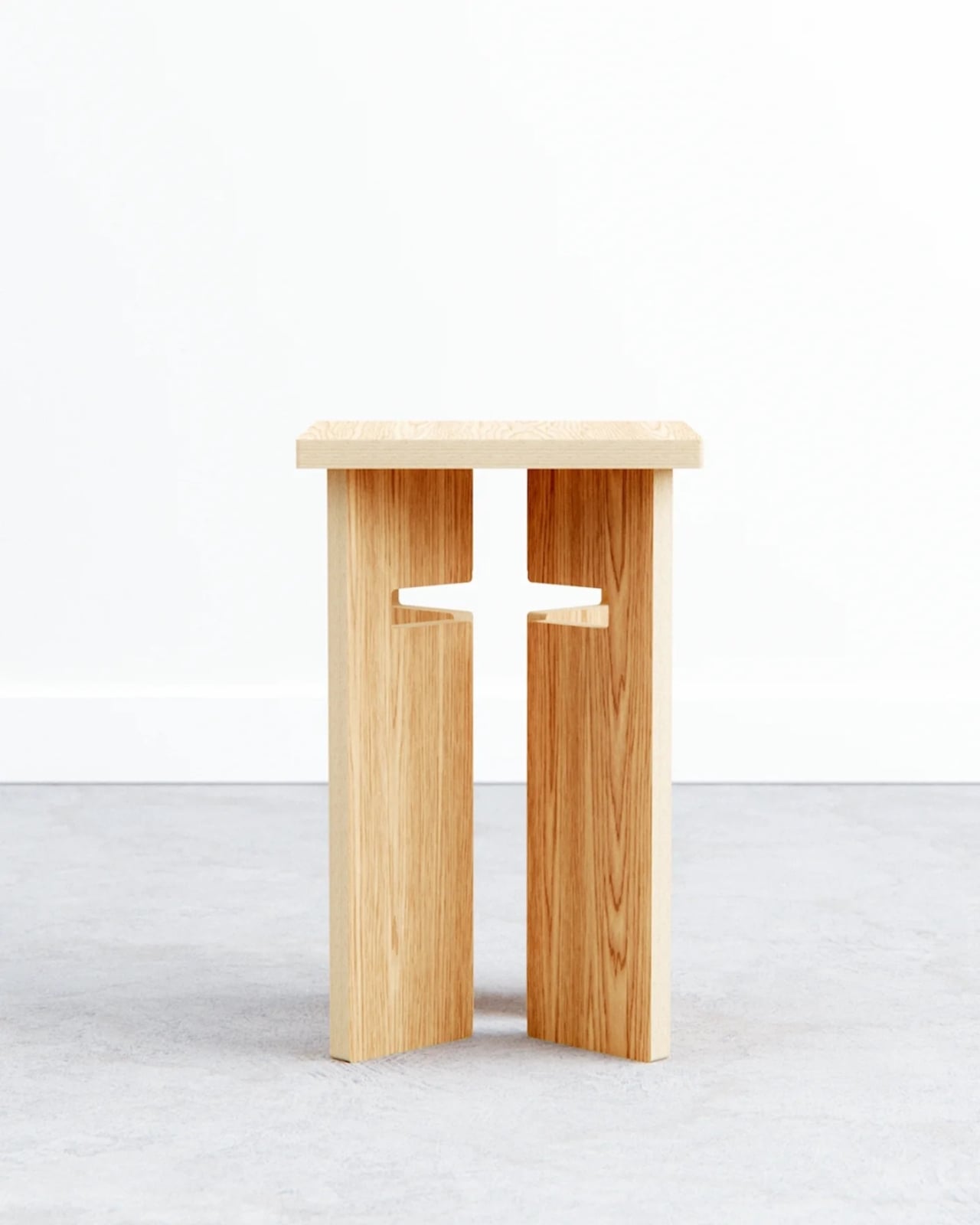

The designer’s own framing says it best: material is removed to add use. Rather than building up, de la Bedoyere carved away. By taking wood out, he created a dedicated slot that functions as a book holder without adding any extra hardware, brackets, or fussy mechanisms. The notch is load-bearing in the most elegant sense of the word. It is structural and functional all at once, and it costs the table almost nothing to include. That kind of efficiency is harder to achieve than it looks.
Bored Eye Design is a one-person independent studio, and the Notch feels like the kind of piece that could only come from someone working without a committee. There is a specificity to it, an opinion embedded in the design, that bigger furniture brands tend to sand down in favour of mass appeal. De la Bedoyere has been quietly putting out thoughtful concepts through his Instagram, and the Notch is the one that feels most resolved. It has a clear point of view.
That point of view, as far as I can read it, is about intentionality. The notch holds exactly one book. Not a stack, not an assortment of odds and ends, just one. That constraint is a feature, not a limitation. It asks you to choose. It reminds you, every time you walk past it, that you had a book you were reading, that you actually meant to pick it back up. The book is not tucked away out of sight. It is displayed between the legs of the table like a small personal exhibit.
That is a subtle but genuinely interesting cultural statement about how we relate to the things we claim to care about. Books are increasingly used as decor, stacked artfully on coffee tables in colours that match throw pillows. The Notch does not stack them. It slots one in at midpoint, visible and accessible, in a way that feels more honest than a colour-coordinated pile ever could.
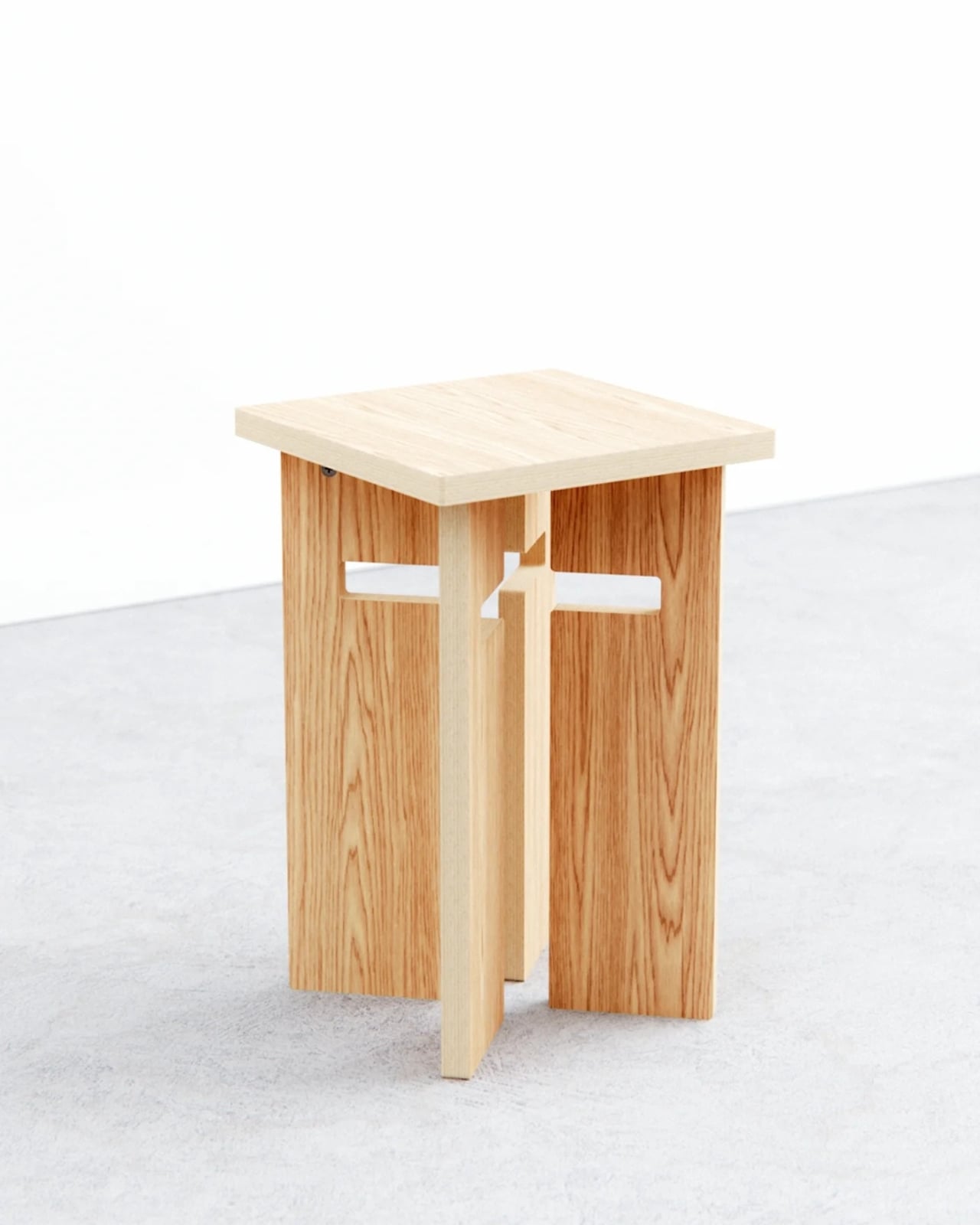
Practically speaking, the flat-pack construction means the table ships flat and assembles without tools that would make your Sunday miserable. The joinery is clean, and the interlocking parts are visible in the design in a way that feels deliberate rather than accidentally exposed. Looking at the disassembled photos, there is a puzzle-like quality to the whole thing that makes it more interesting, not less.
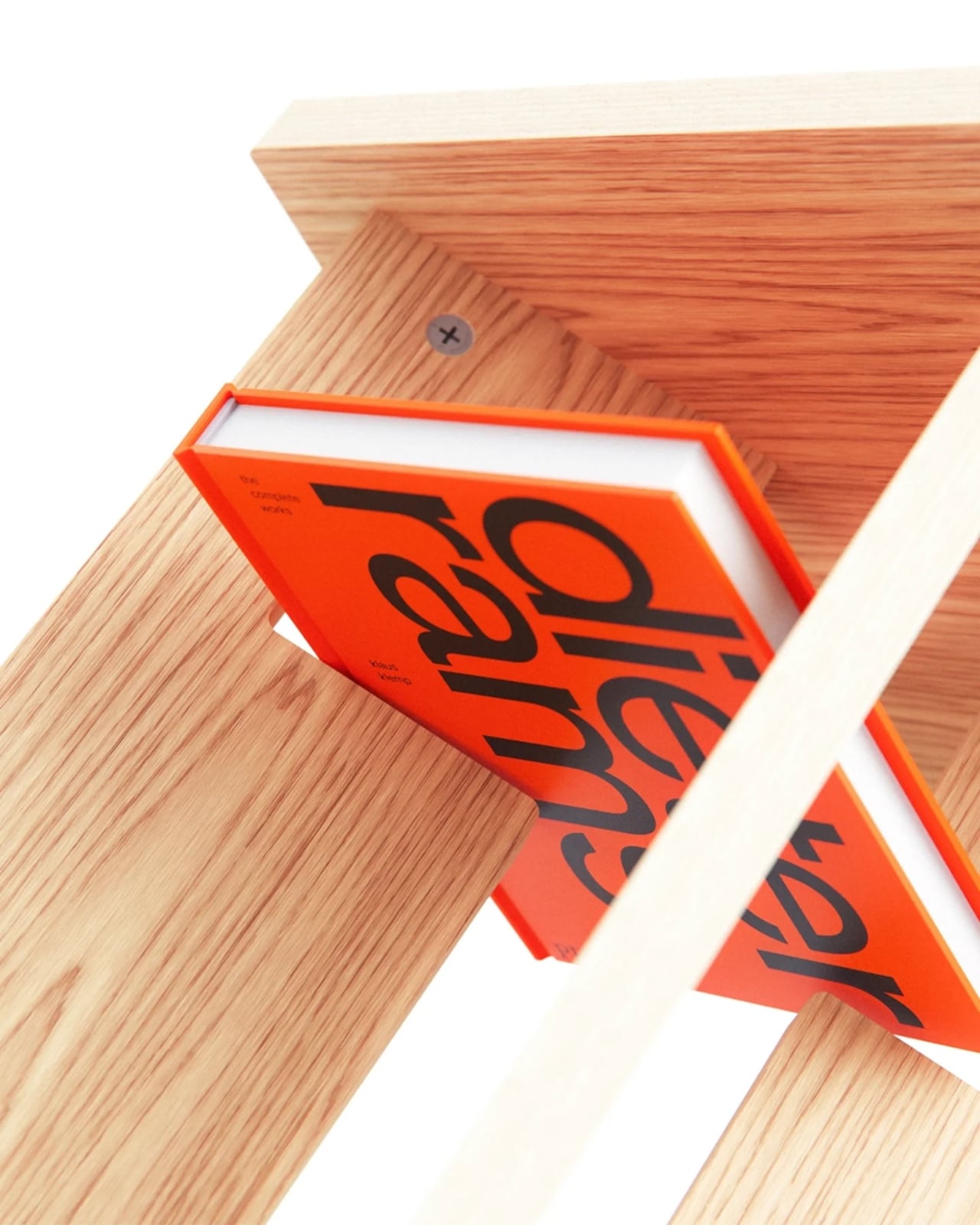
The material is ash wood with a warm, pale grain, and the photos styled with what appears to be a Dieter Rams monograph slotted in the notch feel entirely on brand. That orange spine against the pale timber is doing real editorial work, and it is hard not to appreciate the faintly meta quality of a design book being cradled by a well-designed table.
Whether the Notch moves into full production beyond its current personal project status, I genuinely hope it does. Furniture that nudges you toward more thoughtful habits without being preachy about it is rare. The Notch does not lecture you about slowing down. It just makes it a little easier to do exactly that, by doing less with considerably more conviction.