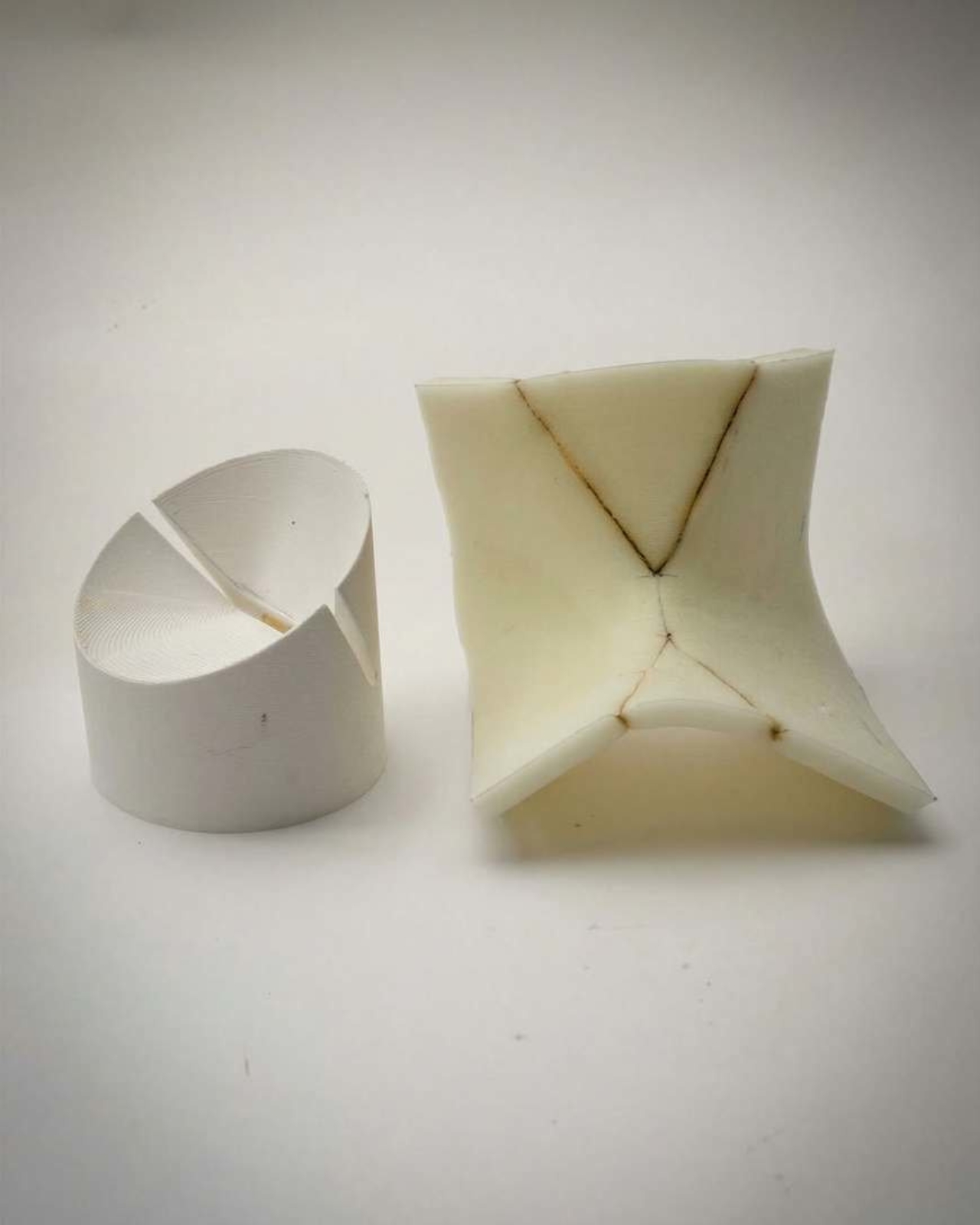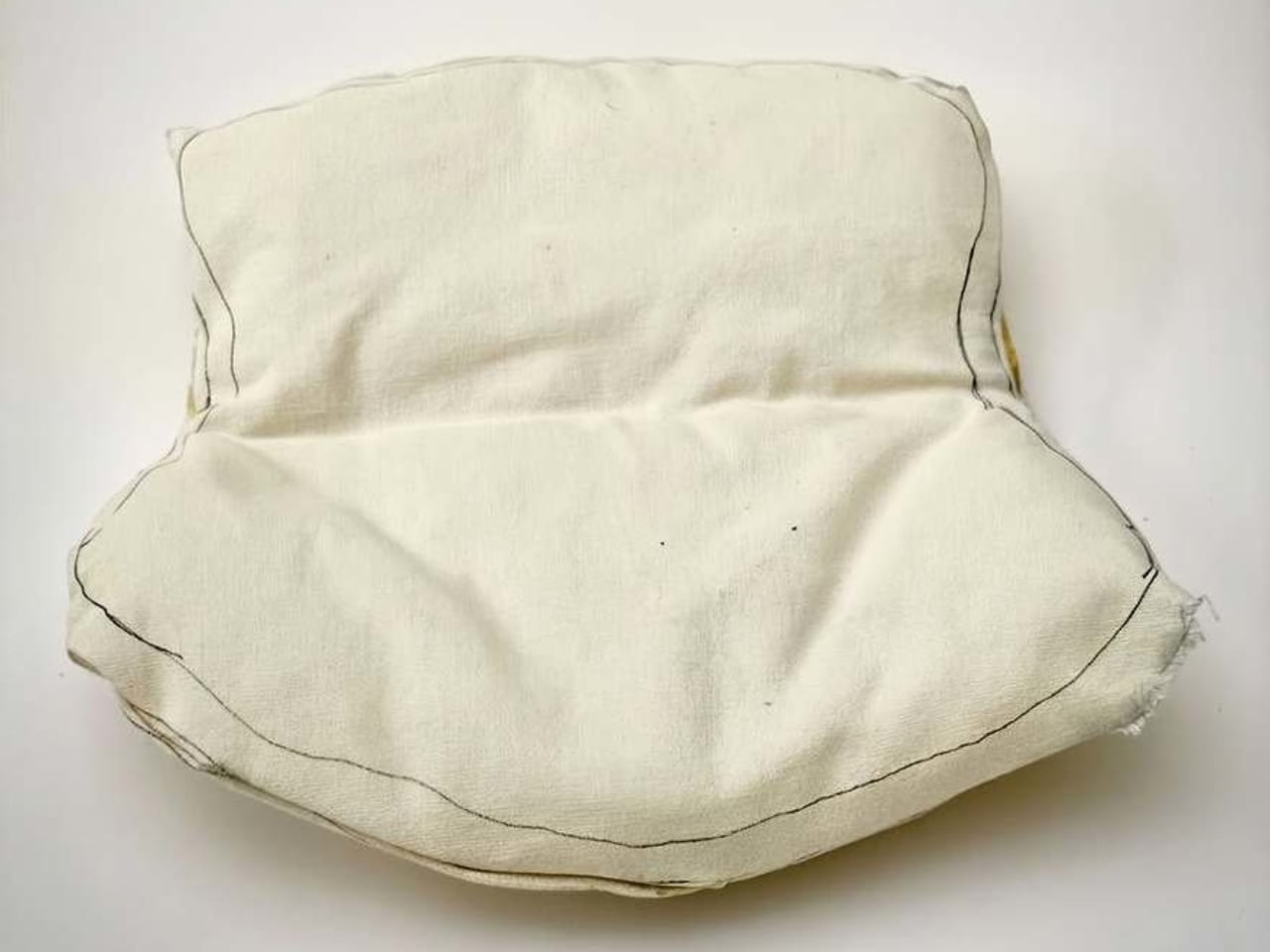

Upholstery has been done the same way for centuries. Foam gets glued, tacked, or stapled onto a frame, and that’s more or less the end of the story. It’s functional, it’s reliable, and it’s almost never questioned. London-based Raw-Edges Design Studio decided it was worth questioning.
Yael Mer and Shay Alkalay, the duo behind Raw-Edges, have built their entire creative identity around exactly this kind of thinking. Founded in 2007 after the two met at the Royal College of Art, the studio has spent nearly two decades treating everyday objects as unsolved puzzles worth reopening. Their latest experimental chair design is a perfect example of how they operate: take a convention that everyone has accepted without debate, strip it down to first principles, and see if a smarter answer has been sitting there all along. The answer, in this case, is a notch.
Designer: Raw-Edges Design Studio
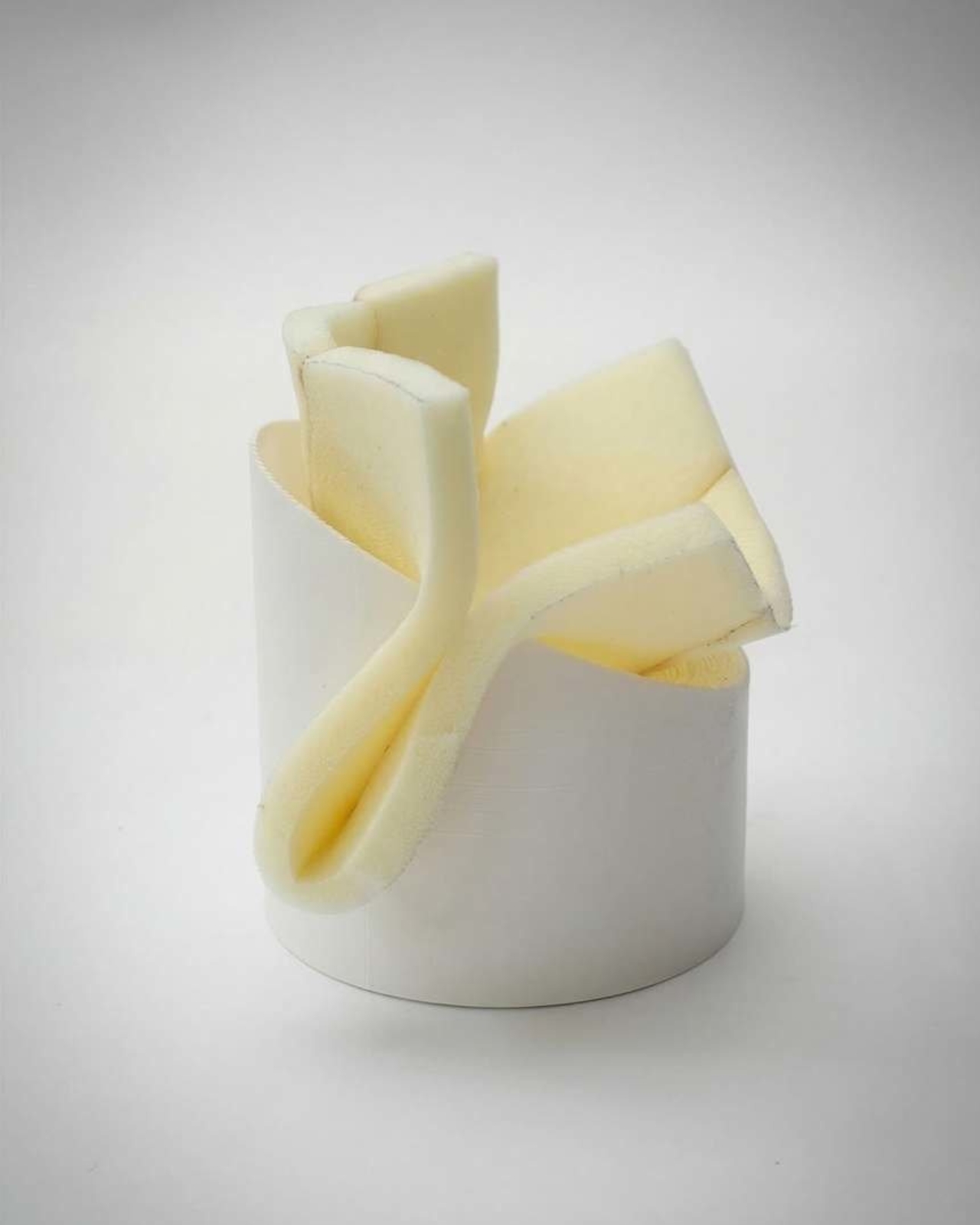

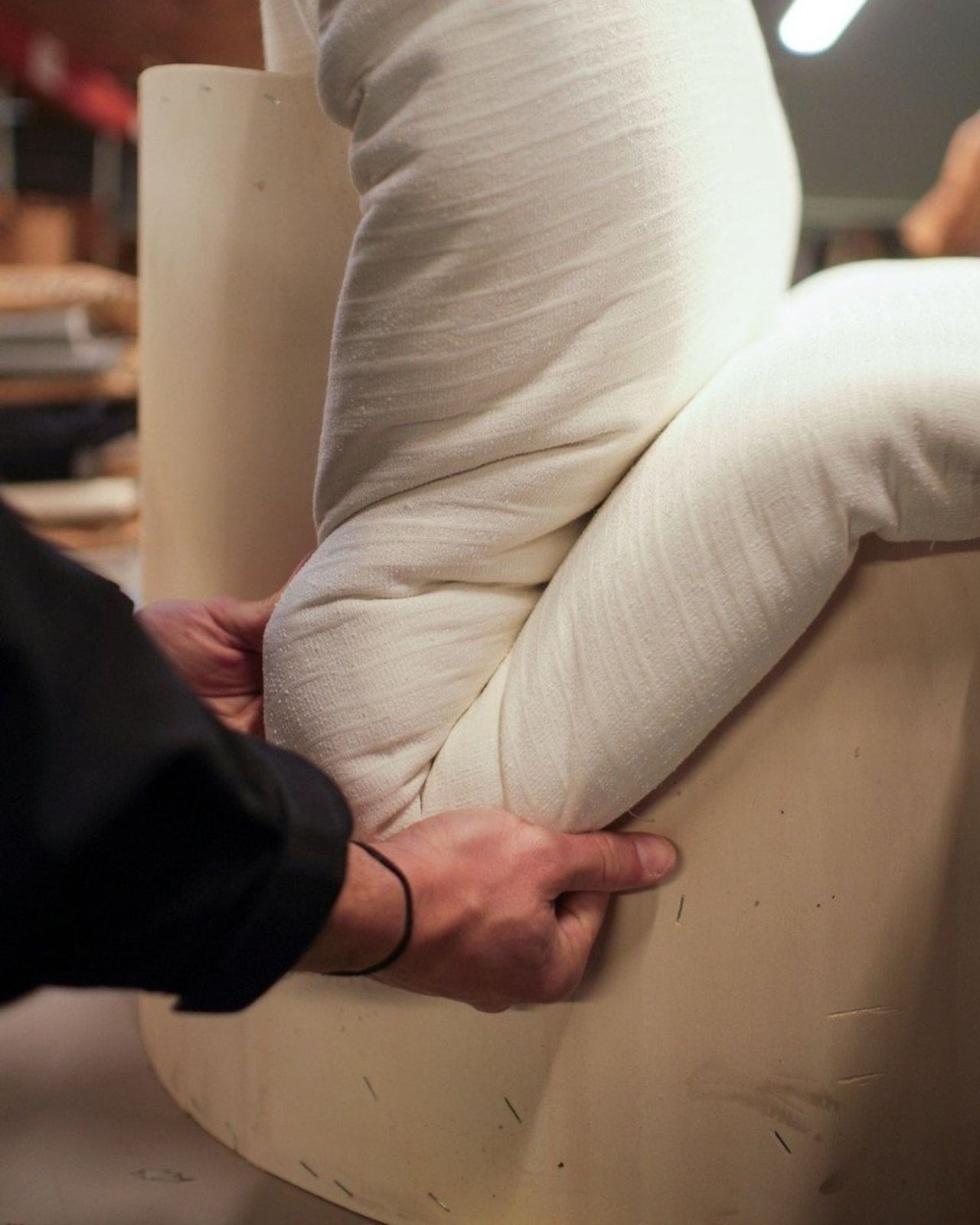
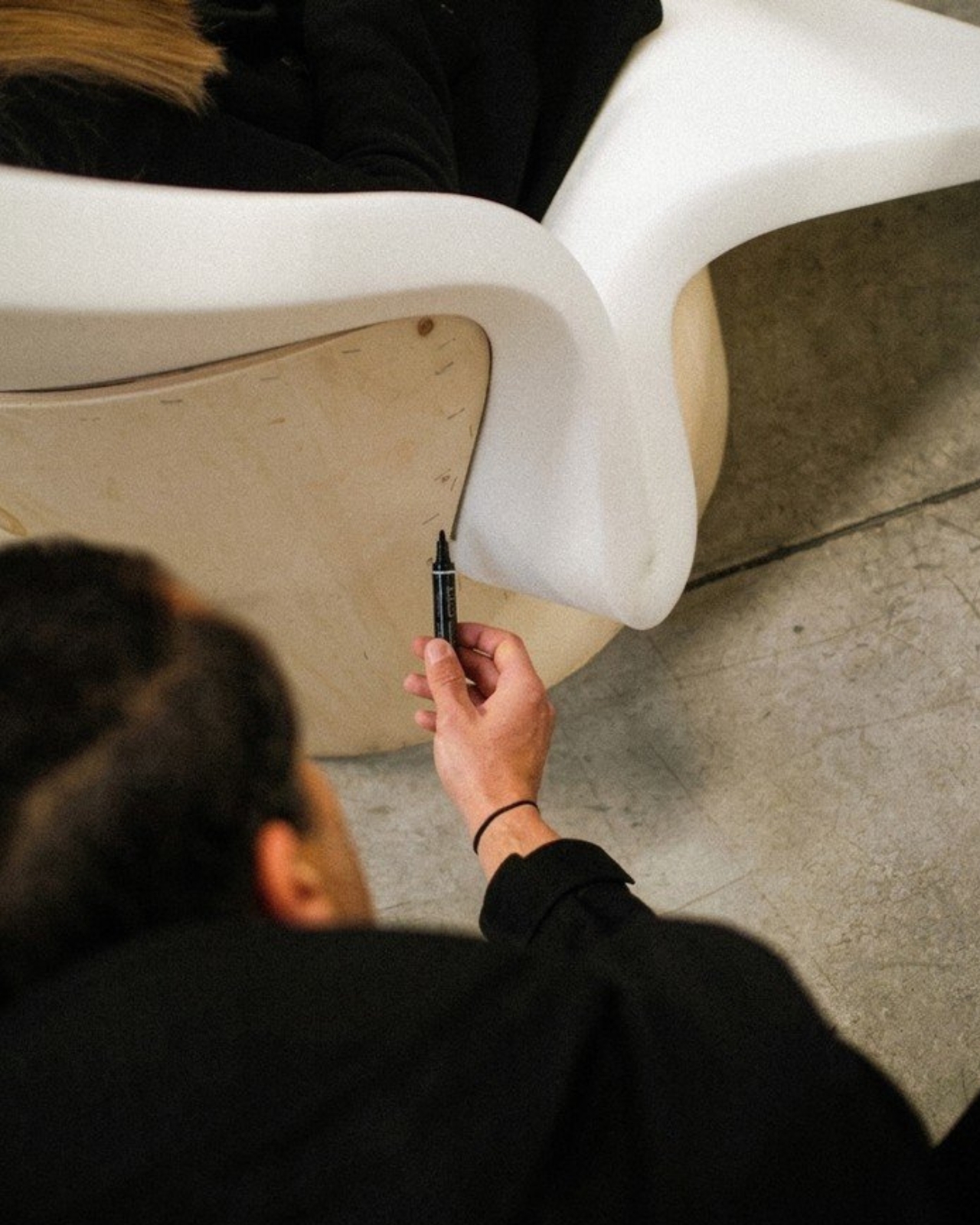
The chair, still unnamed and currently in the design phase, uses no adhesives, no tacks, no staples, none of the usual fasteners that hold most upholstered furniture together. The wooden frame is carved with a deliberate groove, and the upholstered foam cushion is simply wedged into it. Friction does the rest. The whole thing holds together through the logic of fit rather than the intervention of hardware. It sounds almost too simple, and that’s kind of the point.
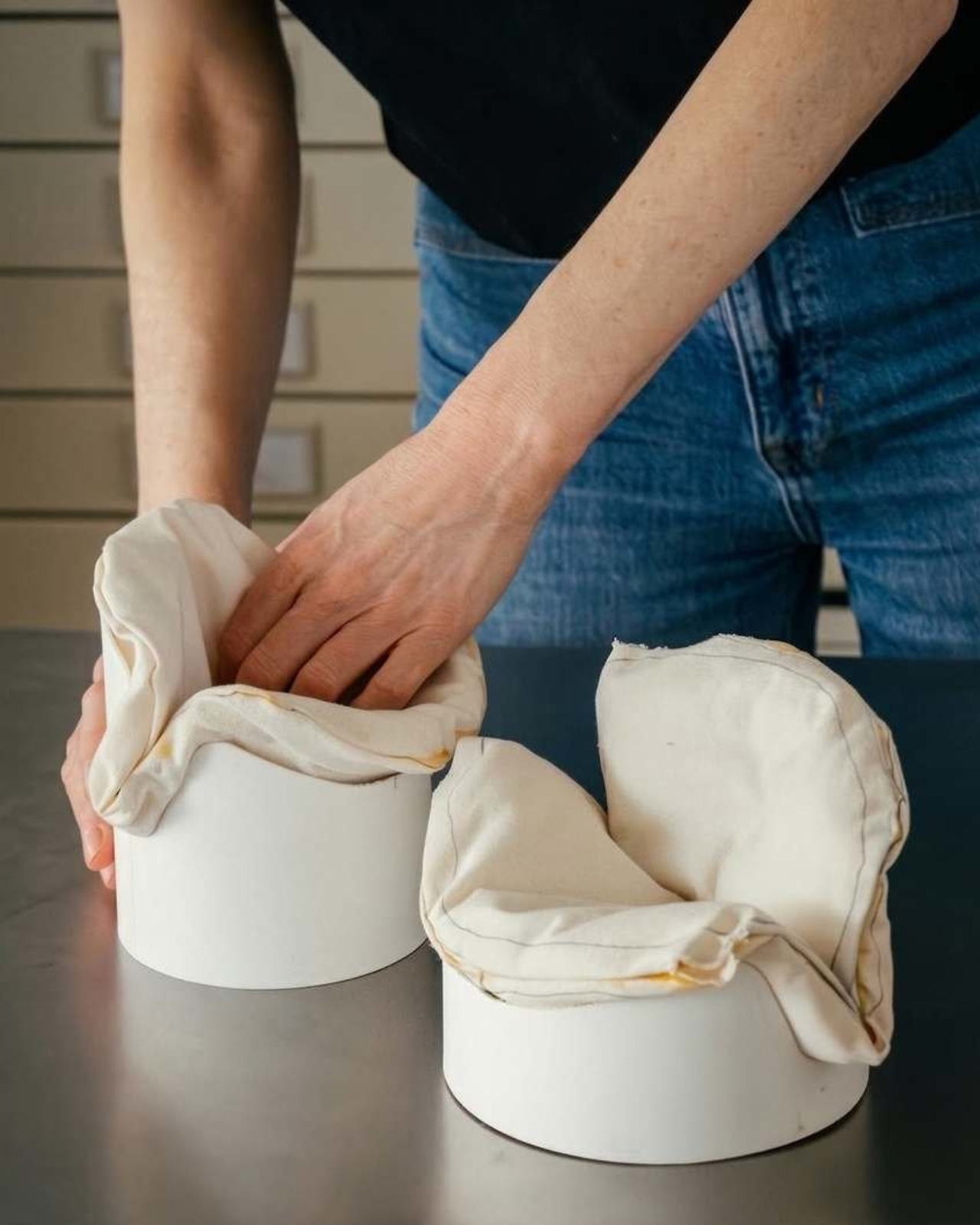
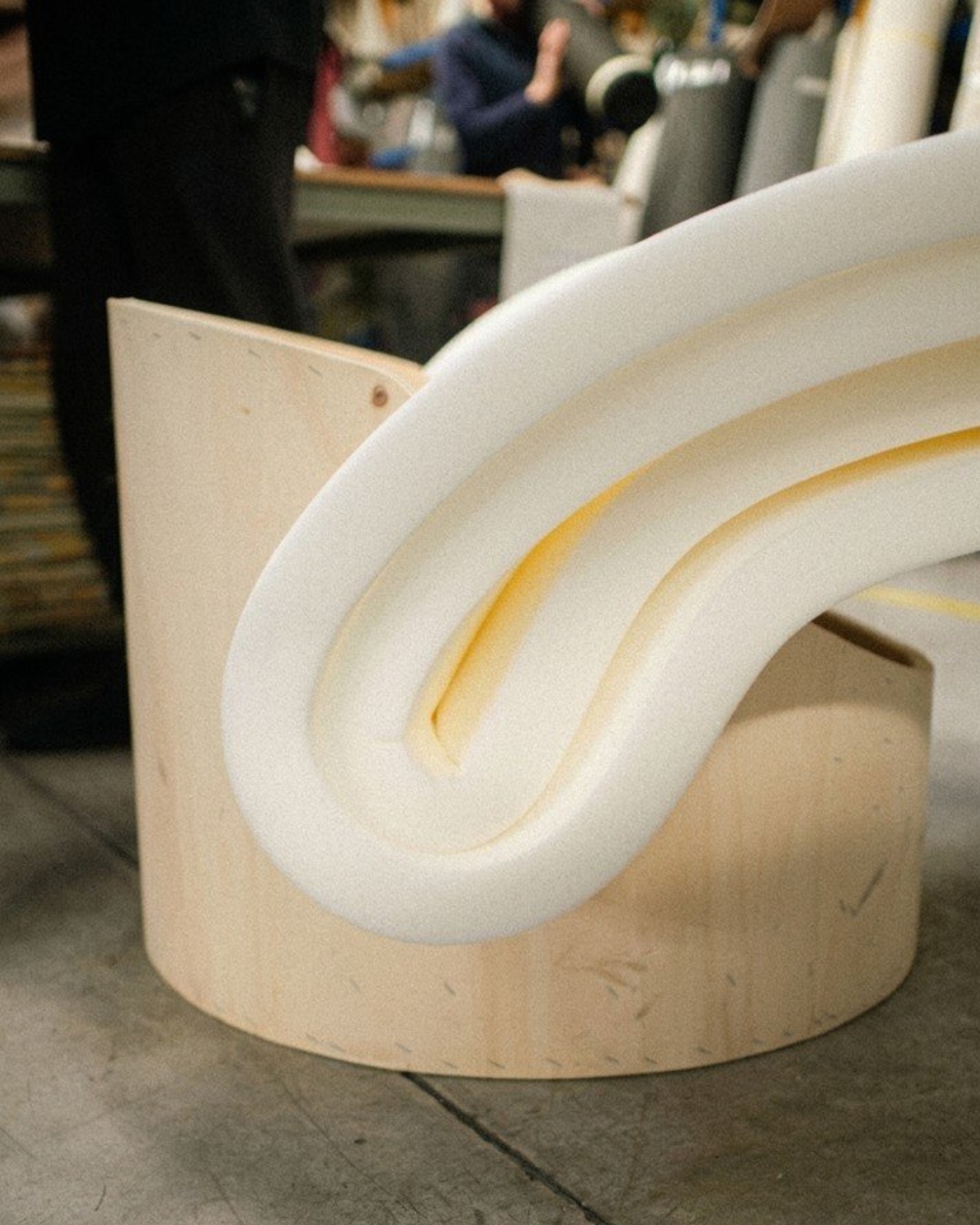
I keep thinking about why this feels so satisfying to look at, and I think it comes down to the fact that we’ve been conditioned to accept over-engineering as a sign of quality. More parts, more steps, more materials, more adhesives: these feel like indicators of a serious product. Raw-Edges pushes back on that quietly. The notch solution is elegant precisely because it asks less of the chair, not more. It treats the materials as intelligent components that can work together without being forced.
This thinking is very on-brand for Raw-Edges. Their work sits comfortably in the permanent collections of MoMA, the Vitra Design Museum, and The Art Institute of Chicago, and the studio has collaborated with names like Louis Vuitton, Vitra, Stella McCartney, and Moroso. They’ve won the A&W Designers of the Year award, a Wallpaper Design Award, and were named Designers of the Future at Design Miami/Basel. None of that happened by accident. It’s the result of a studio that consistently asks questions other designers tend to skip over.
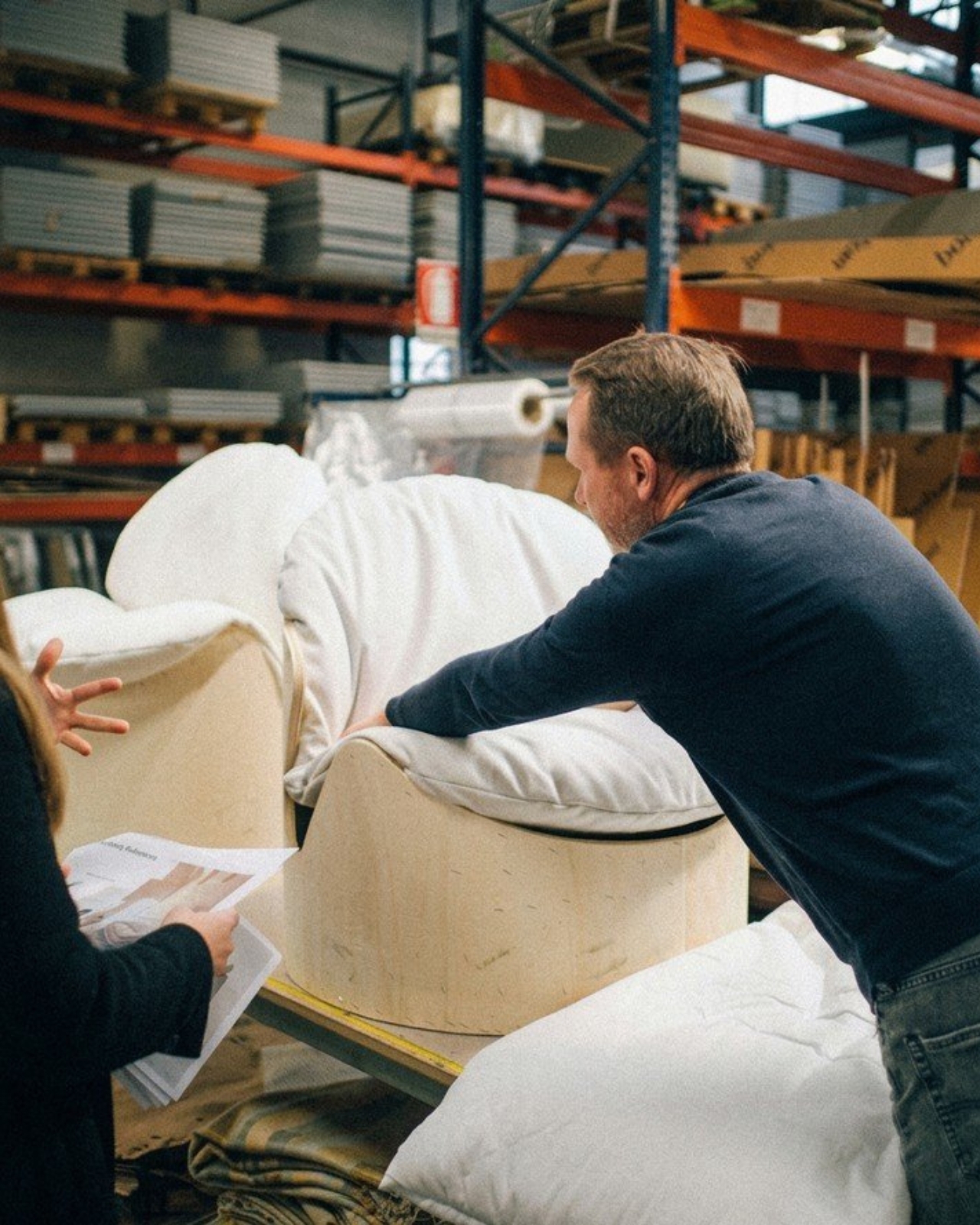
Their philosophy, as they describe it, begins with humble experimentation and a search for unconventional principles. That’s a gracious way of saying they don’t assume the current answer is the best one. The project is being developed in collaboration with Italian furniture company Bolzan, which strongly suggests this isn’t destined to stay a prototype forever. A saleable product feels like the logical next step, and that’s worth getting excited about.
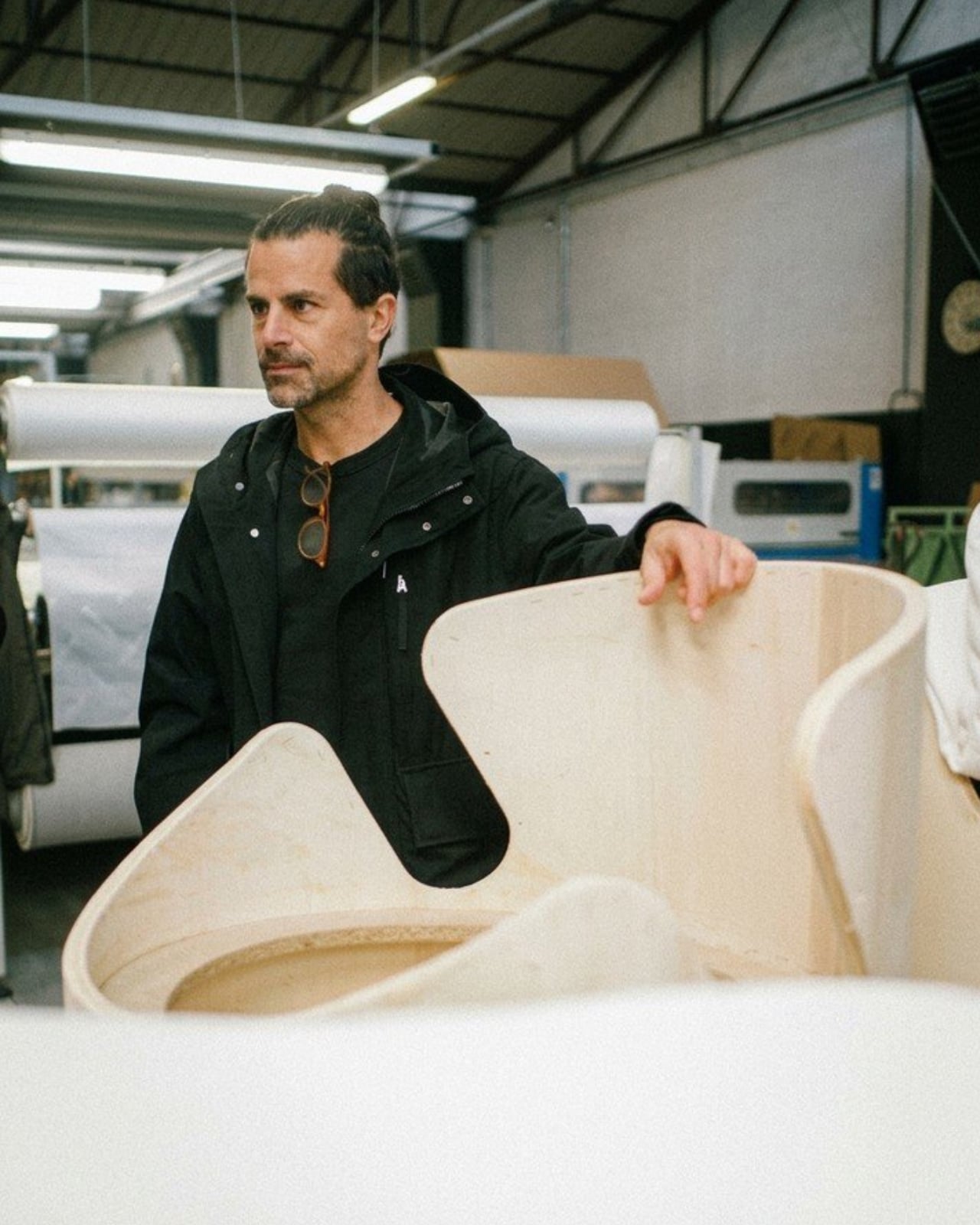
The implications here also stretch beyond aesthetics. A chair held together by friction rather than glue or staples is, by nature, easier to take apart. The foam can be removed, replaced, or recycled separately from the frame. In a design culture increasingly preoccupied with repairability, longevity, and what happens to products at the end of their lives, this approach carries real practical weight. And it doesn’t feel like a sustainability talking point bolted onto a product after the fact. It feels like an idea that was right from the start.
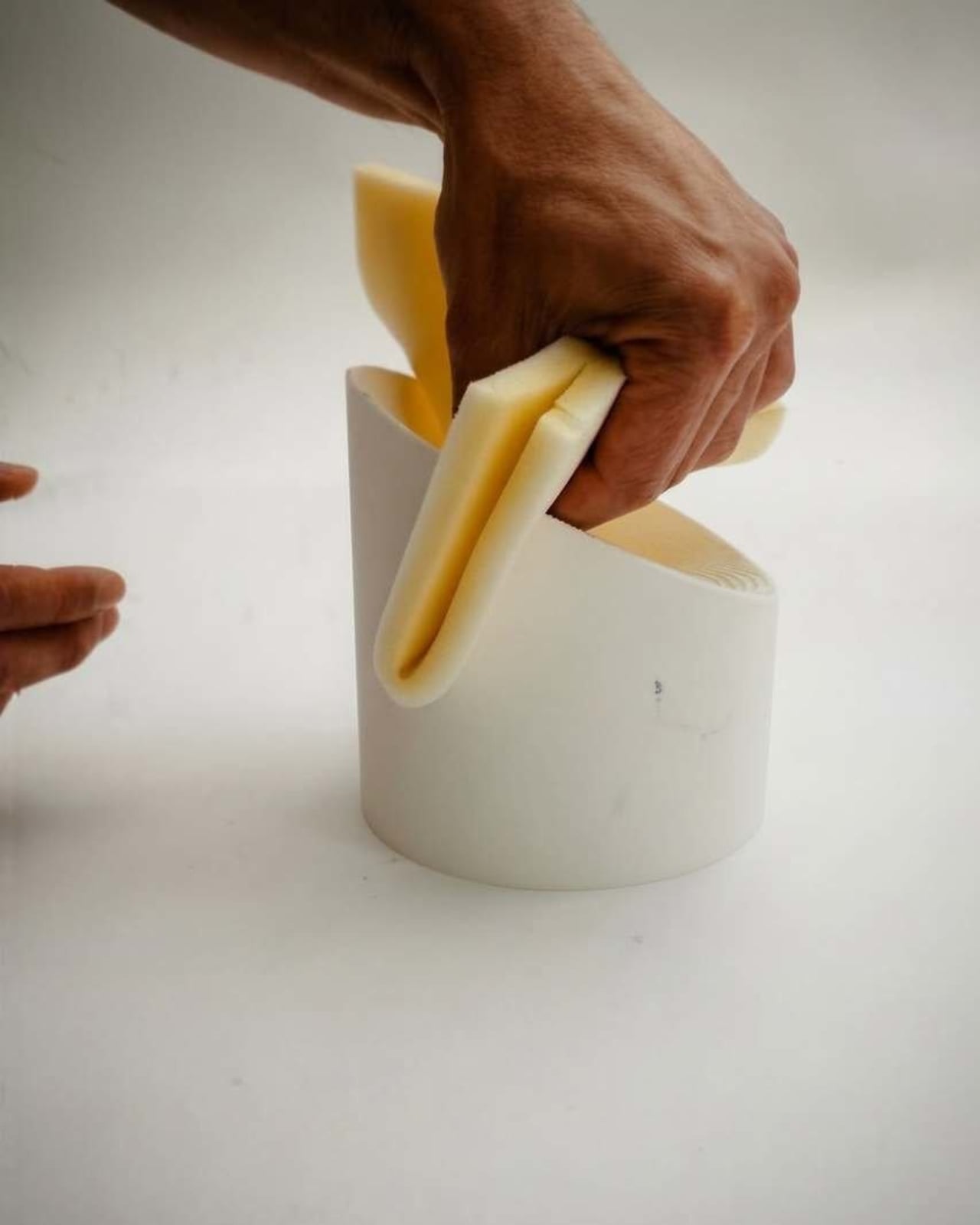
Furniture design doesn’t often make headlines outside trade publications and design weeks, but this concept deserves a wider audience. Not because it’s flashy, and not because it’s about to show up in every furniture showroom next season, but because it demonstrates that design thinking is still genuinely capable of surprise. Sometimes the most powerful idea is a groove in a piece of wood and the confidence to trust it.