
PROS:
- Excellent photography performance even without accessory
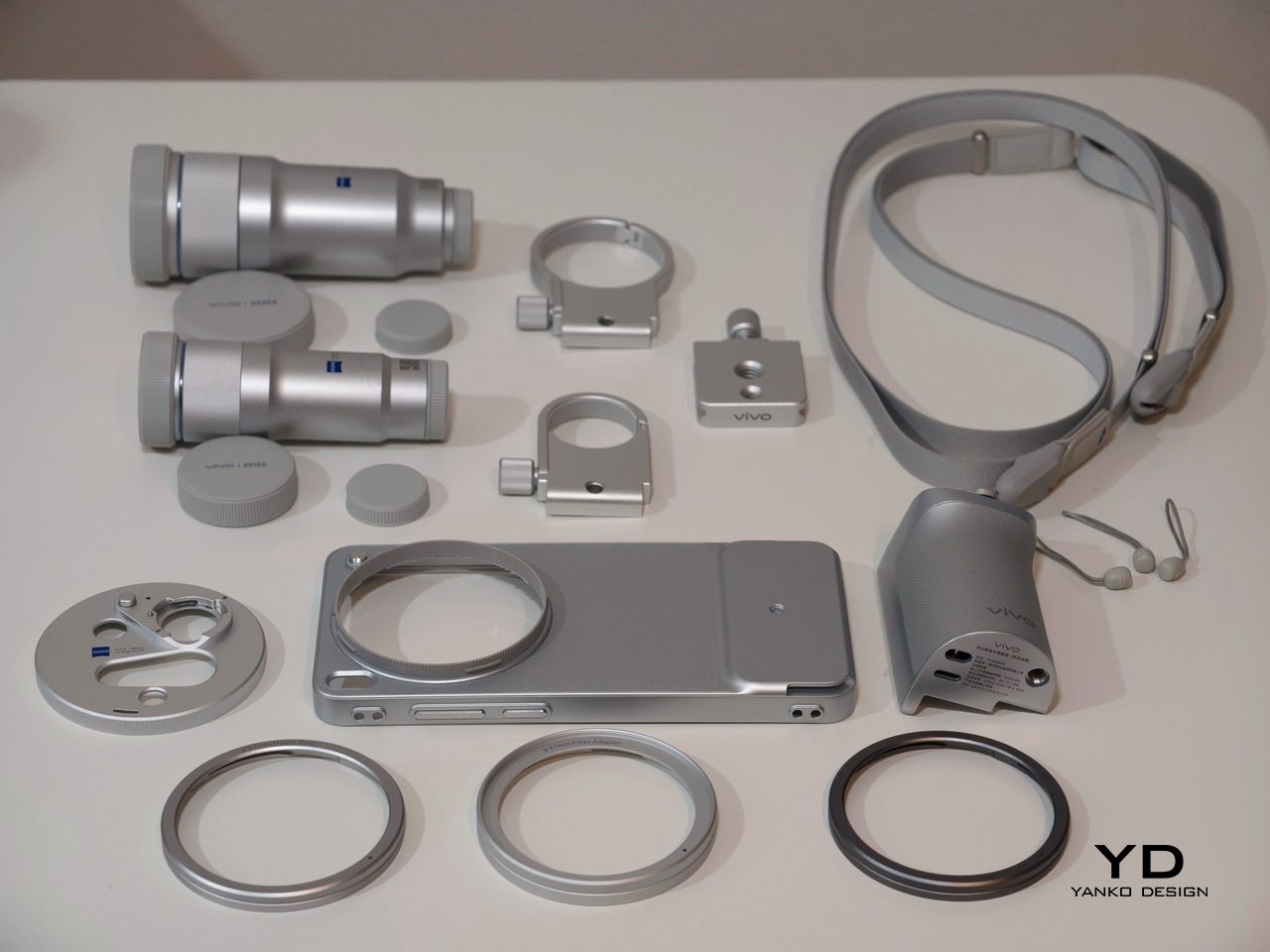
- Modular photography ecosystem with extenders, grips, and cages
- Simple yet stylish design
- Flagship performance now available globally
CONS:
- Quite heavy for one-handed use
- Premium pricing might only appeal to mobile shutterbugs
The premium smartphone market has gotten very good at producing flagships that look and feel essentially identical. Brighter displays, larger sensors, and faster chips are standard expectations now, and while the results are impressive, they rarely feel purpose-built for a specific kind of user. The phones that genuinely stand out tend to commit to a clear identity and organize everything, from hardware to aesthetics, around it.
The vivo X300 Ultra is making its global debut right now, the first time vivo’s top-tier X Series flagship has launched outside of China. It arrives with a clear, photography-first premise built around the ZEISS Master Lenses Collection, offering professional creators unprecedented creative freedom through pioneering telephoto solutions, three prime-equivalent focal lengths, and a modular telephoto system that turns the phone into something closer to a portable camera platform than a smartphone that happens to have good cameras.
Designer: vivo
Aesthetics
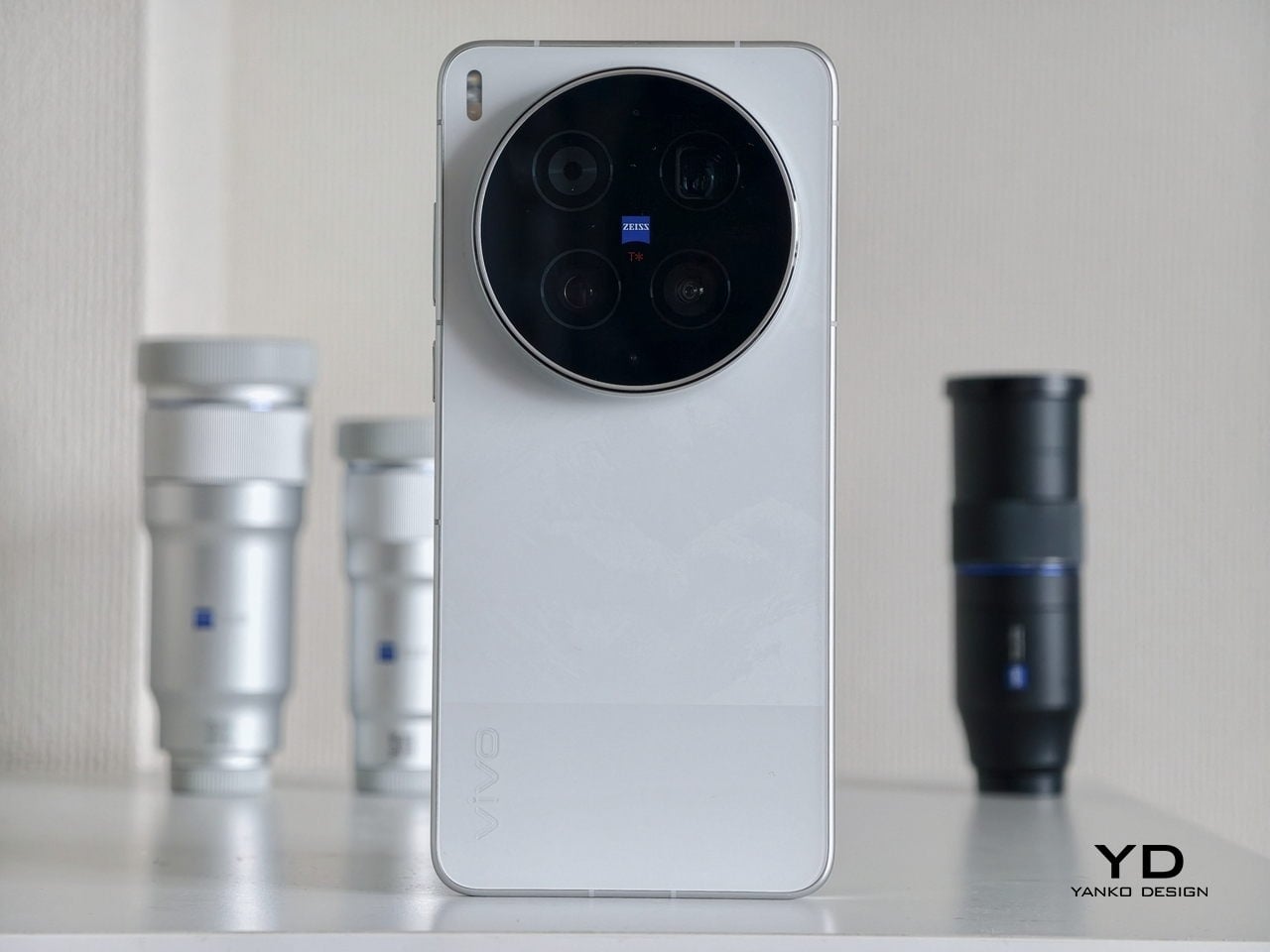
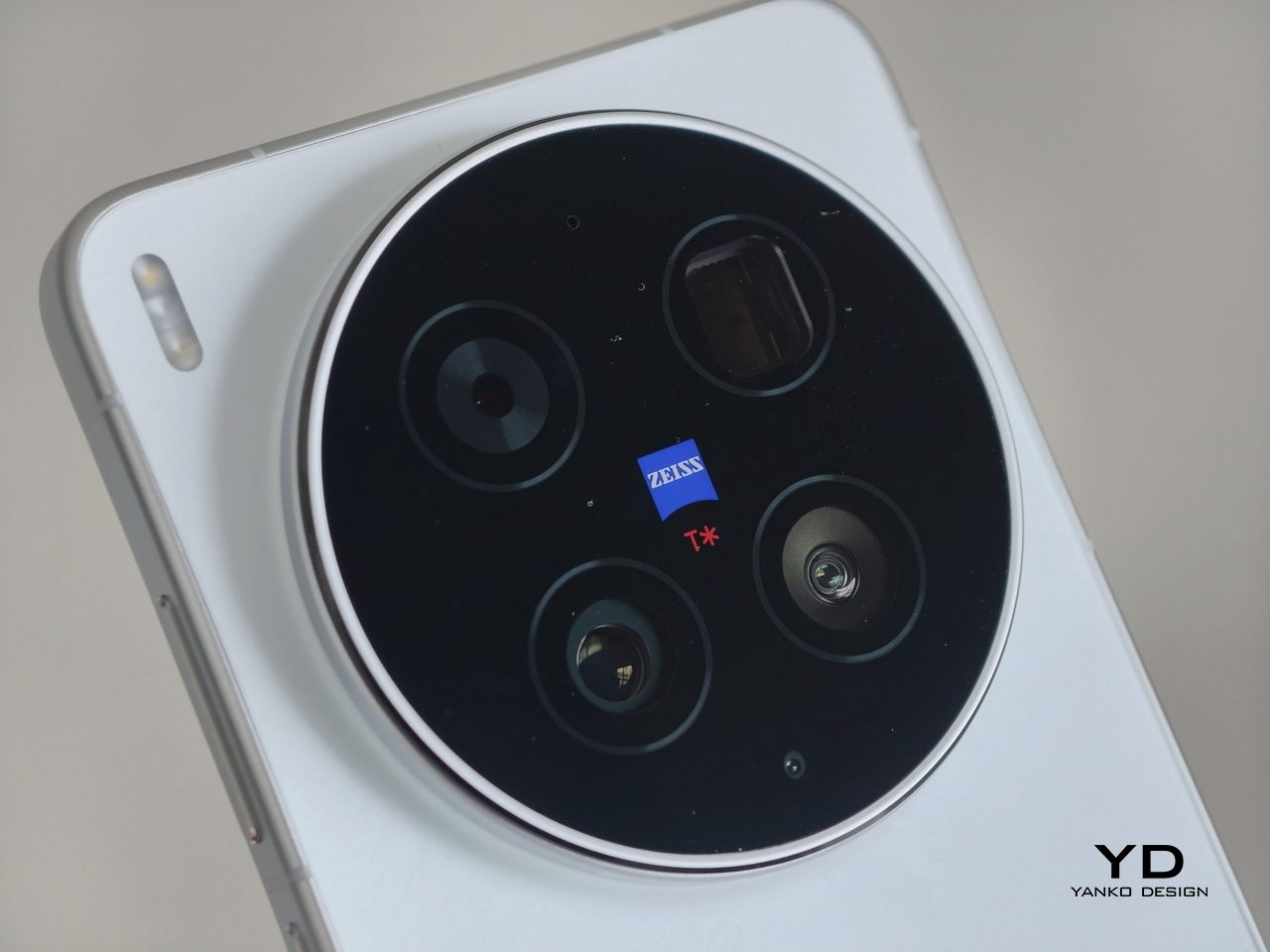
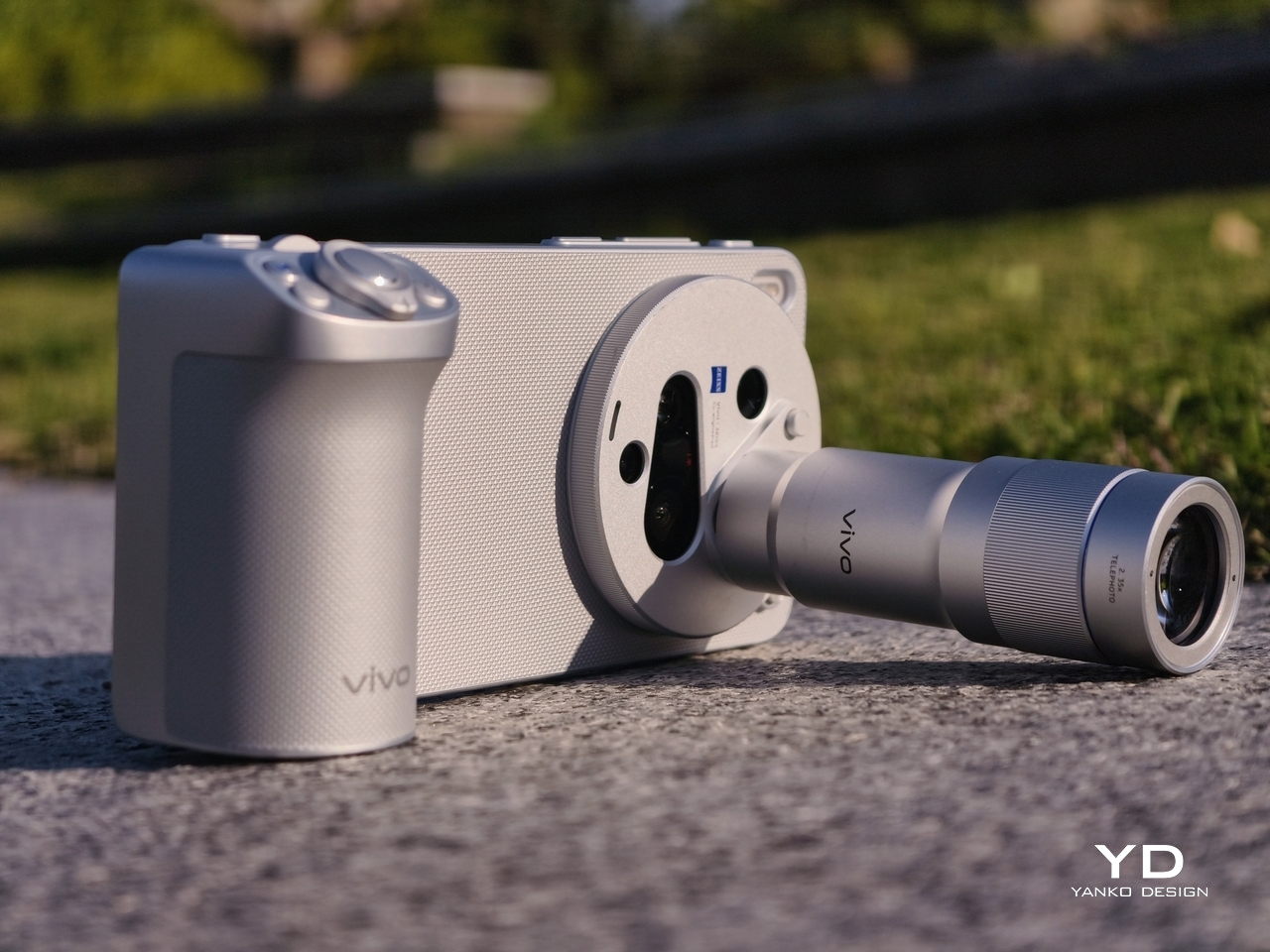
The X300 Ultra doesn’t hide what it’s about. The rear is dominated by a large circular camera module, a bold black disc rimmed in polished metal with ZEISS T* branding at the center. It’s a confident, unapologetic choice that reads as a statement of intent rather than a feature shoehorned into standard smartphone form. The module doesn’t merely support the design; it is the design.
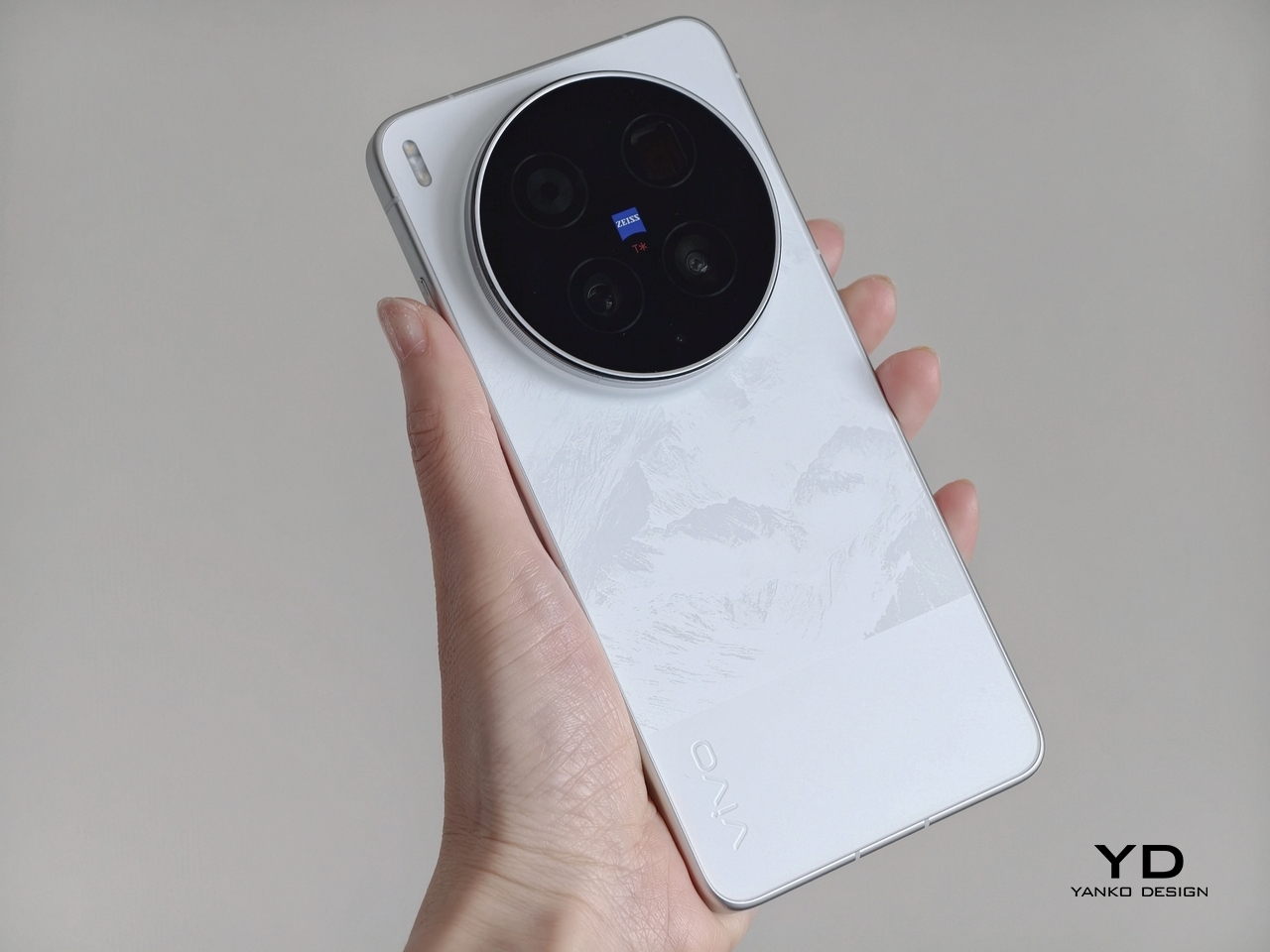
Our review unit is the white colorway, and it’s a particularly considered finish. The back panel has a subtle, almost etched texture beneath the surface, giving it more depth than you’d expect from a white phone. The polished frame and classic split design, inspired by the hues of unprocessed film, create a striking visual contrast while maintaining a slim, premium presence without relying on glossy flash or loud visual contrast.
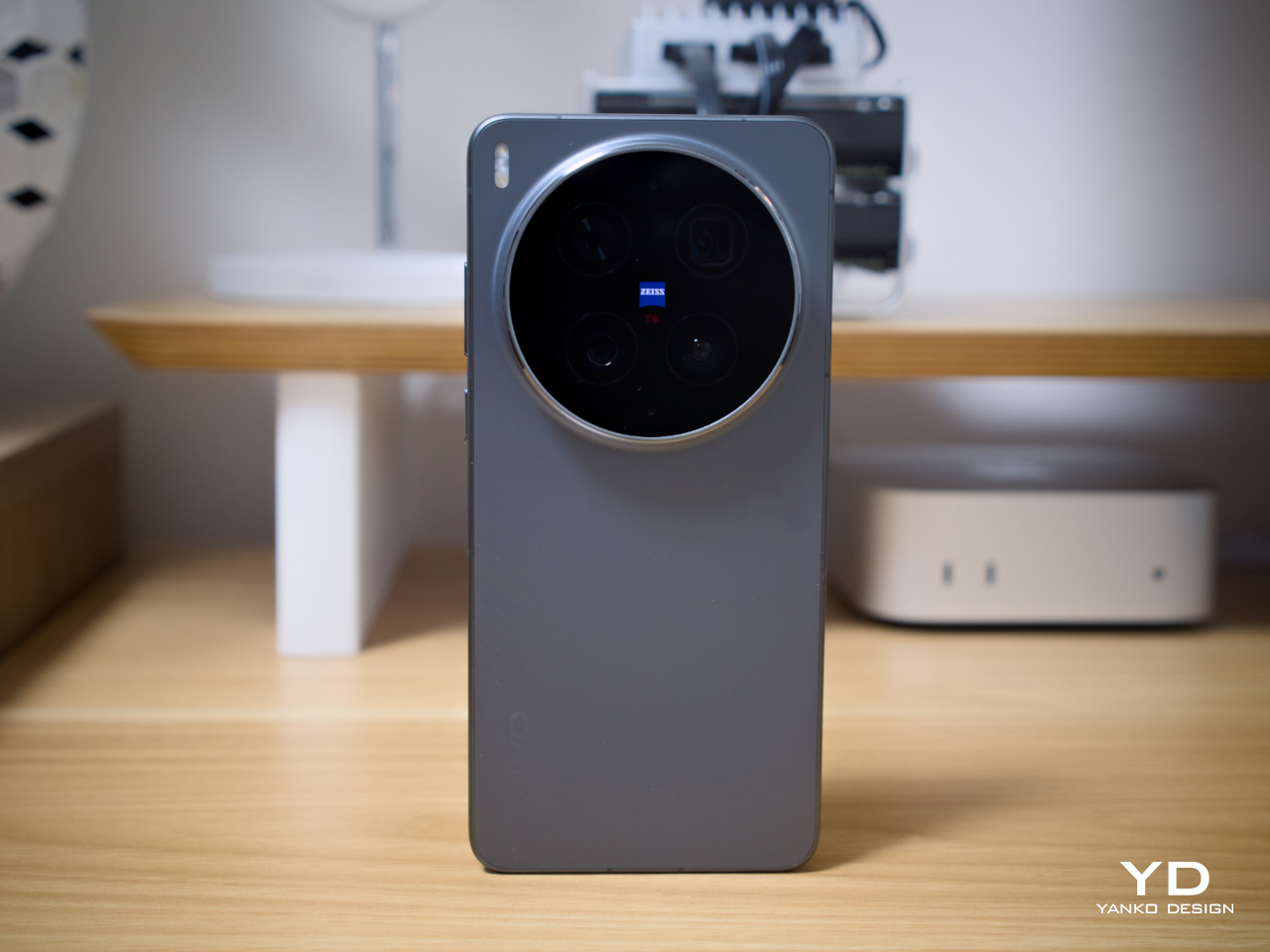
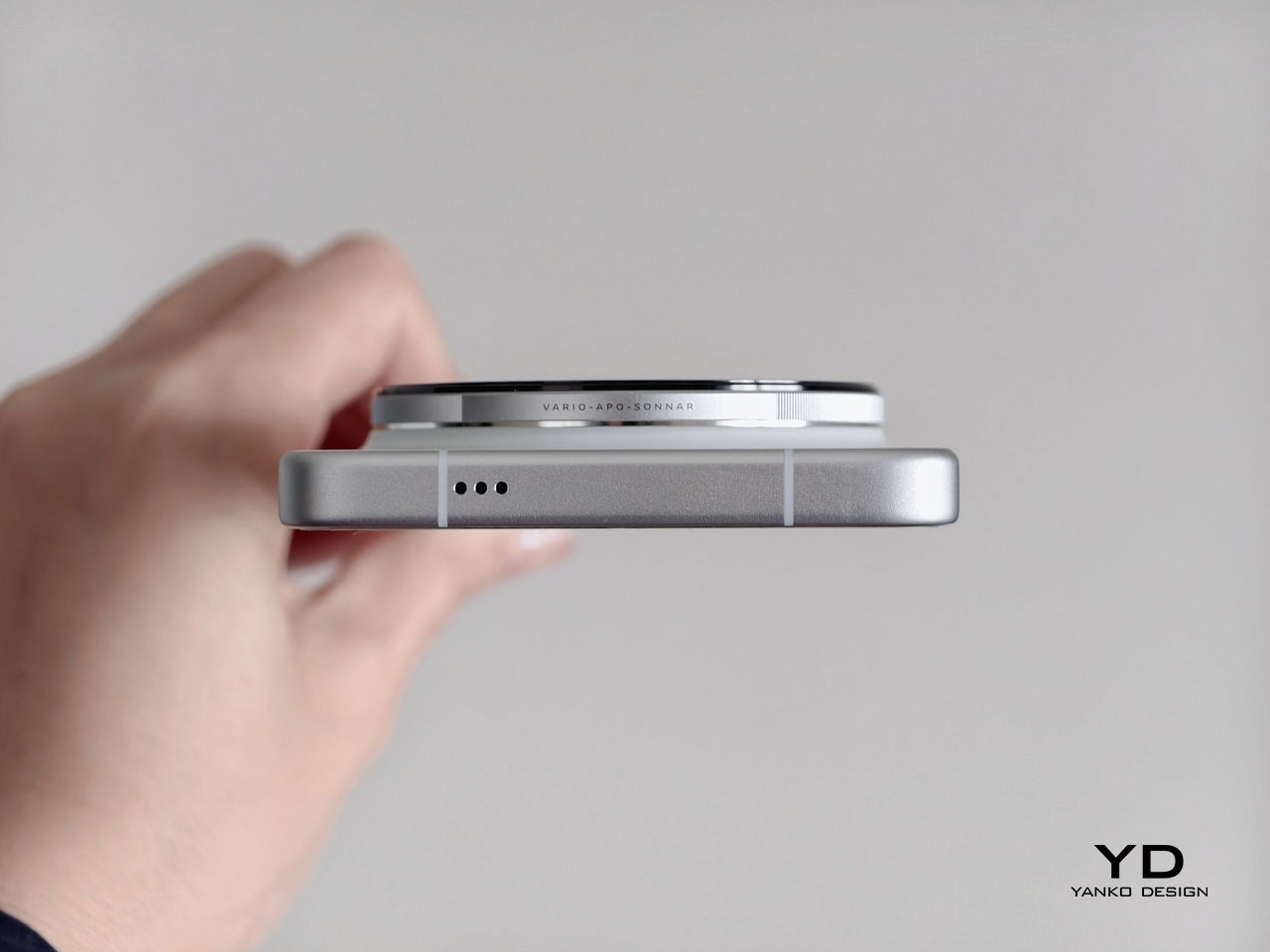
The camera-inspired detailing rewards a closer look. The device features a metal “biscuit-style” camera bump with a knurled texture and engraved lettering on the sidewall of the camera bump, adding a precision-tool quality you feel the moment you hold it. These aren’t details that show up in a spec sheet, but they make a real difference in how the phone feels to own and carry every day.
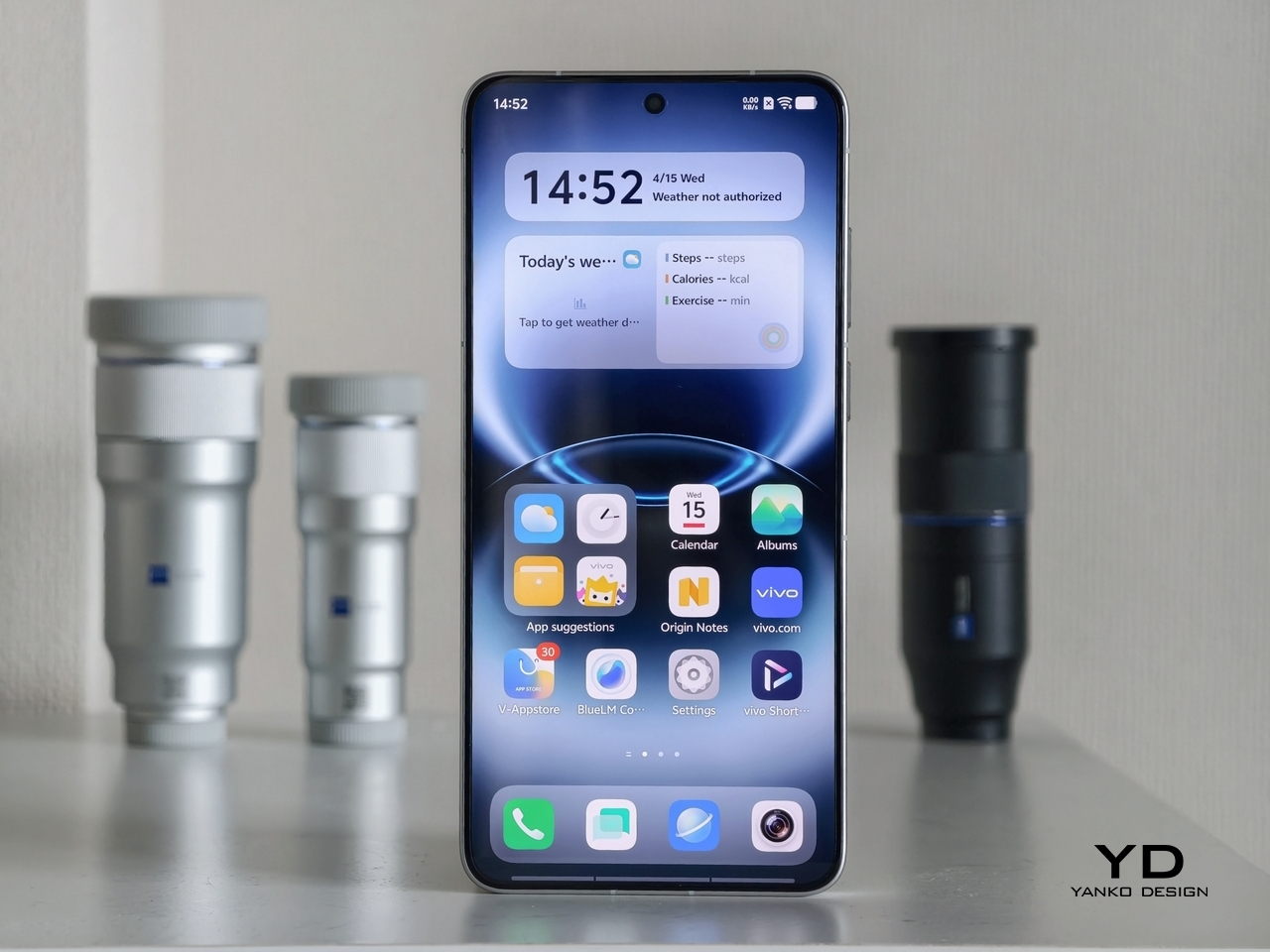
The front takes a different approach entirely. The 6.82-inch 2.5D flat screen sits behind slim, even bezels with a small centered punch-hole for the 50MP front camera, and the whole face feels clean and uncomplicated. That contrast with the expressive rear works in the phone’s favor, keeping the display experience neutral and focused while the camera side carries all the personality.
Ergonomics
The first thing you notice when picking up the vivo X300 Ultra is the weight. At 237g, the white model is among the heaviest flagship phones currently on the market, and the substantial camera module adds to that presence both physically and psychologically. The Unibody 3D Glass Fiber Design of the Black edition results in a lighter 232g, but regardless of colorway, the flat-sided metal frame distributes the weight well, making the phone feel grounded and deliberate rather than awkwardly front-heavy.
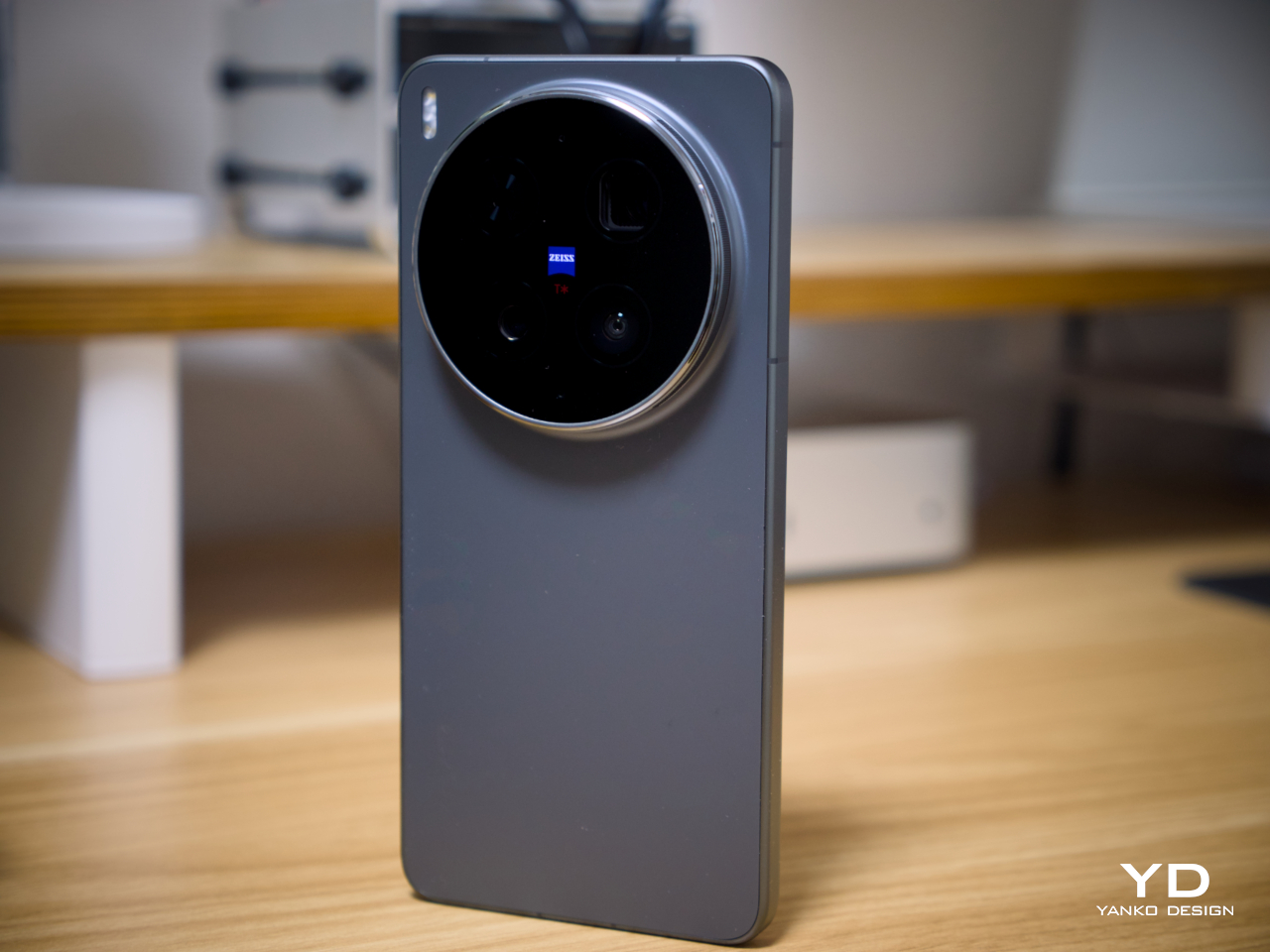
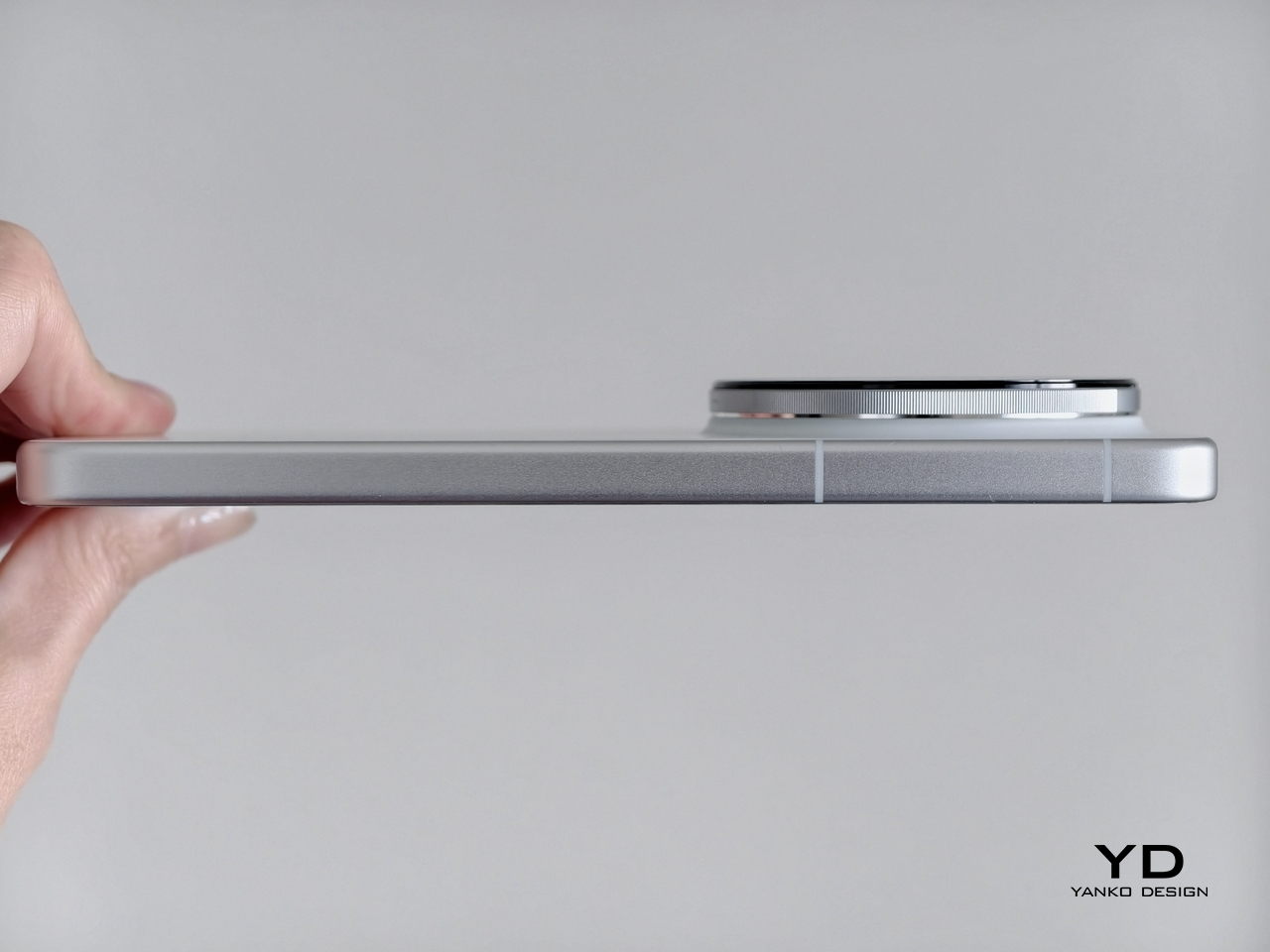
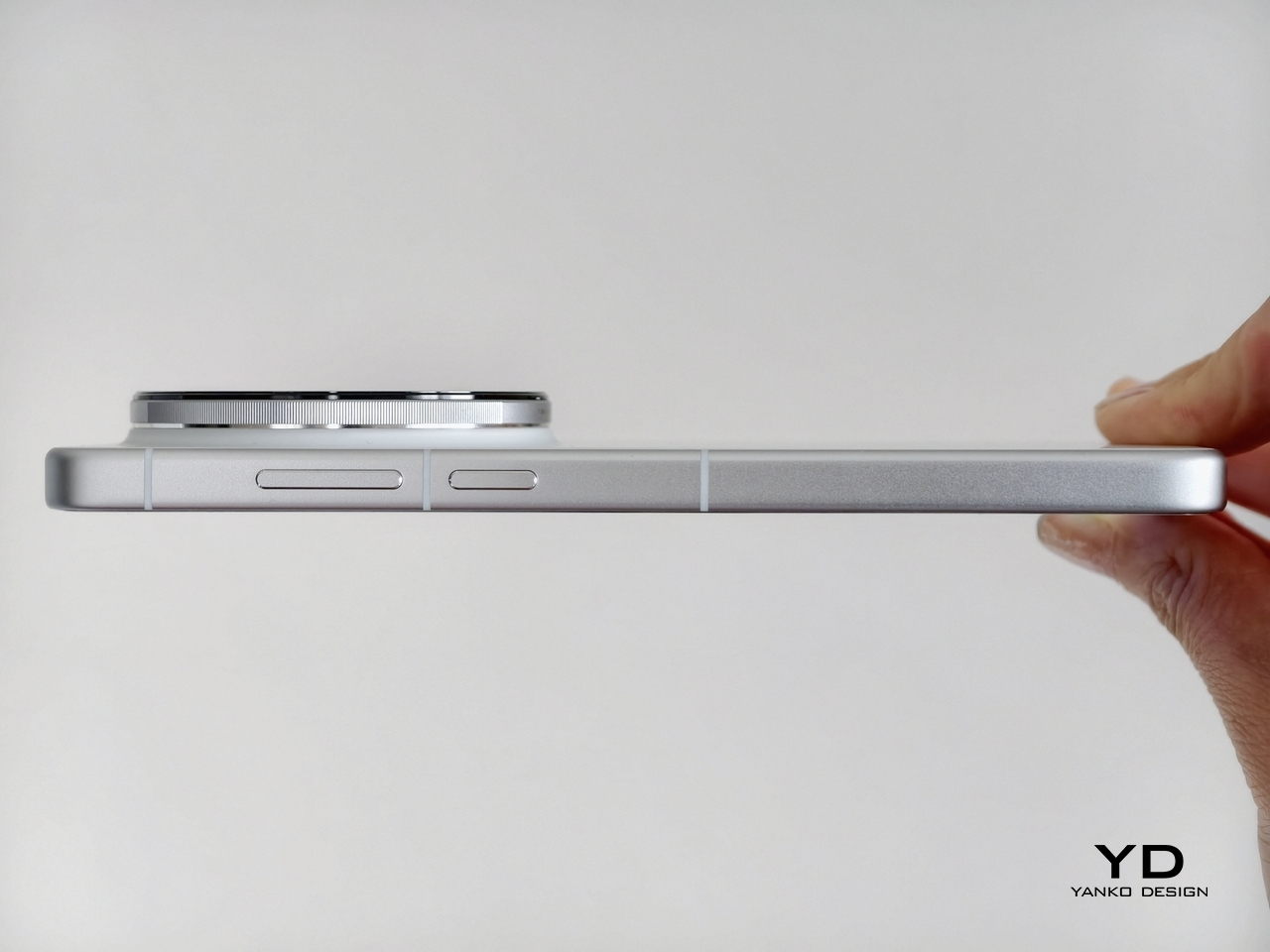
One-handed use is possible, but not the most comfortable for extended periods, which is expected for a device of this size. The flat sides help with grip, giving you a firm hold, and the 8.49mm slim profile feels justified by the optical hardware packed inside. It’s a noticeable phone in the pocket, though that’s really true of any flagship with serious camera ambitions.
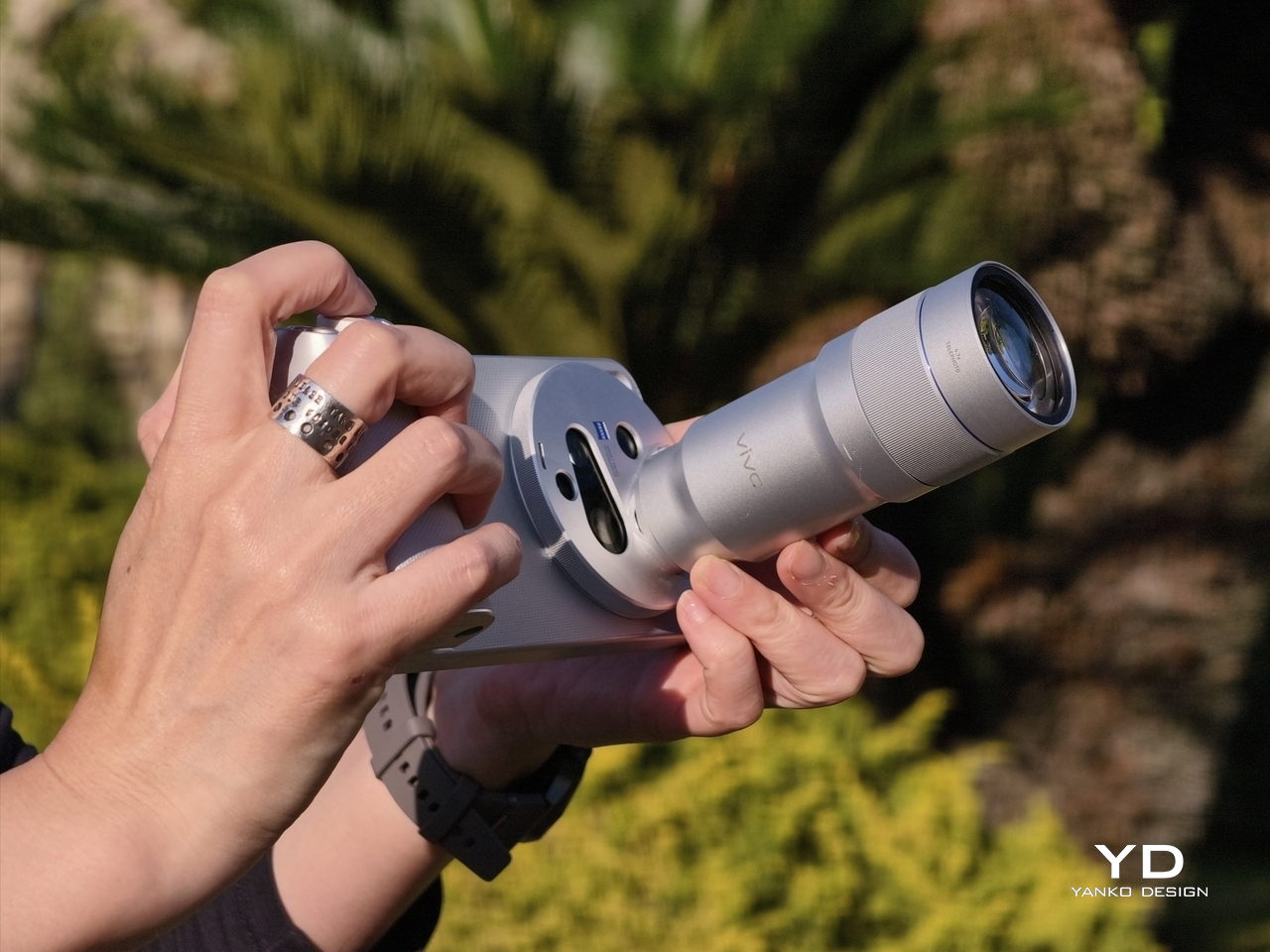
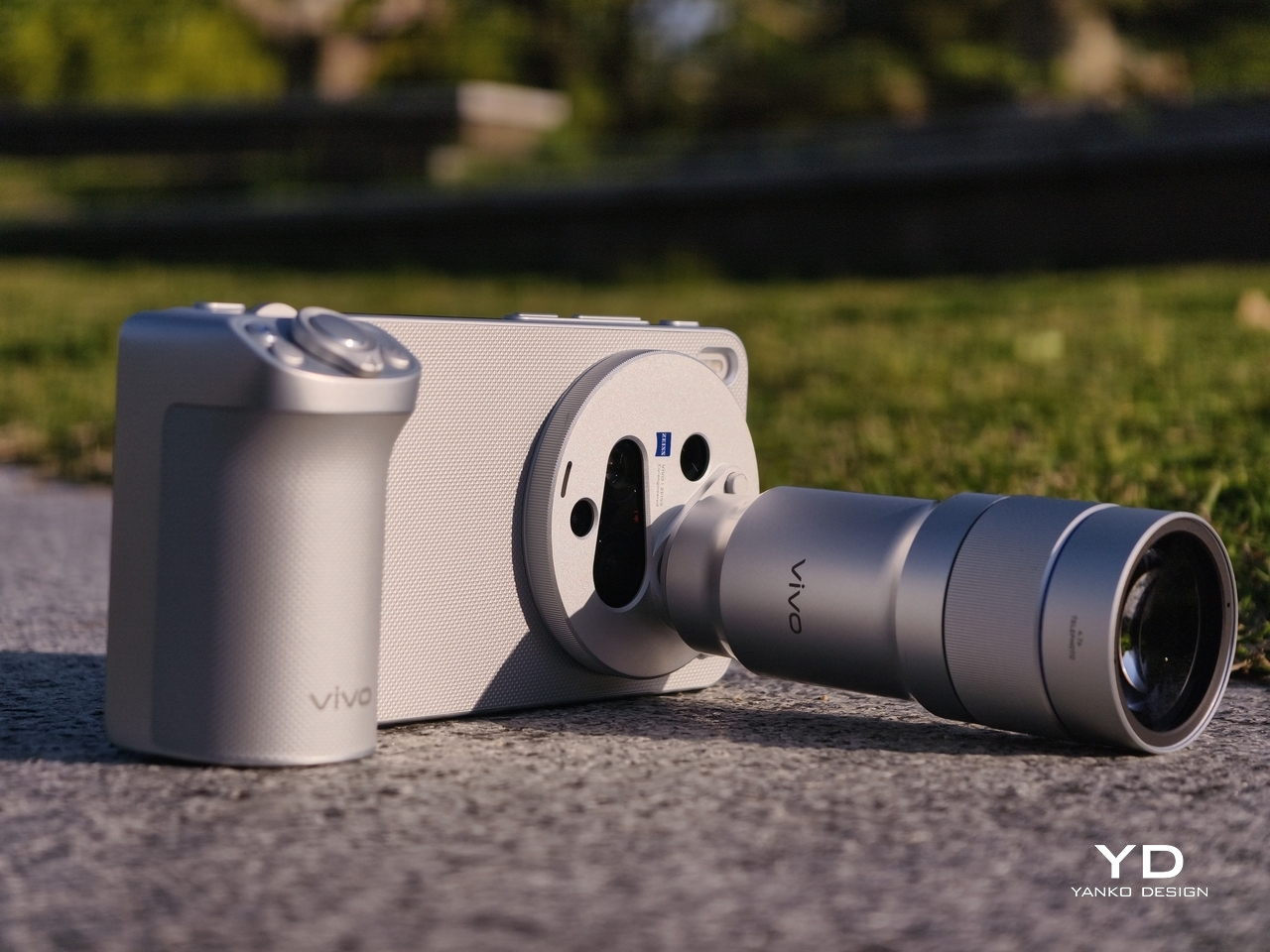
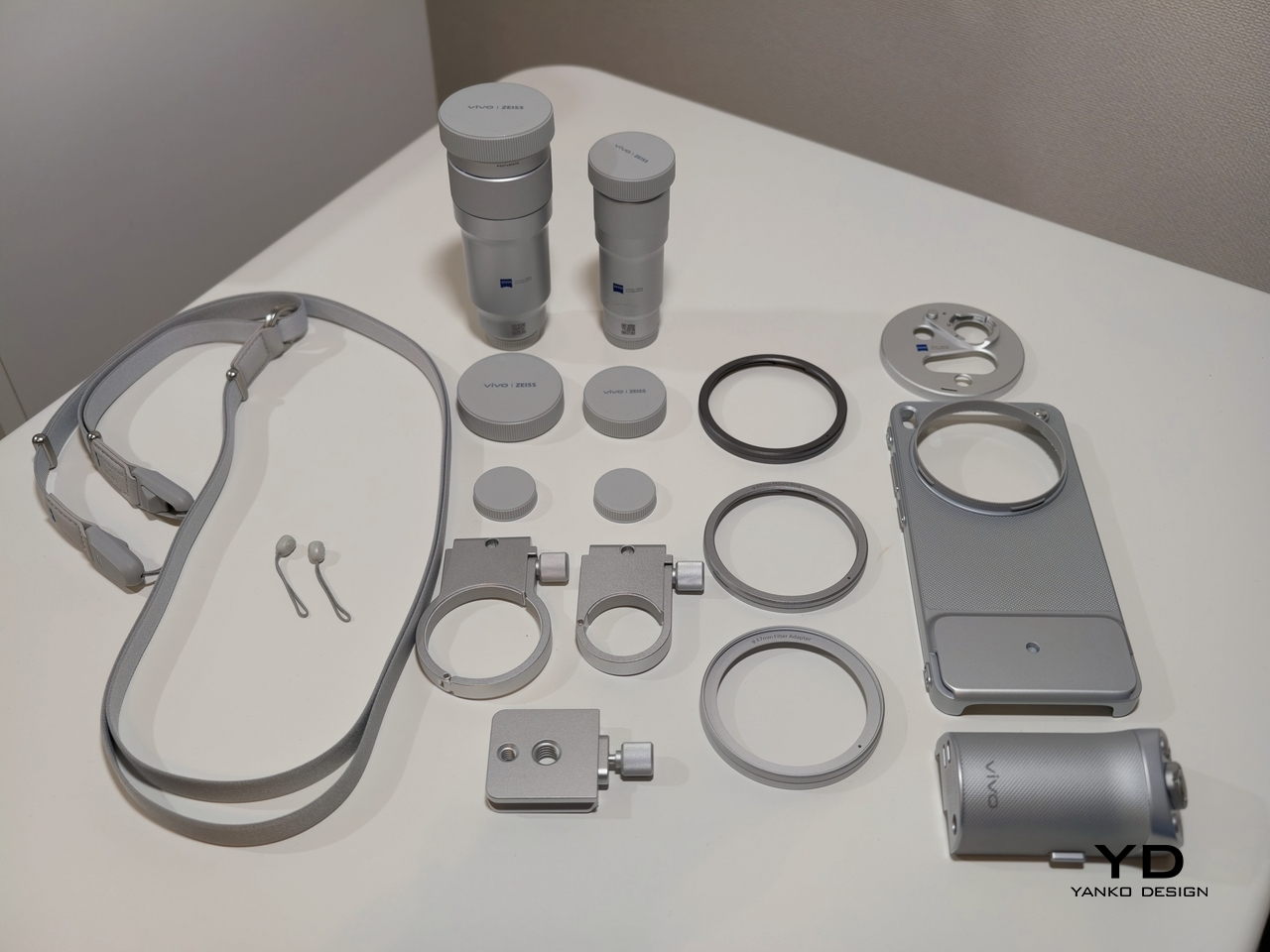
The ergonomics shift noticeably when the telephoto extenders enter the picture. The protective case becomes a functional necessity, as the lens mount system requires it to interface with the accessories. Once a telephoto extender is attached, the modular grip moves from optional to practically essential, providing the stability and comfort that the added length and weight demand.
Performance
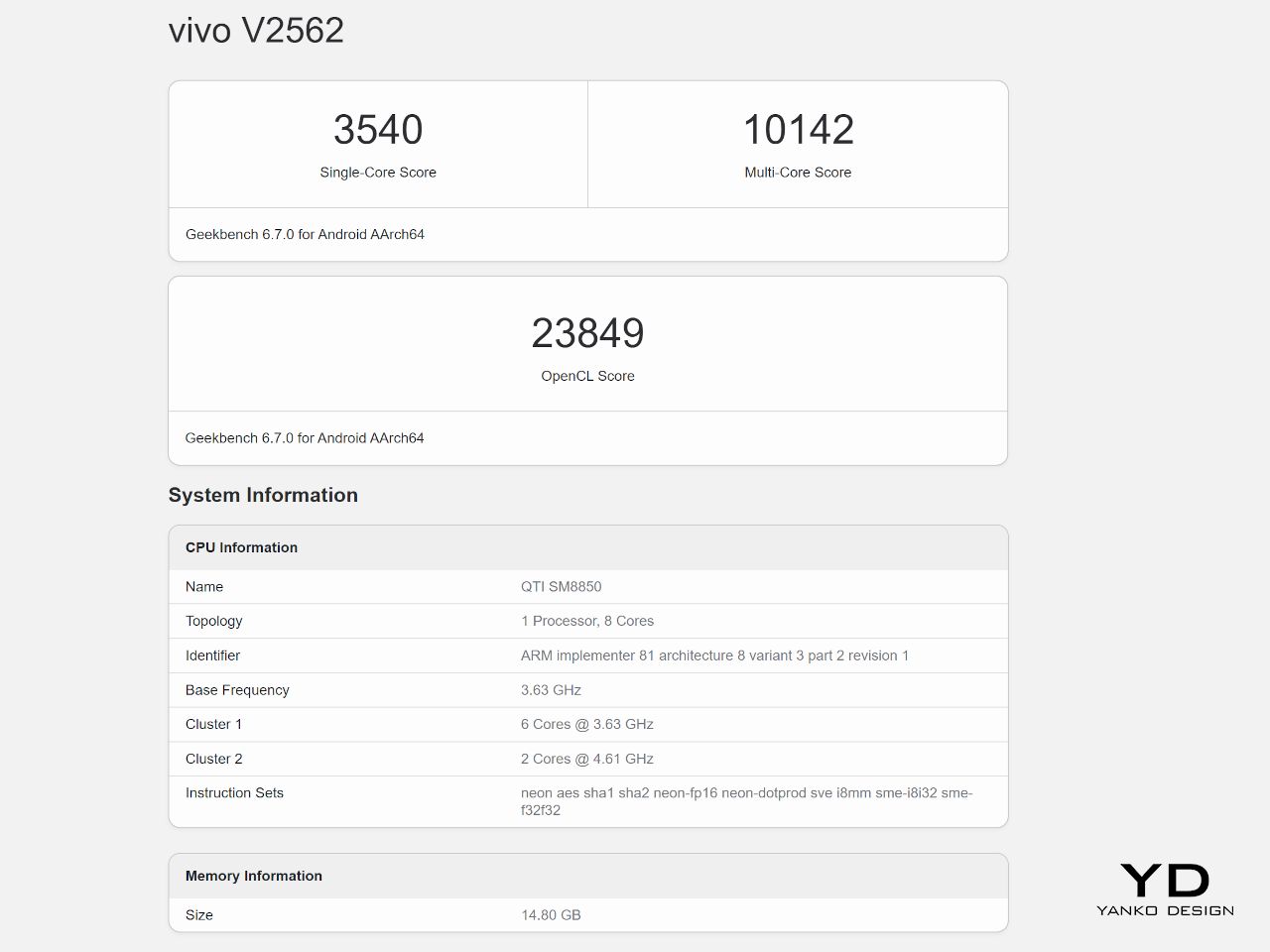
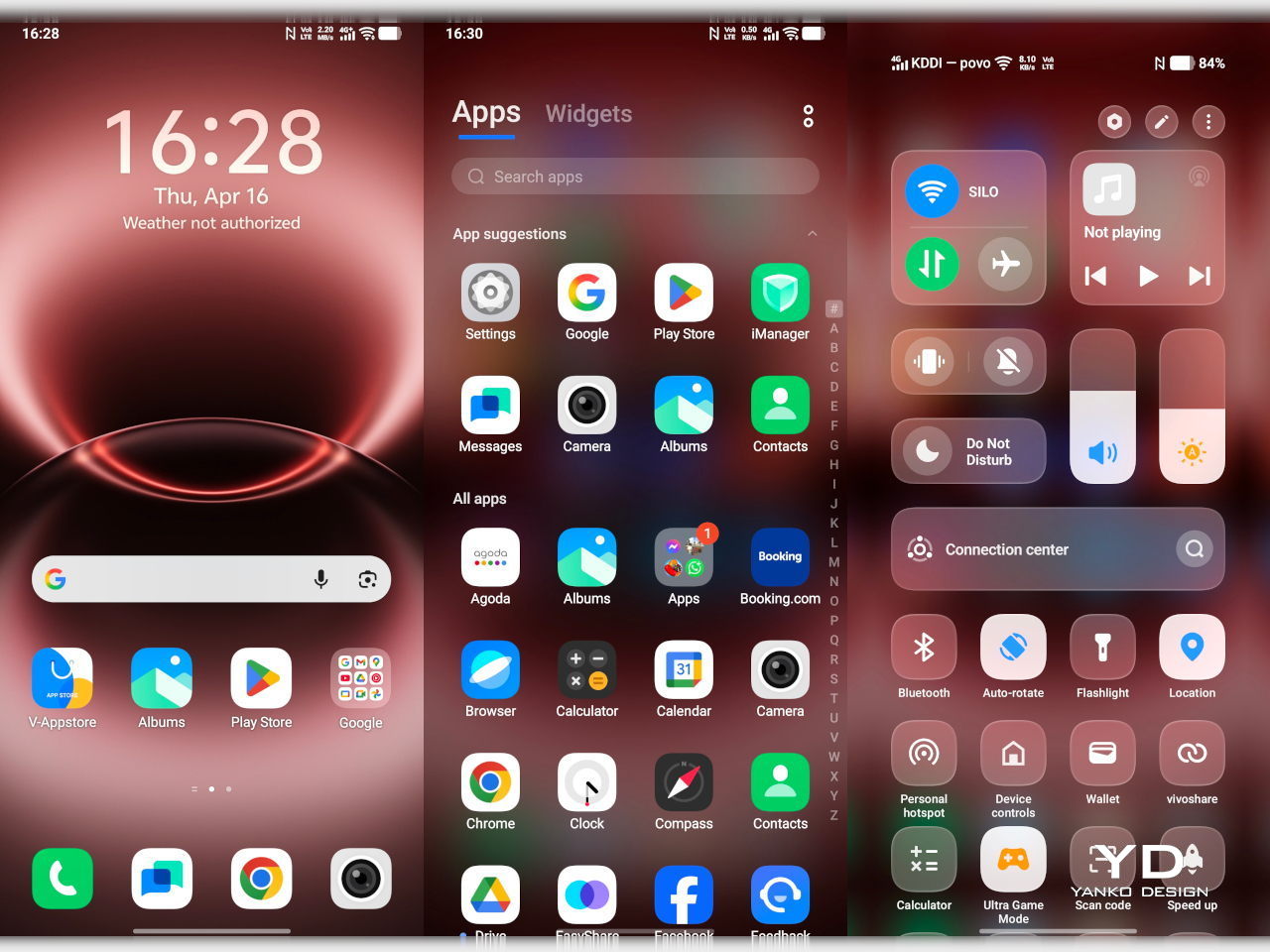
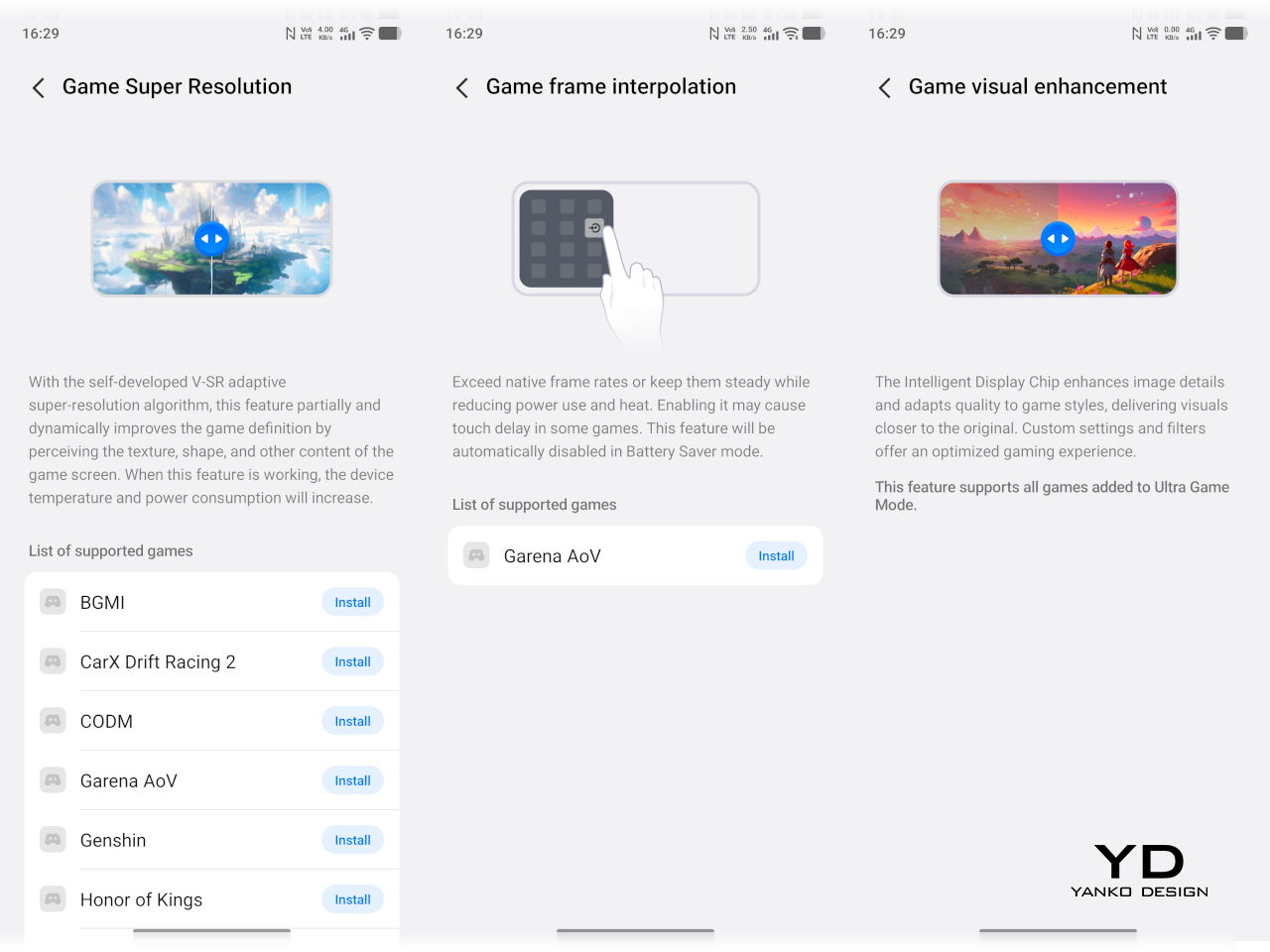
At the core lies the Snapdragon 8 Elite Gen 5, paired with vivo’s own Pro Imaging Chip VS1+ and up to 16GB of RAM with up to 1TB of storage. Day-to-day performance is exactly what you’d expect from a 2026 flagship: fast, fluid, and unfazed by demanding tasks. OriginOS 6, based on Android 16, keeps things running smoothly with an Origin Smooth Engine that keeps the interface feeling responsive even after extended sessions.
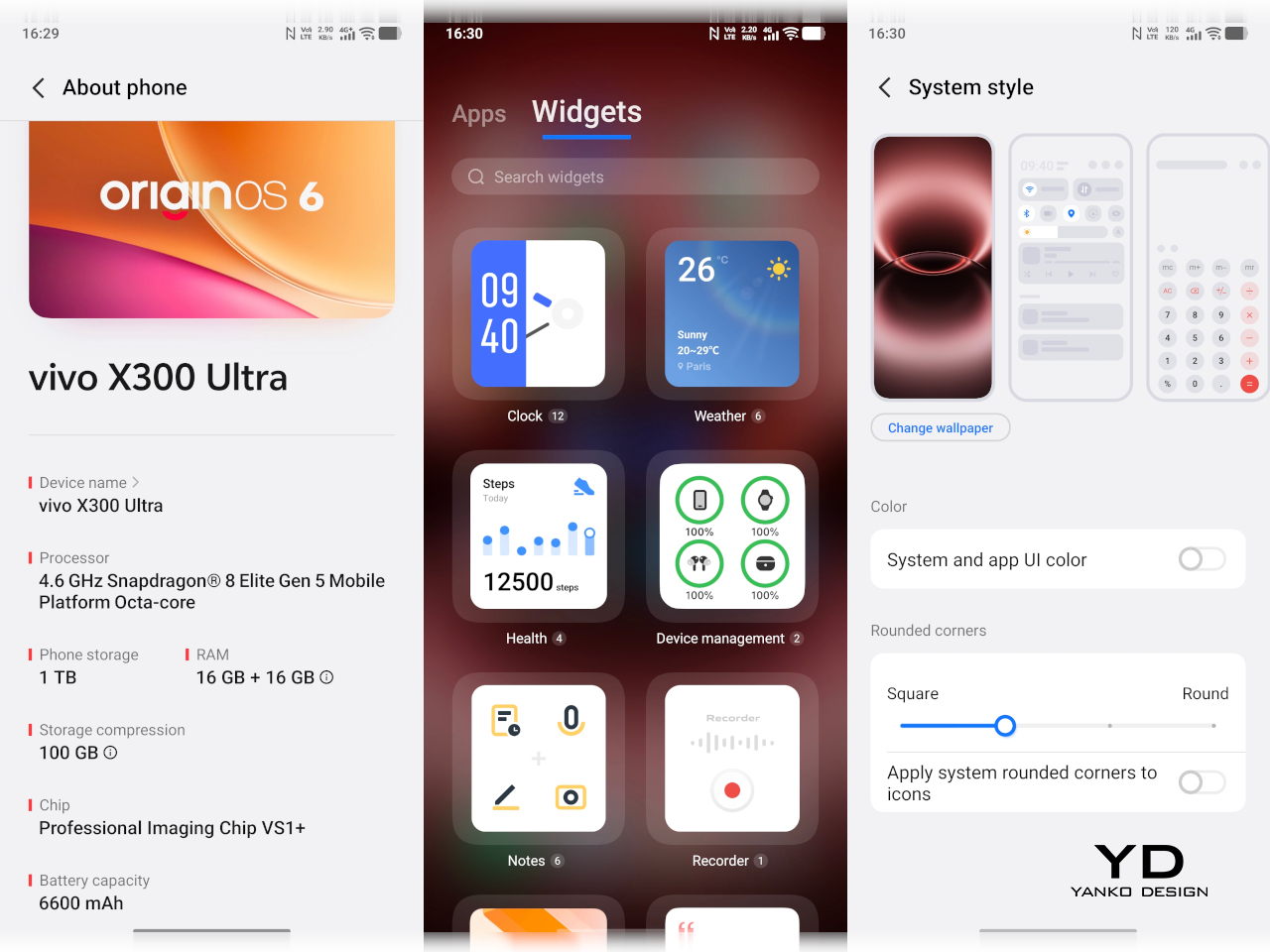
The display is a 6.82-inch 8T LTPO panel running at 3,168 x 1,440 with a 144Hz adaptive refresh rate. It’s bright enough to review shots comfortably outdoors, with 4,500 nits of local peak brightness and certifications for Dolby Vision, HDR10+, and Netflix HDR. As a viewfinder for the camera system, it performs its job well, delivering accurate colors that reflect what the camera is actually capturing.
Battery life is solid for a phone with this level of imaging ambition. The 6,600mAh BlueVolt Battery supports 100W wired FlashCharge and 40W wireless charging, making it easy to top up quickly between shoots. Bypass charging with smart temperature control also keeps heat in check during longer sessions, which matters when you’re shooting all day.
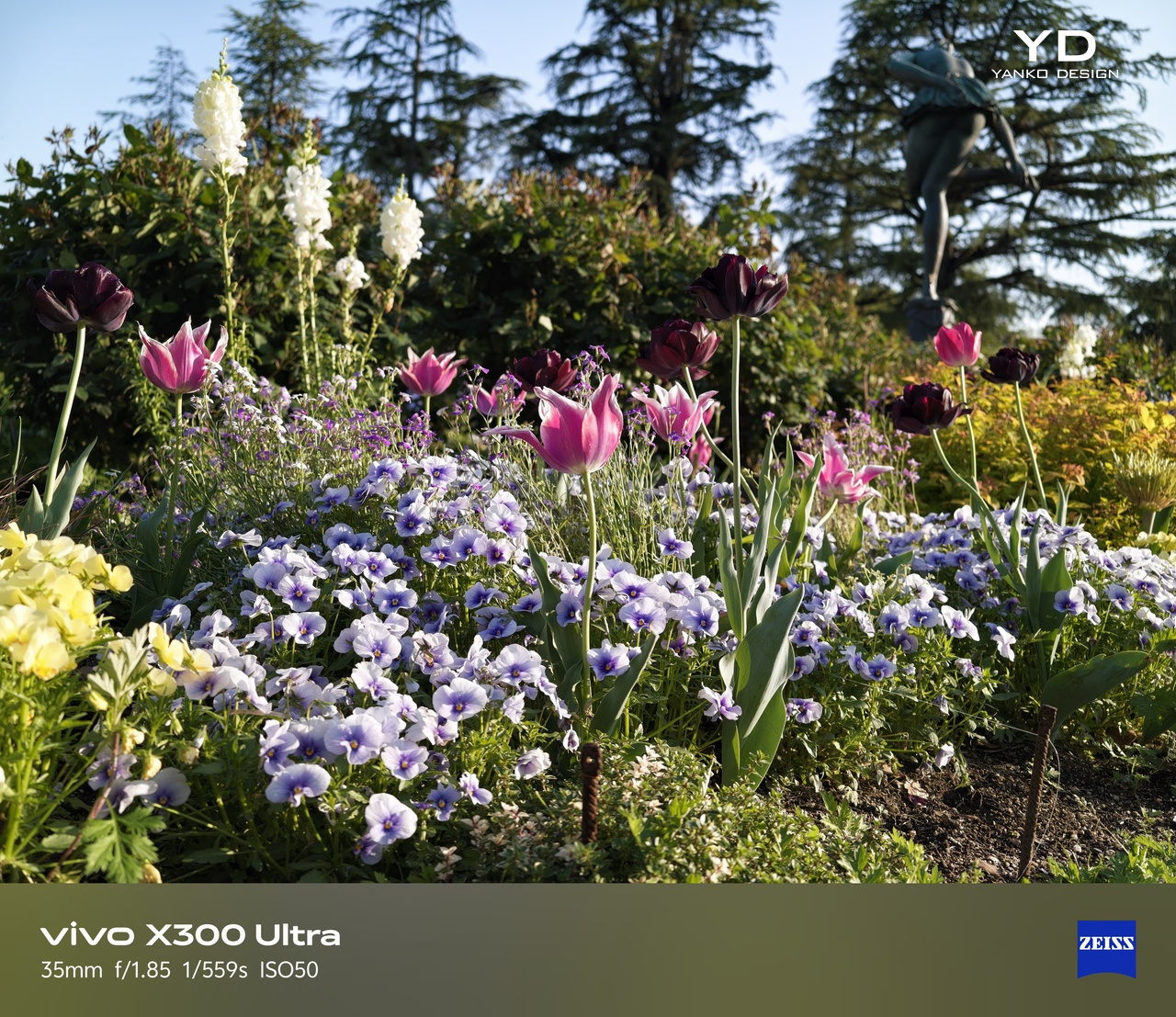
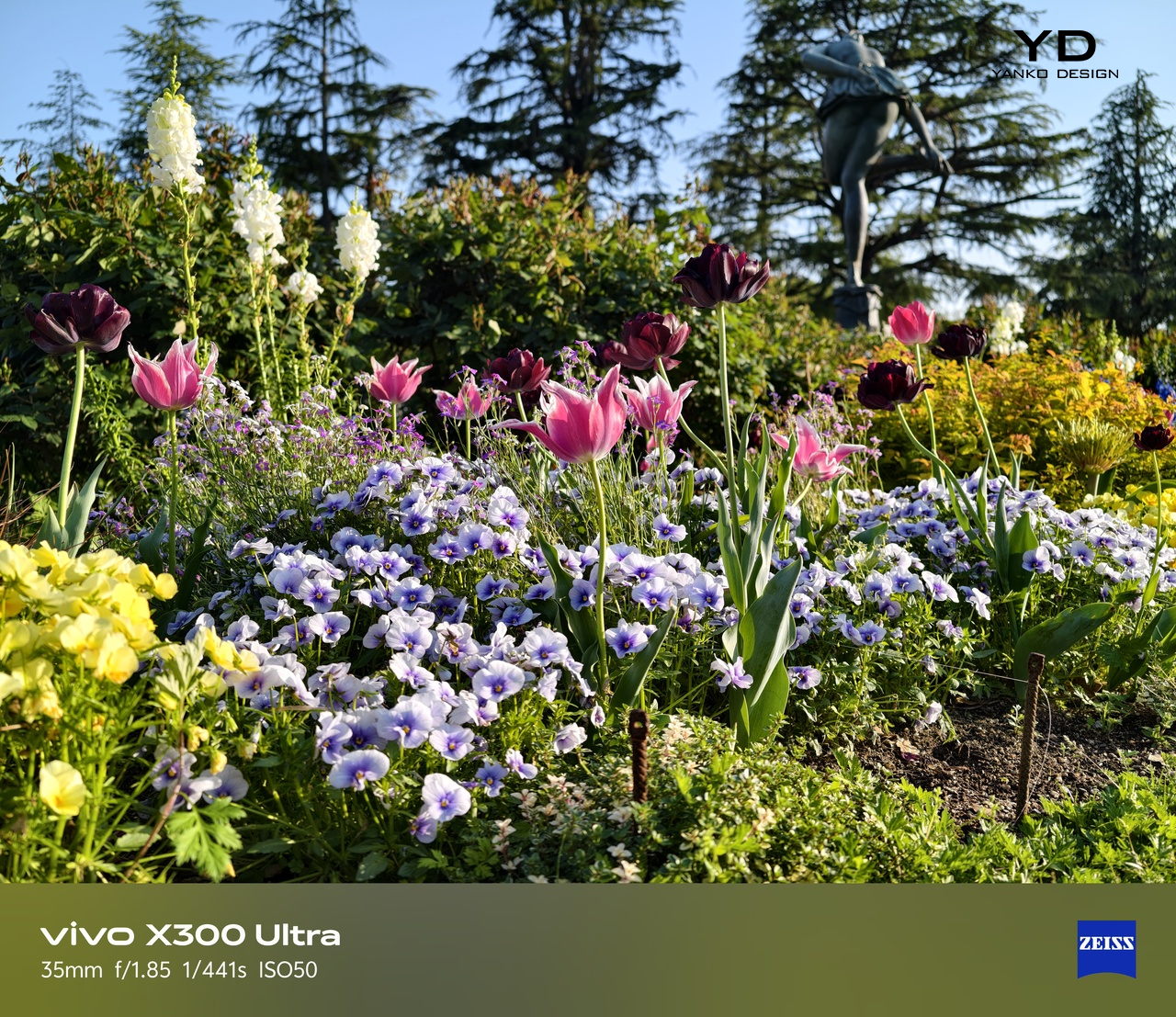
The camera system is, of course, where the X300 Ultra makes its most interesting argument. Rather than organizing three cameras as “main, ultrawide, and telephoto,” vivo builds them around three prime-equivalent focal lengths, each treated as a dedicated imaging tool. The 35mm ZEISS Documentary Camera, equipped with a Sony LYTIA 901 sensor at a 1/1.12-inch sensor size and 200MP direct output, is the natural storytelling lens with a field of view close to the human eye. It’s ideal for portraits, street photography, and everyday moments, particularly in low light, where it delivers sharp, naturally detailed results.

Color Profile: Authentic
Color Profile: Vivid

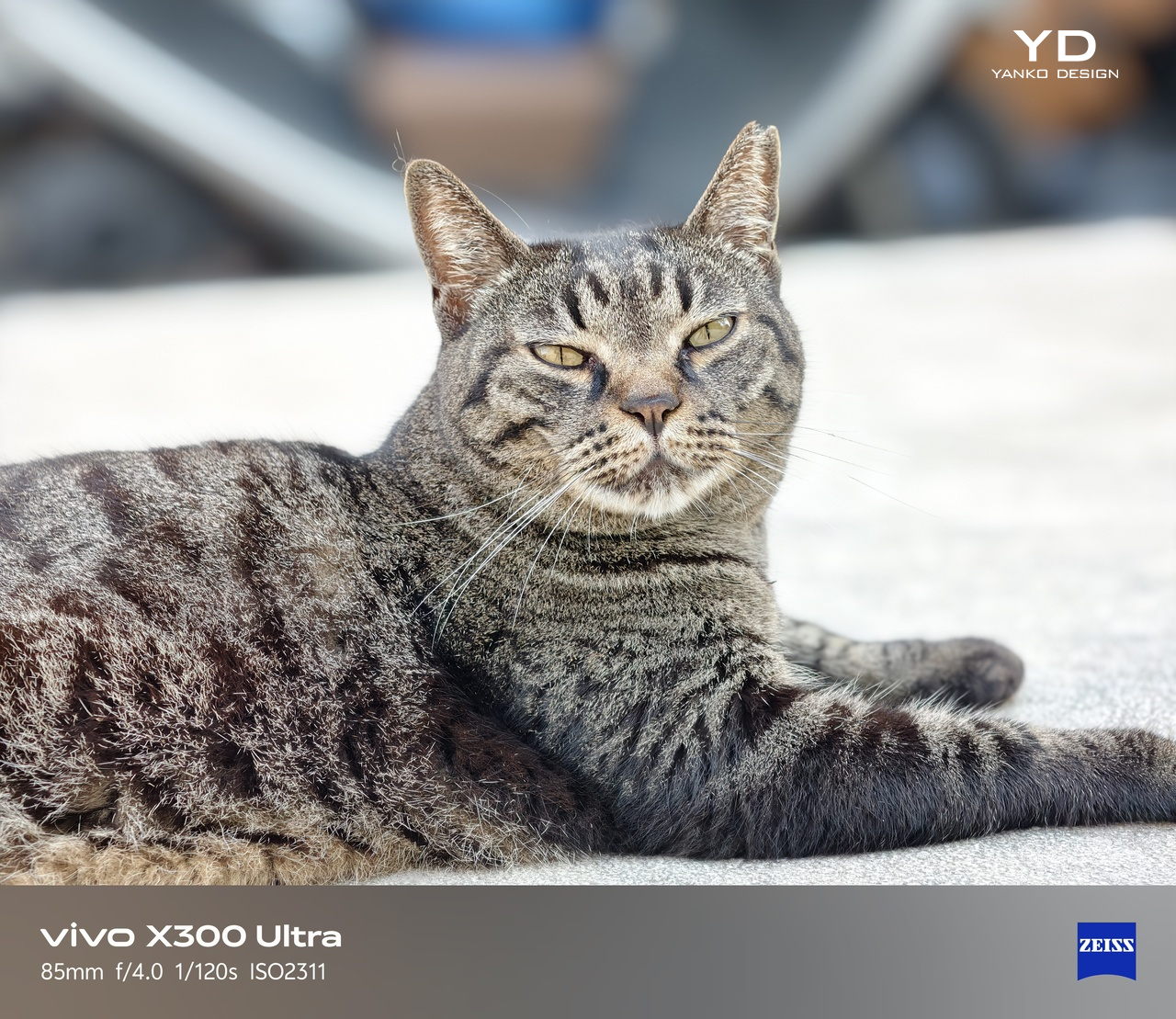
Portrait Mode
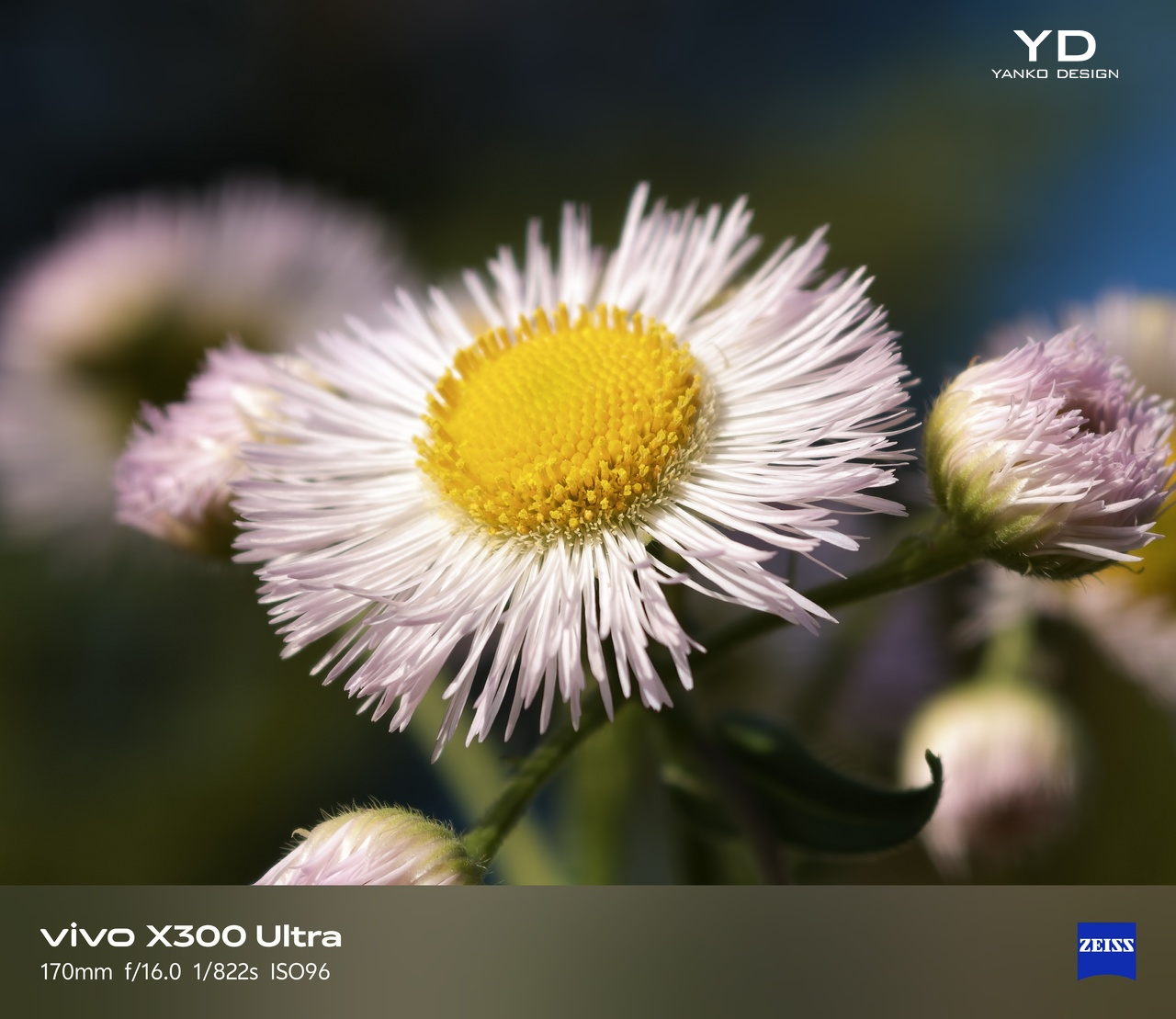
Macro Mode
The 85mm ZEISS Gimbal-Grade APO Telephoto Camera is arguably the most technically ambitious of the three. Its 200MP sensor captures extraordinary detail even at high zoom levels, meeting ZEISS APO standards for optical precision. With 3-degree gimbal-level OIS and 60fps AF tracking in Snapshot mode, it handles fast-moving subjects with a composure that most telephoto cameras on phones can’t manage. Concerts, wildlife, and sports are where this lens makes the clearest case for itself, letting you track and capture decisive moments with confidence.
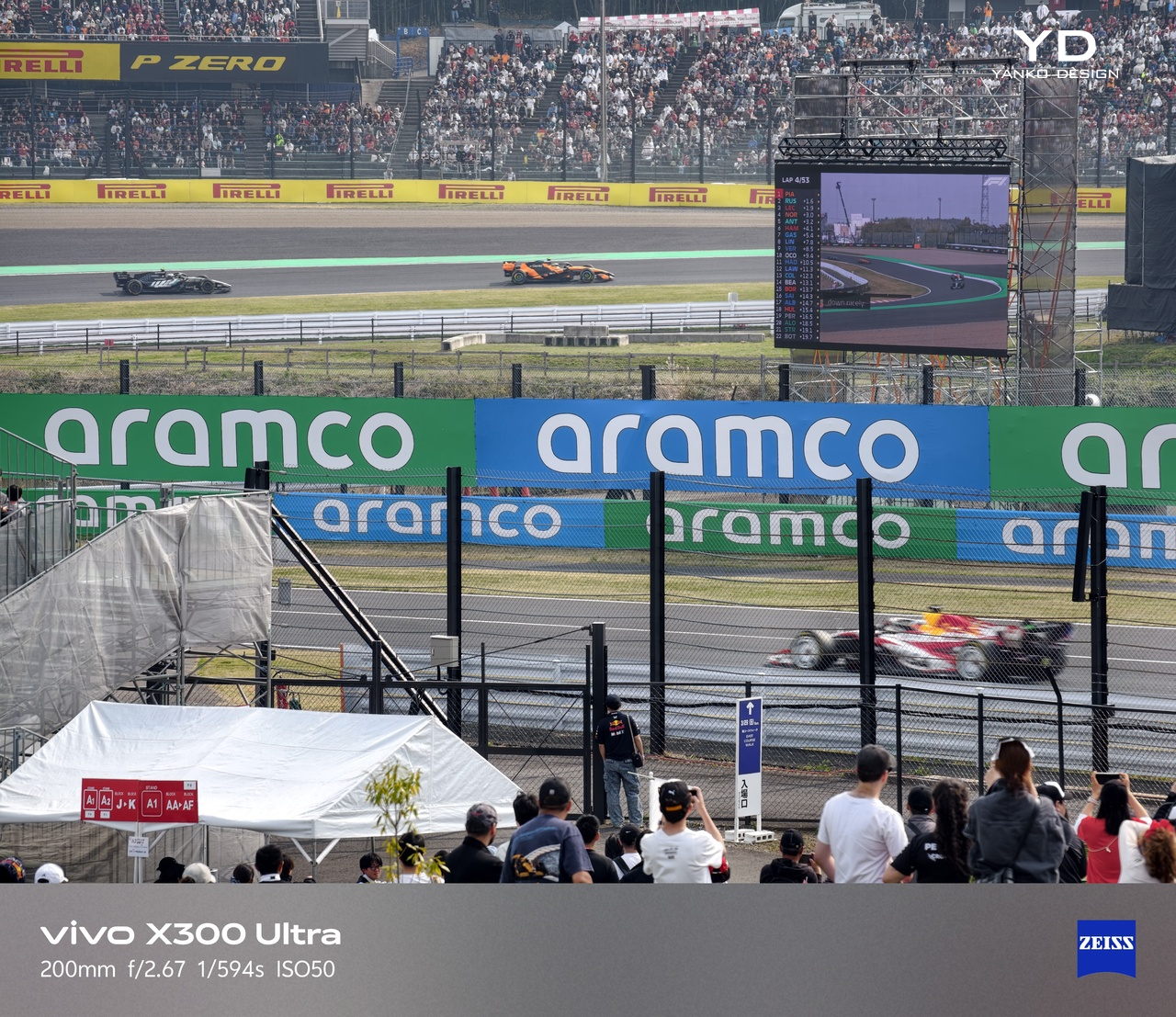
Telephoto Lens (No Mode)
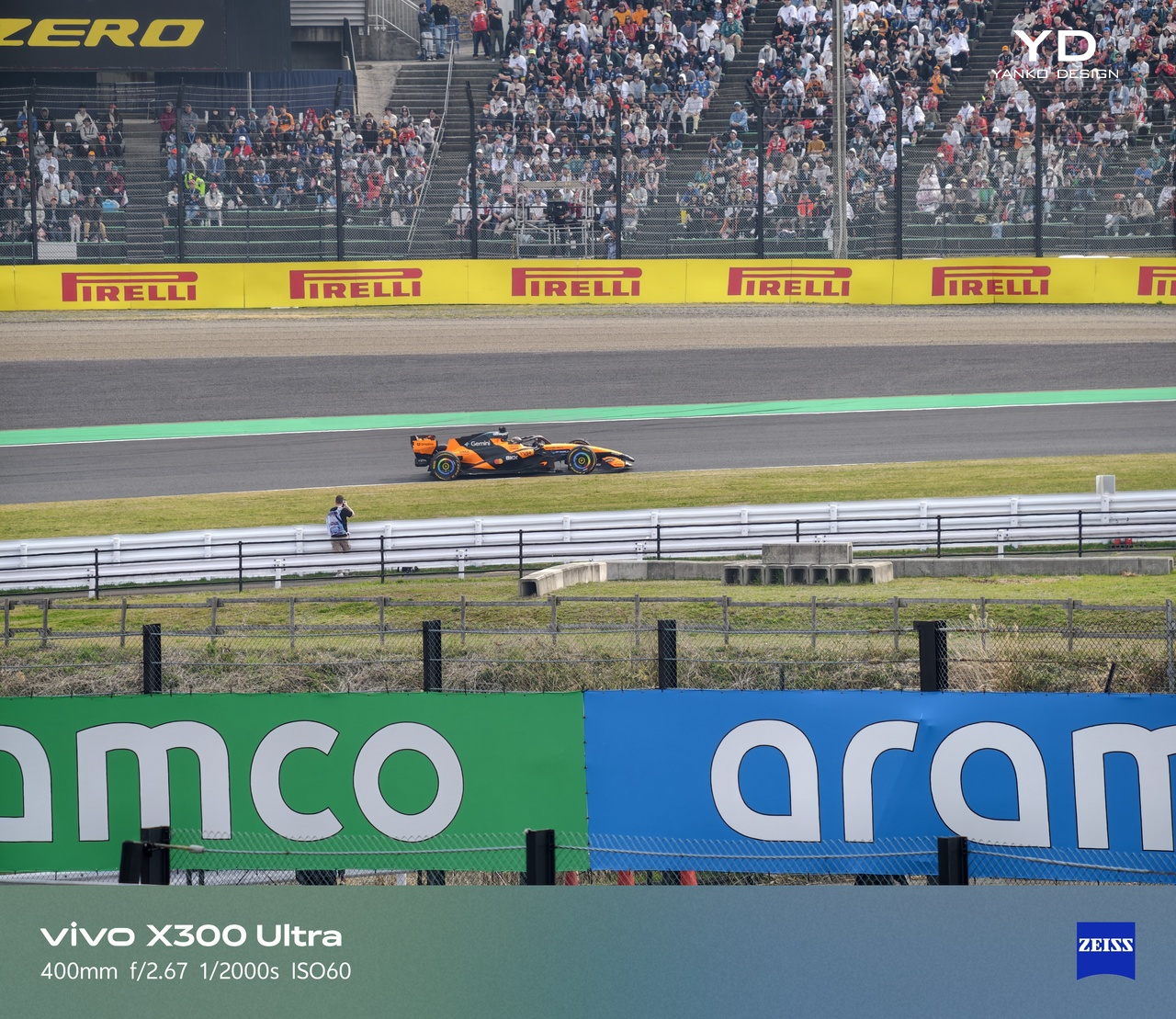
Telephoto Lens (Pro Sports Mode)
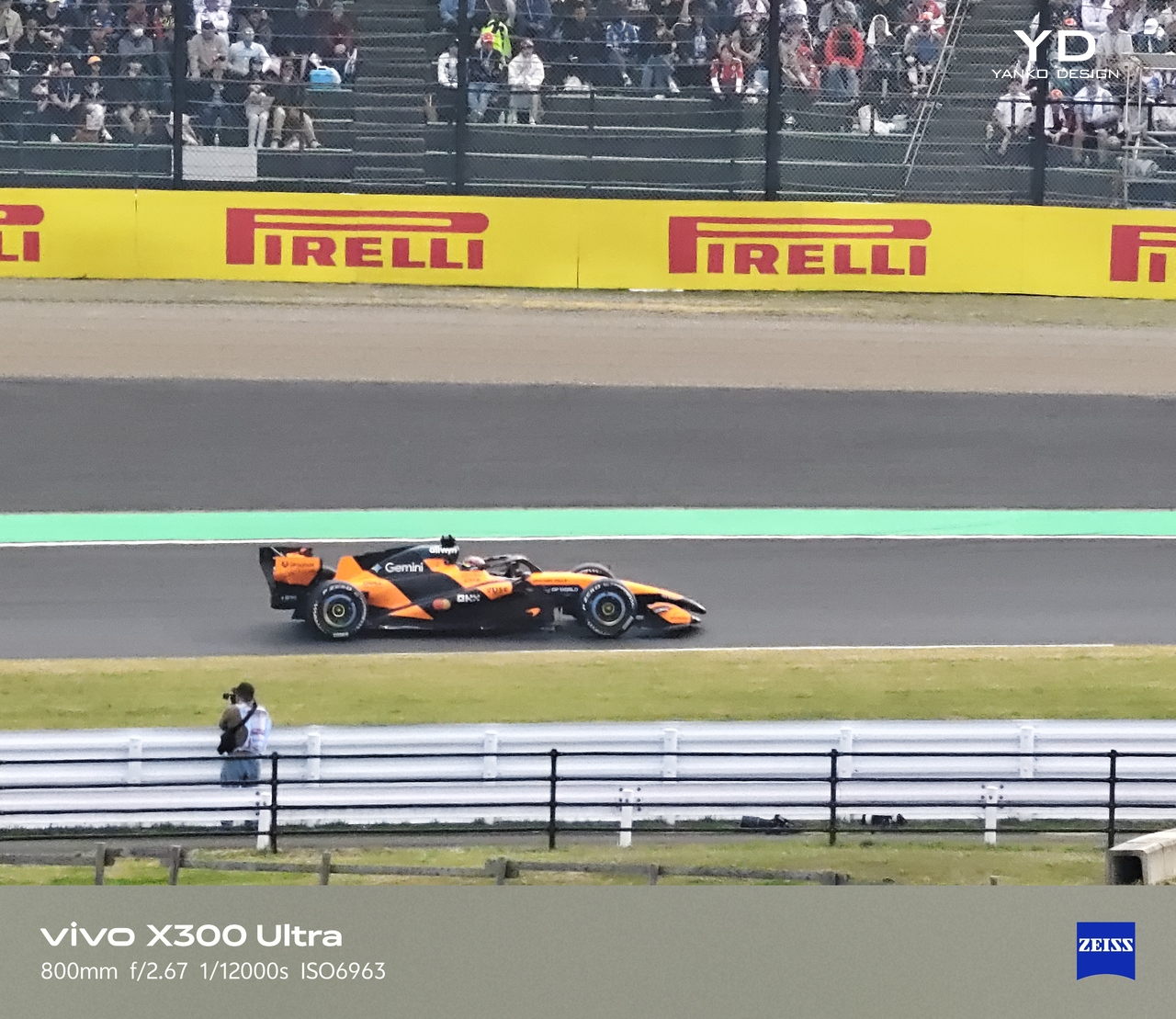
Telephoto Lens (Pro Sports Mode)


Ultra-wide
The 14mm ZEISS Ultra Wide-Angle Camera rounds things out at 50MP, with a large aperture that makes it more capable than the typical ultrawide found on most flagships. It isn’t an afterthought; vivo positions it as a main-camera-grade lens designed for natural landscapes and broader compositional work, and that ambition shows in the results.
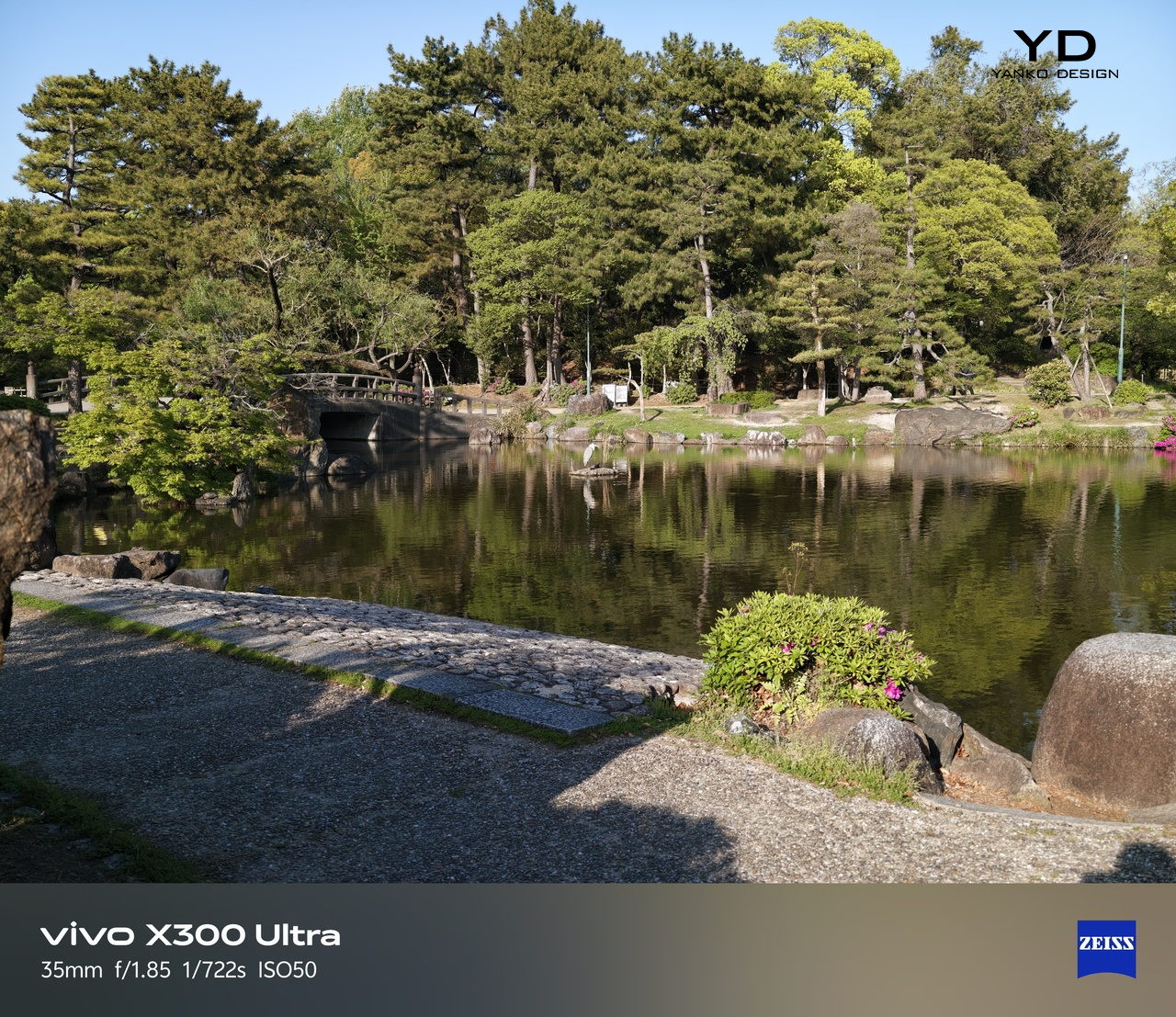
Main
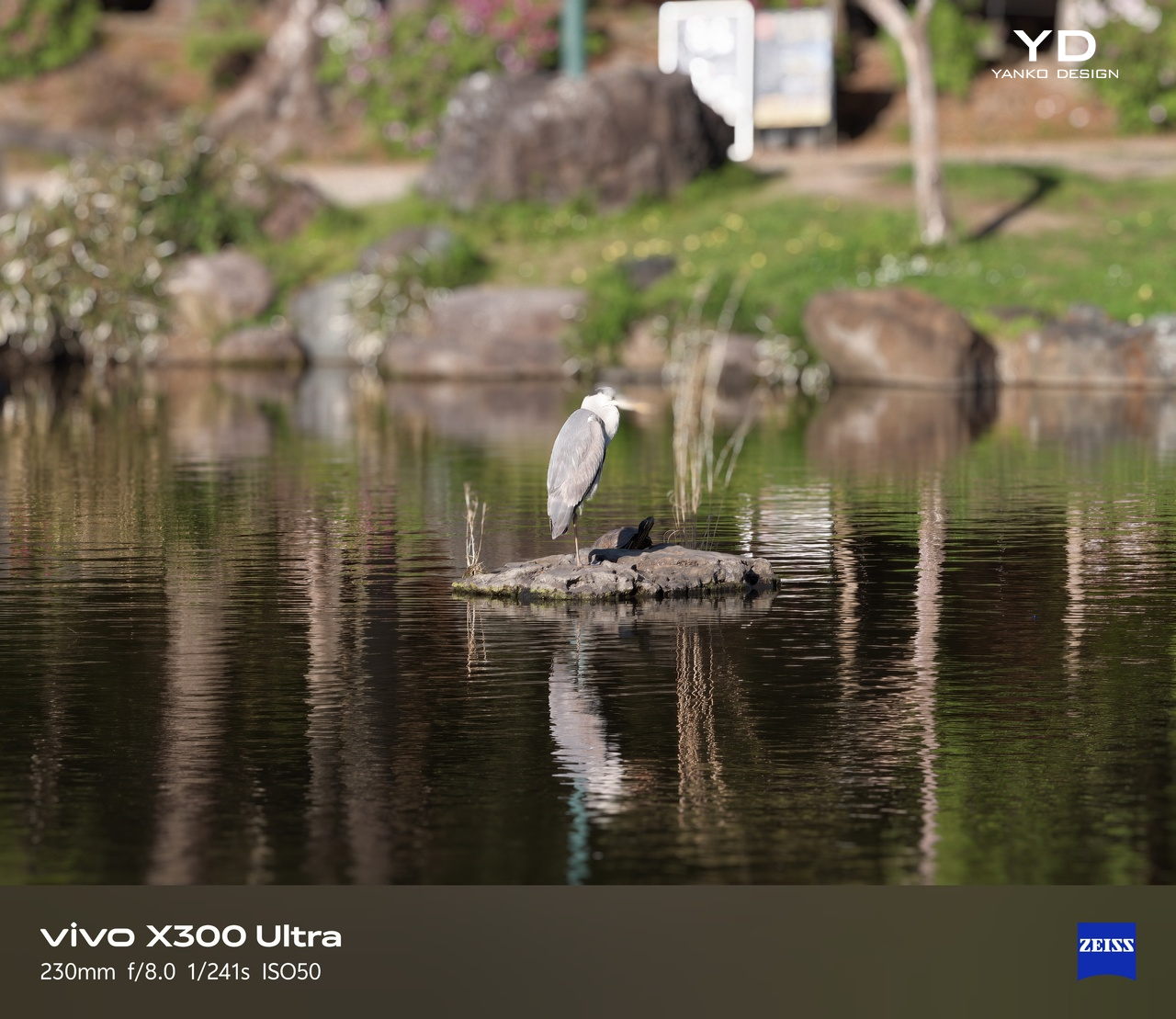
Telephoto Camera (No Lens Extender)
The telephoto extenders add another layer to the whole system. The 200mm equivalent vivo ZEISS Telephoto Extender Gen 2 connects to the phone via the case’s lens mount and delivers optical-grade output at a focal length that no internal module can match, all at a more manageable 153g, refined down from 210g in the previous generation. The 400mm equivalent Telephoto Extender Gen 2 Ultra takes things further still, built on a Kepler-inspired optical design with 15 high-transmittance glass elements and support for 200MP optical output. Both extenders support gimbal-grade OIS and up to 60fps AF tracking, and together they extend the X300 Ultra’s imaging range into territory that genuinely blurs the boundary between smartphone and dedicated camera.
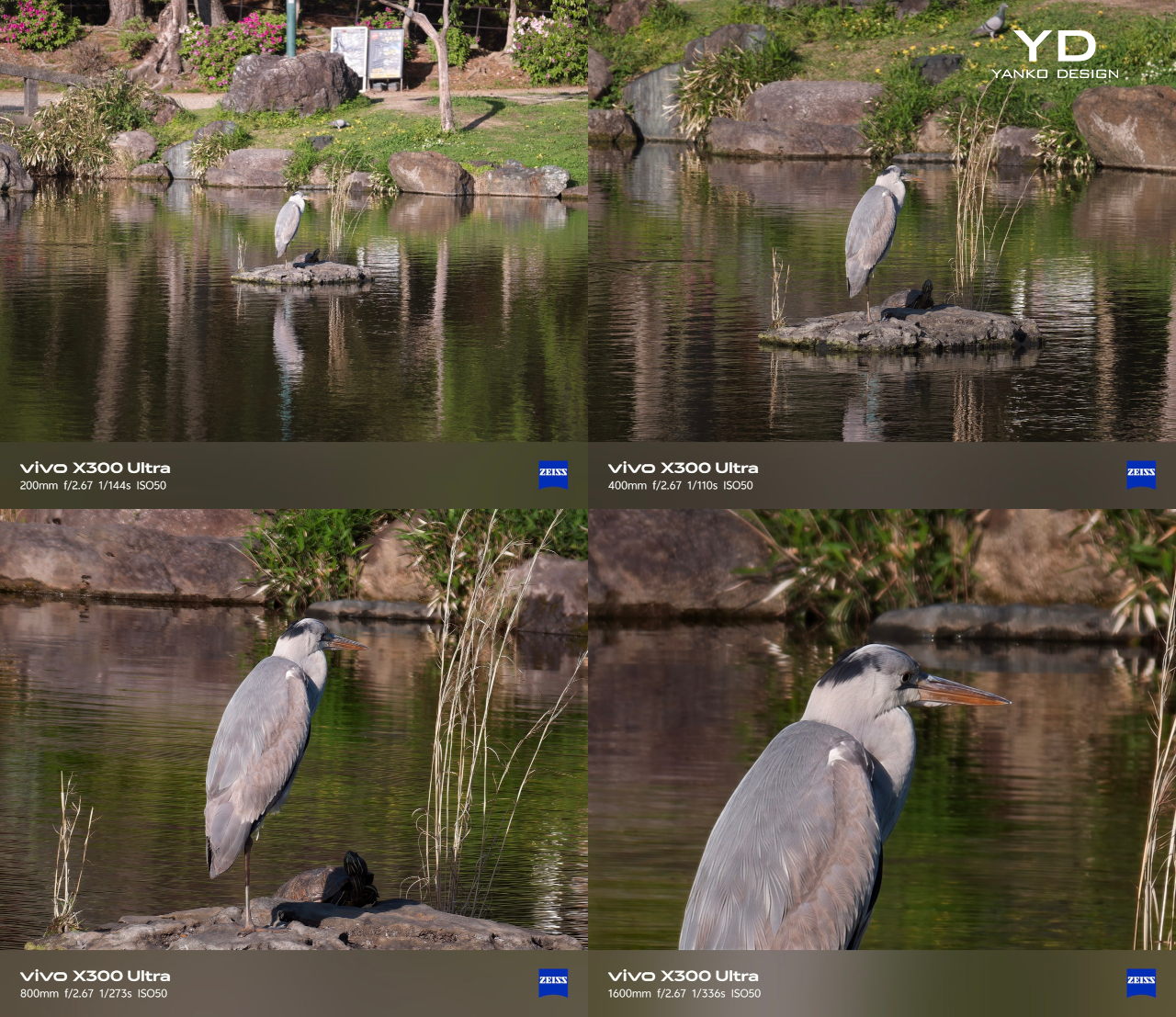
200 mm ZEISS Telephoto Extender Gen 2
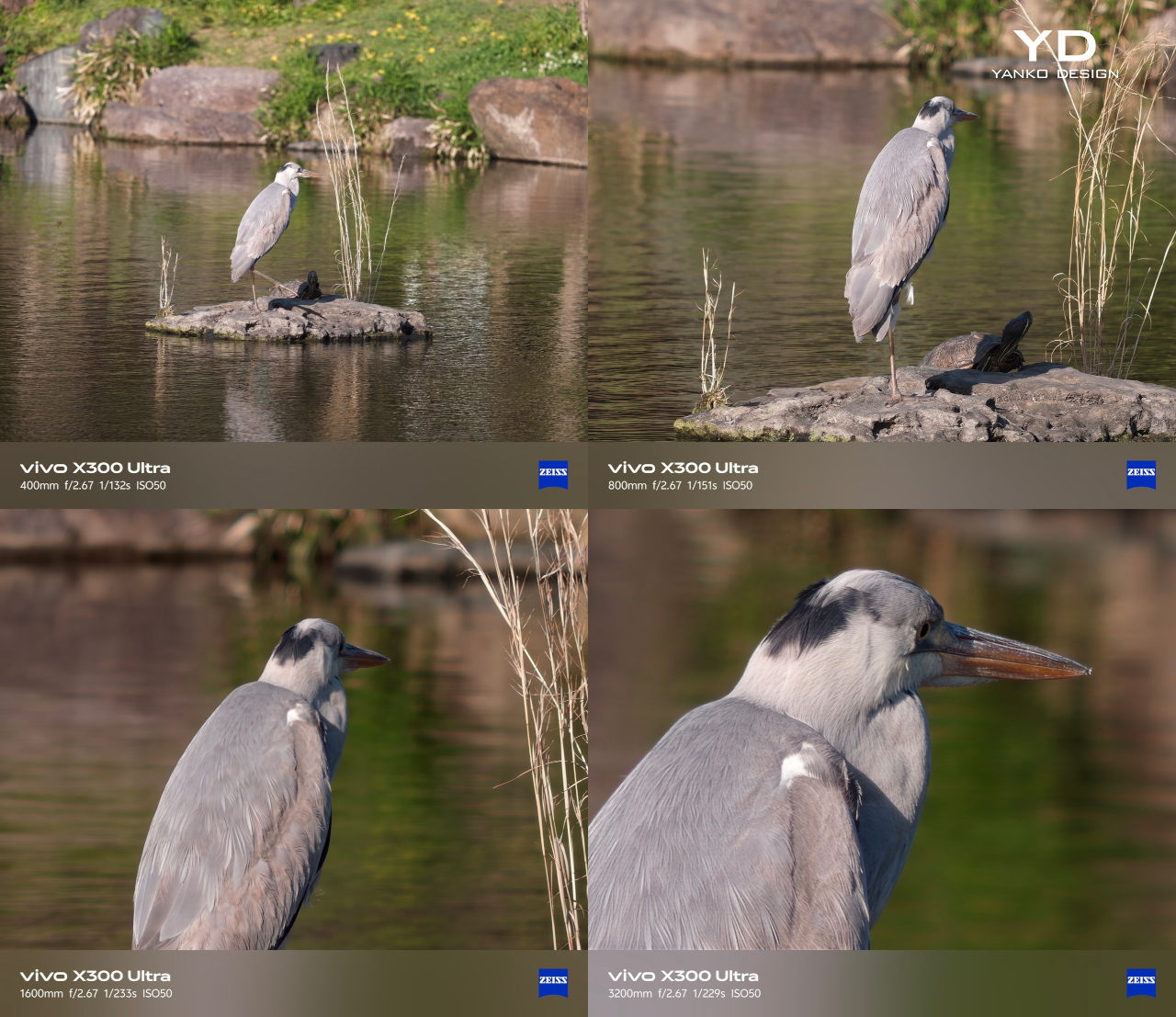
400 mm ZEISS Telephoto Extender Gen 2 Ultra
Sustainability
The X300 Ultra is built to last, and that conviction shows in the hardware choices. Armor Glass protects the exterior, and the phone carries both IP68 and IP69 dust and water resistance ratings, covering both prolonged submersion and high-pressure water exposure. These are meaningful standards for a device that’s meant to travel and shoot in varied conditions.
The strongest sustainability argument, though, is software longevity. vivo is committing to five years of OS upgrades and seven years of security maintenance, a support window that puts the X300 Ultra ahead of most Android flagships and signals genuine confidence in its long-term relevance. For a phone at this price point, that kind of assurance matters, extending the useful life of the device considerably.
Like most sealed flagship phones, however, the X300 Ultra isn’t particularly repair-friendly, and vivo doesn’t make any specific claims about recycled or sustainable materials in this build. That’s a common gap across the ultra-premium phone category, and the long support window and durable construction go some way toward compensating for it.
Value
The X300 Ultra sits squarely in the ultra-premium flagship tier, and it makes no attempt to be a broadly accessible phone. It’s a specialized, photography-first device with a modular accessory system, three prime-equivalent focal lengths, and a build quality that communicates its ambitions at every turn. The starting price in China begins at CNY 6,999, roughly in line with other high-end imaging flagships globally, though global pricing hasn’t been officially confirmed at the time of this review.
For the right buyer, that price feels well-matched to what the phone actually delivers. Photographers and creators who think in focal lengths, who want to shoot 200MP RAW files on a 35mm lens, track birds or performers at 85mm, and then extend to 200mm or 400mm with an optically serious external lens, will find it harder to justify a more generalist flagship. The X300 Ultra covers a lot of creative ground that most phones simply can’t.
That said, buyers looking for the lightest or simplest ultra-premium smartphone, something to carry easily through a full day without thinking twice about it, may find the X300 Ultra’s weight and accessory ecosystem a bit more demanding than they bargained for. It’s a phone that asks for a certain kind of engagement, and it rewards that engagement handsomely.
Verdict
The vivo X300 Ultra is one of the most coherent camera-first flagships to arrive in years. The design, the optics, the telephoto ecosystem, and the software are all pulling in the same direction, creating a product that knows its audience and delivers on their priorities with real conviction. The 237g weight and accessory dependency aren’t oversights; they’re the cost of a system this capable, and for the right user, that’s a perfectly reasonable trade.
What makes it genuinely memorable, though, isn’t any single spec. It’s the feeling that the whole thing was designed by people who actually think about photography, not just camera marketing. The focal lengths are deliberate, the extenders are optically serious, and the hardware detailing reinforces the idea that this is a tool as much as it is a phone. For anyone who shoots with intent, that kind of commitment is exactly what a flagship should offer.