
Film cameras have had a strange little comeback, and not in the way anyone expected. It’s not that people find waiting days for developed photos convenient. It’s that pulling a mechanical viewfinder to your eye still feels more deliberate, more personal, than tapping a glass screen. Vintage bodies from the 1970s and ’80s have become far more desirable again than they were a decade ago.
The obvious problem is the film itself. Processing costs have climbed, lab turnaround times can stretch into weeks, and there’s always that faint dread of discovering a whole roll came out underexposed. I’m Back Roll tries to address that without asking you to give up the camera you actually love. The idea is to keep the body intact and quietly swap out what goes inside.
Designer: Samuel Mello Medeiros
Click Here to Buy Now: $449 $699 ($250 off). Hurry, only 1/435 left! Raised over $525,000.
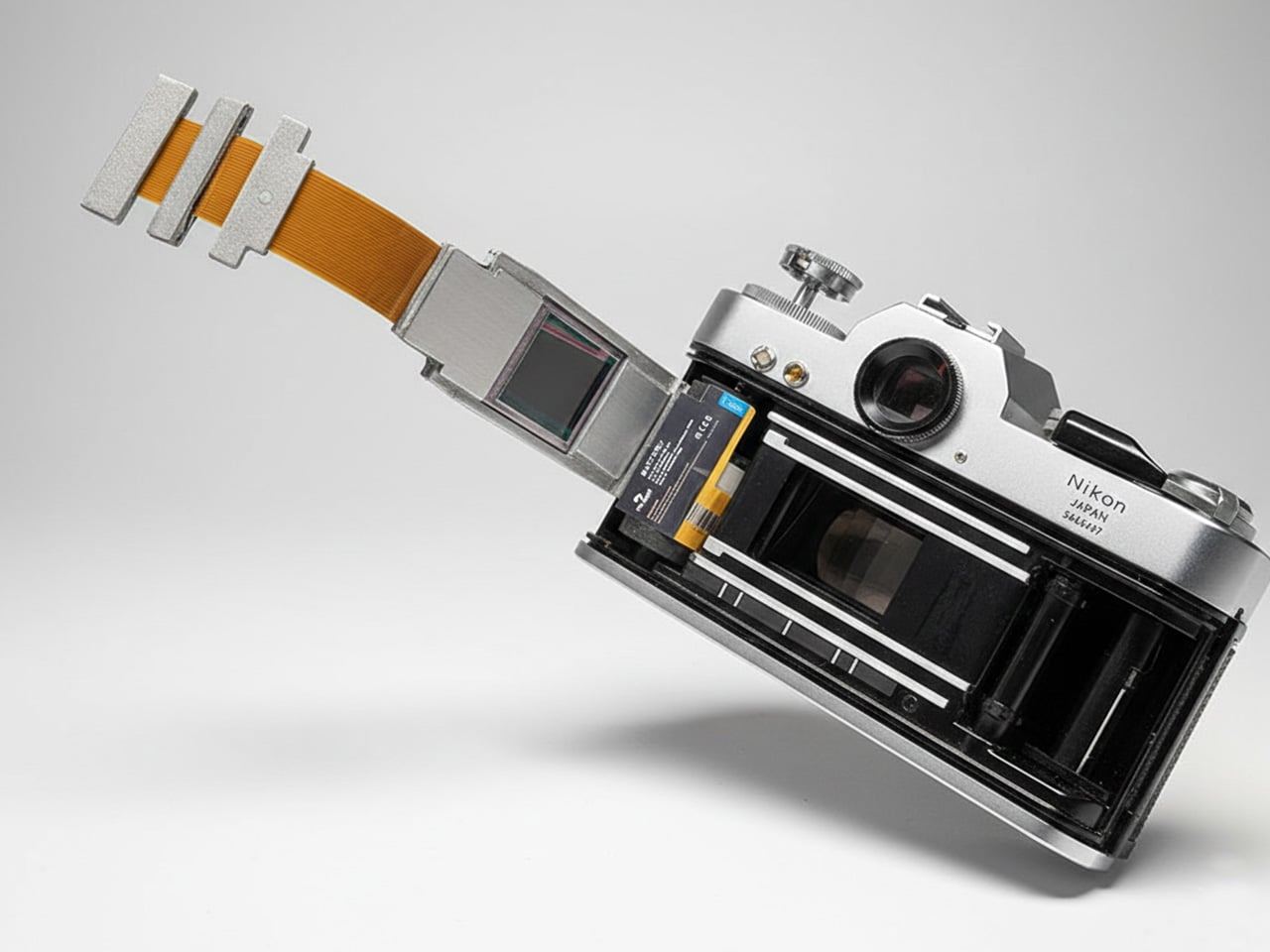

What goes inside is a digital roll the size of a standard film cartridge, housing an APS-C sensor positioned in the film gate. Close the camera back, and almost nothing looks different from outside. No rear screen, no clunky attachment bolted to the body. The only visible concession to the digital world is a small Bluetooth remote that clips near the winding lever.

That remote is how you synchronize the digital sensor with the mechanical shutter, pressing it just before you fire. It sounds fiddly at first, but it also reinforces the whole point. There’s no live view to second-guess yourself with, no image to review immediately after. You shoot, move on, and download everything wirelessly later. That’s closer to how film photography actually felt than most digital cameras manage.
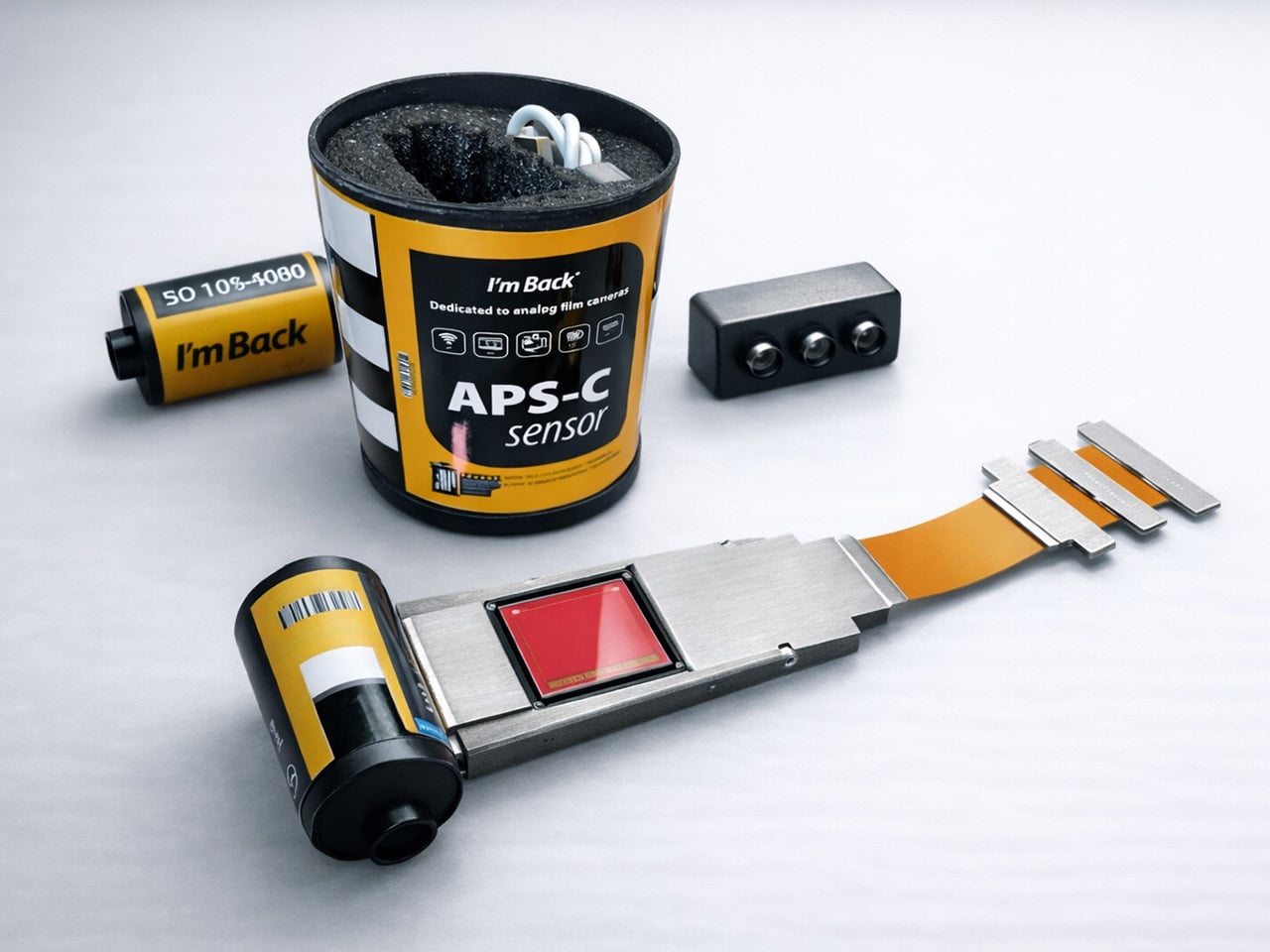
At the heart of the roll is Sony’s 26.1 MP APS-C IMX571 sensor, the same sensor family also used in astronomy cameras, where low-noise performance matters. It sits inside a CNC-machined aluminum body designed for heat dissipation, with up to 256GB of internal solid-state storage and both Wi-Fi and Bluetooth for transferring images once you’re done shooting.
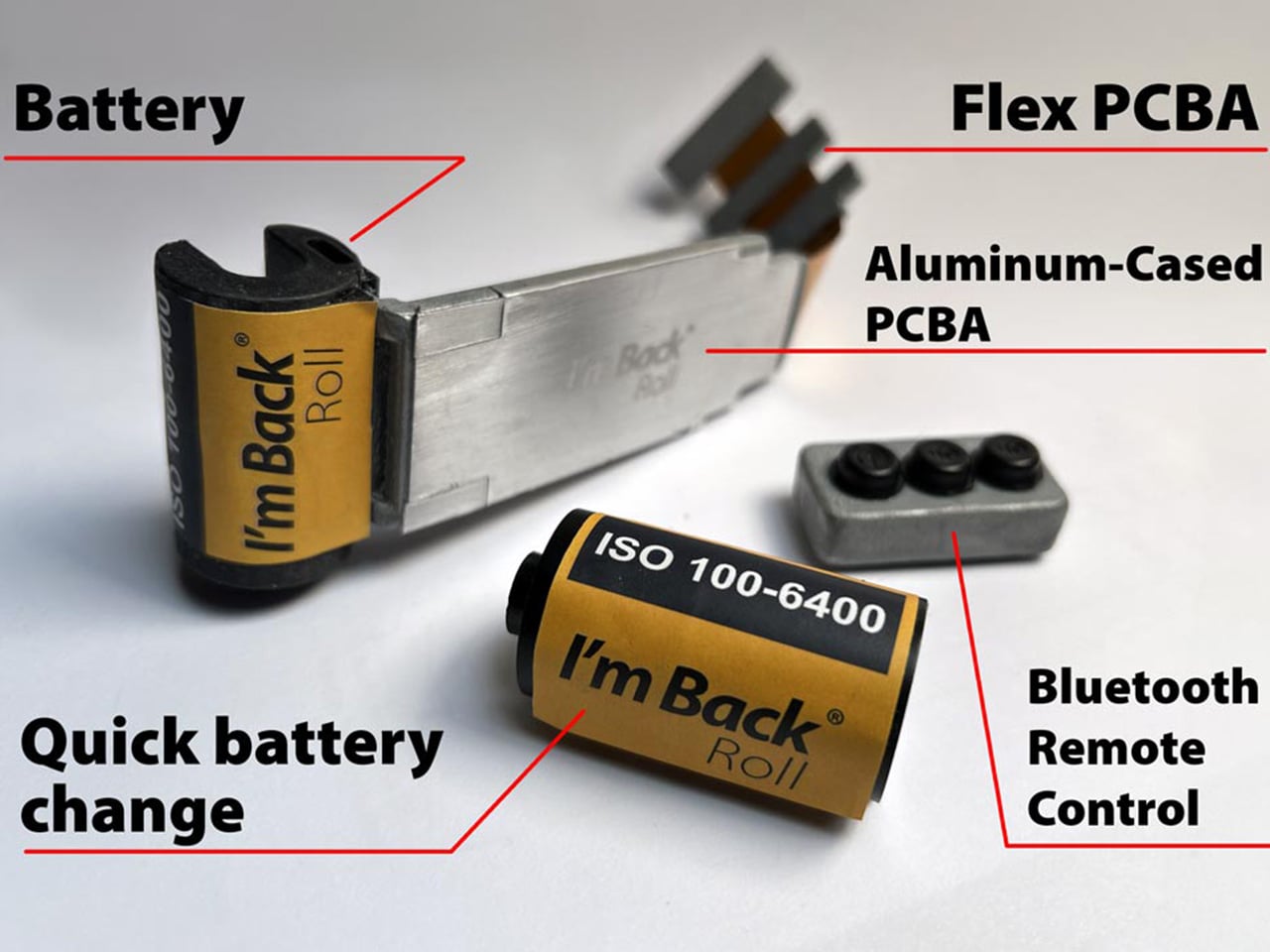
The battery follows the same logic as a film roll, sitting in the film chamber where a cartridge would normally live. It’s interchangeable, so you can swap in a fresh one mid-session the same way you’d load a new roll. That’s a small but genuinely clever bit of design thinking, because it doesn’t ask the camera to pretend it’s something it was never built to be.
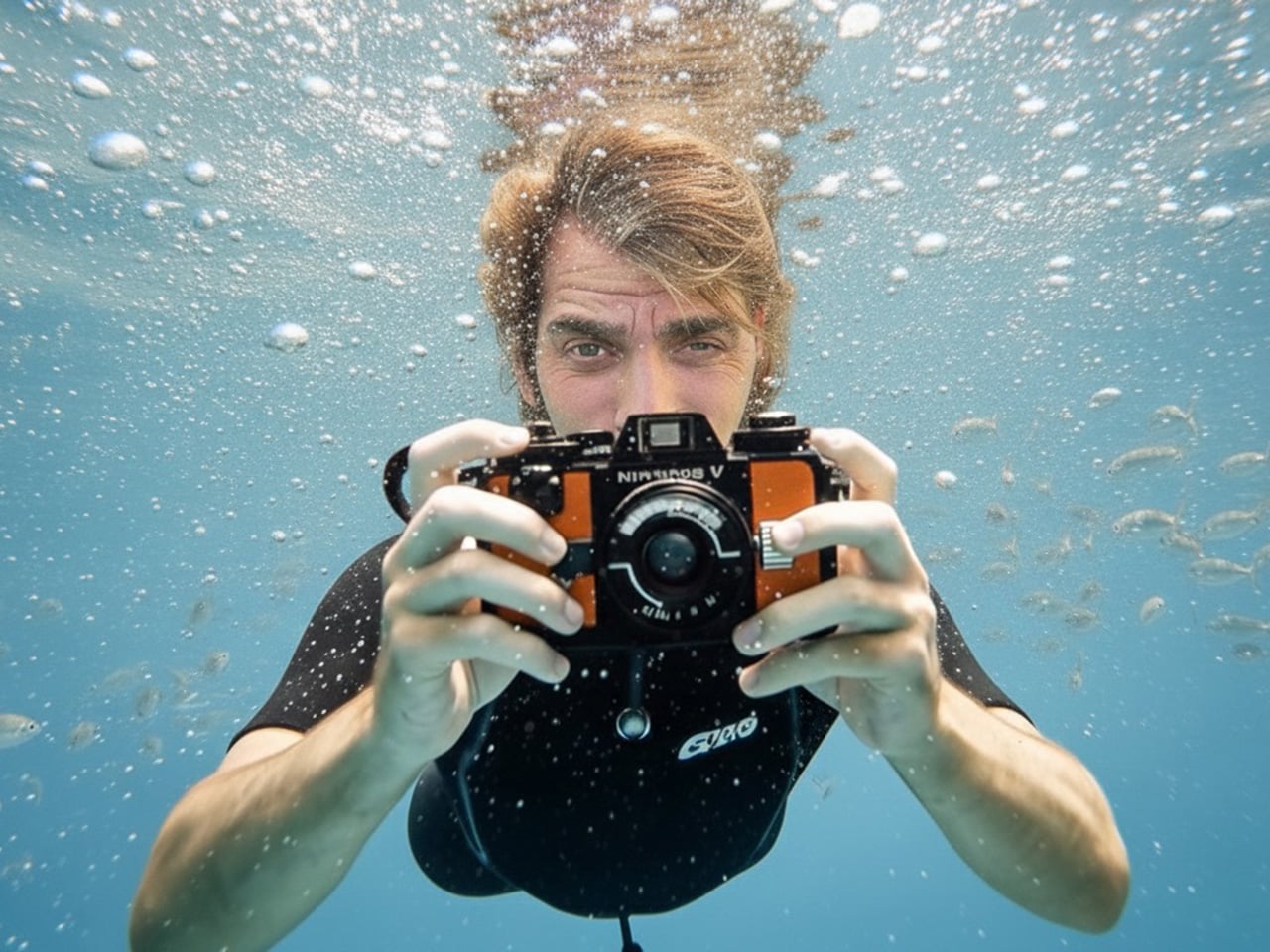
An old Nikon F3 or a Contax G2 becomes a genuinely different camera with the I’m Back Roll inside, without actually looking any different on the outside. From that point, it shoots RAW and JPEG files across an ISO range of 100 to 6400, with presets inspired by classic film stocks and brands, including Fujifilm and Ilford, for anyone who wants some of that analog character in the output.
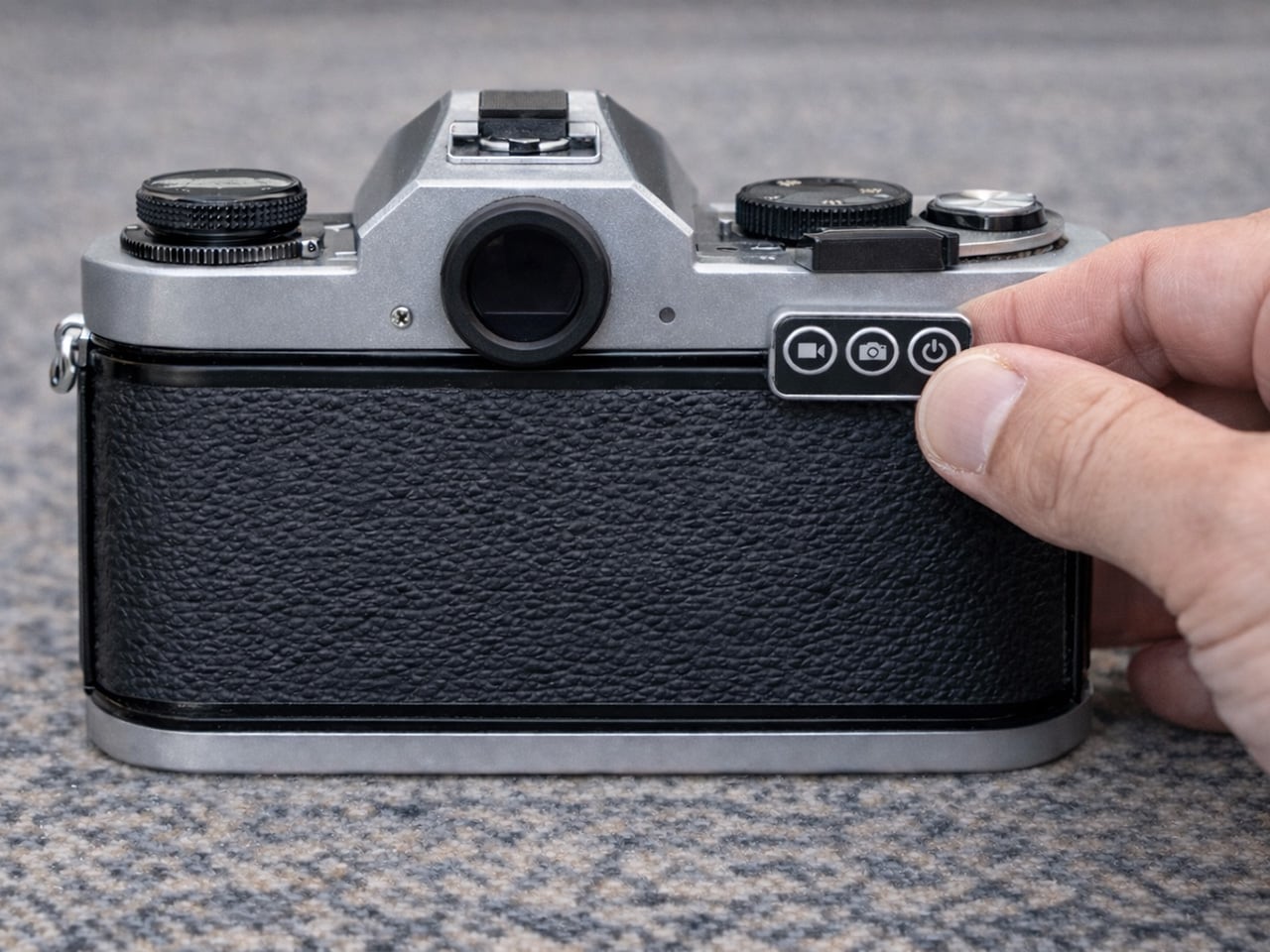
There’s something appealing about the idea of pulling a camera out of a drawer and actually using it again. The roll works with most 35mm bodies from major brands, including Nikon, Canon, Pentax, and Leica, though cameras where the back opens from bottom to top may need a custom rear panel. Many classic 35mm bodies can accommodate it, though some may need the pressure plate removed or a custom rear panel.


Of course, the two-step shooting process, activating the sensor before triggering the shutter within a second or two, is going to feel less natural to some. Someone who relies on live view or reviews every frame would need to adjust expectations considerably. The rhythm here is slower and more committed, which is either the whole point or the main reason to look elsewhere.
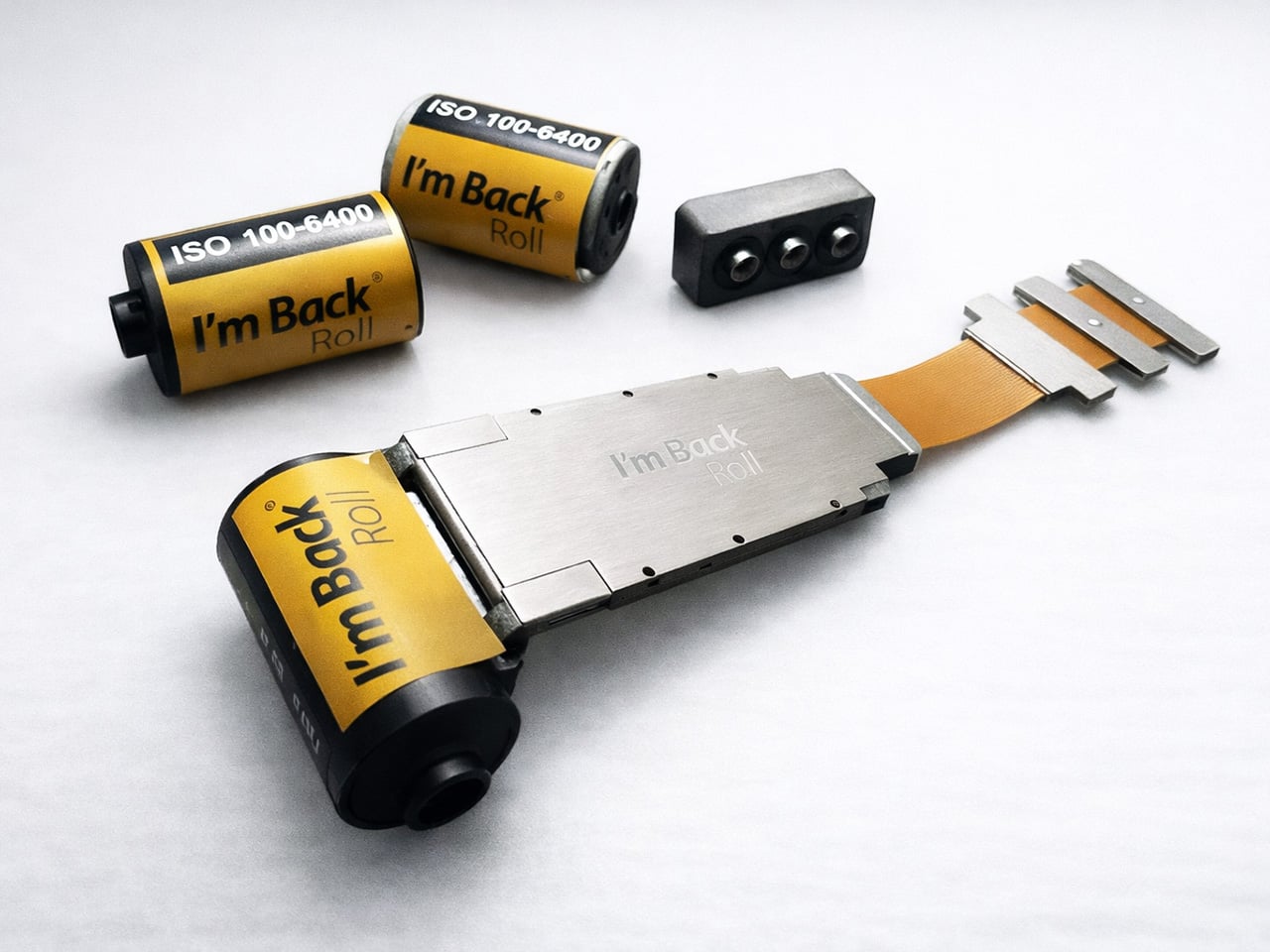
What I’m Back Roll is really arguing is that cameras collecting dust on shelves aren’t finished. The lenses are still sharp, the mechanics are still smooth, and the experience of using them is still genuinely different from anything modern. Slipping a digital core inside doesn’t change any of that. It just means those cameras might actually get used again, which feels like the better outcome.
Click Here to Buy Now: $449 $699 ($250 off). Hurry, only 1/435 left! Raised over $525,000.