
For most people, saying something as simple as “good morning” to a stranger or asking for directions takes no effort at all. For the tens of millions worldwide who live with speech impairments or are completely mute, those same moments can be frustrating or simply inaccessible. The tools that exist to help, from apps to letter boards, tend to make communication slower rather than simpler.
That’s what designer Ivana Nedeljkovska set out to change with Your Voice, an assistive communication concept built on a simple premise: the body already tries to speak, even when no sound comes out. Rather than adding yet another screen or typing interface to the equation, the system works with what the body naturally does, turning the attempt to communicate into communication itself.
Designer: Ivana Nedeljkovska


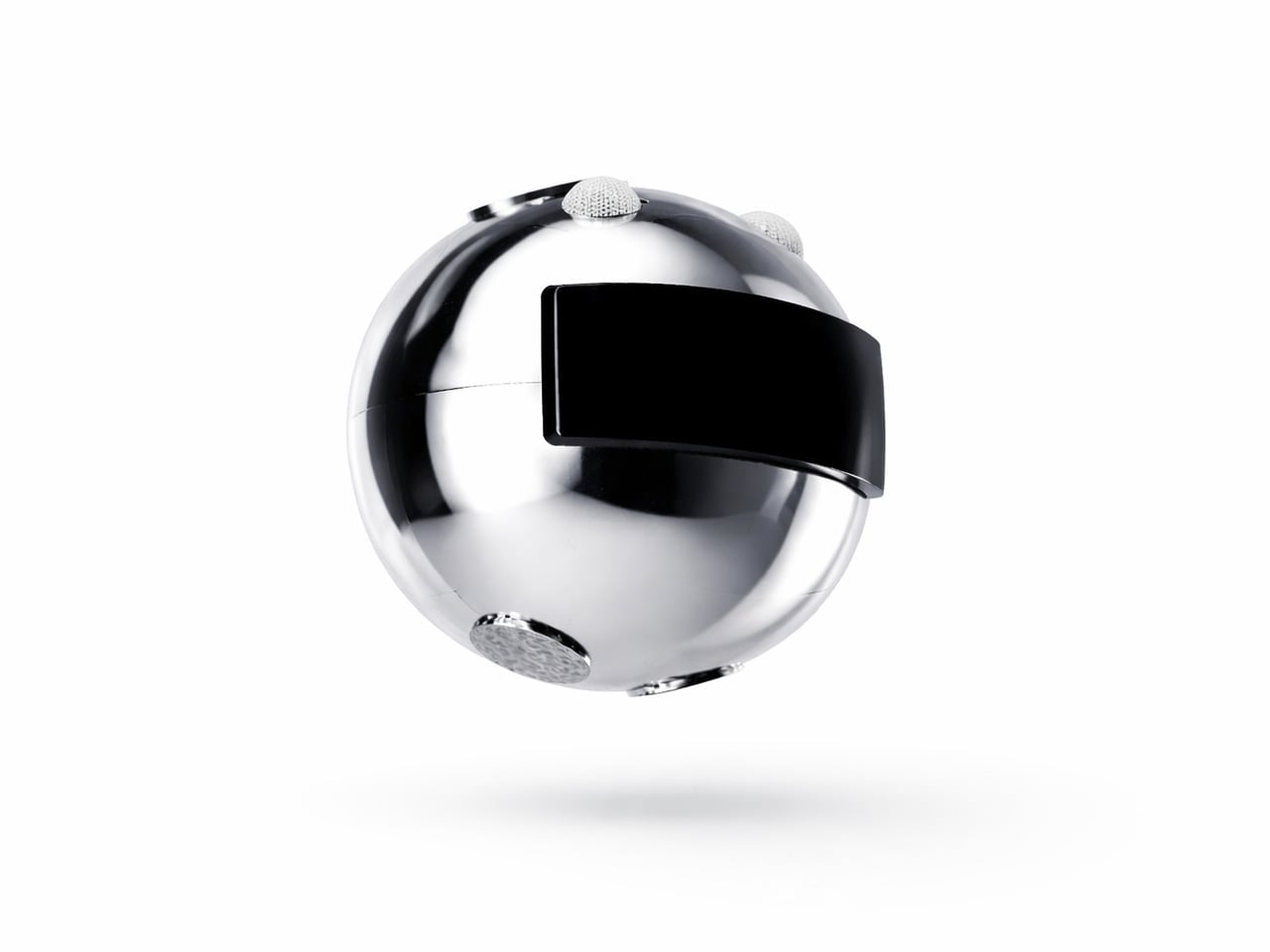
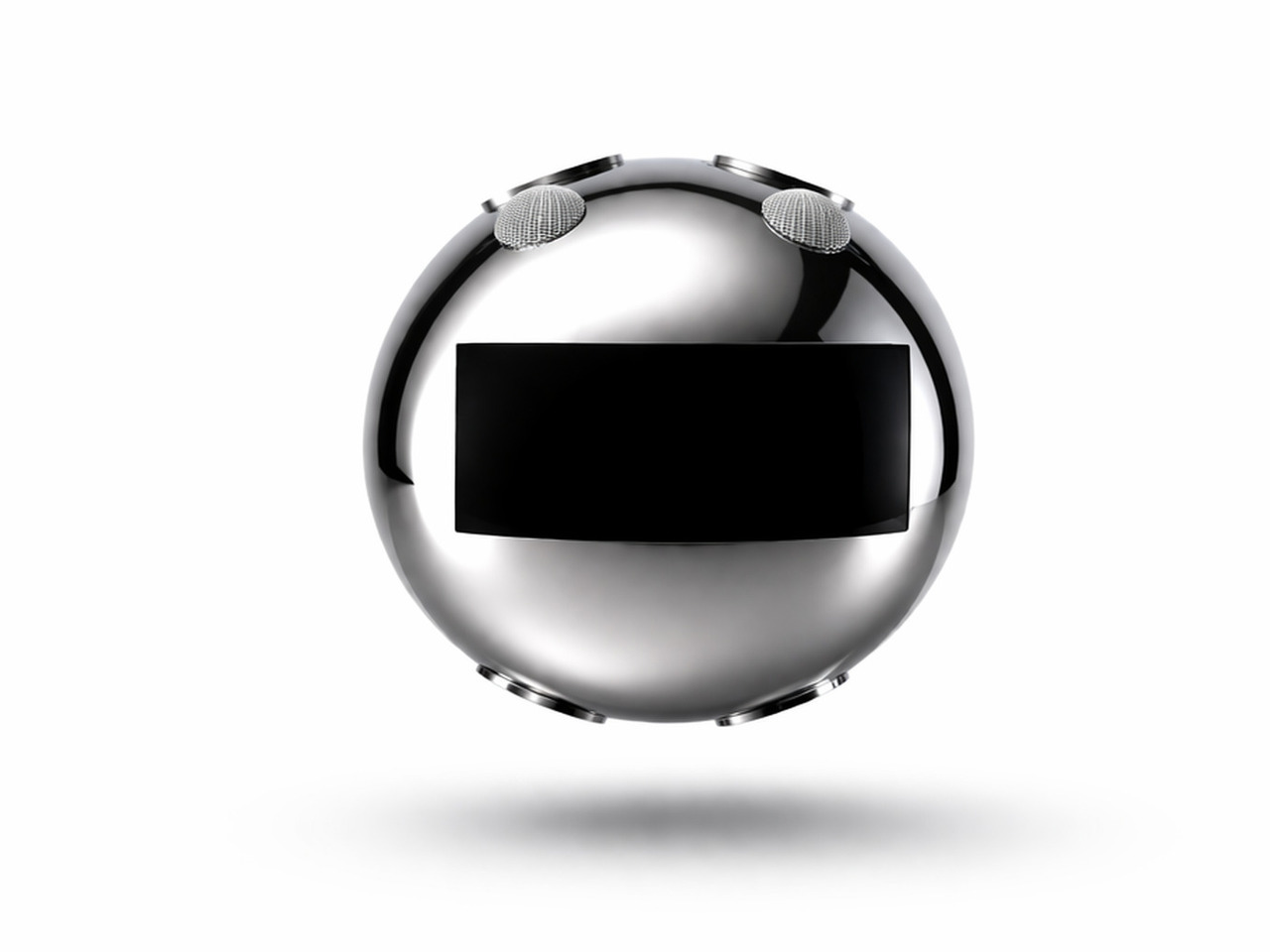
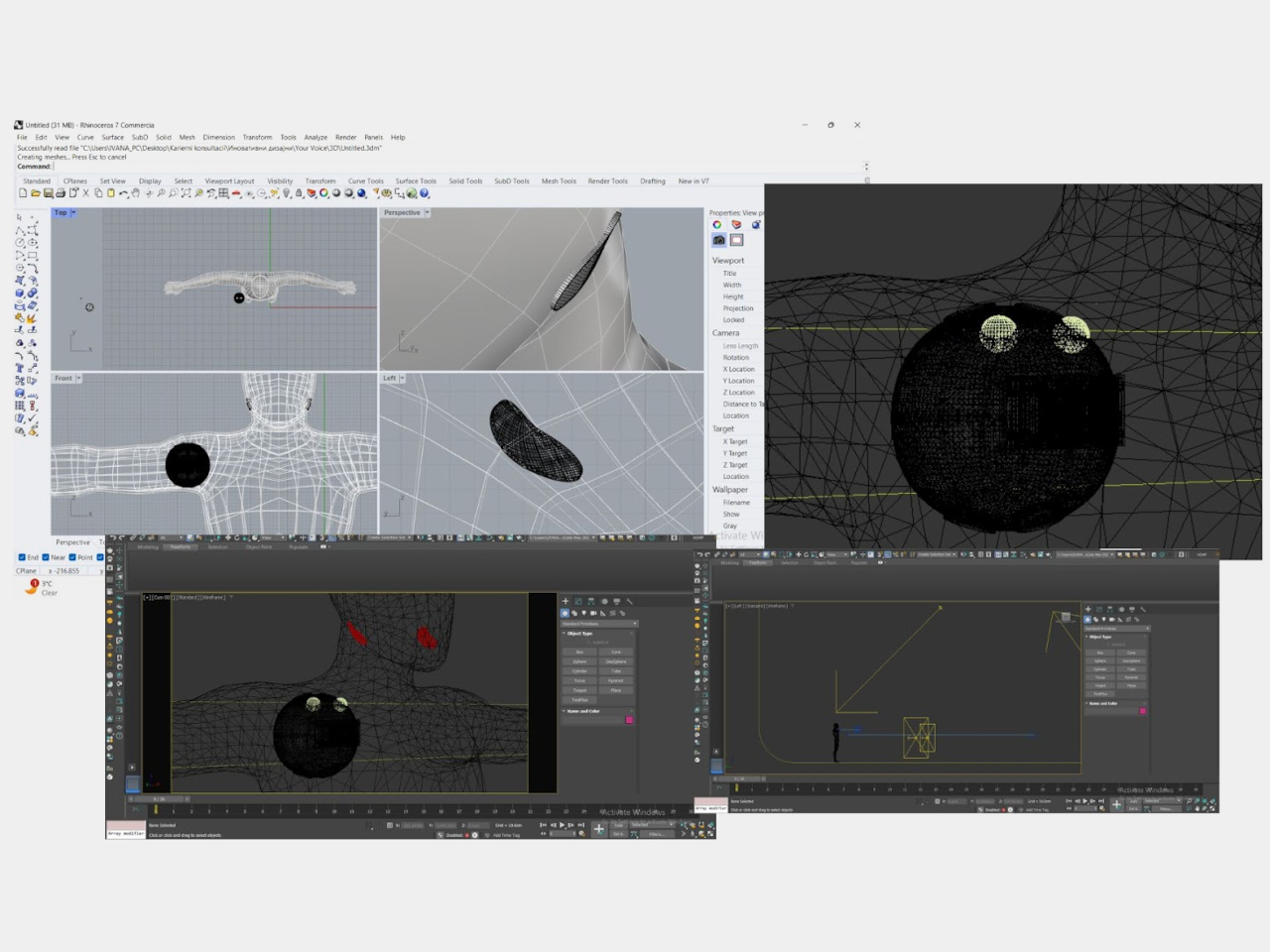
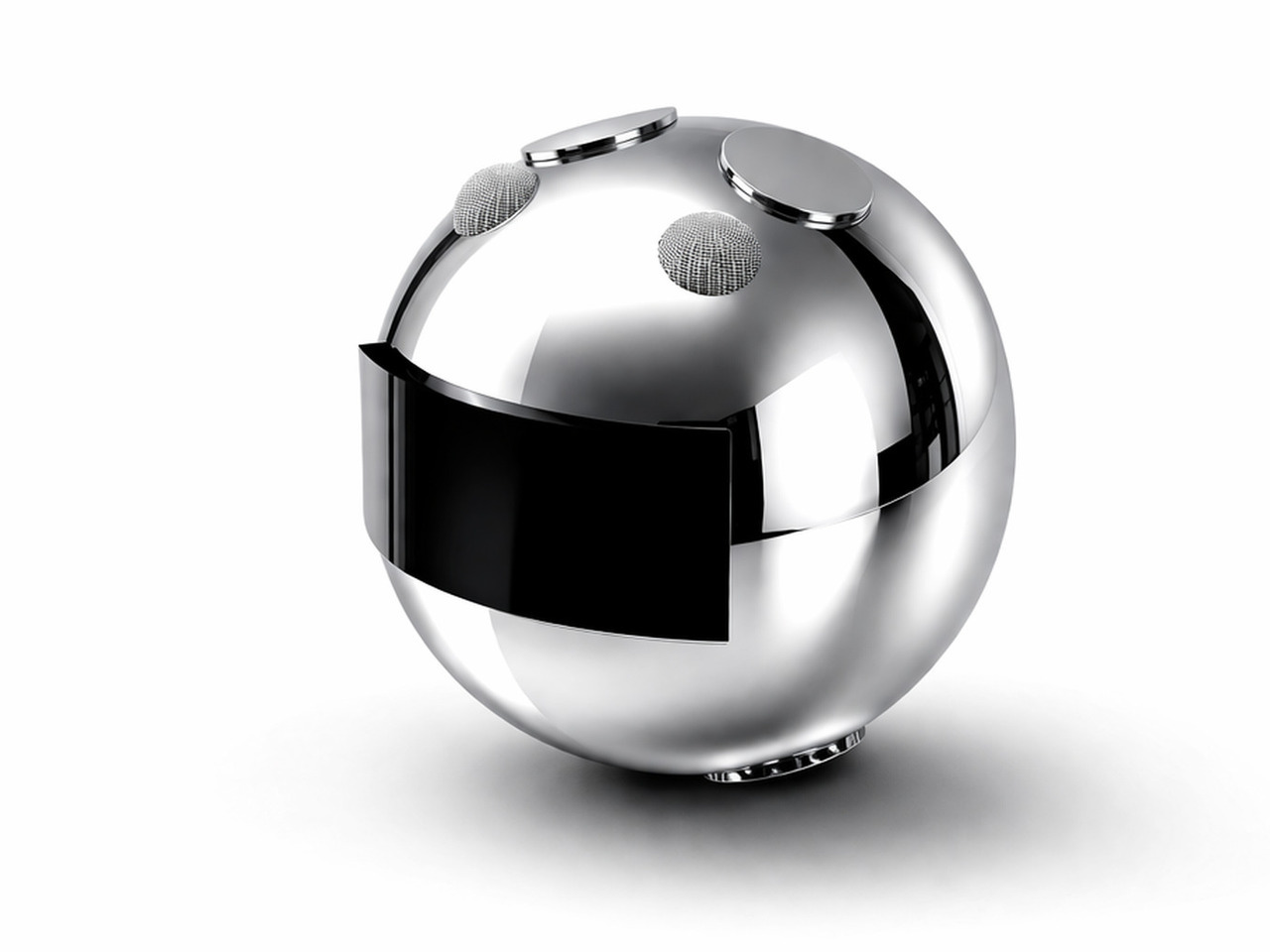
Your Voice consists of two components. A flexible patch worn on the neck detects the muscular movements the body makes during attempted speech, even when the vocal cords produce no sound at all. Those signals are transmitted in real time to a small, spherical robotic unit, which converts them into audible speech. The patch reads the intention; the robot gives it a voice.
What that means in practice is the removal of the pause that defines most assistive communication right now. Someone with a speech impairment attending a meeting doesn’t have to look away from the conversation to type out a response. A child who can’t speak can call for a parent without reaching for a device first. The thought and the response happen almost simultaneously.
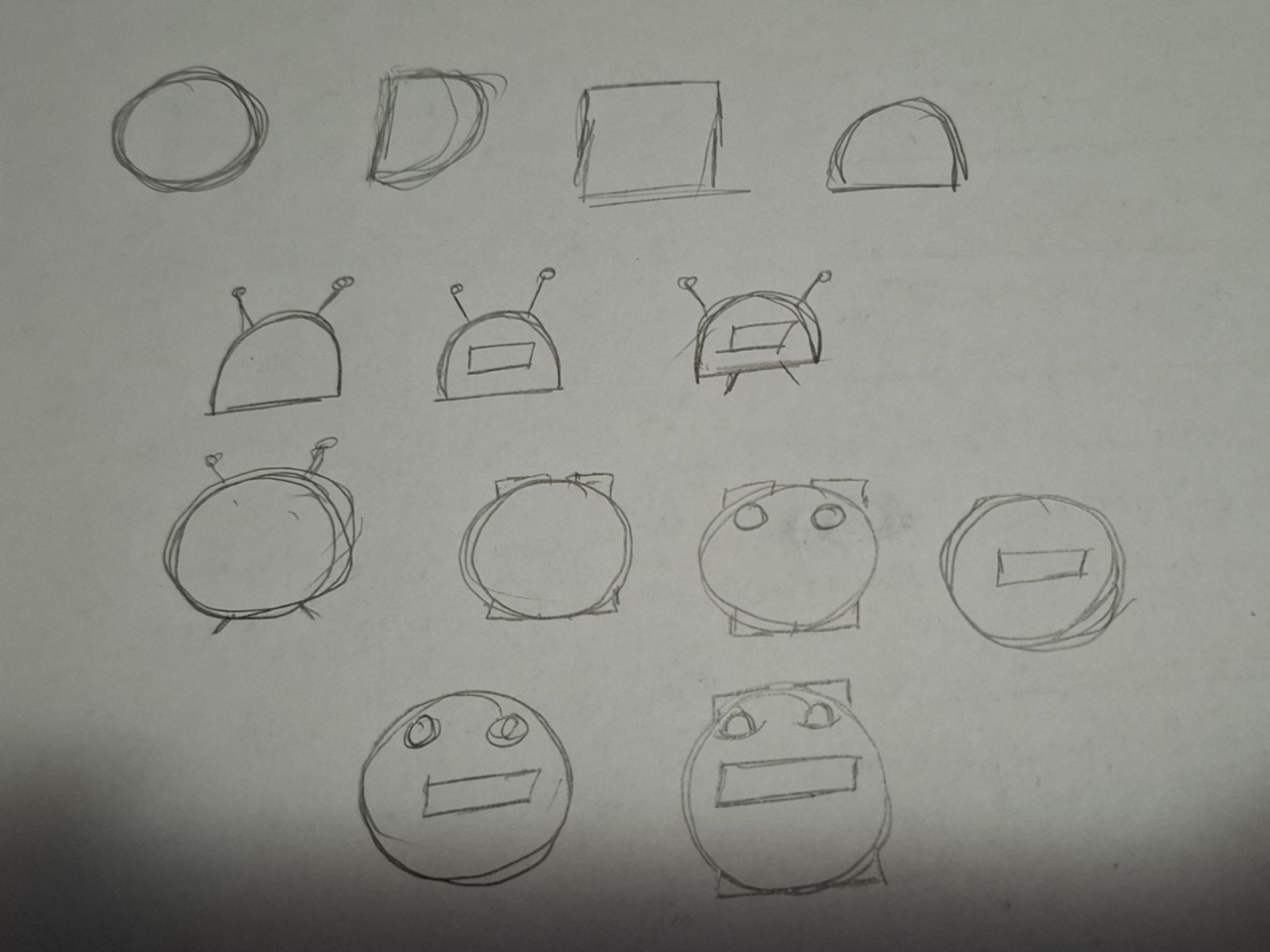
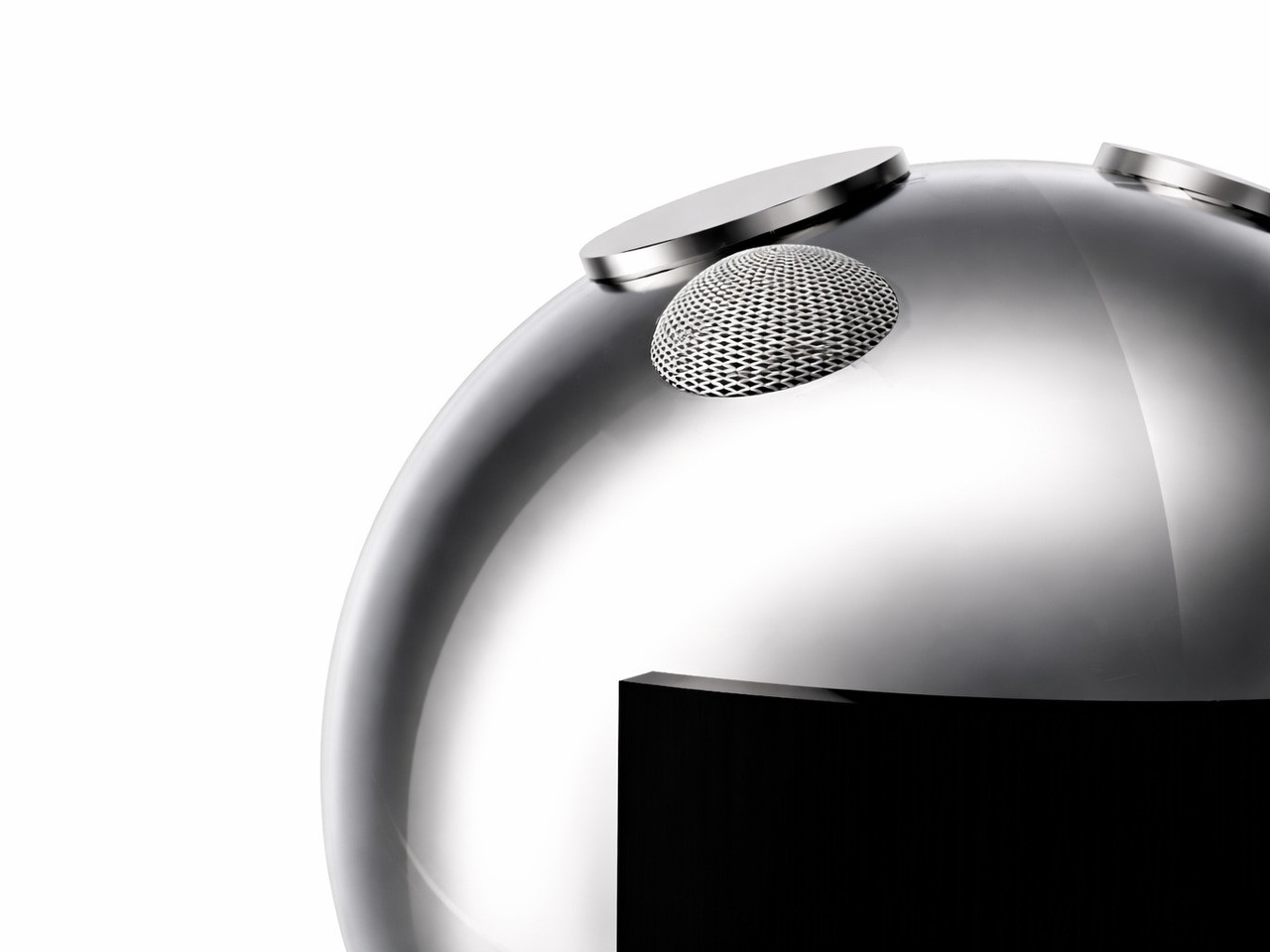
The robotic unit’s form was guided by Nedeljkovska’s early inspiration from an orange, its rounded shape steering the design away from anything clinical. The polished sphere, embedded display panel, and mesh speaker grilles give it a refined look that doesn’t betray its purpose at a glance. It’s something you’d carry without self-consciousness, which matters more in assistive technology than it’s often given credit for.
The display panel on the robot unit adds another layer to the audio output. It shows transcribed words in real time so conversations can continue even in noisy environments or when someone nearby can’t quite hear what was said. The neck patch is designed to sit against the skin comfortably for extended wear, and the robot is compact enough to be held in hand or placed nearby.

Most assistive communication tools are designed around output: a screen to tap, an app to navigate, a board to point at. Your Voice flips that logic by making the body the input. That shift in thinking is arguably the most significant thing the concept offers, more so than any single feature, because it treats a physical limitation as a starting point rather than a constraint.
It’s still a concept, and turning neck muscle signals into reliable speech at scale is a complex engineering challenge. But the direction Nedeljkovska points toward, communication that asks nothing extra of the person trying to be heard, is one that the assistive technology field sorely needs. The ambition isn’t simply to build a better device; it’s to stop making communication feel like work.