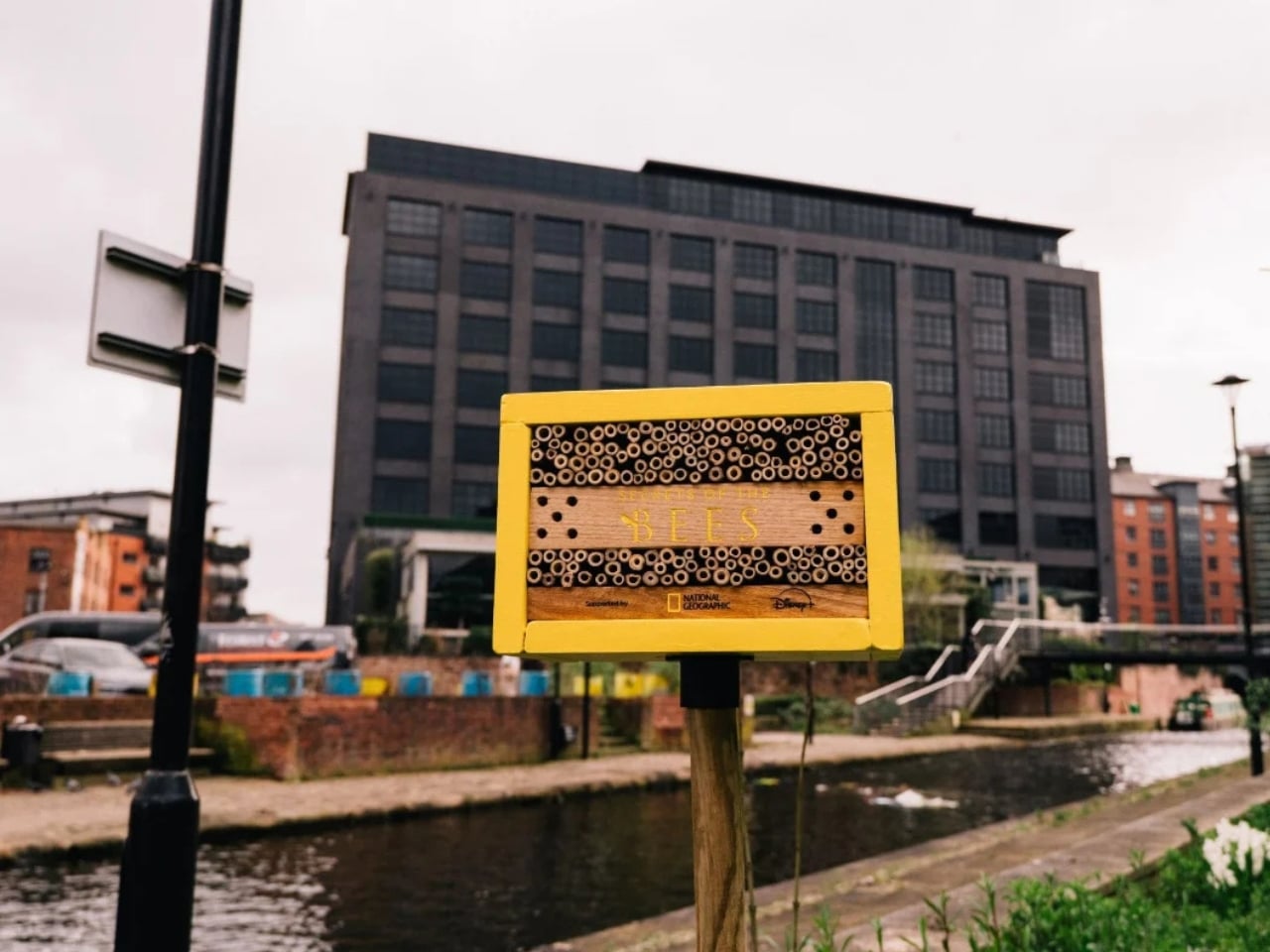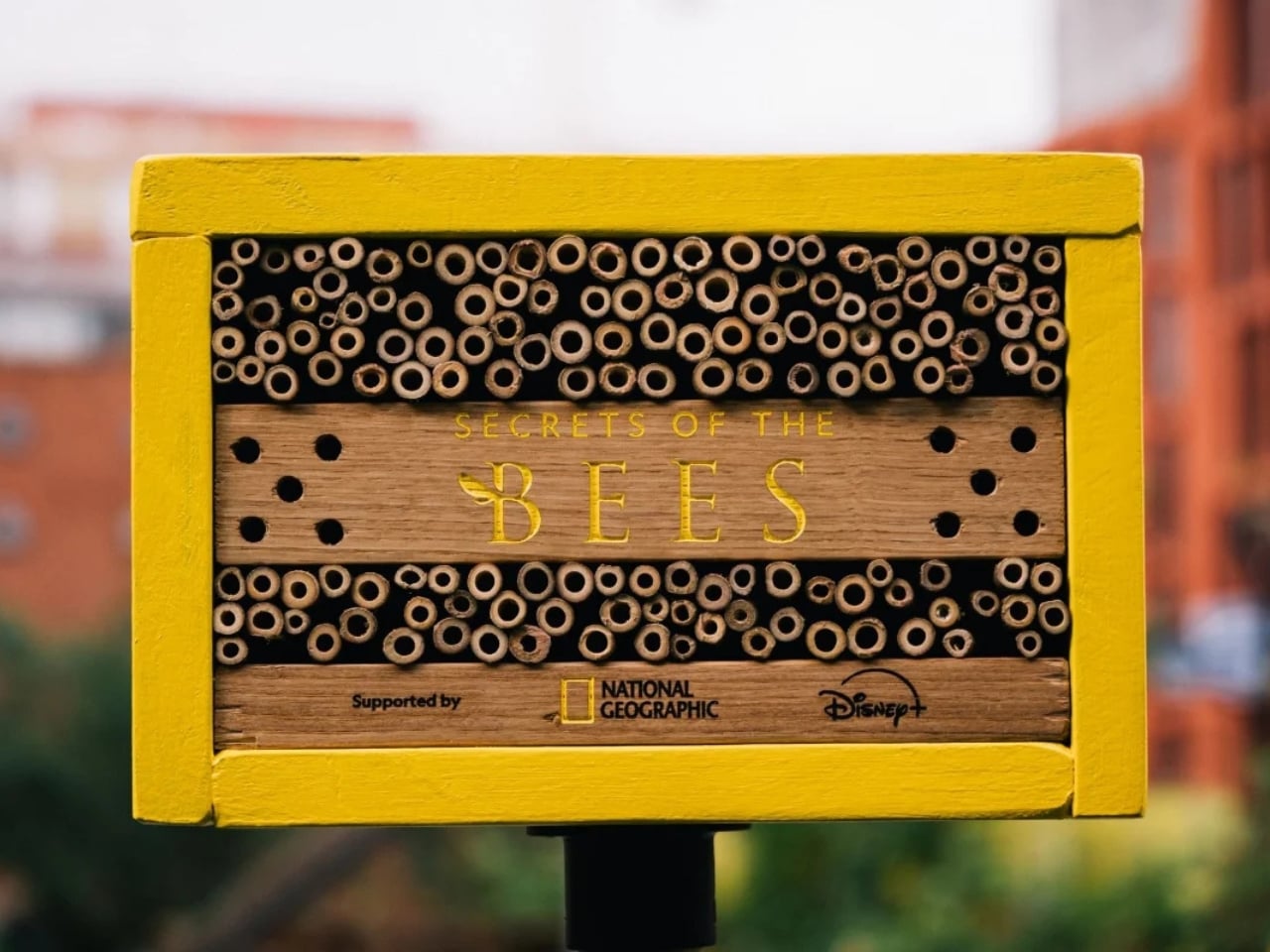

Most billboards are built to be noticed and then forgotten. You see them, you process whatever they’re selling, and then they fade into the visual noise of the street. So when a campaign comes along that flips that formula entirely, it genuinely stops you in your tracks.
That’s exactly what’s happening in Manchester right now, where Disney and National Geographic, working with creative agency Meanwhile, have installed a series of billboards designed to do more than advertise. The structures, which the team calls “bloomboards,” are fitted with built-in cavities, textured surfaces, and planting elements that turn them into functioning habitats for bees. Not a two-week stunt. Not a PR photo op. Permanent installations, built from sustainably sourced cedar that had already been felled, placed across parks and public spaces throughout the city.
Designer: Meanwhile for Disney and National Geographic
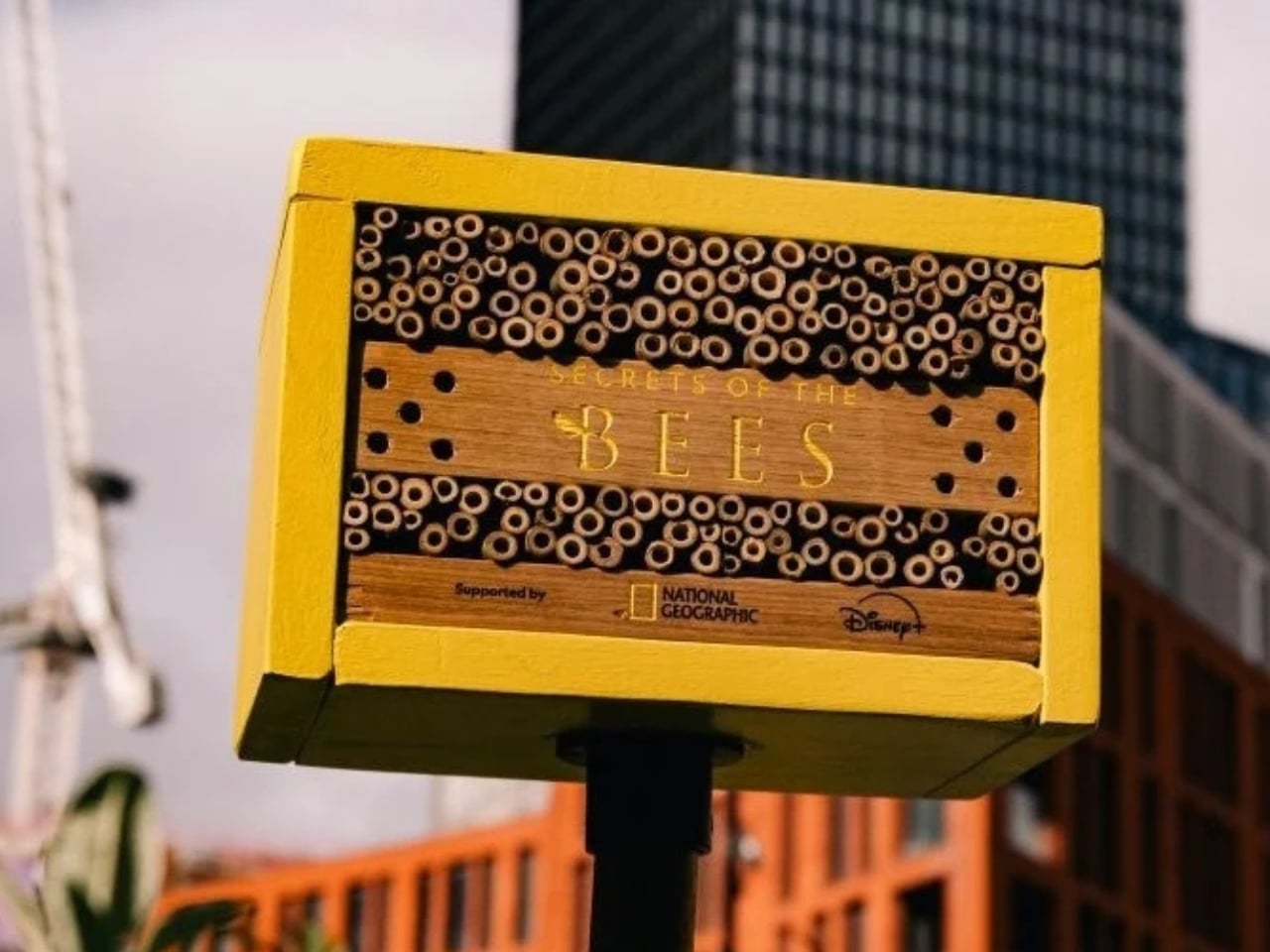
The campaign ties to the launch of National Geographic’s Secrets of the Bees, a documentary series presented by explorer Bertie Gregory and executive produced by James Cameron. The series was filmed over several years using specialized cameras to capture bee behavior at a level of detail most of us have never seen. Entomologist Dr. Samuel Ramsey provided scientific input throughout. It’s streaming now on Disney+ and Hulu, and from a content standpoint alone, it sounds like essential viewing.
But the billboard work is where this becomes interesting as a piece of design thinking, not just marketing. Rather than placing a nature image on a billboard and calling it Earth Month, Meanwhile built the message into the medium. The physical structure becomes an argument for the cause. The billboard doesn’t just tell you bees matter; it gives them somewhere to live. Mini bee hotels have also been placed at several locations across Manchester, including Chorlton Water Park, Wythenshawe Park, Fletcher Moss Botanical Garden, and the Northern Quarter. Like the bloomboards, these aren’t decorative gestures. They’re functional, permanent additions to the urban landscape, and that distinction matters when the campaign is rooted in conservation.
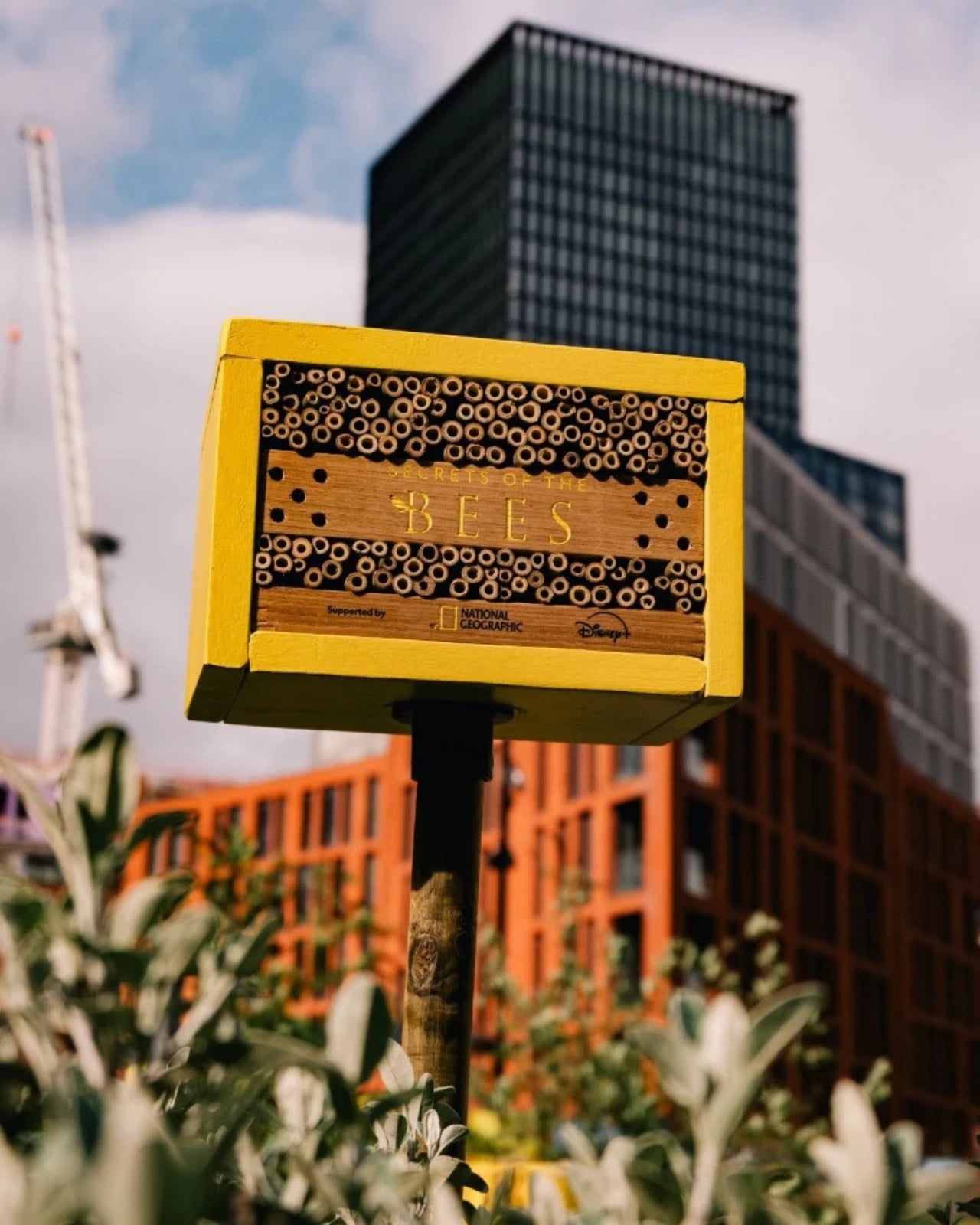

Rachel Miles, creative director at Meanwhile, put it simply: “Our ambition is to encourage people to plant their own mix of shrubs and perennials to support bee populations and create a positive impact.” Michael Tsim, also a creative director at the agency, was just as direct: “Not just a two week campaign, but something they actually benefit from, permanently.”
That word, permanently, is doing a lot of heavy lifting here. Environmental advertising has a long history of looking good while changing nothing. Companies run campaigns during Earth Month and then quietly move on. What makes this campaign feel different is that the outcomes are baked into the design itself. The bees don’t need to watch the documentary to benefit. The habitat exists regardless of whether anyone scans a QR code or downloads an app.
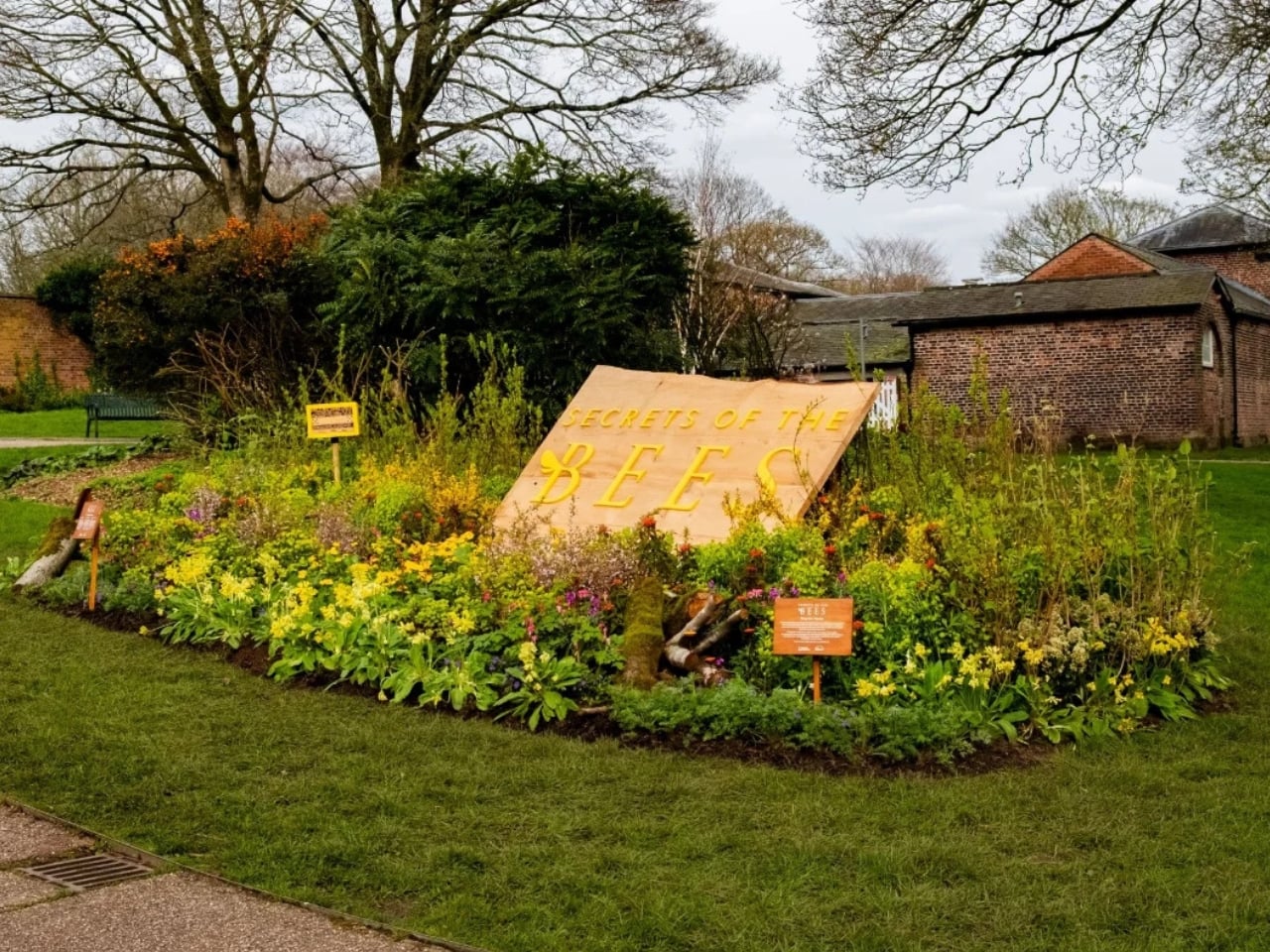
It also speaks to a broader shift in how thoughtful brands are approaching cause-driven work. The bar for audiences has risen sharply. People can spot the difference between a brand that has added a green ribbon to its logo and one that has committed real resources to a problem. Embedding a working habitat into an advertising structure is a tangible commitment, and one you can’t undo when April ends.
For anyone who follows design, this campaign is a reminder that the best work often finds its power in constraints. A billboard is a flat surface with a job to do. Meanwhile used that constraint not as a limitation but as a starting point, and the result is something genuinely unusual. Form serves function, function serves form, and both serve something beyond the campaign itself. Whether or not you plan to watch Secrets of the Bees (though I’d argue you should), the billboard project stands on its own as a piece of design worth paying attention to. It’s an example of what happens when a brief asks for more than attention and a creative team decides to take that seriously.