
The mechanical keyboard hobby has never really been just about typing. Enthusiasts spend hours swapping switches, tuning dampeners, and modifying cases in search of a very specific sound and feel. That pursuit of precision runs deep when it comes to custom parts, because even a millimeter off means a plate that doesn’t sit right or a case that won’t close without some convincing.
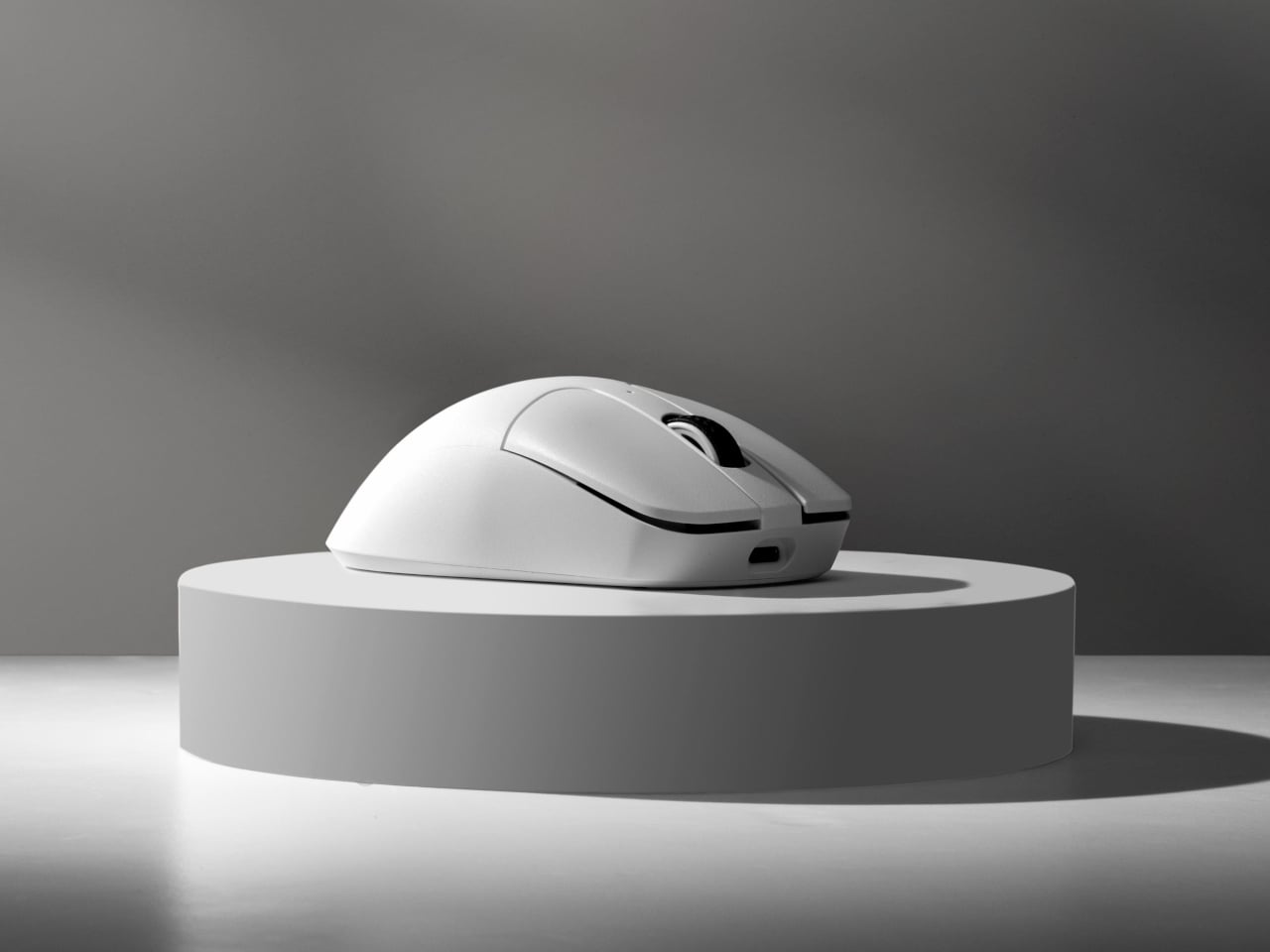
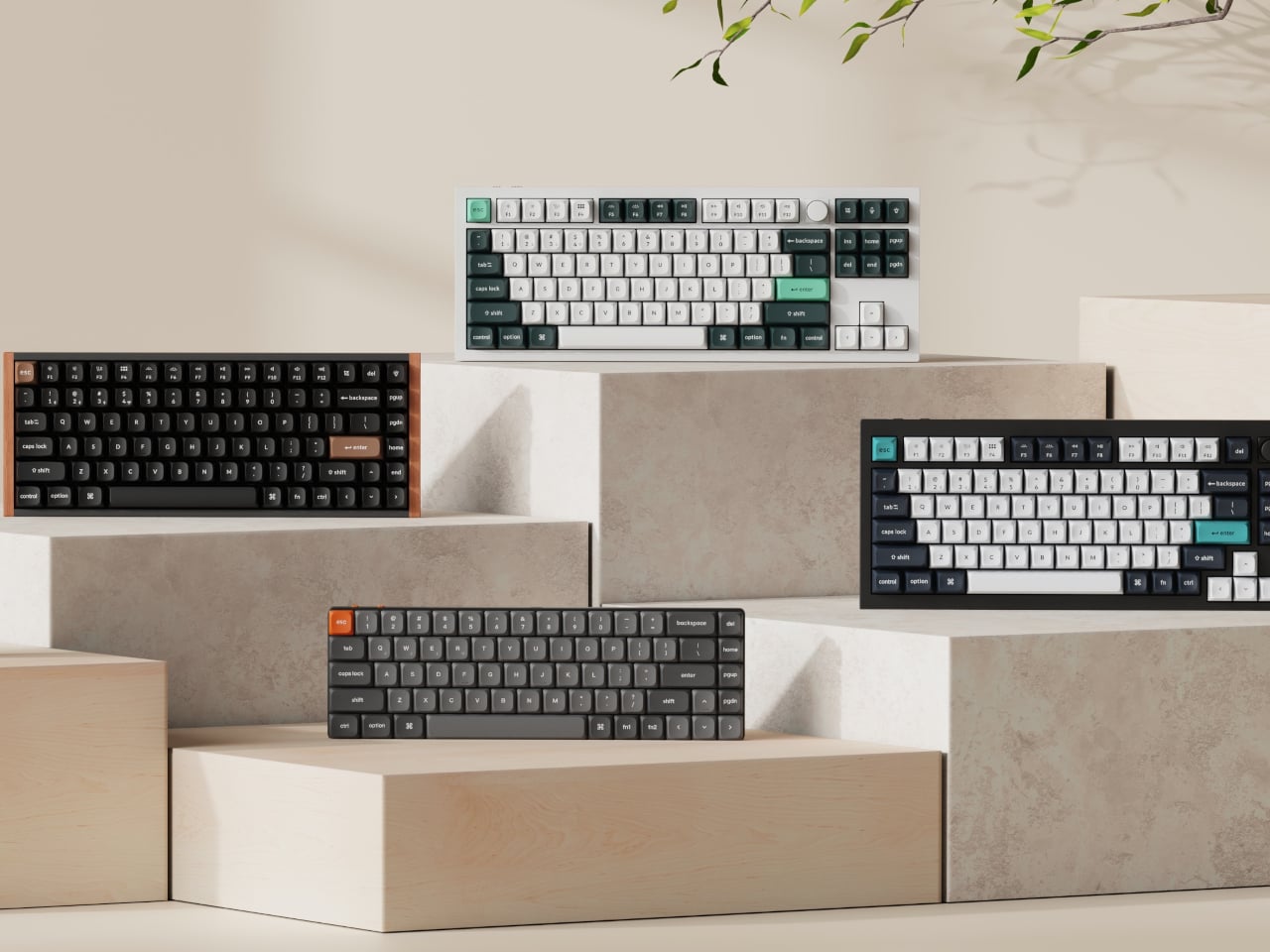
Keychron, one of the most recognizable names in the space, just made that work a lot more straightforward. The company published a GitHub repository with actual production-grade CAD files for its keyboards and mice, covering 83 device models across its major lines, all free to download. For a community that’s long relied on unofficial measurements and reverse-engineered dimensions, it’s a considerable change.
Designer: Keychron
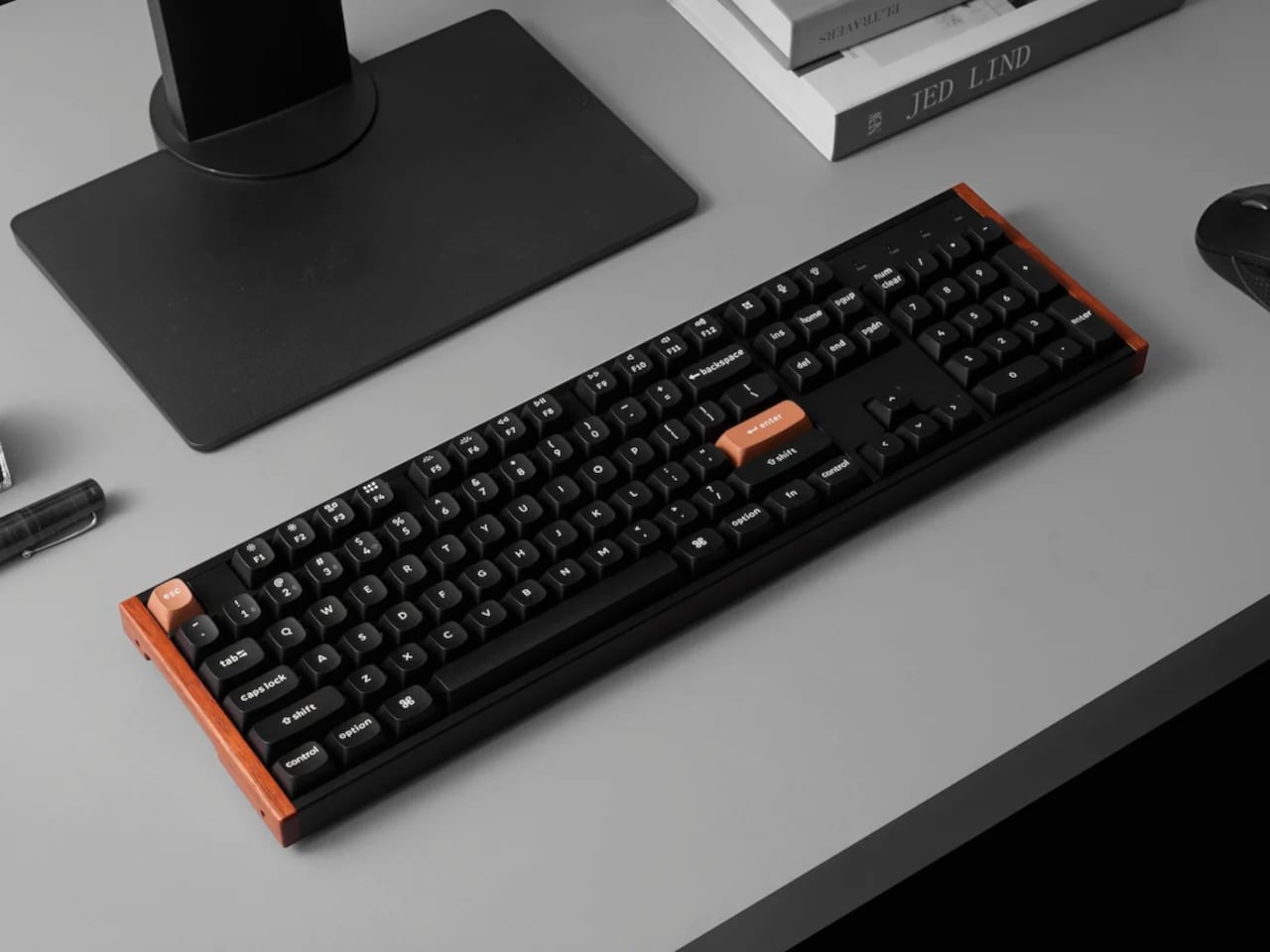
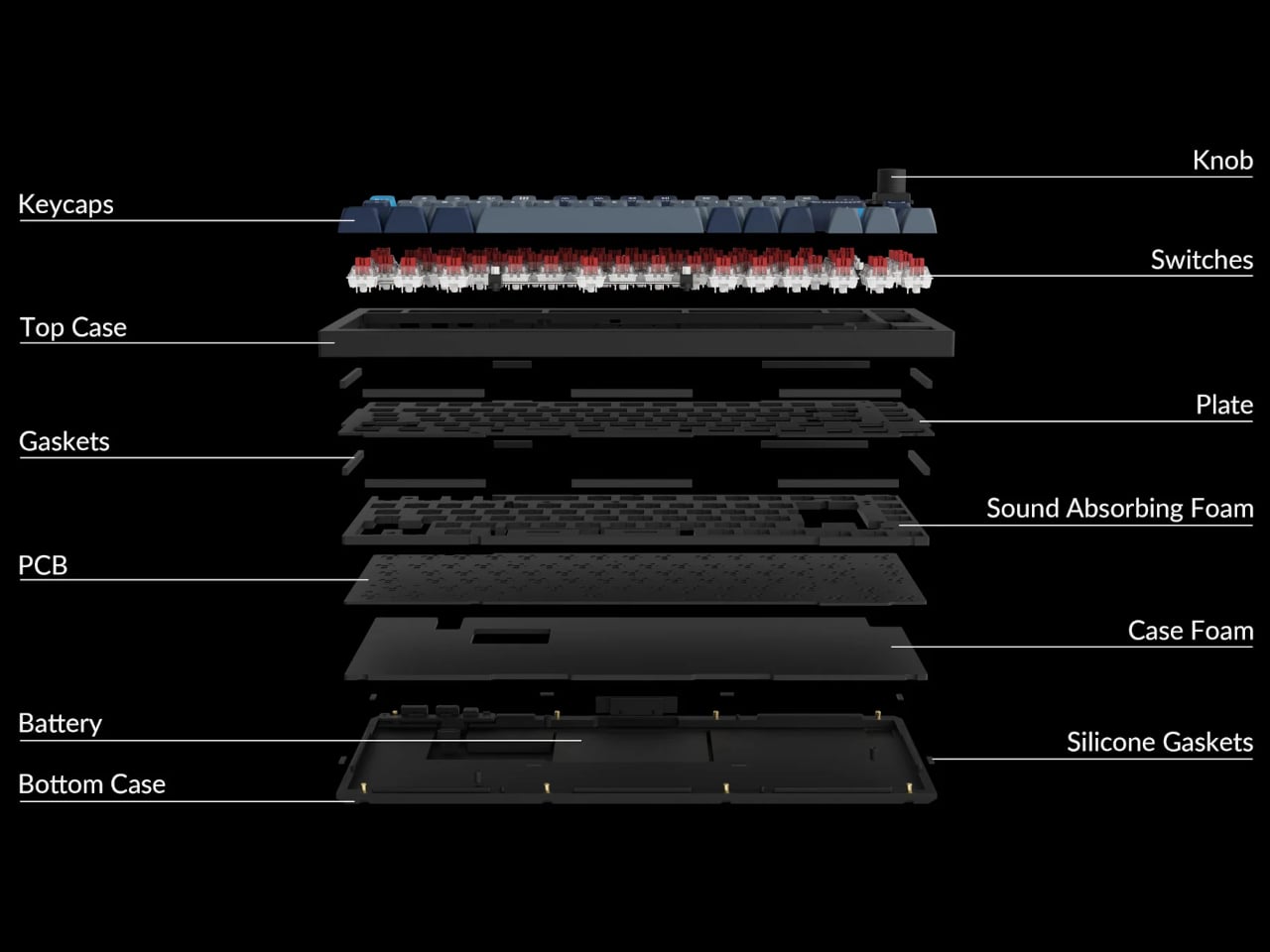
The repository spans the Q, K Pro, K HE, V Max, P HE, and L series, along with 11 mouse models from the M and G lines. Each entry includes some combination of case geometry, plate profiles, full assembly models, and stabilizer data. Files come in STEP for 3D CAD work, DXF for 2D plate cutting, and DWG for engineering drawings.
For someone who already owns one of these boards, the implications are immediate. The plate DXF files can go straight into a CNC or laser-cutting job, making it possible to cut a replacement plate in brass, carbon fiber, or FR4 without a single caliper measurement. The tolerances are exact because they came from the same data used to manufacture the originals.
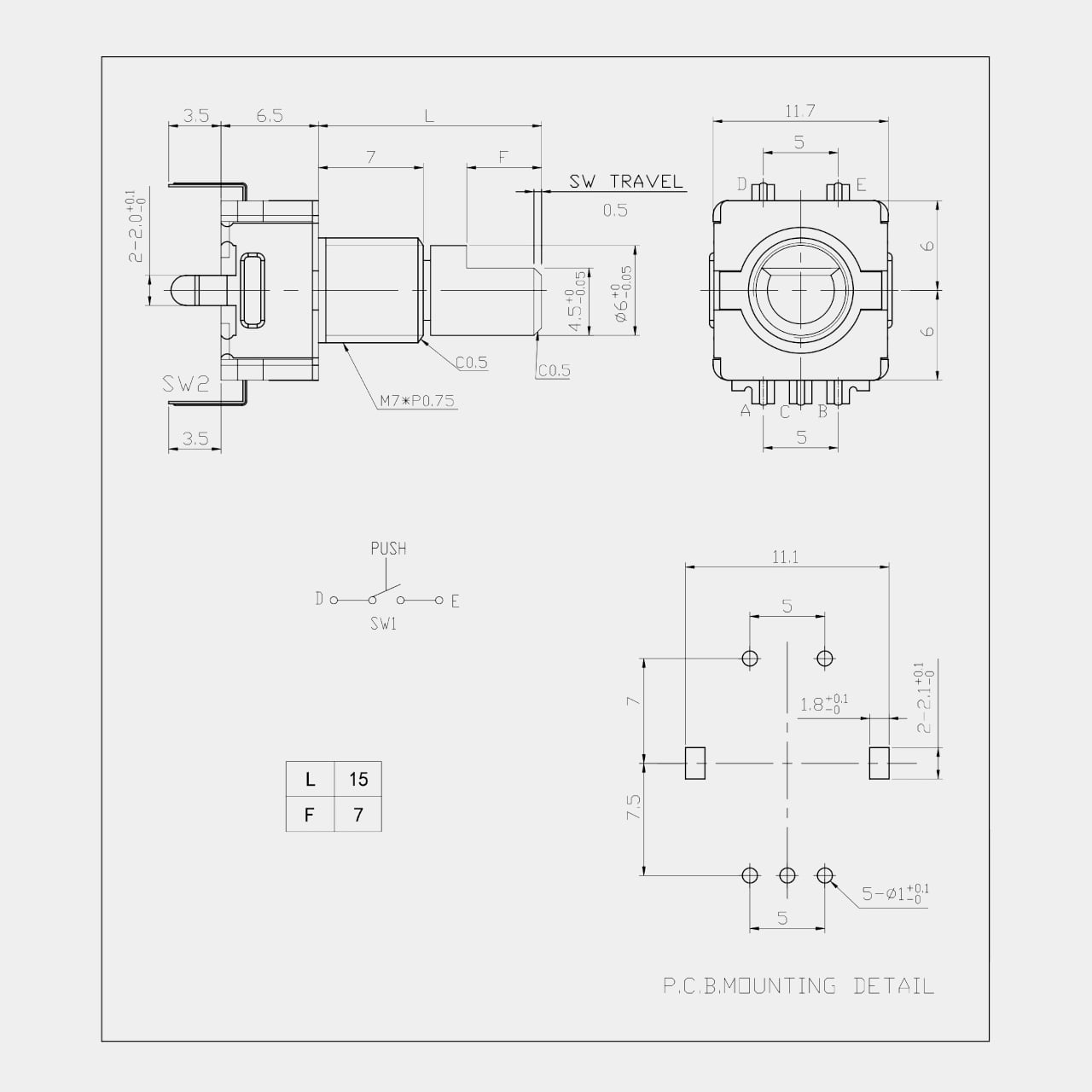

The STEP files serve a different crowd. Accessory designers can import a full case model and build around it, checking that a travel pouch or a custom stand actually fits the geometry rather than hoping it does. Students studying industrial product design can see how a commercial manufacturer handles switch cutouts, case draft angles, and stacking tolerances on a real product that ships in volume.
It’s worth noting what the repository isn’t. Keychron’s own license FAQ is clear that this is “source-available,” not open source in the formal sense. Commercial use is prohibited, so these files can’t be used to manufacture products for sale or redistributed to design libraries. Personal builds, hobby projects, and educational work fall within what’s allowed, and that’s where the real value for the community sits.
Still, that puts Keychron ahead of most hardware brands, which don’t share their design data at all. The company has previously published QMK and ZMK firmware source code for many of its boards, and this release adds a physical dimension to that ecosystem. The files are also accessible through Keychron’s own website, where you select a model from a dropdown and download it through the regular store checkout.
The move is described as “a meaningful contribution to the broader hardware and keyboard community.” That’s probably underselling it. Most keyboard companies keep their design data locked away, treating physical geometry as proprietary. Having 83 real products available for study and personal modification, even under a restricted license, gives hobbyists and designers something that’s genuinely hard to come by anywhere else.