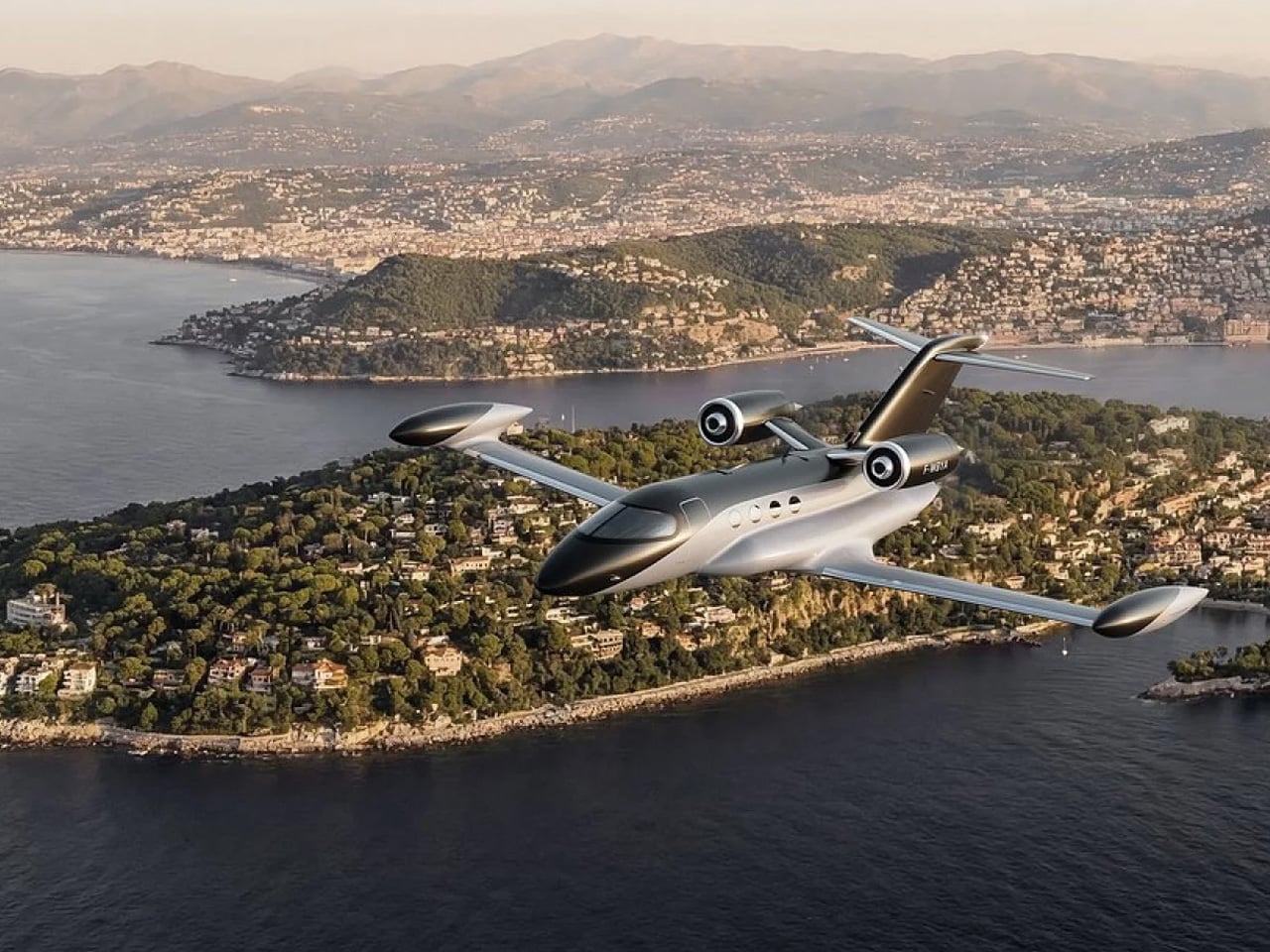

French aerospace startup Beyond Aero has just completed the Preliminary Design Review (PDR) of its hydrogen-electric business jet, the BYA-I One, a significant step that moves the aircraft firmly into detailed design and verification and one step closer to its target commercial entry in 2030. Founded in Toulouse in December 2020, Beyond Aero first unveiled the BYA-I concept at the Paris Air Show in June 2023. Since then, the aircraft has evolved considerably, and the PDR marks the most mature version yet.
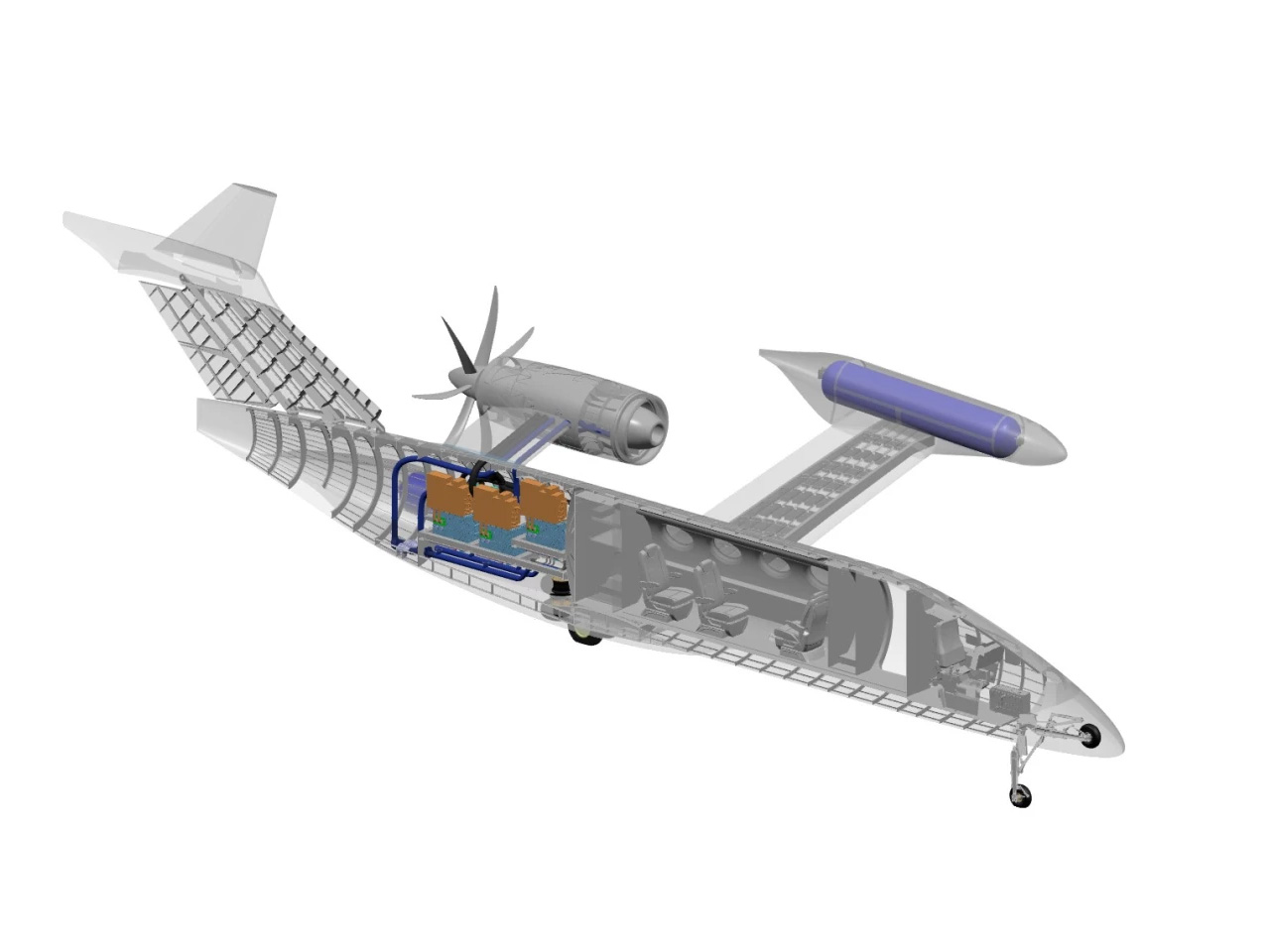
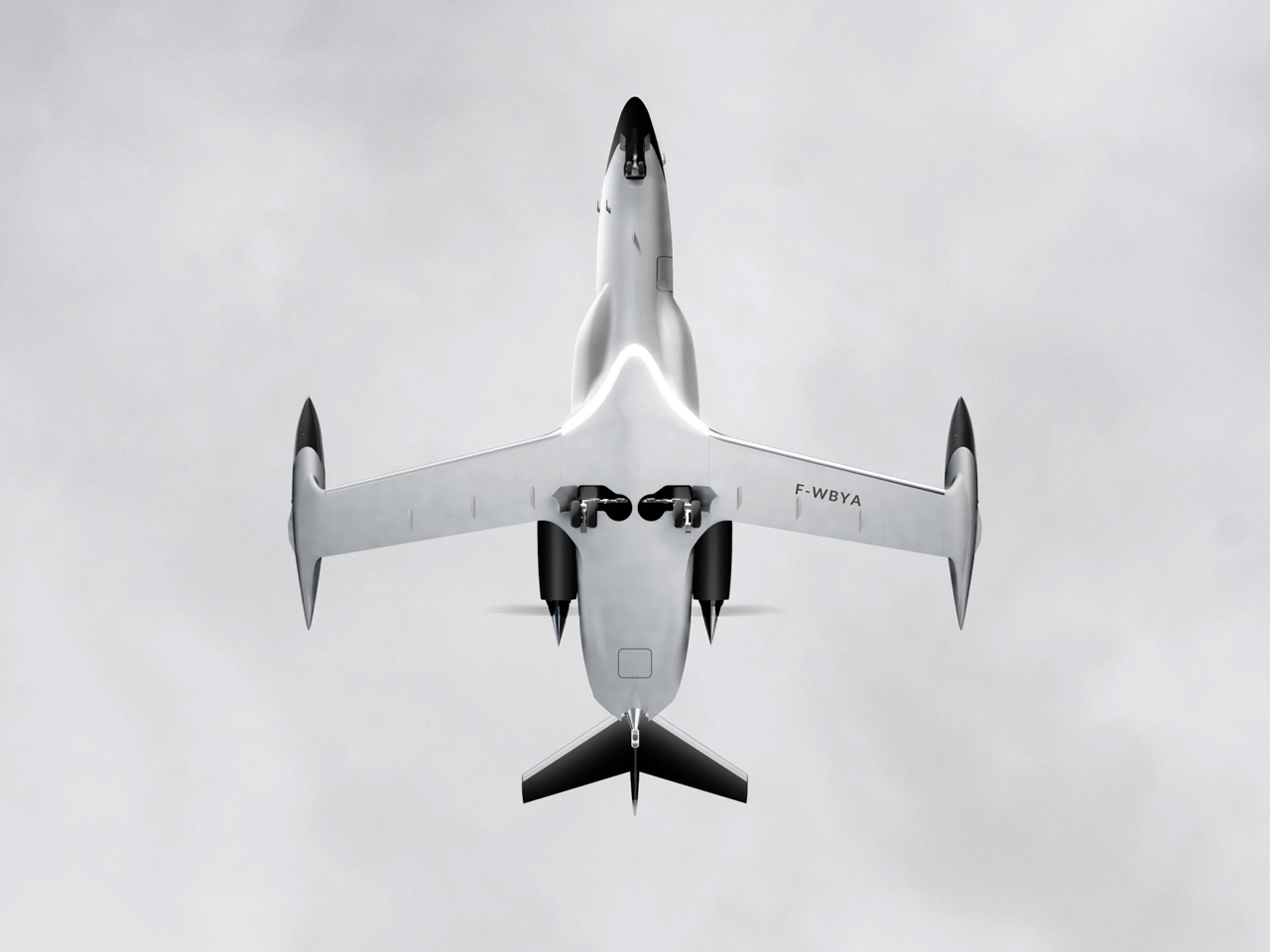
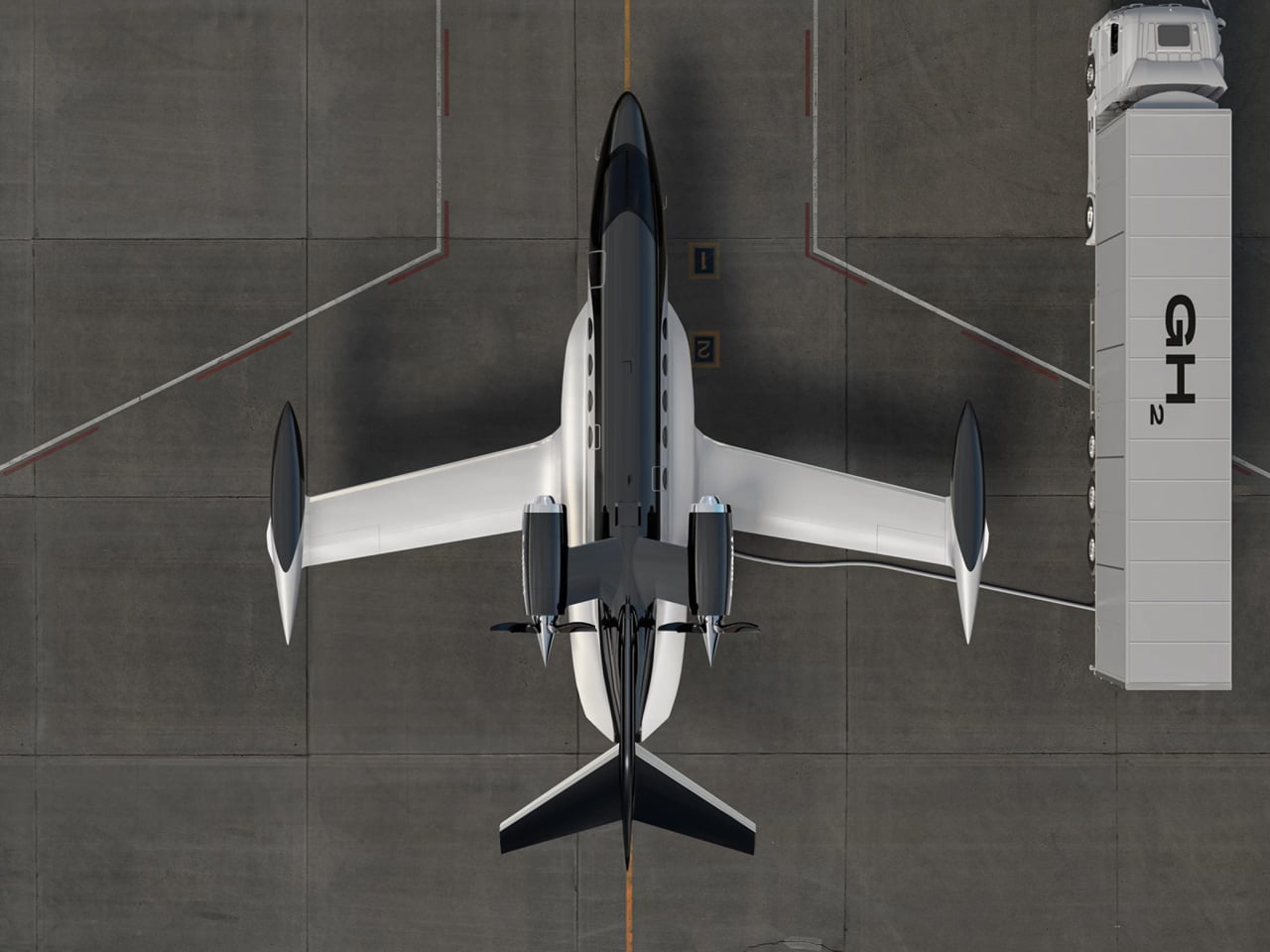
The review confirmed the full integration of hydrogen storage, electric propulsion, thermal management, fuel cell systems, and safety architecture into what the company describes as a certifiable design. The propulsion setup is the heart of the story. The BYA-I One uses a twin pusher-configured propfan system, a shift from the earlier ducted-fan arrangement, powered by six 400kW hydrogen fuel cells delivering a combined 2.4MW of power, with a total propeller shaft output of 950kW.
Designer: Beyond Aero
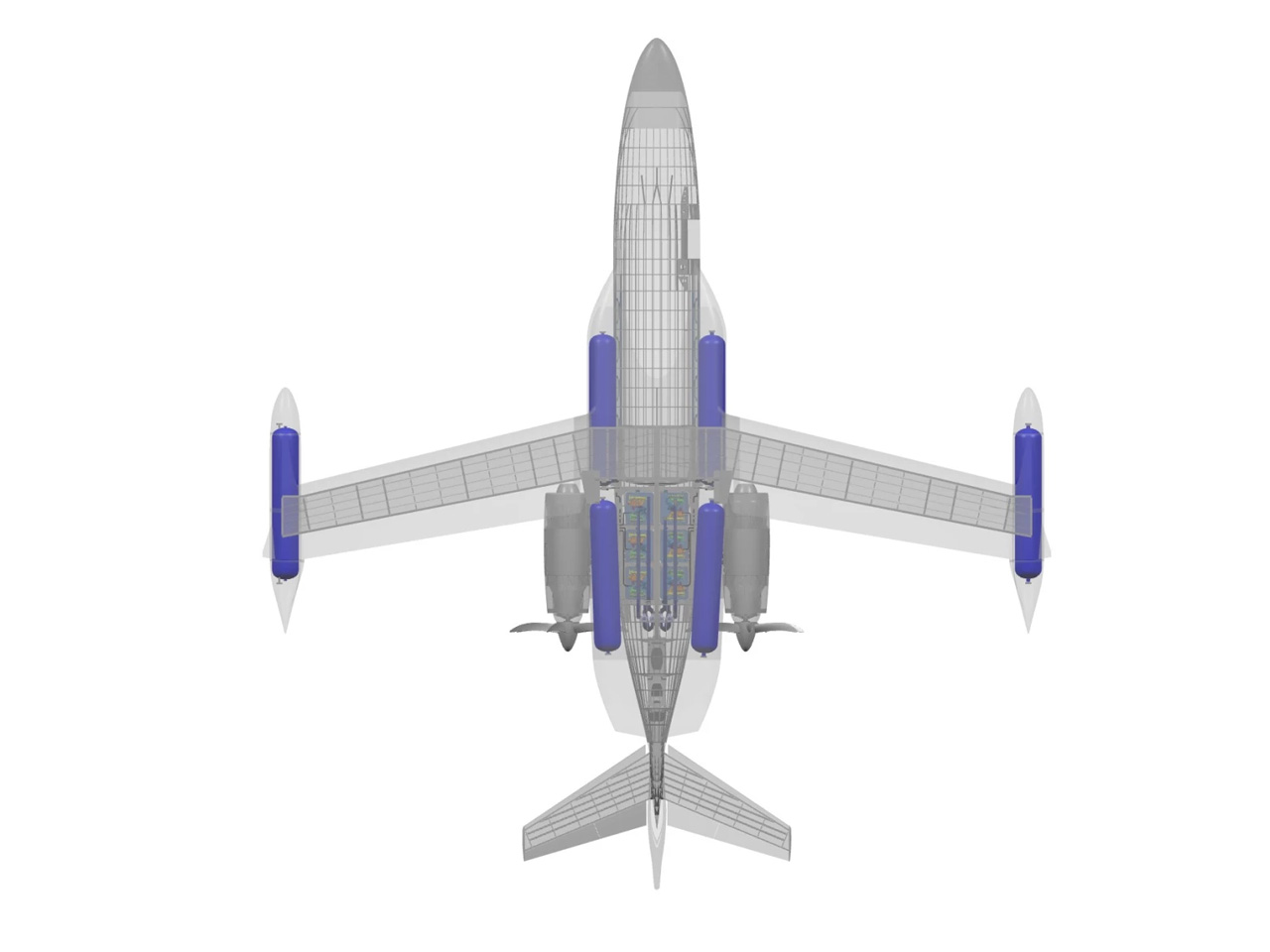
Gaseous hydrogen is stored at 700 bar in externally mounted tanks above the wing structure, with a refueling time of just 30 minutes. The aircraft emits only water vapor in flight, making it one of the cleanest propulsion concepts in business aviation today. A custom-designed Full Authority Digital Engine Control (FADEC) system ensures precise performance across all flight phases and will be certified under a TC Engine framework.
On performance, the numbers are compelling. The BYA-I One is designed to carry up to eight passengers over a range of 800 nautical miles at 300 knots, covering more than 80% of current European business aviation routes. It has a maximum speed of 414 mph, a ceiling of 26,000 feet, and a takeoff ground roll of just 725 meters, short enough to serve constrained airports like London City, and can operate from grass, snow, and unpaved surfaces.
Inside, the cabin stretches 1.84 meters wide and 1.7 meters tall, wider than most light jets, with a six-seat club configuration. Elliptical windows are 27% larger than those found in conventional business jets, flooding the interior with natural light. With 90% fewer moving parts and no high-temperature turbine, maintenance costs are projected to drop by up to 60%, and overall operational costs could fall by 40–60% compared to conventional jets.
Market appetite is already strong, with Beyond Aero securing $914 million in Letters of Intent across 108 aircraft, and a waiting list for booking deposits is now open. The certification path runs through EASA, where Beyond Aero is actively collaborating to develop special conditions for hydrogen-electric aircraft, essentially helping write the rulebook for an entirely new category of flight. If the 2030 timeline holds, the BYA-I One won’t just be another business jet. It’ll be the first of its kind.