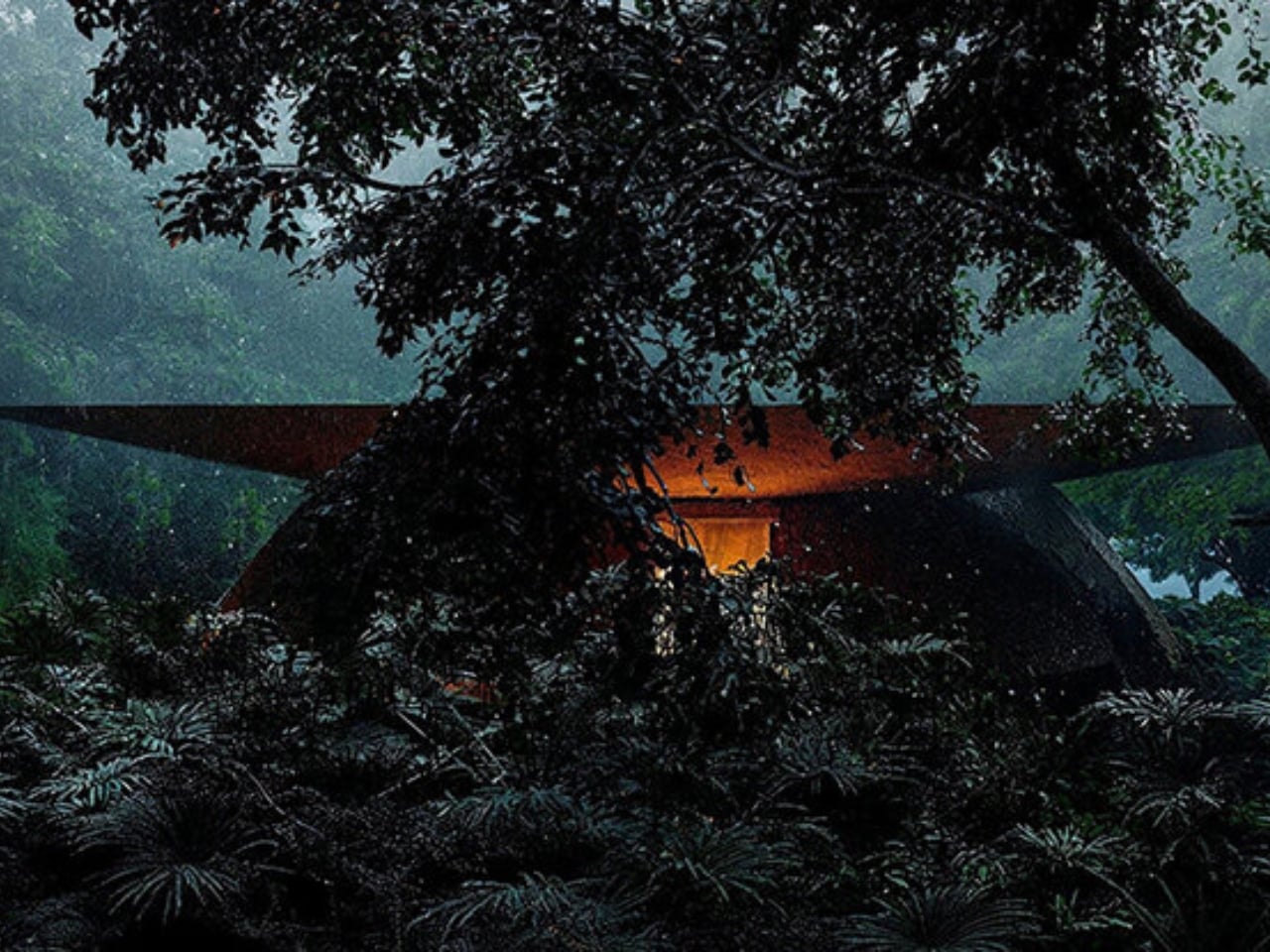

Most architects treat rain as an obstacle. Drain it. Redirect it. Keep it away from the interior at all costs. Australian architect Steven Chu had a different idea entirely, and it just earned him the Grand Prize at the NOT A HOTEL DESIGN COMPETITION 2026.
His winning entry is called Sound of Rain, a proposed villa on Yakushima, a densely forested island off the southern coast of Kyushu, Japan. It’s a UNESCO World Heritage site known for its ancient cedar forests and, predictably, a lot of rain. Rather than treating that rain as a logistical problem to solve, Chu built his entire design around it.
Designer: Steven Chu (Artefact Architects)
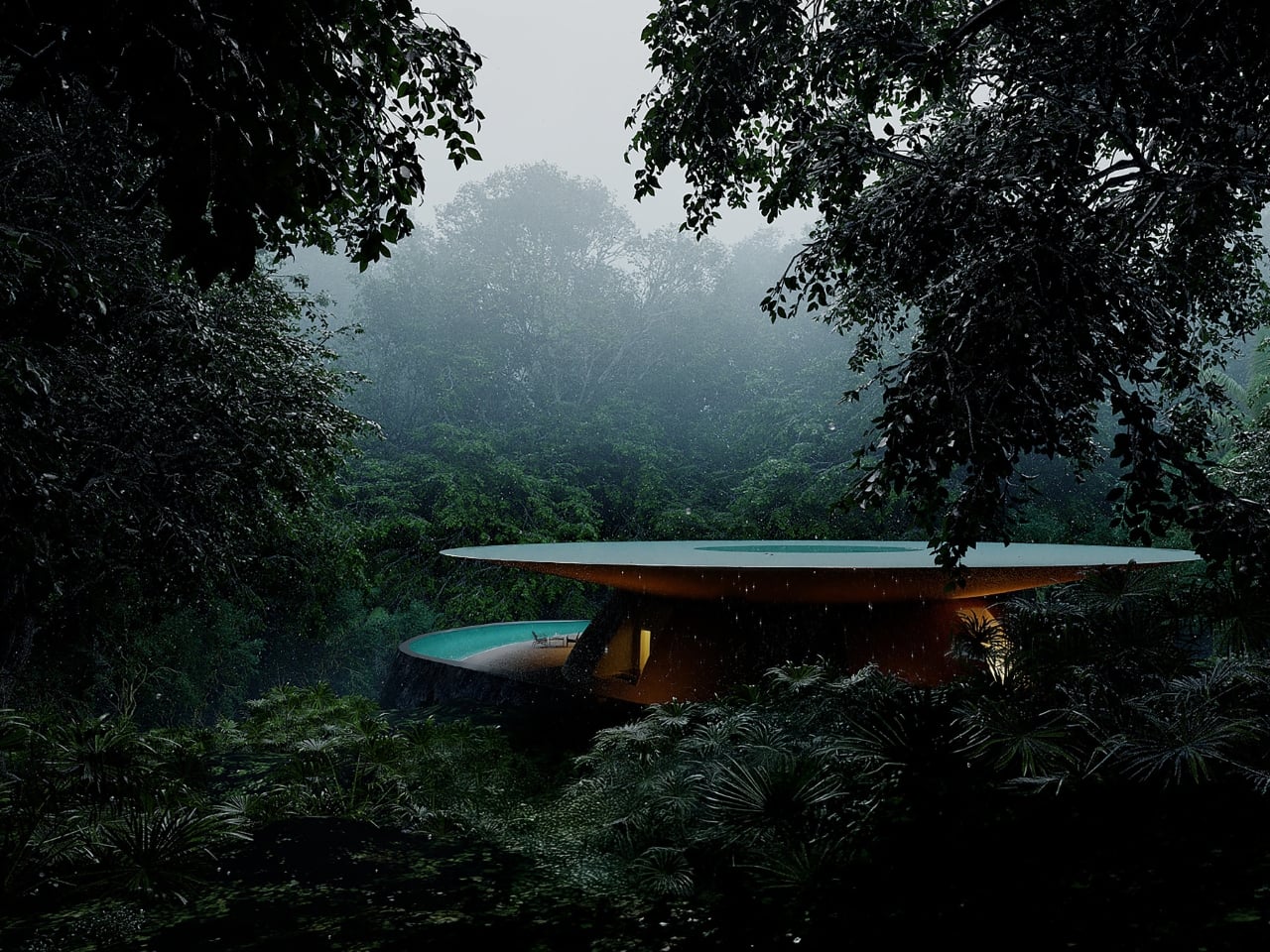
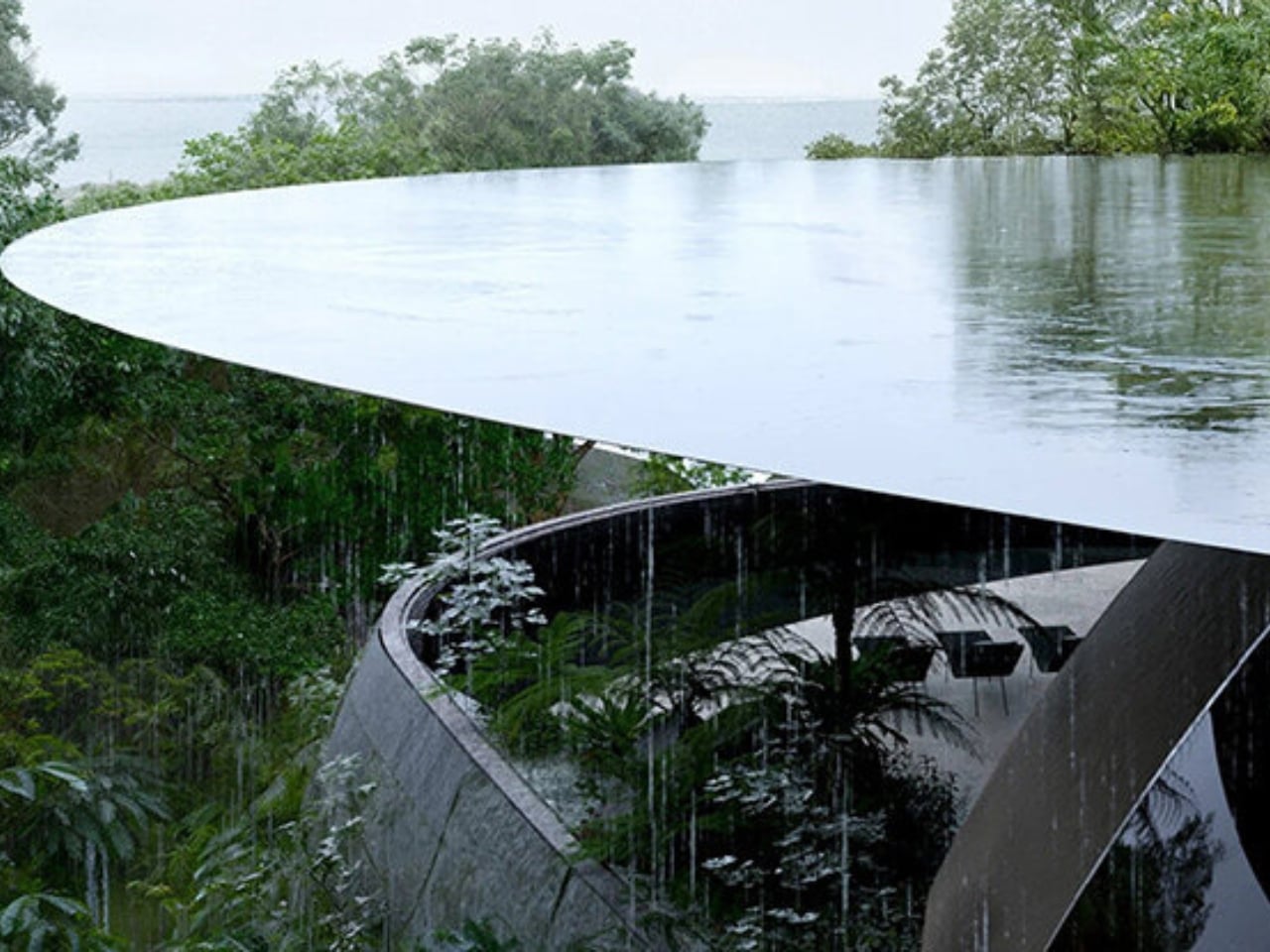
The concept is beautifully straightforward. A broad, bowl-shaped rooftop sits above the structure, collecting rainfall and releasing it slowly along the roof’s perimeter. Water traces a continuous line around the building’s edge, creating a living curtain that shifts and moves depending on the weather. That boundary between inside and outside isn’t a wall or a window. It’s water.
Circulation paths, sheltered zones, and open terraces are all arranged around the movement of that water. It’s the kind of design thinking that sounds almost obvious in hindsight but rarely gets executed with this much commitment. Chu didn’t just reference the climate in a mood board. He made it load-bearing.
Inside, the approach stays consistent. Materials are restrained and surfaces curve gently, guiding movement without feeling prescriptive. Glass openings frame the surrounding forest and coastline. A bedroom sits along the perimeter, positioned specifically to receive filtered light and the ambient sound of rain falling outside. The atmosphere in every room is meant to shift throughout the day as weather changes, because in this house, weather isn’t background noise. It’s the whole point.
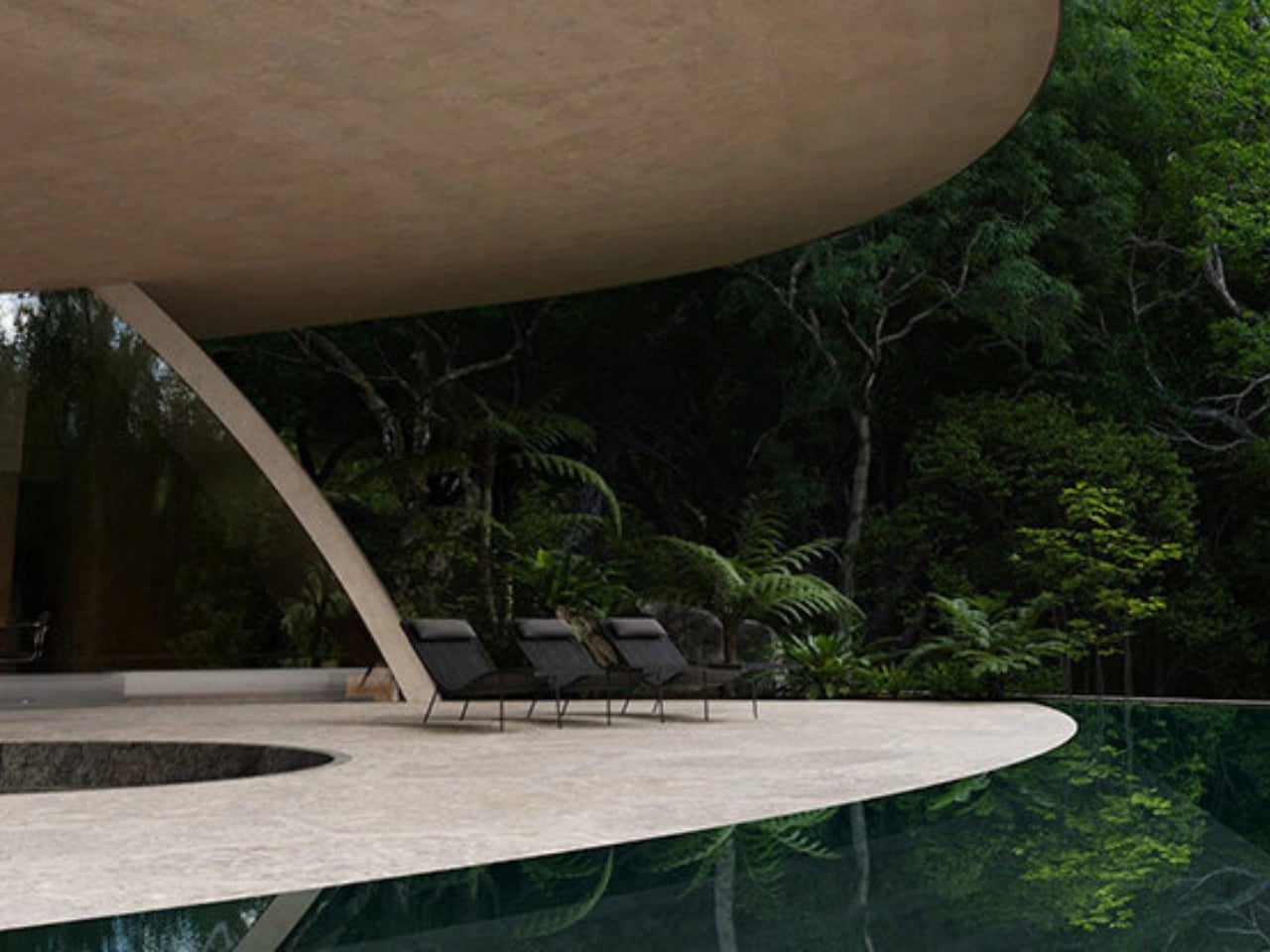
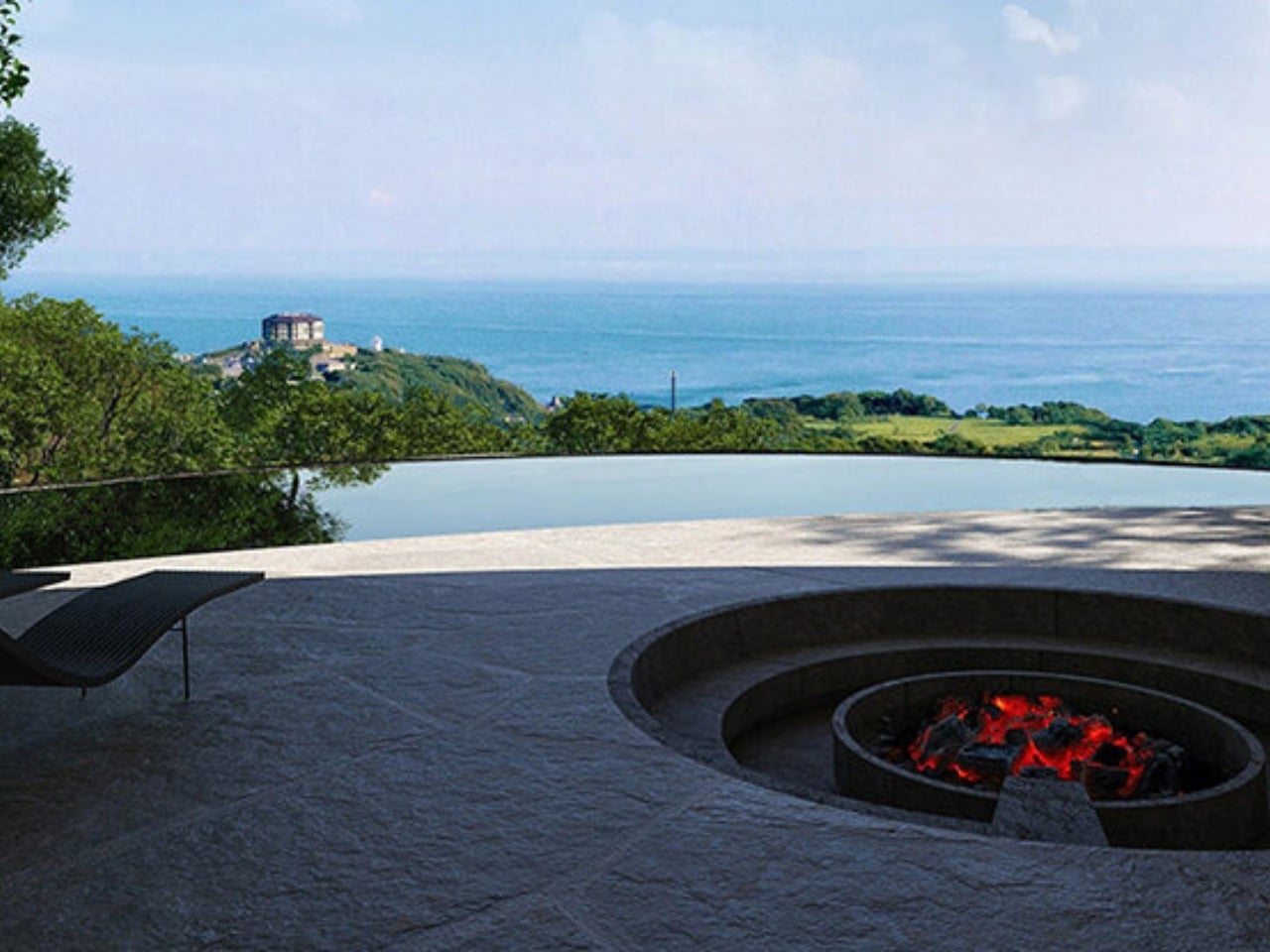
A circular outdoor space anchors the main living area, with a sunken fire element at its center. It’s a pairing that works precisely because neither element announces itself. The contrast between the water perimeter and the fire core feels like it’s pulled directly from the island’s own logic: rain on the outside, warmth on the inside. As a design gesture, it’s earned rather than decorative.
The competition itself adds weight to the win. NOT A HOTEL, the Japanese luxury hospitality brand, opened the 2026 edition to architects under 40, asking them to design a hybrid between a private residence and a boutique hotel on Yakushima. Sound of Rain was selected from 1,058 entries submitted across 112 countries and regions. That’s a significant shortlist to come out on top of, and the scale of the competition makes Chu’s win feel genuinely meaningful, not just for him, but for a generation of architects rethinking what place-responsive luxury design can be.
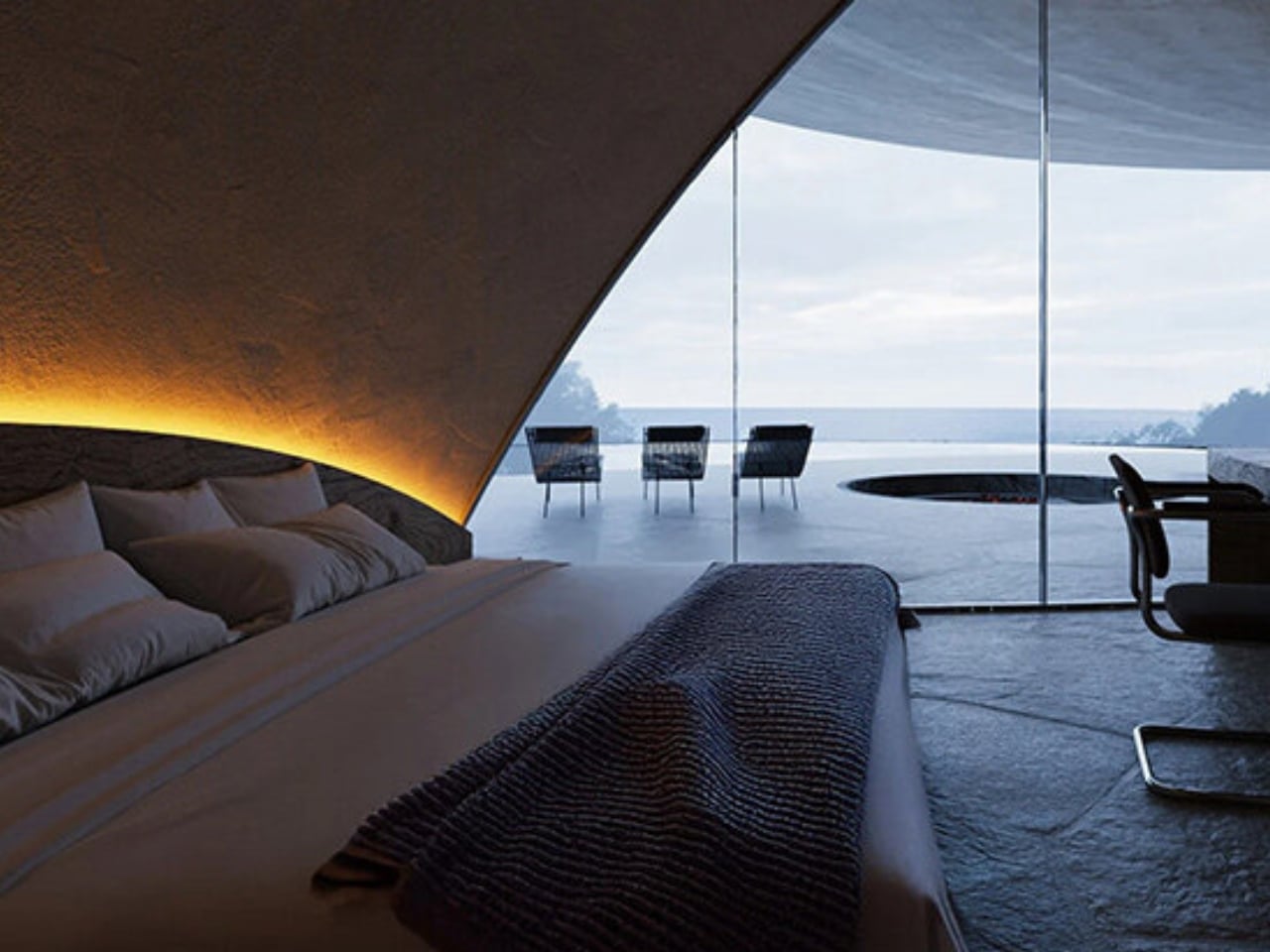
The restraint of this project is remarkable. It would have been very easy to over-design a property on an island as visually rich as Yakushima. The temptation to layer in dramatic architectural gestures must be significant when your backdrop is ancient cedar forest, rugged coastline, and a UNESCO-protected landscape. Instead, Chu did the quieter, harder thing. He listened to what the site was already doing and made that the architecture.
Sound of Rain fits into a broader conversation about how design can respond to climate without trying to conquer it. So much of contemporary architecture is still fundamentally about control, about managing and minimizing natural elements rather than working alongside them. This project offers a different model, one that treats the environment as a collaborator instead of a variable to be resolved. It’s a building that knows where it is and what that means, and it doesn’t pretend otherwise.
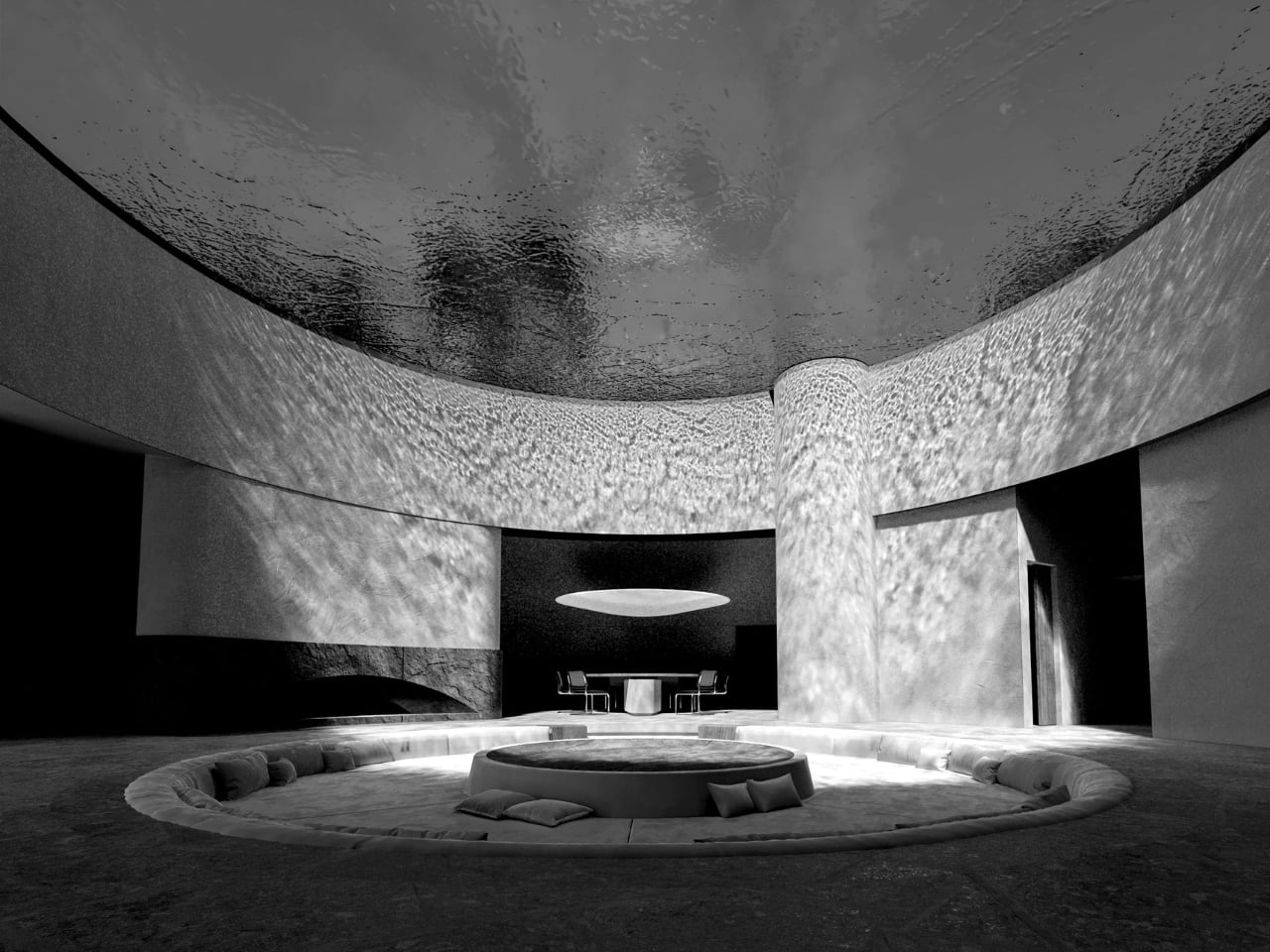
Whether the villa ever gets built is another question, but as a competition entry, it’s already doing something valuable. It’s expanding the conversation about what a high-end retreat can look like, and what the relationship between a building and its environment should be. Sometimes the most sophisticated thing a designer can do is step back and let the rain do some of the talking.