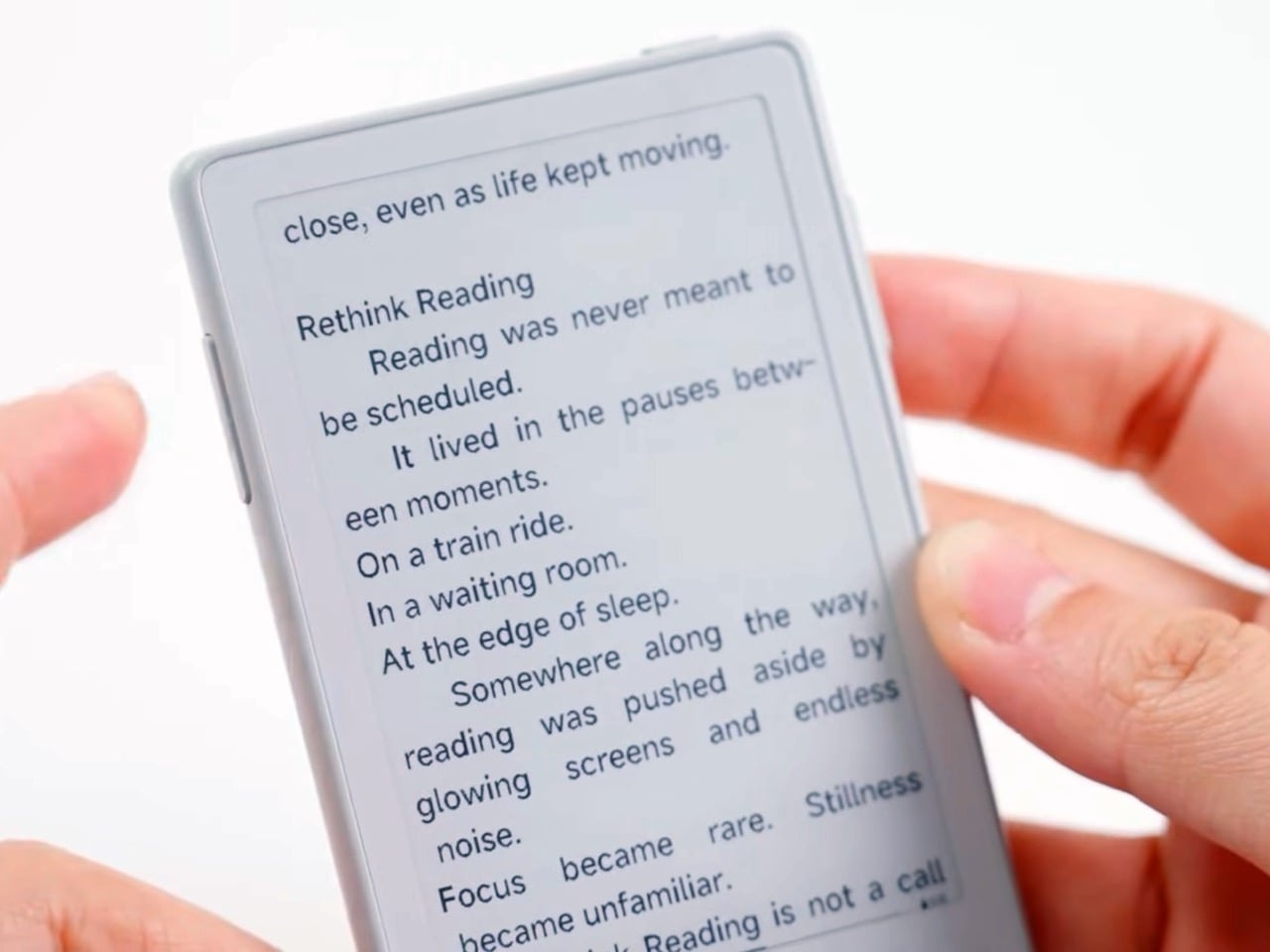
MagSafe was supposed to unlock a universe of snap-on accessories that would turn your iPhone into a modular Swiss Army knife of functionality. Instead, we got wallet cases, battery packs, and a parade of stands. The ecosystem felt like a promise unfulfilled, a magnetic ring waiting for someone to actually think beyond charging. Chinese startup Xteink apparently got the memo everyone else missed, because they just shipped an e-reader designed to live magnetically attached to the back of your phone. The device weighs 58 grams, costs $79, and slots into the exact use case MagSafe seemed built for: turning dead space on the back of your iPhone into a second screen you actually want.
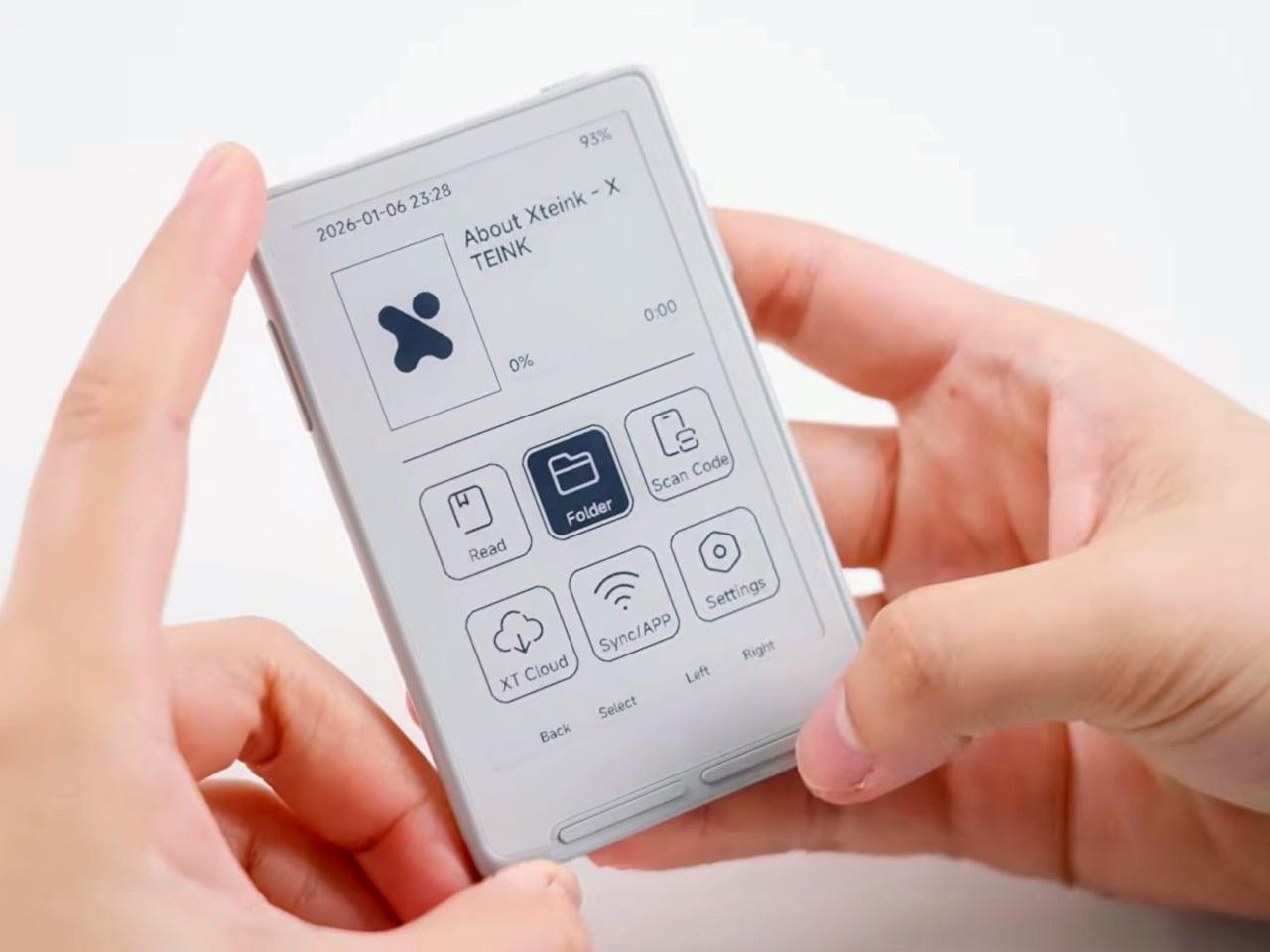
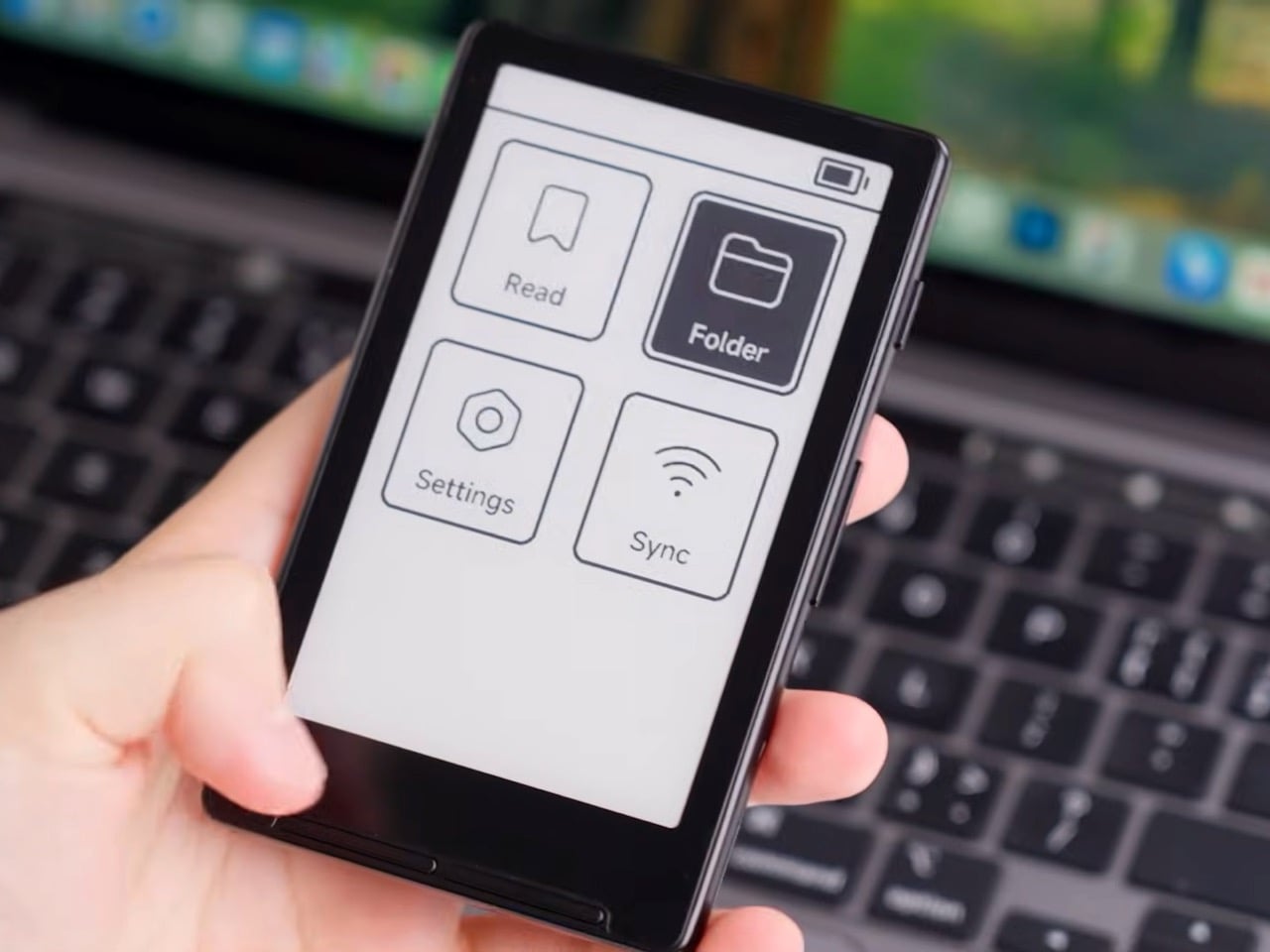
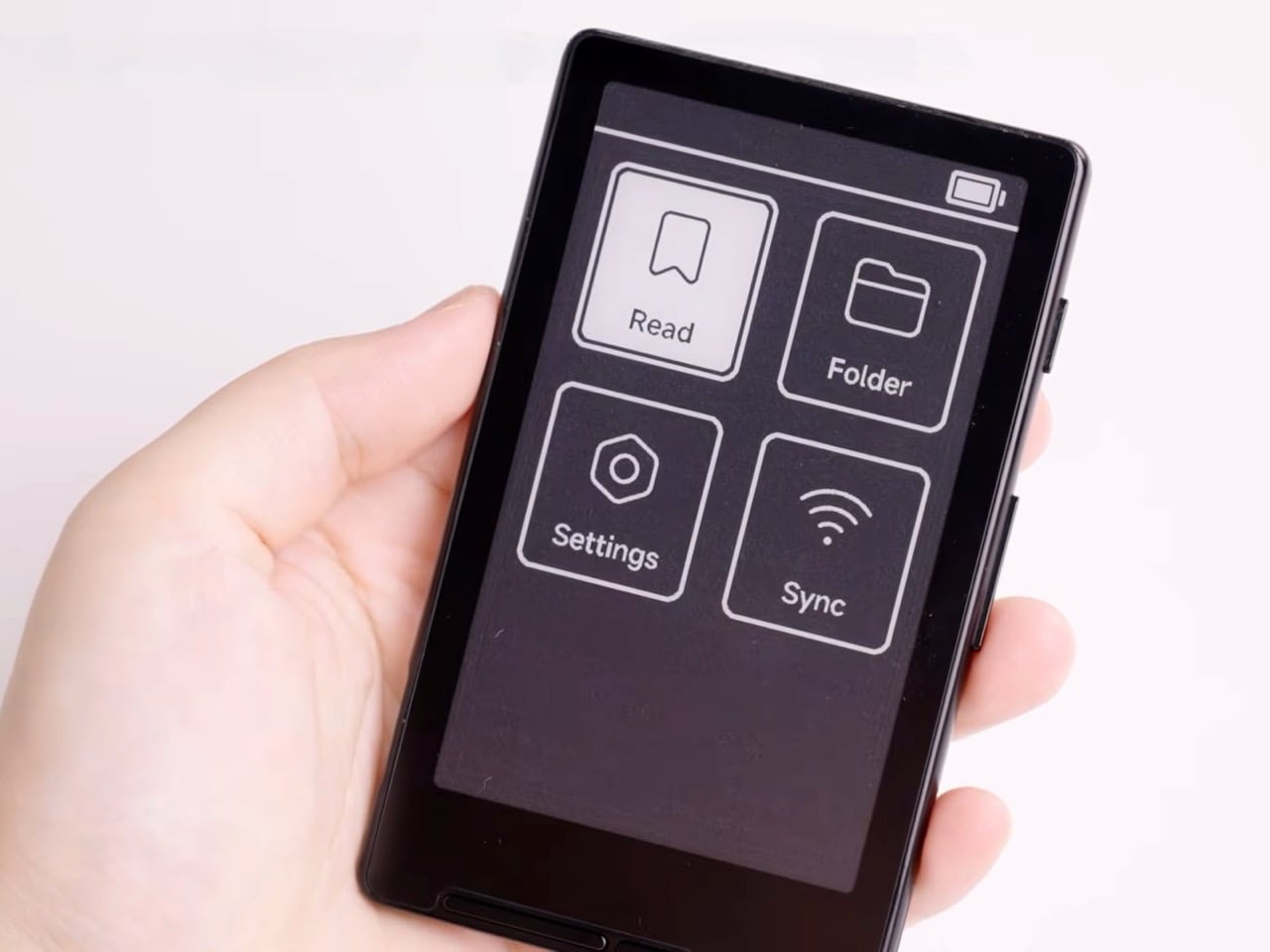
The Xteink X3 comes in two display sizes, 3.7 inches or 4.3 inches, both built around E Ink panels with physical page-turn buttons and zero touchscreen functionality. Navigation runs through a grid of tile-based icons controlled entirely by hardware controls, giving the device a throwback MP3 player vibe that somehow works at this scale. Battery life sits at 10 to 14 days per charge assuming one to three hours of daily reading, and the whole package ships with a 16GB microSD card pre-installed, magnetic stick-on rings for non-MagSafe phones, and a proprietary Pogo Pin charging cable. For iPhone users, it snaps directly to the MagSafe ring and stays there, a permanent passenger in your pocket that weighs less than a deck of cards.
Designer: Xteink
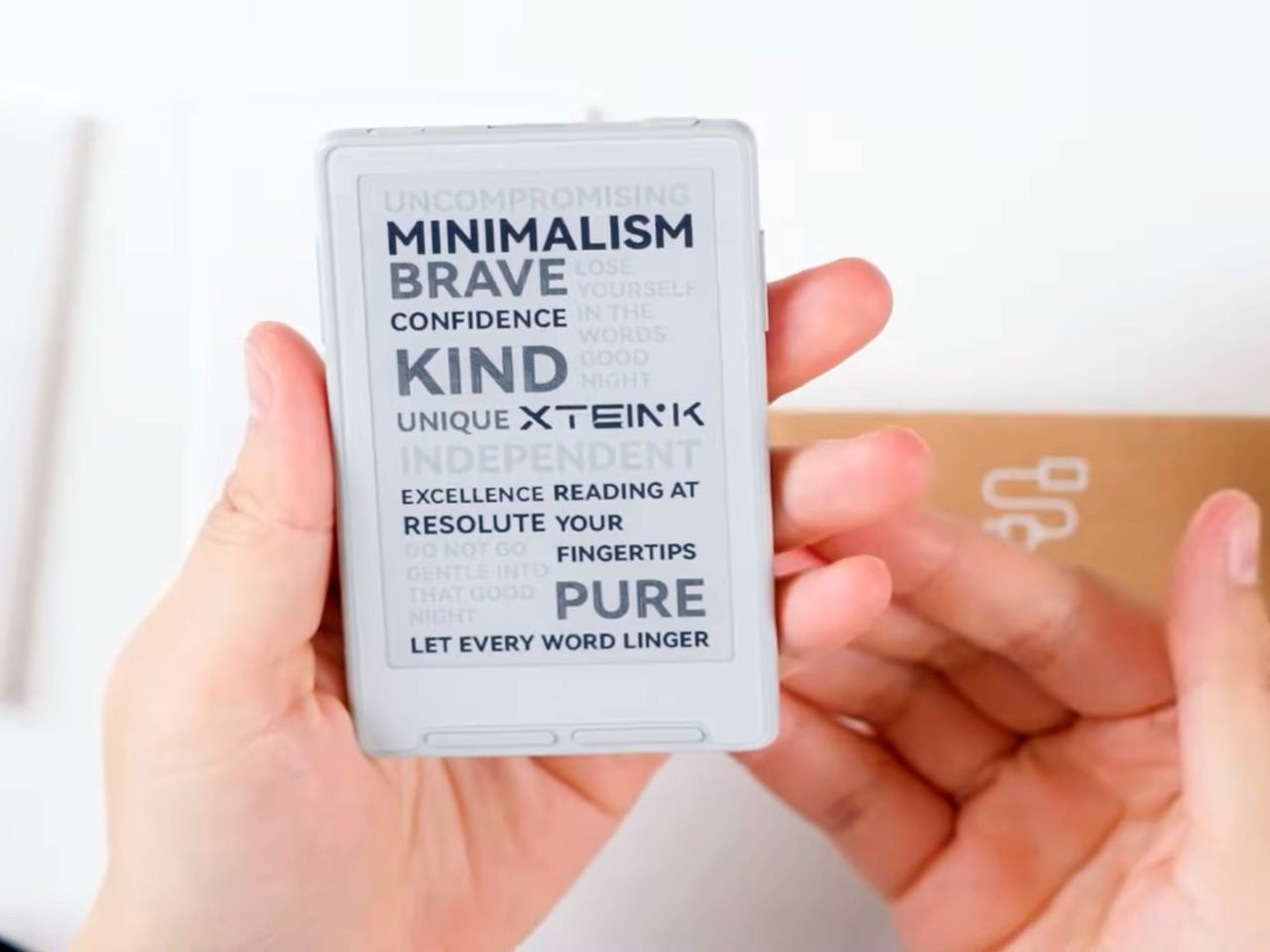

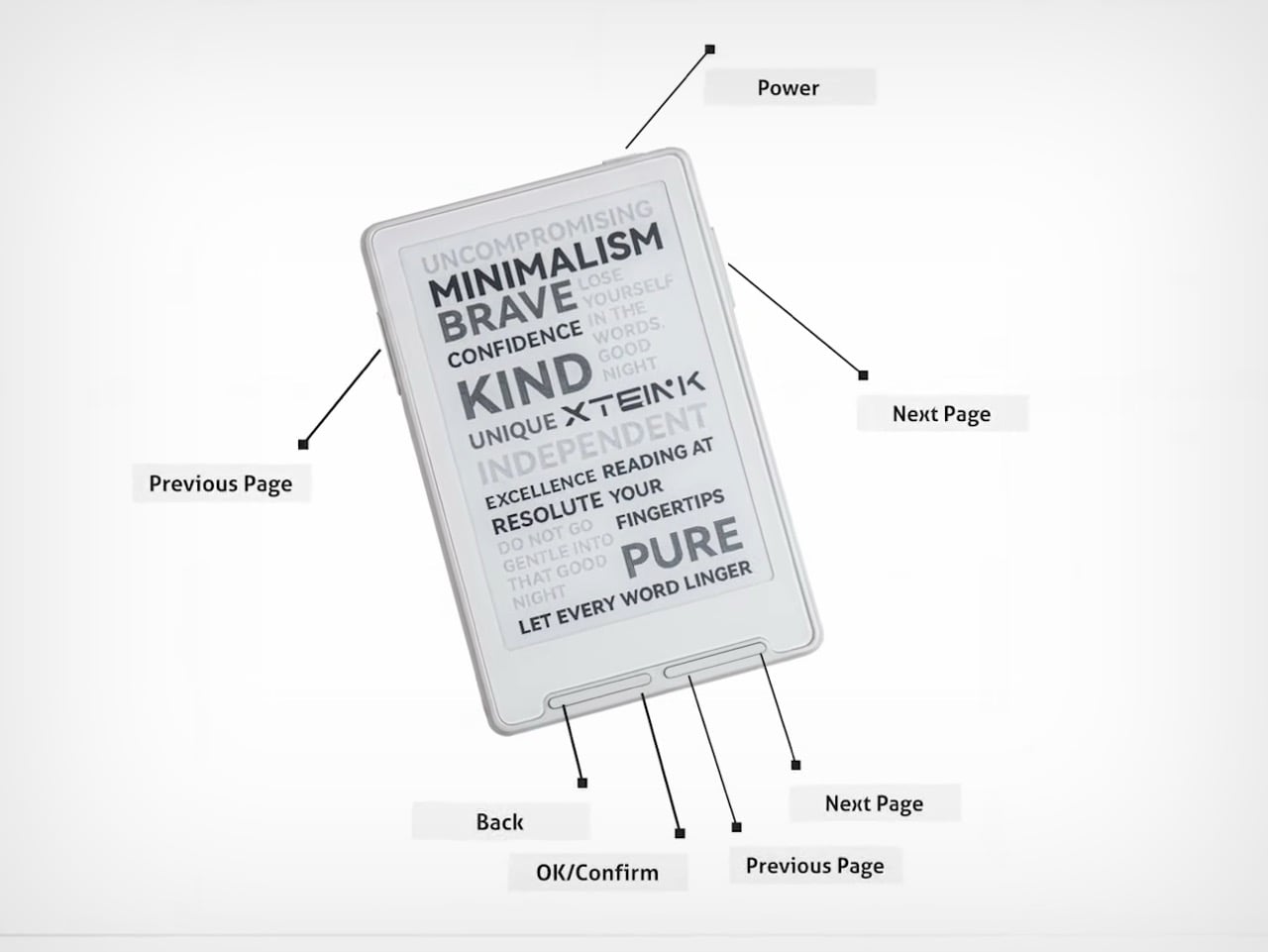
The industrial design leans into minimalism in ways that feel deliberate rather than cost-cut. Product shots show a frosted white variant and a black option, both with rounded corners and a clean bezel that frames the E Ink display without visual clutter. The startup/sleep screen displays typographic word art, phrases like “MINIMALISM,” “PURE,” and “LET EVERY WORD LINGER” arranged across the panel in varying weights and sizes, which gives the device an identity beyond generic tech. Button placement spans three edges: power on top, page-turn controls on the left and right sides, and a row of navigation keys along the bottom for Back, OK/Confirm, and redundant page controls. That redundancy matters, it means one-handed use works regardless of which hand you’re holding the device with, a small detail that signals someone actually thought through real-world ergonomics.
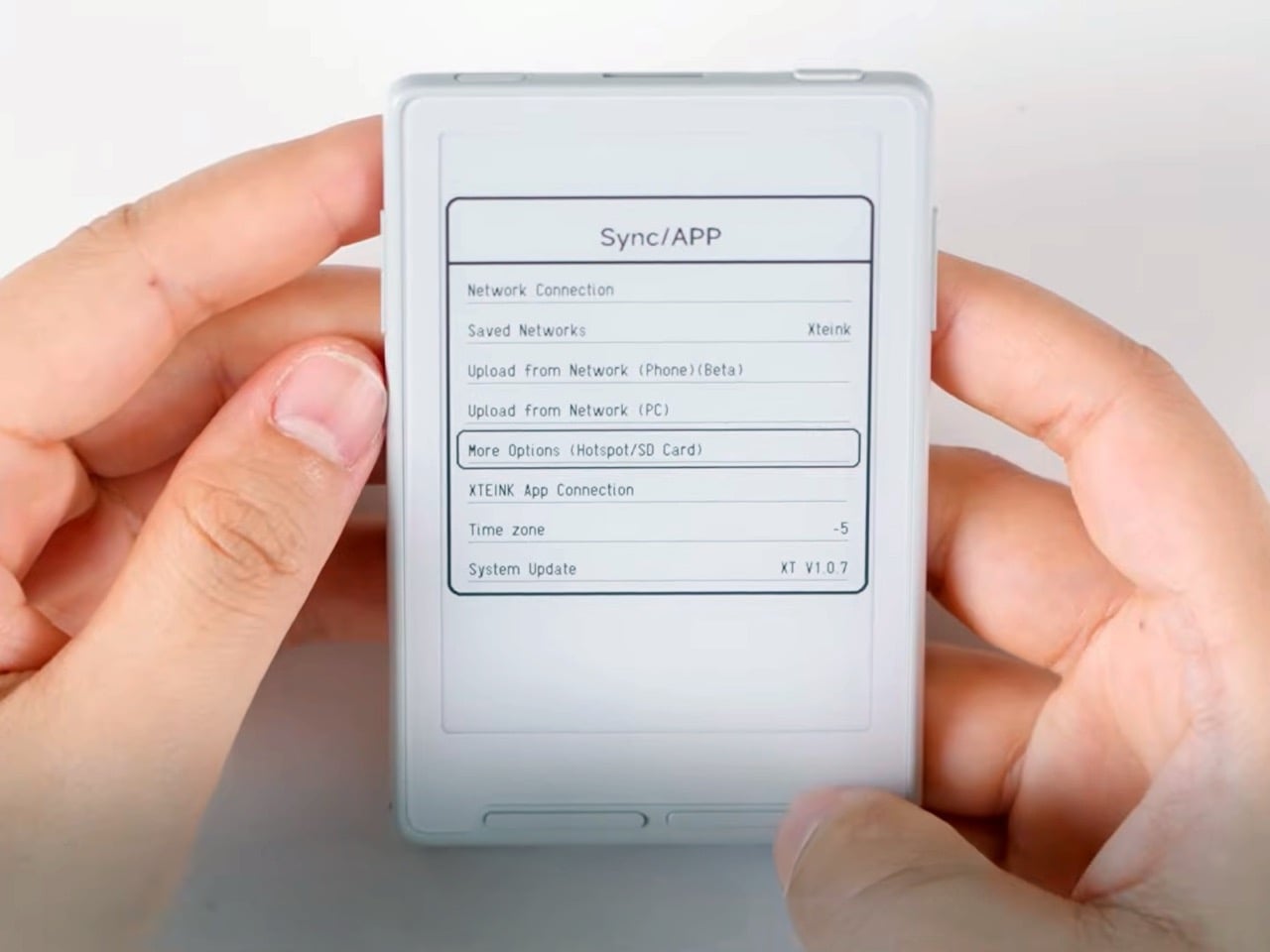
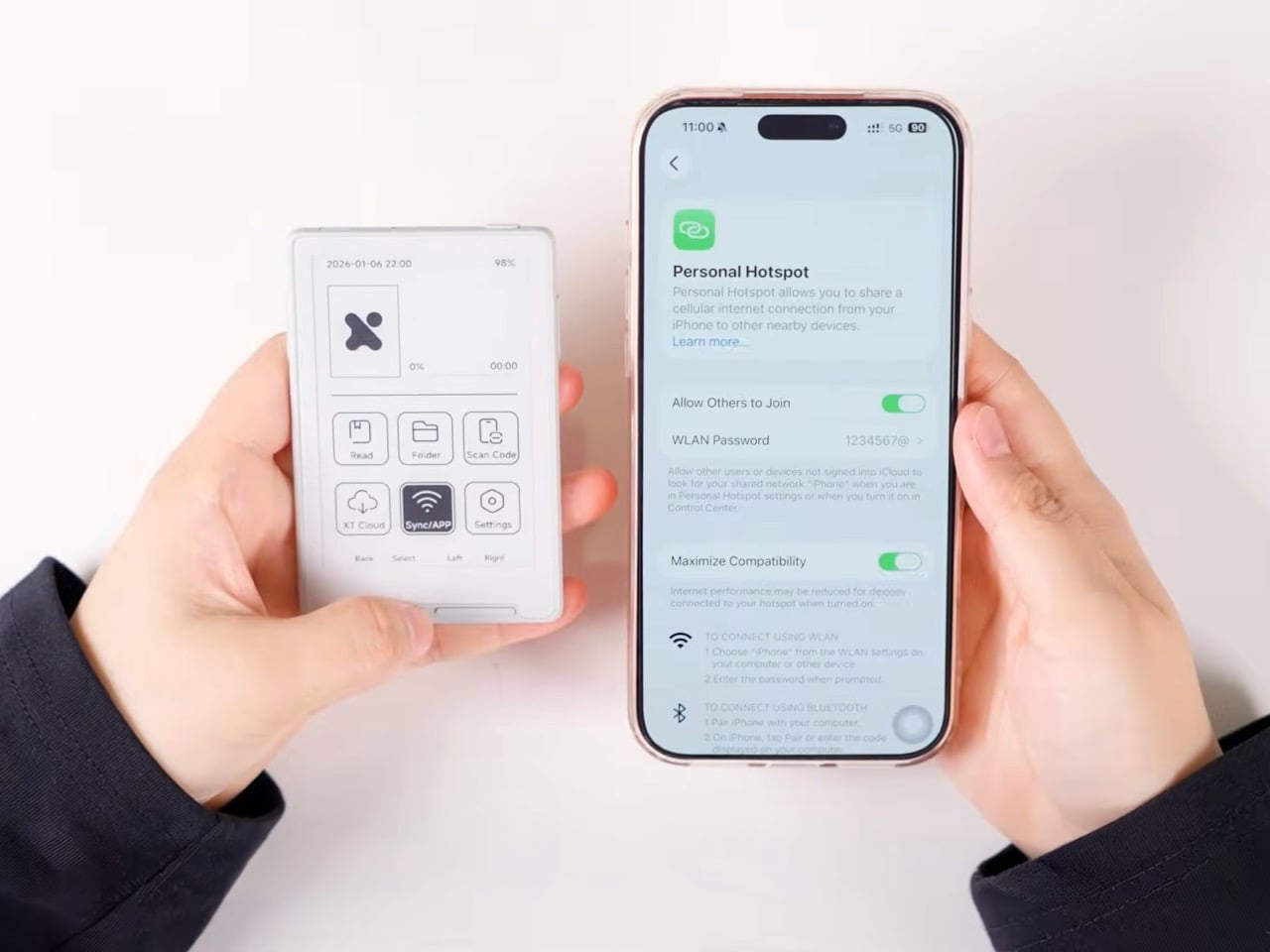
You give up a lot at this price and size. There’s no front light, though Xteink sells a magnetic clip-on reading light separately for $9.99. There’s no touchscreen, which means navigating menus involves button-mashing through tile grids rather than tapping what you want. The smaller 3.7-inch display pushes compactness to a point where readability likely suffers for anyone used to a standard Kindle’s 6-inch panel. Resolution sits below the 300ppi standard most e-readers target, and early user reports suggest MagSafe alignment with certain iPhone models can be finicky depending on orientation. These are real compromises, the kind you accept when portability is the primary design goal and everything else is secondary.
The X3 works best as a concept piece for what the MagSafe ecosystem could become if more companies treated that magnetic ring as an opportunity rather than an accessory mount. At $79, it costs less than most MagSafe battery packs and delivers more utility for anyone who reads regularly. Whether it survives real-world use comes down to whether the form factor trade-offs are worth the pocketability gain, but at least someone is finally asking the right question: what else can we snap to the back of this phone?