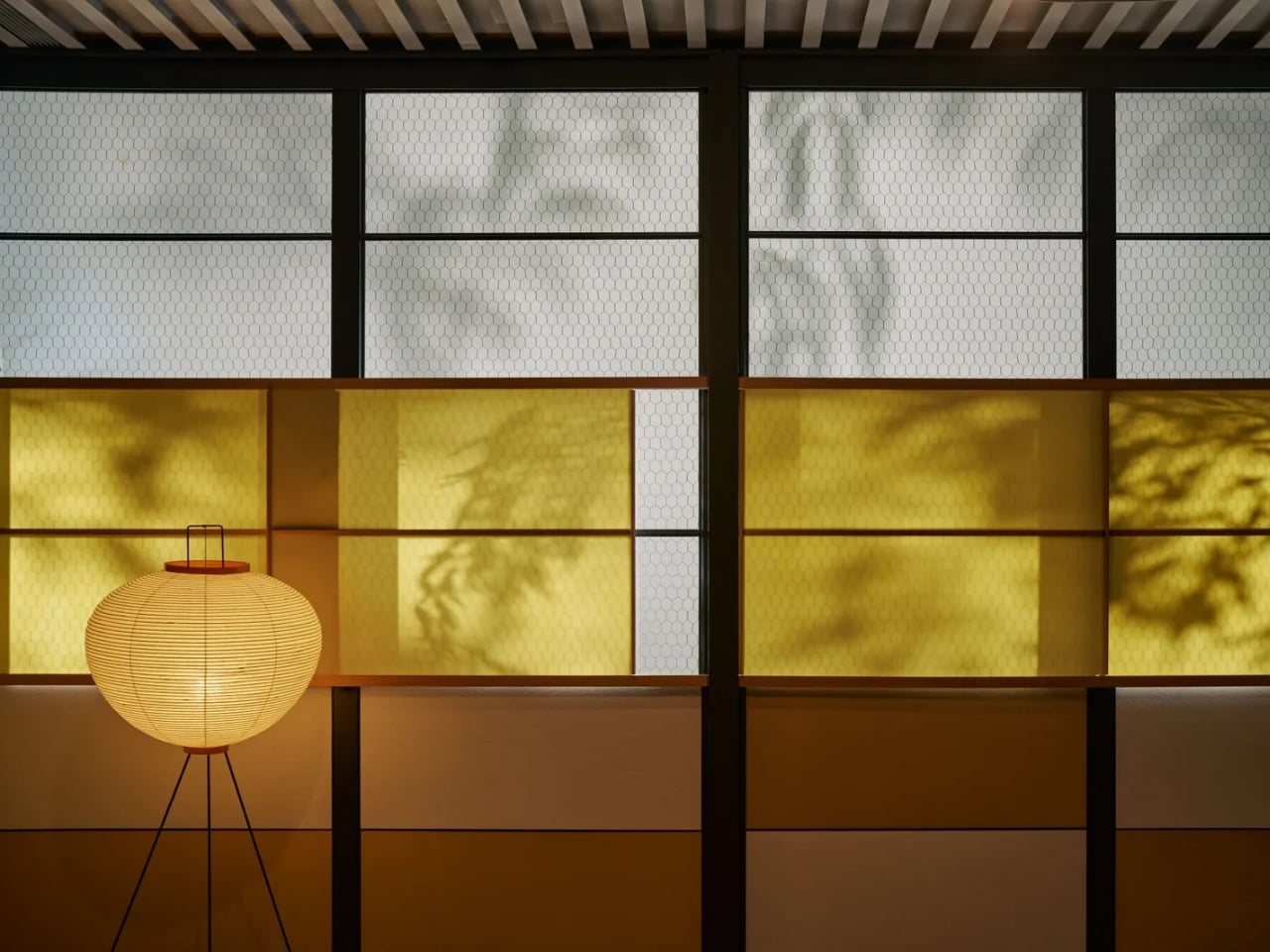

If you’ve ever stood in front of a photograph of the Eames House and felt a quiet longing, you’re not alone. That black steel frame, the jewel-toned panels, the floor-to-ceiling glass looking out onto a California meadow. It’s one of those images that lodges itself somewhere deep in your design-brain and refuses to leave. Most of us just assumed it would stay a photograph. Turns out, Charles and Ray Eames had other plans all along.
The Eames House, or Case Study House #8, was completed in 1949 in Pacific Palisades, California. It was built as part of Arts & Architecture magazine’s Case Study House program, which challenged architects to design homes using post-war industrial materials and techniques. Charles and Ray made something so effortlessly beautiful that it became one of the most photographed residences of the 20th century. But here’s the part most people miss: they always saw it as a starting point, not a masterpiece. Their real goal was a universal architectural system, one accessible to almost anyone and deployable almost anywhere. They never got there. That dream stayed tucked in archives, in sketches, in proposals that never left the studio. There was even a flat-pack modular concept the couple researched independently, informally called the “Supermarket House.” That name alone tells you exactly what they were going for.
Designer: Kettal
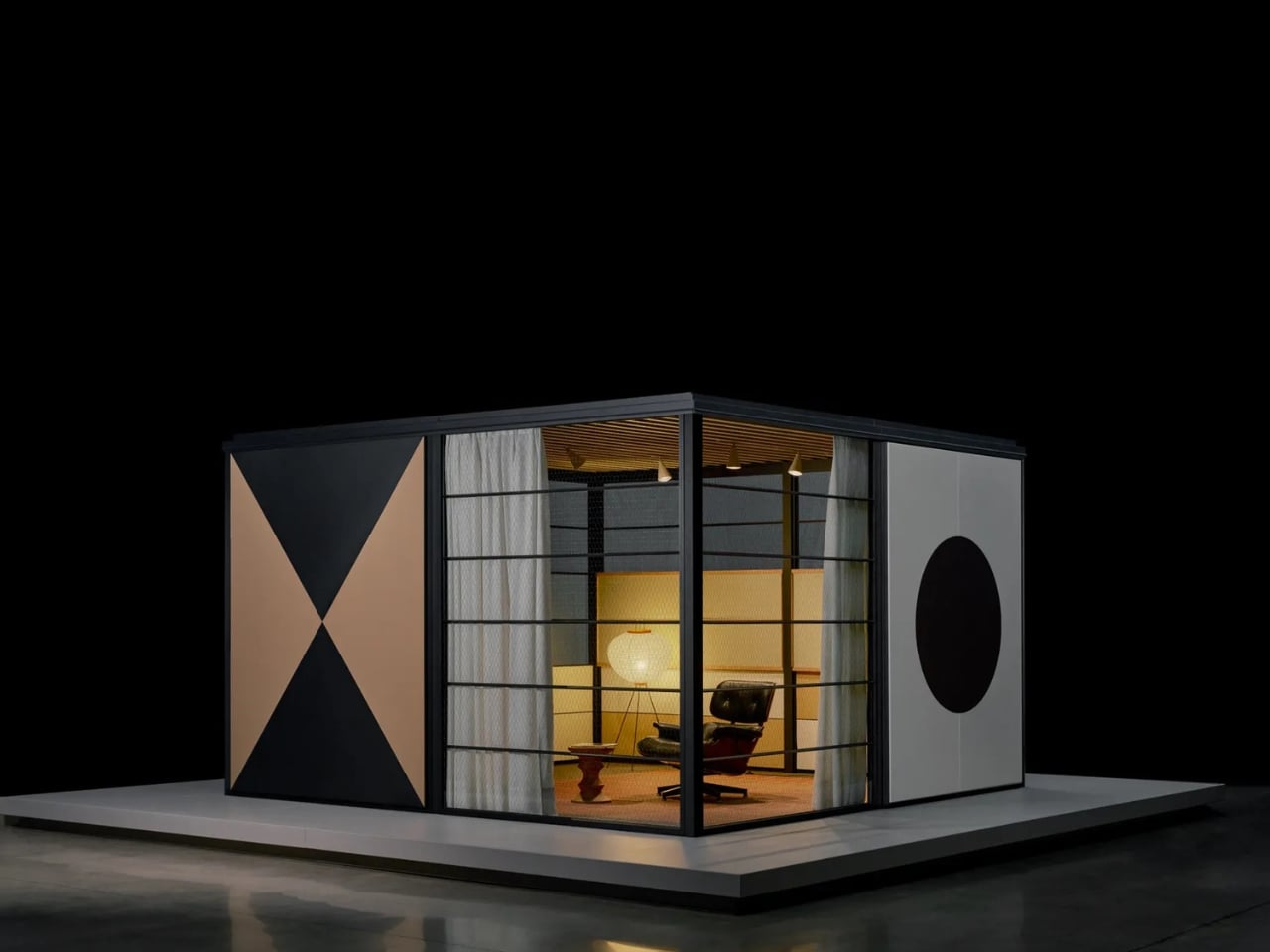
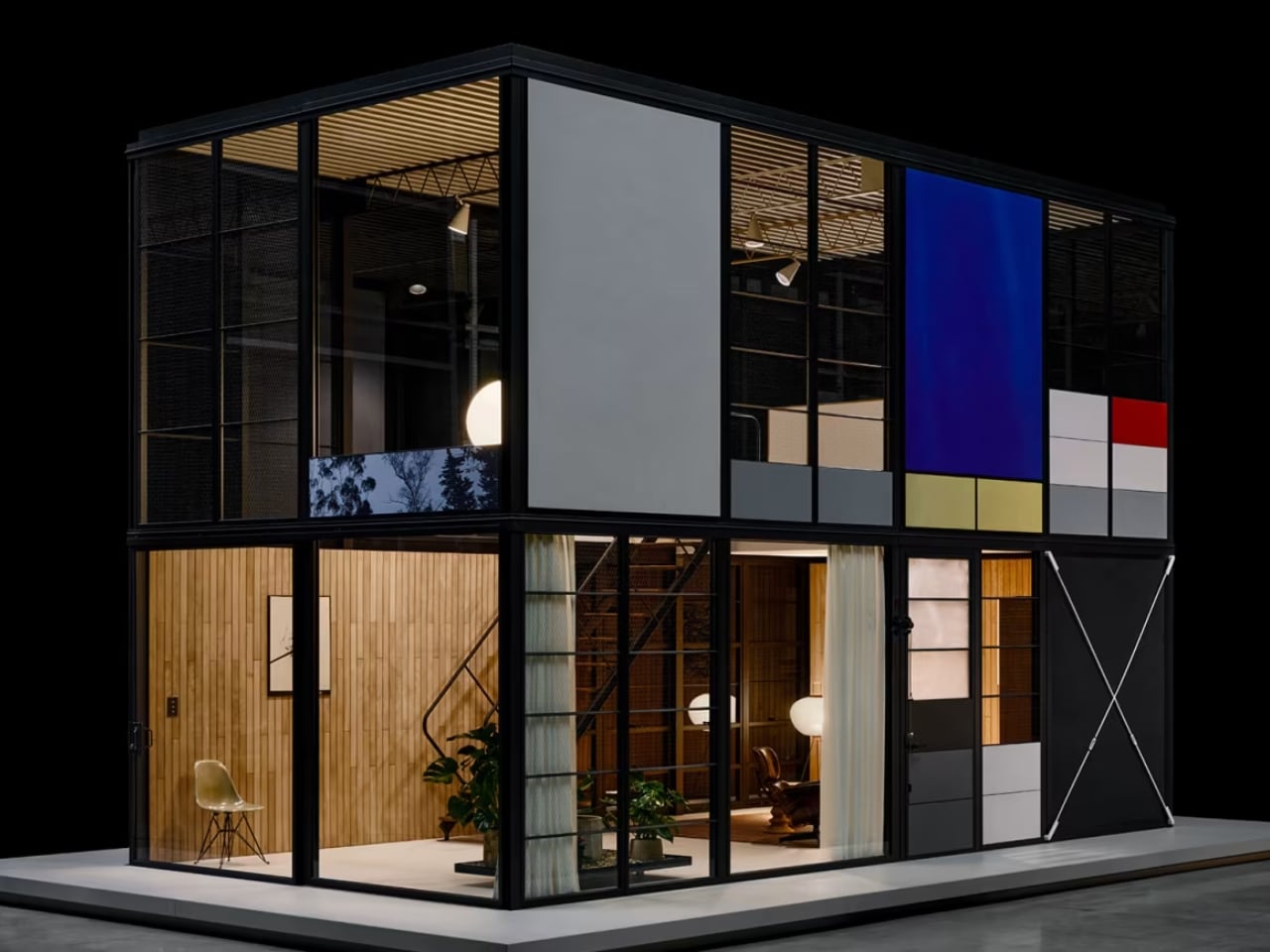
Nearly 80 years later, the Eames Office and Spanish manufacturer Kettal are finally making it happen. The Eames Pavilion System is a modular building kit that draws directly from those decades of unpublished drawings and ideas. Eckart Maise, former chief design officer at Vitra, spent three years digging through the Eames archives to surface material that had largely never been seen, including an unrealized California dome home and those flat-pack housing studies. What emerged is not a replica of Case Study #8, but something more faithful to its spirit: a system built on the same principles of efficiency, flexibility, and honest materiality.
The structure is made from aluminum throughout, a significant upgrade from the original steel and considerably more weather-resistant. You get interchangeable roof types, triple-glazed windows, and wall panels that echo the bold primary colors Ray loved. The visual DNA is unmistakable. Zig-zag trusses, black-painted frame, chicken wire-reinforced glass. It is recognizably Eames without pretending to be a museum piece.
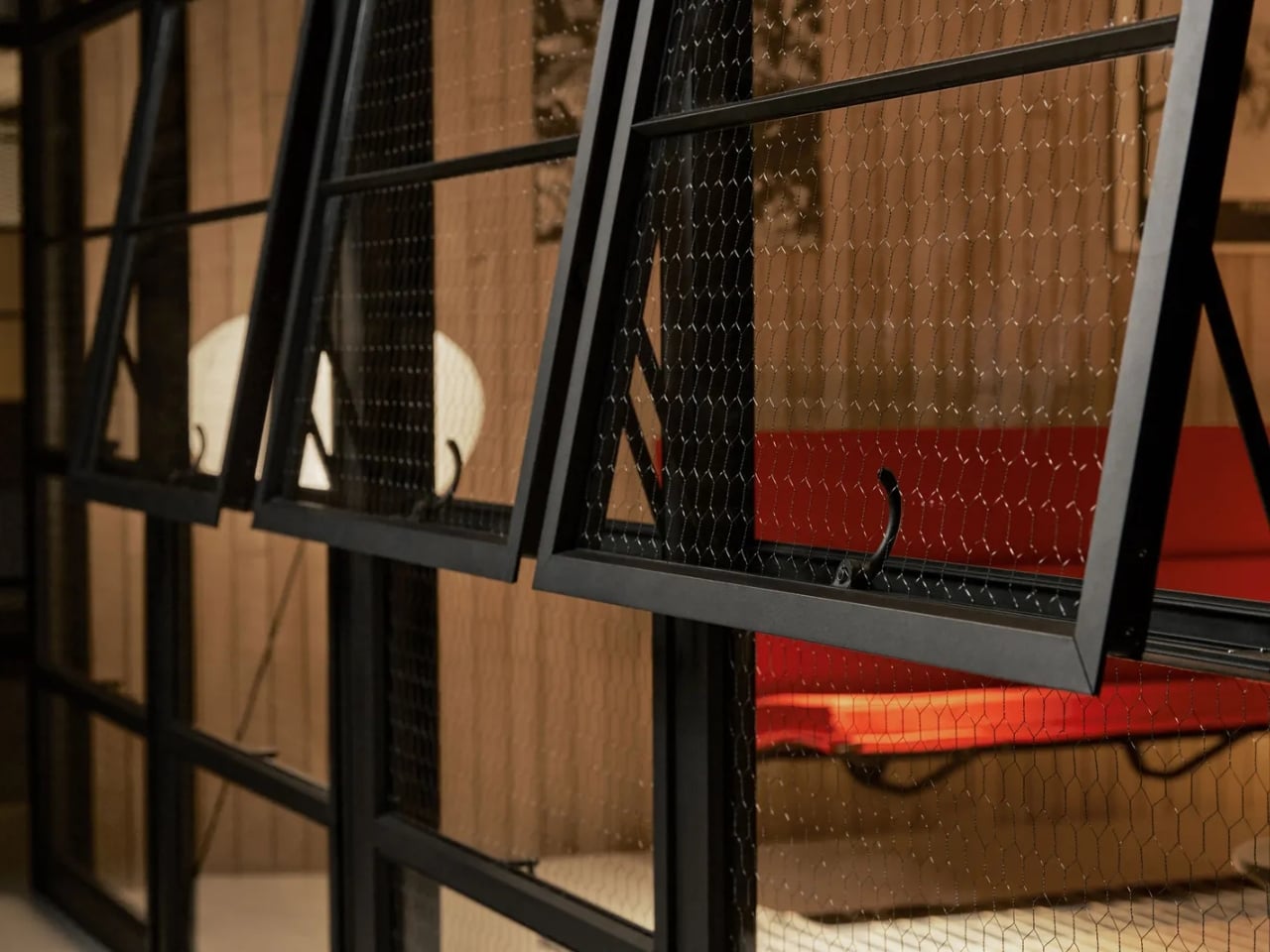
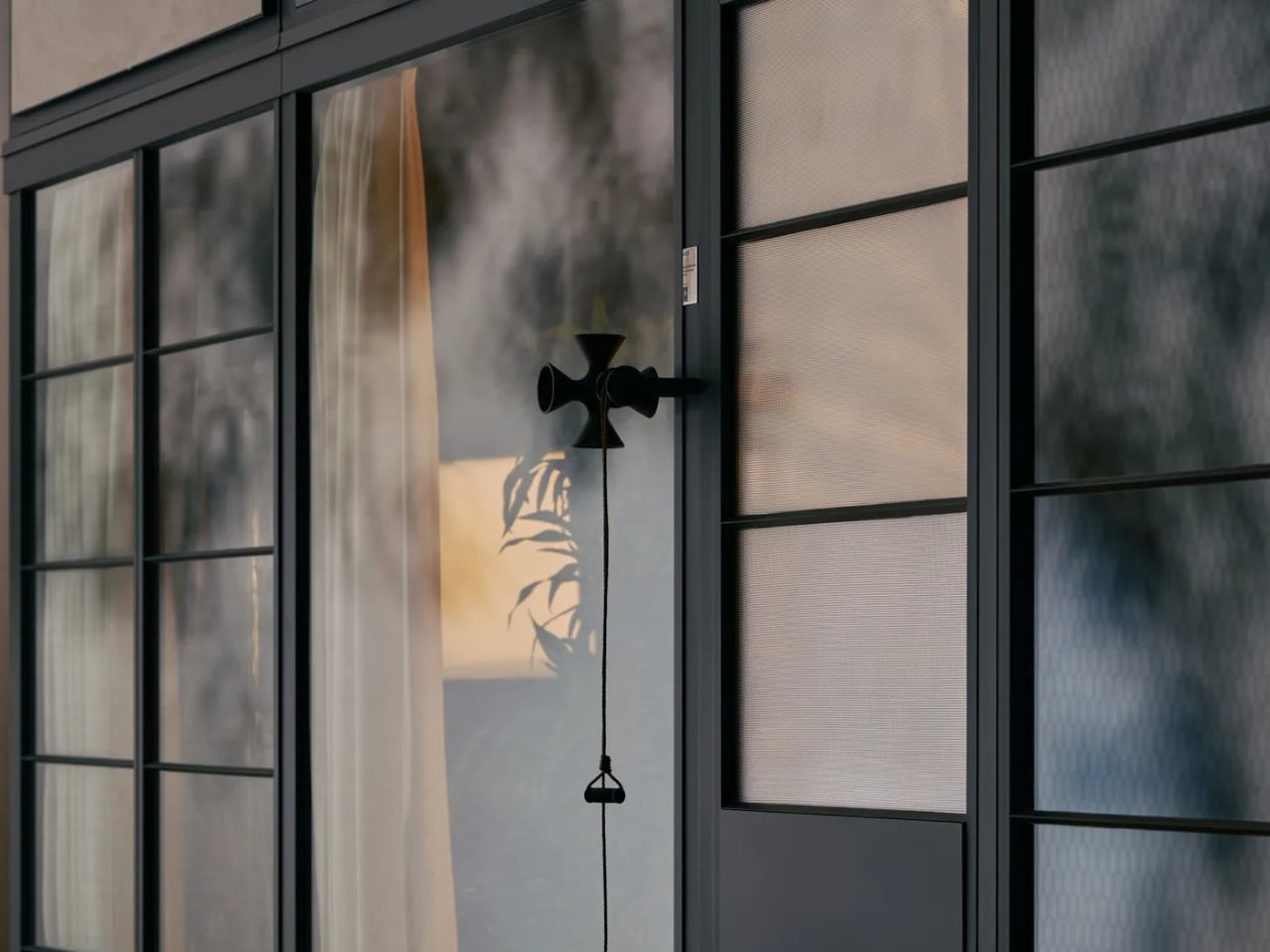
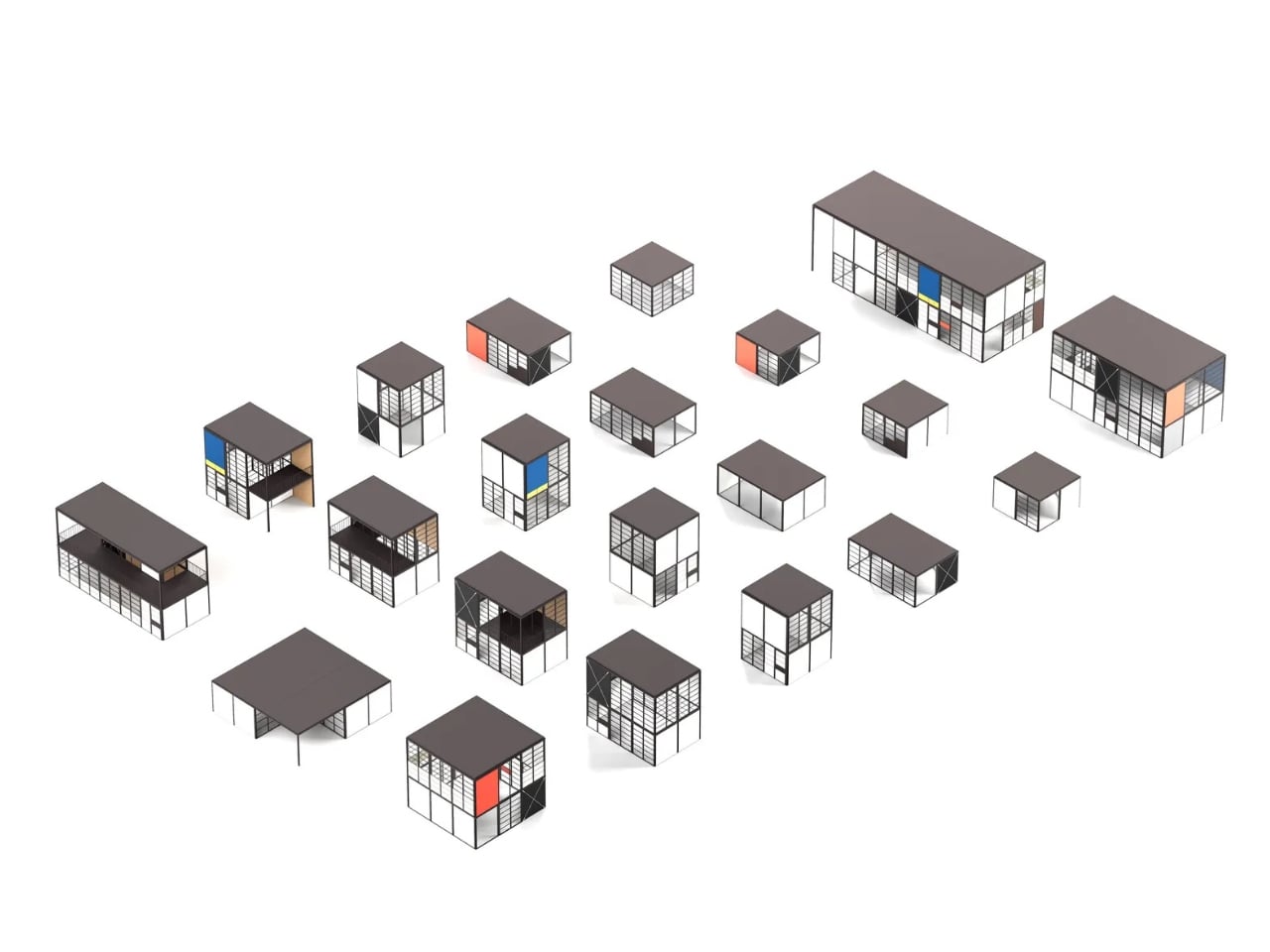
Pricing starts at around $325 per square foot. A 4-by-4-meter indoor pavilion begins at roughly €45,000 (about $52,000), and an outdoor version of the same size starts at €60,000. The double-height configuration that most closely resembles Case Study #8 comes in at €145,000. For a lot of people, that’s still a stretch. But compare it to what custom architecture typically costs, and it starts to read more like a genuine offer than a luxury souvenir.
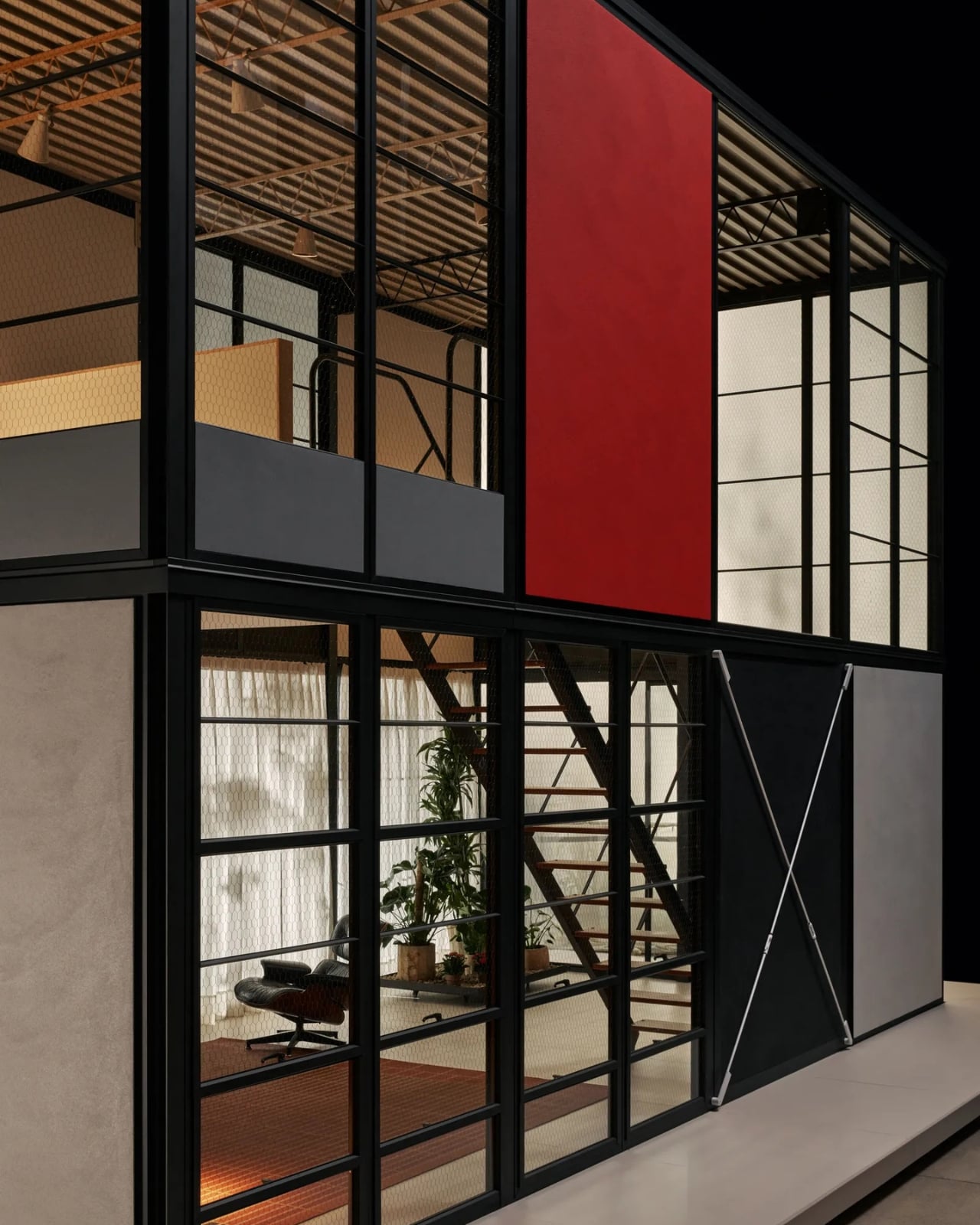

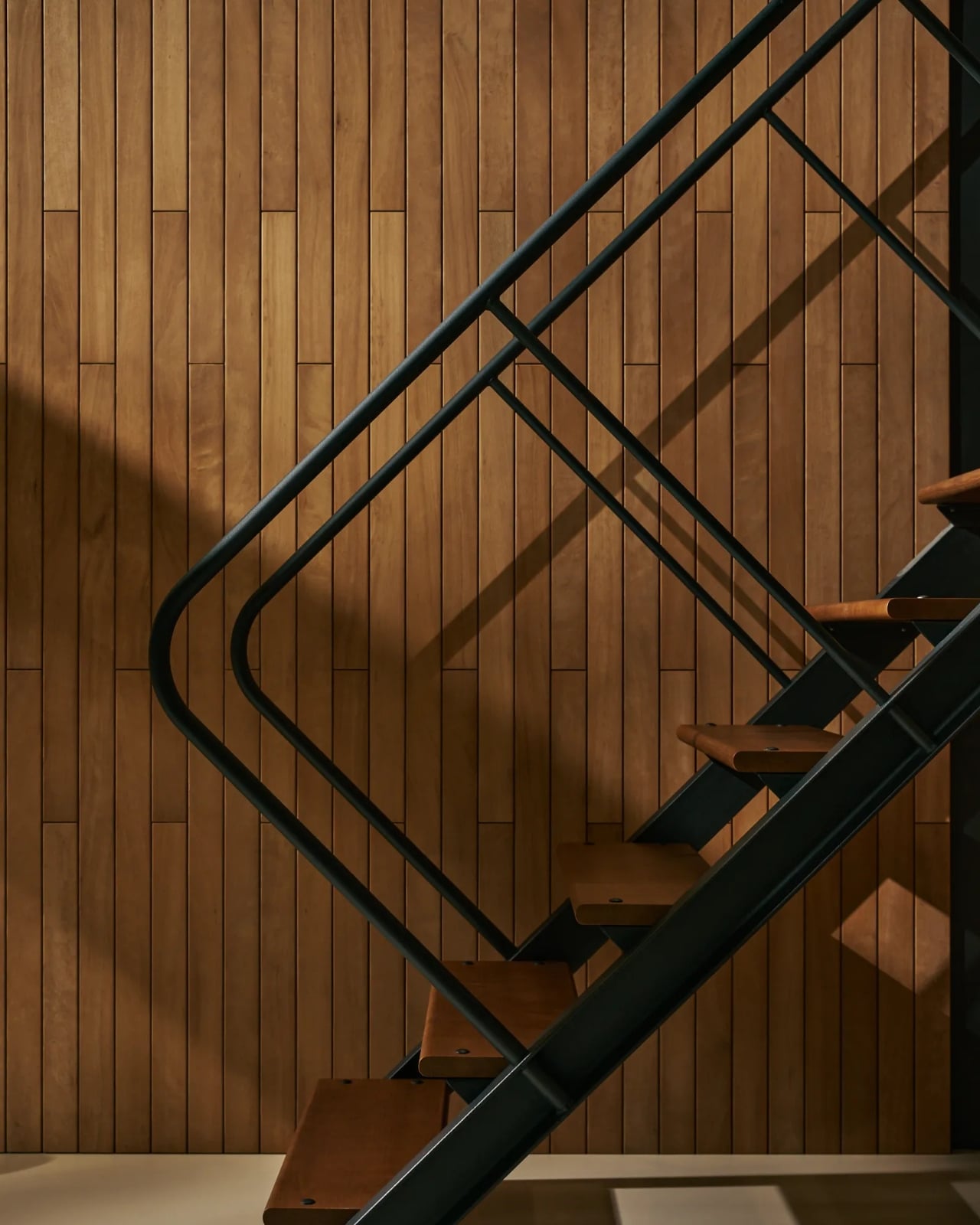
The use cases are broad by design. A home recording studio, a backyard office, a guest pavilion, a poolside retreat. With enough modules assembled and stacked, a full two-story house is achievable. Kettal also factors in the support of a trained advisor, someone who makes sure the configuration you choose actually works for your specific site and climate conditions. The indoor version hits the market at the end of 2026, with the outdoor version following in 2027.
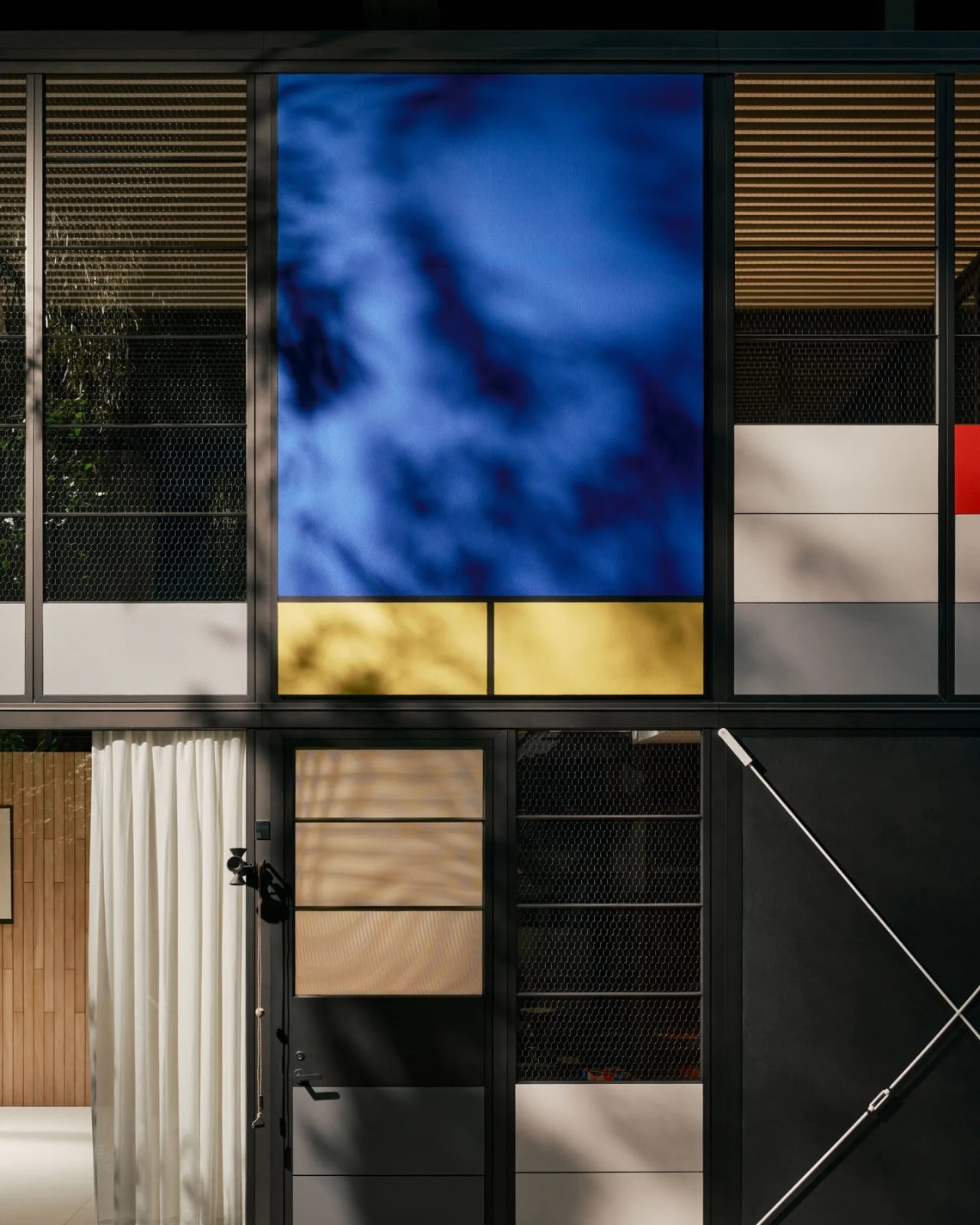
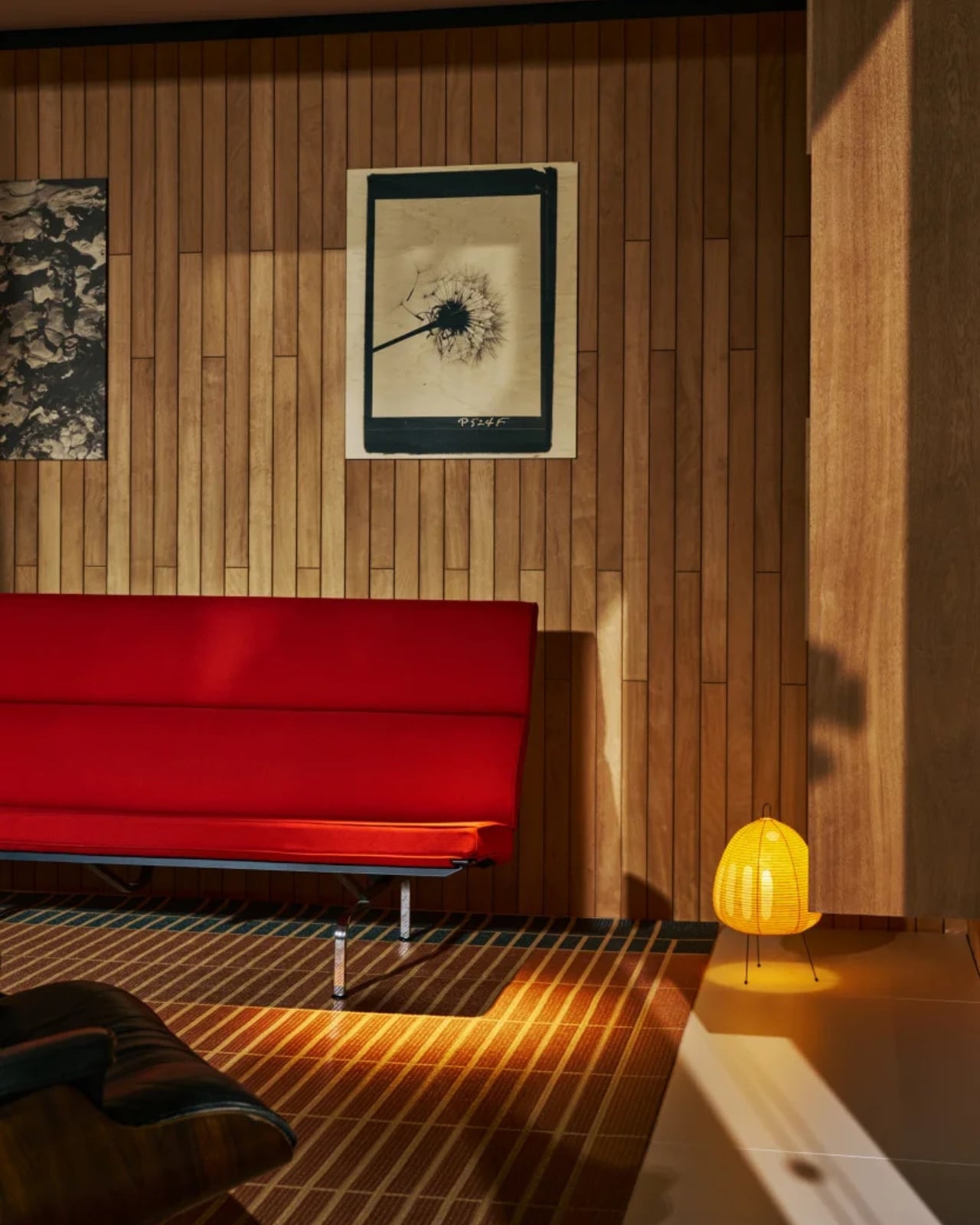
The Eames Pavilion System is making its debut at Milan Design Week 2026, as part of a Triennale di Milano exhibition called “The Eames Houses,” opening in April. Seeing it presented there feels appropriate. The Triennale has always been a place where design gets to ask bigger questions than just whether something looks good. The question this project raises is genuinely worth sitting with: what does it mean to actually democratize an icon, and not just sell the idea of one?
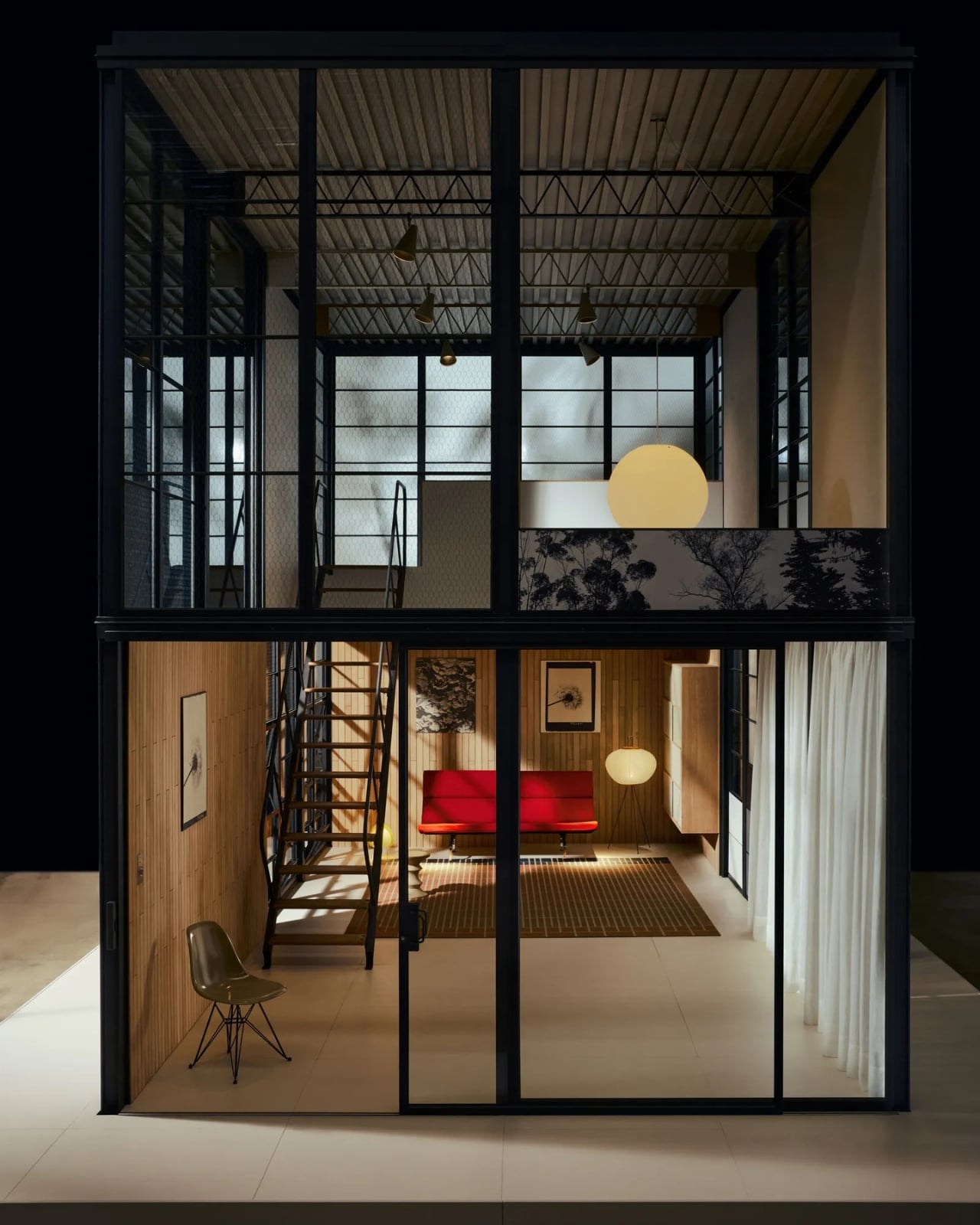
I think Charles and Ray would have approved of the answer Kettal and the Eames Office arrived at. Not a knockoff. Not a nostalgia play. A real building system, rooted in the same rigorous thinking that produced the original house, finally getting the chance to do what it was always supposed to do: show up wherever someone needs it.