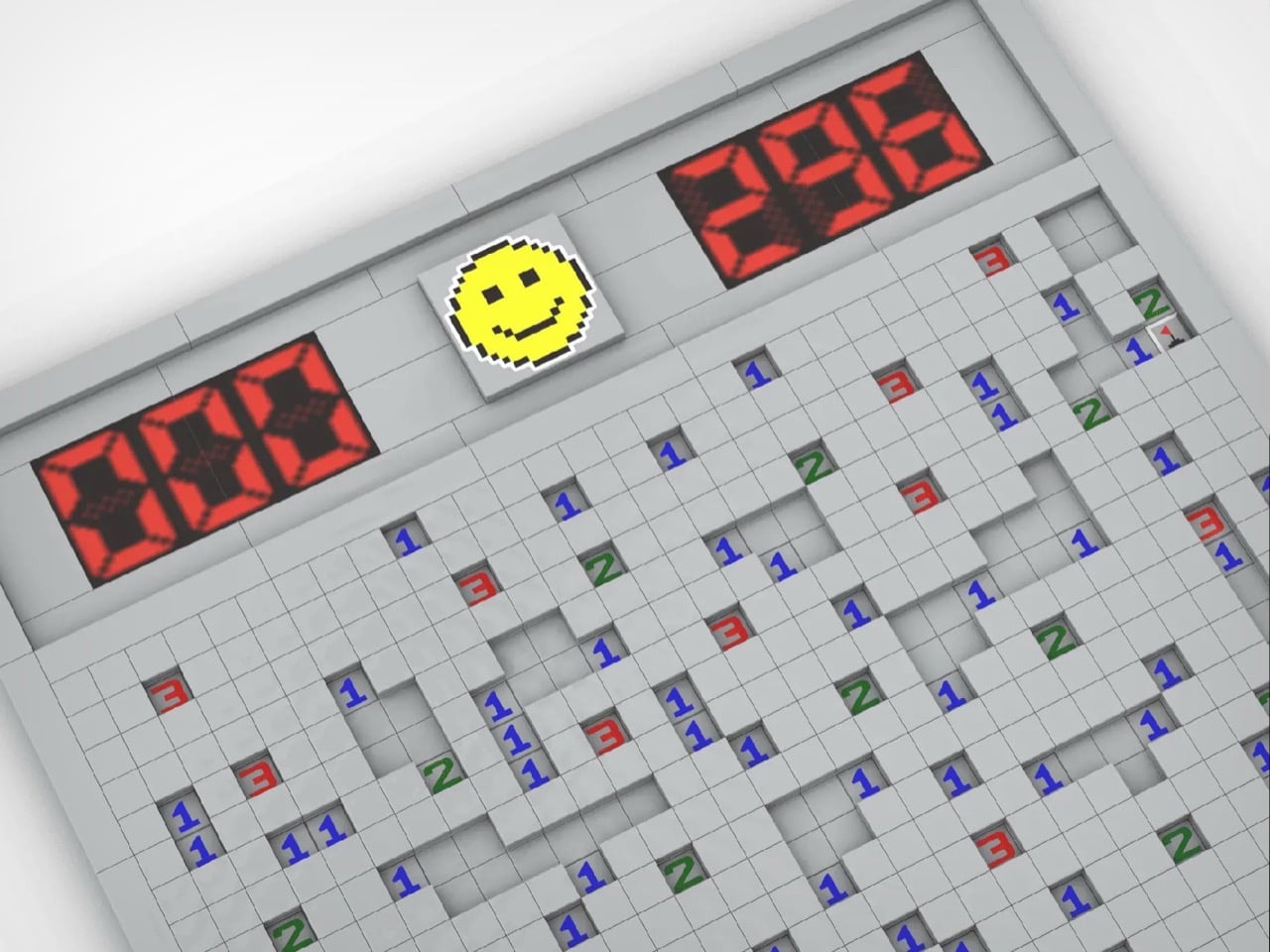

If you worked in an office during the Windows 95 era, you knew the drill. The boss walks past, you alt-tab from Solitaire to a spreadsheet, and if you’re feeling particularly bold, you minimize Minesweeper and hope nobody notices the gray grid burned into your retinas. The game was a workplace epidemic, a logic puzzle disguised as a productivity killer, and it came free with every copy of Windows from 1992 onwards. Robert Donner and Curt Johnson created it for Microsoft in 1990, and within a few years, conservative pundits were literally calling it a threat to American business productivity.
LEGO builder carlos_silva94 has taken that gray grid of anxiety and turned it into something you can hold, a fully functional brick-built recreation of the classic game complete with textured tiles, working digital displays, and that iconic yellow smiley face that judged your every click. The build captures the aesthetic of Windows 95 with surprising accuracy, from the raised tile surfaces to the seven-segment displays counting down your mines and ticking up your time. It’s desk toy nostalgia executed in the exact medium that makes sense for anyone who spent their childhood (or their entire career) staring at numbered squares and sweating over where to click next.
Designer: carlos_silva94
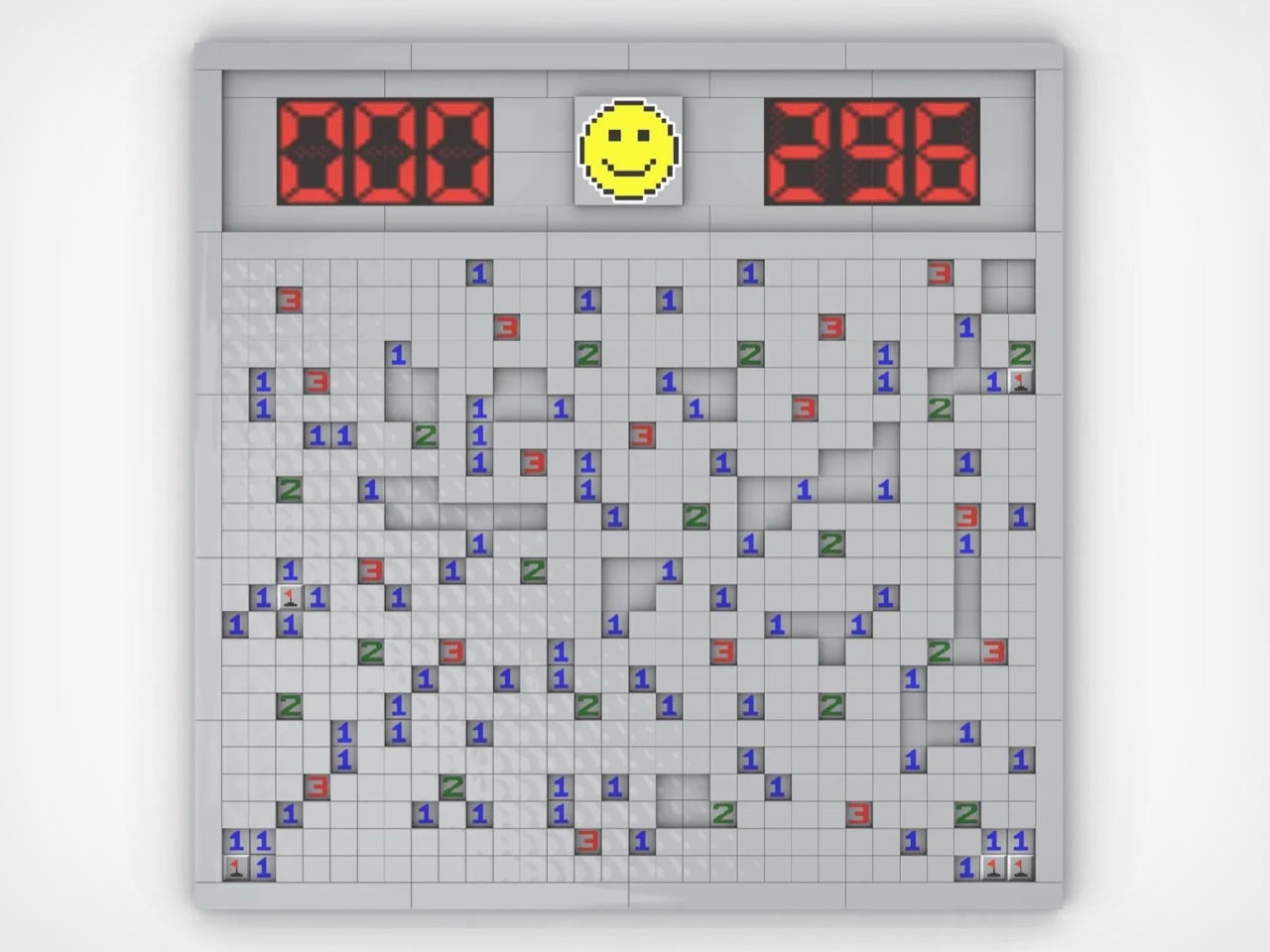
The grid itself uses LEGO’s textured tiles to differentiate between covered squares (those nerve-wracking gray unknowns) and revealed tiles showing the numbered clues. The numbers themselves appear to be rendered using printed tiles or stickers, capturing that chunky digital font that defined early computer graphics. The digital displays at the top, showing both the mine counter and the timer, are built using classic seven-segment configurations, the kind that would tick up second by second while you frantically tried to deduce which square was safe and which one would end your game in a shower of pixelated explosions.
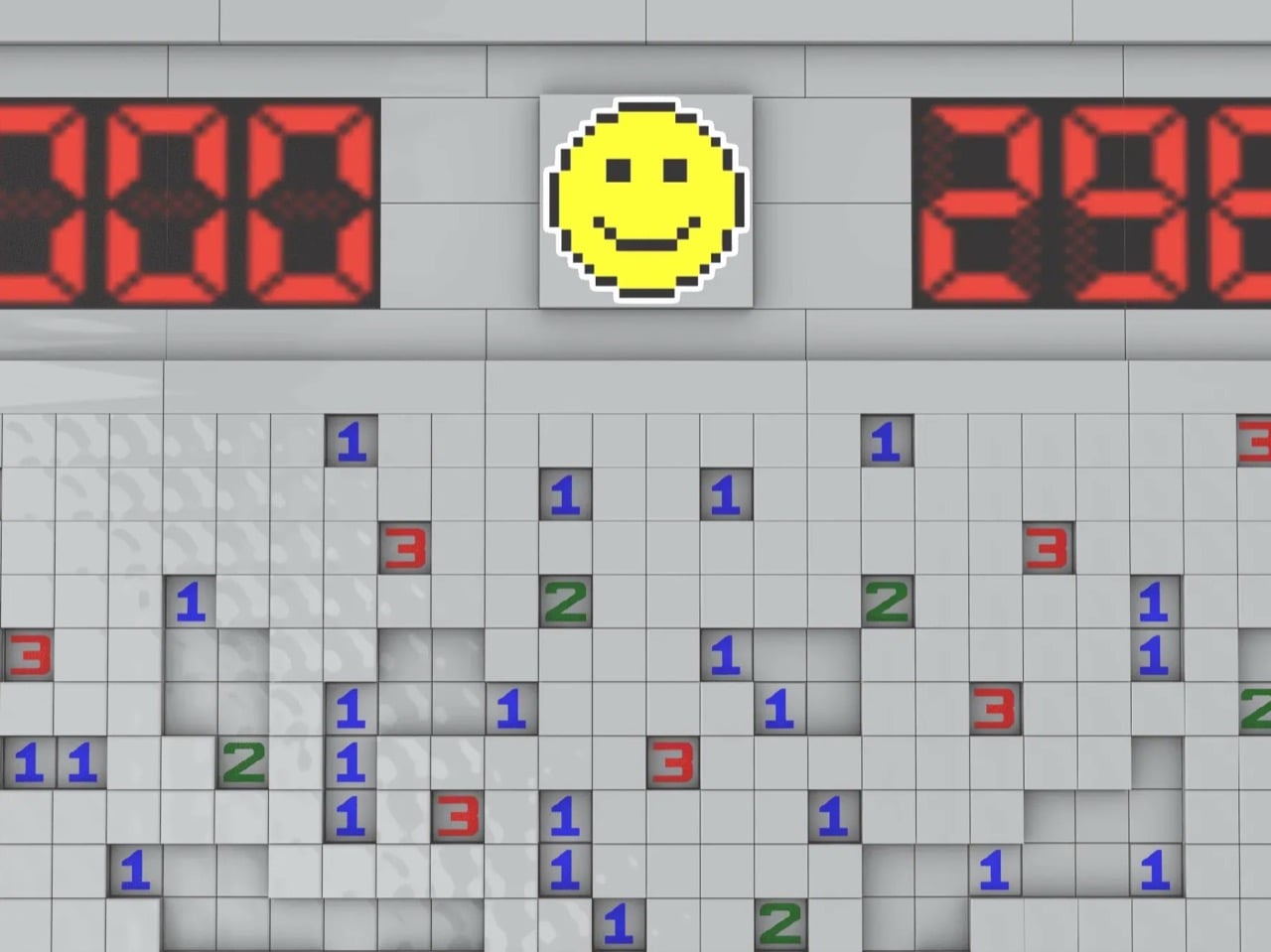

My favorite detail, however, is that yellow smiley face sitting front and center. In the original game, that face was your emotional barometer. Click a tile and it would wince in anticipation. Hit a mine and it would go cross-eyed with cartoon death. Clear the board and it would throw on sunglasses like it had just won a prize. Here, rendered in LEGO form, it just sits there with that same placid expression, a tiny plastic reminder of all the times you gambled on a 50/50 guess and lost spectacularly.
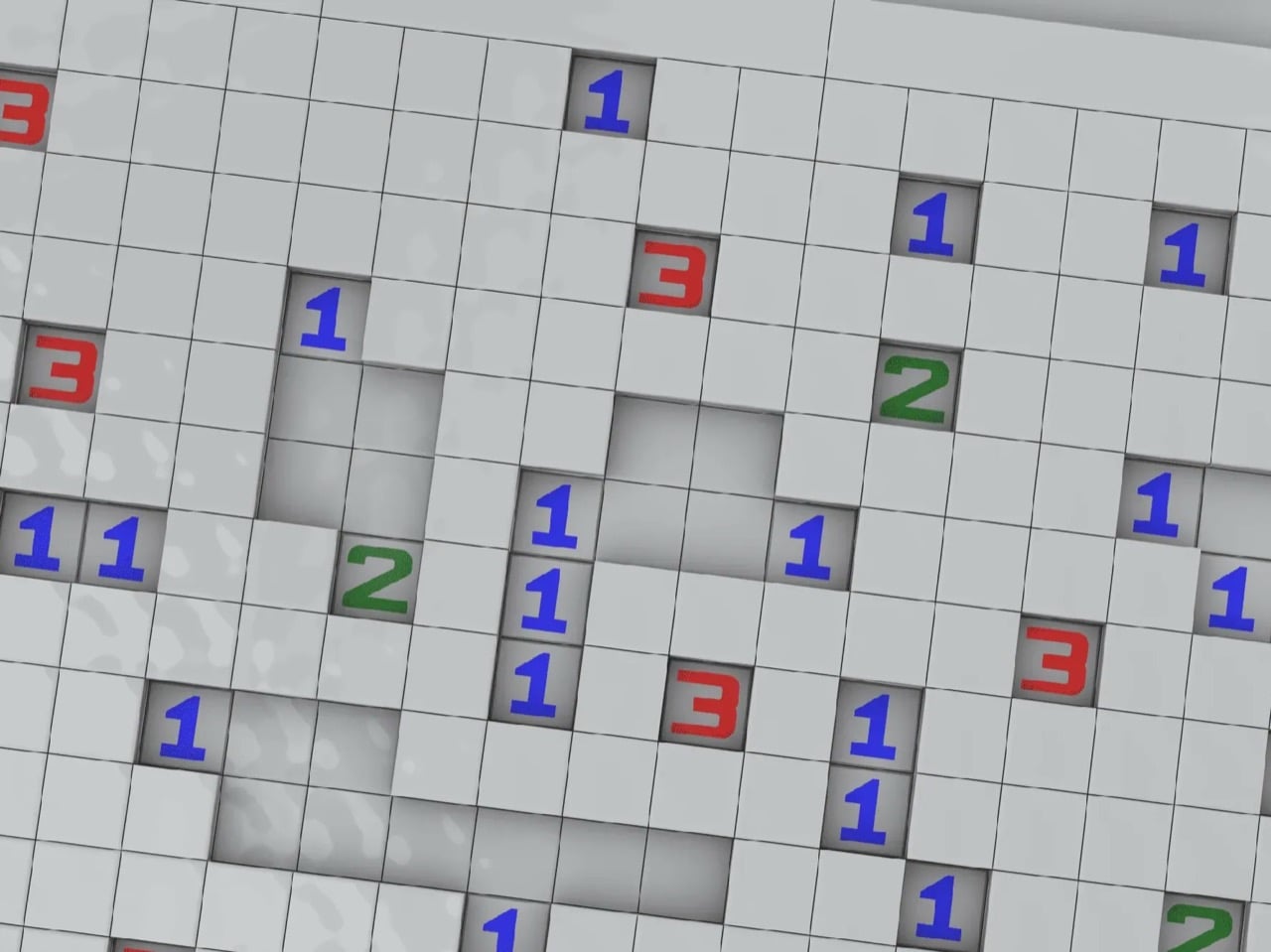
The build is designed to be customizable, which is a smart move given the nature of the game. Carlos mentions that builders could easily swap tiles to create their own puzzles, turning this from a static display piece into something you could actually interact with. Whether that means physically rearranging LEGO tiles to simulate a Minesweeper game or just using it as a conversation starter on your desk, the modularity adds a layer of functionality that elevates it beyond pure nostalgia bait.
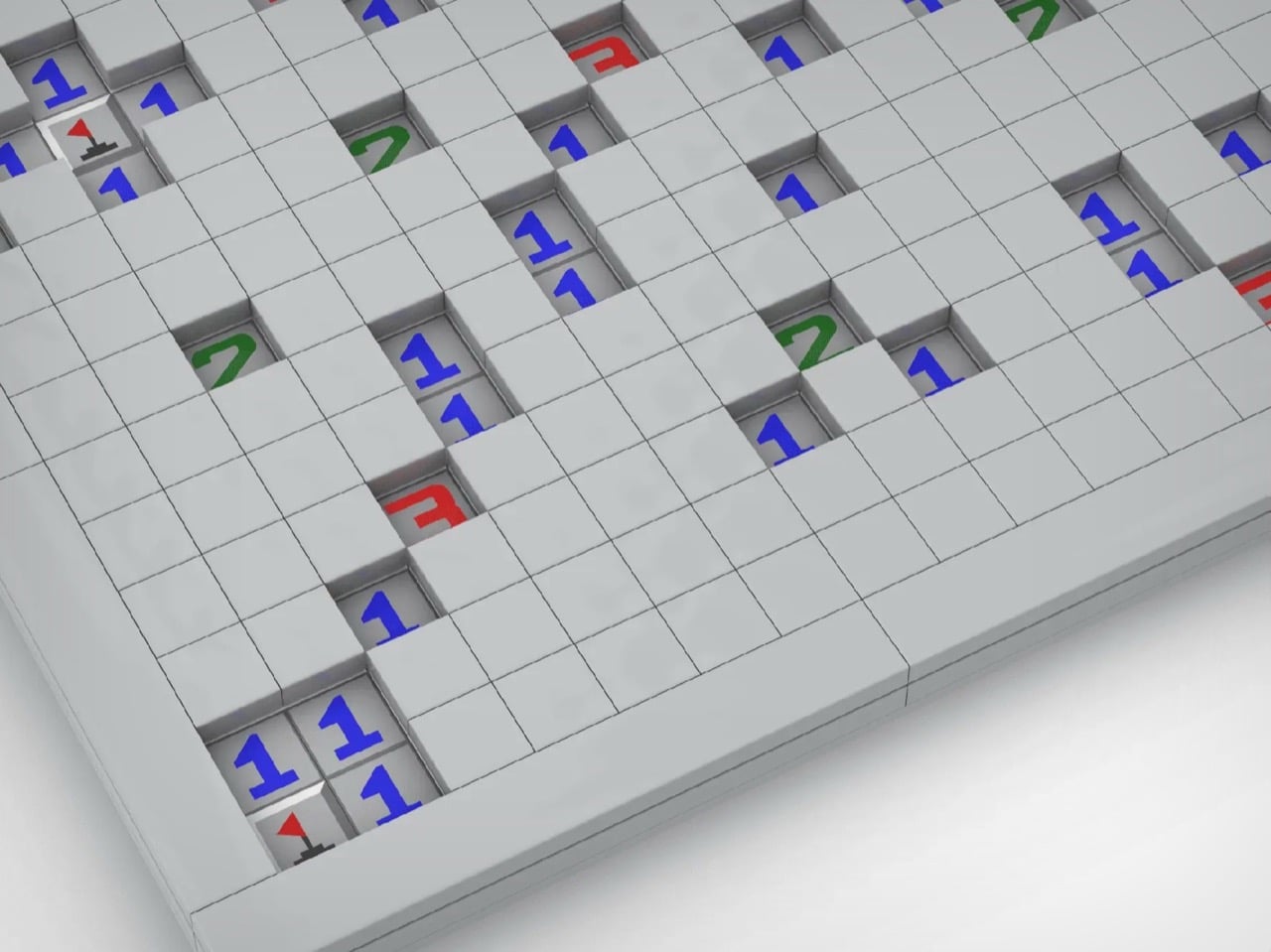
What makes this particularly appealing as a potential LEGO Ideas set is how perfectly it fits the “desk toy for adults who grew up with this stuff” category. It’s compact, rectangular, instantly recognizable, and carries enough cultural weight that anyone who spent time on a Windows PC between 1992 and 2012 will immediately get it. LEGO has leaned into retro tech and gaming nostalgia before with sets like the NES and the Atari 2600, and Minesweeper occupies that same cultural real estate. It’s a piece of digital history that defined an era of computing, rendered in a format that actually makes sense to build with bricks.
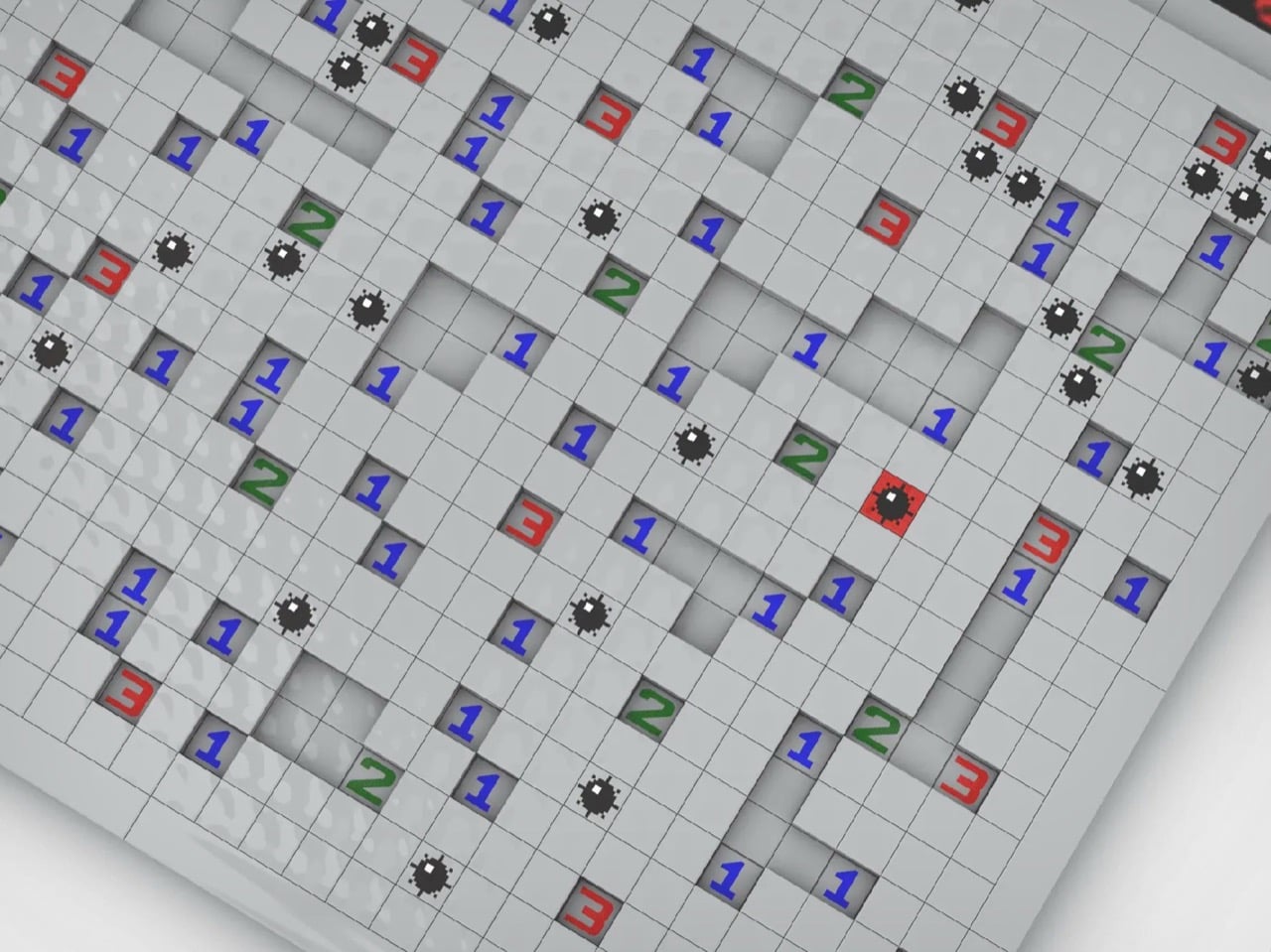
The MOC currently sits at just over 1,100 supporters on the LEGO Ideas platform, with 578 days left to reach the 10,000 vote threshold that triggers an official LEGO review. If this brings back memories of frantic clicking, pattern recognition, and the cold dread of accidentally right-clicking when you meant to left-click, head over to the LEGO Ideas page and cast your vote. Just try not to lose an entire afternoon doing it.