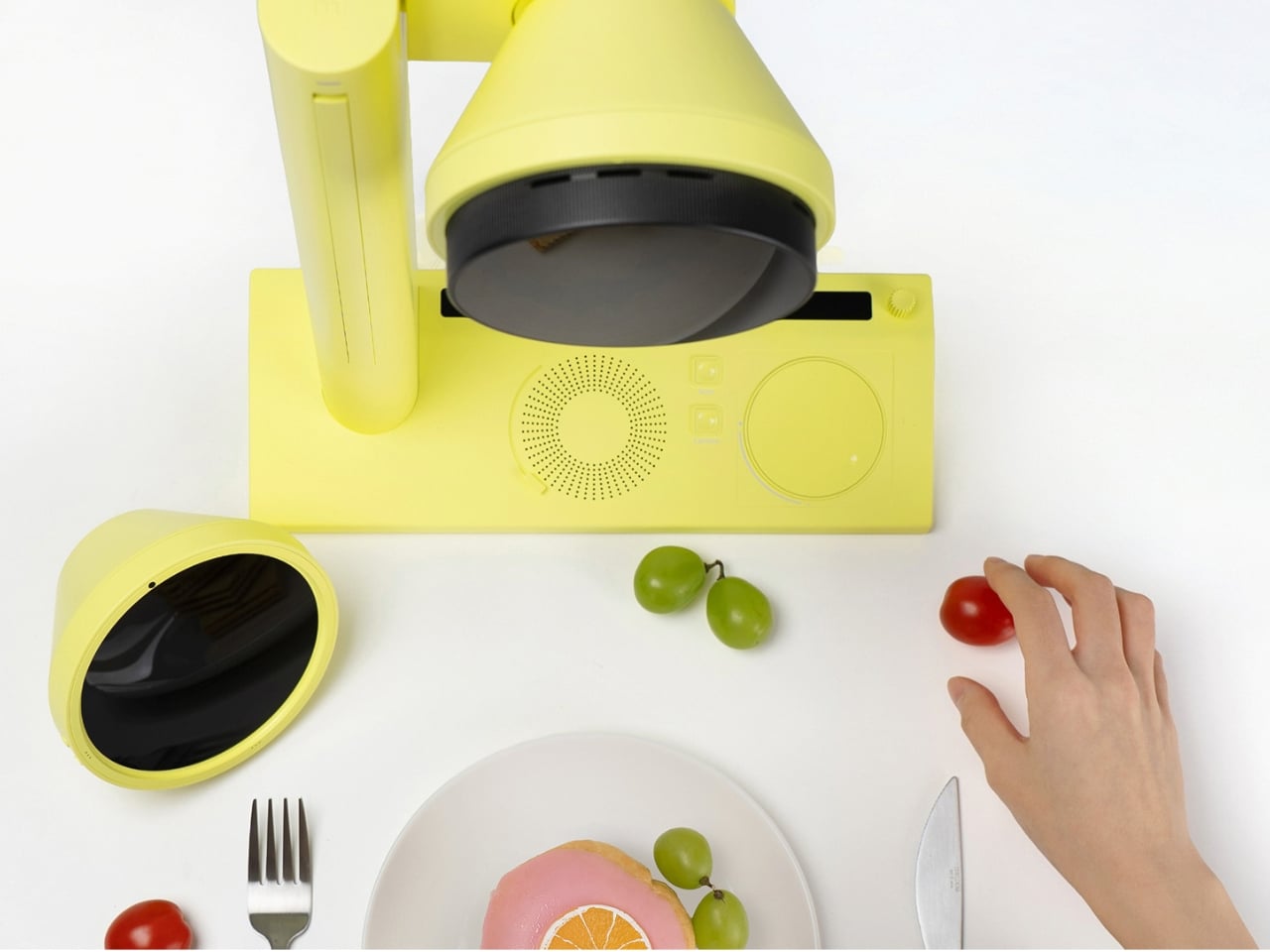

We’ve seen AI make itself comfortable in our music, our fashion, and our skincare routines. It was only a matter of time before it pulled up a chair at the dinner table. Kitune, a design concept by Seoul-based designer Jiyeon Choi, is exactly that moment, arriving in the form of a compact, butter-yellow device that looks more like a studio prop than a kitchen appliance. As a concept, it’s already asking a question that most kitchen technology doesn’t bother with: what if the way your food looks was just as personal as the way you dress?
The premise is deceptively simple. Food, Choi argues, has crossed well beyond the realm of taste and into the realm of visual expression. That’s a hard argument to push back on. You only need to spend thirty seconds on any social feed to see that the way a dish looks now carries as much cultural weight as what it actually tastes like. Plating is styling. Styling is identity. Food shows up in fashion editorials, in art installations, in luxury brand campaigns. It has become its own visual language, and Kitune is a concept built entirely around that reality.
Designer: Jiyeon Choi
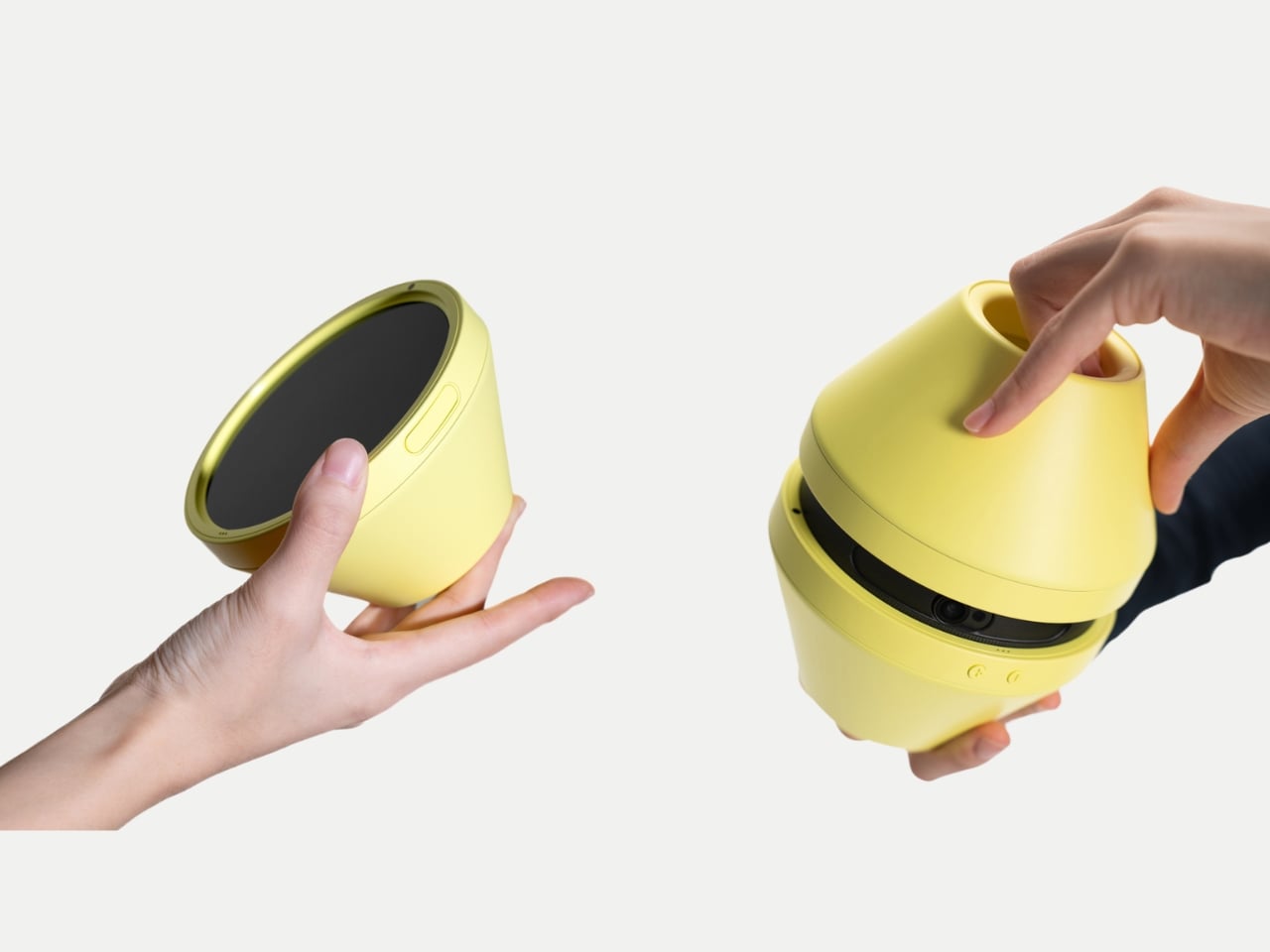
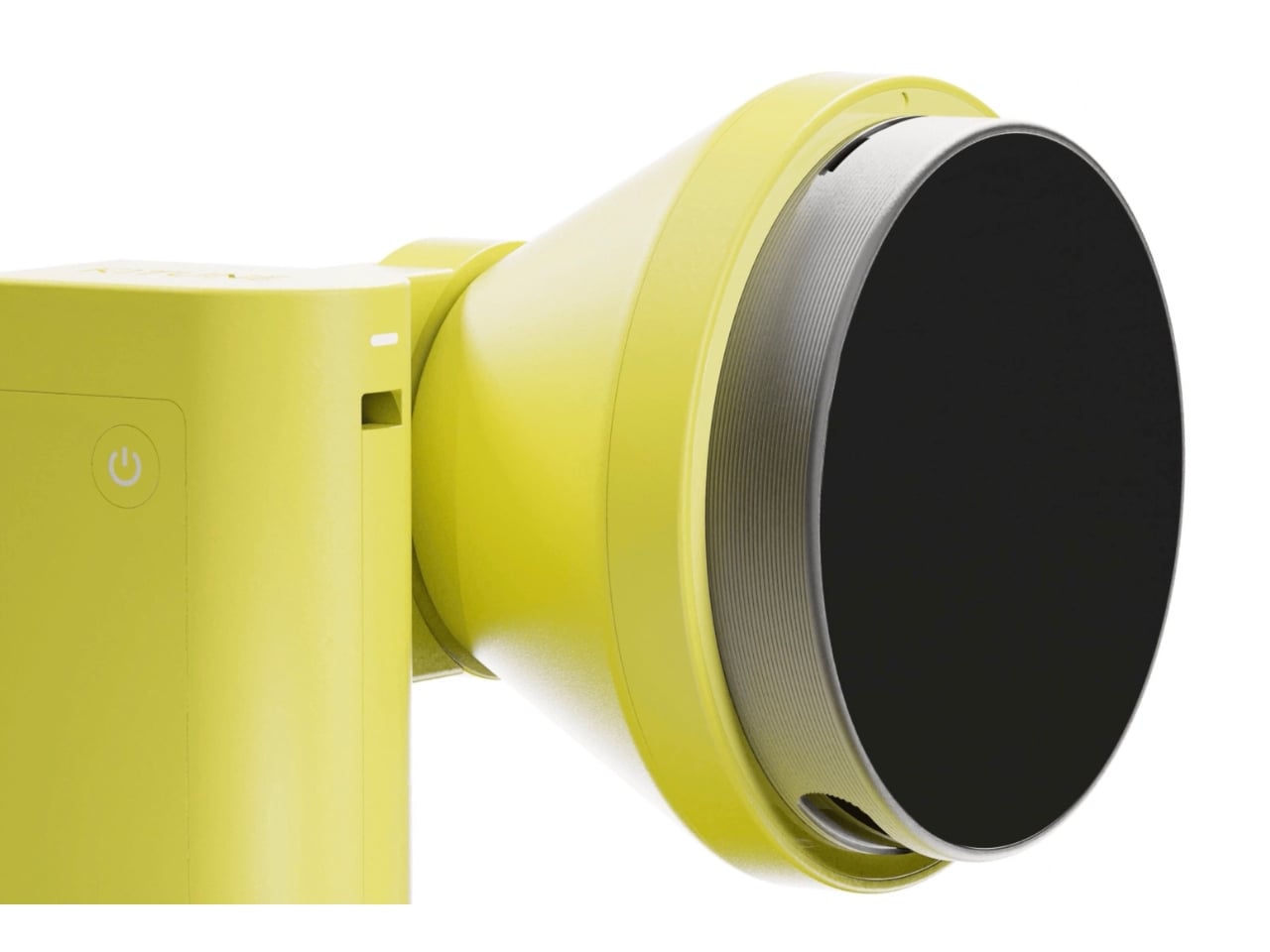
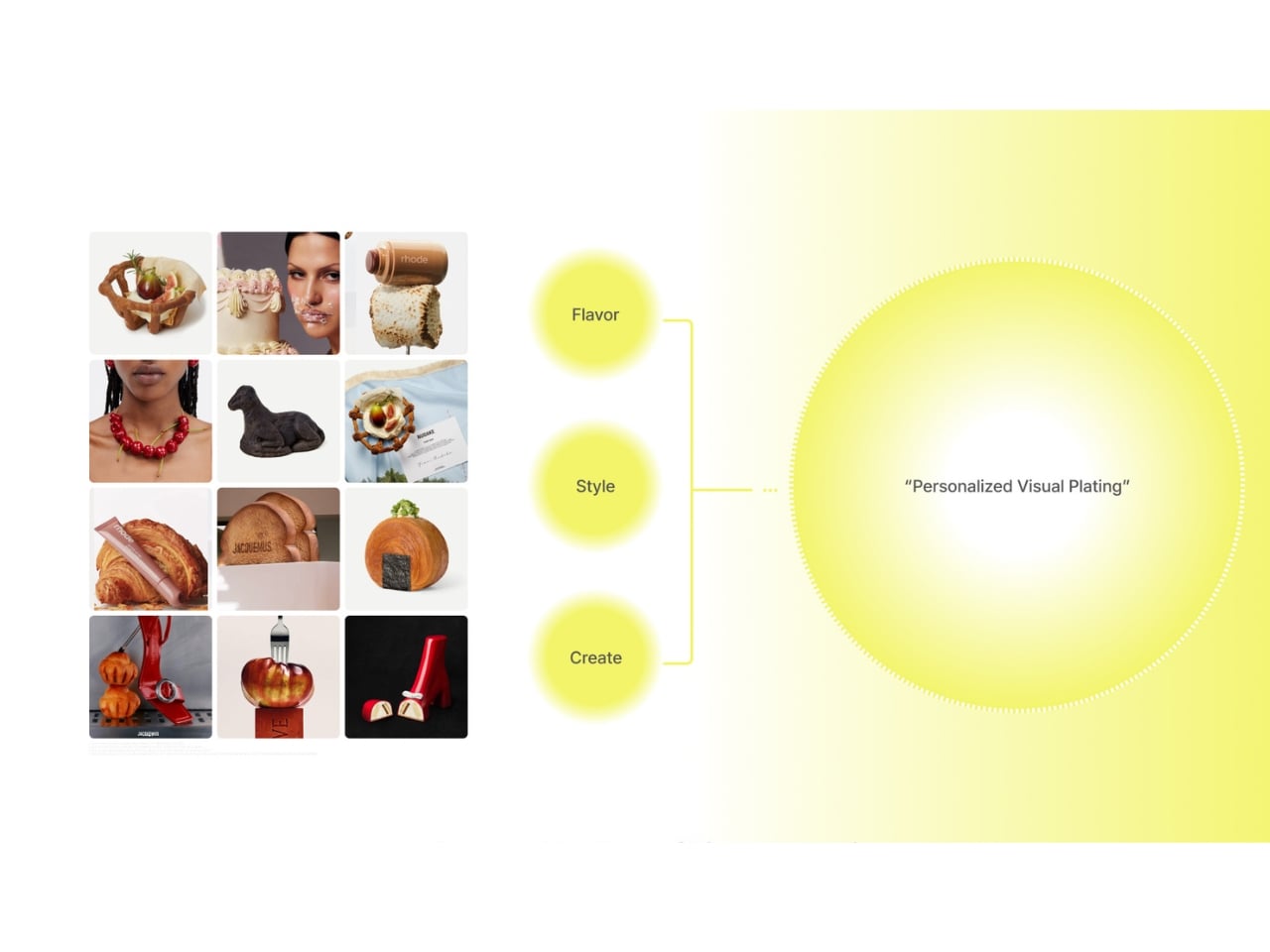
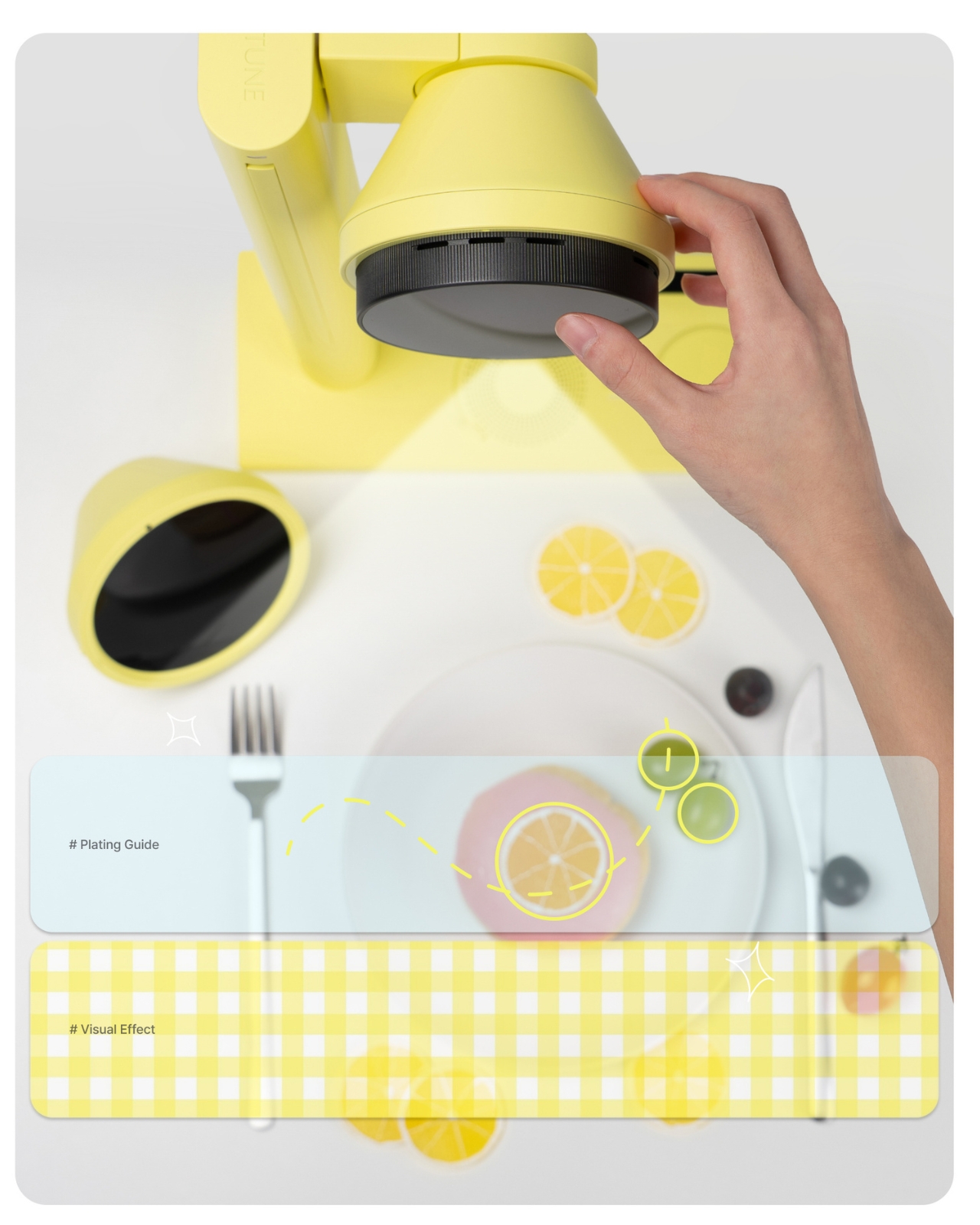
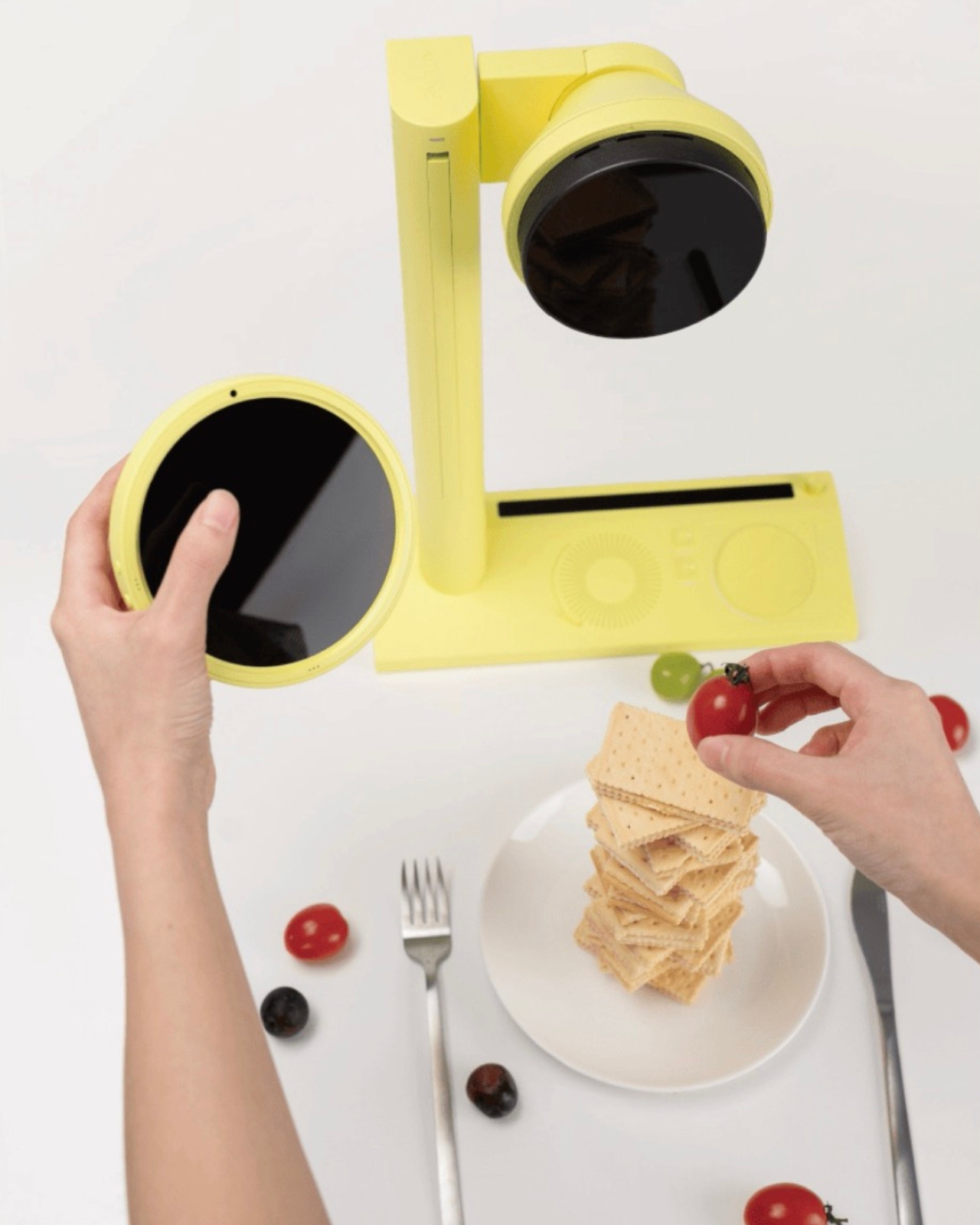
Here’s how the concept works. The device takes in personal data you’ve selected and tuned, your aesthetic preferences, your current mood, your lifestyle references, and uses it to generate a visual concept for how your dish should look. Not a vague suggestion, but a specific, styled direction. From there, a built-in projector casts a real-time plating guide directly onto your surface, showing you where each element should land. There are also mood-matched visual overlays that let you feel the overall atmosphere of the dish before you commit to placing a single garnish. It’s a feedback loop between your data and your plate.
That last part sounds theatrical, but I think that’s deliberately the point. Kitune isn’t trying to make you a more efficient cook. It’s trying to make cooking feel more like creative expression, and that’s a meaningful shift in what kitchen technology usually promises. Whether as a concept or an eventual product, that distinction matters.
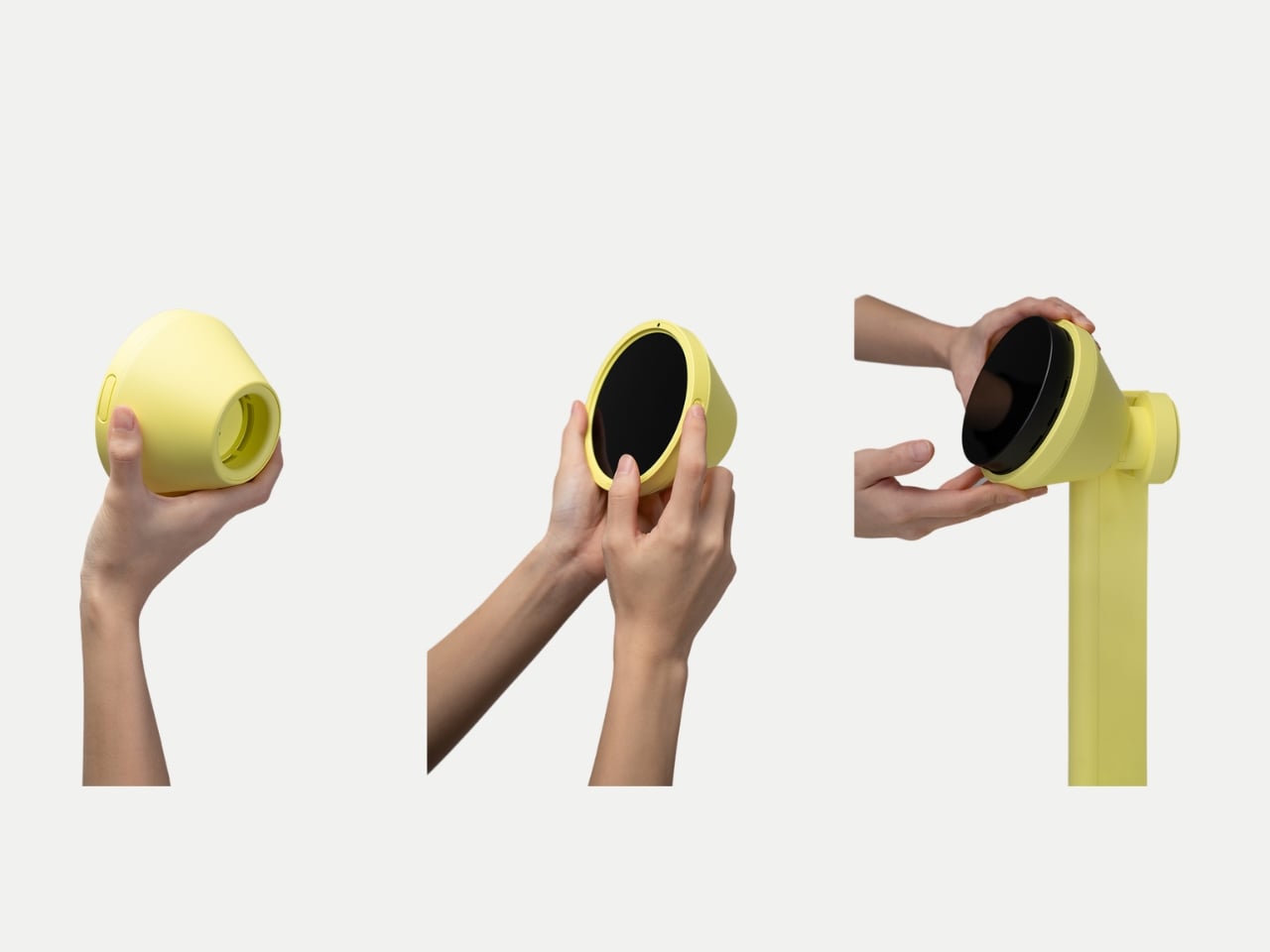
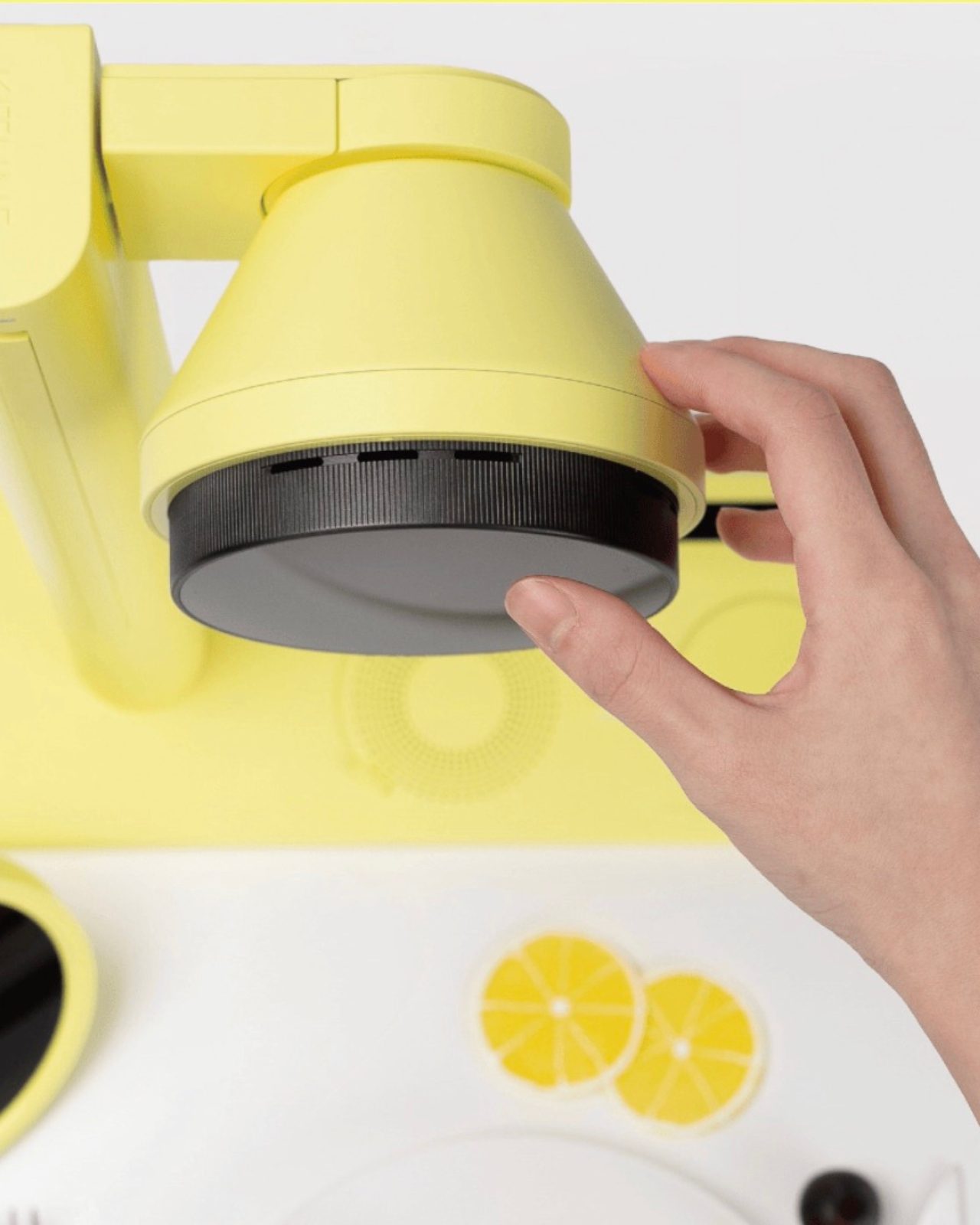
The hardware design is genuinely considered. Kitune is conceived as a portable device that works in two configurations: a handheld form for close, controlled work and a standing version where an arm suspends the projector above your plate. Both modes carry the same cheerful yellow finish, which matters more than it might seem. That color choice softens what could easily feel like cold, clinical AI tech in a space that’s historically been warm and human. It signals that this device belongs to the experience of cooking, not just the logistics of it.

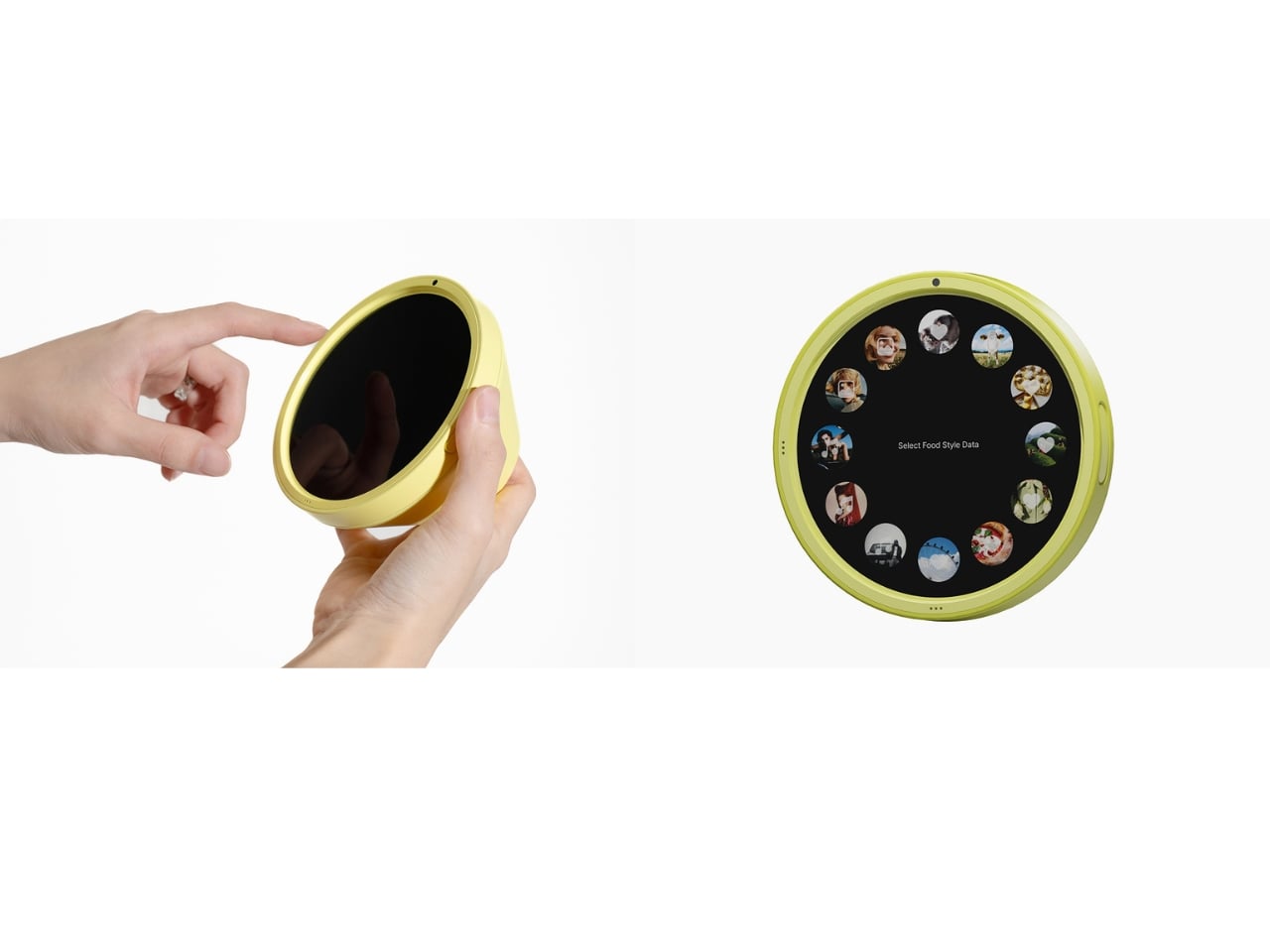
The interface is also worth attention. Instead of typing prompts or navigating flat touchscreen menus, the concept proposes interacting with a circular dial loaded with mood and lifestyle imagery that you physically rotate and select. It’s tactile, and that decision feels very deliberate. Choi seems to understand that the kitchen is not a place where people want to feel like they’re operating software. The interaction needs to feel as intuitive and sensory as the act it’s guiding.
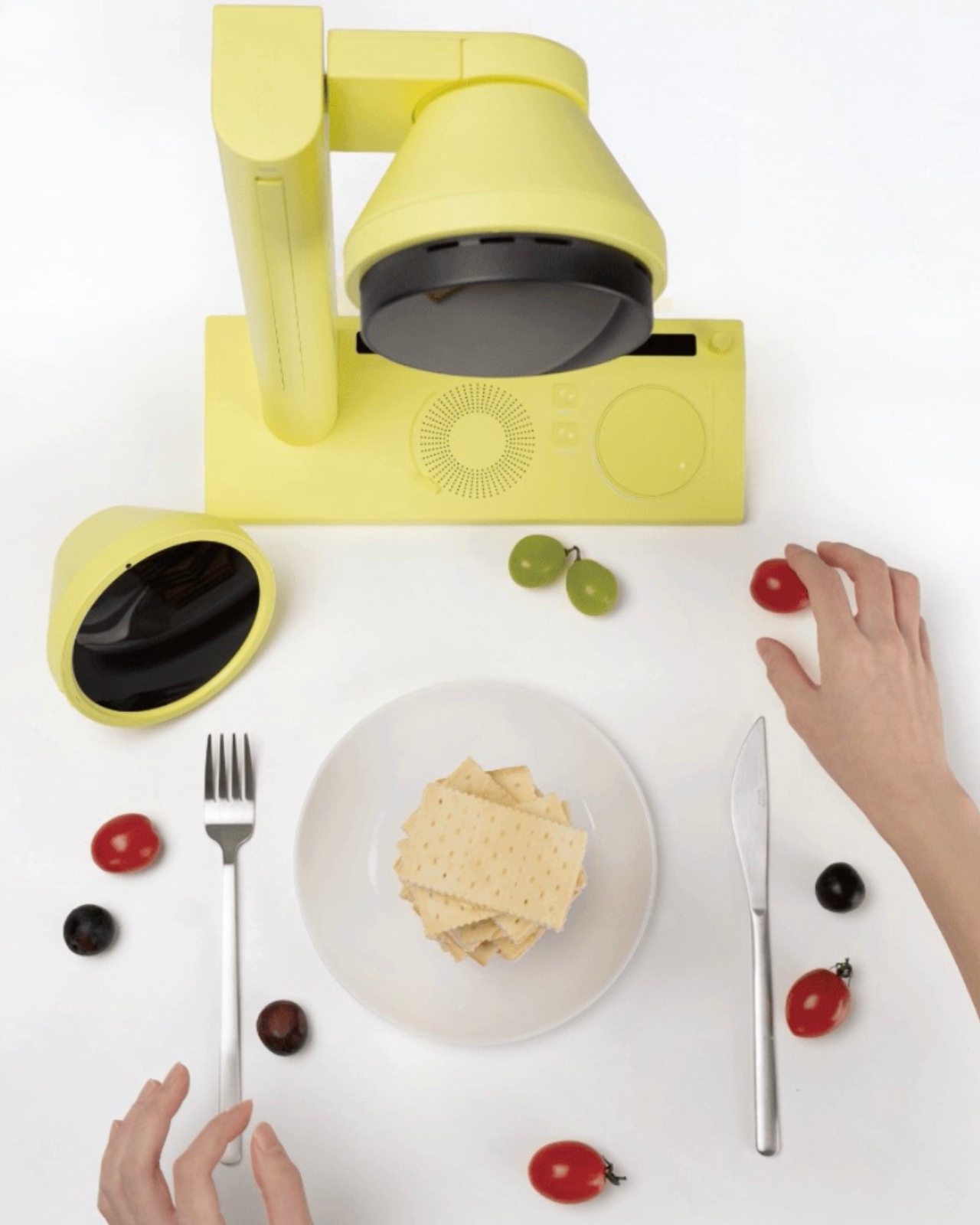
Where Kitune really makes its case as a concept is in how it reframes what personalization means. Most AI products personalize around efficiency, faster, smarter, more optimized. Kitune personalizes around feeling. The output isn’t a quicker route or a better recommendation. It’s a visual mood built from your data that’s meant to feel like you, on a particular day, in a particular state of mind. That’s a genuinely different kind of design ambition, and one that feels more honest about the role food actually plays in people’s lives.
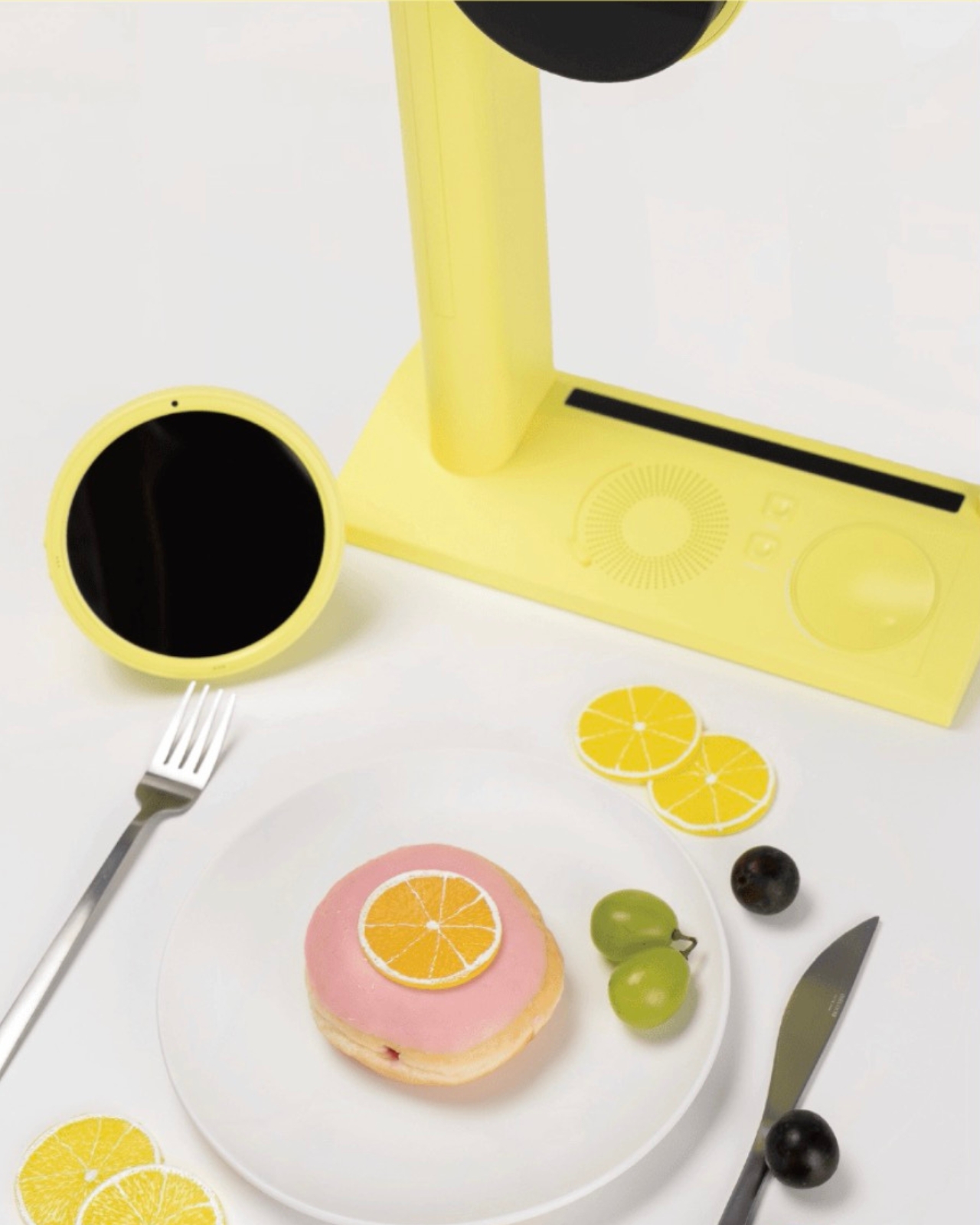
There are real questions the concept raises. How much data does it need to work well? Does it develop a sharper sense of you over time, or does each session reset? These are the practical gaps between a compelling concept and a working product. But Kitune doesn’t need to answer all of them right now to be worth paying attention to. As a design statement, it’s already saying something clear: that the future of kitchen technology might have less to do with what you’re cooking, and a lot more to do with how it makes you feel.