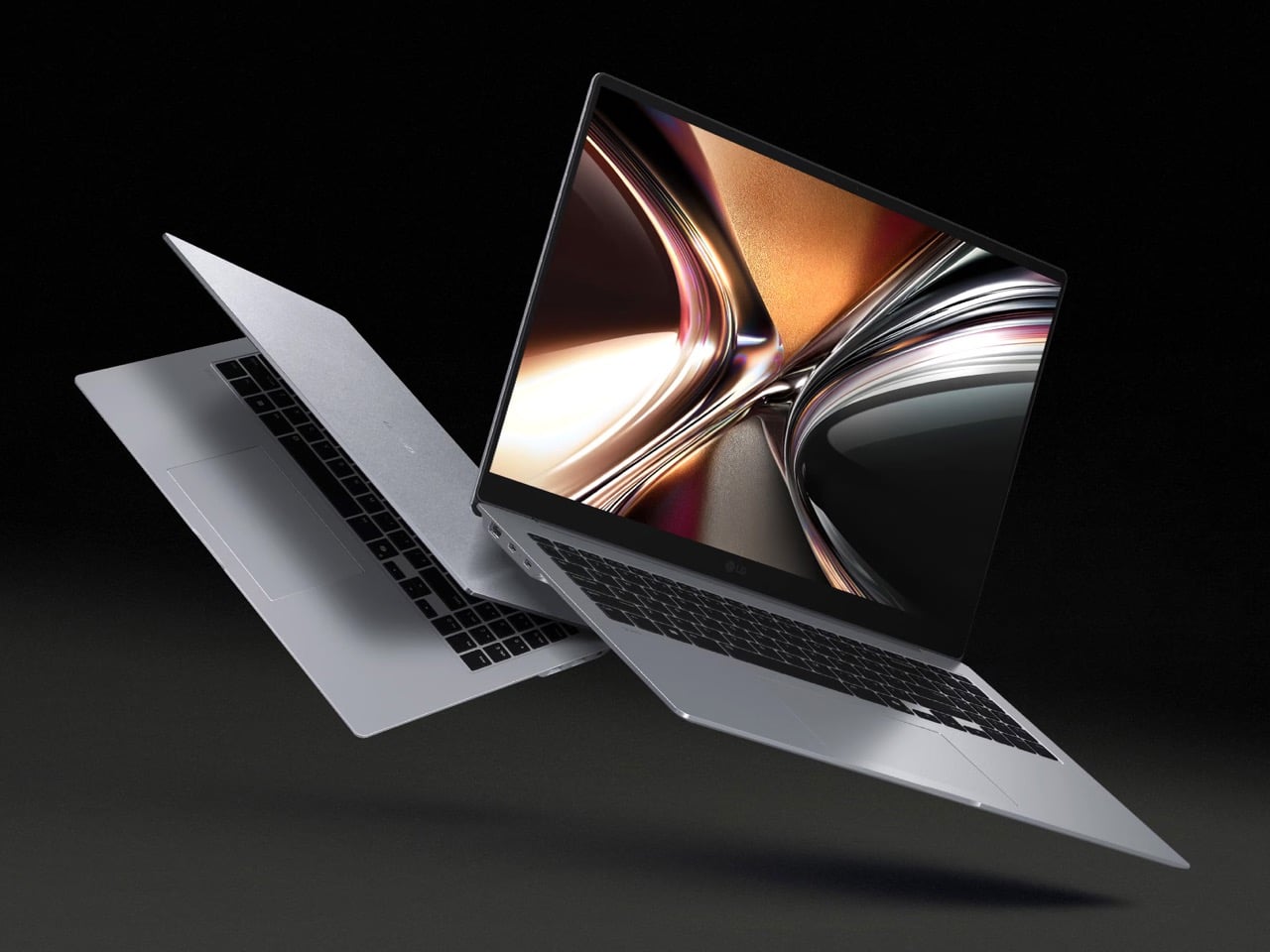

Every laptop manufacturer promises lighter builds, but most of them cheat. They shrink the battery, strip out ports, swap metal for plastic, or just make the screen smaller and call it progress. Real weight reduction without compromise requires inventing something new at the molecular level, which is exactly what LG did. The company spent the last year developing Aerominum, an in-house engineered alloy designed to be simultaneously lighter and stronger than the magnesium chassis that defined the gram line for a decade. The result is a 16-inch laptop with a 120Hz OLED display that weighs under 1.2 kilograms, a figure that sounds like a typo until you actually pick one up.
LG introduced three new gram models this week, all built on the Aerominum chassis: a 14-inch variant with Intel Panther Lake, a 17-inch with 32GB of RAM and an optional NVIDIA RTX 5050 GPU, and the headliner gram Pro 16. The Pro 16 pairs its sub-1.2kg weight with a 2,880 x 1,800 OLED panel running at 120Hz, powered by Intel’s latest Core Ultra processors. LG claims the new alloy meets military-grade durability standards while delivering scratch resistance that previous gram models couldn’t match. If the engineering holds up under real-world use, this could finally be the laptop that breaks the portability ceiling for 16-inch displays.
Designer: LG
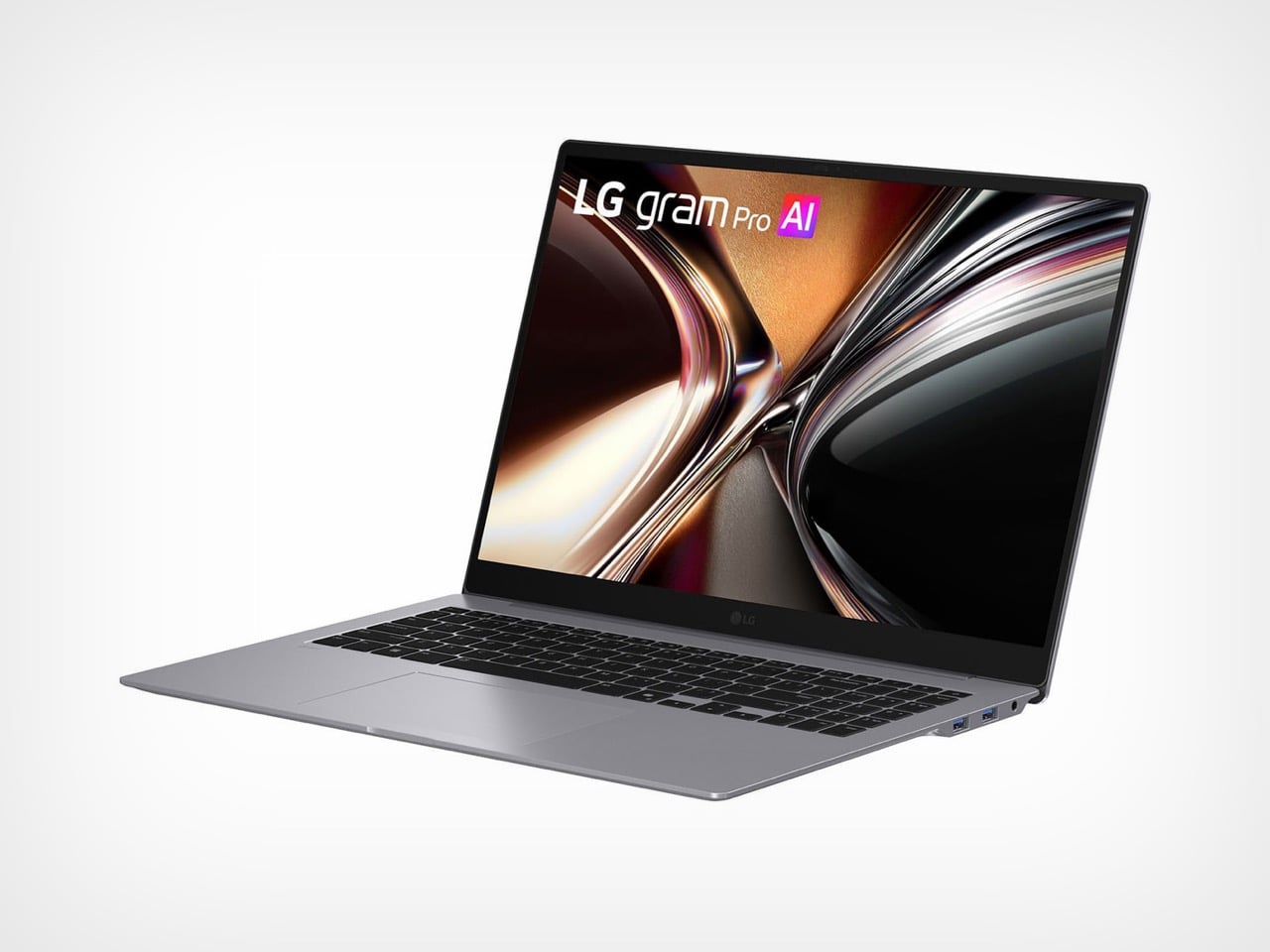
Aerominum replaces the magnesium alloy LG has used across the gram lineup since 2015, when the series first launched internationally. The new material uses what LG calls an “aeroplate structure,” a term that suggests internal geometry optimization rather than just a change in chemical composition. The company also applies a refined atelier brushing technique to the surface, delivering a metallic finish that looks premium without adding the typical weight penalty of anodized aluminum. The scratch resistance claim addresses one of the most consistent criticisms leveled at ultralight laptops over the years: magnesium chassis tend to show wear quickly, and previous gram models were no exception. Whether Aerominum actually solves that problem will depend on how it holds up after six months in a backpack, but the intent is clear.
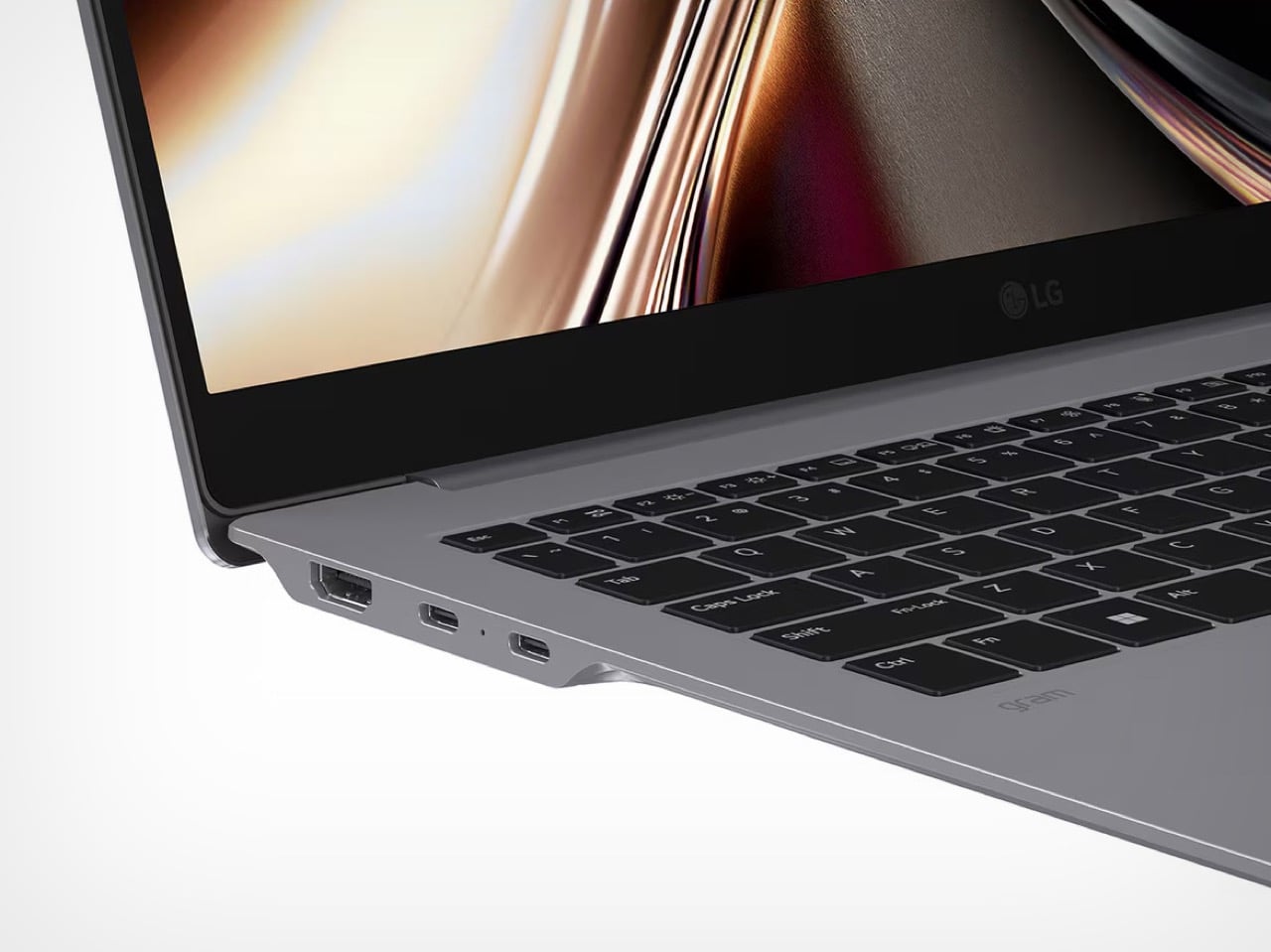

The gram Pro 16 carries a 2,880 x 1,800 OLED display with a 120Hz refresh rate, a resolution LG markets as WQXGA+. The OLED panel is the differentiator here. LG’s 17-inch model uses an IPS display, which keeps costs down but sacrifices contrast and color depth. The Pro 16 gets the premium screen treatment, and pairing that with a 120Hz refresh rate makes it viable for light creative work and high-refresh browsing without needing discrete graphics. Intel’s Core Ultra processors handle the computing side, though LG hasn’t disclosed specific SKUs yet. The company does confirm support for both on-device AI (via LG’s gram chat powered by EXAONE 3.5 sLLM) and Microsoft Copilot+ PC functionality, which requires certain minimum performance thresholds that narrow down the chip options.
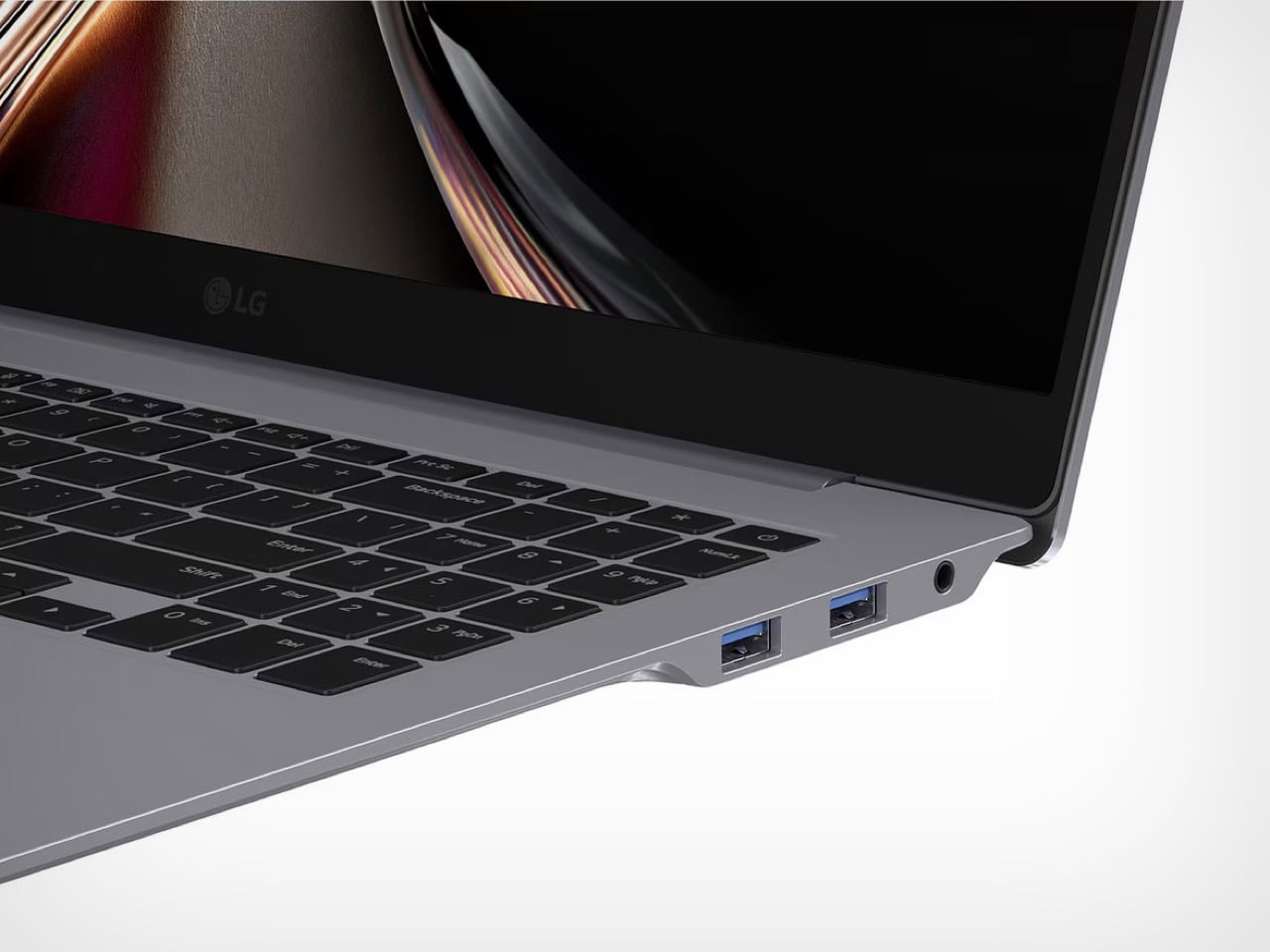
Weighing under 1.2 kilograms puts the gram Pro 16 in the same weight class as most 13-inch ultrabooks, which is absurd for a machine with a 16-inch OLED display. For context, Apple’s 13-inch MacBook Air with M3 weighs 1.24 kg. The Dell XPS 16 sits closer to 2.1 kg, and even Lenovo’s ThinkPad X1 Carbon (a 14-inch machine) weighs 1.19 kg. LG has been chasing this kind of weight advantage since the gram line launched over a decade ago, and Aerominum is the material innovation that finally closed the gap.


The gram Pro 16 will compete directly with premium Windows ultrabooks from Dell, Lenovo, and ASUS, all of which have been adding OLED options to their flagship models over the past two years. LG’s advantage is weight. The weakness, historically, has been GPU performance and pricing. The Pro 16 skips discrete graphics entirely, which will limit its appeal to anyone doing serious video editing or 3D work. Pricing hasn’t been announced yet, but previous gram Pro models launched at premium price points that undercut Apple while overshooting most Windows competitors. If LG can keep the Pro 16 under $2,000, it becomes a legitimate alternative to the MacBook Pro 16. If it creeps past that threshold, the weight advantage starts to feel like an expensive novelty.