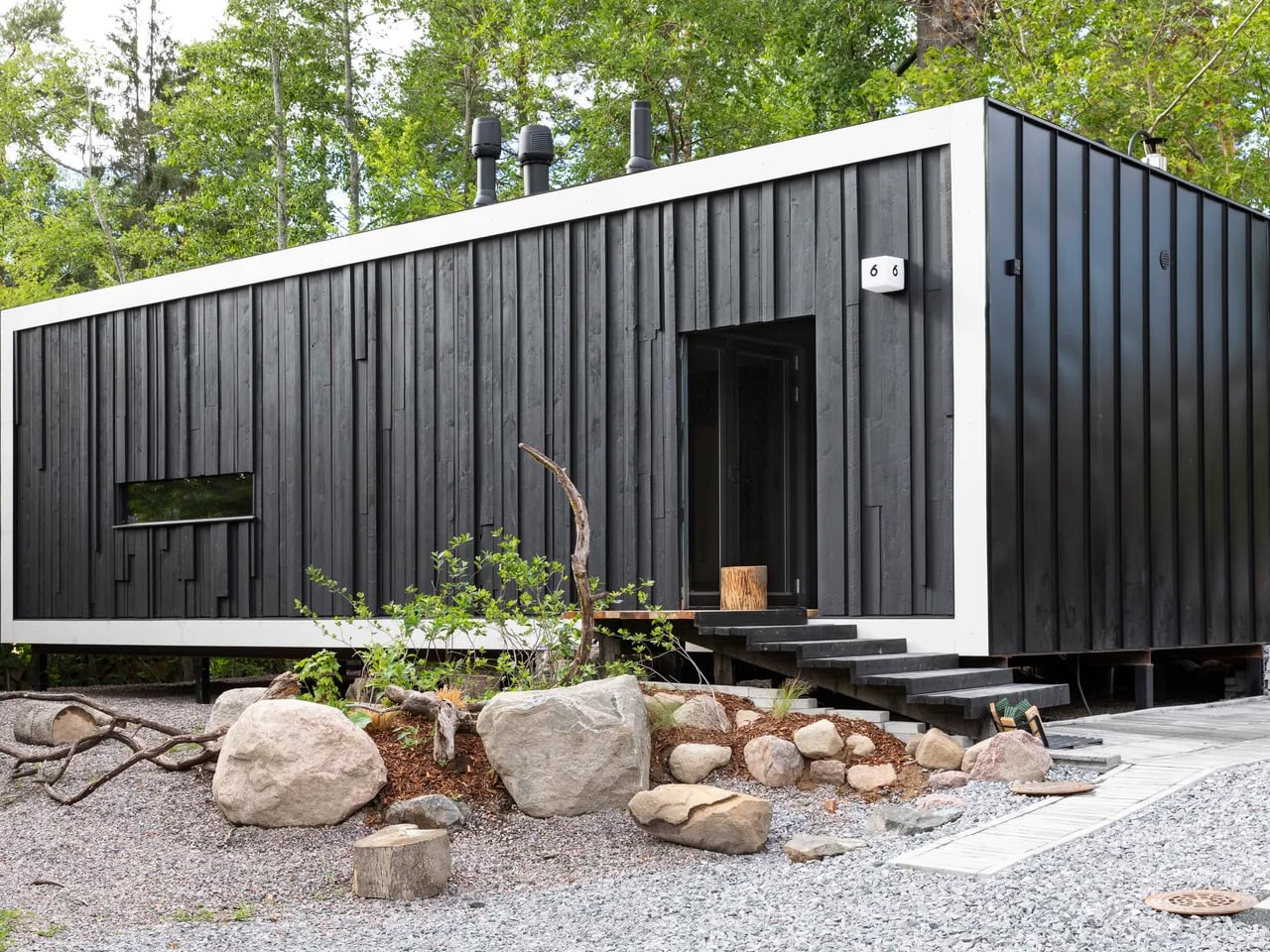

Most architects study sustainable housing. Matti Kuittinen actually lives in it. The Aalto University professor and architect didn’t just design the Tiny House Shadow as a thought experiment. He built it in Lohja, Finland, about 40 miles from Helsinki, moved his family in, and made it his primary residence. The result is one of the most provocative arguments for a different kind of future that architecture has produced in years.
The numbers are the opening statement. At just 365 square feet, Shadow is built from 56% recycled or reused materials: old fishing nets for flooring, scrap steel for the frame, recycled car tires for the roof, upcycled windows and doors, and insulation made from recycled glassware. What isn’t salvaged is responsibly sourced, including fossil-free steel. The house uses 85% fewer resources than a conventional home, 43% less land, and delivers a 53% smaller carbon footprint per resident. For Kuittinen, these aren’t talking points. They’re proof of concept. “We have a limited carbon budget,” he has said. “Construction must learn to stay within it.”
Designer: Matt Kuittinen
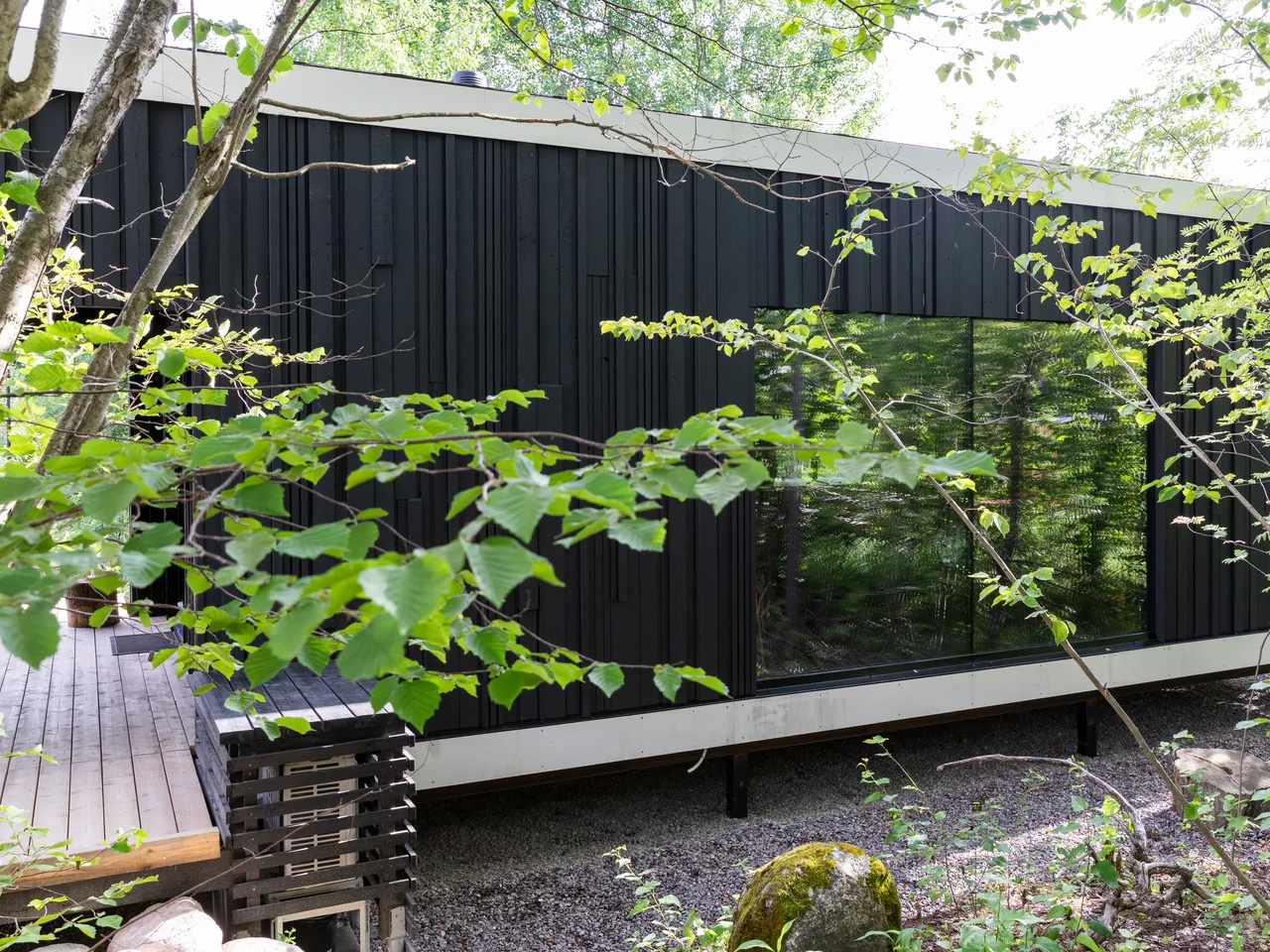
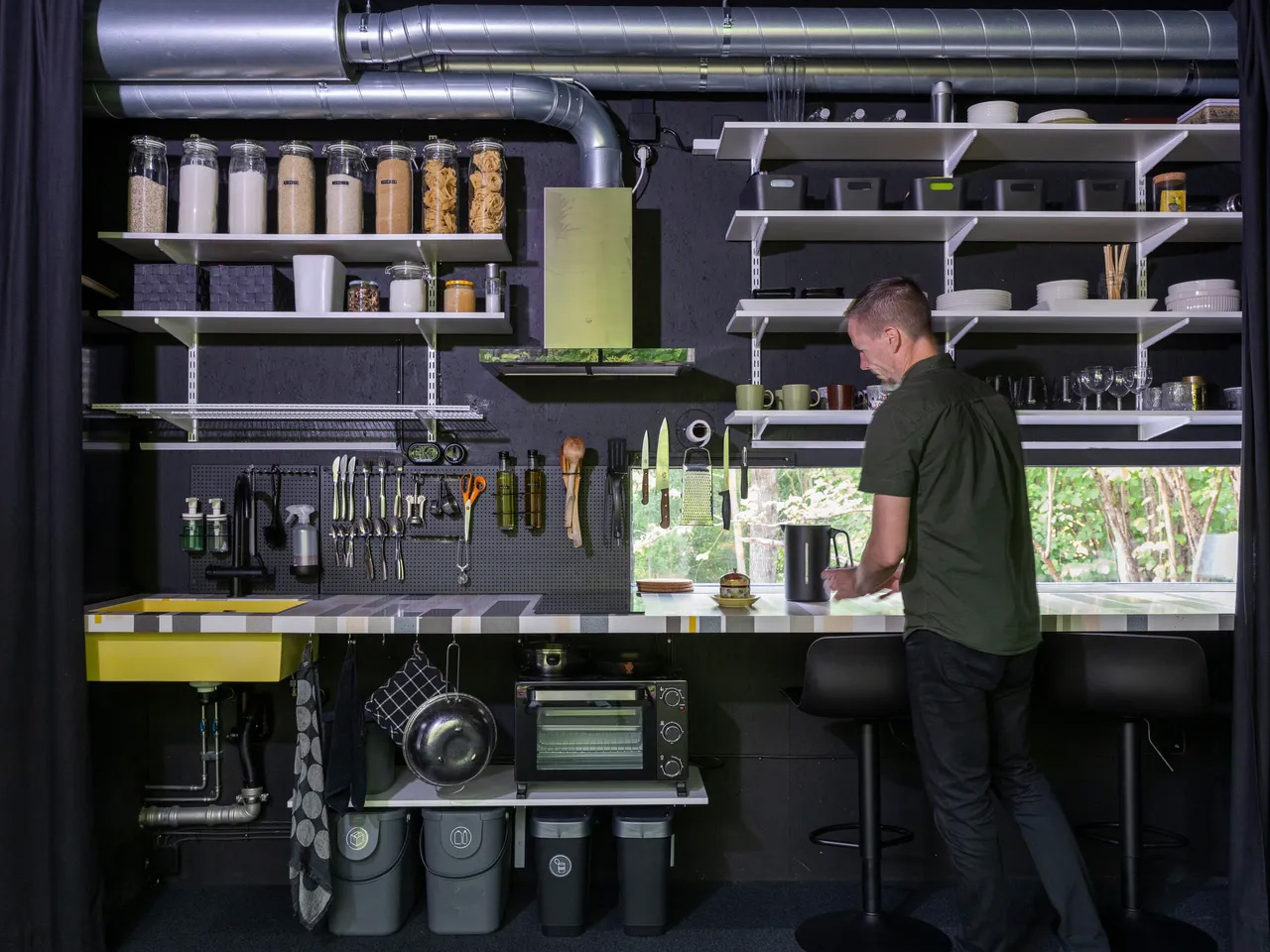
The name comes from Jun’ichirō Tanizaki’s 1930s essay In Praise of Shadows, in which the Japanese writer reflected on the quiet beauty of darkness and restraint. The metaphor tracks. Shadow is literally built from what the linear economy discarded, a home made from the world’s leftovers, dressed in matte black, standing still and serious against the Finnish landscape. The exterior reads as avant-garde. The interior is equally deliberate.
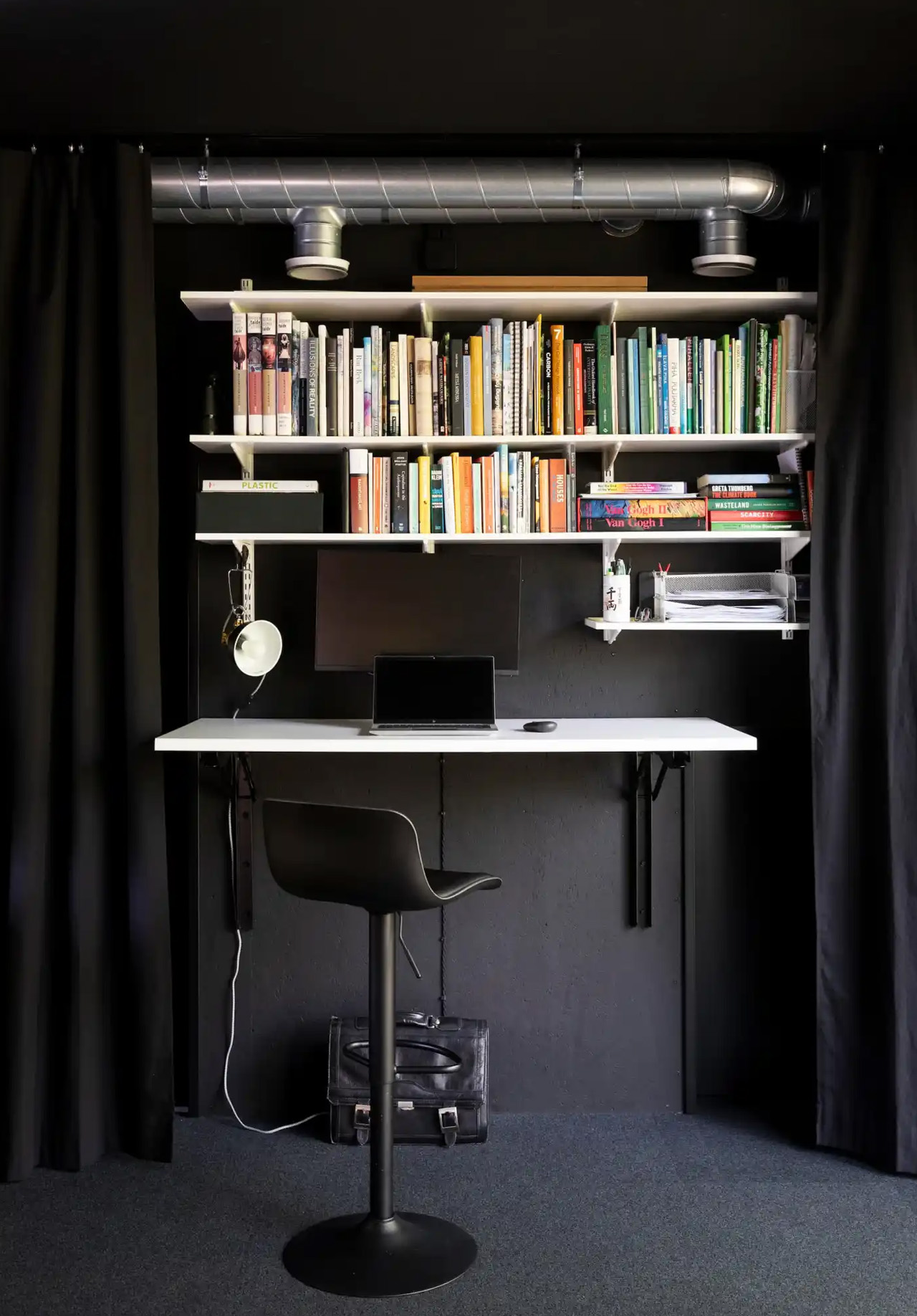
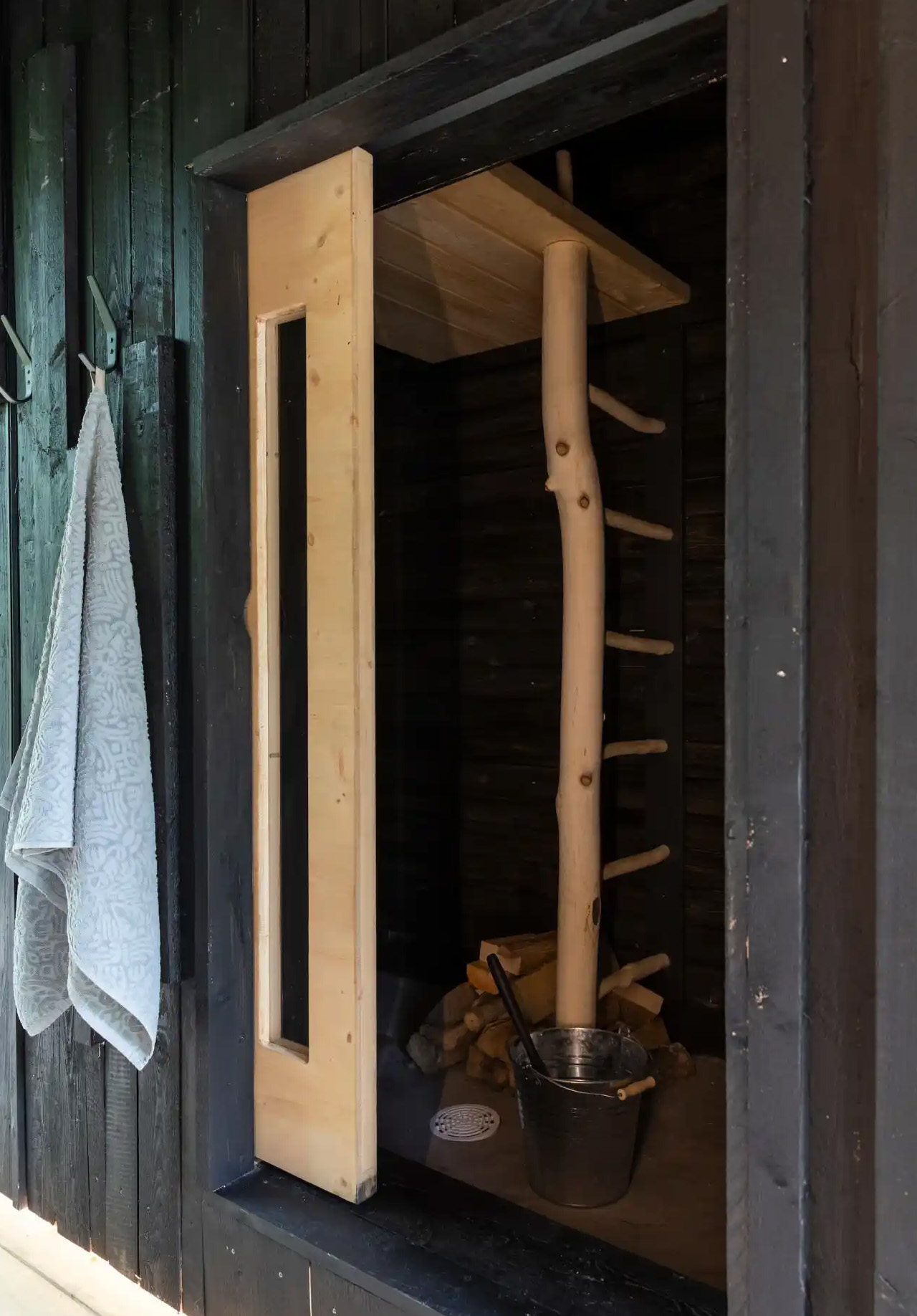
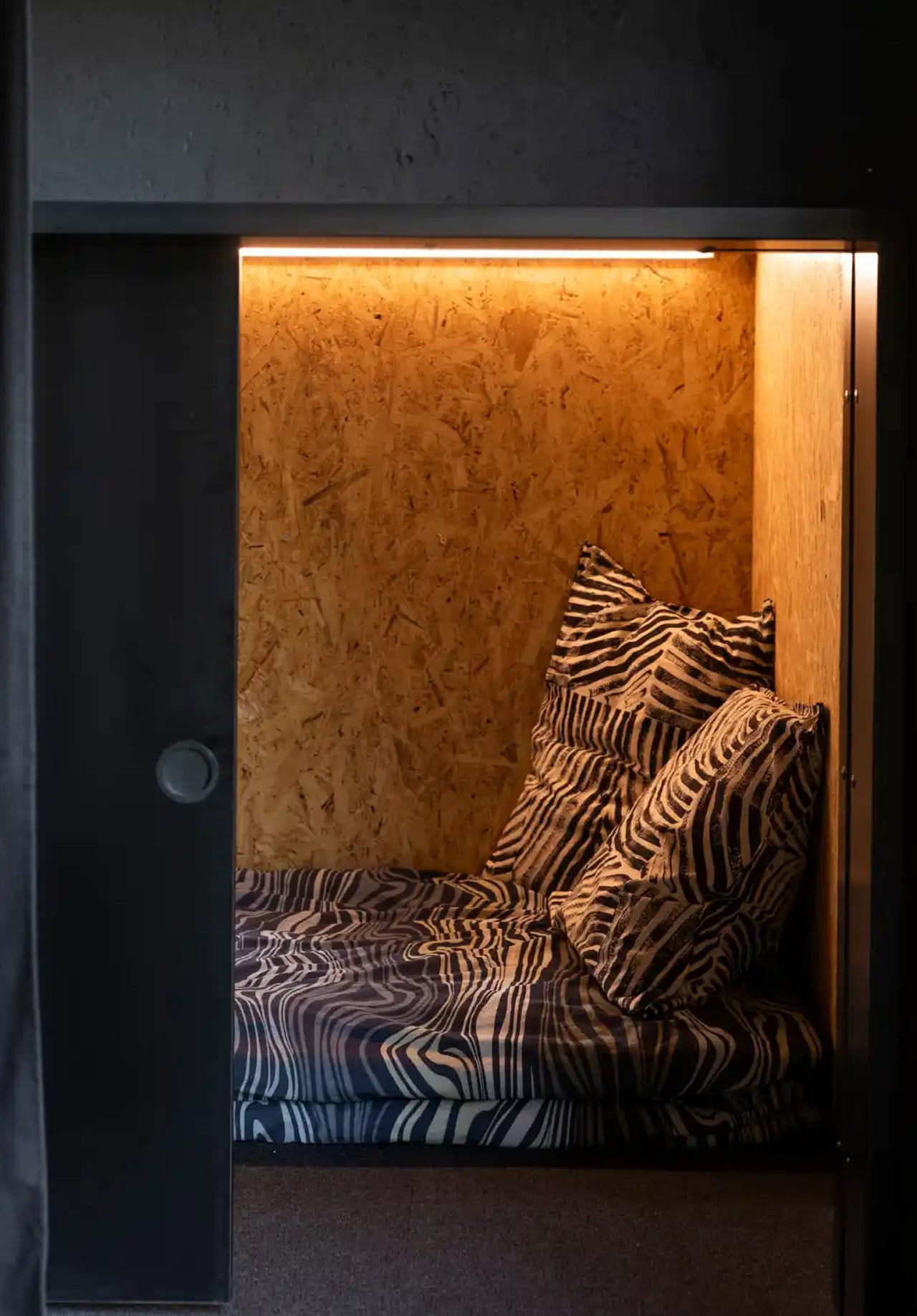
Inside, minimalism operates as a lifestyle logic, not just an aesthetic. The main living area transforms between working, dining, and sleeping through heavy black curtains that divide the space without walls. Sleeping pods take cues from Japanese capsule hotels and stack vertically to save floor space. The kitchen runs on open shelving instead of cabinets. There’s a full bathroom and, true to form, a 22-square-foot wood-fired sauna. Every square foot earns its place. Construction took four months; the full project, from first drawing to moving in, took one year.
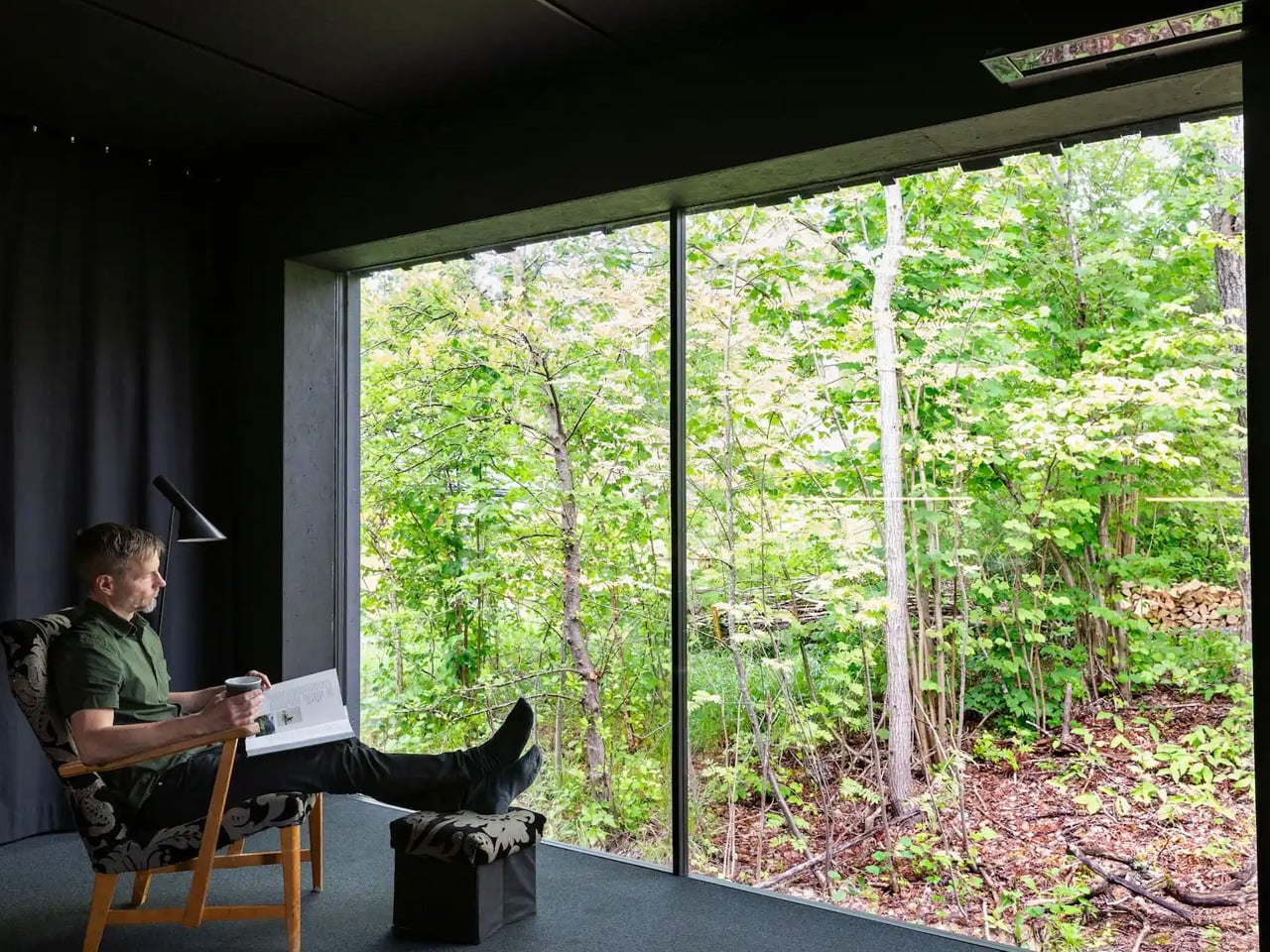
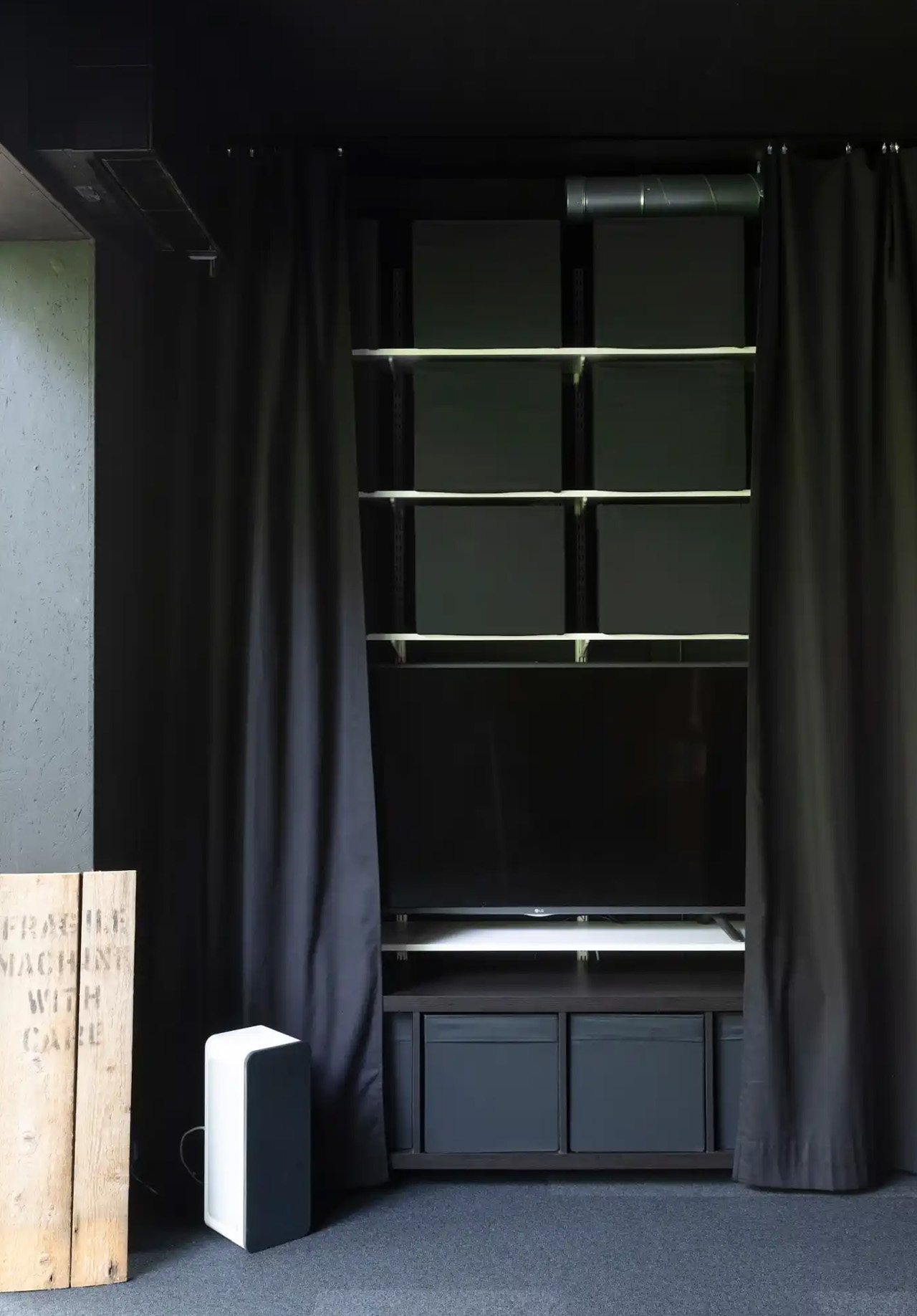

Shadow has since been exhibited at construction fairs as a working prototype and featured in Aalto University’s Designs for a Cooler Planet exhibition. Kuittinen is clear that the project is bigger than one house. “Shadow proves that recycled and low-emission materials can work at scale,” he says. “This isn’t just about one house. It’s about changing the whole mindset of construction.” In 365 square feet, he’s making a very large point.