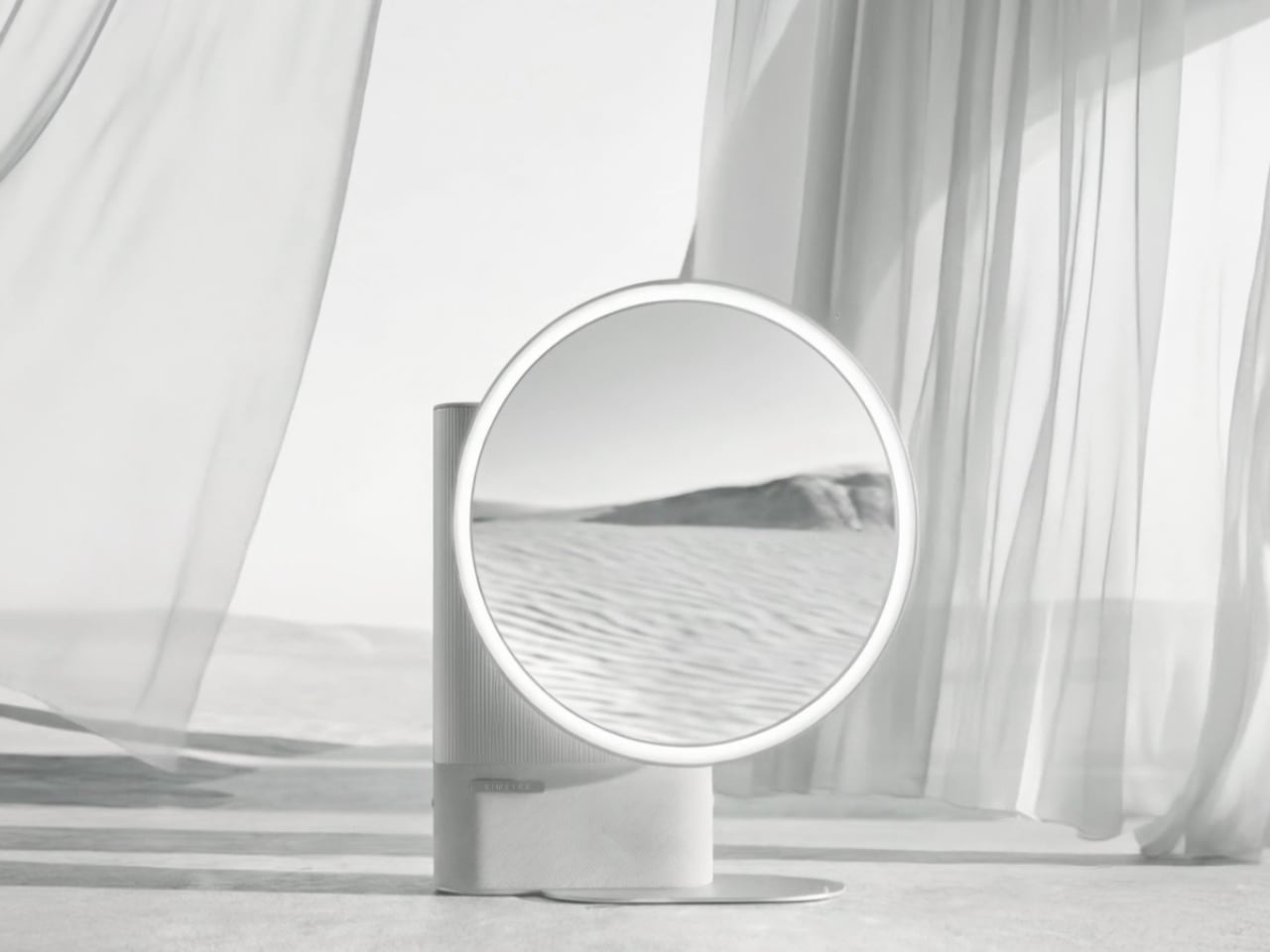

Most of us have a complicated relationship with mirrors. We lean in too close, angle our phones for better lighting, and still walk away unsure whether that new moisturizer is actually doing anything. The SIMETRA AI Mirror, designed by Second White, is betting that the problem was never us. It was the mirror itself.
At its core, SIMETRA is a skin analysis system disguised as beautiful bathroom furniture. It reads light, image, and depth data in real time, translating what it sees into precise, actionable feedback about your skin. Not vague impressions. Not generic advice about drinking more water. Actual, measurable intelligence about what’s happening on your face right now, tuned specifically to you.
Designers: Second White
That shift from passive reflection to active analysis feels genuinely significant. The mirror has been one of the least-changed objects in domestic life. For centuries, it asked nothing of us and gave us only what we brought to it. SIMETRA breaks that contract quietly but completely. It observes, interprets, and responds. Whether you find that exciting or slightly unnerving probably says a lot about where you land on the broader AI conversation. From a pure design and utility standpoint, it’s a compelling leap.
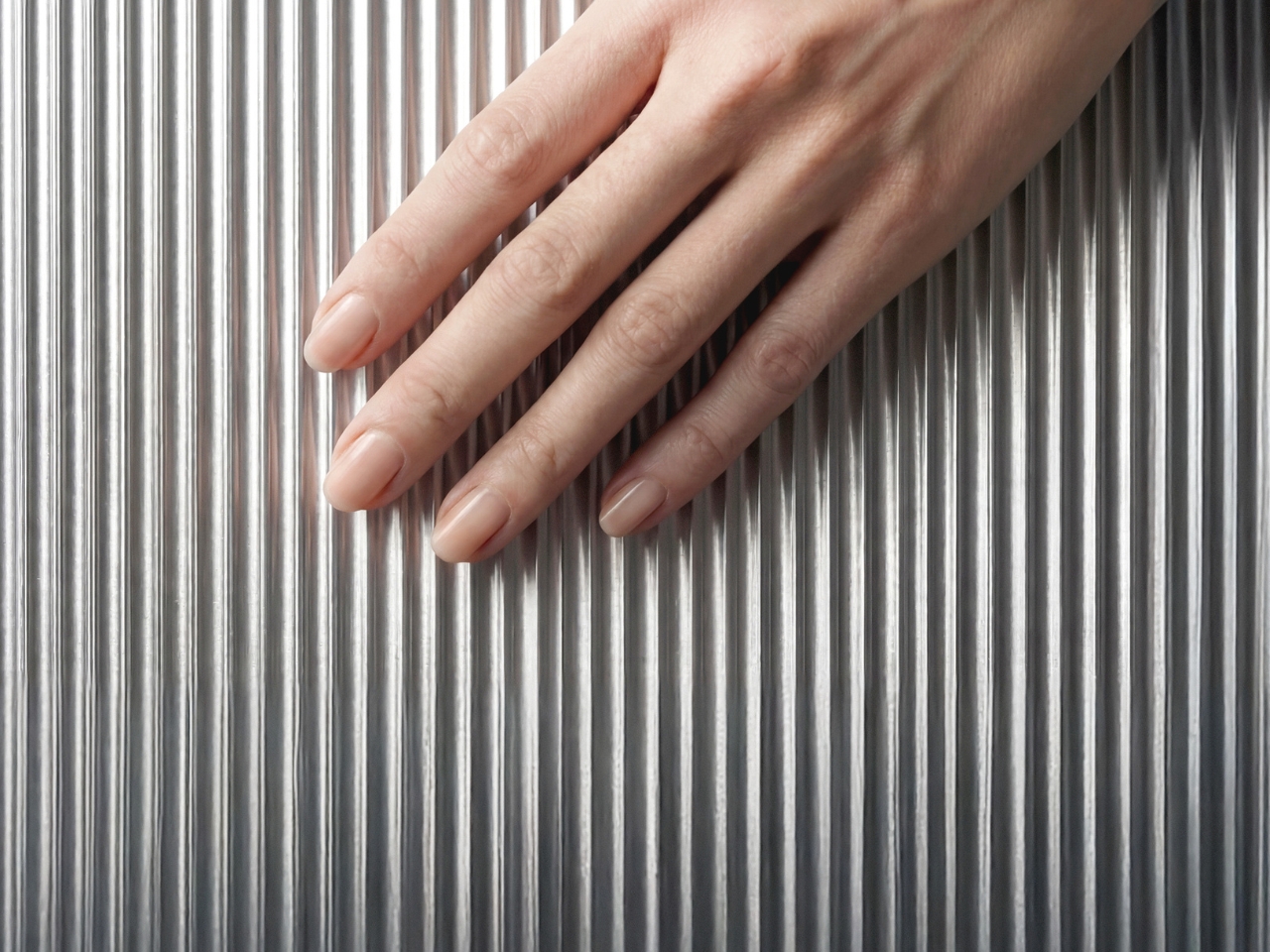
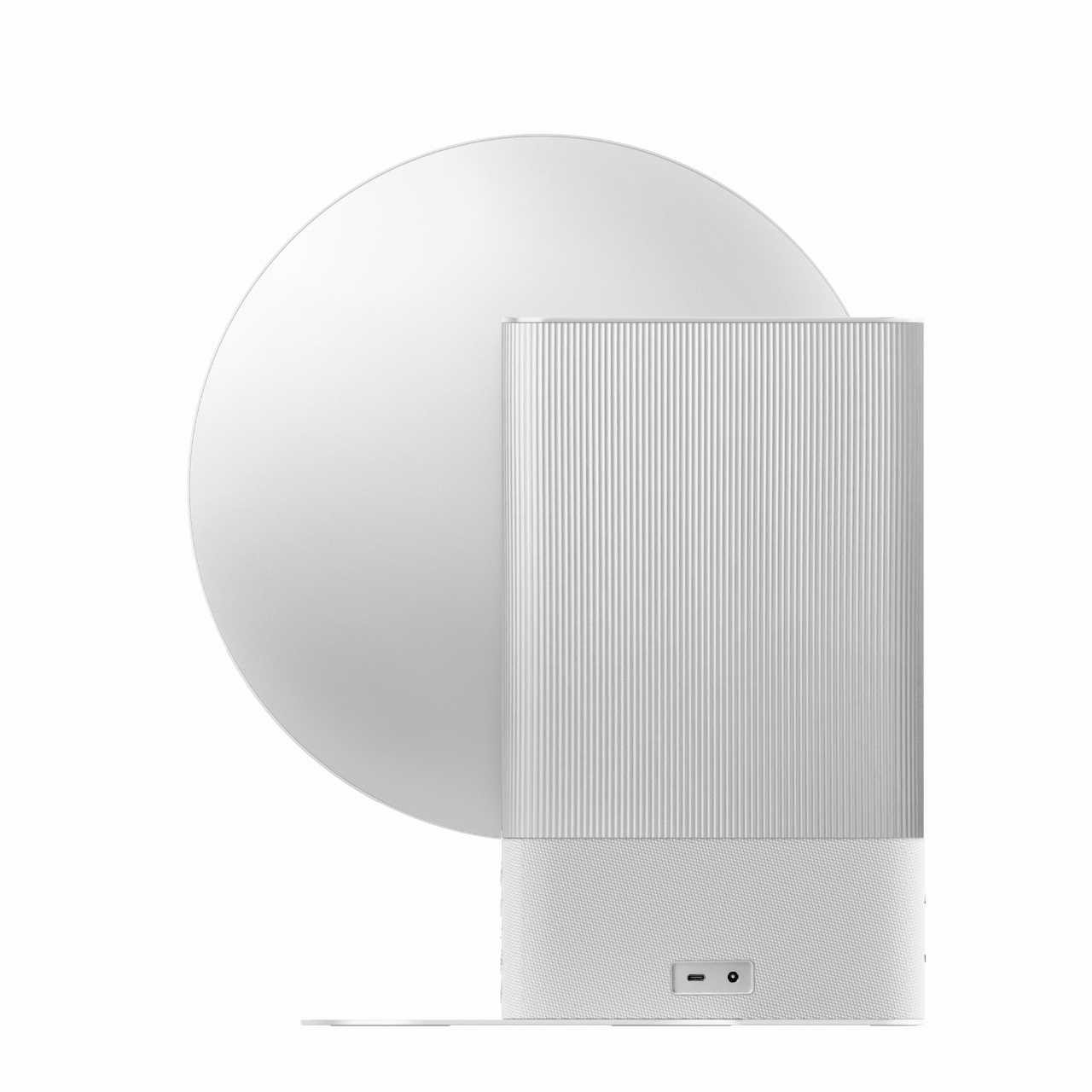
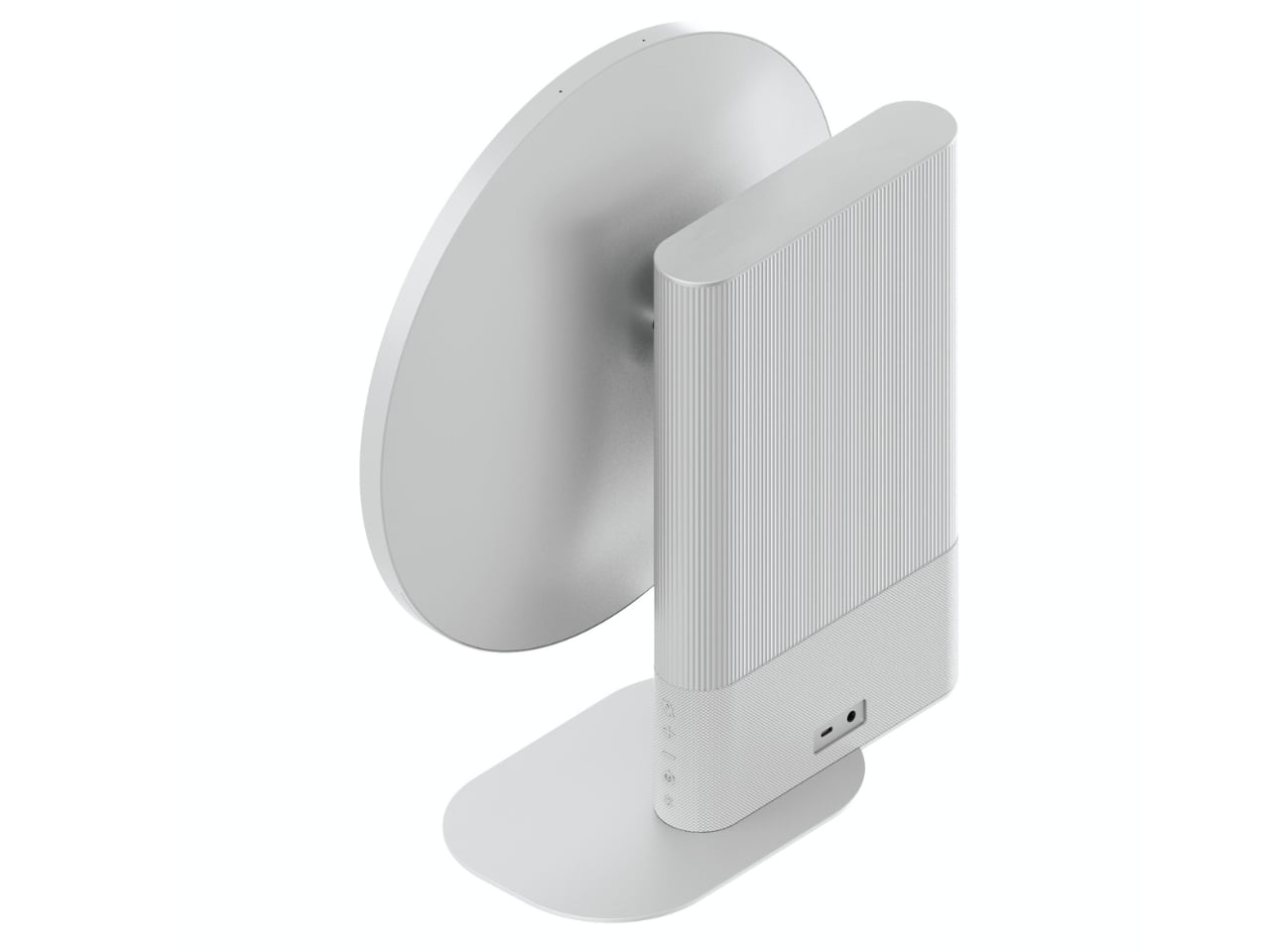
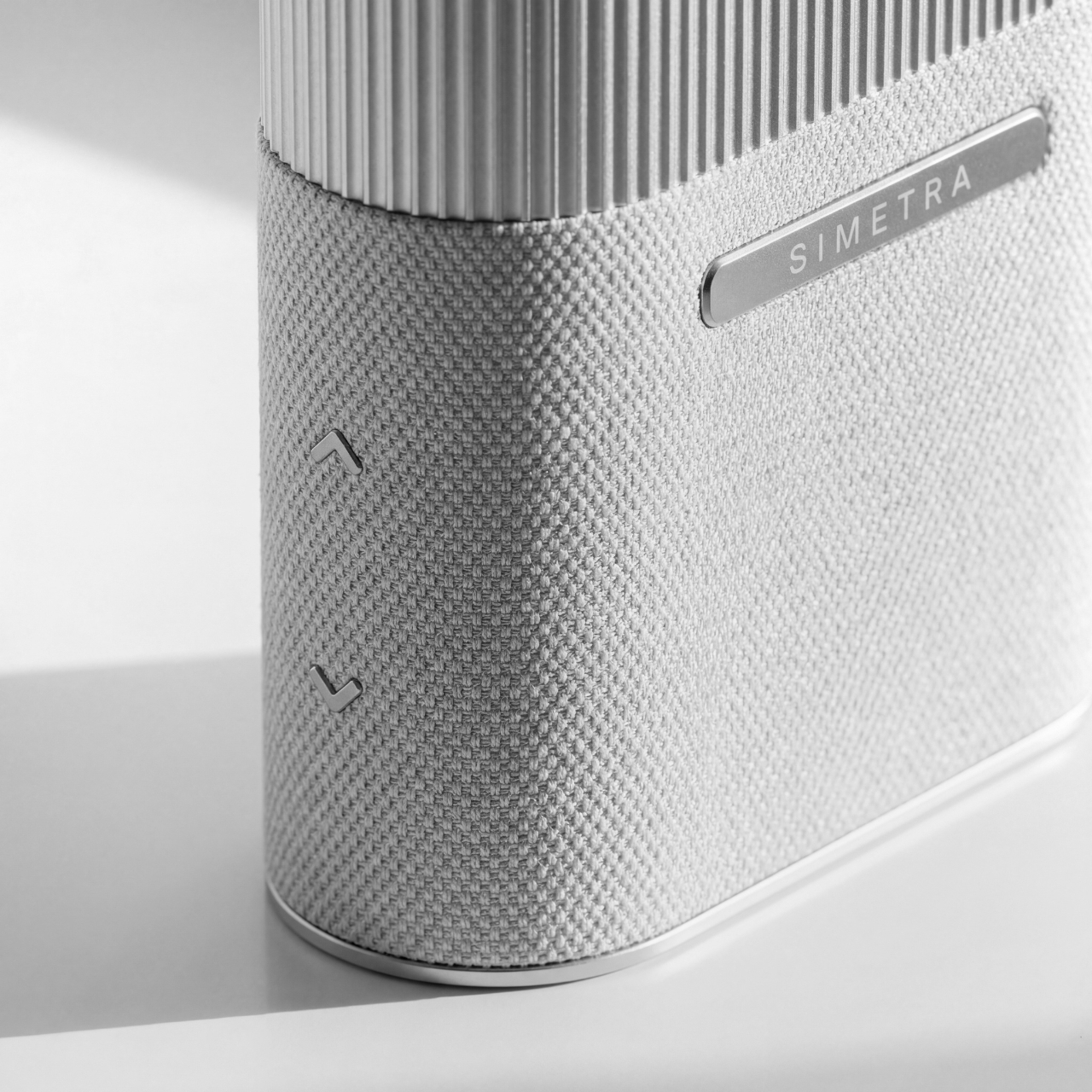
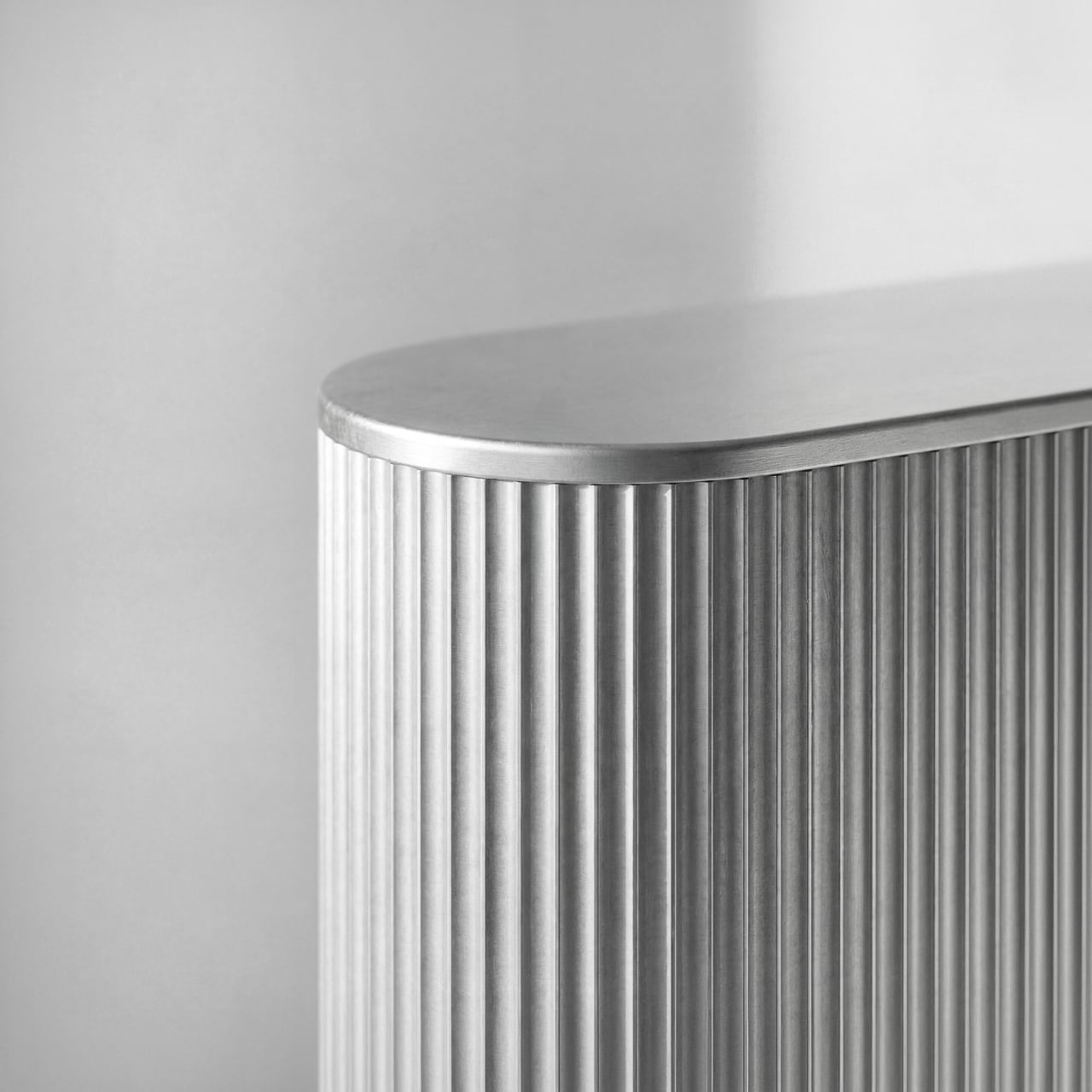
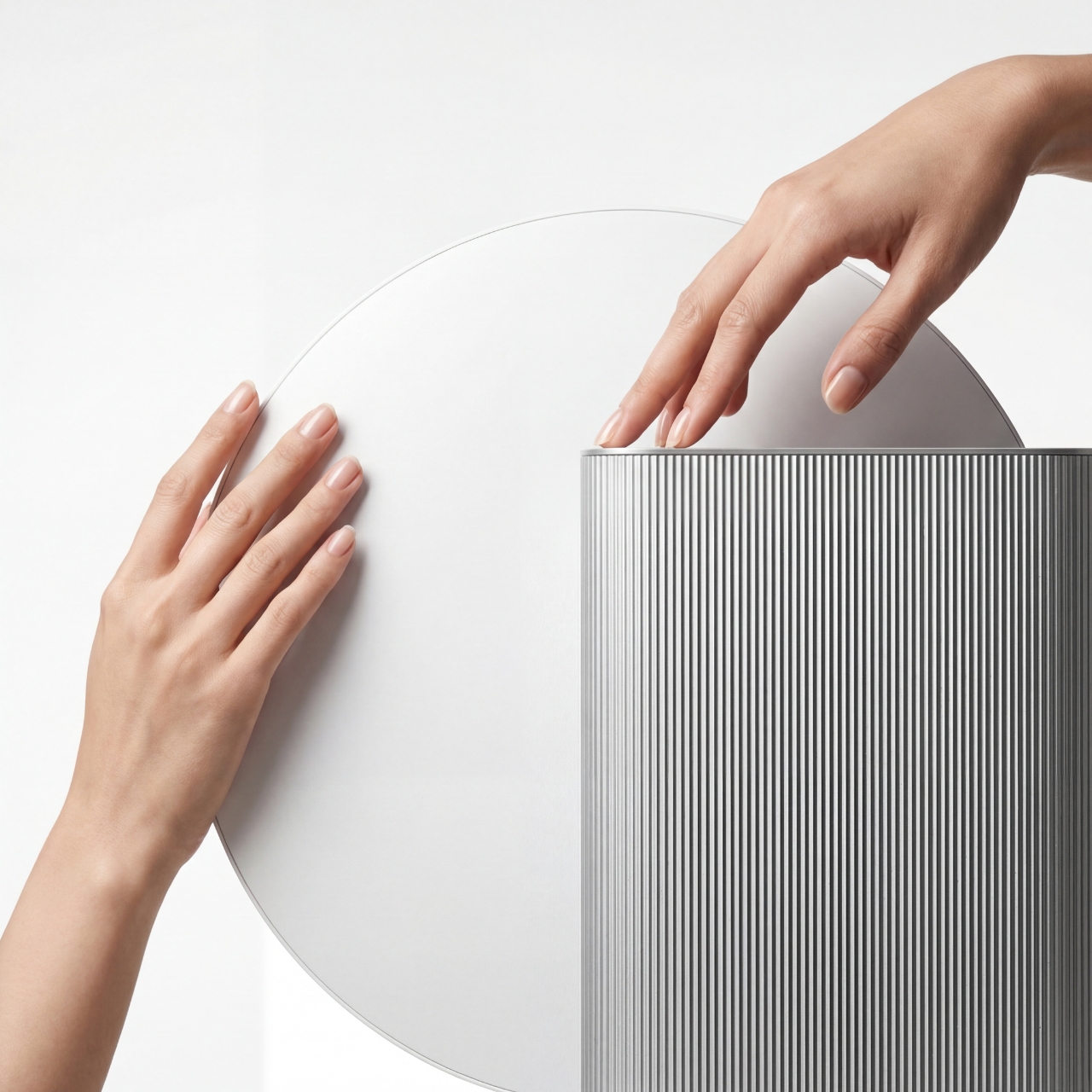
What makes Second White’s approach worth paying attention to is how restrained the design is. The temptation with AI-powered beauty tech is to signal intelligence through complexity: screens everywhere, blinking LEDs, the visual vocabulary of a dermatologist’s clinic. SIMETRA goes the other direction entirely. The form is calm and geometric, built around a circular mirror disc that floats beside a fluted, rounded column. The fluting is deliberate. It gives the hardware body texture and warmth, grounding what could have been a clinical appliance in something that feels more like a considered object. A sculptural one.
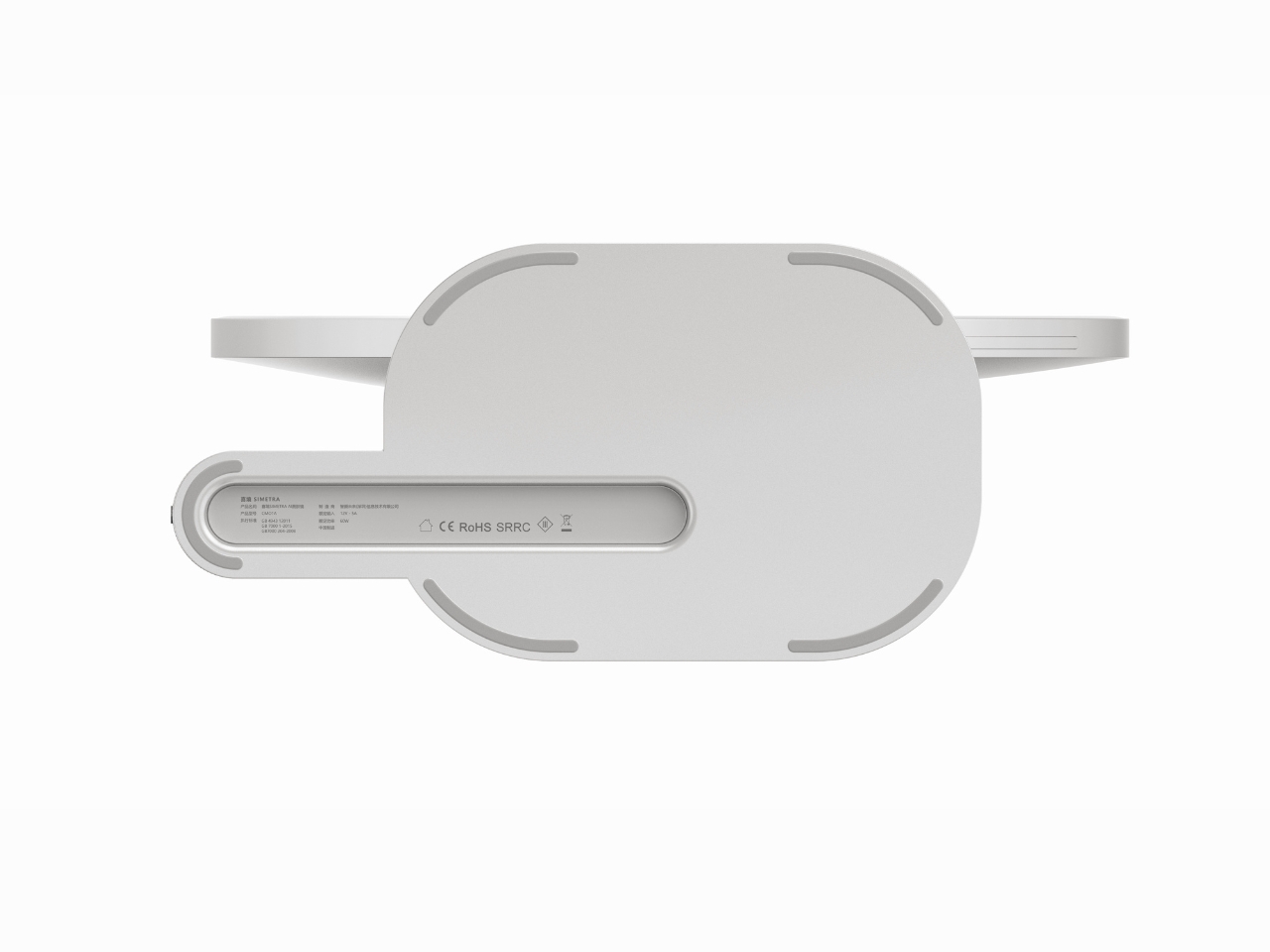
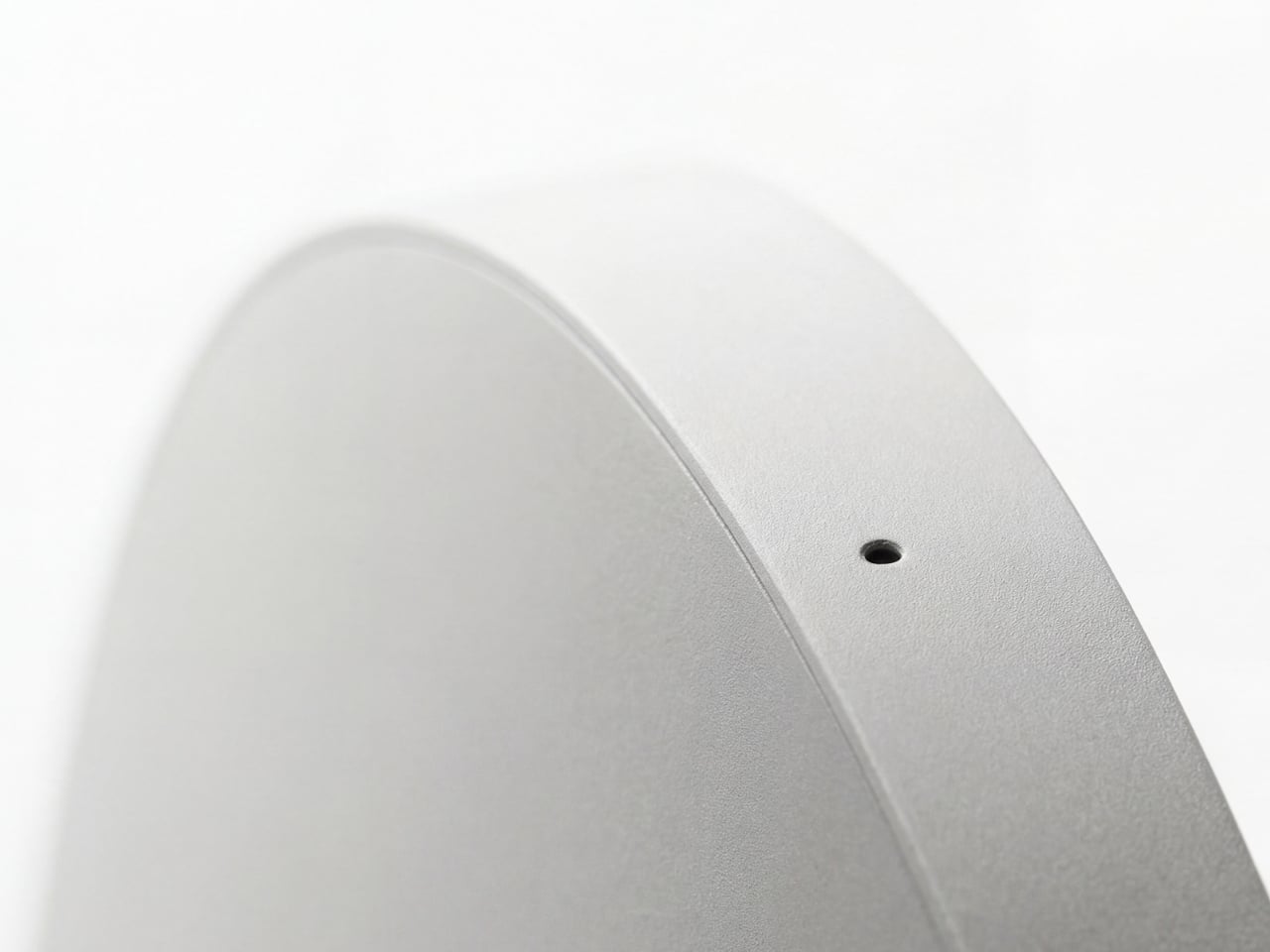
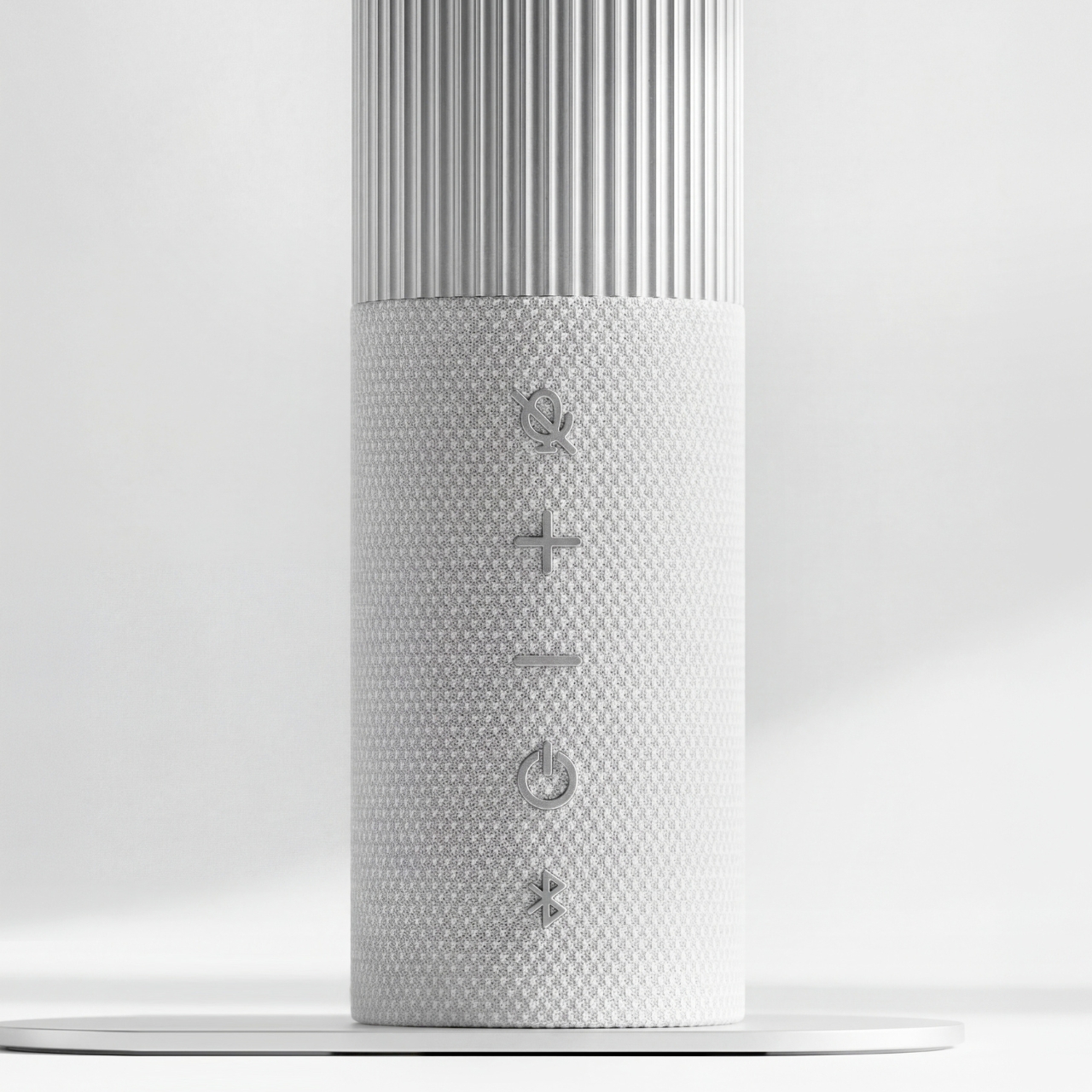
That tension between analytical function and human-centered feeling is exactly what Second White was after. Precision and empathy coexisting within a single form, as the studio describes it. It sounds like a lofty design brief, but looking at the product, it actually lands. The fabric-covered base, the brushed metal details, the soft rounding of every edge. None of it screams technology. It whispers it.
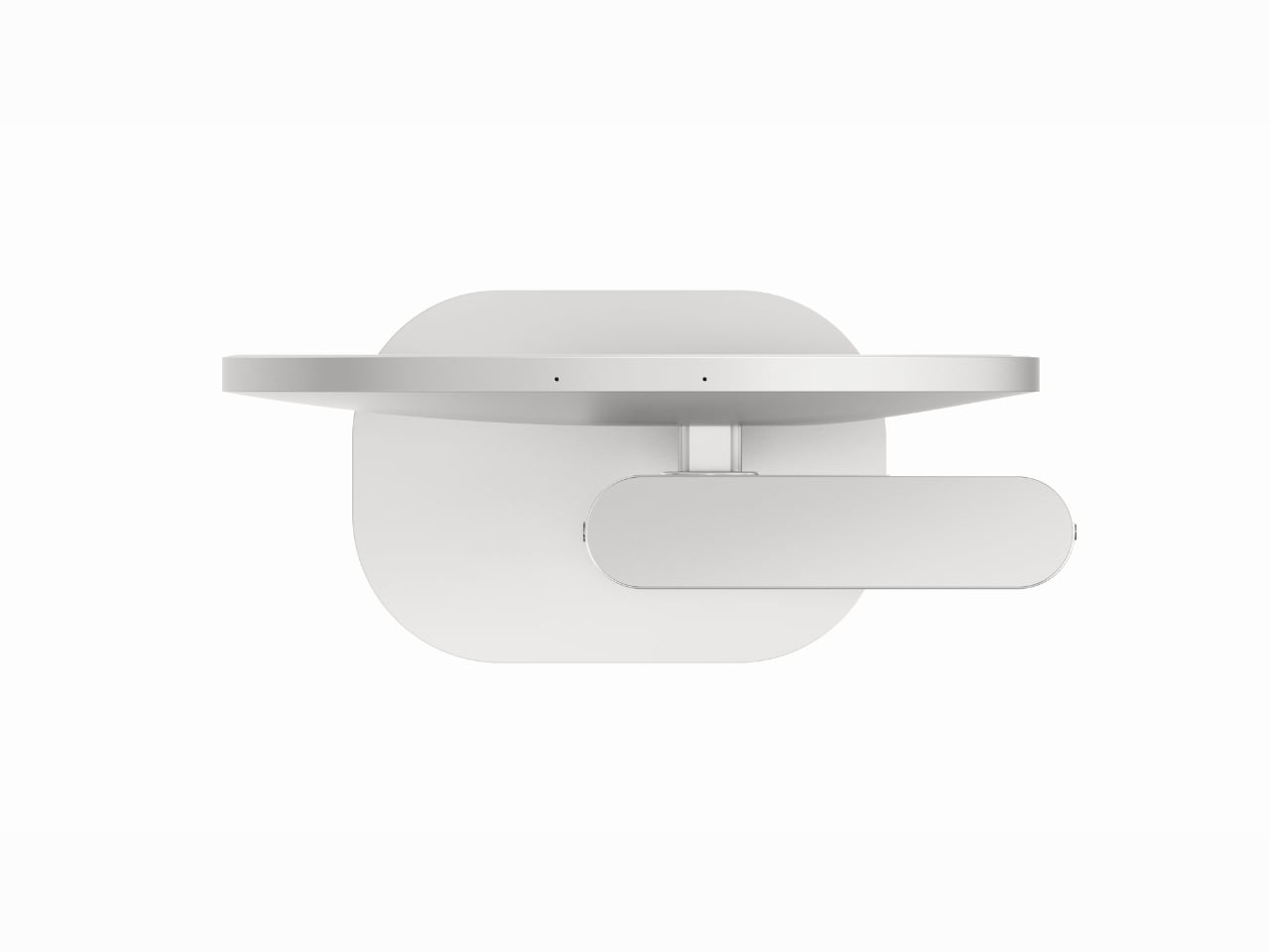
This matters because beauty routines are intimate. They happen in the 15 minutes before the rest of the world gets access to you. Introducing a device that watches, scans, and analyzes during that time requires a certain amount of tact in how it presents itself. A mirror that looks and feels like a piece of thoughtful furniture earns a different kind of trust than one that announces itself as a gadget. Second White understood that tension, and it shows in every material choice.

The smarter conversation here isn’t really about whether AI belongs in your skincare routine. It probably does, in the same way it’s already crept into everything else we track about ourselves: sleep, steps, heart rate. Skin is just the next frontier, and it’s arguably one of the more logical ones. What we’ve historically lacked is a tool precise enough to deliver useful data in the moment, without requiring a clinic visit or a consultation appointment. SIMETRA frames itself as exactly that: professional-level diagnosis, embedded in daily life.
Whether it fully delivers on that promise in practice is a question only time and real-world use will answer. But as a design proposition, it’s already doing a lot right. It treats the user as someone who wants clarity, not just encouragement. It respects the space it’s designed for. And it manages to look like something you’d actually want on your vanity, which is no small thing when you’re asking someone to trust an algorithm with their morning routine.
The mirror has always held a complicated cultural weight. We’ve used it to judge, to prepare, to reassure ourselves. SIMETRA doesn’t erase that history. It adds another layer. One that’s less about judgment and more about knowledge. And if a mirror is going to know things about us anyway, knowing our skin might just be the most useful thing it could do.