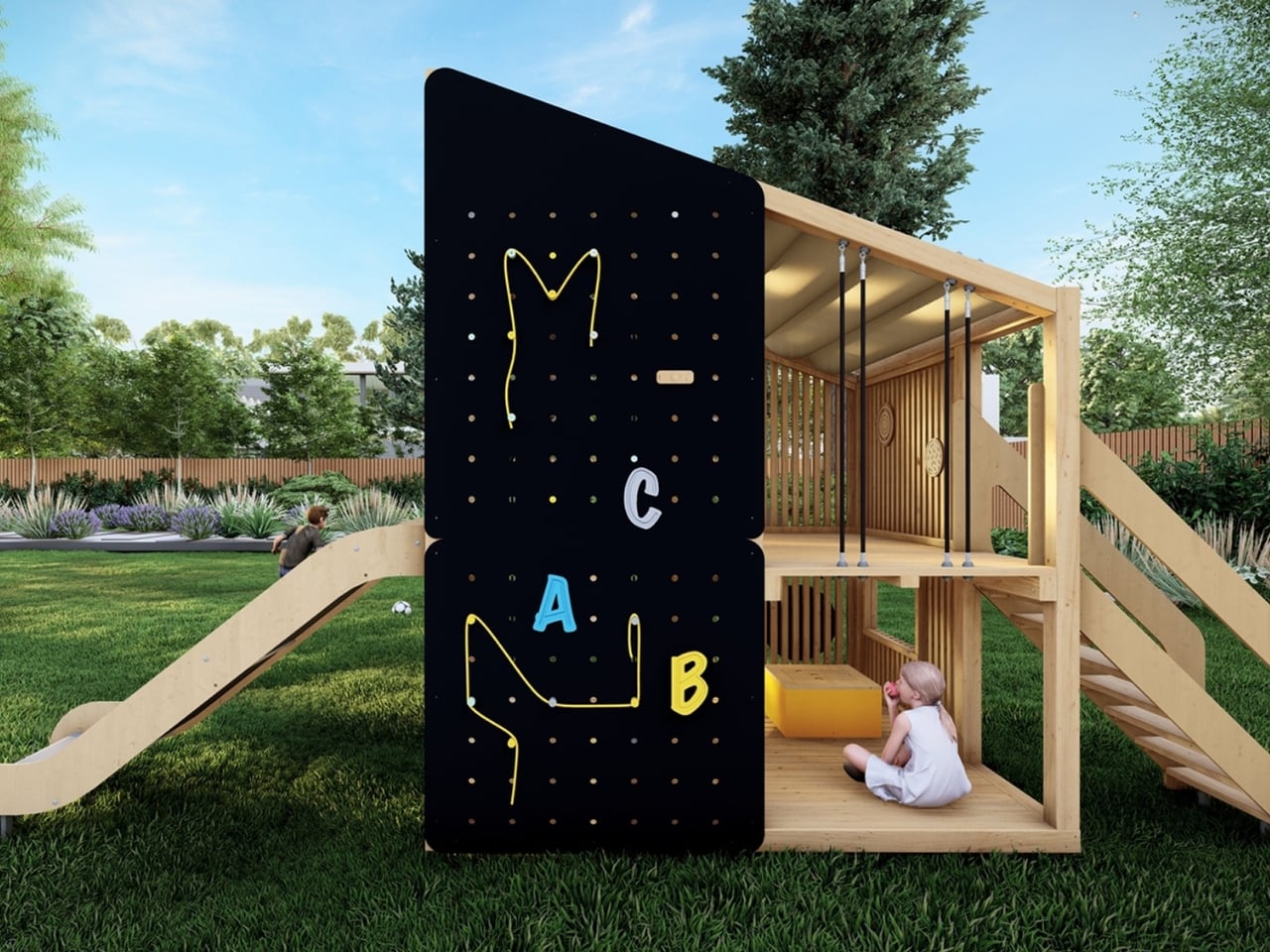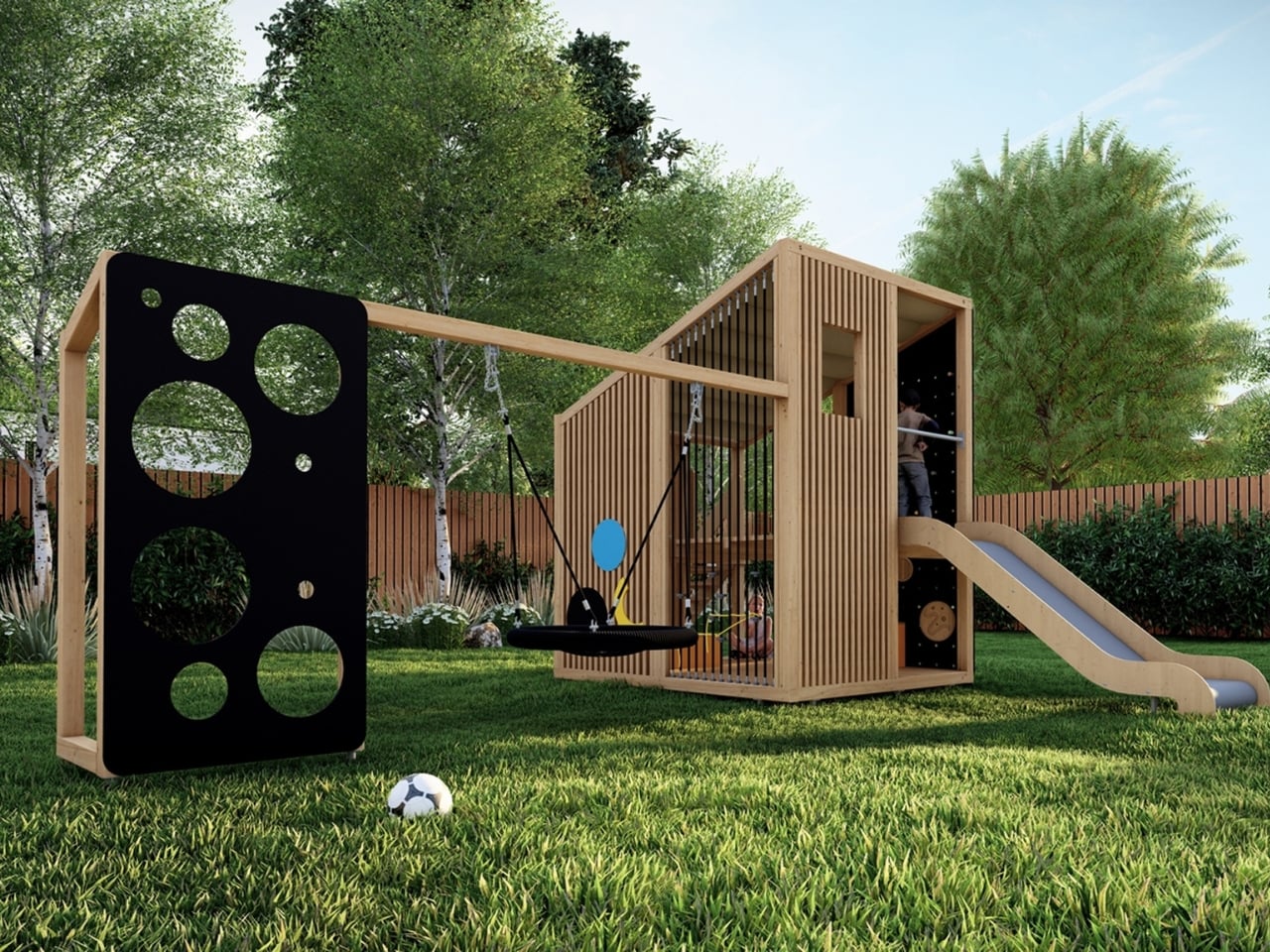

Most playground equipment exists to check boxes. There’s a slide, a climbing frame, maybe a wobbly bridge if the budget stretched far enough. You’ve seen it a thousand times at every park and school yard you’ve ever walked past. It does the job. It keeps kids occupied. And then, somewhere around year three, a panel cracks, a swing goes missing, and the whole thing quietly starts to look forgotten. That’s not what Marlena Kostrzewa and Aleksandra Kwaśniewska had in mind when they designed Nolmo Garden.
The collection, created for Polish manufacturer Nolmo, recently took home a win at the European Product Design Award 2025, earning recognition in the Outdoor category. The EPDA is no small feat to crack, with submissions arriving from designers in more than 58 countries and a jury panel of over 30 design leaders. For a playground collection to land among the winners tells you something: this wasn’t treated as background infrastructure. It was treated as design. And the philosophy behind it is what makes it worth talking about.
Designers: Marlena Kostrzewa, Aleksandra Kwaśniewska
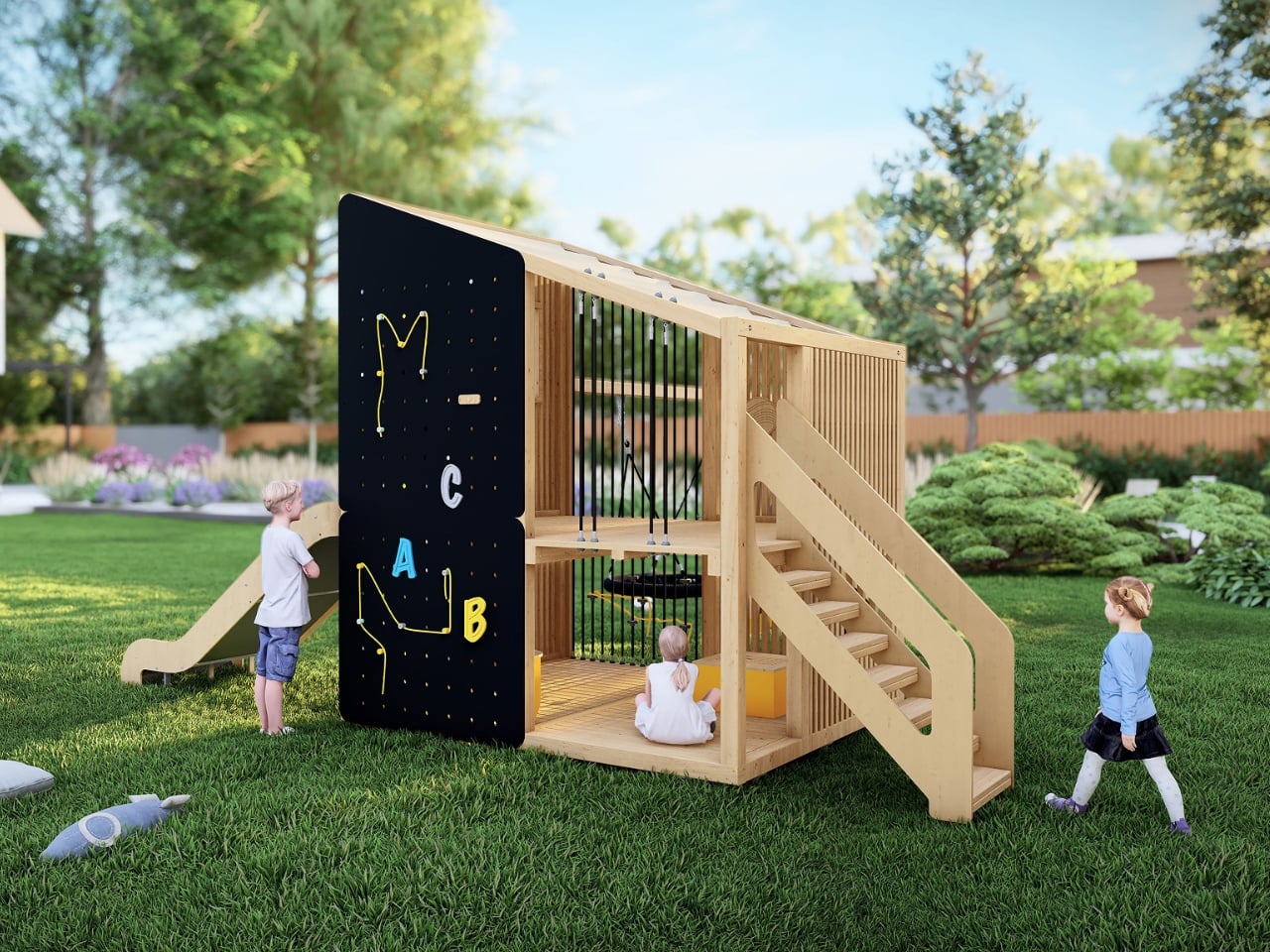
Kostrzewa and Kwaśniewska built the Garden collection around three core ideas: modularity, longevity, and circular design. Every single element in the collection was planned to be easily replaceable. Not just repairable in the vague, optimistic way that most products claim to be, but genuinely, practically swappable. Parts can be changed without tearing the whole thing apart, which means a worn-out component doesn’t automatically mean the end of the playground’s life. That’s a remarkably grown-up approach to objects that are made for children.
We often underestimate how much waste happens in public spaces. Playground equipment gets installed, gets battered by weather and daily use, and eventually gets torn out and replaced wholesale. It’s expensive and wasteful, and the communities it’s meant to serve rarely have much say in what goes in or comes out. Circular design in this context isn’t just an environmental talking point. It’s a smarter economic choice, and it’s one that most manufacturers still haven’t seriously committed to.
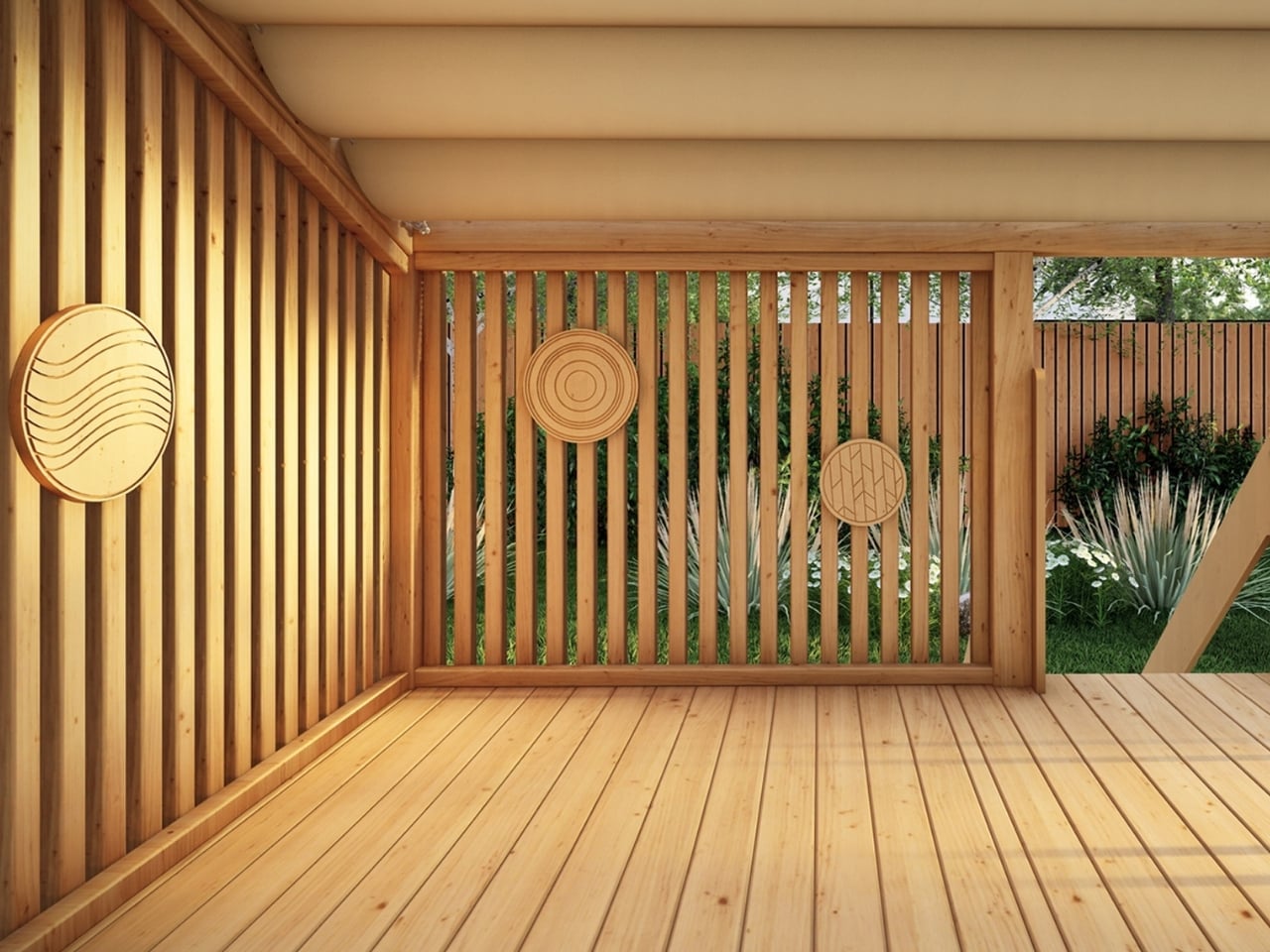
Nolmo, for its part, has been in this space for over 30 years. The Polish company builds public recreational areas, small urban architecture, and playground equipment, drawing on cultural contexts and contemporary design trends to create pieces that actually fit the environments they’re placed in. That context matters when you look at Garden. This is a collection that was designed to feel at home in a community, not just installed in one.
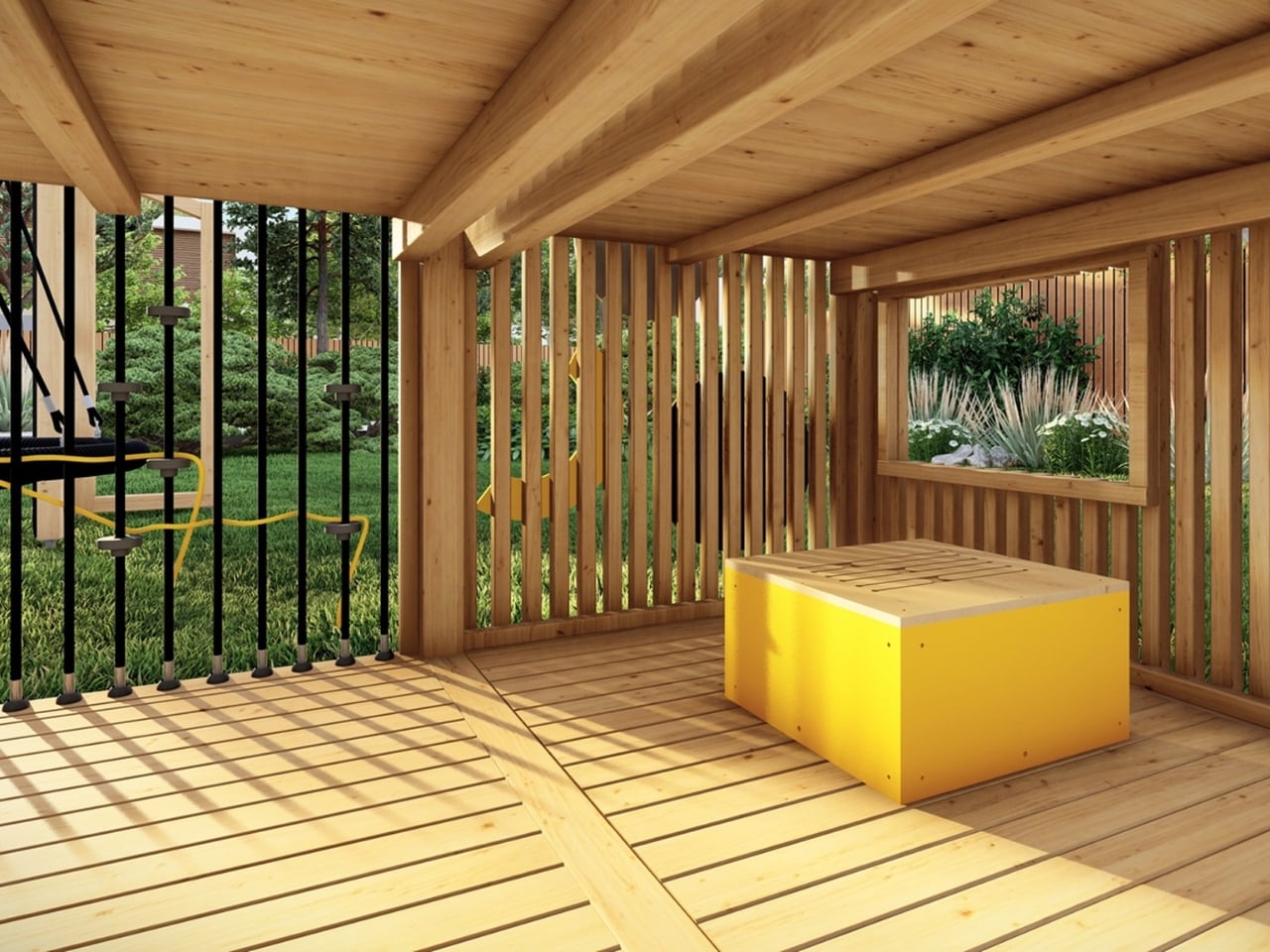
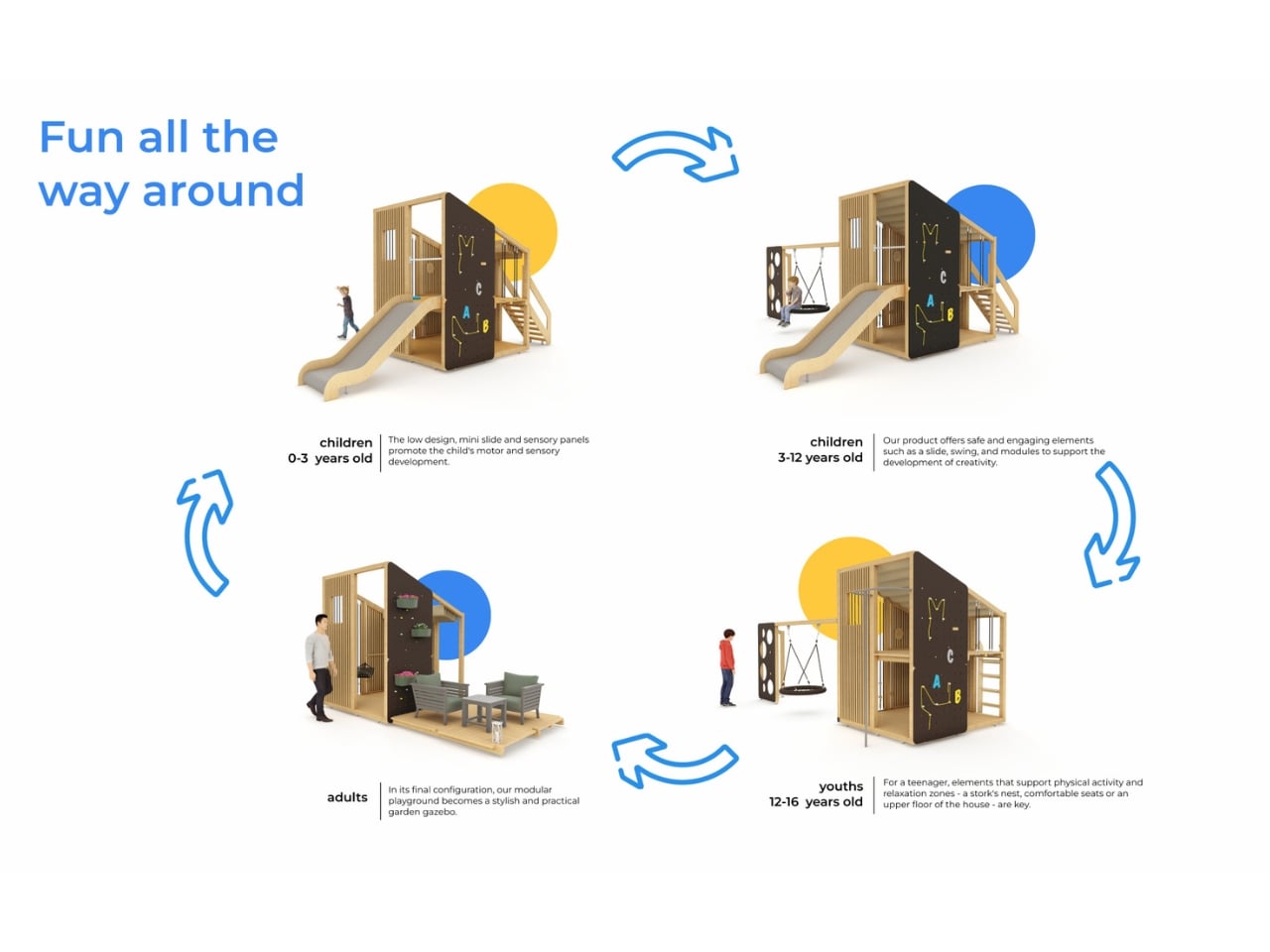
The modularity angle also speaks to something that rarely gets addressed in playground design: children grow. What works for a four-year-old doesn’t necessarily work for an eight-year-old, and a playground that only serves one narrow age bracket has a very short window of relevance. The Garden collection was built with the intention of growing alongside the children who use it, which extends its value far beyond the initial installation.
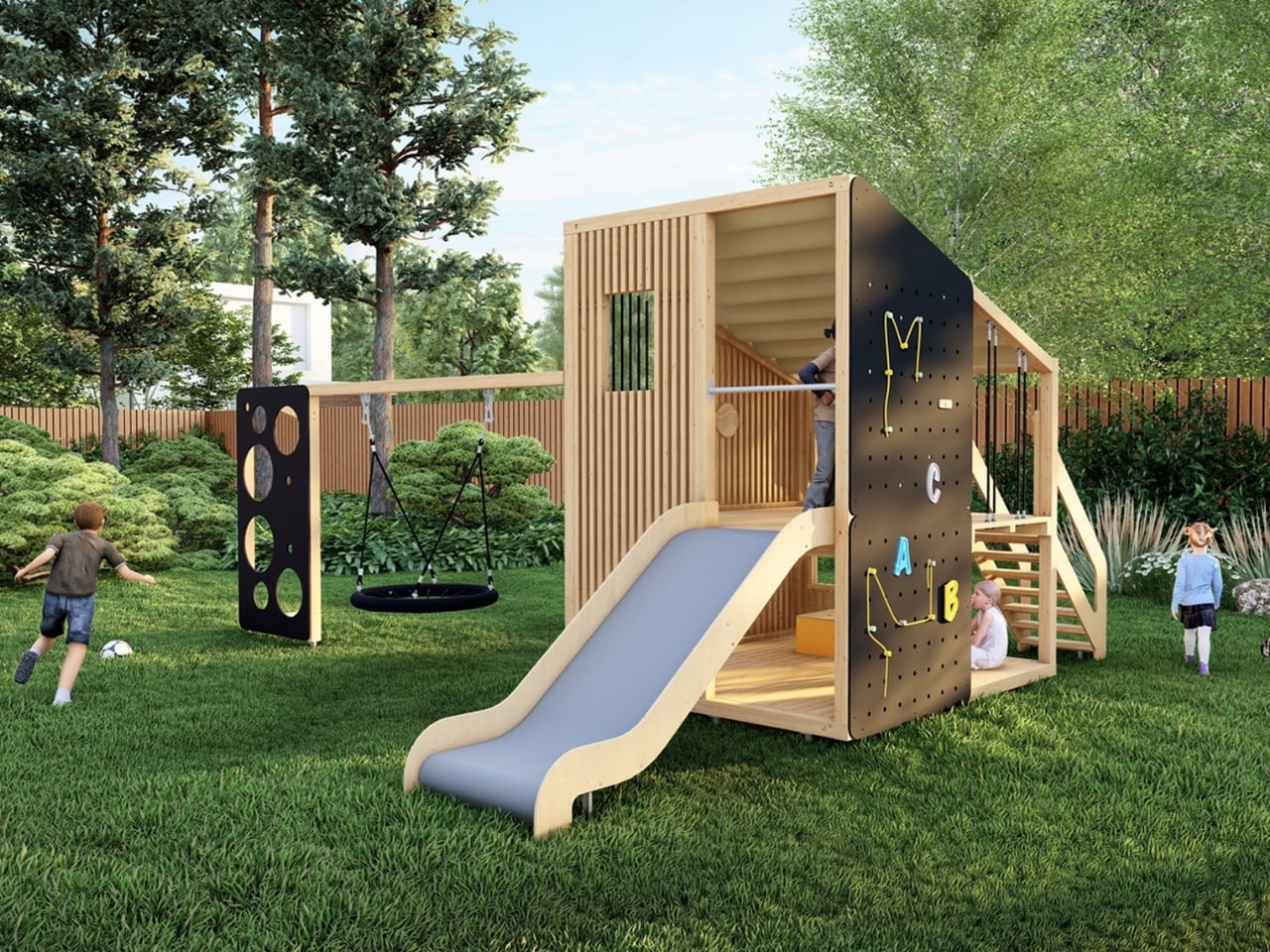
Kostrzewa and Kwaśniewska are among the designers that the EPDA specifically recognizes for combining creative vision with practical relevance. That phrase feels especially apt here. A playground isn’t a concept piece. It gets rained on, climbed over, argued about, and sometimes knocked into. The design has to hold up against all of that while still doing what good design is supposed to do: make people want to engage with it.
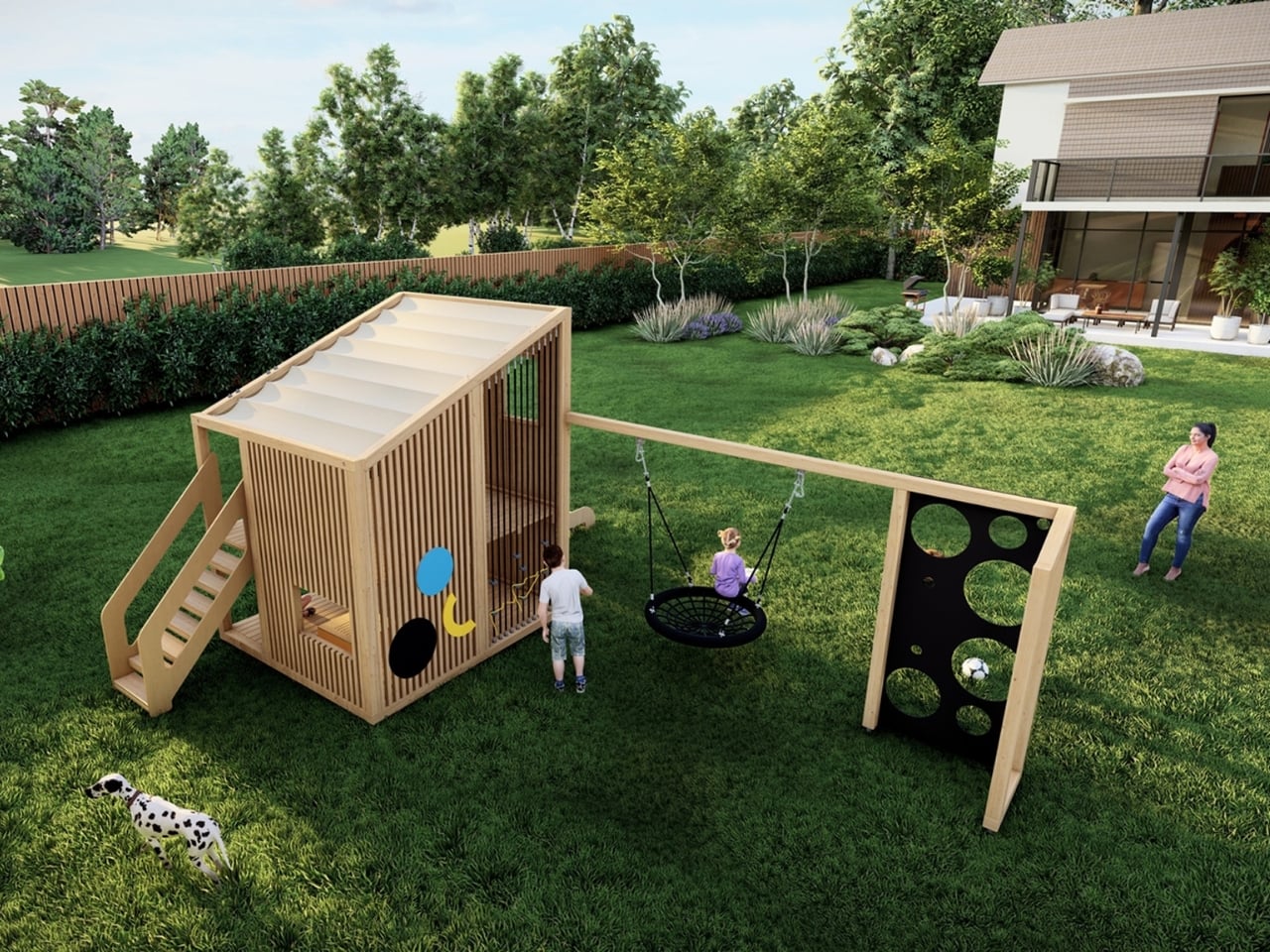
The fact that Garden won in the Outdoor category, beating out submissions from dozens of countries, is a good reminder that some of the most thoughtful design work happening right now isn’t in consumer electronics or luxury goods. It’s in the stuff we tend to walk past without thinking twice. The places where kids learn to take their first real risks, fall down, get up, and do it again. Nolmo Garden didn’t reinvent the playground. It just did it properly. And sometimes, that’s exactly the kind of design that deserves the most attention.