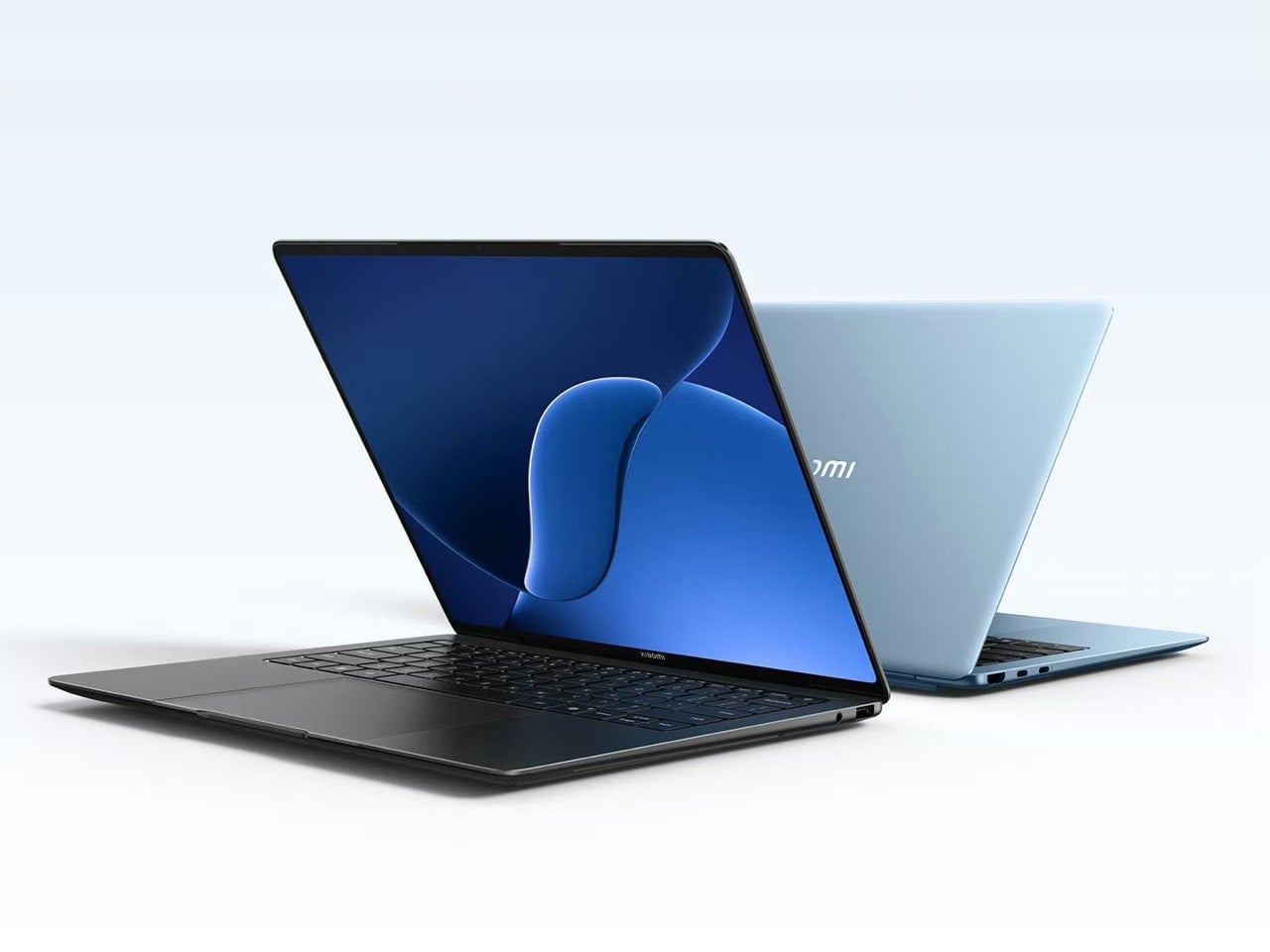

The laptop market has a predictable rhythm. Apple sets the benchmark, everyone else reacts. Since the M1 MacBook Air landed in late 2020 and redrew the definition of thin-and-light computing, the entire Windows ultrabook category has essentially been running in response to that one product. Some challengers land close, most fall short on one or two crucial dimensions, and the cycle repeats. What makes Xiaomi’s return to the laptop space interesting is that the company has been watching all of this from the sidelines for four years, and the Book Pro 14 it just launched in China reads less like a desperate catch-up attempt and more like a deliberate, calculated swing at a very specific gap in the Air’s armor.
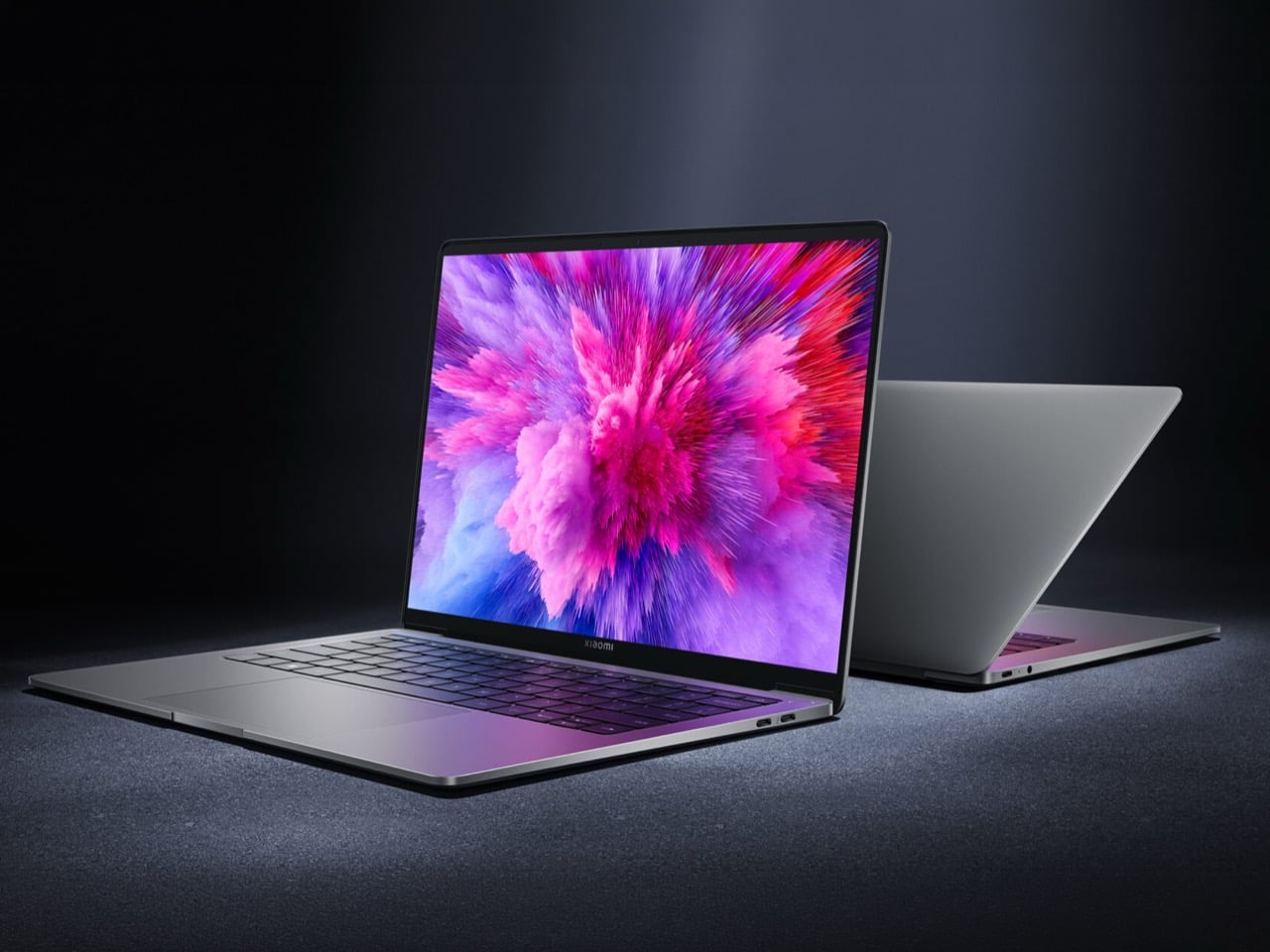
Xiaomi has just made a discreet release in the laptop segment after a four-year break, returning with the Book Pro 14, a capable thin-and-light that positions itself as a direct answer to the MacBook Air. The headline spec is the display: a 14.6-inch OLED panel with touchscreen support, 3.1K resolution, a 120Hz refresh rate, and a peak brightness of 1,600 nits. Under the hood, Xiaomi equips the notebook with Intel’s Panther Lake platform, up to an Intel Core Ultra 7 358H, with 24GB RAM on the base configuration and 1TB of SSD storage. Pricing, when converted from Chinese yuan, puts the laptop at approximately $1,275, just over $100 more than a base M5 MacBook Air, and for that small premium you get a higher-resolution 120Hz OLED panel, more RAM, and a more robust port selection.
Designer: Xiaomi
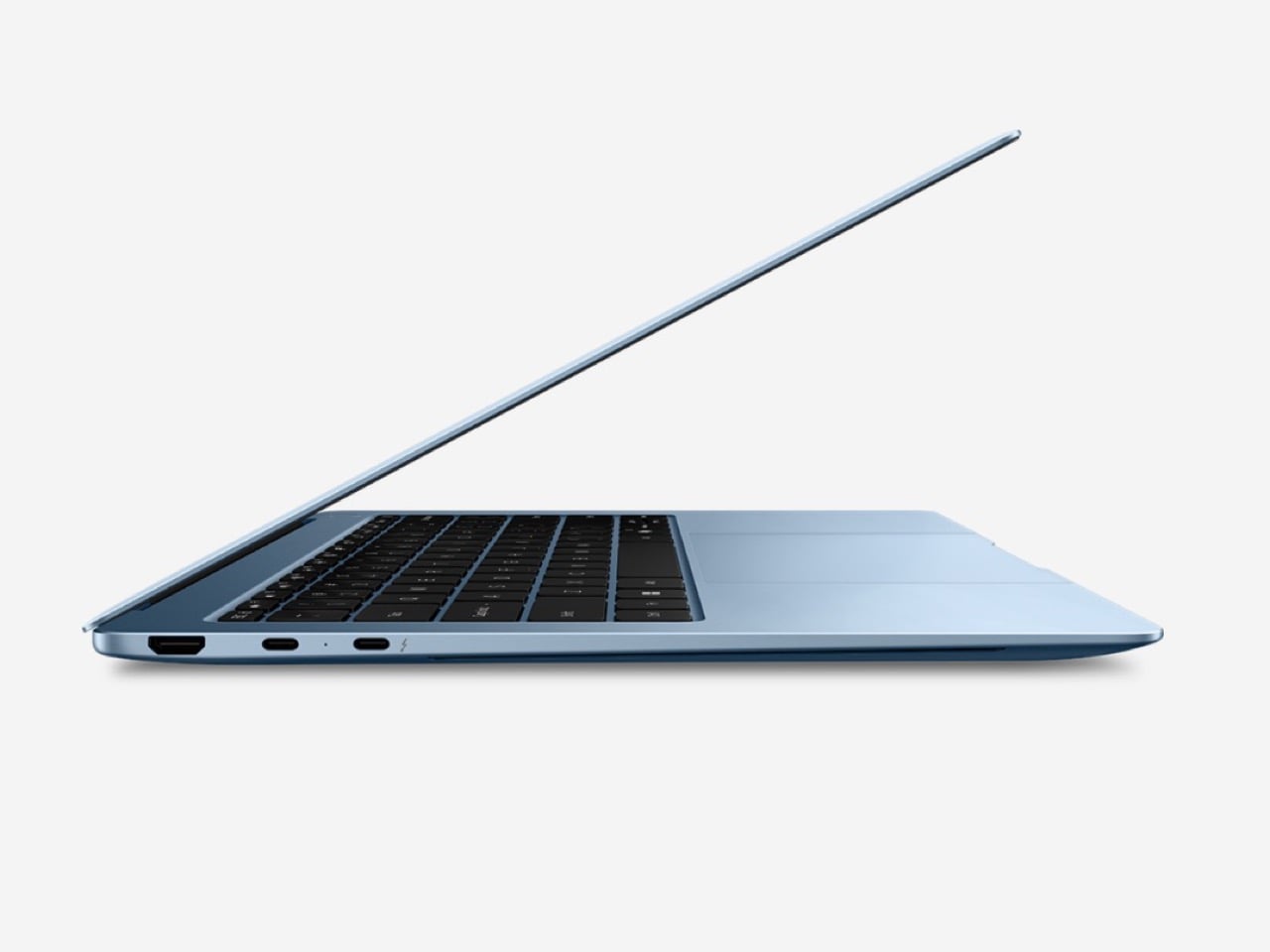
You’re probably itching to ask about ports, because the MacBook Air famously doesn’t pack enough of them. The Book Pro 14 includes Thunderbolt 4, USB-C, USB-A, HDMI 2.1, and a 3.5mm audio jack, compared to the MacBook Air’s two Thunderbolt 4 ports and a headphone jack. That is a meaningful difference for anyone who has ever reached for a dongle mid-presentation or had to choose between charging and connecting to a display. Xiaomi’s decision to include a full-size HDMI port and a USB-A jack signals an awareness that real-world desk setups are messier than Apple’s minimalist port philosophy acknowledges. Whether that matters to you depends entirely on your workflow, but it is a deliberate product decision and one that reads as a direct response to a documented frustration with the Air.
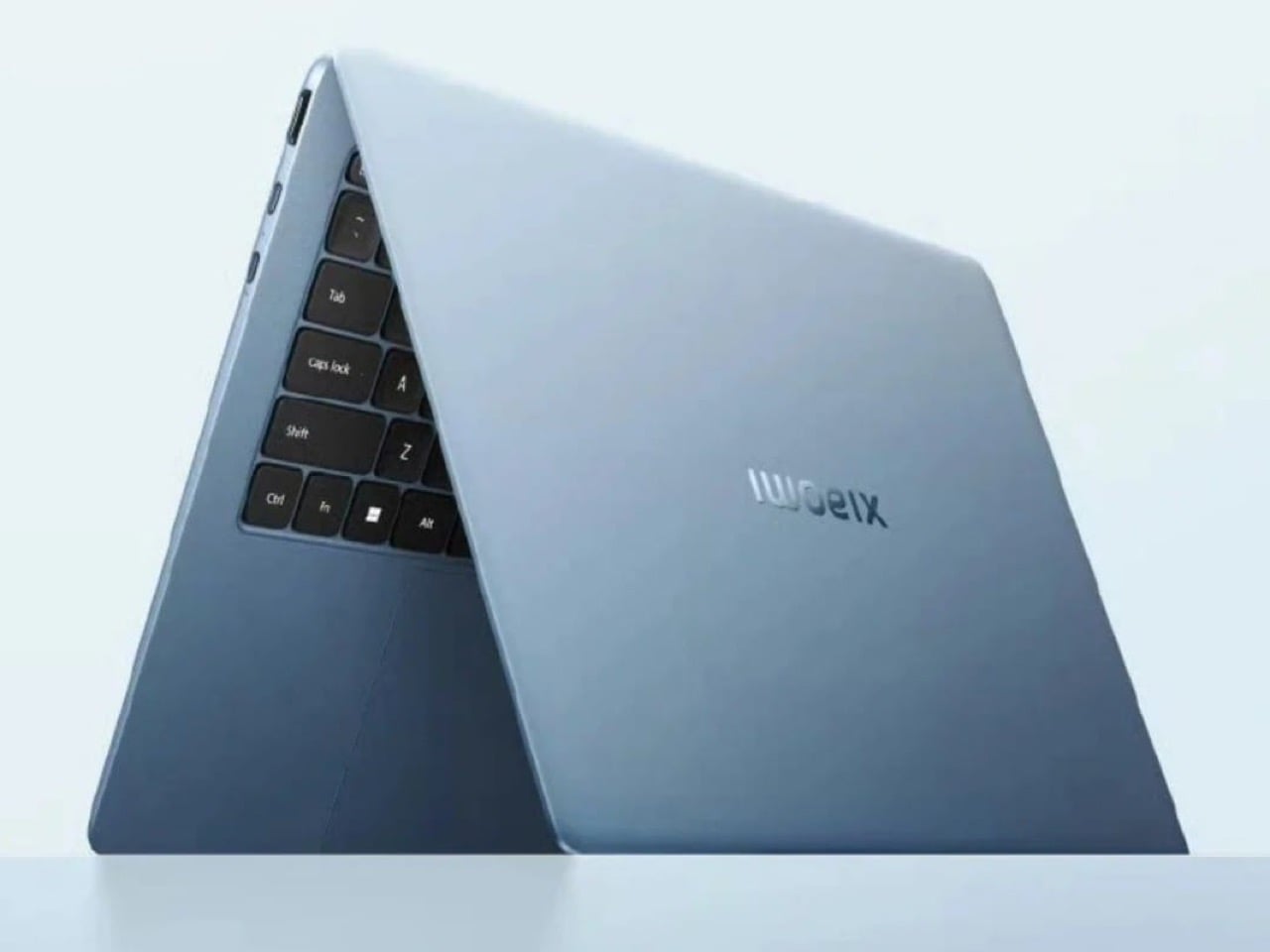
The Book Pro 14 achieves a weight of 1.08 kg and a thickness of 14.95 mm through a chassis built from magnesium alloy with a carbon fiber lid. That actually makes it lighter than the M5 MacBook Air, which tips the scales around 1.24 kg, and the thickness is comparable. Keeping the specs cool is a three-channel cooling system incorporating a high-performance fan, a 10,000mm² vapor chamber, and graphene cooling components capable of sustaining 50W of continuous performance. That last figure matters more than it might initially seem. Apple’s fanless MacBook Air is a thermally constrained machine, and sustained workloads do cause it to throttle, a tradeoff that has been well-documented since the M1 era, and a system that can sustain 50W continuously without a corresponding weight penalty represents a genuine engineering achievement.
Xiaomi makes bold claims on the Book Pro 14’s battery life, overshooting even the latest M5 MacBook Air by nearly two hours. The 72Wh battery is rated for up to 19.8 hours of continuous use, with the 100W fast charging system capable of restoring 50% in approximately 26 minutes. The MacBook Air M5 posts similarly impressive endurance numbers in real-world use, so this will be a tightly contested dimension. The Intel Panther Lake architecture powering the Book Pro 14 is also the first Intel mobile platform in recent memory that genuinely changes the conversation around Windows laptop efficiency, borrowing a page from Apple’s playbook by targeting the sub-10W idle efficiency range that made the M-series Macs so compelling. Independent testing will be the real arbiter here, but the stated numbers are ambitious enough to take seriously.
The Book Pro 14 is currently only available in China, with no clear indication of a global release date, which severely limits its immediate relevance for the overwhelming majority of potential buyers. Xiaomi has a track record of launching products domestically and gradually expanding to other markets, and given the attention this machine has received in the first 24 hours of coverage, the commercial logic for a global rollout is hard to argue against. The question is timing. If Xiaomi moves quickly, the Book Pro 14 could arrive in Western markets before the M5 MacBook Air has fully consolidated its footprint. If the rollout stalls or gets diluted through regional variants with compromised specs, the window closes. The hardware is genuinely compelling, and the only outstanding question that actually matters is whether Xiaomi’s global distribution ambitions match what the engineering team has clearly delivered.