
Japanese stationery operates on a different set of assumptions. Where most of the world treats pens, notebooks, and desk accessories as afterthoughts, Japan treats them as design problems worth solving with the same precision applied to architecture or automotive engineering. The difference shows up in the details: magnetic closures calibrated to be silent, paper engineered for a specific ink behavior, and leather cut from a single hide. Hence, the grain tells a continuous story.
We have been collecting our favorites for a while now, and this batch feels particularly well-considered. These are not gimmicks dressed in minimalist packaging. Each product here earns its place through a specific, clever solution to a friction most people have accepted as normal. From a pencil that never needs sharpening to a wooden postcard case that borrows its form from ceramic storage traditions, this is stationery that makes the rest of the world’s offerings feel like rough drafts.
1. Inseparable Notebook Pen

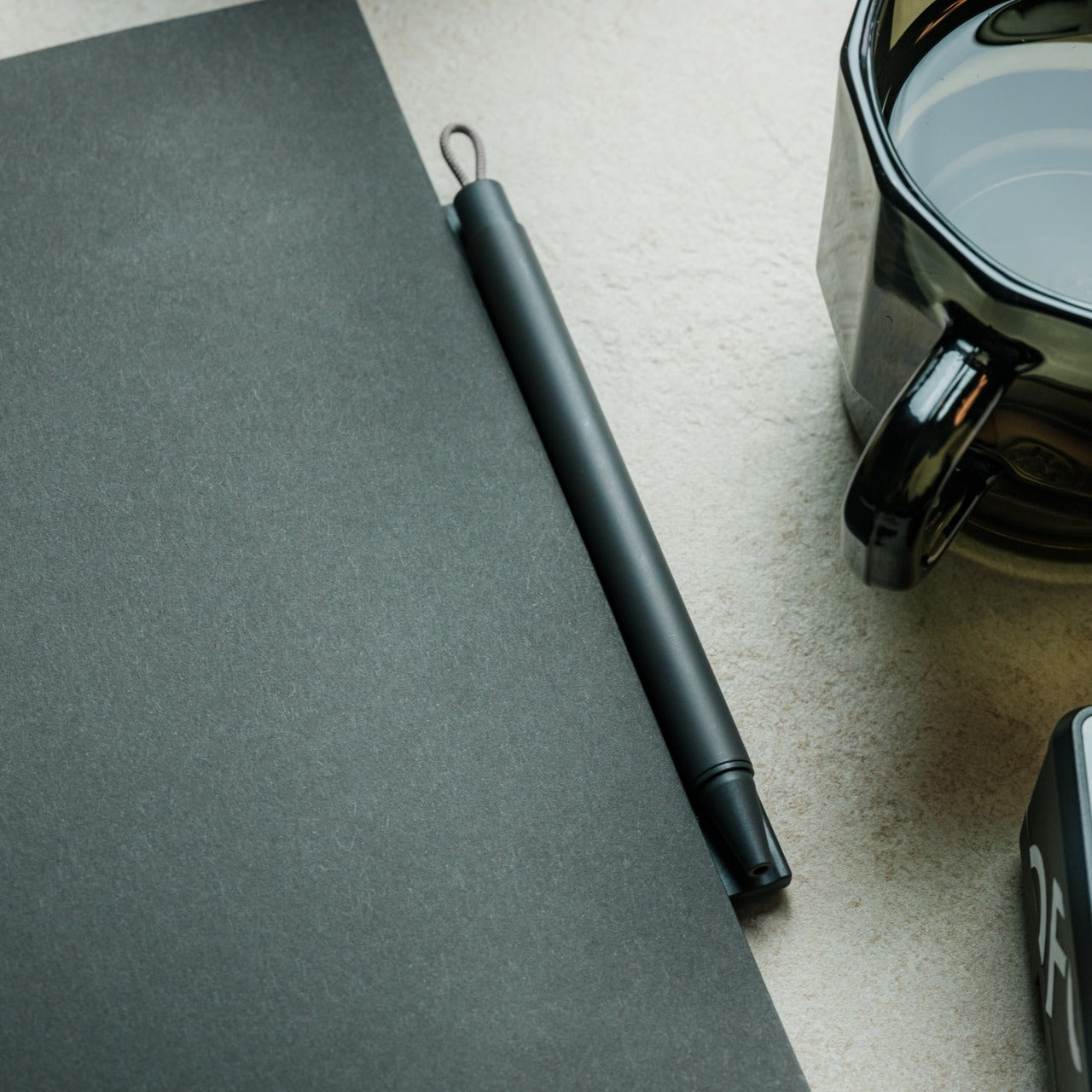

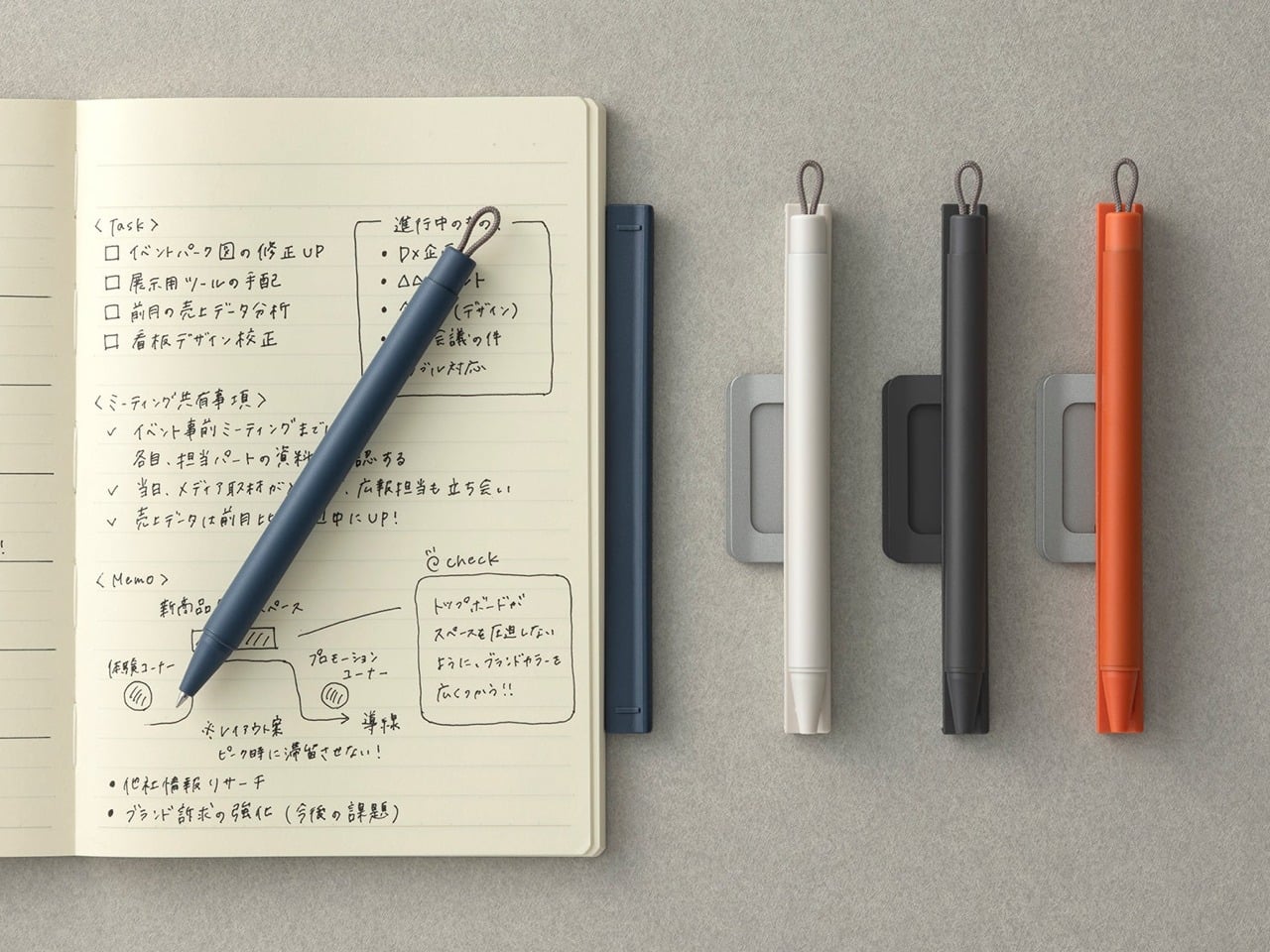
Most pens exist independently of the surface they write on. The Inseparable Notebook Pen rejects that premise entirely, using a magnetic clip to lock itself to your notebook cover. A built-in silencer dampens the attachment, so there is no click or rattle, just a quiet lock into place. The barrel is minimalist, comfortable during long sessions, and the ink flow is smooth and immediate.
Japanese stationery brands have long understood that the gap between reaching for a pen and writing is a moment of lost momentum. This pen eliminates that friction. The form is understated, almost invisible against a notebook cover, which is the point. Tools that disappear into your workflow tend to be the ones that last the longest.
What we like
- The magnetic clip holds firm during transit but releases with zero effort when needed.
- The silencer turns a mundane attachment into something tactile and deliberate.
What we dislike
- The minimalist barrel may feel too slim for those who prefer wider-grip pens.
- Ink cartridge options are limited, restricting personalization for specific ink preferences.
2. Stalogy Editor’s Series 365-day Notebook (A6)
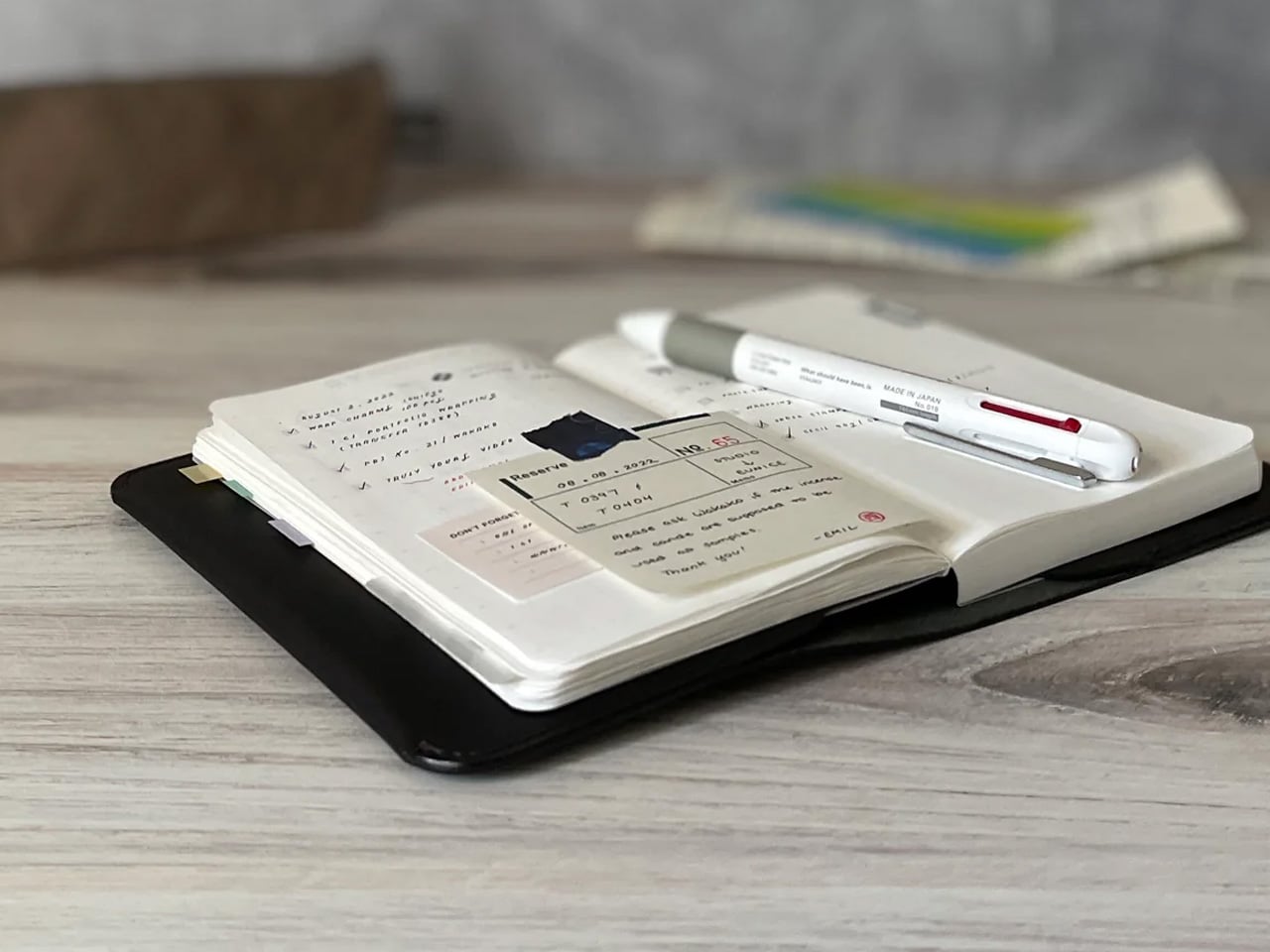
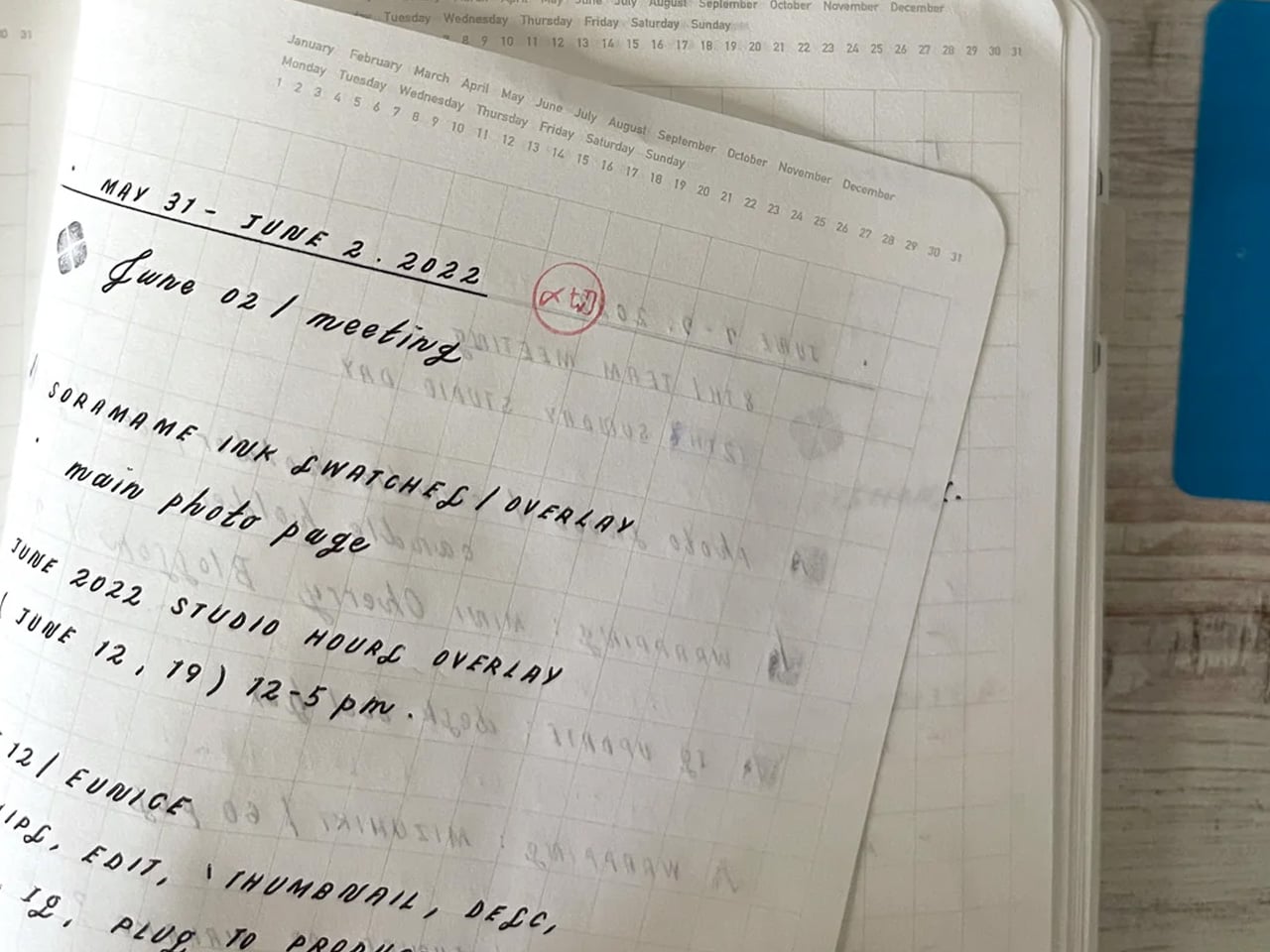
Stalogy’s 365 Days Notebook packs 368 pages of ultra-thin paper into an A6 form factor that still fits a coat pocket. Each page carries minimal printed detail: dates, days, a faint grid, and time indicators. Ignore them or use them. The paper writes with a smoothness that recalls Hobonichi Techo’s Tomoe River stock, letting ink glide without feathering or bleed-through.
The real strength is flexibility. This notebook works equally well with bullet journaling, daily planning, freeform sketching, or straightforward notes, all without forcing a single organizational method. Most planners assume they know how a day should be structured. This one steps back and lets the user decide, which is a rarer quality than it should be.
What we like
- Thin paper keeps 368 pages from becoming a brick, maintaining genuine pocketability.
- Minimal page markings make it equally useful for structured planning and unstructured creative work.
What we dislike
- Date and time markings are printed extremely small, making them difficult to read in low light.
- Heavy fountain pen inks will ghost through the thin paper, limiting compatibility with certain instruments.
3. FoldLine Pen Roll
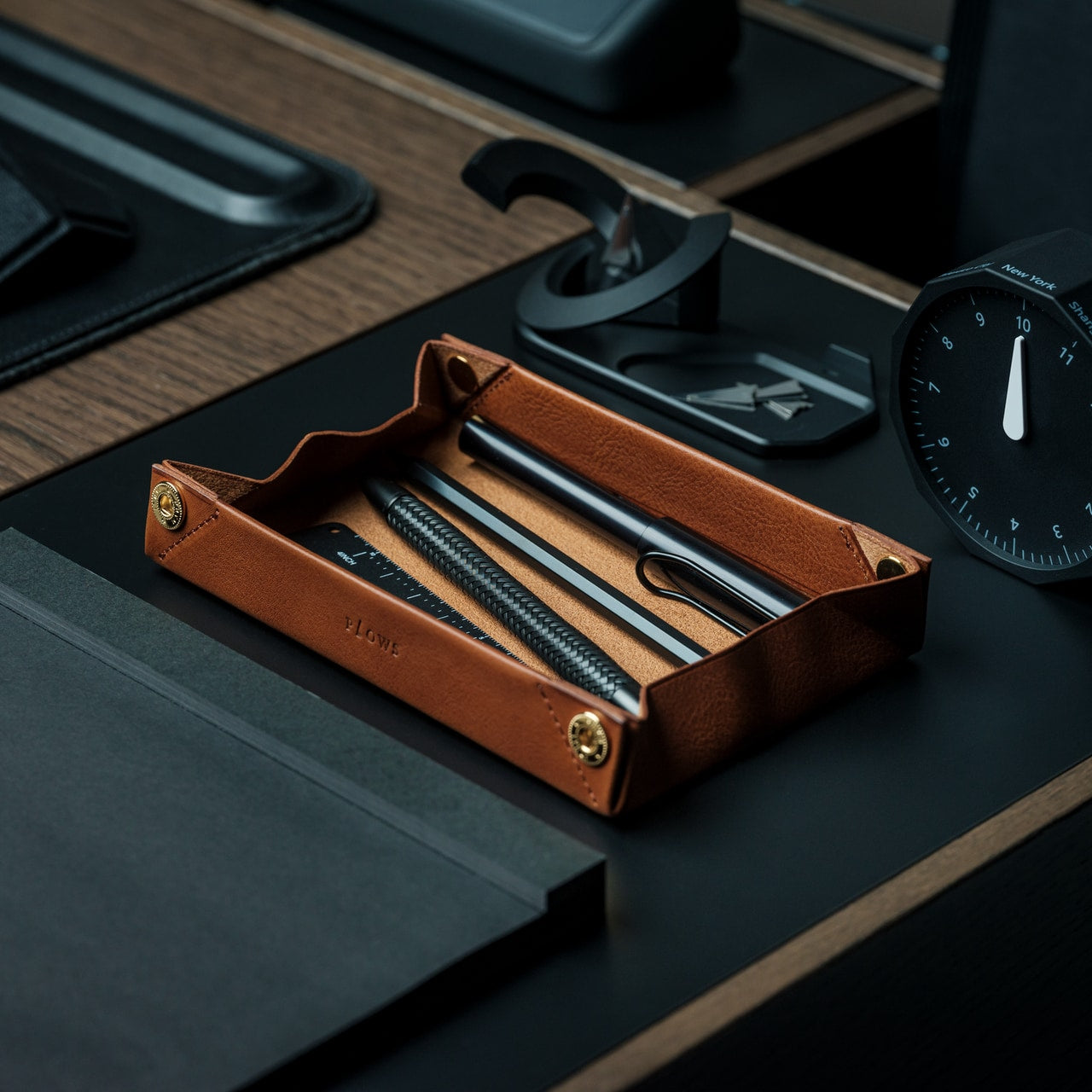
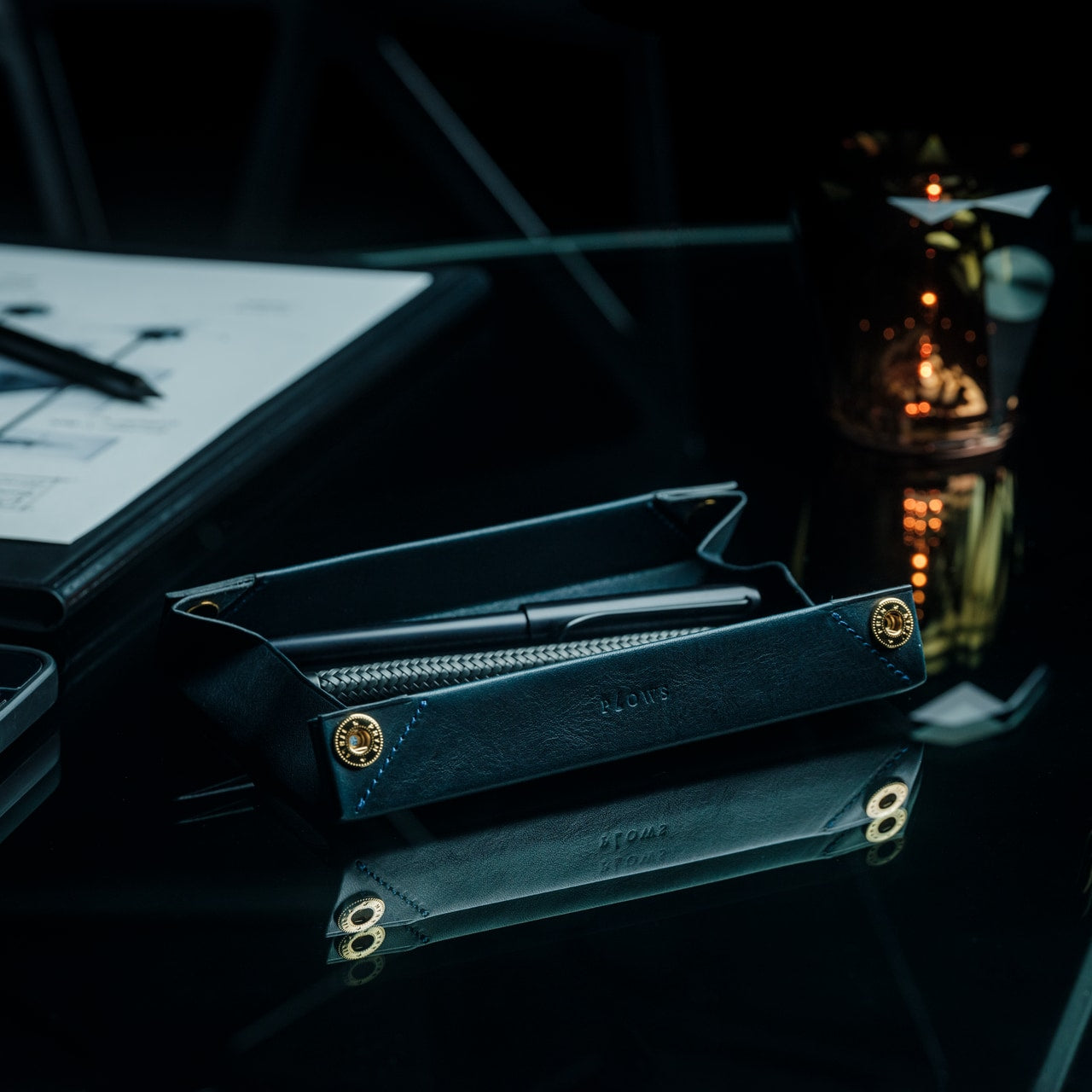
Cut from a single piece of Italian leather, the FoldLine Pen Roll converts from a carrying case to a functional desk tray in under two seconds using origami-inspired folding geometry: no stitched partitions, no zippers. The natural wrap of the fold separates and protects each pen, and metal-bodied instruments stay scratch-free without dedicated slots.
Unfolded, it creates a defined rectangular workspace on any surface: a cafe table, an airplane tray, a hotel desk. That containment matters. Scattered pens create micro-distractions, and a tray eliminates the chaos without occupying permanent desk space. The leather develops a patina over time, improving with age rather than deteriorating.
Click Here to Buy Now: $135.00
What we like
- The two-step unfolding mechanism feels intuitive enough to be fast and intentional enough to feel like a ritual.
- Single-piece leather construction means no stitching to fail and no partitions to limit capacity.
What we dislike
- Without individual pen slots, instruments can shift during aggressive bag movement.
- Italian leather at this quality carries a price premium well outside impulse-purchase territory.
4. Memento Business Card Log
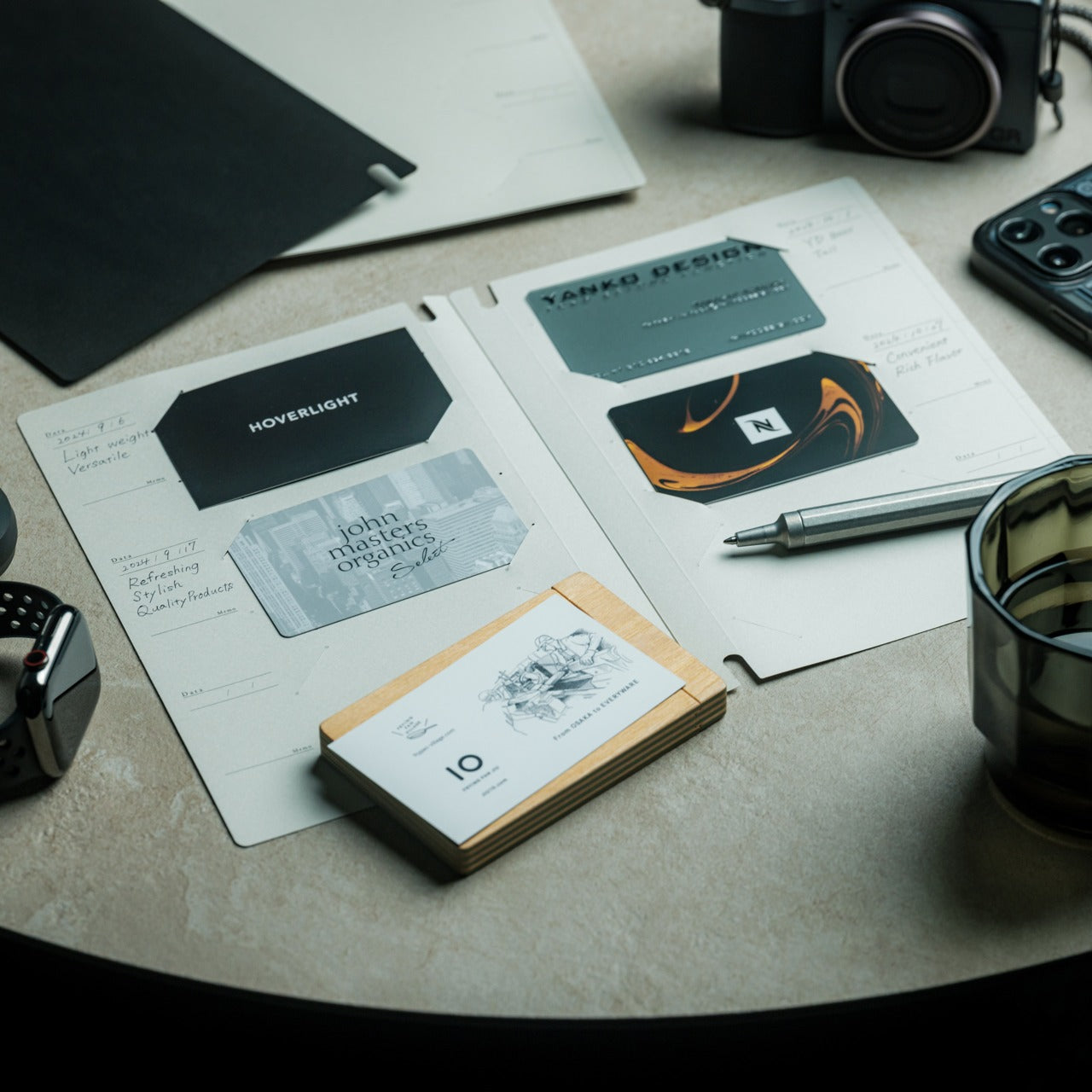
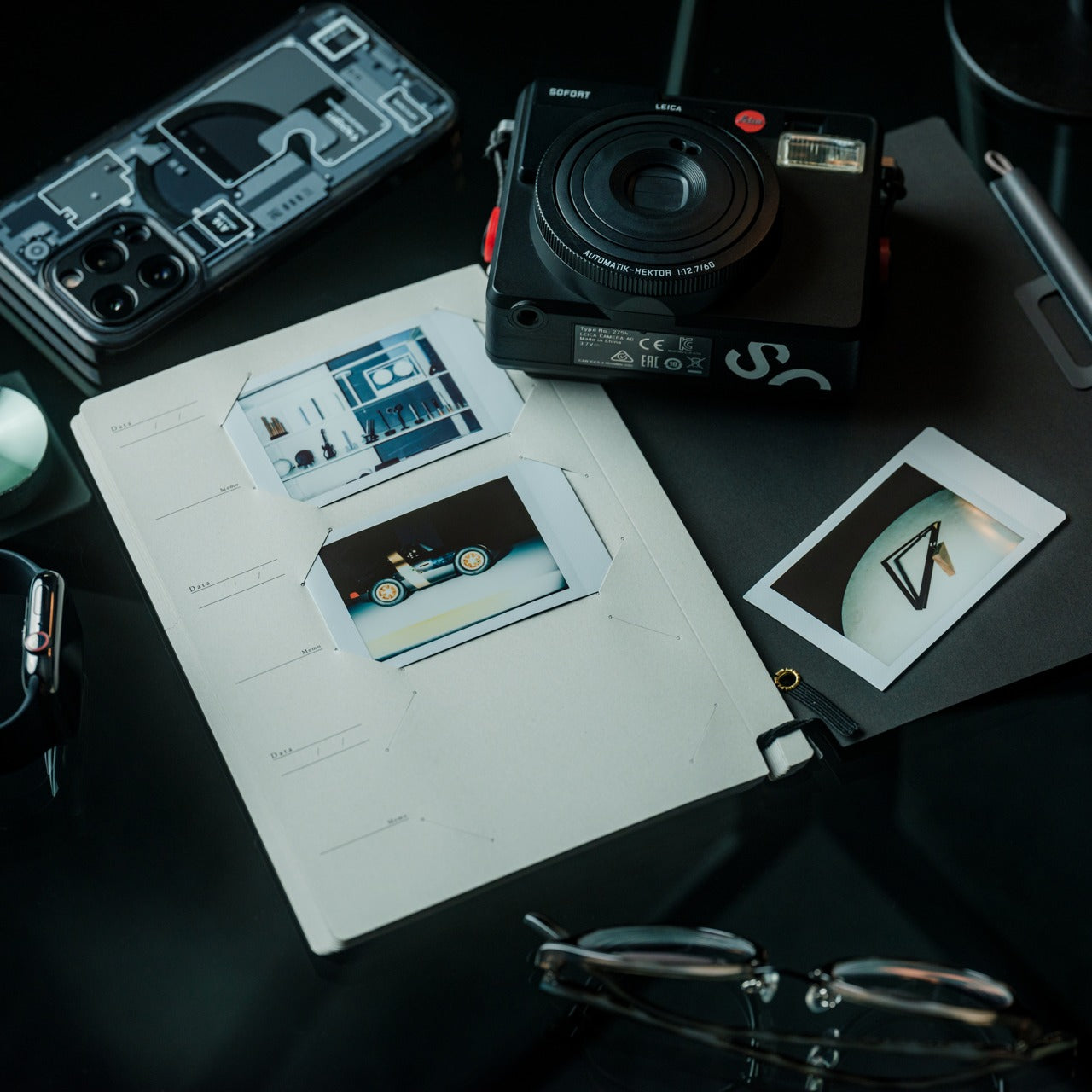
Business cards are collected, shoved into wallets, and forgotten. The Memento Business Card Log, designed by Japanese brand Re+g, rejects that cycle. It stores up to 120 cards using a two-point slit system that keeps each card secure, and the facing page offers dedicated space for handwritten notes about the person: a conversation detail, a follow-up date, a distinguishing trait.
Re+g’s proprietary binding allows pages to be reordered by category, importance, or any logic that makes sense. The paper stock has a warm, tactile quality. Writing a note by hand about someone forces a level of attention that tapping a phone screen cannot replicate. The log becomes a record not just of who was met, but of how those meetings felt.
What we like
- The proprietary binding allows page reordering, so the system evolves with the user.
- Dedicated note space alongside each card slot turns passive storage into active relationship memory.
What we dislike
- At 120 cards, heavy networkers will fill the log fast, requiring a second volume.
- The analog format means no search function, so finding a specific card requires manual browsing.
5. Classiky Chestnut Postcard Case
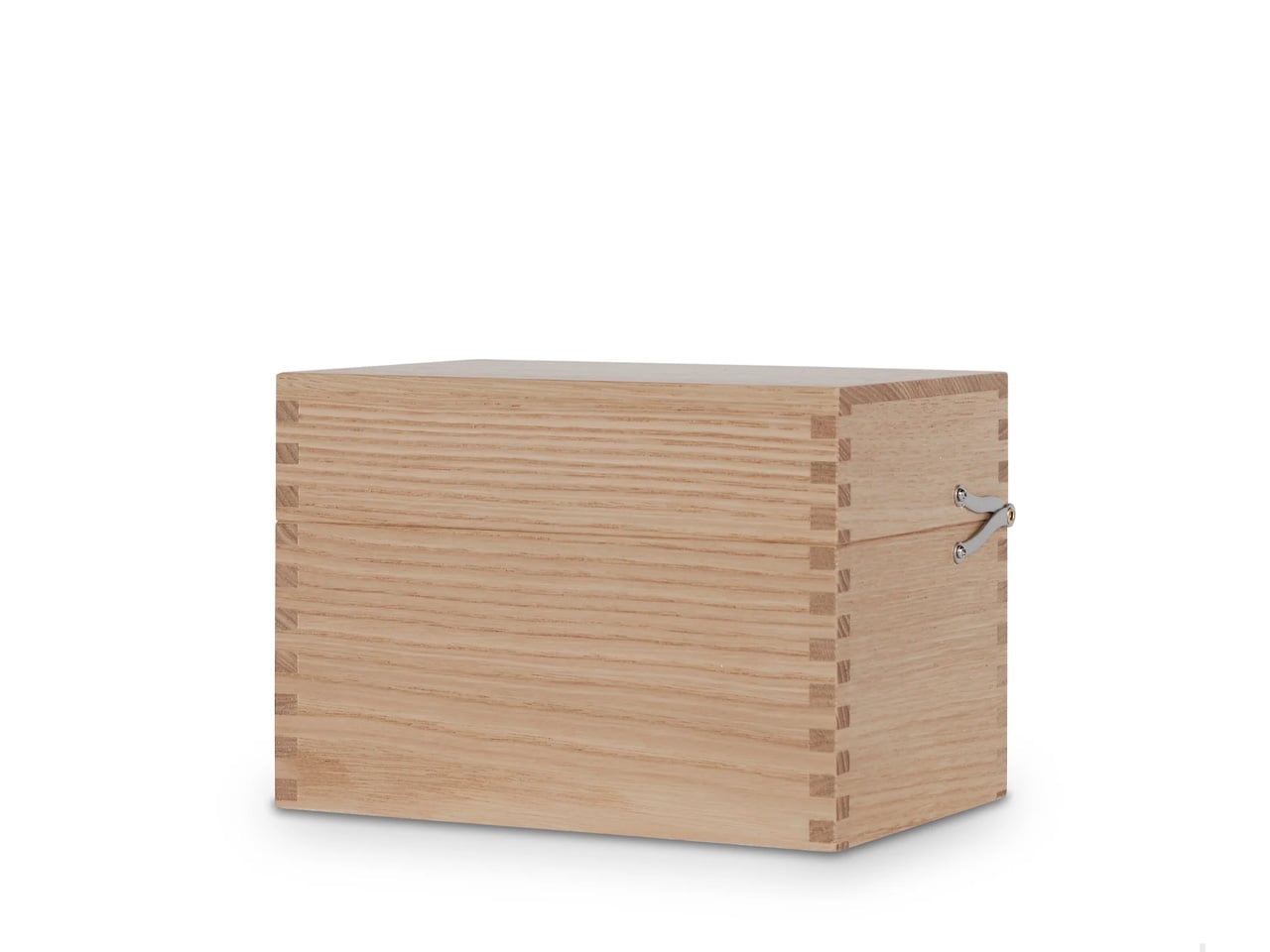
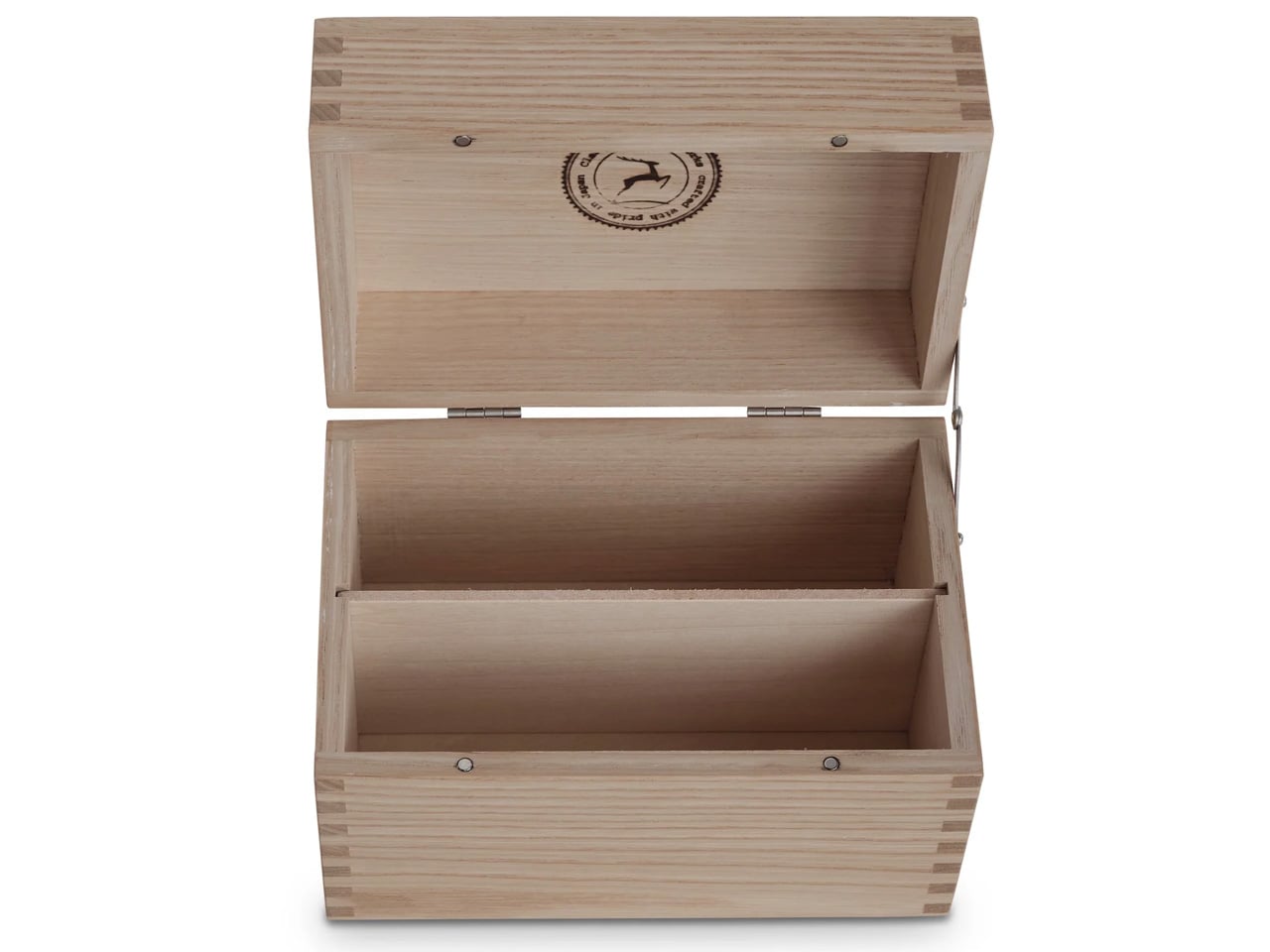
Classiky’s Chestnut Postcard Case borrows its design language from the wooden boxes used in Japan to store precious ceramics. Varnished Japanese chestnut wood gives it a warmth and grain that plastic or metal storage cannot approach. The proportions (17.6 x 11.6 x 12.4 cm) are calibrated for standard postcards, with two removable separators and a magnetic closure that shuts with clean, weighted precision.
This is a storage object built to outlast its contents. The chestnut deepens in color over years of handling rather than fading, and the removable separators allow flexible configuration depending on collection size. For collectors, letter writers, or anyone who values the physical artifact of a postcard, this case turns storage into curation.
What we like
- Varnished Japanese chestnut ages beautifully, growing richer in tone over the years of handling.
- Removable separators allow for a flexible internal configuration across different collection sizes.
What we dislike
- Dimensions are postcard-specific, so the case cannot accommodate larger formats, such as A5 prints.
- The craftsmanship and material quality place it at a premium that limits its appeal for casual purchases.
6. Sonic Kakusta
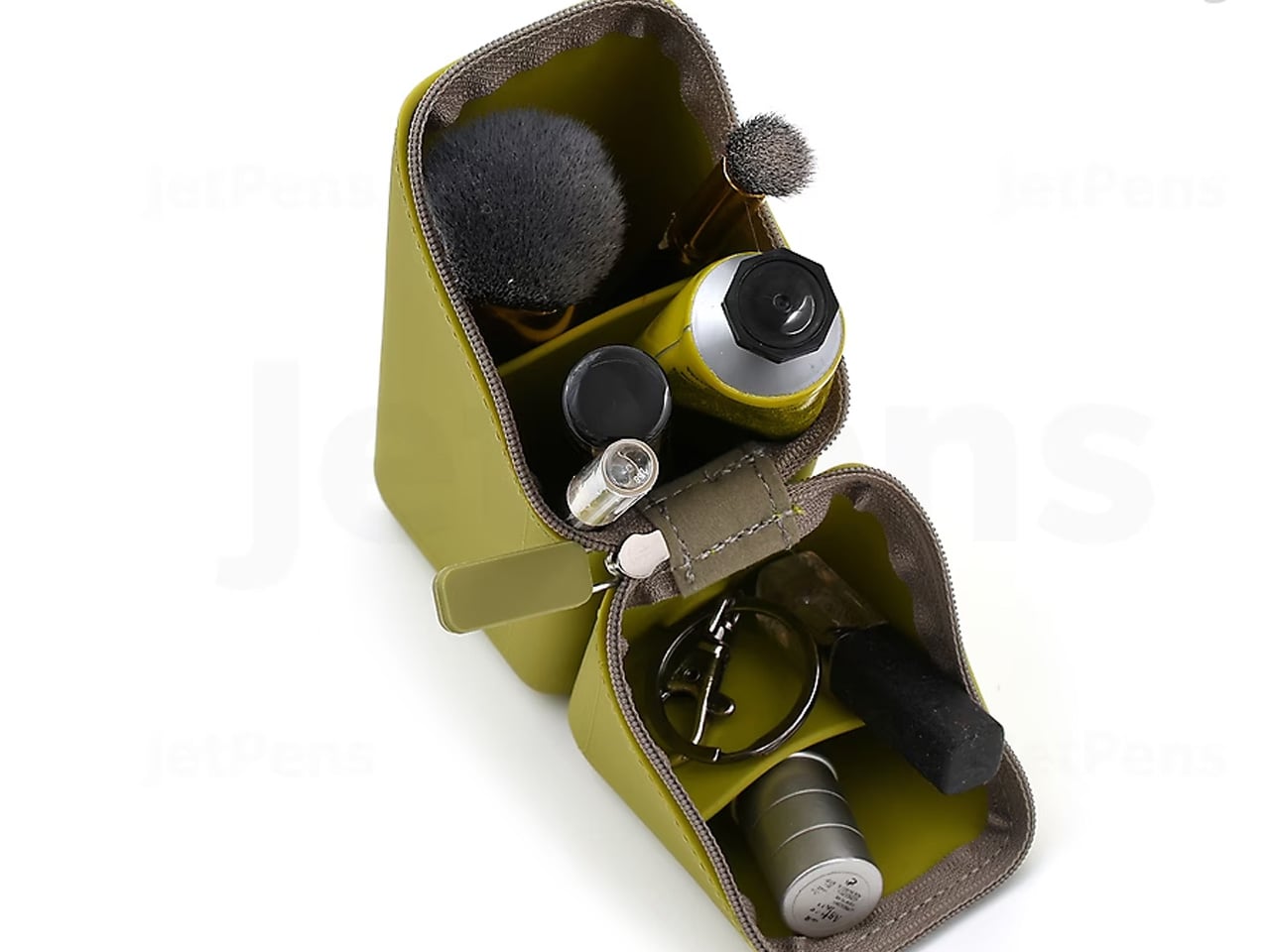
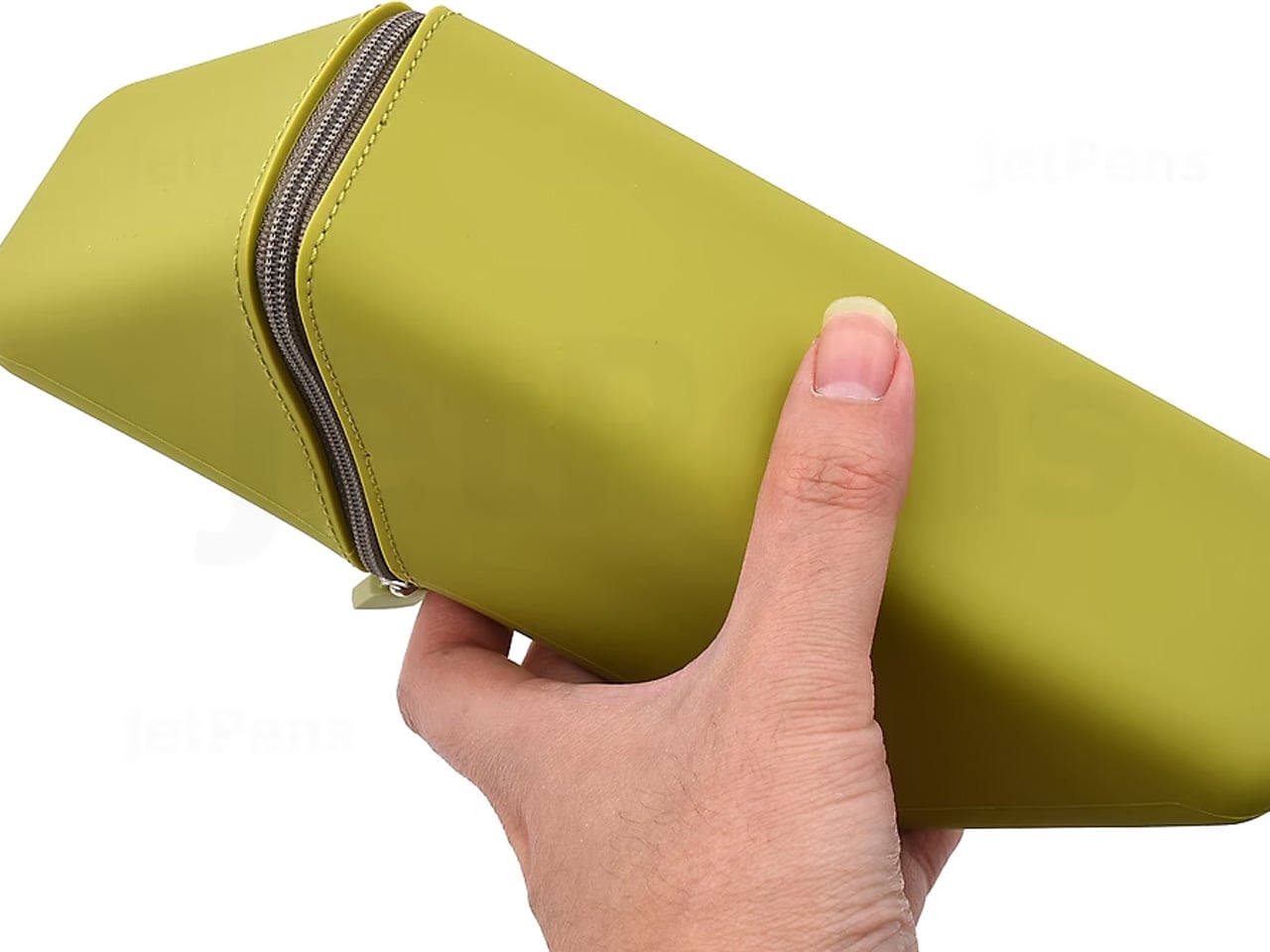
The Sonic Kakusta starts as a soft pen case and transforms into a triangular desk stand that props pens at a 60-degree angle for easy visibility and access. A built-in divider splits the interior into two sections, while a second divider in the lid creates a small shelf for erasers and sticky notes. Strong magnets hold the folded lid in place, preventing the stand from collapsing mid-use.
That 60-degree angle is the smartest detail. Steep enough to display pen tops for identification, shallow enough that pens slide in and out without tipping the case. For anyone working between home, office, and library, the Kakusta eliminates the need to carry both a case and a desk cup. One object handles both roles without appearing to be a compromise.
What we like
- The magnetic lid holds the stand shape on uneven surfaces without collapsing.
- The lid divider doubles as a shelf for small items, adding utility most pen cases ignore.
What we dislike
- Soft material offers limited protection against crushing in an overpacked bag.
- The triangular footprint is wider than a flat case, occupying more bag space than a traditional pouch.
7. Pocket Everlasting All-Metal Pencil

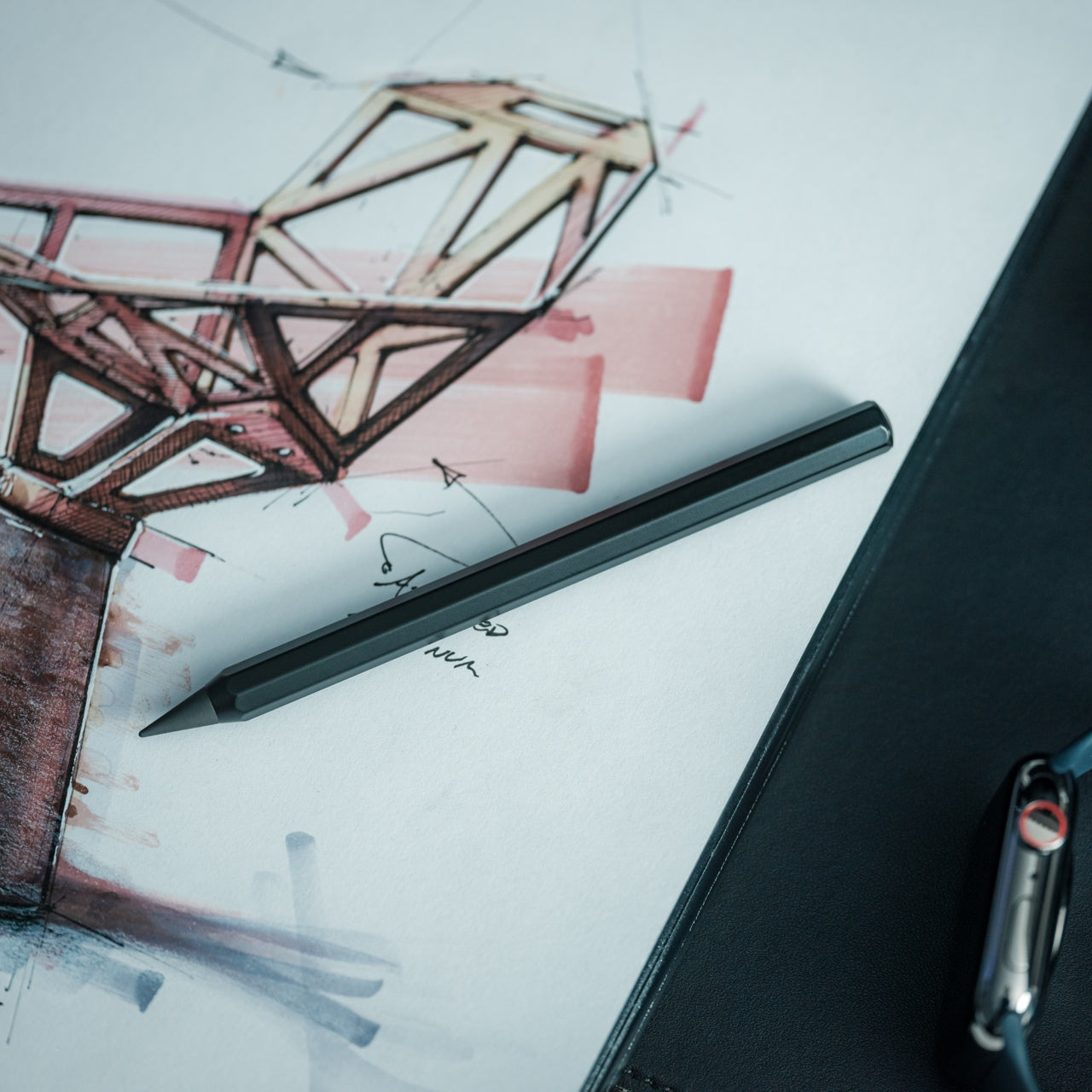
The Pocket Everlasting All-Metal Pencil uses a graphite and metal alloy tip that deposits marks through friction rather than material loss. The core does not shorten. The point does not dull. The manufacturer claims roughly 10 miles of writing, and the marks are erasable with a standard eraser. At 4.7 inches with a cap, it slips into a shirt pocket without protest.
Traditional pencils generate shavings, require sharpeners, and degrade in humid conditions. This pencil sidesteps all three. The all-metal body has a substantial heft without being heavy, and the graphite-alloy line plays well with watercolor and wet media because it does not bleed when painted over. For field note-takers who need a tool that never fails at the wrong moment, this is a quietly radical solution.
What we like
- The graphite-alloy tip eliminates sharpening, shavings, and the risk of a dull point at the worst time.
- Compatibility with watercolor and wet media makes it versatile for mixed-media sketching.
What we dislike
- Line weight is fixed, so artists needing variable stroke thickness will find it limiting.
- The metallic graphite tone differs subtly from traditional pencil graphite, which may bother purists.
8. Stellar Edge Scissors

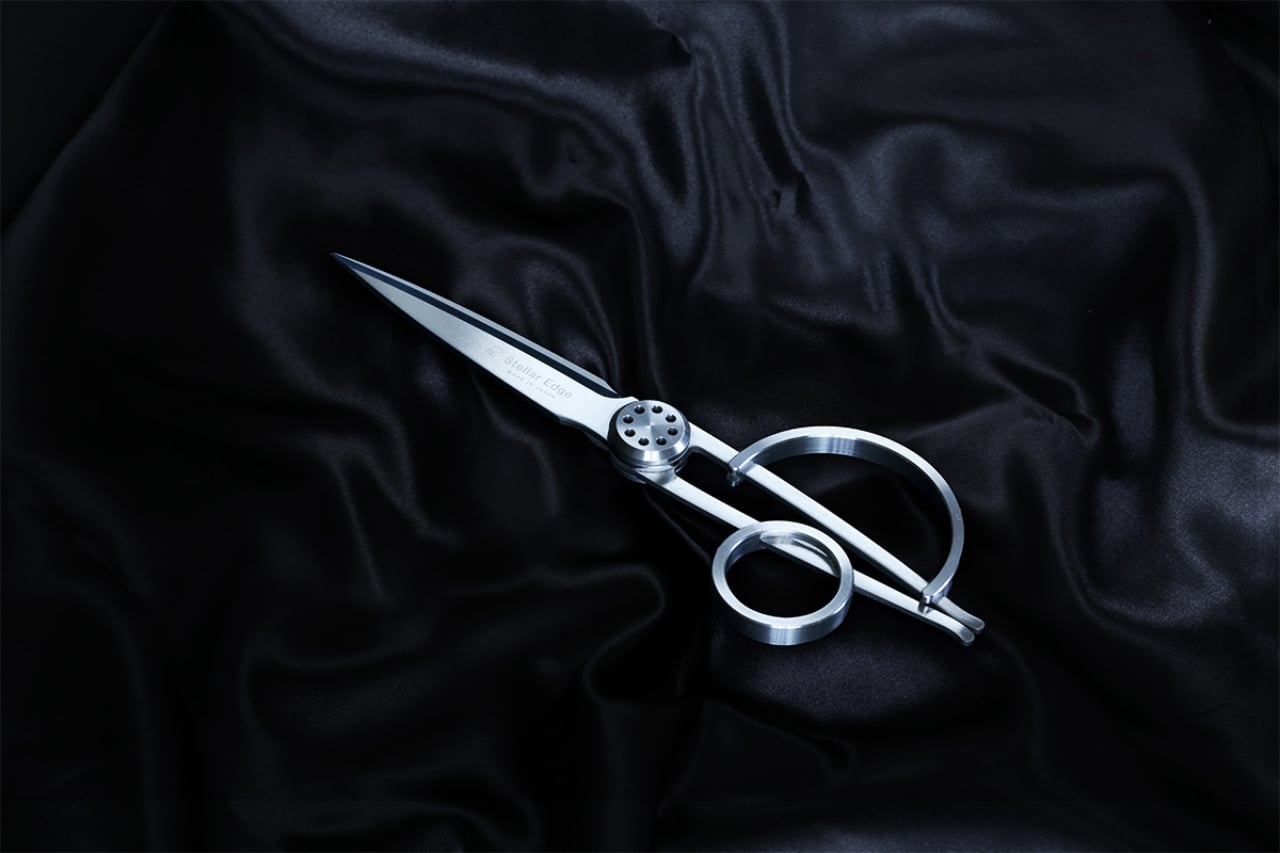
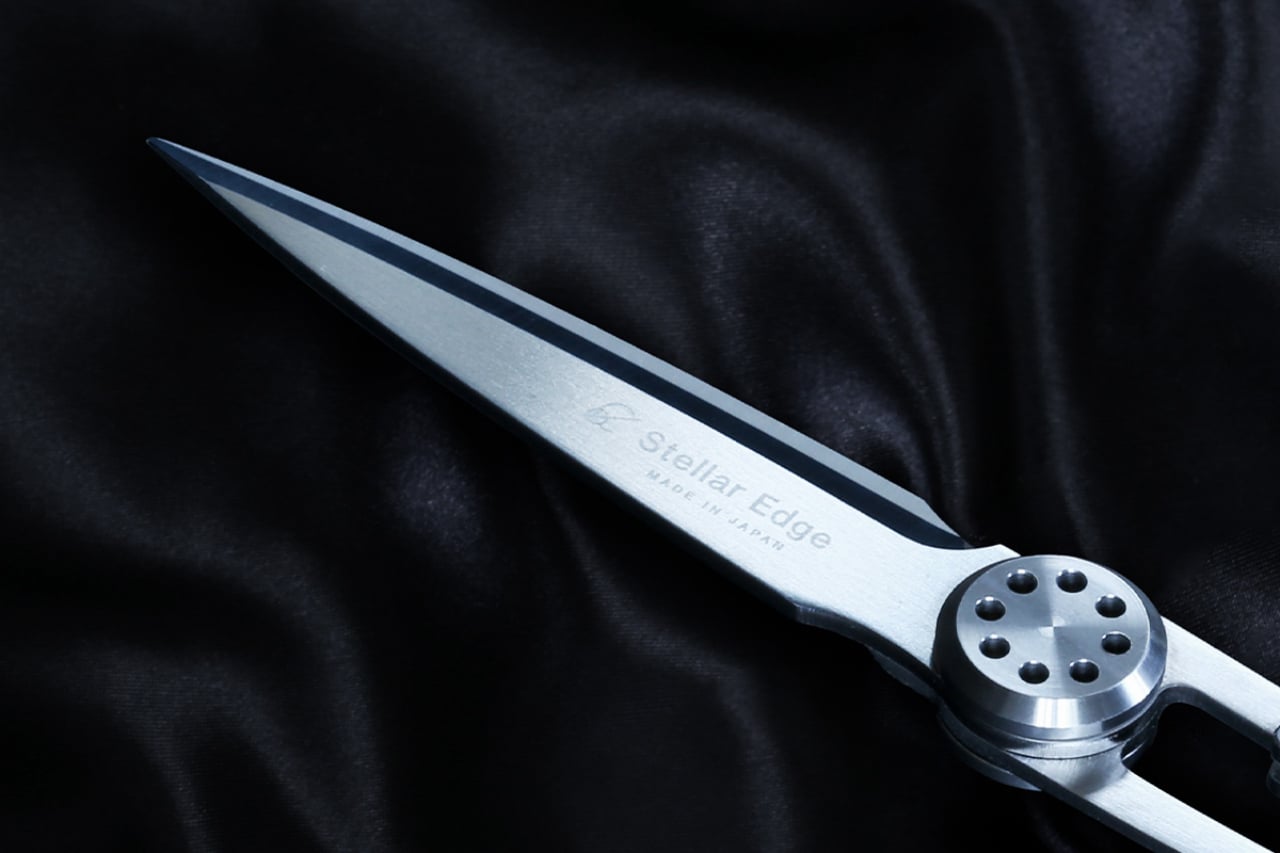
Scissors are the most overlooked object on a desk. The Stellar Edge Scissors argue that this neglect is a design failure. Crafted from Japanese stainless steel, the blades hold their edge far longer than standard office scissors, and the polished, seamless handles distribute weight so evenly that extended cutting sessions produce no hand fatigue. Every curve has been considered, from the finger loop radius to the pivot tension.
Each snip has a clean, controlled resistance that comes from precise blade geometry and tight manufacturing tolerances. The polished finish reduces friction against tape and adhesive paper, which tend to gum up matte or coated blades. The ergonomic shaping fits both left and right hands without the usual ambidextrous compromise. For anyone who uses scissors more than once a week, these make the ordinary feel considered.
What we like
- Japanese stainless steel holds a sharp edge far longer than standard office scissor alloys.
- Weight distribution across the handles eliminates fatigue during extended cutting sessions.
What we dislike
- The premium material and finish come at a price point difficult to justify for occasional use.
- The polished surface shows fingerprints easily, so it requires regular wiping to maintain a clean aesthetic.
Where this leaves us
Eight products, and the common thread is not aesthetics or branding. It is the refusal to accept that everyday tools should be disposable, forgettable, or merely functional. Japanese stationery design starts from the assumption that the interaction between a person and a tool is worth engineering down to the last magnetic click, the last gram of weight distribution, the last millimeter of paper thickness.
The rest of the world makes stationery. Japan makes instruments. The difference is not in the materials alone, though those matter. It is in the insistence that a pen’s relationship to a notebook, a scissors’ resistance against paper, or a wooden box’s aging behavior are all design problems that deserve solutions. These eight products are proof that once experienced, going back feels like a downgrade.