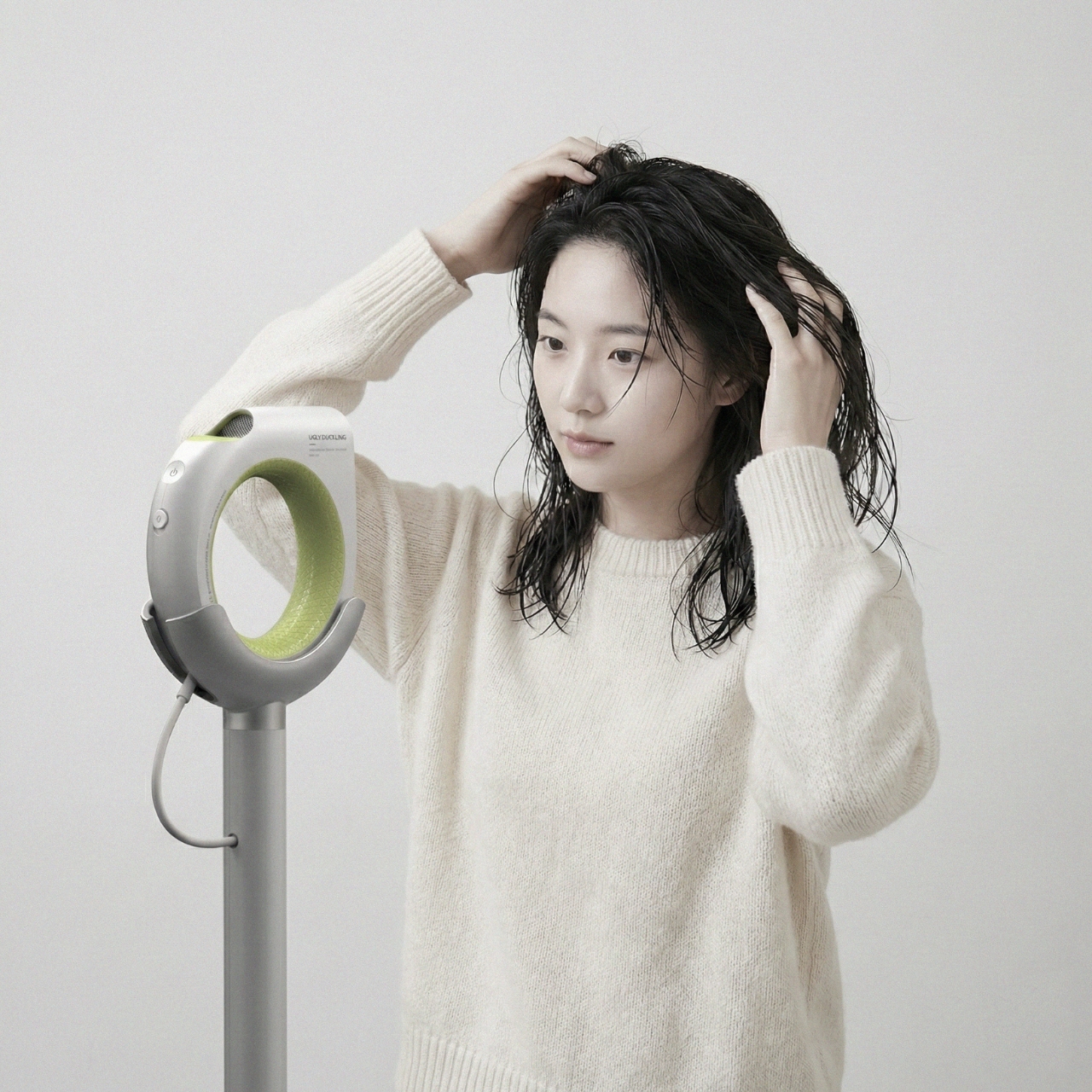

The hair dryer hasn’t really changed. Not fundamentally. You grip a barrel, aim at your head, and hold that position until your arm gives out or your hair is dry, whichever comes first. For something people use nearly every day, the hair dryer has been remarkably resistant to design rethinking. We’ve gotten quieter motors and better ionic technology and, yes, even a Dyson that costs more than a weekend getaway. But the form factor? The handle? The whole gun-shaped logic of it? That’s been largely untouched.
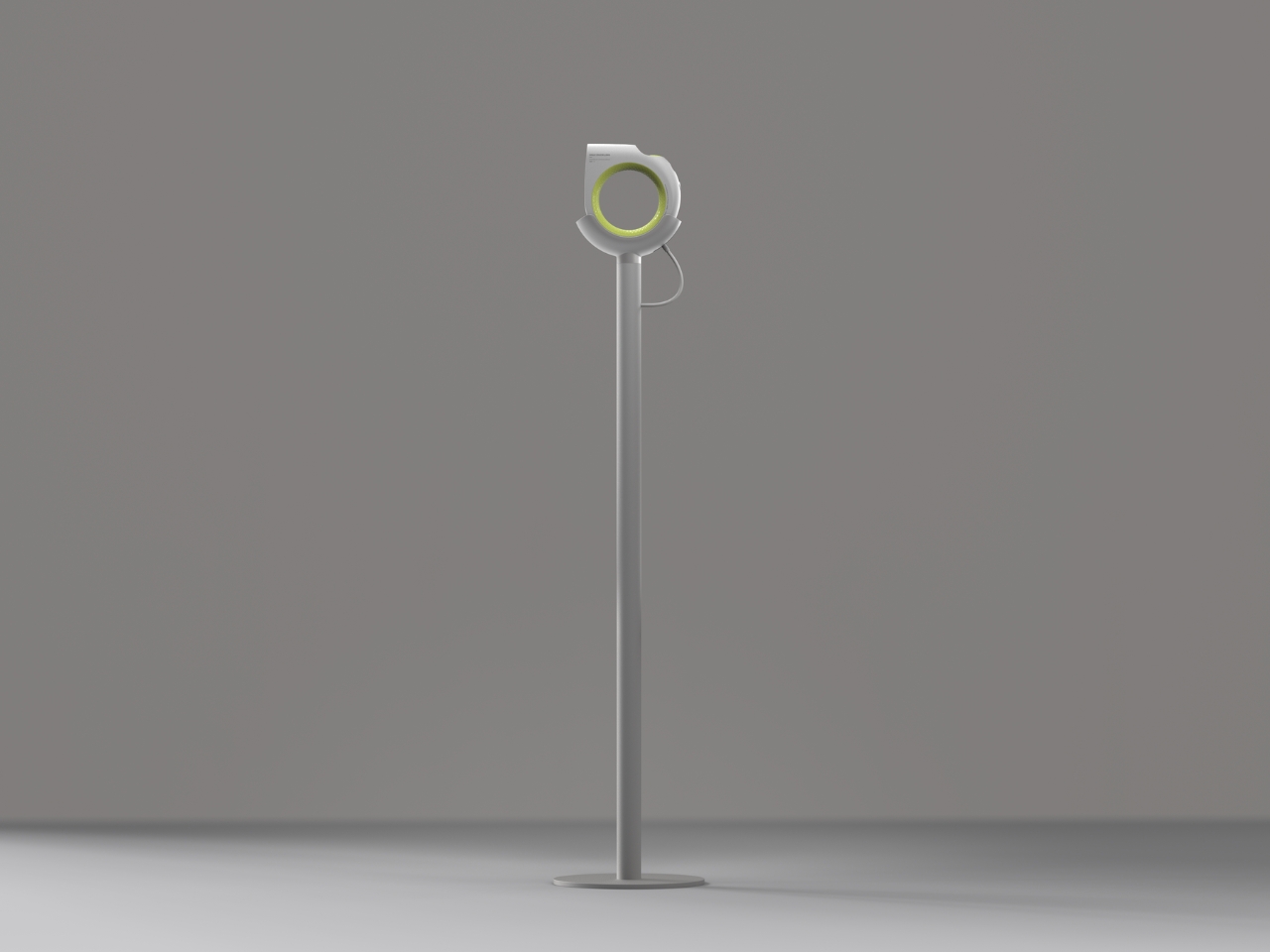
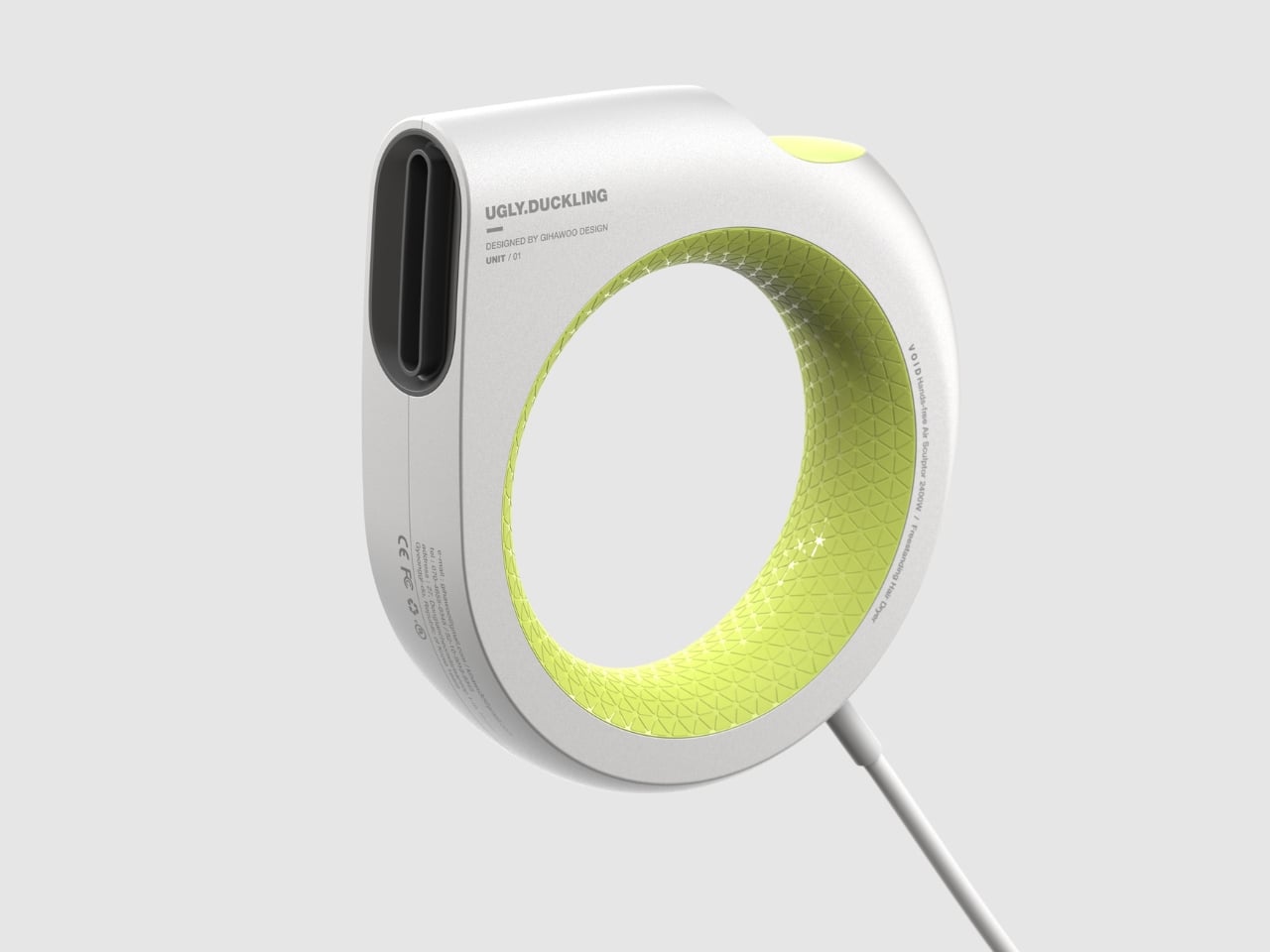
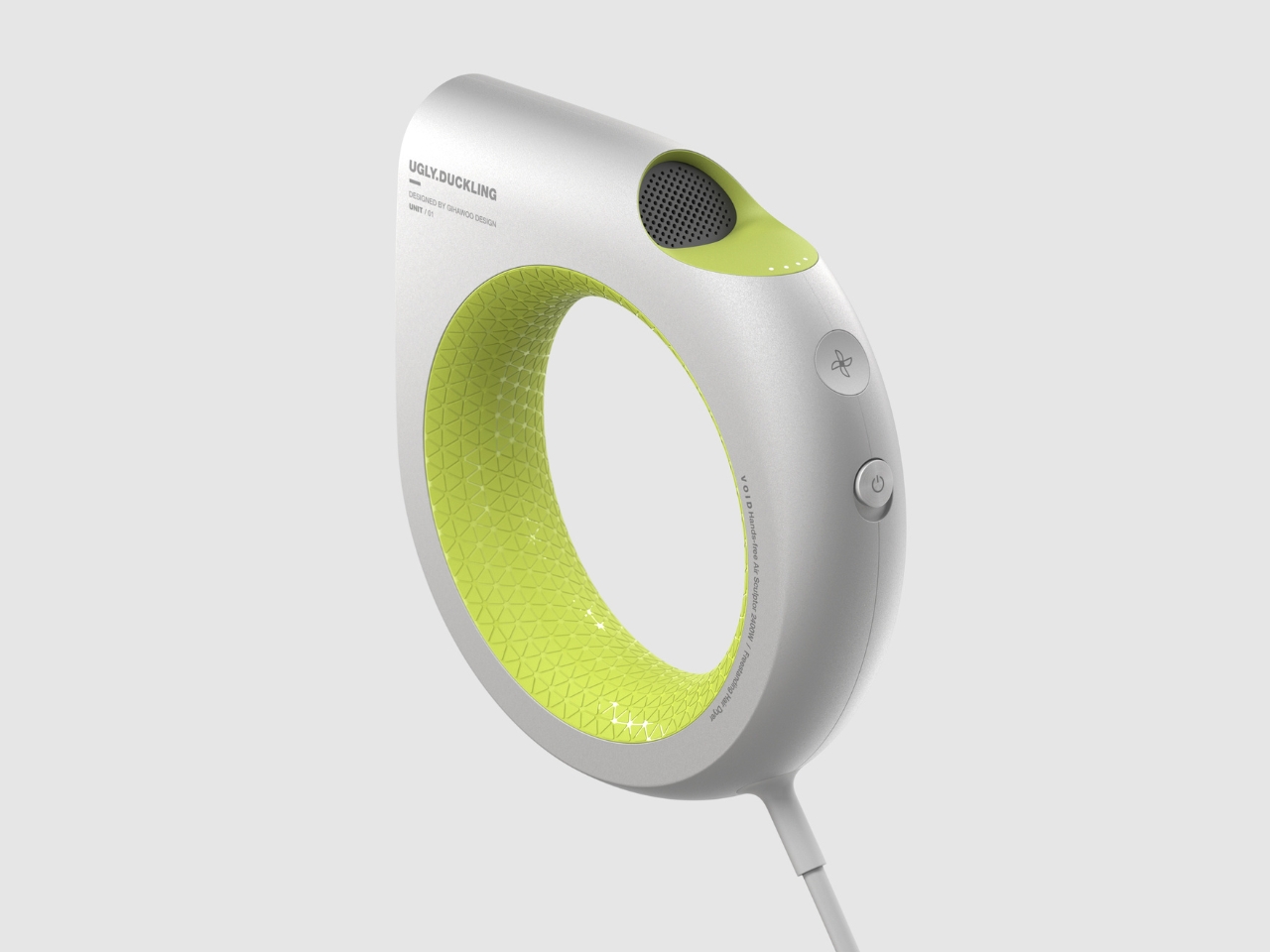
Seoul-based designer Giha Woo of UGLY DUCKLING ID apparently decided that was worth fixing. VOID, the studio’s 2026 concept, starts from a completely different question: what if we removed the handle entirely? Not just slimmed it down or repositioned it, but actually erased it and started over. The result is a geometric ring, a hollow torus-shaped dryer that sits in a freestanding cradle when not in use and can be held, angled, or used completely hands-free. The name is not accidental. The void in the design is literal: it is the absence of the handle that defines everything about this object.
Designer: Giha Woo (UGLY DUCKLING ID)
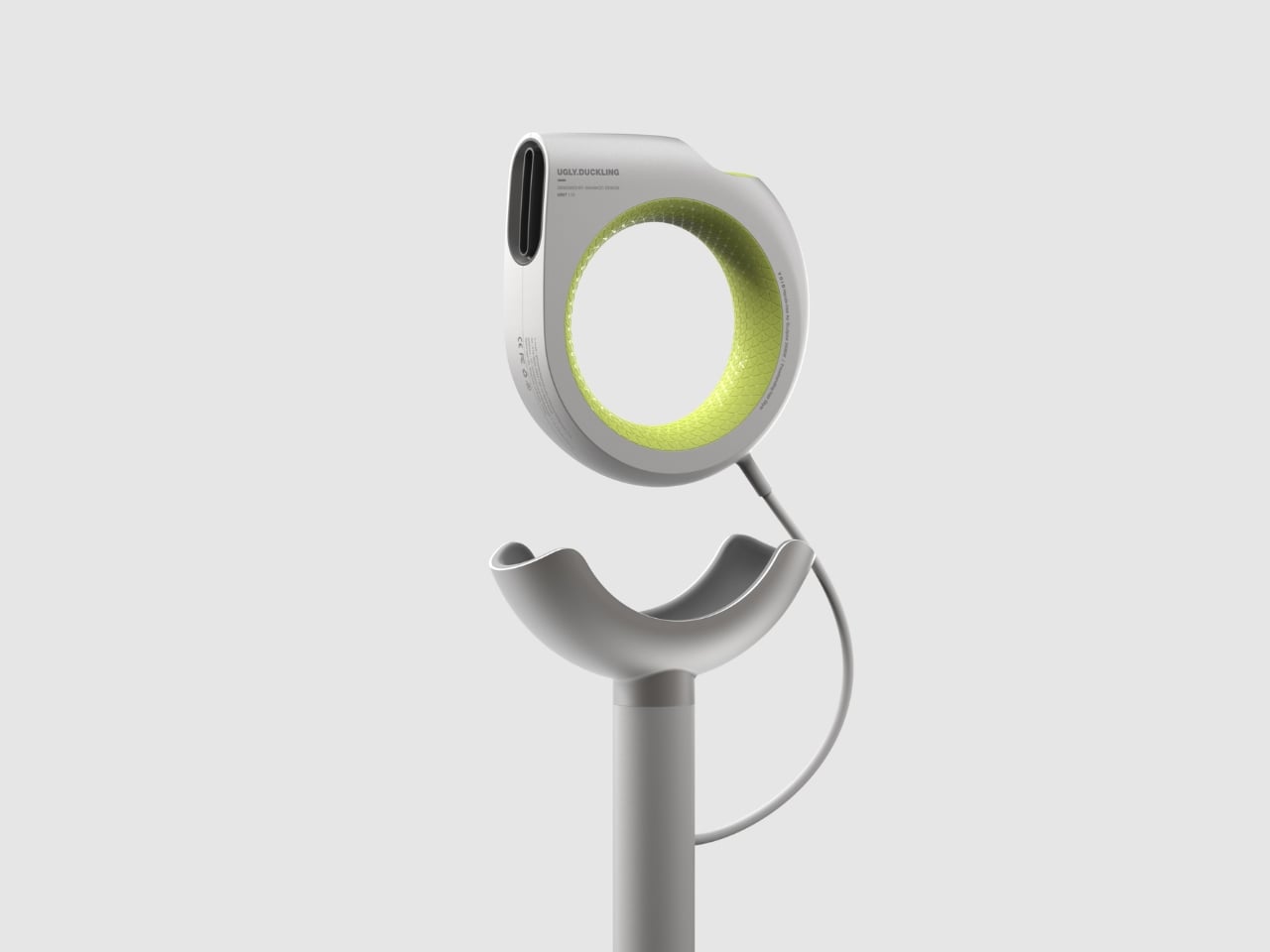
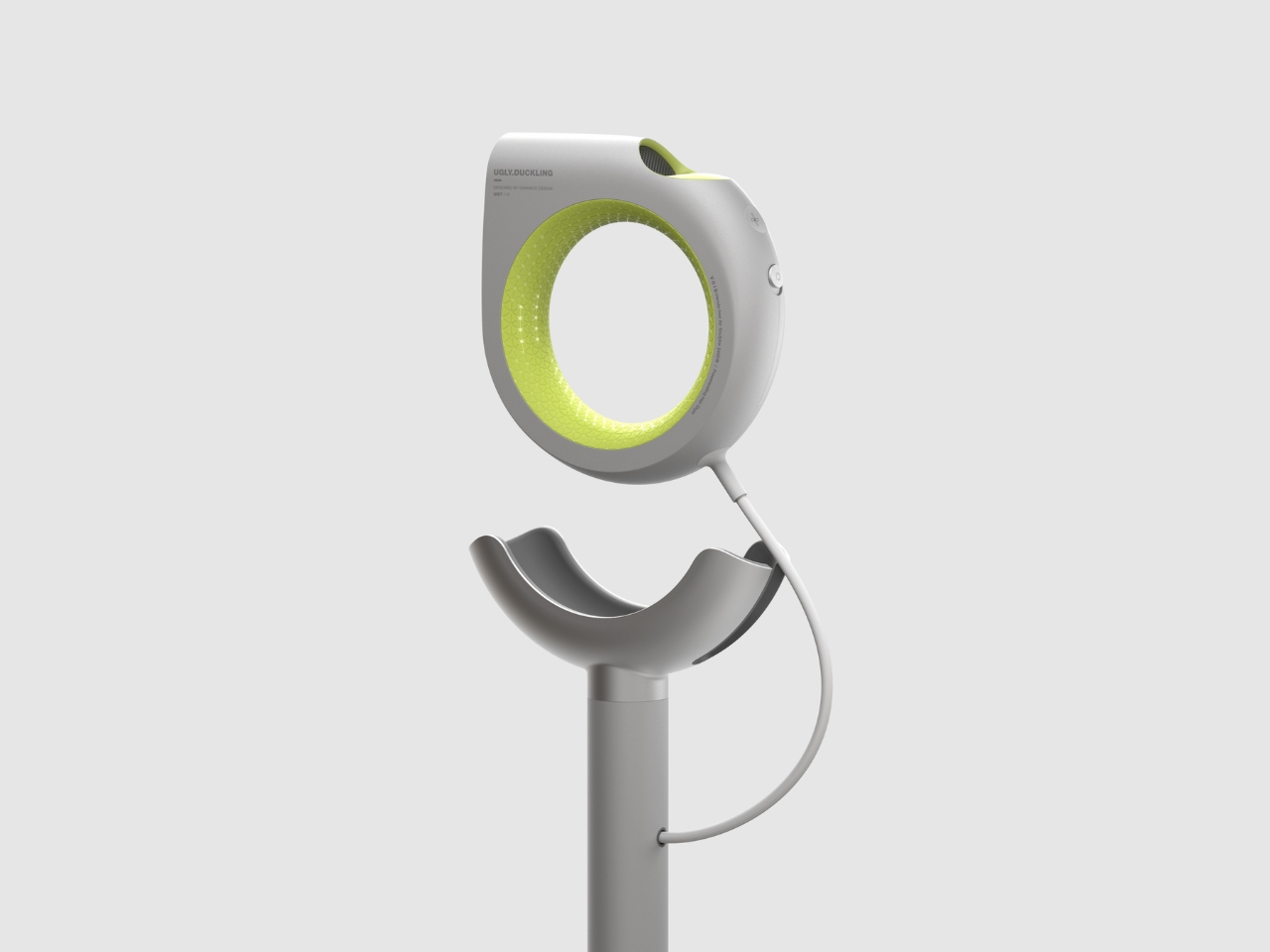
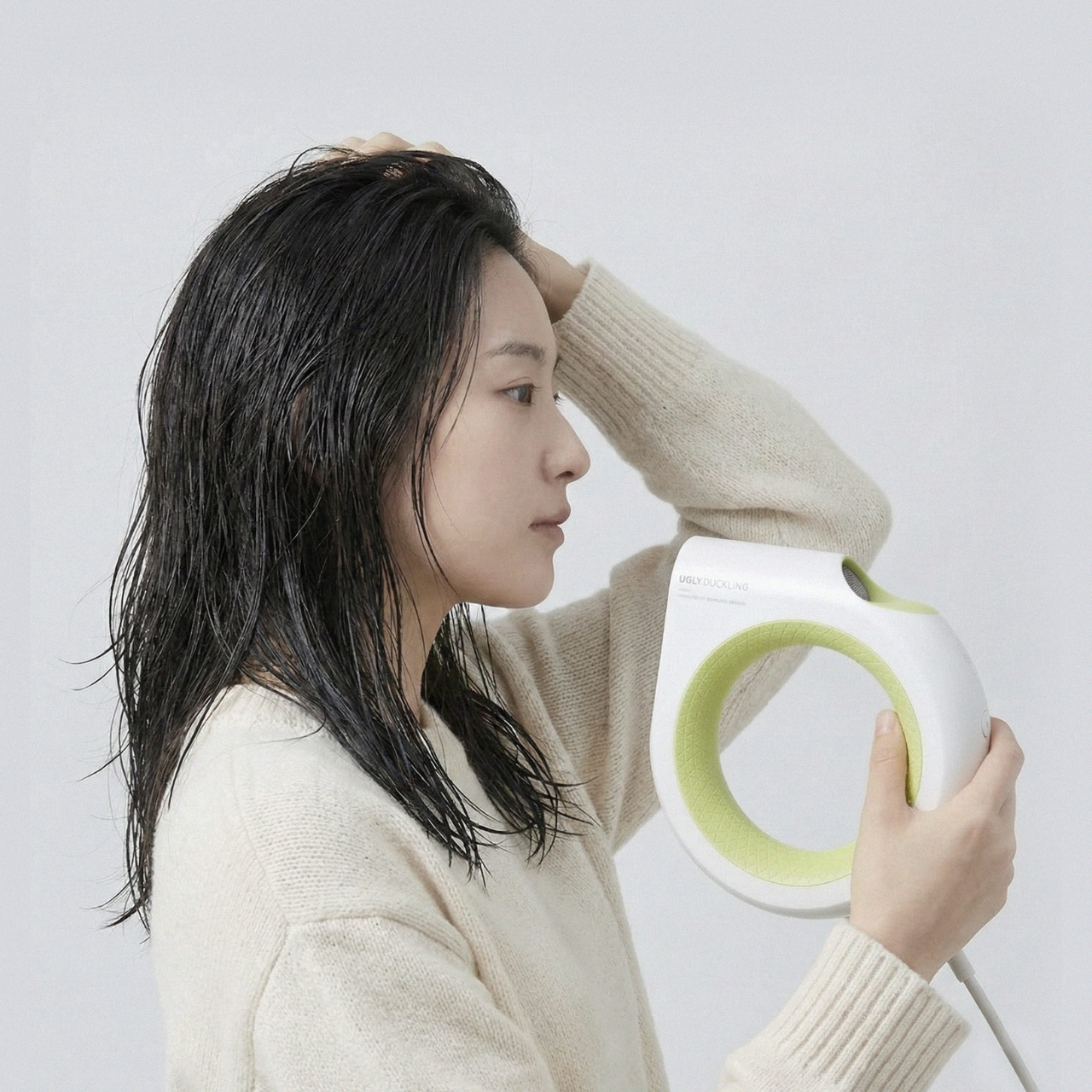
What I find genuinely exciting about this is not just the visual novelty, which is considerable. It’s the design logic behind it. Giha Woo describes the concept as “breaking away from the familiar, discovering new usability,” and that phrase is doing real work here. Most product redesigns tinker at the edges. VOID goes to the center of what makes a hair dryer a hair dryer and questions whether that thing needs to exist at all. The ring structure doesn’t force a single way of holding. You can grip it at different points, set it in the stand and step back, or orient it however the airflow needs to go. That kind of flexibility isn’t just ergonomically interesting; it’s philosophically interesting. It’s a product that doesn’t tell you how to use it.
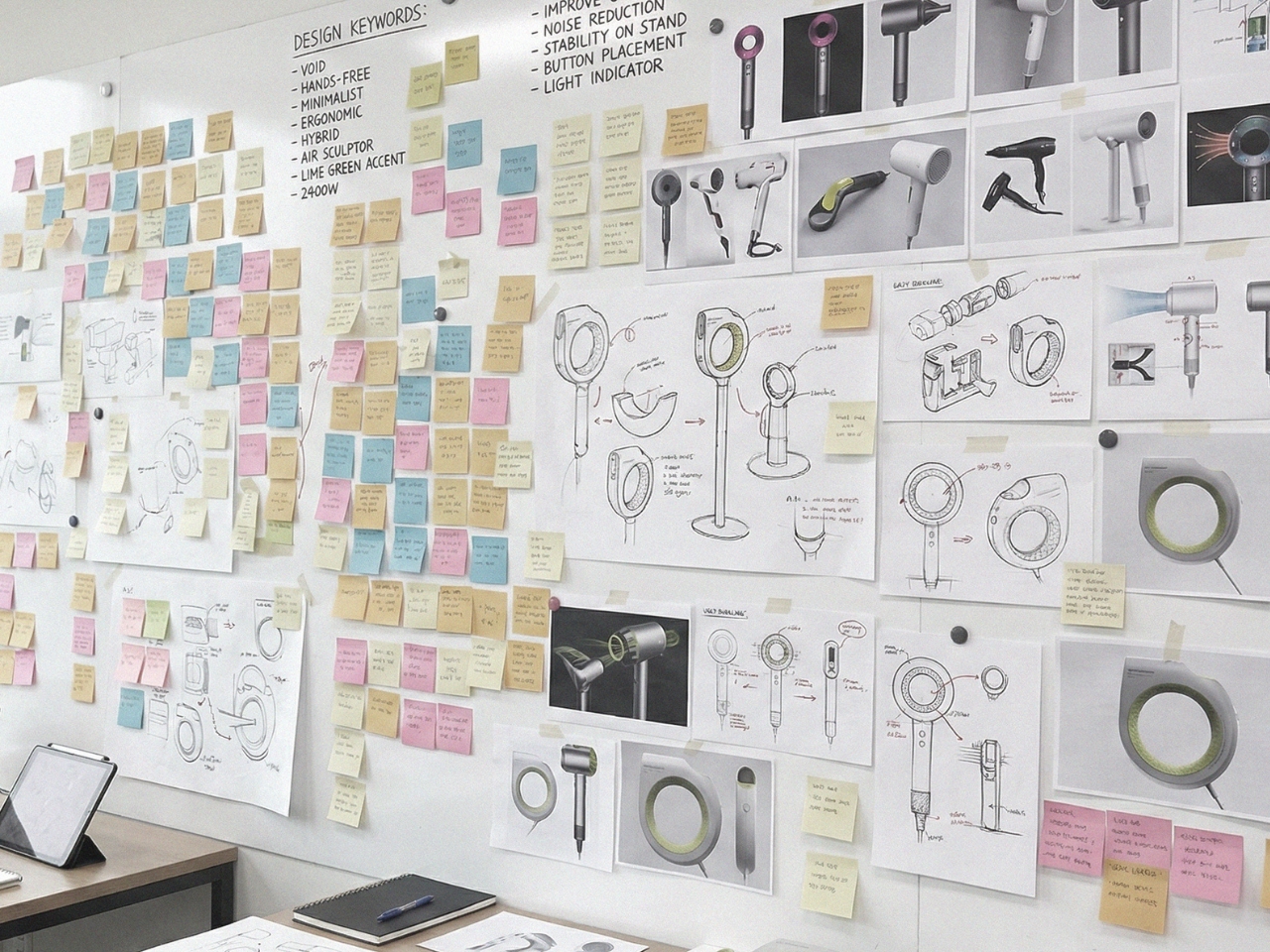
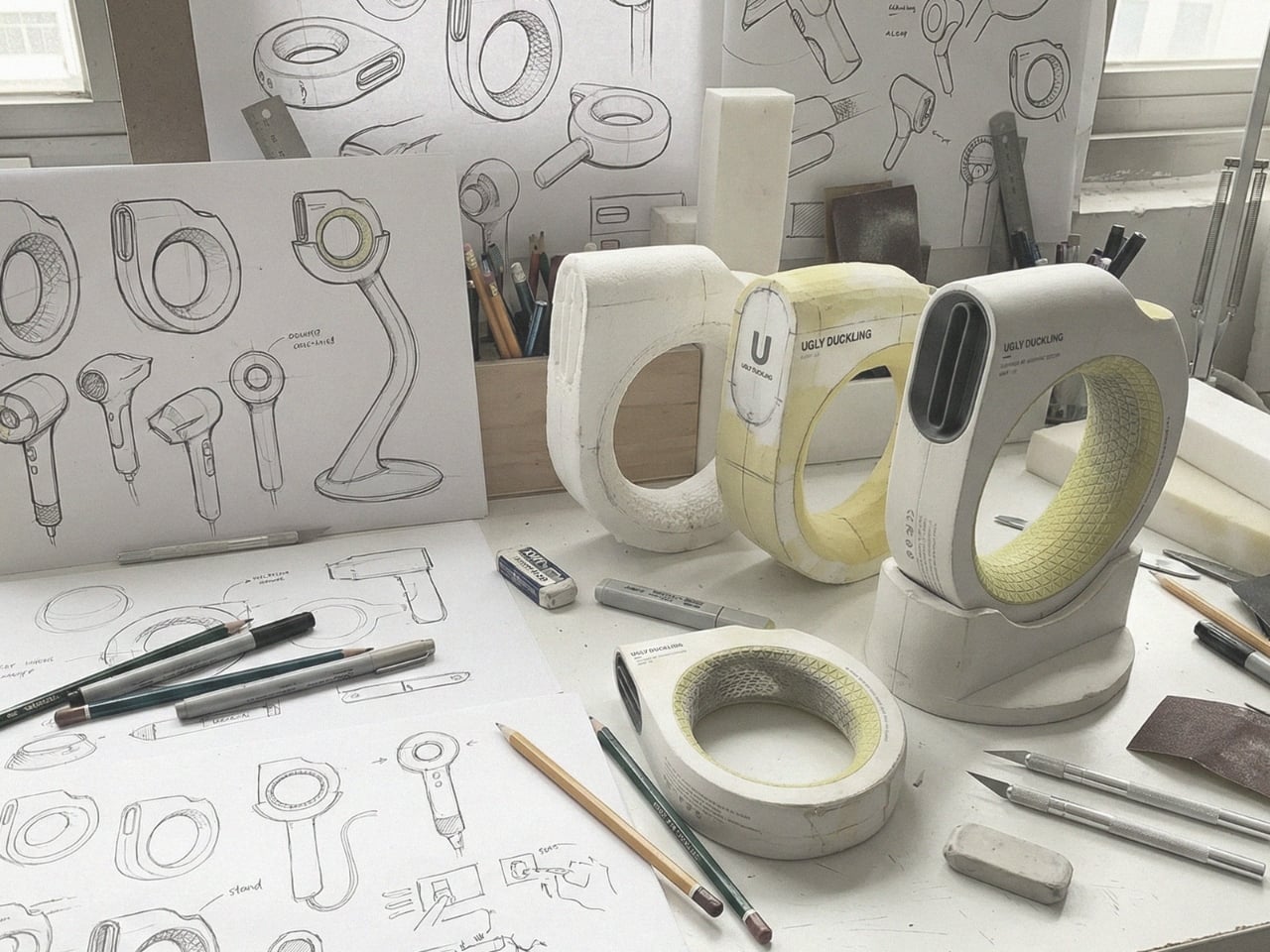
UGLY DUCKLING ID has always operated at that intersection of wit and precision. Founded by Giha Woo in Seoul in 2010, the studio has developed a portfolio that reads less like a product catalog and more like a cabinet of curiosities. They’ve made a piglet-shaped VR device and a phone controller that looks like a gun. They’ve worked with Samsung. The name UGLY DUCKLING is deliberate: these are designs that don’t look like what you’d expect, and that’s the whole point. VOID is a natural extension of that sensibility, except it’s arguably their most commercially plausible concept to date.
There’s also the question of who this is really for. Hands-free drying isn’t just a convenience play. For people with limited mobility, shoulder injuries, or conditions that make sustained arm-raised postures difficult, a freestanding drying system is genuinely functional rather than merely aesthetic. Design that improves daily life for a wider range of bodies tends to be better design overall, and VOID seems to understand that without making it the centerpiece of its branding.


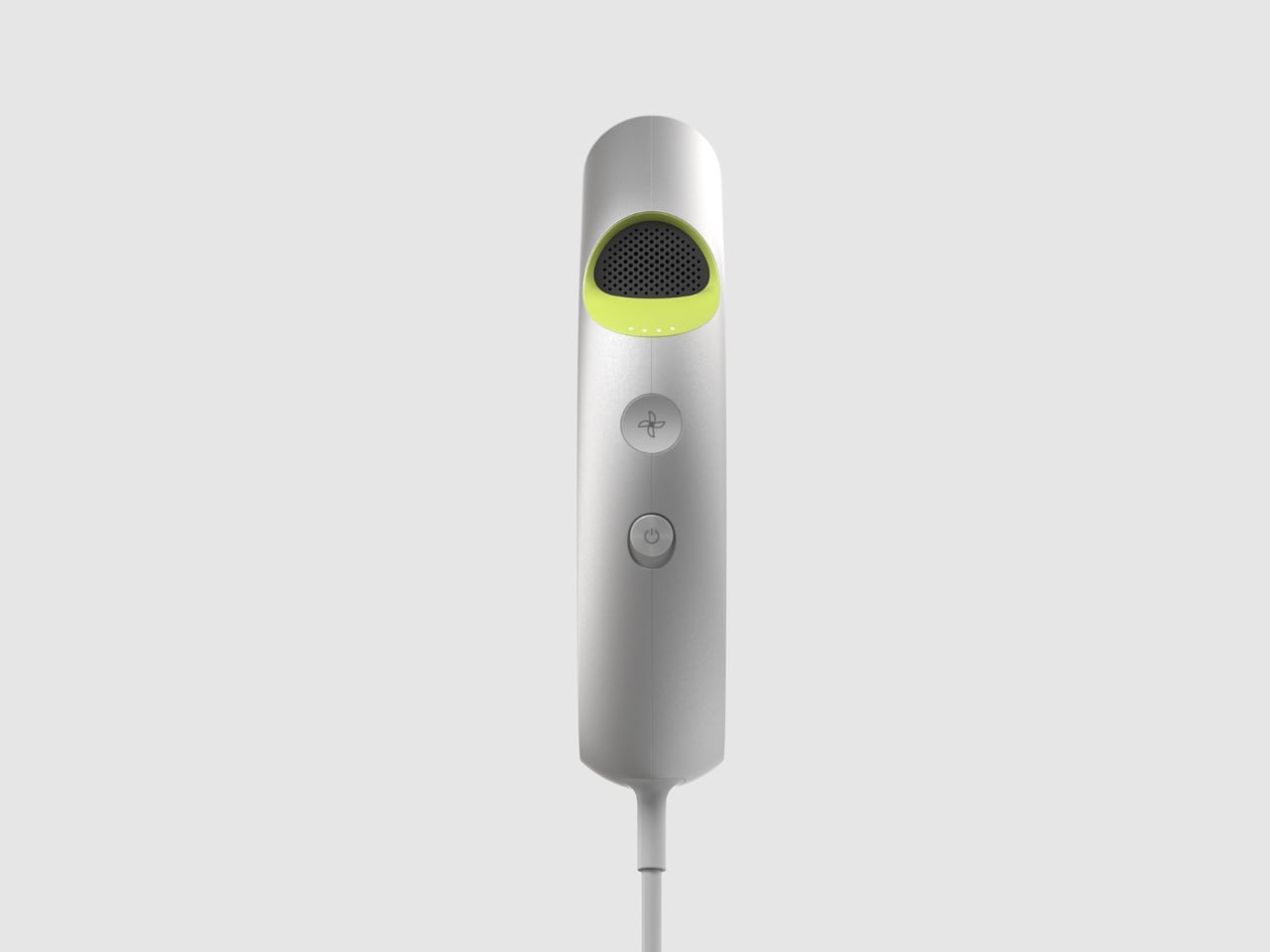
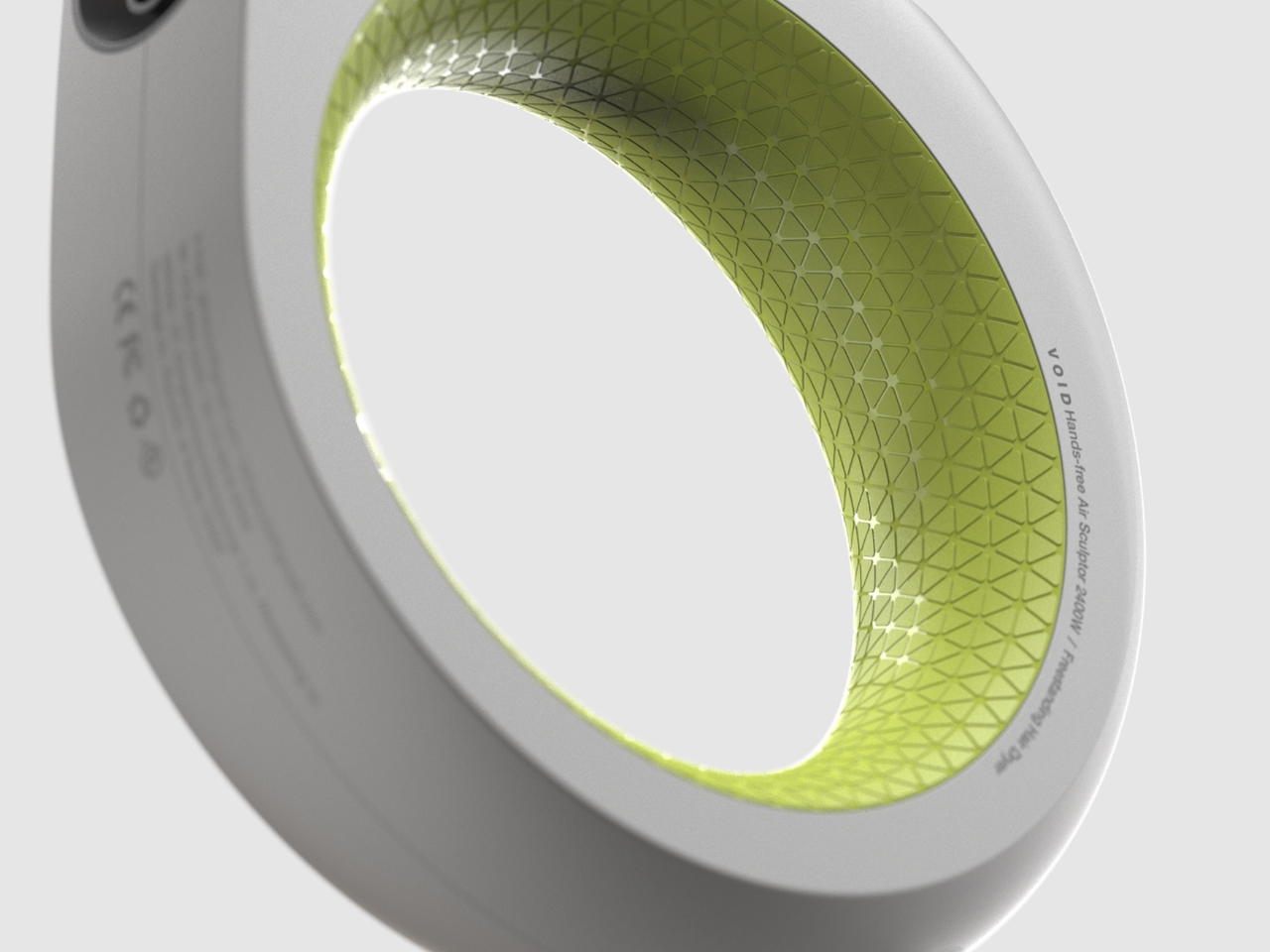
The textured inner ring, compact motor strategy, and directional outlet placement show real system thinking behind the design. This isn’t a rendering exercise dressed up as a product. Whether VOID ever reaches production is another question entirely. As a concept, it already does what good design concepts are supposed to do: it makes you look at a familiar object and wonder why it was ever made differently in the first place.
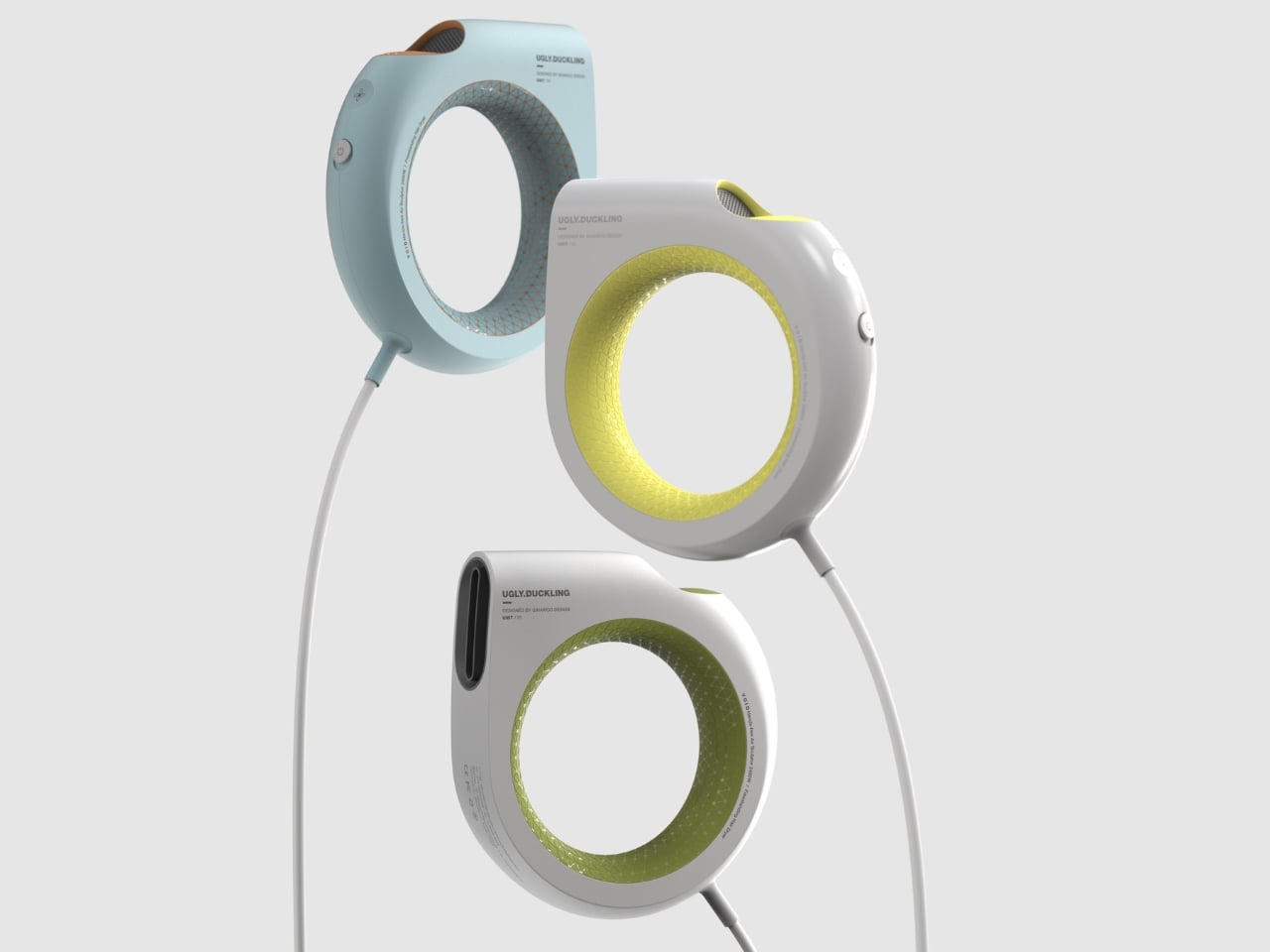
That said, I’ll admit the idea of aiming a ring of air at your head takes some imagination to warm up to. The muscle memory of gripping a dryer handle is real, and habits are stubborn. But every now and then a concept arrives that makes the existing solution feel like the strange one. VOID does that. After seeing it, the traditional hair dryer starts to look slightly absurd, a pistol grip that was developed by historical accident and never really questioned. That, to me, is the clearest sign of a good design idea: it makes the old normal look a little weird.