
Camping gear has always operated on a quiet contradiction: the more you need comfort, the more weight you carry, and the more weight you carry, the less comfortable you become. Spring 2026 has a different answer. A wave of products has arrived that treats outdoor living not as an exercise in deprivation management but as a design problem worth solving properly — with biological modeling, modular cooking systems, and a shelter that erects itself in the time it takes to open a cold drink. These seven gadgets sit at that intersection.
The products on this list share a philosophy more than a category. Each one attacks a specific friction point in the camping experience — bad sleep, messy cooking, cold nights, assembly anxiety — with engineering that owes nothing to the gear conventions that preceded it. Whether you are weekend-tripping in the forest or plotting a longer off-grid stretch, this is what thoughtful outdoor design looks like in 2026.
1. Camp Napper

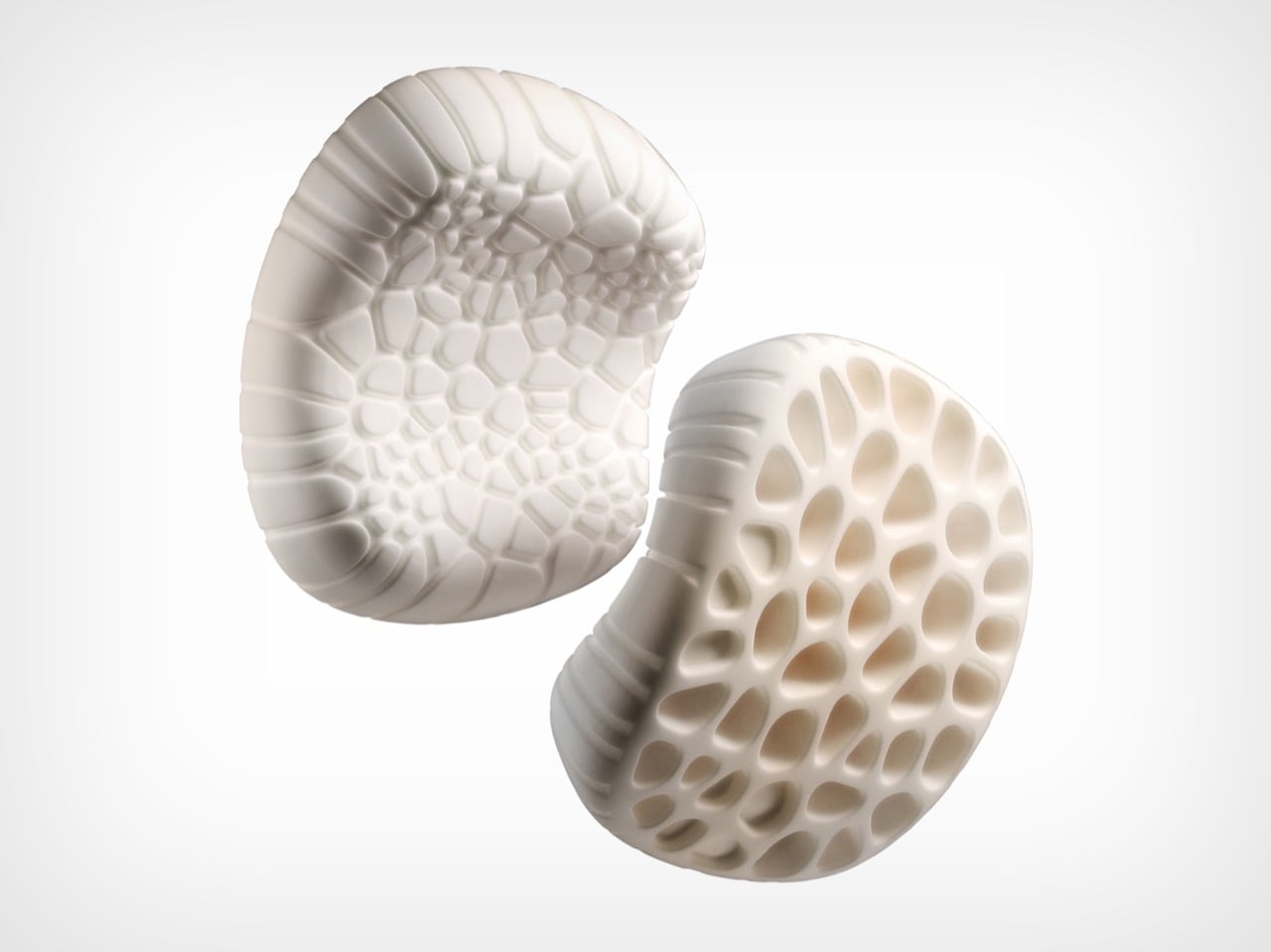
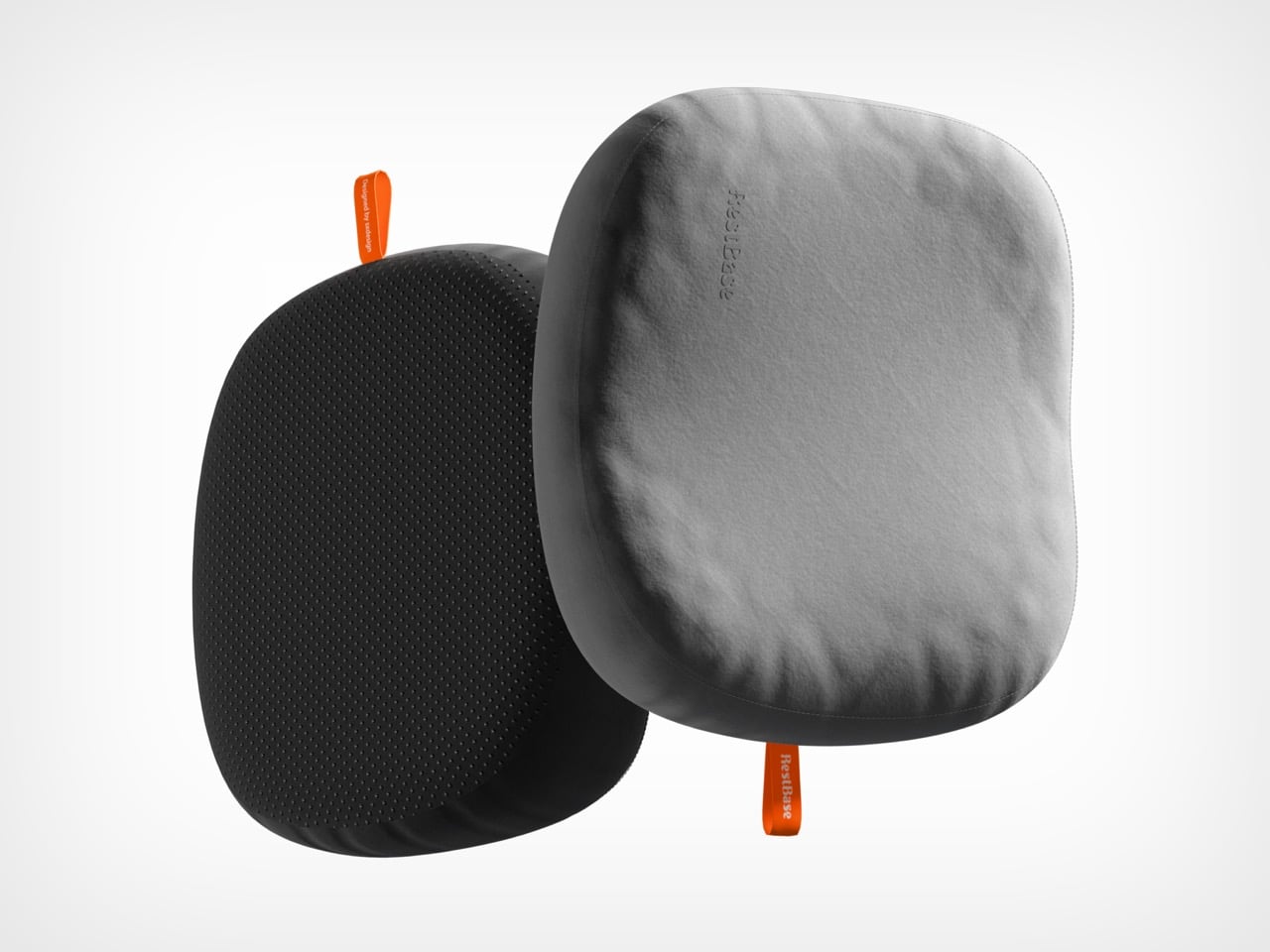
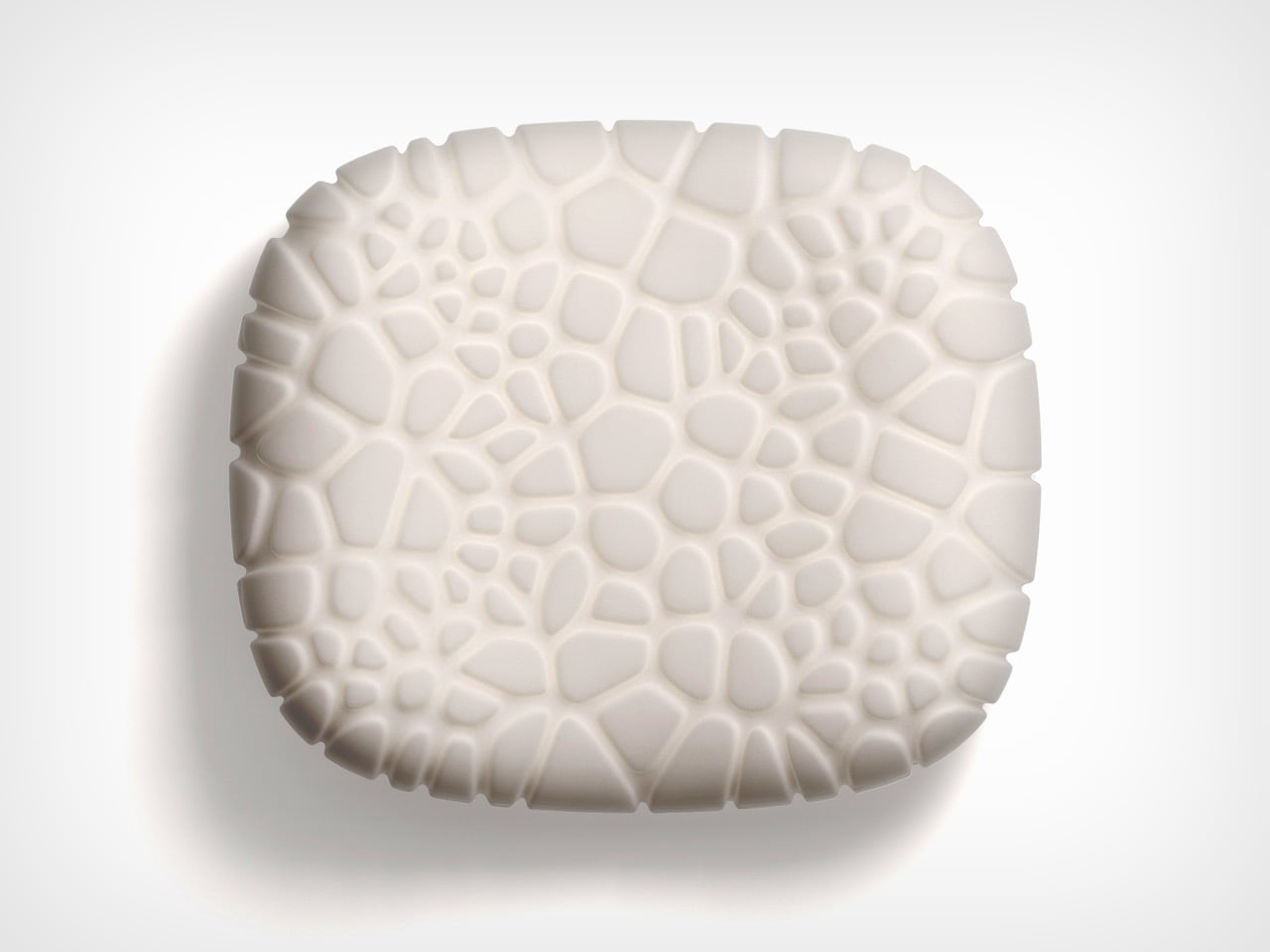
Most camping pillows solve exactly one problem: they pack small. Designer Chen Xu took a different starting point, drawing the Camp Napper‘s form from two biological sources: the surface texture of fungal spores shaped the contact face, and the hollow vascular geometry of plant stems informed the core. Voronoi polygon modelling mapped how pressure from a sleeping head spreads, then engineered protrusions and recesses to respond to that specific data.
The front face has raised cellular structures that increase skin contact area and channel airflow simultaneously. Four tactile zones on the back face offer orientation-dependent customization. The hollow stem-derived core keeps total weight around 400 grams and packs to roughly the volume of a water cup. Memory foam holds the bionic geometry through repeated use, and anti-slip rubber particles on the base keep it stable across sleeping pads and hard floors. Note: the surface patterning is not for the trypophobic.
What we like
- Voronoi-mapped surface addresses pressure distribution and airflow through the same structural solution, not two separate ones
- Four tactile zones on the back face give orientation-dependent comfort options uncommon in this category
What we dislike
- The cellular surface patterning will be a hard stop for anyone with trypophobia
- No published compression specification for cold-weather performance, where memory foam typically stiffens
2. The Cube
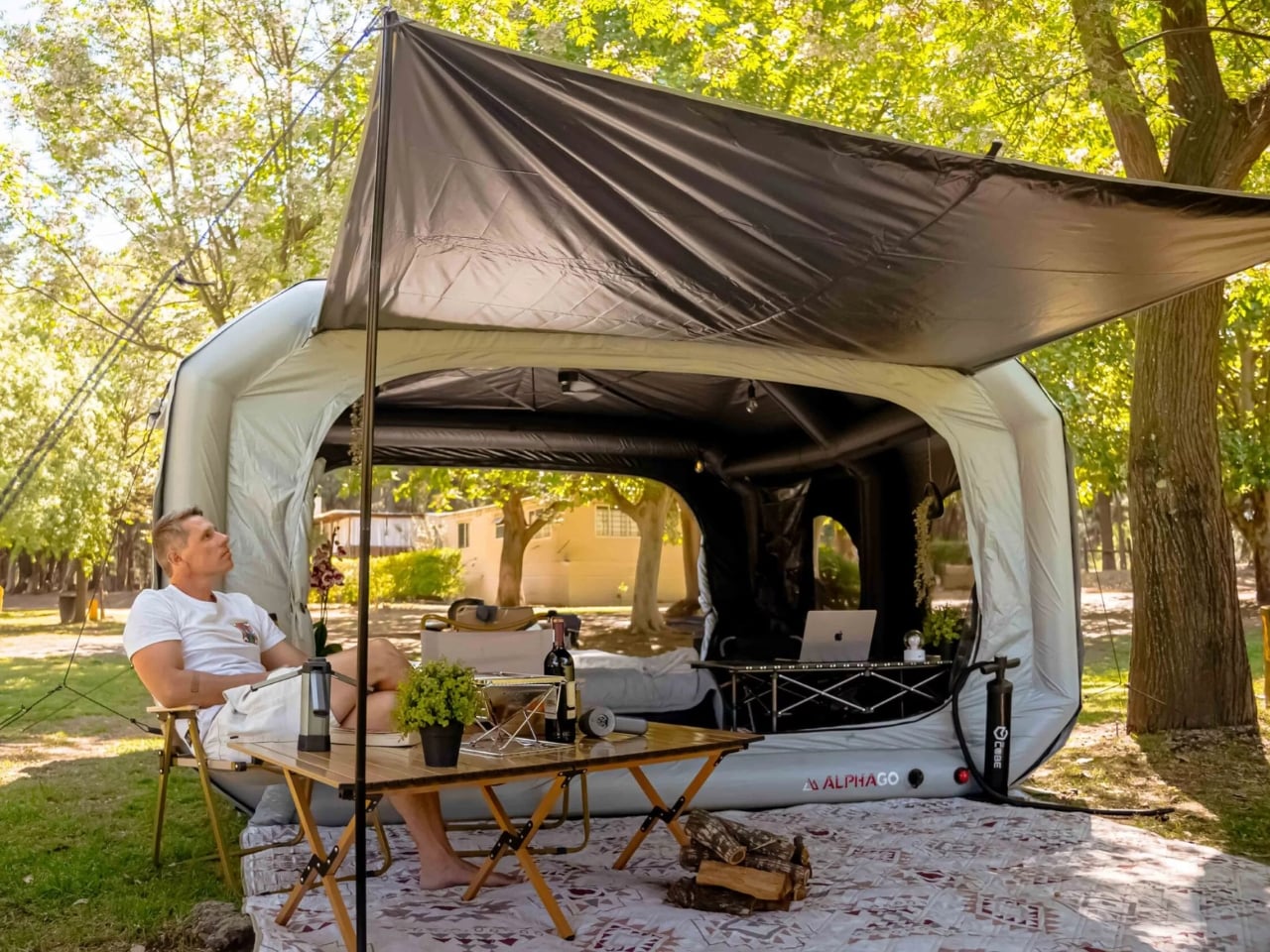

Tent assembly has not changed meaningfully in decades: poles, sleeves, and a diagram drawn by someone who has never camped. South African brand Alphago chose to treat that process as an engineering failure. The Cube is an inflatable tent with an air tube frame system that inflates via a wireless electric pump. One button press. Four minutes. No poles, no instructions, no arguments about which end faces the wind.
Speed is not the whole story. The Cube is built around comfort, with a stretched silhouette that allows standing height across most of the interior. The WeatherTec system uses welded floors and inverted seams, and both entrances have three independently operable layers: privacy screening, mosquito netting, and weather panels. Some configurations include integrated tables and storage drawers, extending the product into something closer to portable infrastructure than a simple shelter.
What we like
- Four-minute wireless inflation eliminates the primary friction point of traditional tent setup
- The three-layer entrance system handles every weather condition without reconfiguring the tent
What we dislike
- Air tube frames are vulnerable to puncture in ways pole frames are not; field repair requires preparation
- Inflatable architecture is larger and heavier than a comparable pole tent at the same floor area
3. All-in-One Grill
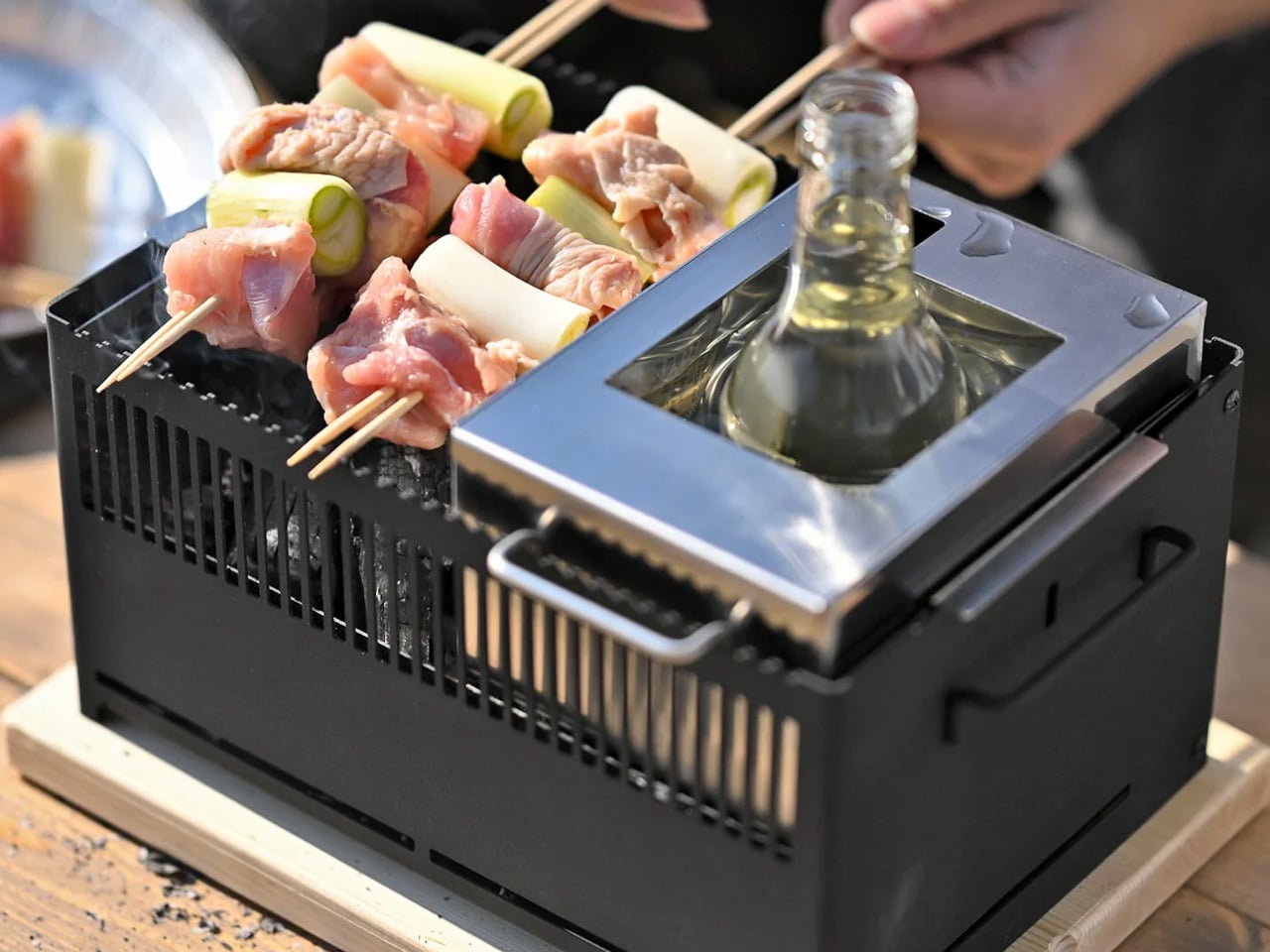
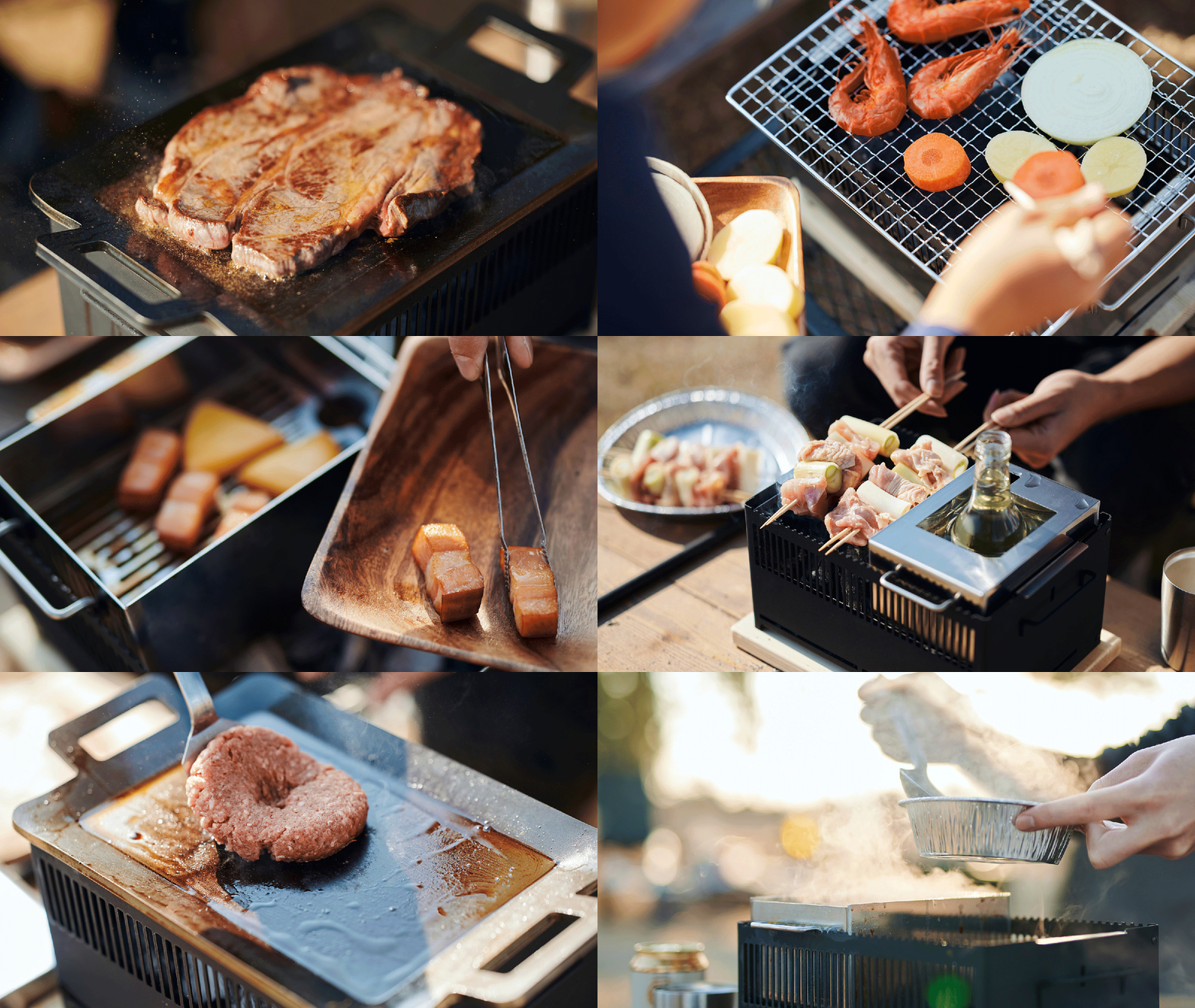

Outdoor cooking tends to bifurcate: bring a single-function grill and eat the same three things, or haul a kitchen’s worth of equipment and spend more time on logistics than on the fire. This modular tabletop grill takes a third position. Interchangeable cooking modules cover barbecuing, frying, grilling, steaming, smoking, and stew cooking from a single portable base, with a dedicated upright module for warming bottles — mulled wine included.
The compact footprint sits on any camp table without dominating it, and the modular construction that makes it versatile also simplifies cleaning. When one system handles multiple cooking methods, the question of what to cook becomes a matter of appetite rather than equipment logistics.
What we like
- Six distinct cooking methods from one portable base, without multiple devices or fuel sources
- A dedicated bottle-warming module is a specific, practical detail most outdoor cooking systems overlook
What we dislike
- Modular systems accumulate small parts that are easy to misplace; no information on replacement part availability
- Tabletop-only design limits cooking capacity for larger groups
4. TMB: The Modular Bottle

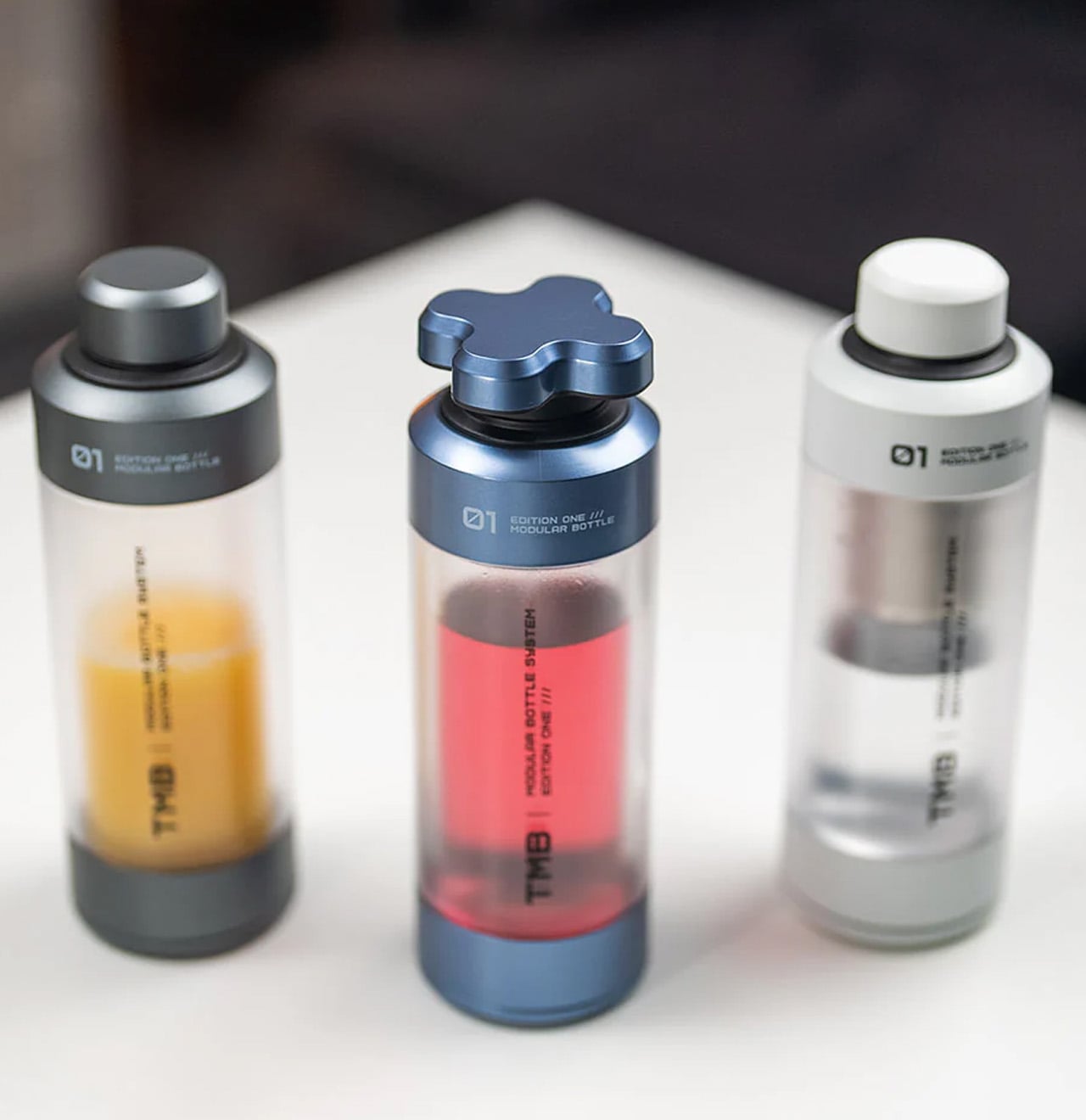

Hydration gear has a design problem few products acknowledge: one bottle cannot simultaneously optimize for commuting, exercise, and trail hiking. The TMB Modular Bottle builds adaptation into the object itself. The borosilicate glass interior preserves drink flavor without absorbing taste or odor — a material property that distinguishes it from the steel and plastic alternatives dominating this category. A translucent mid-section gives a constant view of remaining liquid, removing minor but real friction from the outdoor day.
The modular design allows configuration changes based on activity. For camping specifically, the glass interior means whatever you fill it with tastes like itself rather than the container. Easy disassembly for cleaning prevents the stale odor buildup that makes most reusable bottles unpleasant after weeks of real use.
What we like
- Borosilicate glass preserves drink flavor without imparting taste or odor, a material advantage over steel or plastic
- The translucent mid-section gives a real-time view of the remaining liquid that opaque bottles hide
What we dislike
- Glass interiors, even borosilicate, carry more breakage risk than steel alternatives in rough outdoor handling
- Modular assembly adds cleaning complexity compared to a single-body bottle
5. Portable Fire Pit Stand


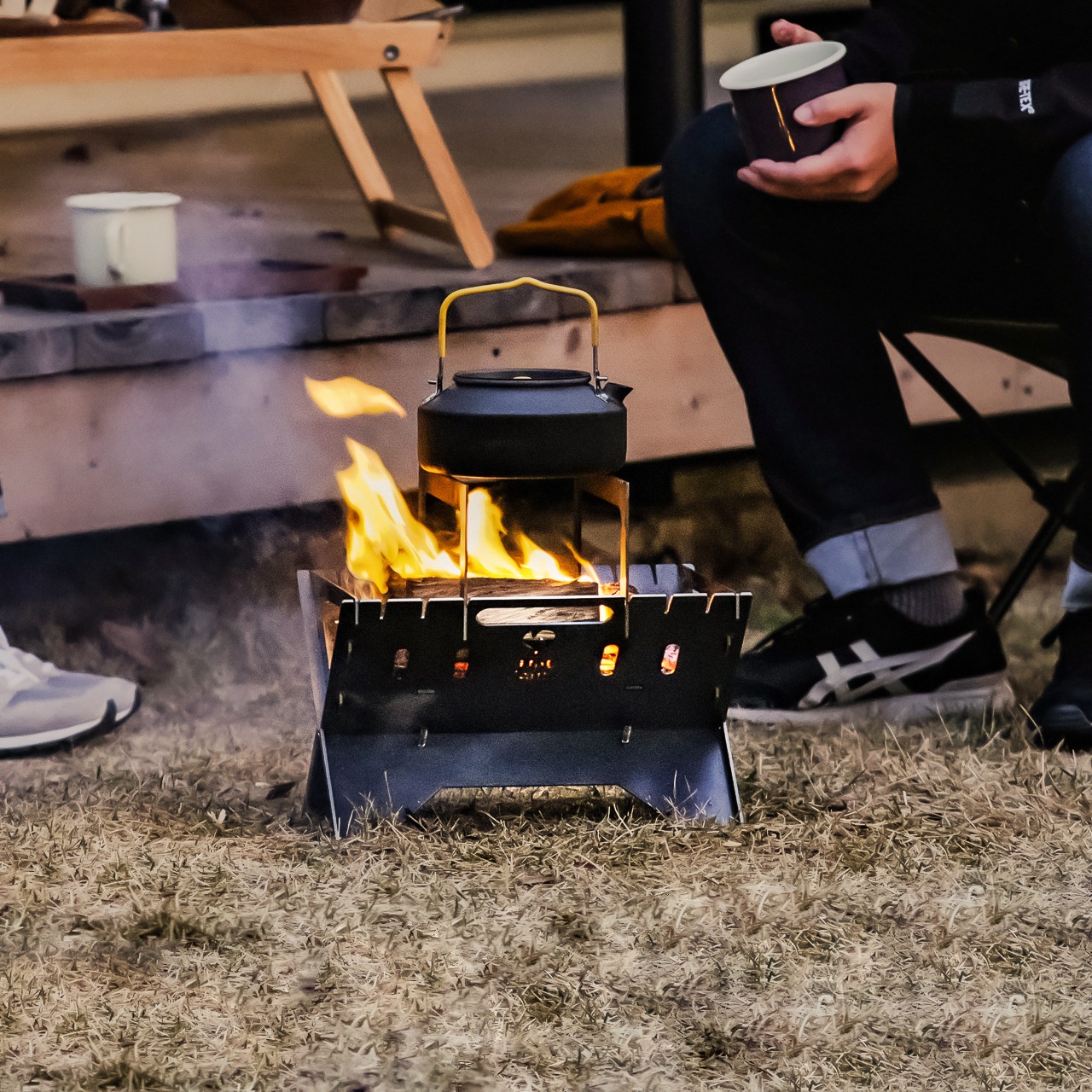
There is an honesty to a fire pit that most portable cooking solutions sidestep. This bonfire stand brings it back without the permanence of a built pit or the flimsiness of a folding ring. The steel plate construction uses sheet metal technology to resist the warping and distortion that heat cycling causes in cheaper materials, and the punched holes and cutouts give it an industrial character while improving airflow around the burn.
Assembly works like a puzzle — metal pieces interlock without tools. Removable trivets open the cooking configuration to grilling, frying, and more. The warp-resistant black steel plate holds its geometry through repeated heating and cooling cycles, a failure mode that undermines most portable fire hardware after a single season.
Click Here to Buy Now: $119.00
What we like
- Warp-resistant steel construction maintains geometry through repeated heat cycling, where most portable fire hardware eventually distorts
- Tool-free interlocking assembly means no accessories that can be forgotten at home
What we dislike
- Open fire structure requires a flat, stable, fire-safe surface — more site-dependent than enclosed stove alternatives
- Black steel requires dry storage and some maintenance to prevent surface rust
6. Hot Pocket
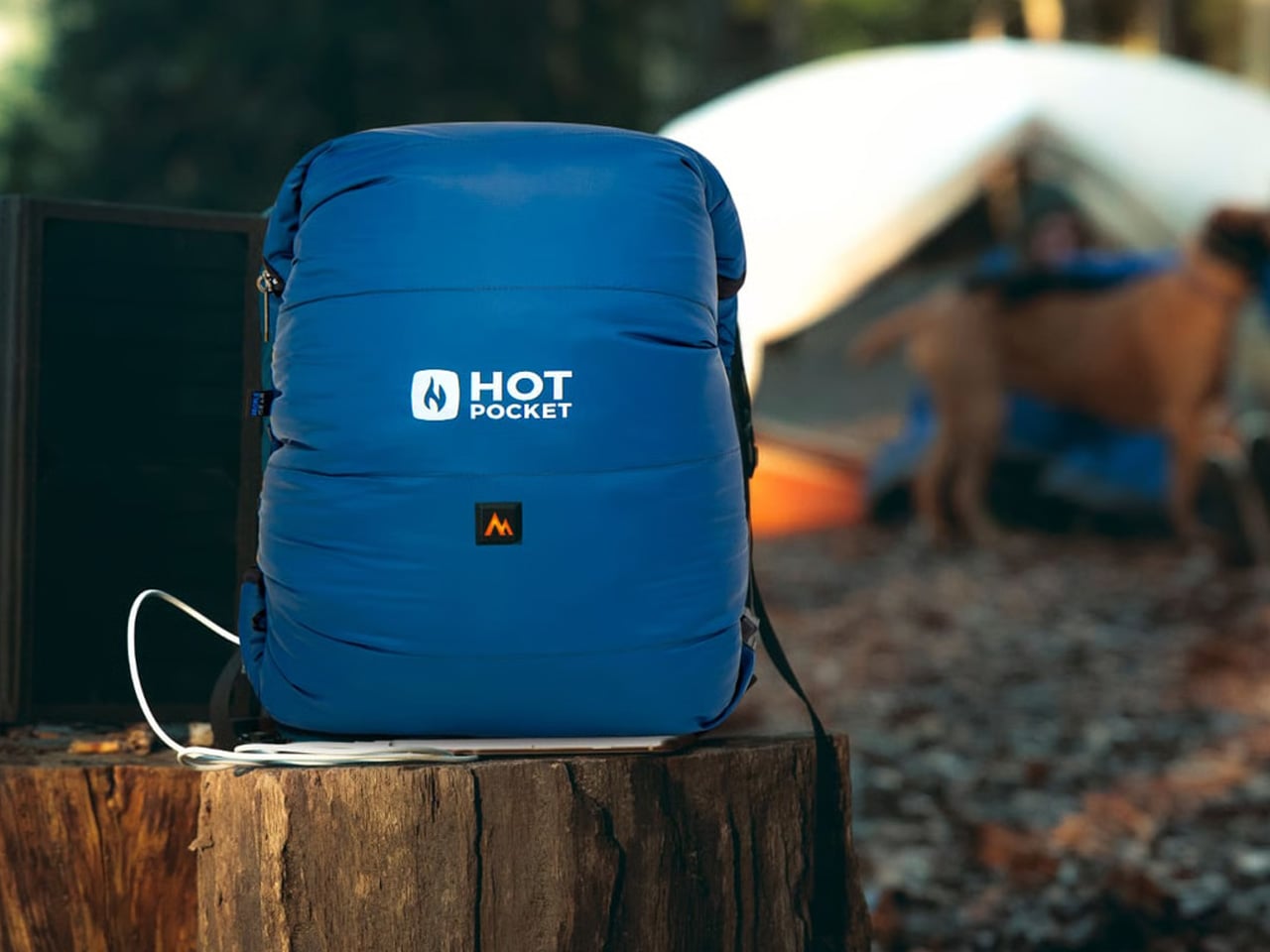
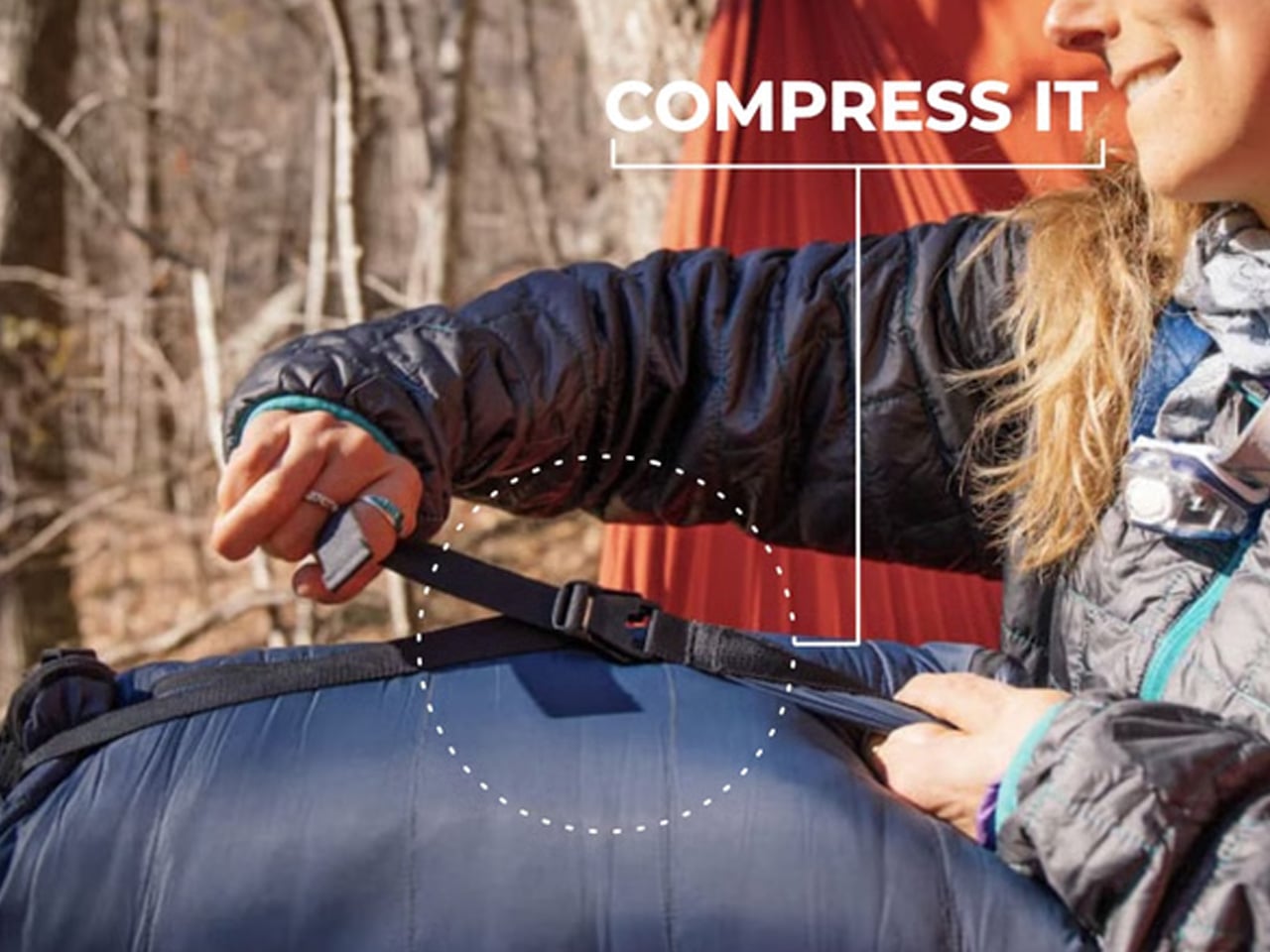
Cold sleeping bag syndrome follows a predictable pattern: zip in, spend the first twenty minutes waiting for body heat to build, arrive at warmth already half-asleep and irritated. The Hot Pocket, created by the Sierra Madre team, breaks that cycle before it starts. It stores and compresses your sleeping bag or quilt during the day, then pre-heats the insulation before you get in — so the first moment of contact is already warm.
The system is wireless and portable, designed for use beyond the campsite: ski slopes, sports sidelines, anywhere pre-warmed insulation matters. The on-demand heating replaces disposable chemical heat packs, which degrade after a single use. Compression and heating are integrated into one object, handling a task the sleeping bag needed done anyway — storage and transport — while adding warmth as a built-in function.
What we like
- Pre-heating eliminates the body-heat warm-up window that makes the first stretch in a cold sleeping bag genuinely unpleasant
- Integrated compression and heating replace disposable chemical packs with a reusable, on-demand solution
What we dislike
- Wireless operation adds battery management to the camping checklist; no published battery life data
- Pre-heating duration and heat retention are unspecified, making it difficult to plan around the product’s actual warming window
7. DraftPro Top Can Opener

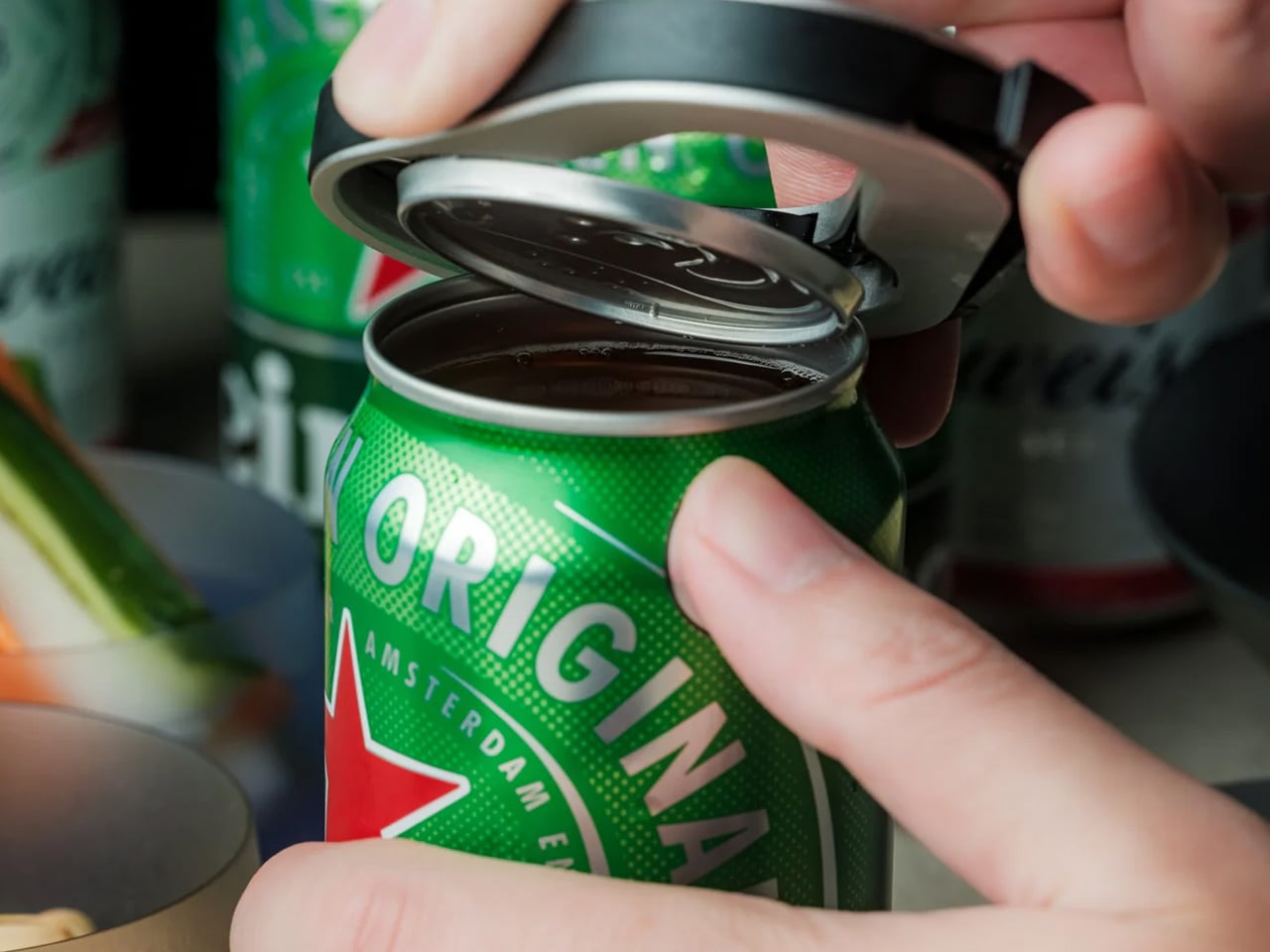
The DraftPro is not solving a survival problem. It is solving an experience problem. Designed by Japanese designer Shu Kanno, the tool removes the entire top of a can to create a wide-mouth opening that changes how the contents smell, taste, and behave. For beer, full-top removal mimics drinking from a glass, releasing aroma rather than directing it through a small aperture. The smooth-edged finish removes the safety concern that other full-removal openers have historically carried.
The camping application extends beyond drinking. With the top off, you can add ice directly to the can or build a cocktail inside it without a separate vessel. The opener handles domestic and international can sizes, which matters when available canned goods do not match a home market. For a campsite where the evening drink matters as much as the fire, this is the detail that earns its place.
What we like
- Full top removal creates a draft-style drinking experience with full aroma release — a functional difference from standard can opening
- The can-as-vessel approach allows ice-adding and cocktail preparation without additional cups or shakers
What we dislike
- Single-function specialization means it earns a spot only if canned beverages are a consistent part of the camping plan
- No published durability specification for the cutting mechanism over time
Spring’s best case for smarter camping
What connects these seven products is not a shared price point or aesthetic — it is a shared refusal to accept that outdoor gear has to be difficult, uncomfortable, or boring. The Camp Napper applies biological modeling to a pillow. The Cube eliminates the most frustrating fifteen minutes of any camping trip. The DraftPro turns a can into a proper drinking vessel. Each object is the result of someone looking at a friction point in outdoor life and deciding it deserved a real answer.
Spring camping is the ideal moment to bring these to a campsite. The temperatures invite longer stays, the light cooperates, and the desire to actually be comfortable rather than just surviving outdoors is at its highest. These products meet that desire with design intelligence rather than compromised portability or bulky engineering. Pack accordingly.