
Most furniture is remarkably obedient. It goes where you put it, does what it was designed to do, and asks nothing back. A sofa is a sofa. A side table holds your coffee and your remote and maybe a plant you keep meaning to water. The relationship is comfortable, uncomplicated, and, if you’re honest about it, a little dull.
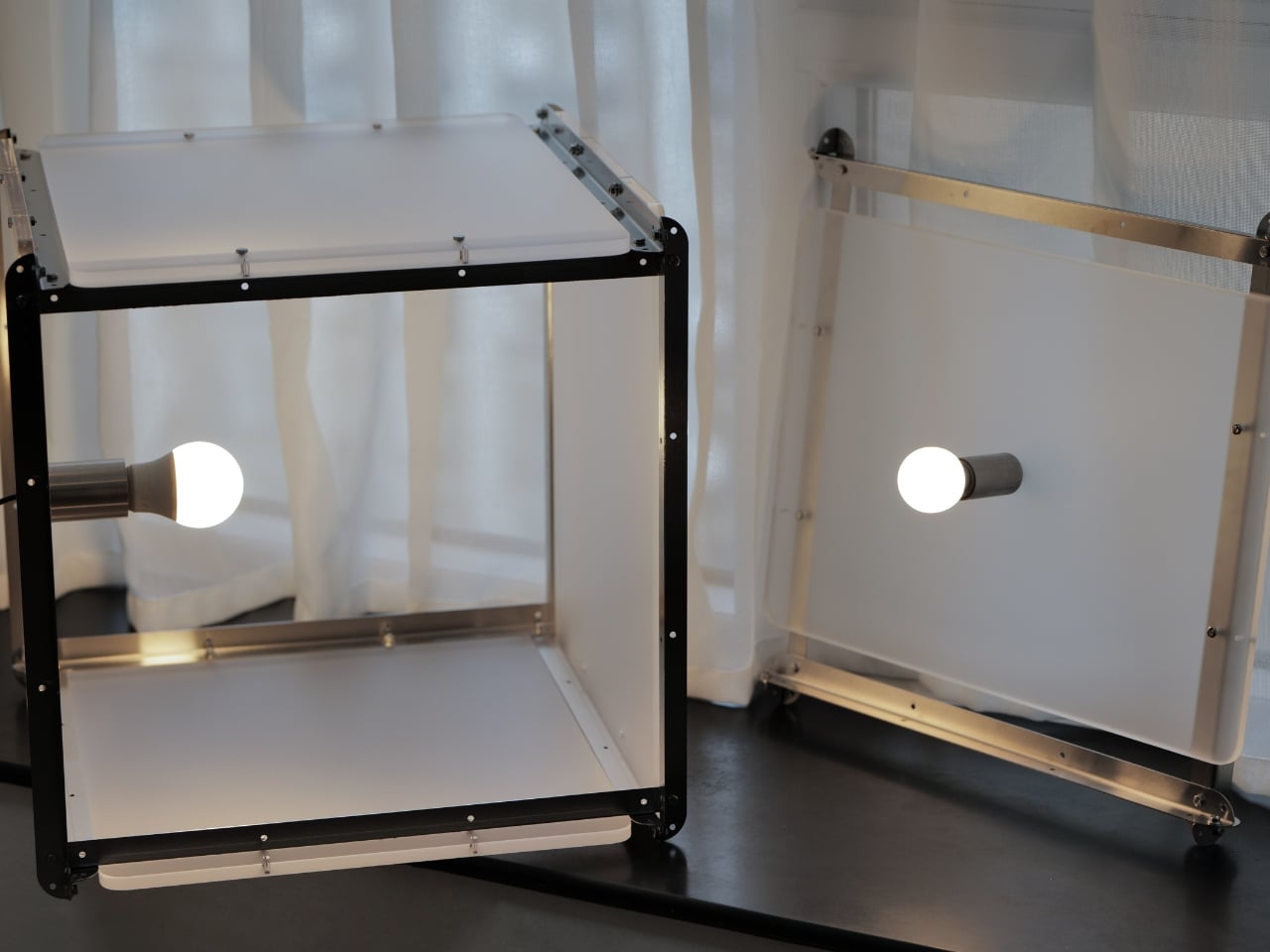
JXY Studio’s Art-chitecture modular furniture system is not obedient. Designed by Jiaxun Xu and Yue Xu, it’s built from just two materials, stainless steel and frosted acrylic, and assembled through a modular logic that lets the same set of components become a chair, a lamp, a wall sconce, a shelf, or something that doesn’t quite have a name yet. The system isn’t asking you to commit to a function. It’s asking you to keep questioning one.
Designer: JXY Studio
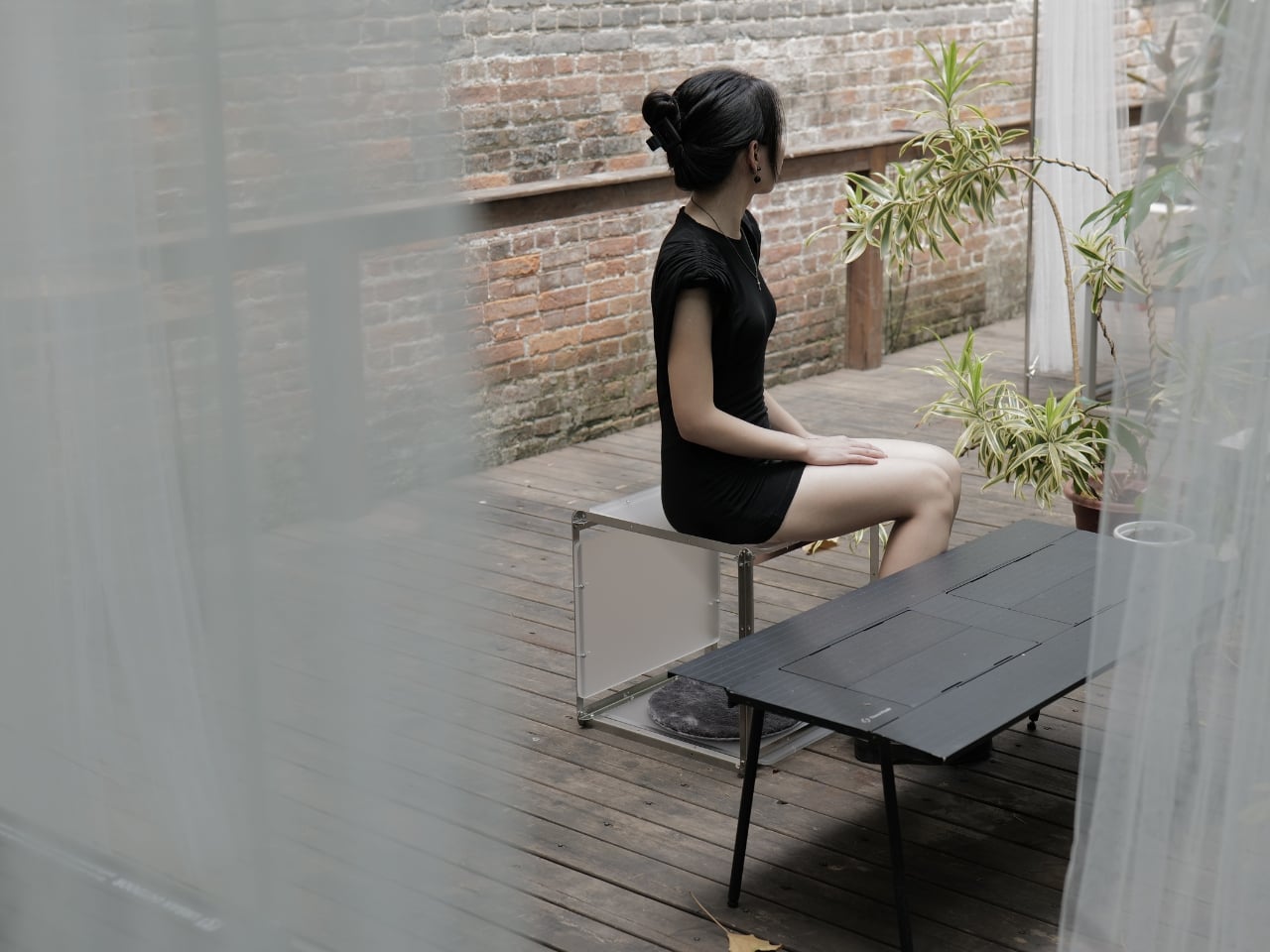
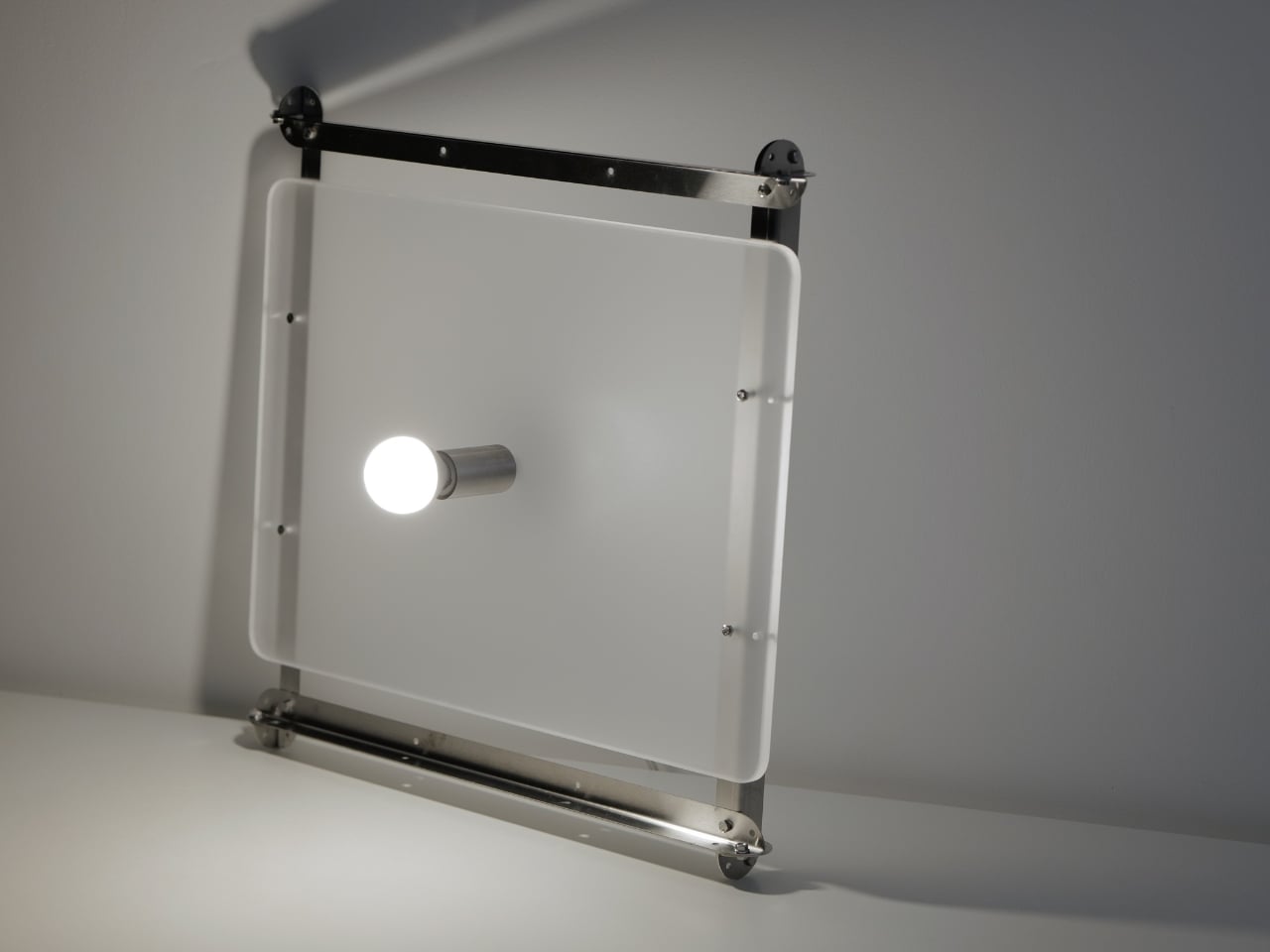
The physical language of the pieces is striking right away. The steel frame is exposed and structural, bolted together with visible hardware that reads more like small-scale architecture than furniture. The frosted acrylic panels diffuse light from within, so what sits in a corner as a cubic seat by day can glow like a softbox lantern at night. One configuration mounts flat against a brick wall as a sconce. Another rests on a wooden deck with a cushion tucked inside, a side table, a pet perch, a seat, take your pick. A Pomeranian pokes its head out of one in the project photos, looking entirely at home, which tells you something about the generosity of this design.
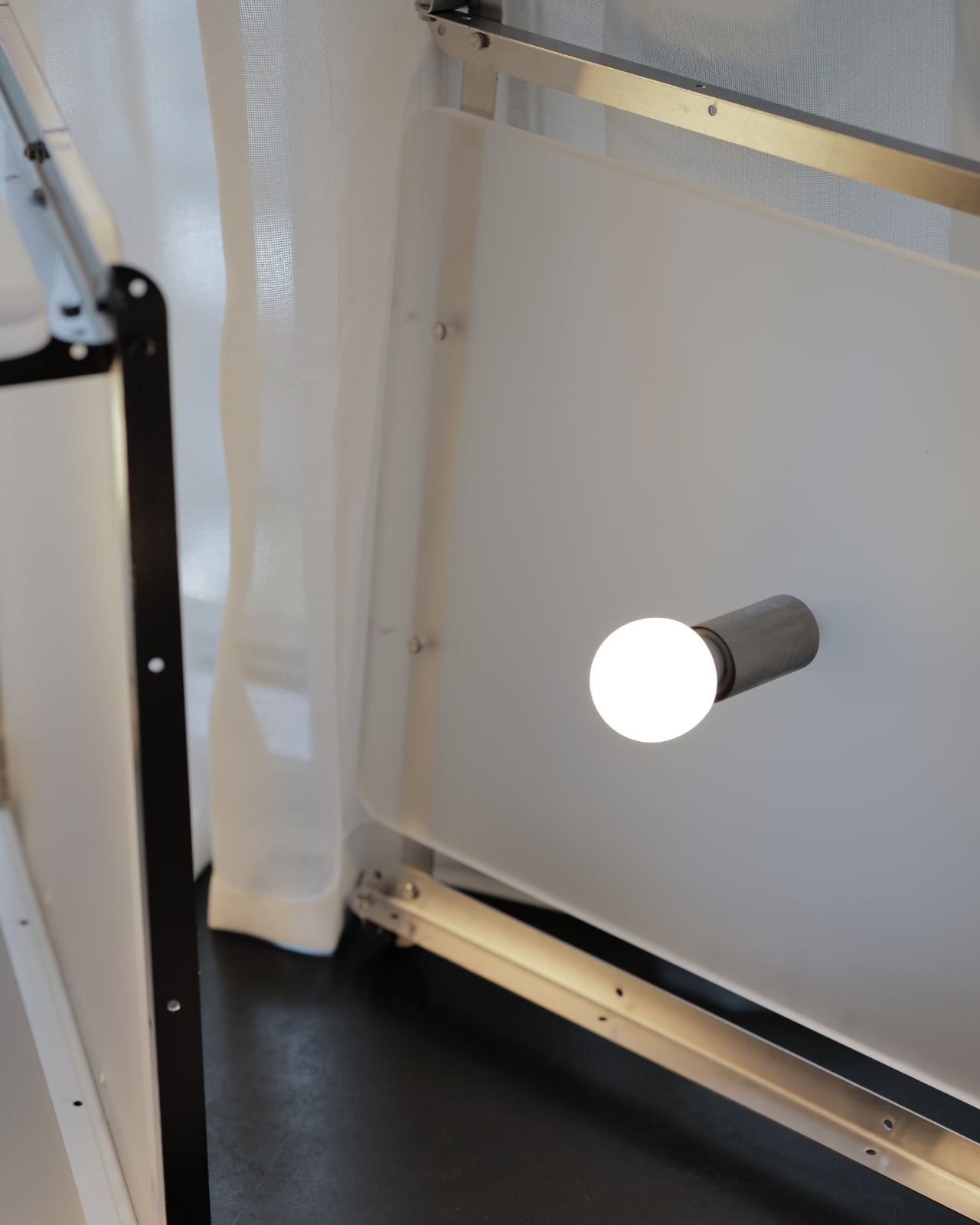

What JXY Studio is really pushing back against is the way furniture has historically been judged: by material, proportion, craftsmanship, and style. Those things matter, but that framework also quietly boxes furniture in. It positions an object as an accessory defined by aesthetic labels rather than as a force that actively shapes how a space feels. The Art-chitecture system rejects that framing. Its position is that a chair can be a spatial element, not just a seat.
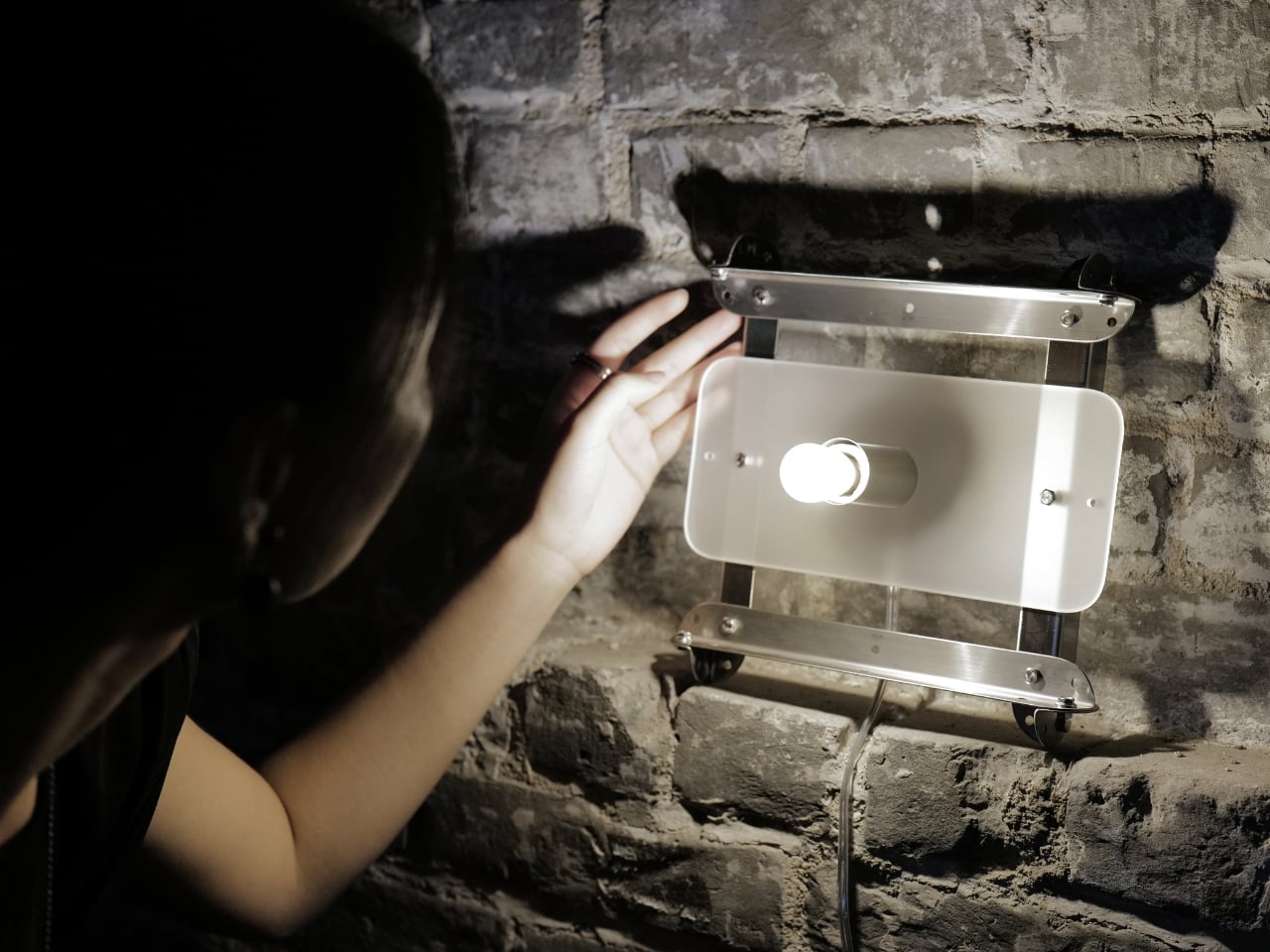
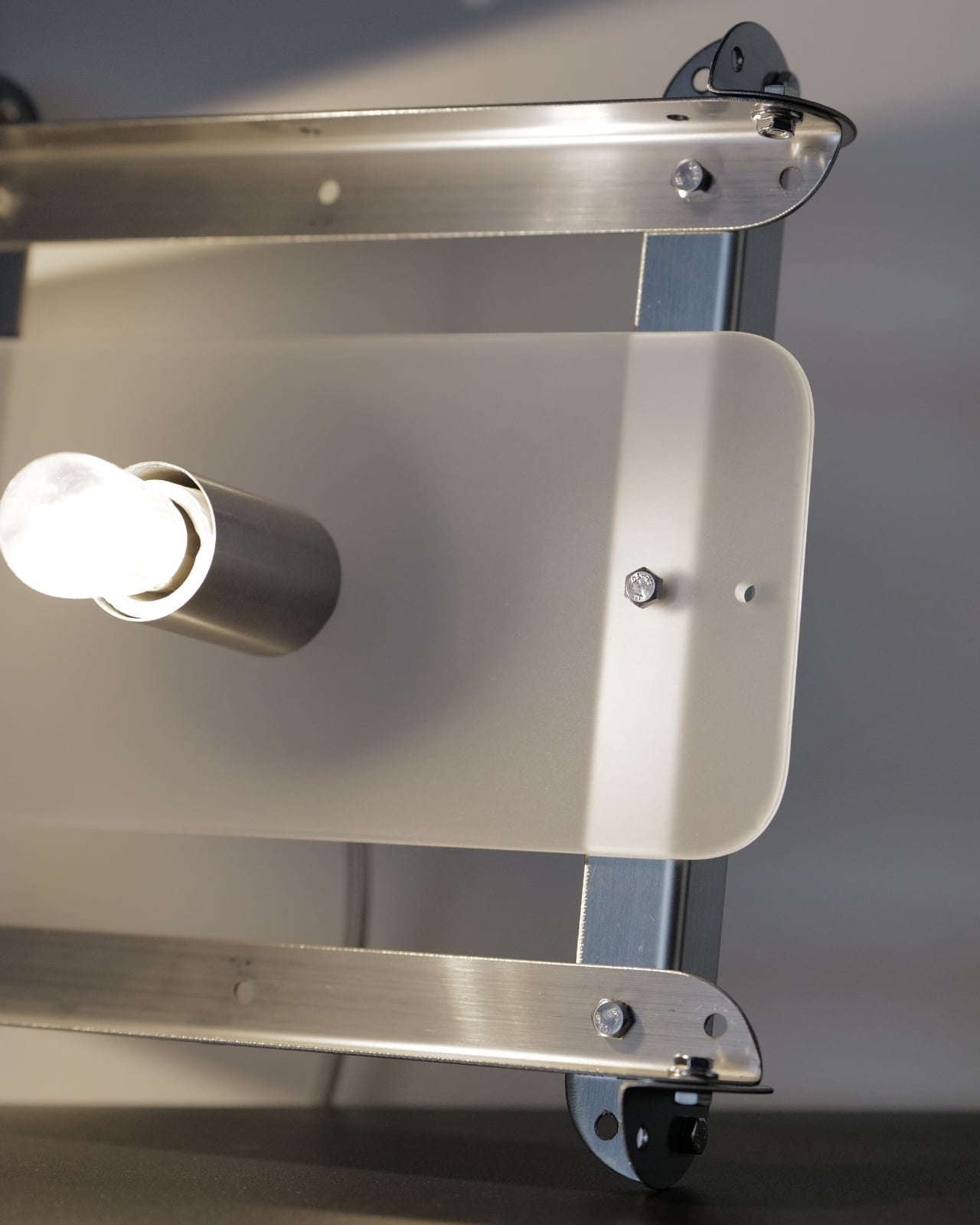
I find this genuinely compelling, partly because it mirrors conversations happening across other design disciplines. In tech, modularity and open systems have been the standard for decades. In architecture, adaptive reuse and flexible programming have become almost expected. But furniture, the thing we touch and use more than almost any other designed object, has largely stayed categorical. The Art-chitecture system asks the obvious question that rarely gets asked: why?
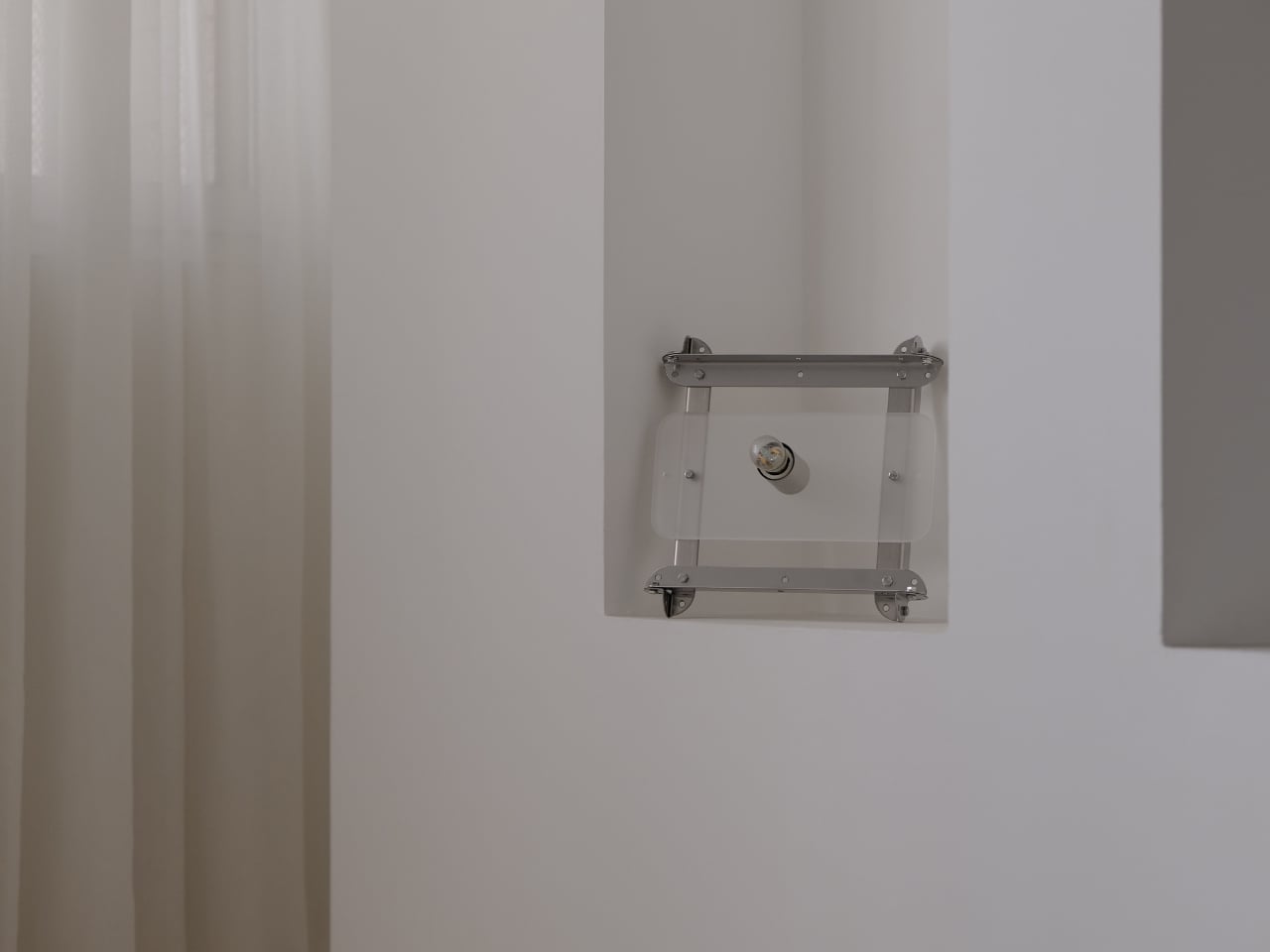
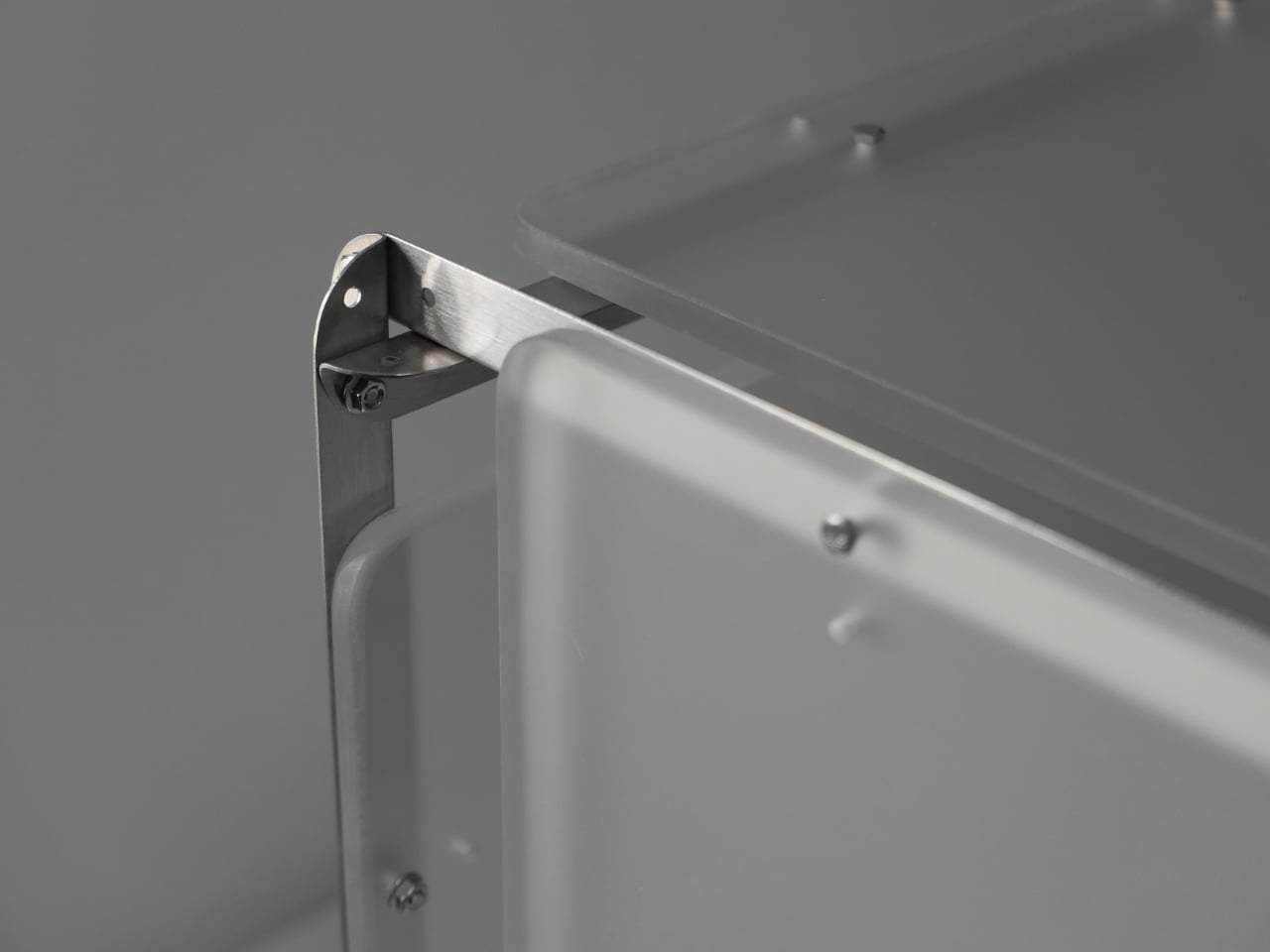
Part of what makes it feel so contemporary is the balance it strikes between precision and openness. The components are designed around standard industrial processes, but the assembly logic is simplified enough that the user becomes a co-designer. You’re not just buying a product; you’re buying a set of spatial possibilities and figuring out what to do with them. It has flat-pack ambition with a considerably more ambitious philosophy behind it.
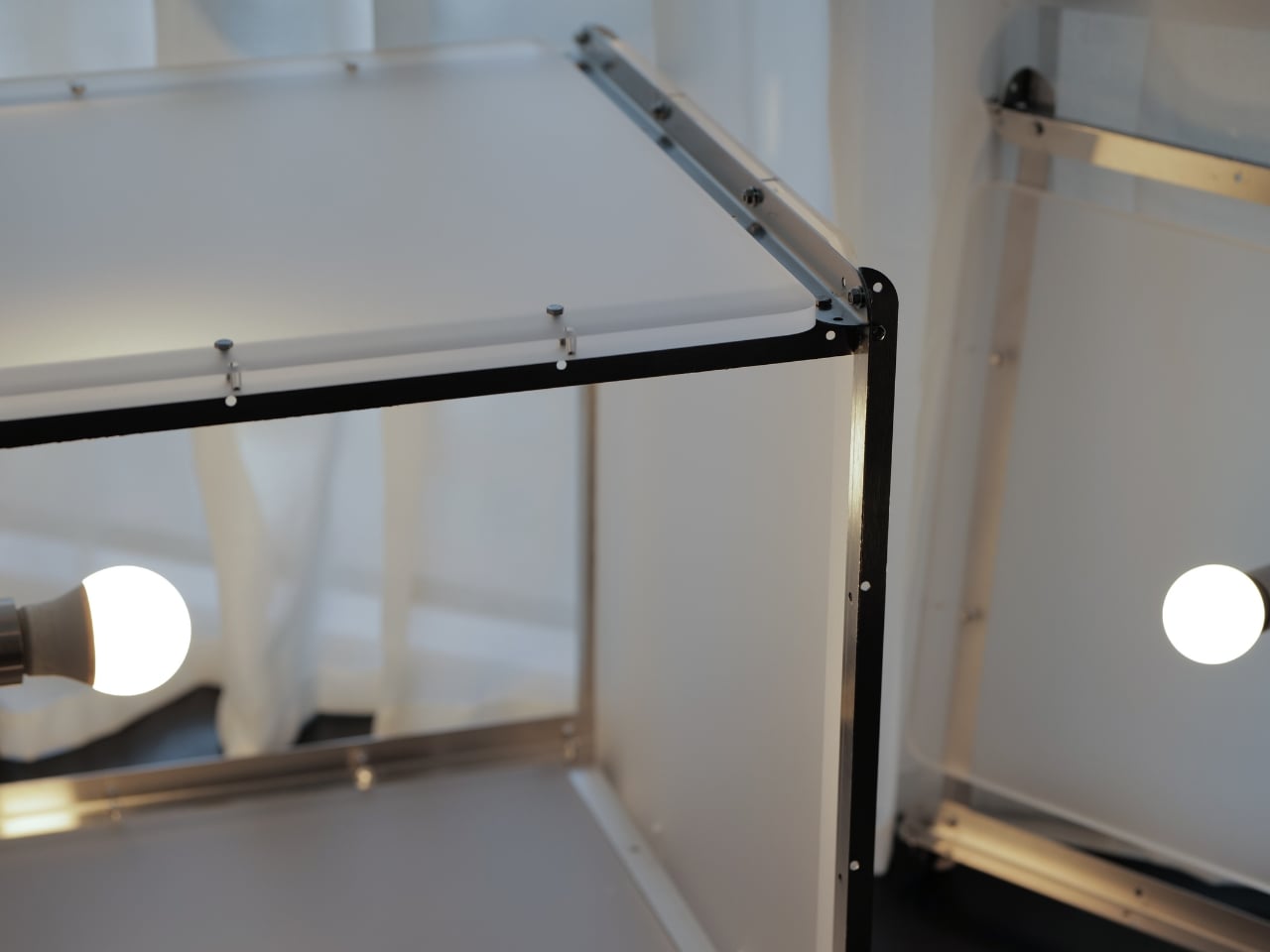
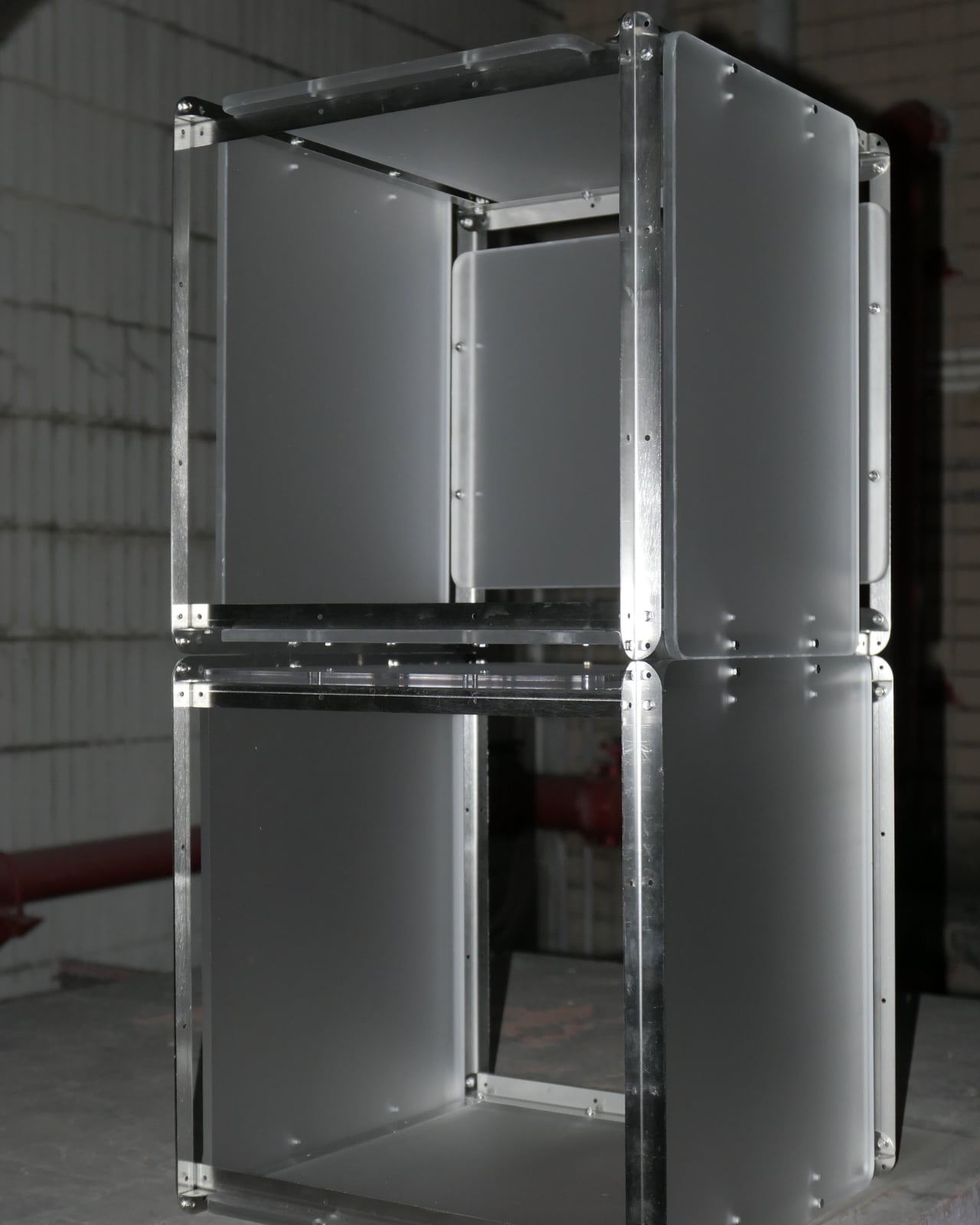
Modularity in furniture is not, of course, a new idea. The USM Haller system has been doing its thing since the 1960s, and everything from Enzo Mari to IKEA has explored assembly logic in various ways. But Art-chitecture distinguishes itself by crossing categories entirely. It doesn’t modularize within furniture. It modularizes across the boundary between furniture and space. Stack and recombine enough of these units and they stop being objects in a room and start becoming the room itself.
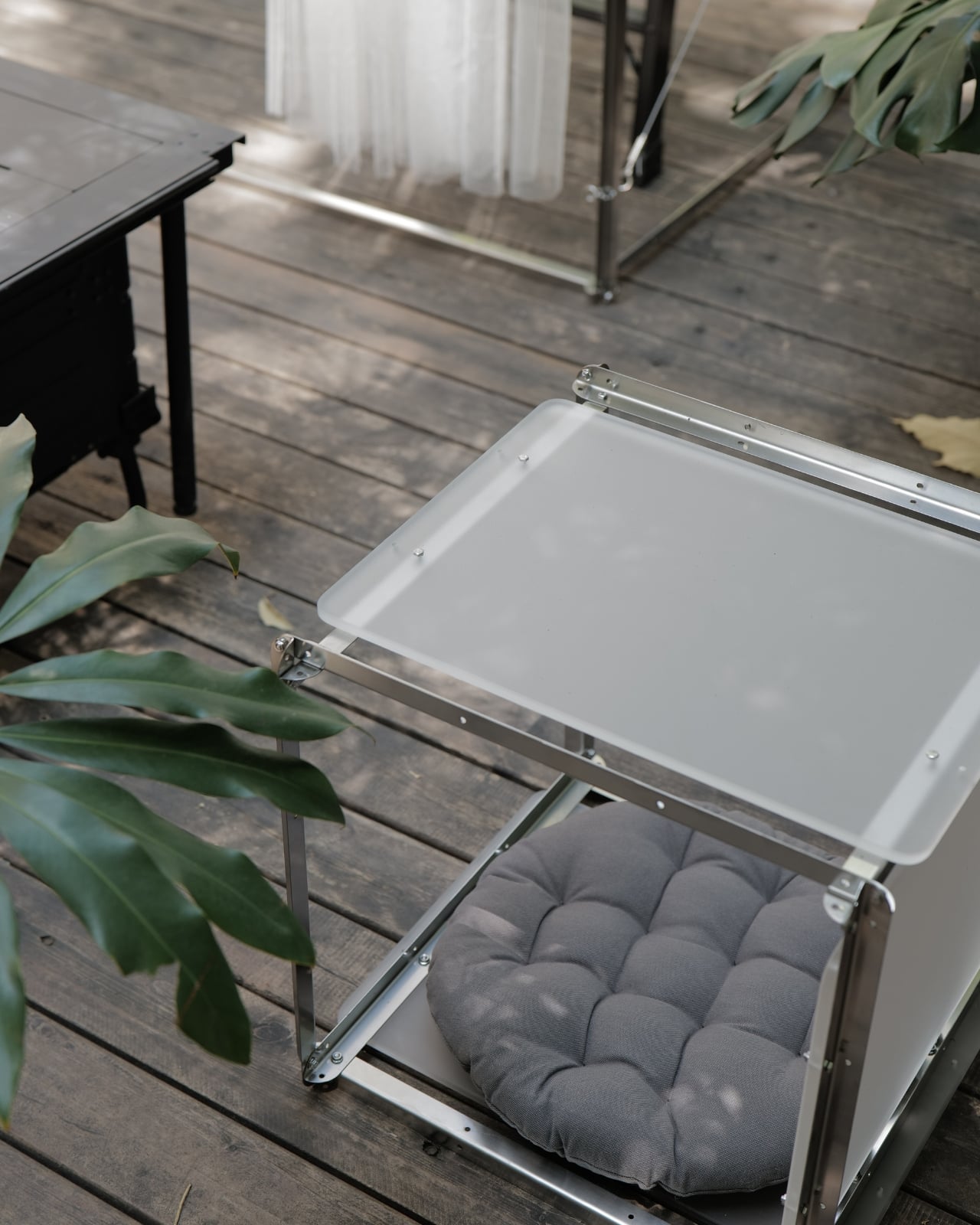
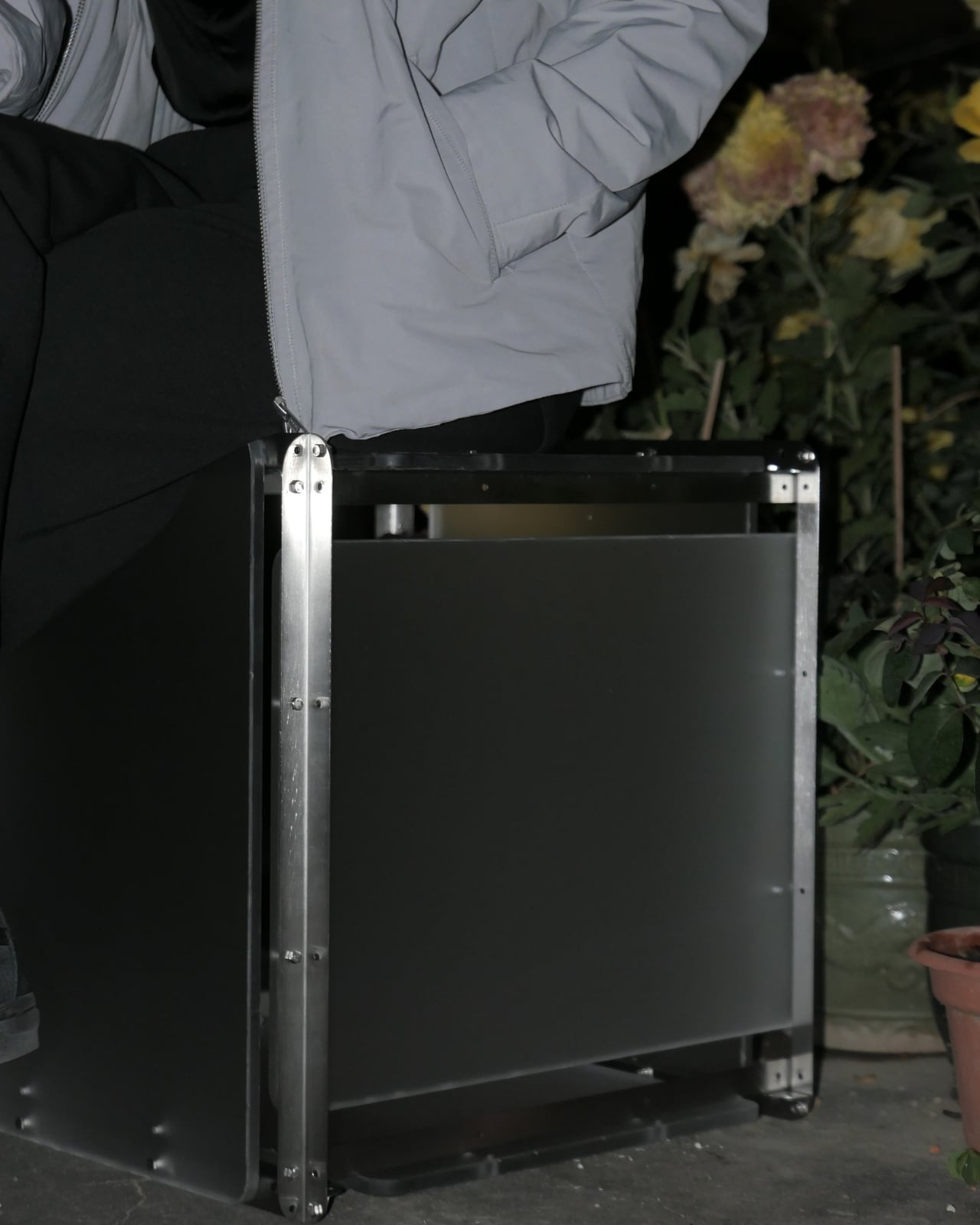
There are real tradeoffs worth acknowledging. Frosted acrylic is beautiful when lit but shows wear over time. Visible bolts and steel framing require a particular aesthetic tolerance. And any system this open-ended demands a level of spatial imagination that not everyone wants to bring to a Tuesday evening at home. But those feel like worthwhile concessions for a project that is genuinely trying to expand what furniture can be.
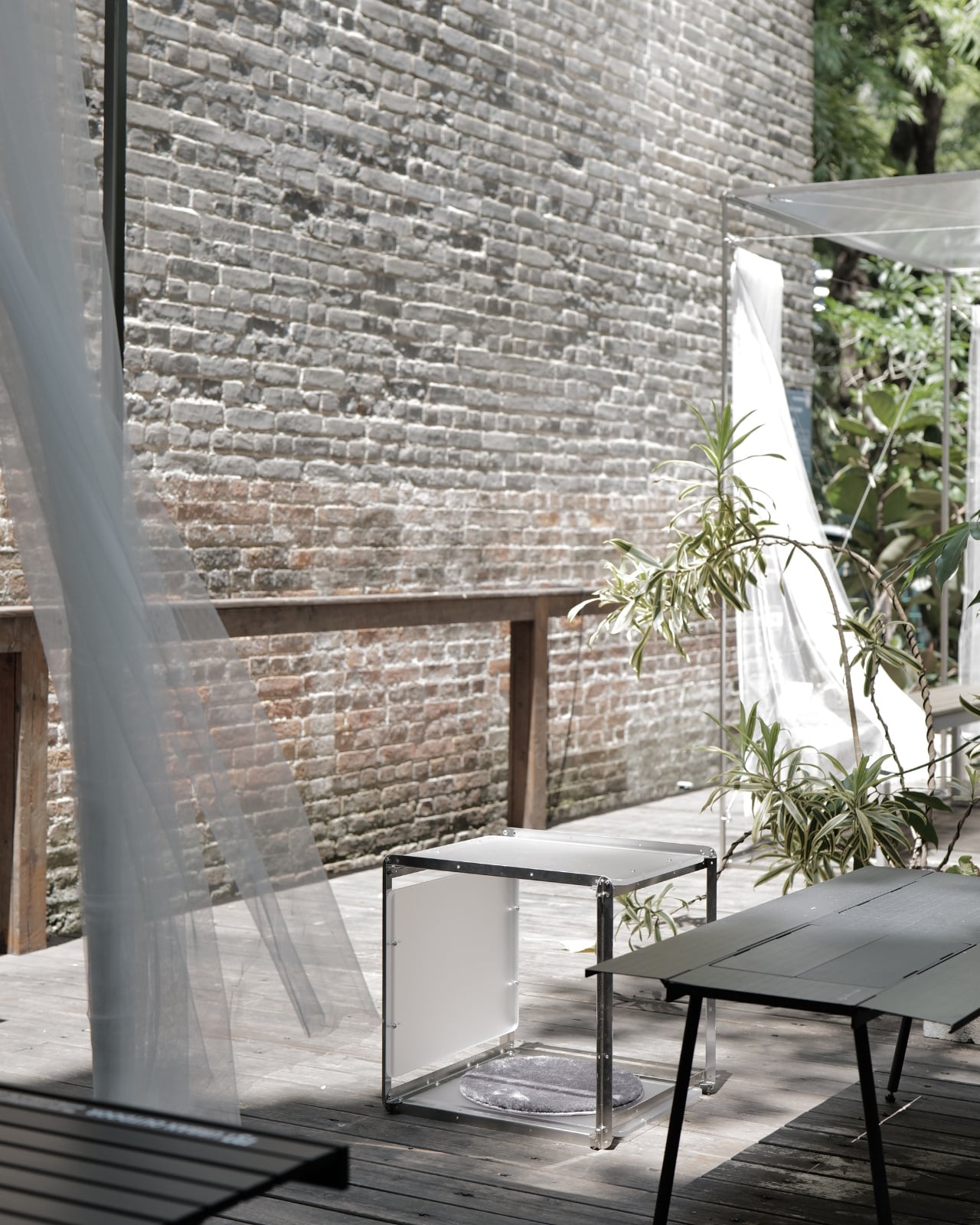
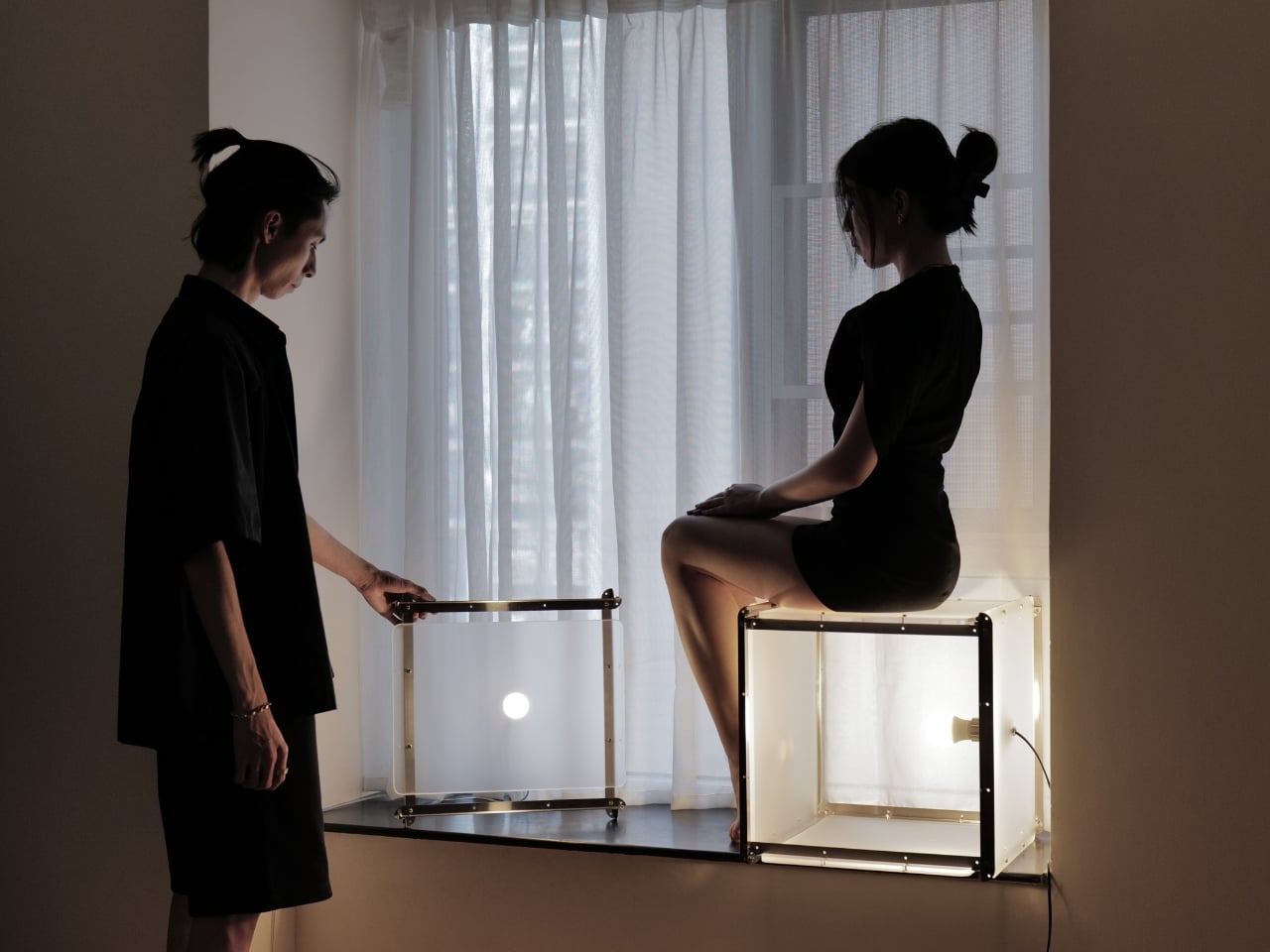
The image I keep coming back to is from the project photos: a person seated on an illuminated cube by a window, silhouetted against sheer curtains, while someone else holds an unassembled frame nearby. It looks like a play where the set is still being built. The Art-chitecture system treats living as an ongoing act of construction, where the things you sit on and the spaces you inhabit are never quite finished. I find that idea hard to let go of.