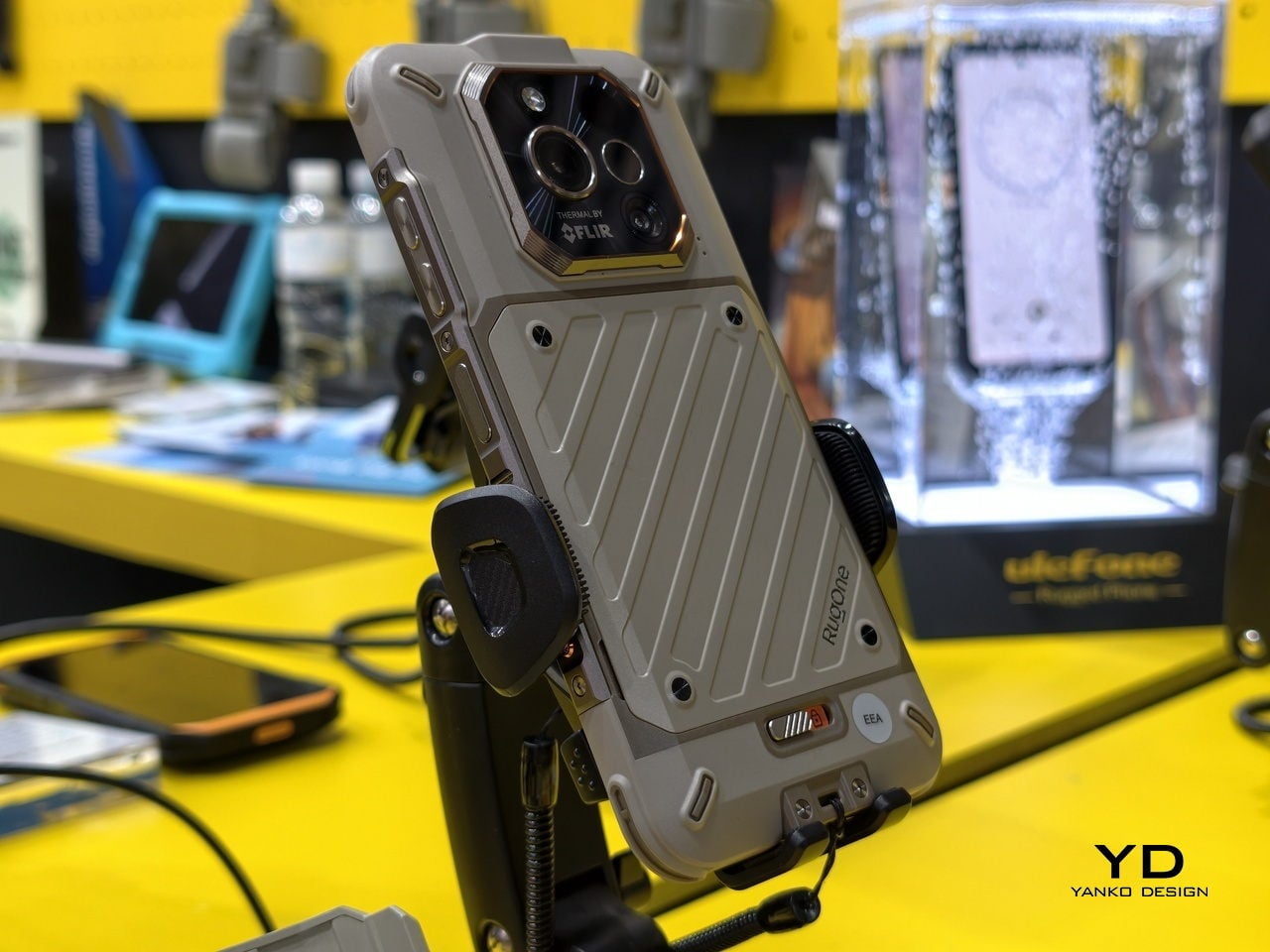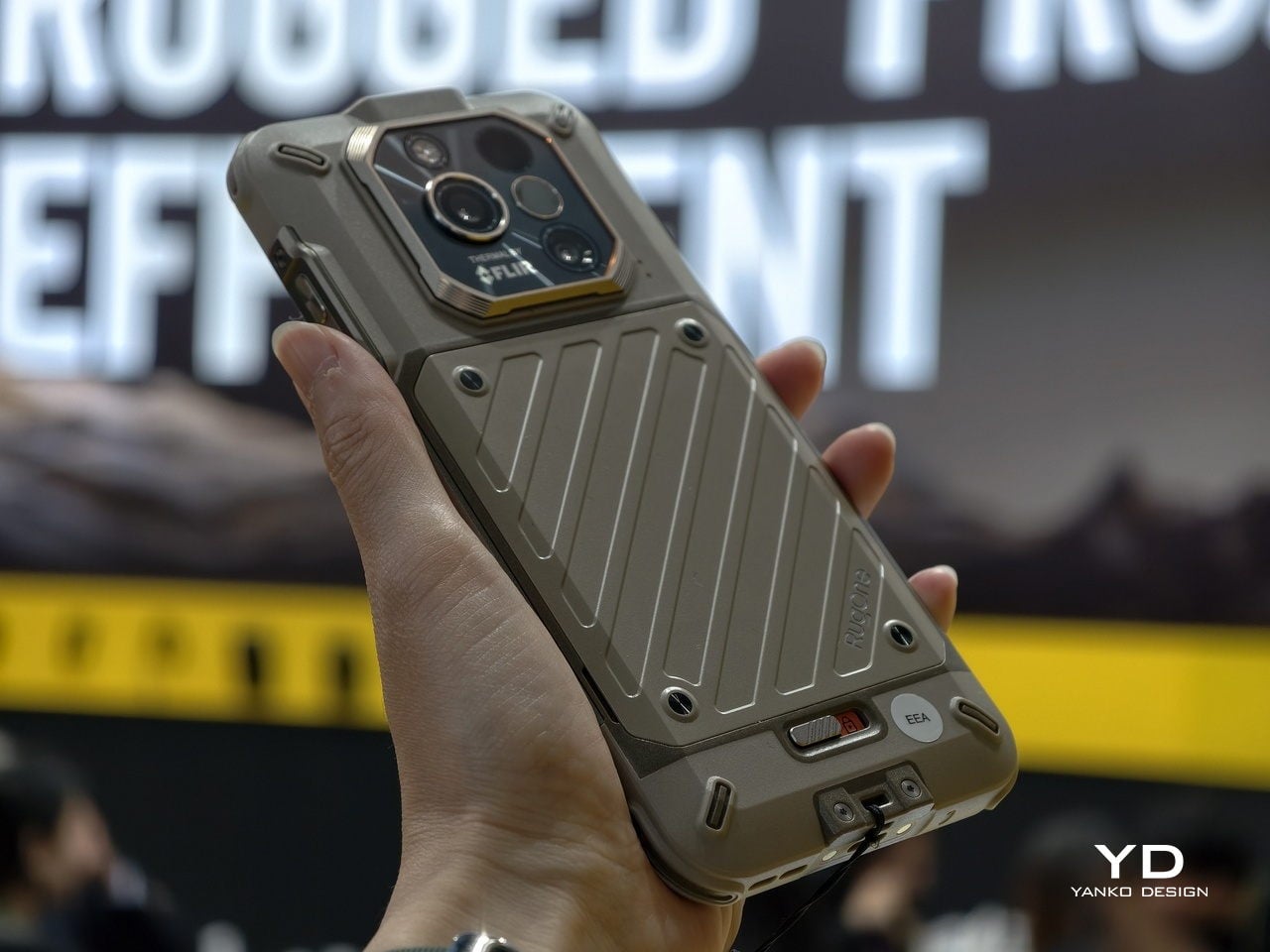

Dead battery anxiety is real, and for most people, the solution is either a power bank they forgot to charge or a desperate search for an outlet. Flagship phones have been getting faster at charging for years, but none of them have gone back to the one fix that actually solves the problem: a battery you can take out and replace with a fresh one, right there on the trail.
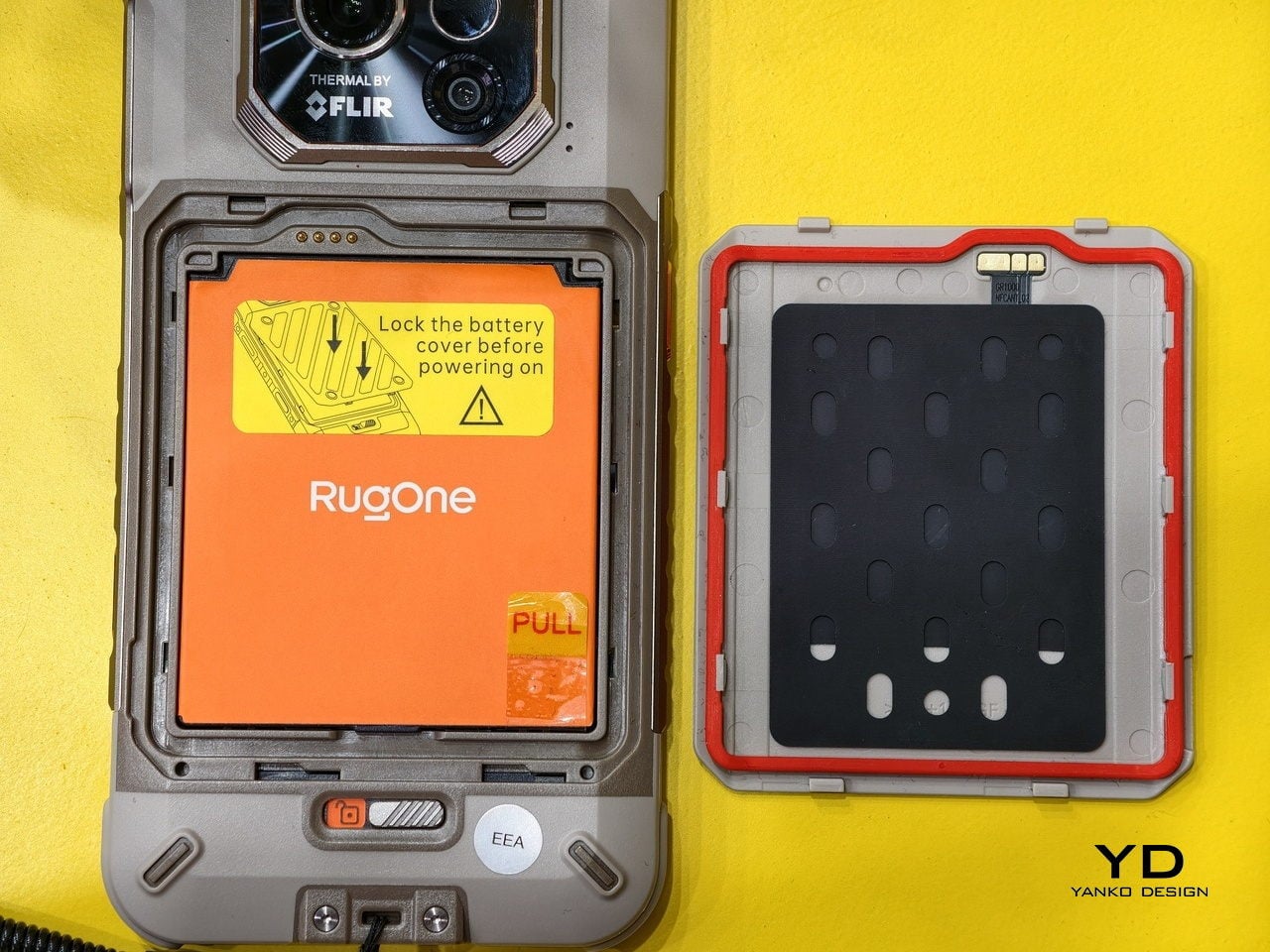
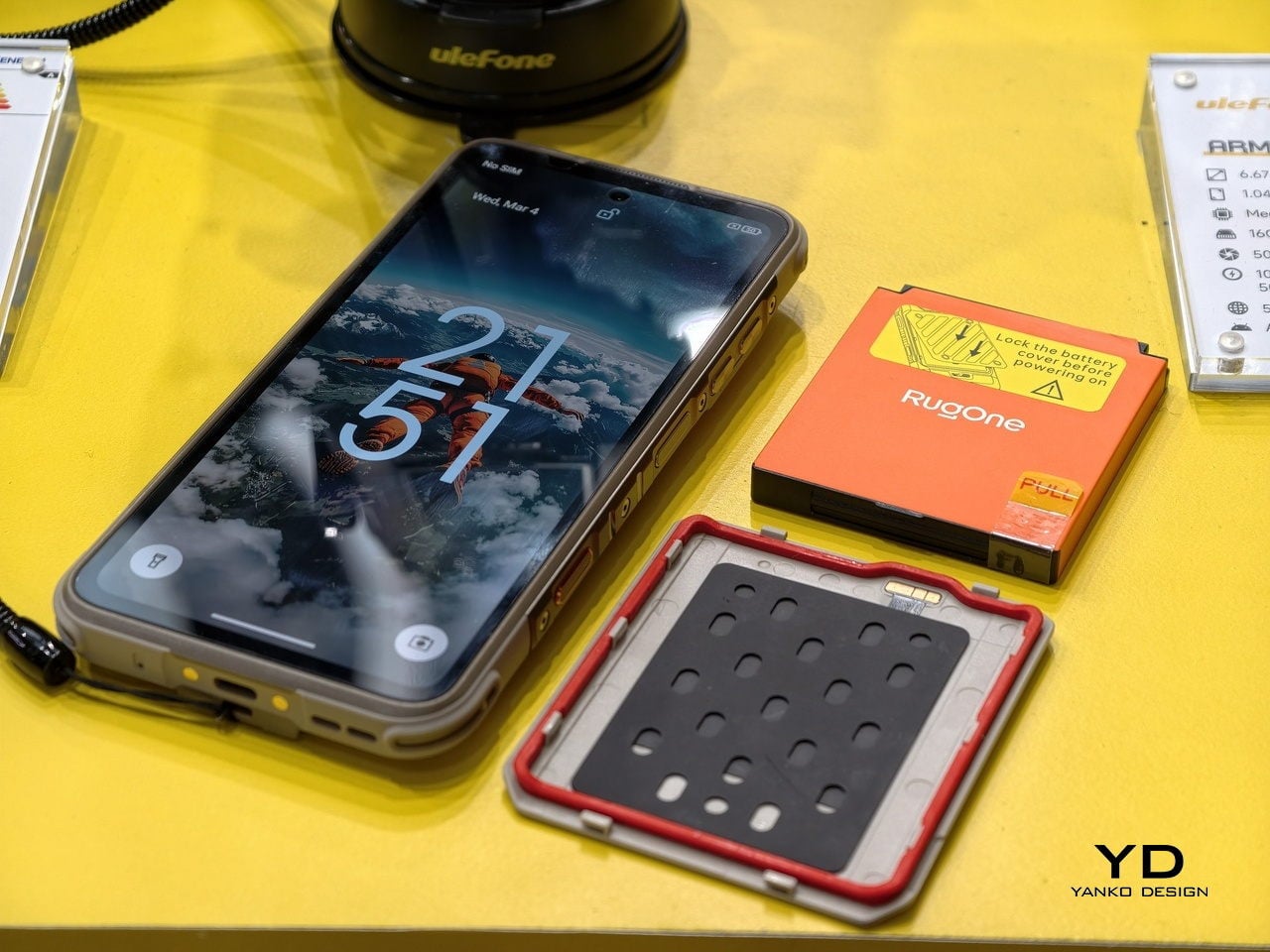
That is exactly what the RugOne Xever 7 does. It ships with two 5,550 mAh batteries and a built-in buffer cell that keeps the phone alive during the swap, so you never have to restart. The whole process takes under 180 seconds. There is no hunting for a socket, no waiting out a charging cycle, and no watching the percentage tick up while your plans sit on hold.
Designer: Ulefone
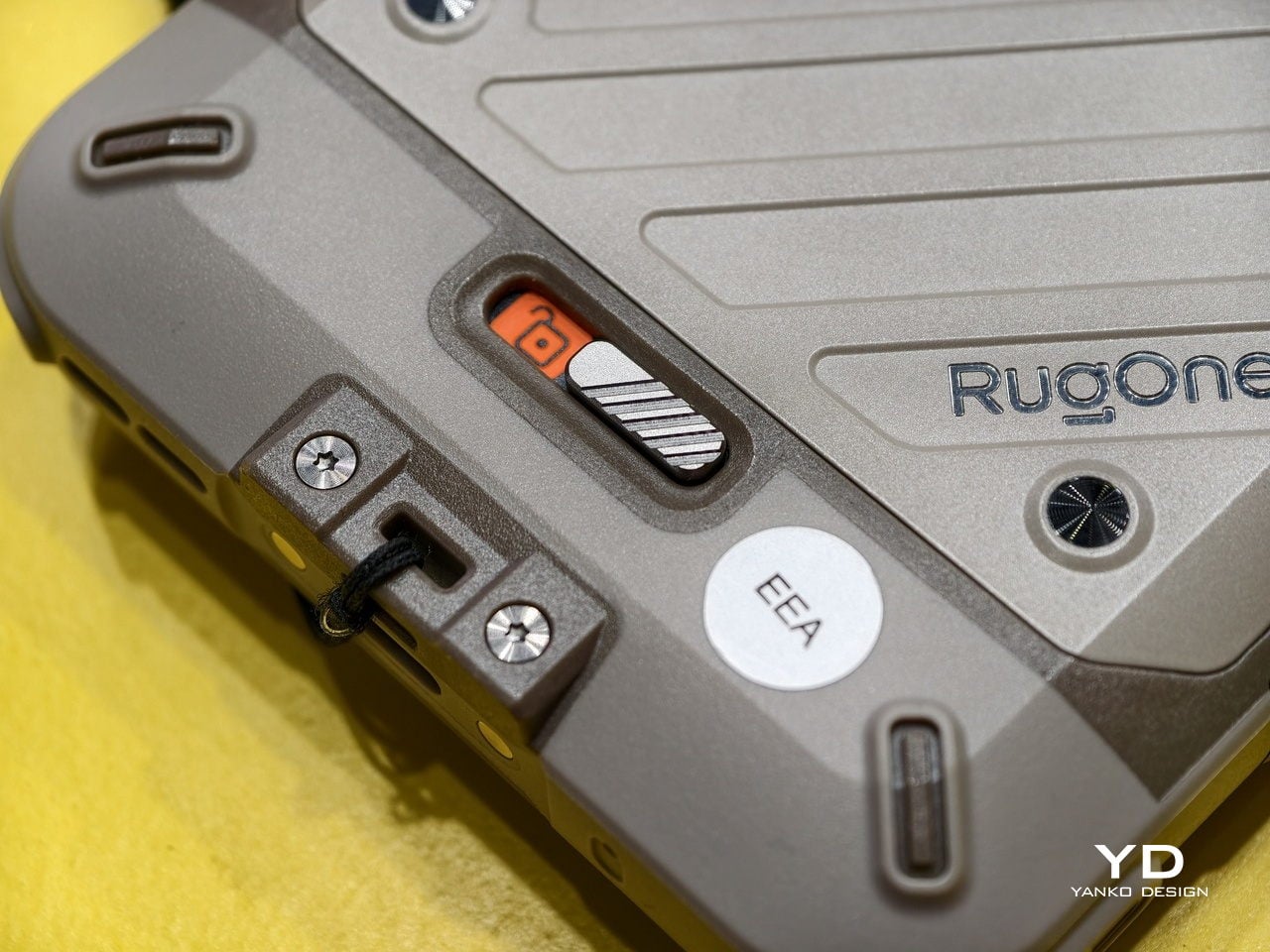
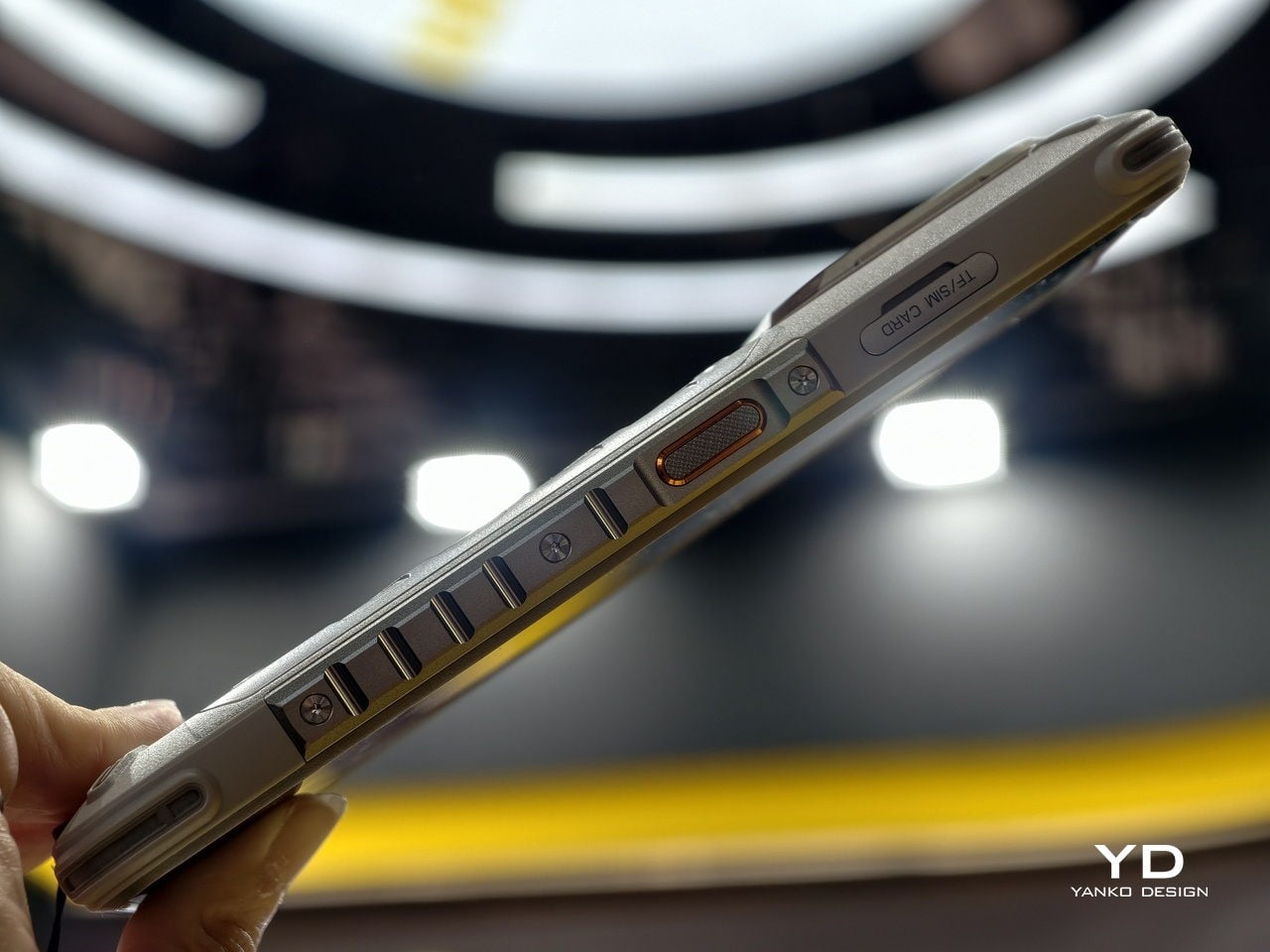
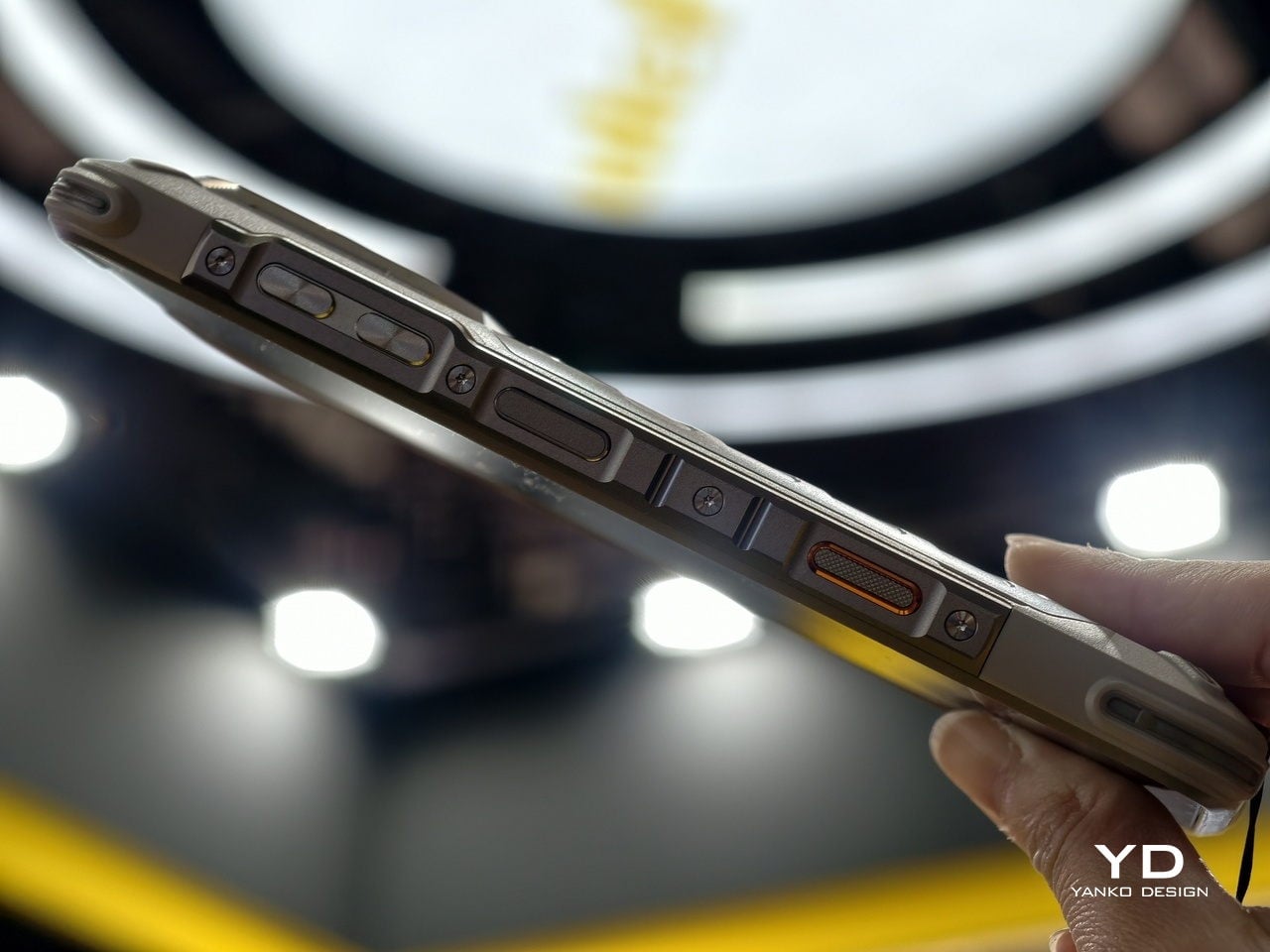
The phone is IP69K and IP68 rated, survives drops per MIL-STD-810H certification, and weighs 325 g, which is heavy but not unusual for a rugged device with this much packed inside. The 64 MP night vision camera uses four built-in infrared lights to shoot in complete darkness, which is genuinely useful if you have ever tried to photograph a campsite at 2 a.m. with a regular phone and gotten nothing.

There is also a 50 MP main camera with optical image stabilization, a 50 MP ultra-wide with a 117.3-degree field of view, and a 32 MP front camera. The phone supports underwater photography as well, with controls you can operate while submerged. Video tops out at 2K at 30 fps, which is fine for most outdoor documentation but a step behind phones at similar price points that record at 4K.
The display is a 6.67-inch AMOLED panel running at 120 Hz with a 2,200-nit peak brightness, which holds up well in direct sunlight. Inside is a MediaTek Dimensity 7025 chipset paired with 12 GB of RAM and 512 GB of storage, expandable to 2 TB via microSD. That chipset is mid-range by current standards, so this is not a performance-first phone, but it handles everyday tasks without friction.

Charging runs at 33W over USB-C or 18W through the Pogo Pin dock that comes in the box. The dock charges the spare battery simultaneously, so by the time your current battery runs low, the backup is already full and ready. That closed loop is the smartest part of the whole system, and the detail that makes the swappable battery feel like a considered design decision rather than a novelty.
Android 15 runs clean here, with Google Gemini built in, a 230-lumen flashlight, an X-axis linear vibration motor, and a 3.5 mm headphone jack that has no business still being this satisfying to find on a phone. The Xever 7 does not try to reinvent what a rugged phone is. It just fixes the one thing that frustrates people most, and lets everything else do its job quietly.