
Talking to AI still feels a bit strange for a lot of people. You type into a chat box or ask a question into empty air, and something invisible answers back. It works, but it does not feel particularly warm. That low-grade awkwardness has quietly pushed a whole product category into existence: small, expressive desktop robots designed to put a visible face on AI and make the whole interaction feel less like filling out a form.
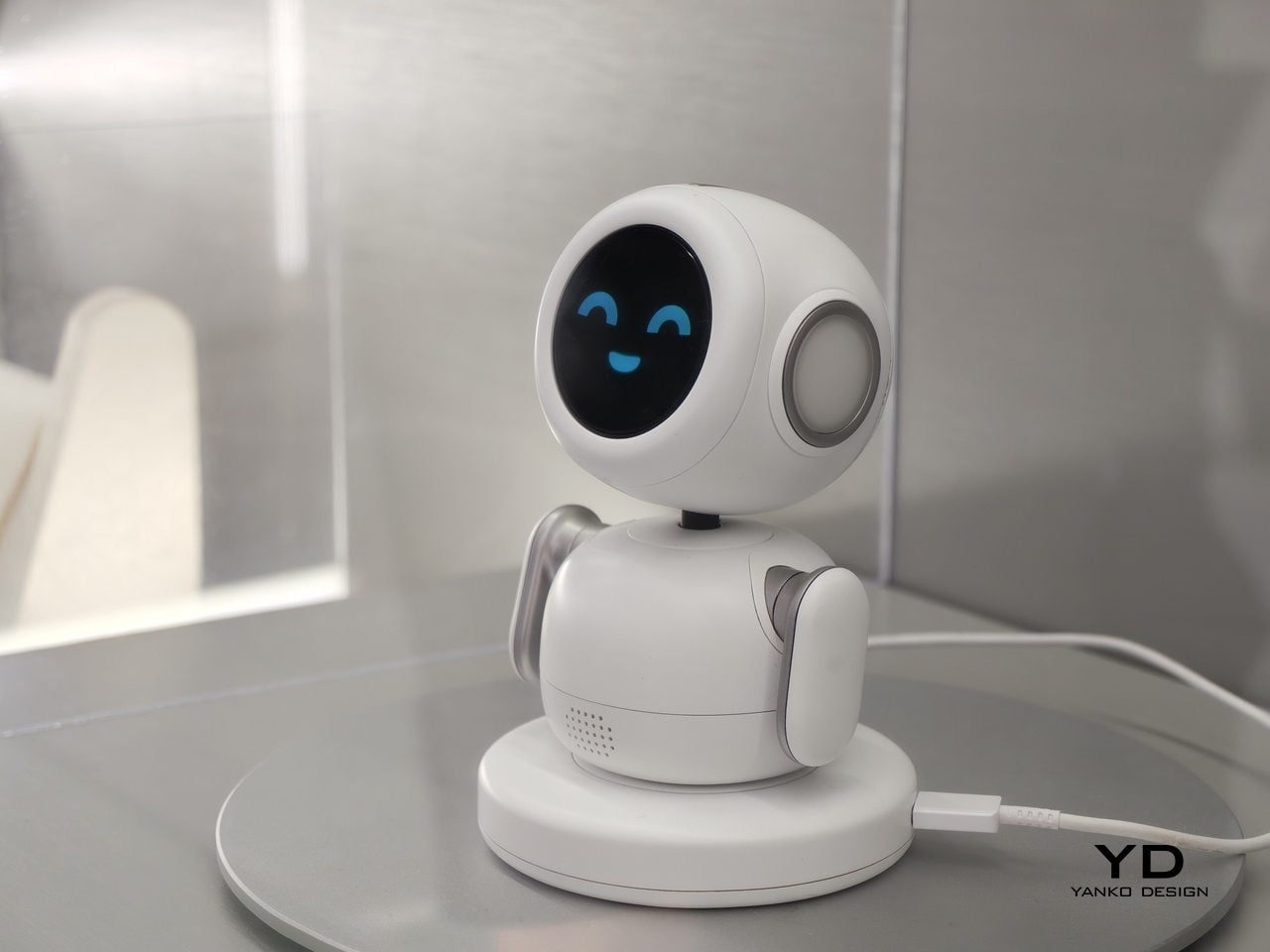
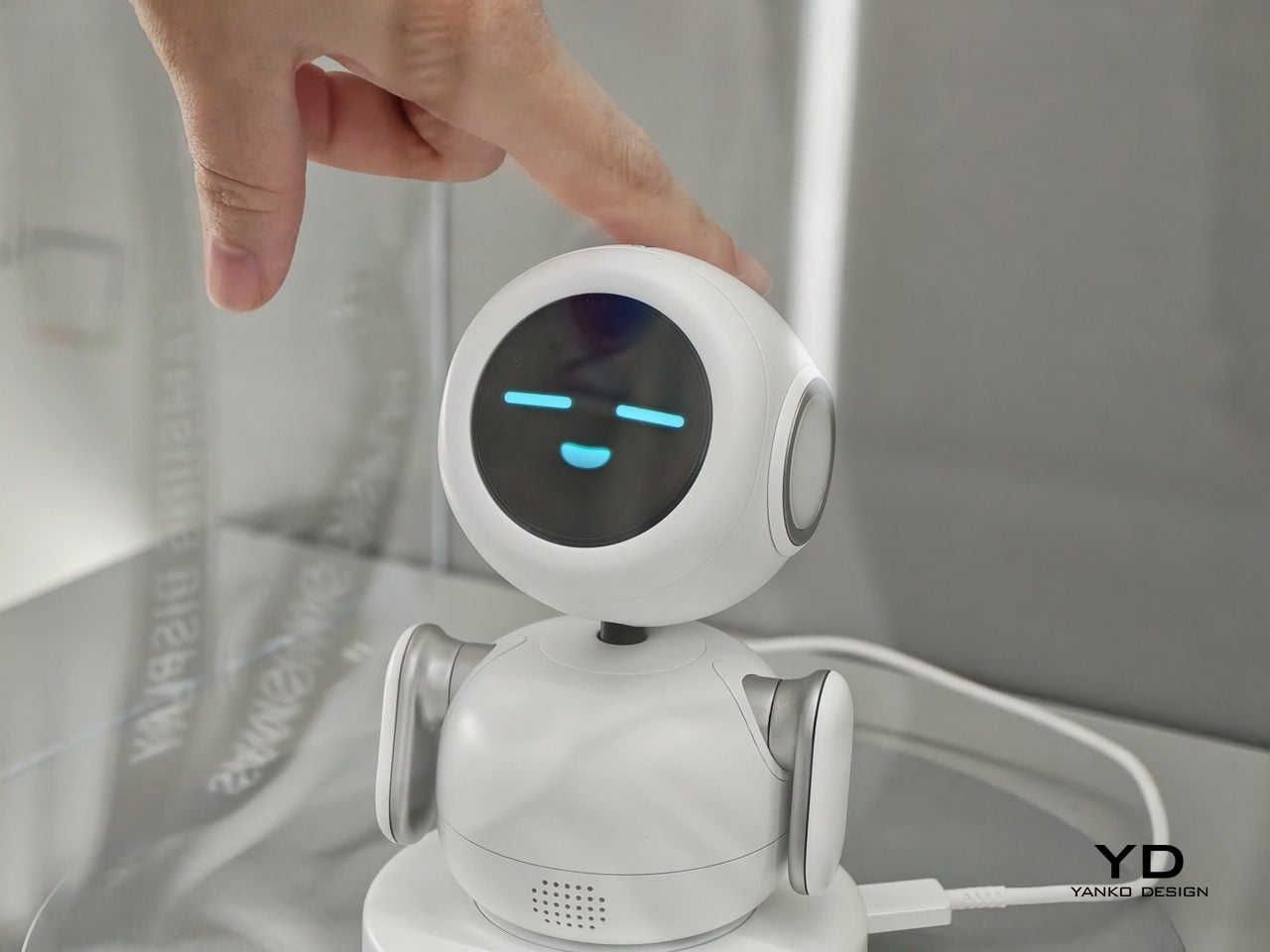
Samsung Display’s concept shown at MWC 2026 in Barcelona fits neatly into that wave. Called the OLED AI Mini PetBot, it is a compact robot built around a 1.34-inch circular OLED screen that acts as its face. That screen displays animated expressions that shift in response to voice and touch input, so the robot is not just sitting blankly while it processes a command. It reacts, visibly and immediately, which is exactly the point.
Designer: Samsung
The instinct behind it is not new. Products like EMO from LivingAI, Eilik from Energize Lab, and Loona from KEYi Tech have each explored the formula with varying personalities and price points. KEYi Tech even debuted a concept at CES 2026 that docks an iPhone on a motorized MagSafe stand to create a desk robot face. DIY builders have been constructing expressive robot heads from microcontrollers and small screens for years. The appetite for something to look at while talking to a machine is apparently very real.
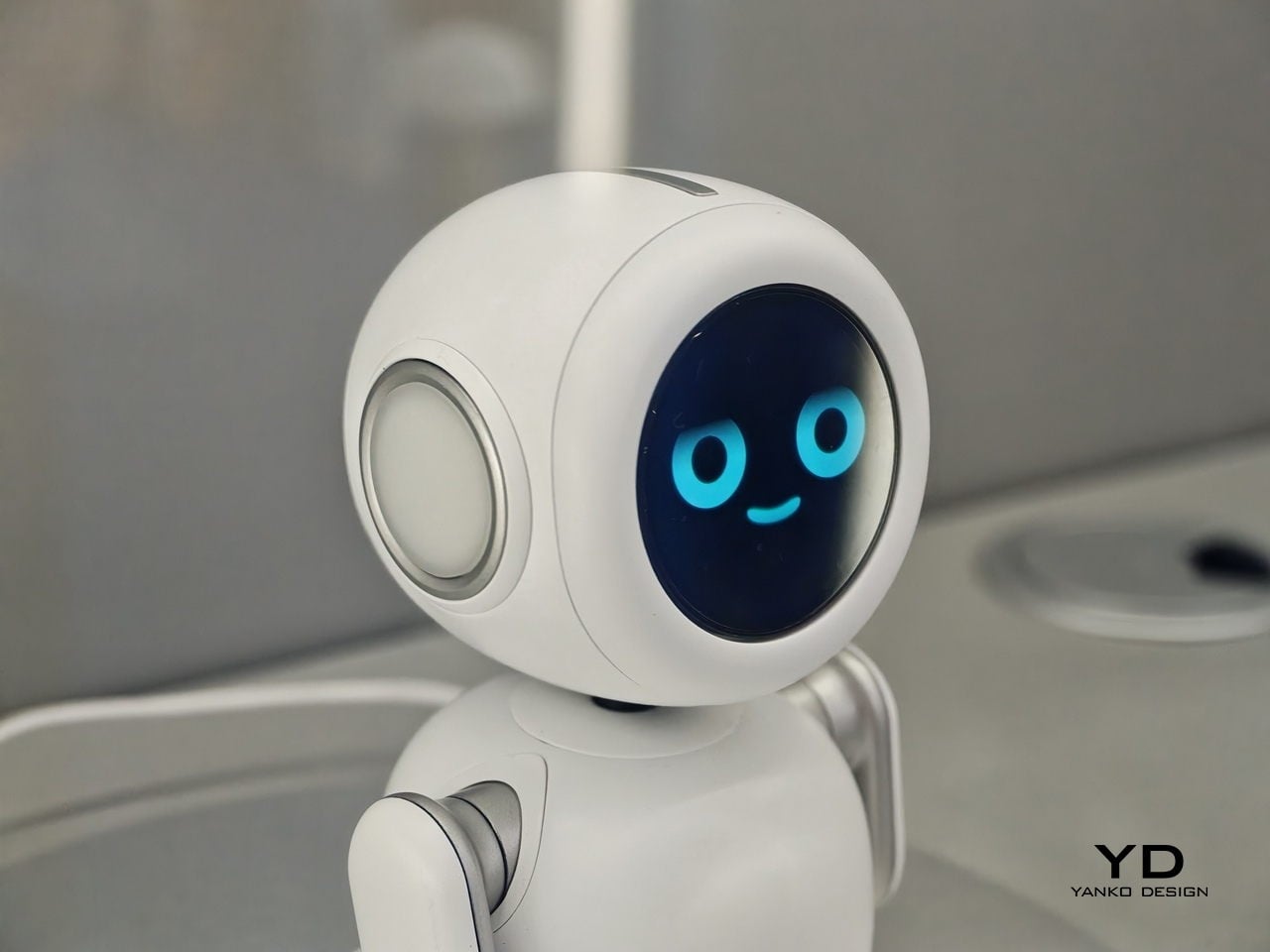
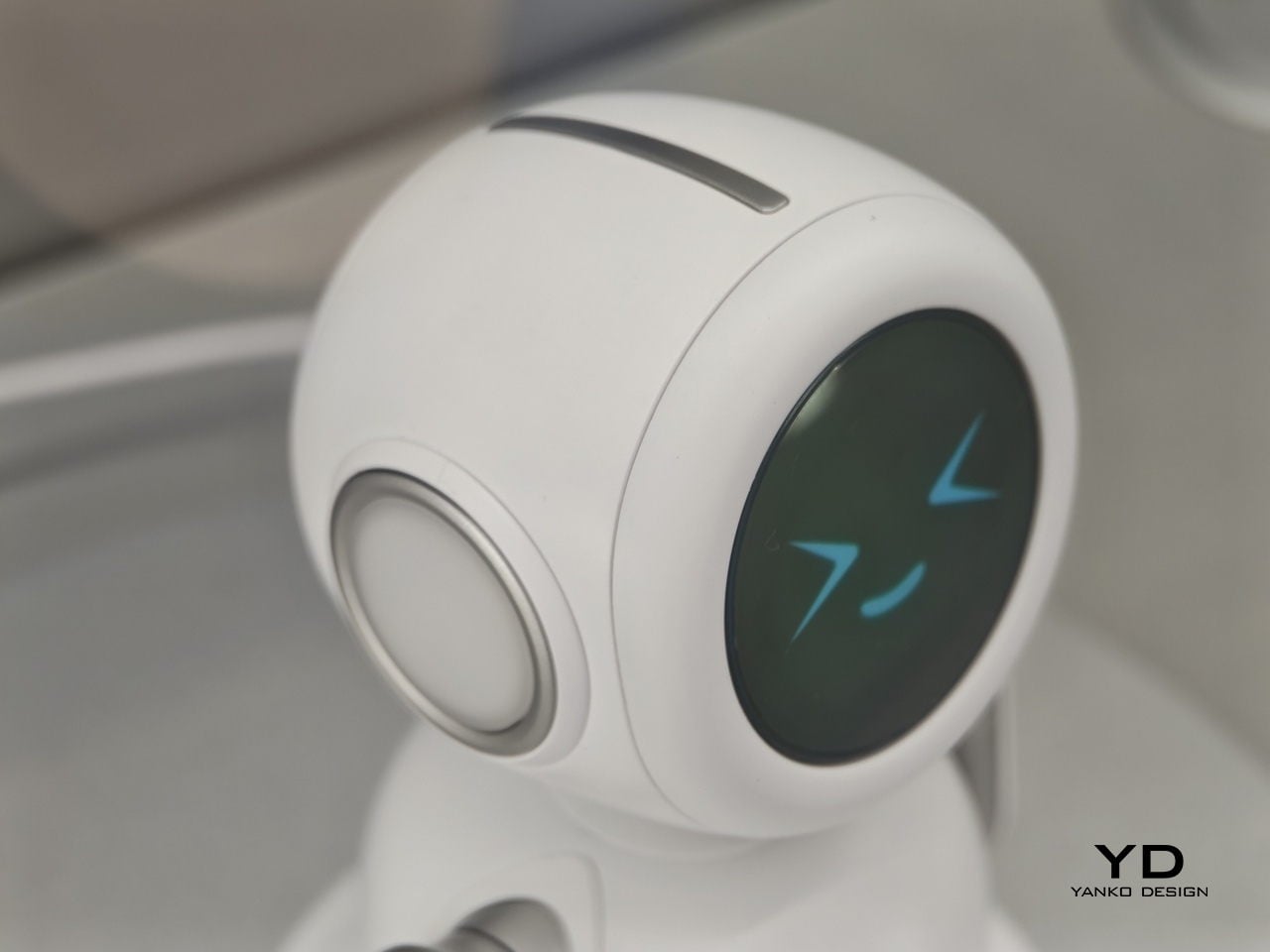
What Samsung Display contributes to that conversation is the OLED panel itself. A 1.34-inch circular OLED renders fine gradients and deep blacks without a backlight, which means animated eyes or shifting emotional states read clearly even at that small scale. The circular format also removes any rectangular frame of reference, so the face reads more organic than a screen mounted on a housing. That distinction drives the entire emotional premise of these robots.
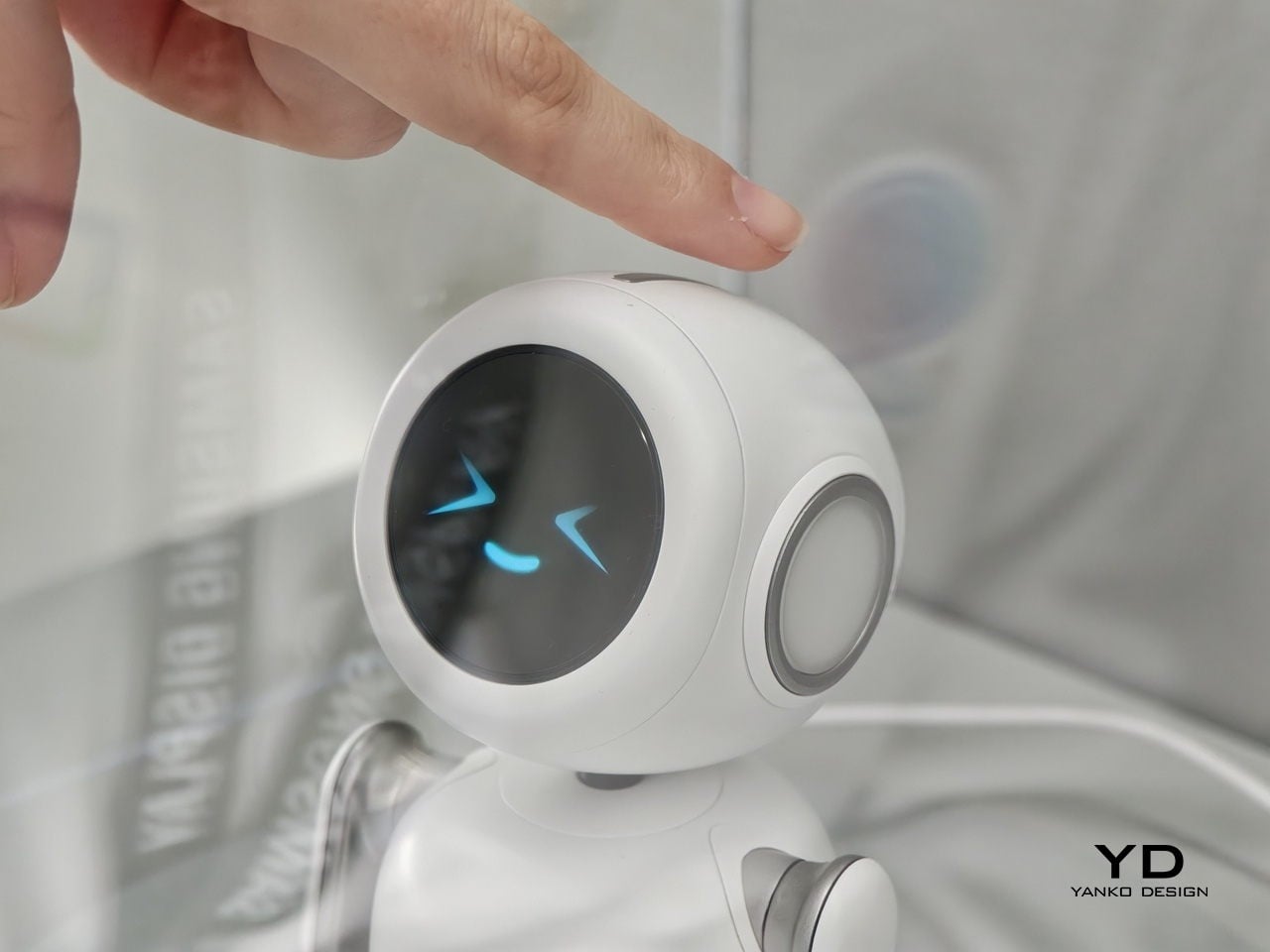
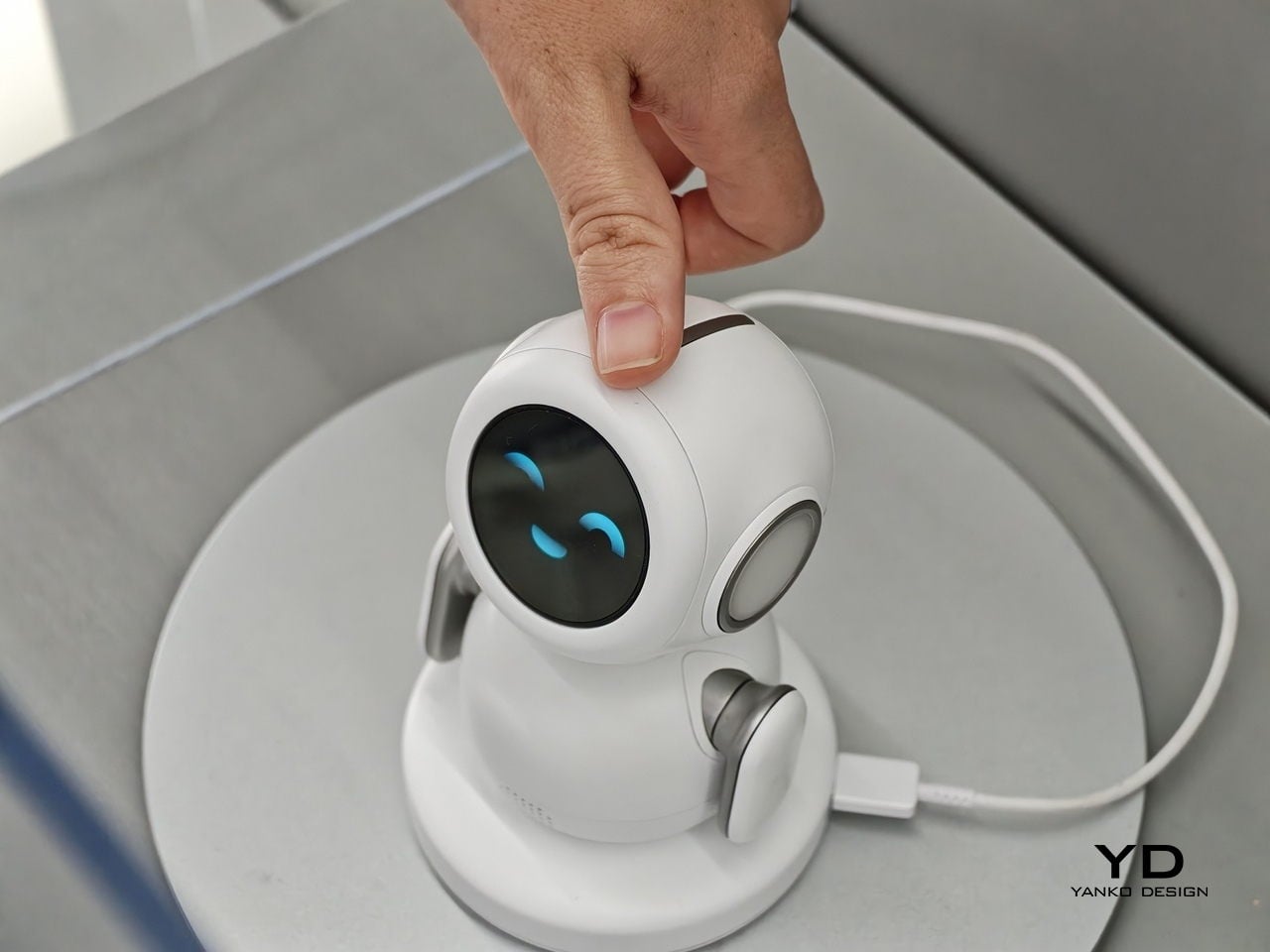
The MiniPetBot is a concept from a display technology booth, not a product headed to retail. Samsung Display’s interest here is in showing where its panels can go, and the robot shares booth space with the AI Toyhouse, a separate concept pairing a 13.4-inch circular OLED with an 18.1-inch flexible panel. Both exist to make the screen the story. Whether a hardware partner picks up the form factor is a separate question.
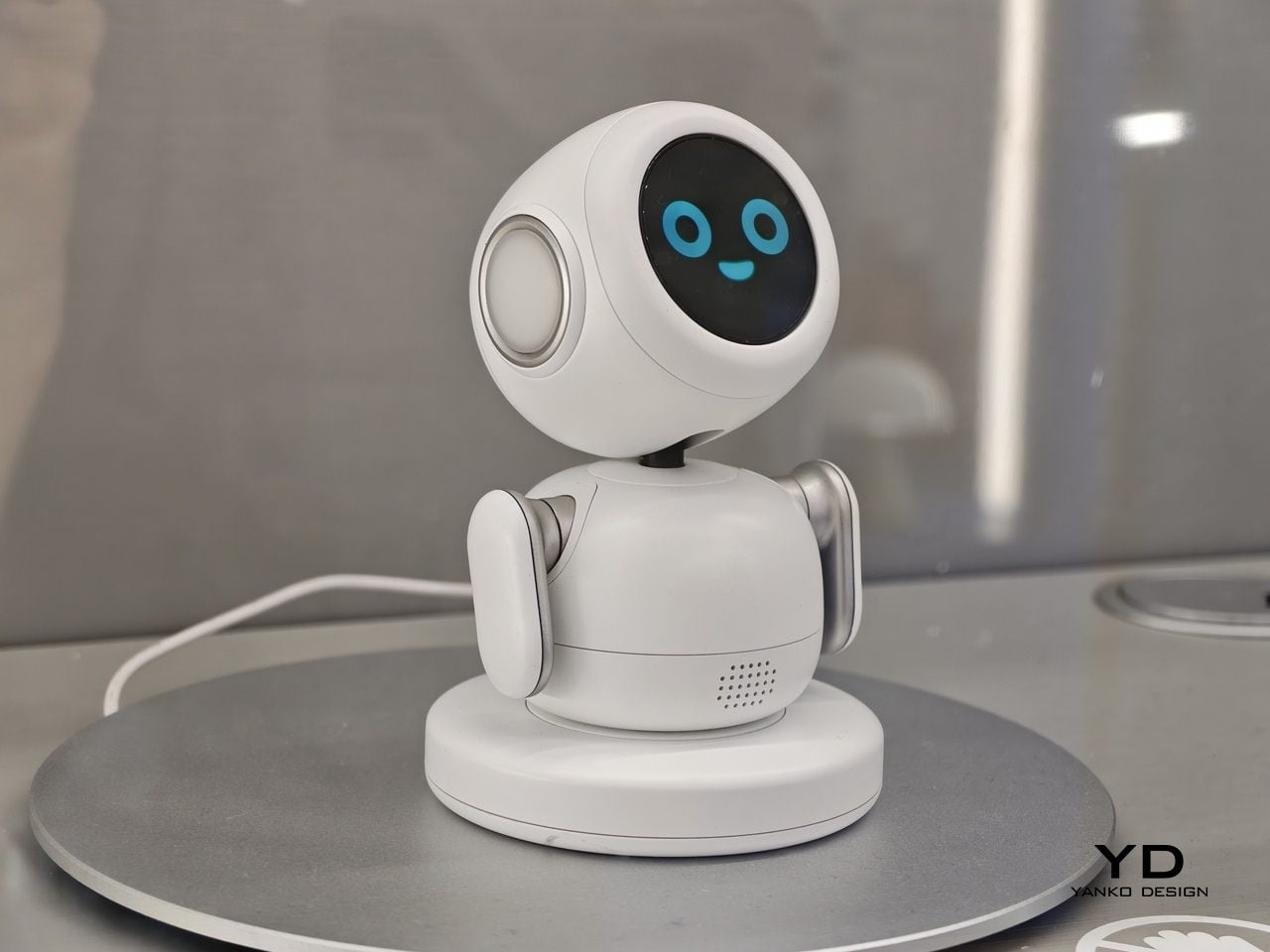
The real question these robots keep circling is whether giving AI a physical face actually changes how people relate to it. A robot that looks up when spoken to, or scrunches its face when confused, closes a certain psychological distance that better language models alone cannot bridge. Samsung Display’s Mini PetBot might only be a concept today, but the reasoning behind it seems to be where the whole industry is quietly heading.