
There’s a specific kind of buyer’s remorse that comes with midrange phones. You get them home, take your first few photos in decent light, and think you made the right call. Then comes the dinner, the concert, the sunset that lasted about 45 seconds, and suddenly you’re squinting at a muddy, blown-out mess, wondering where your hard-earned money went. The hardware looked fine on the spec sheet. It just didn’t survive contact with real life.
The motorola edge 70 fusion is Motorola’s attempt to close that gap without asking you to spend flagship money. It’s a midrange phone with a few genuinely noteworthy credentials, a handful of firsts, and, depending on which version you buy, a battery that could outlast your weekend. Whether the whole package adds up is worth thinking through carefully.
Designer: Motorola
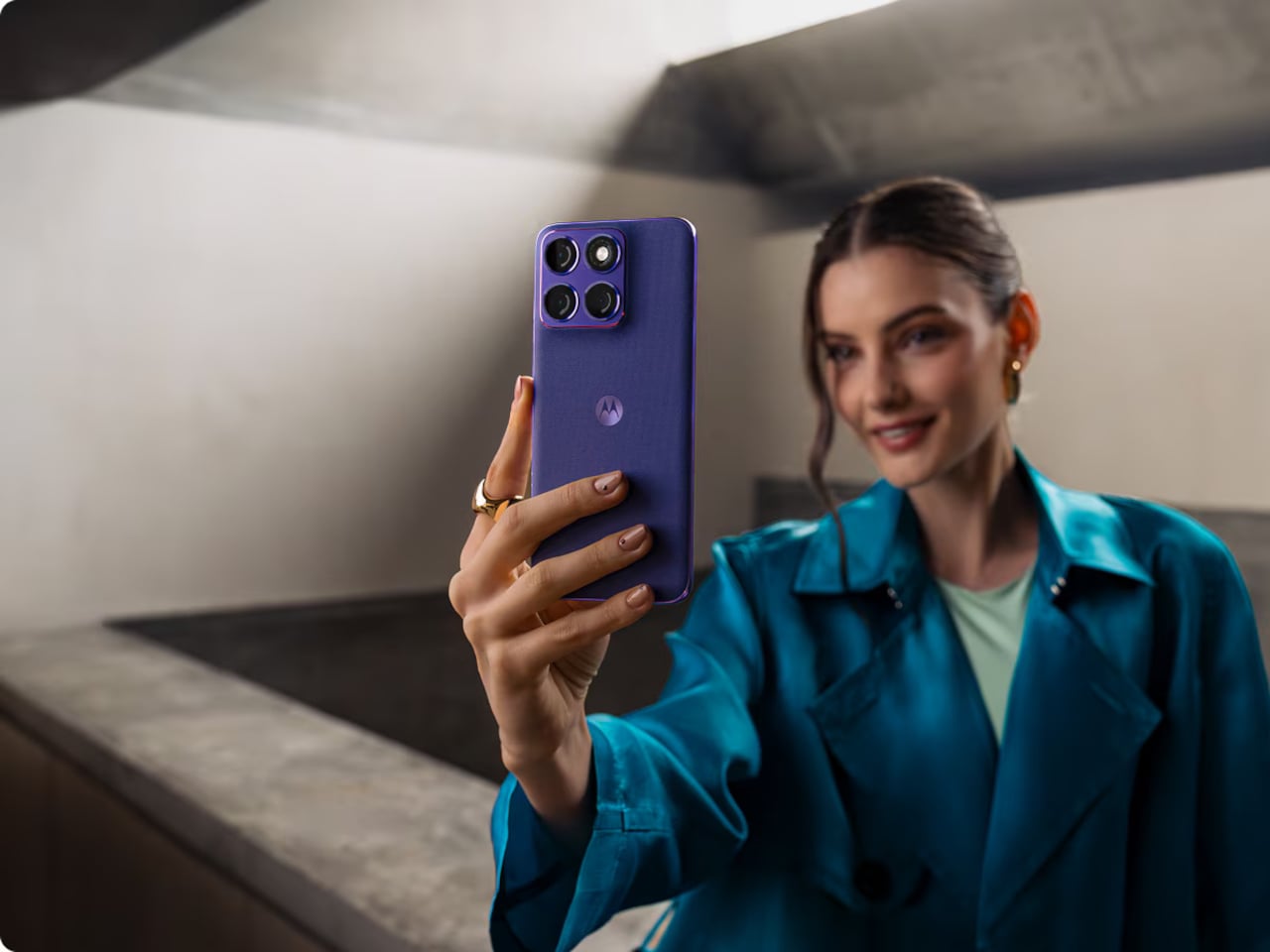
The headline is the camera, specifically the 50 MP Sony LYTIA™ 710 sensor on the main shooter. This is the first time that particular sensor has appeared in any smartphone, and Sony’s LYTIA line is built around low-light clarity and accurate color reproduction. Optical image stabilization keeps things sharp when your hands aren’t, and moto ai’s Photo Enhancement Engine adds a Signature Style feature that applies consistent color grading across your shots. A 13 MP ultrawide covers the 122° wide-angle and macro territory, and the 32 MP front camera shoots 4K video, which still feels like a meaningful spec at this price tier.
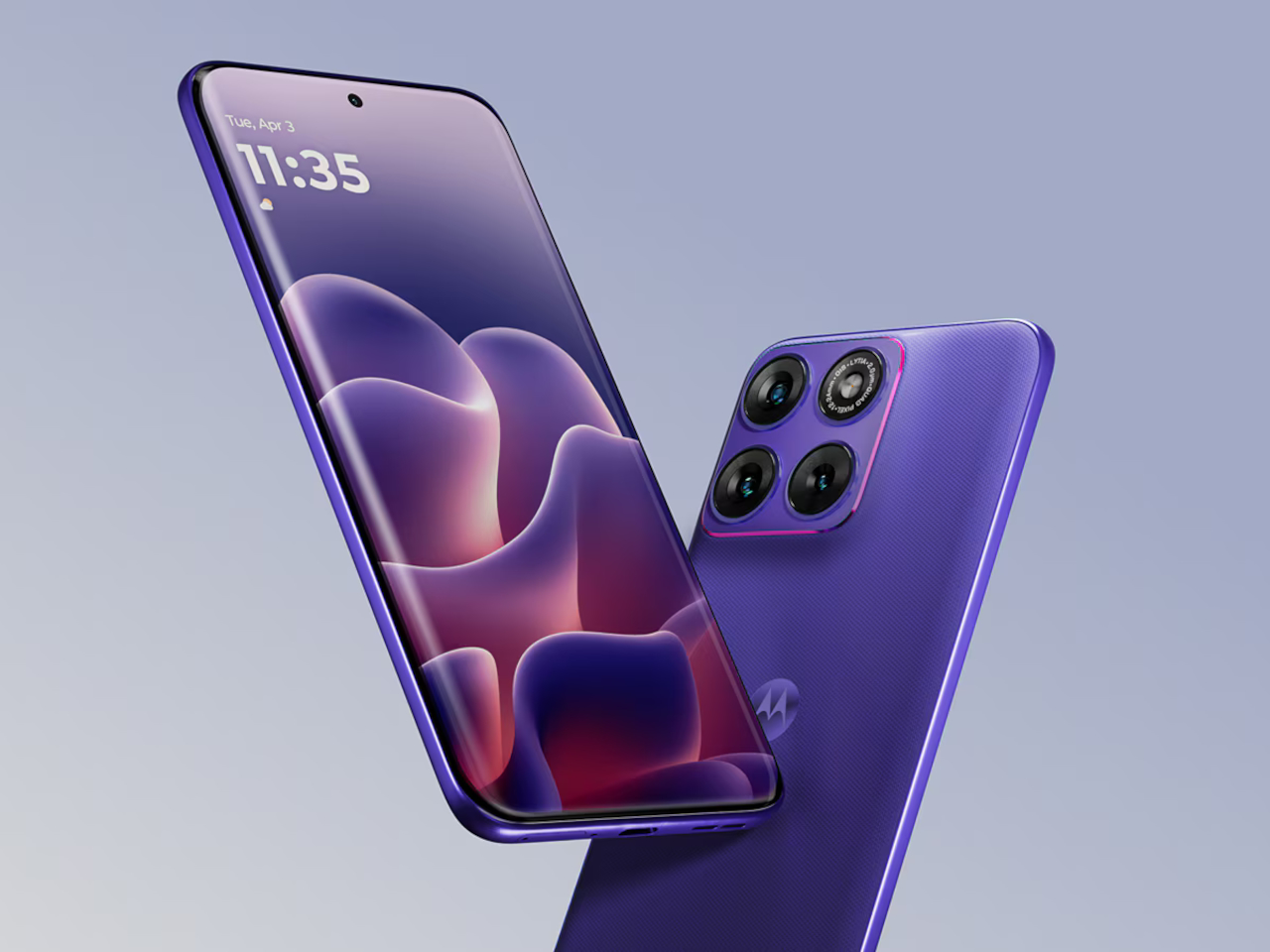
The display is where the edge 70 fusion picks up another first. It’s touted to be the world’s first 144 Hz quad-curved screen with Pantone Validated™ color certification, spanning 6.78 inches of Extreme AMOLED at 1.5K Super HD resolution with a peak brightness of 5,200 nits. That brightness number is the practical one. It means the screen stays legible in direct sunlight, something that budget and midrange panels have never quite solved. The quad-curve design, where the glass flows continuously from front to back without hard edges, adds a physical refinement that usually costs considerably more.
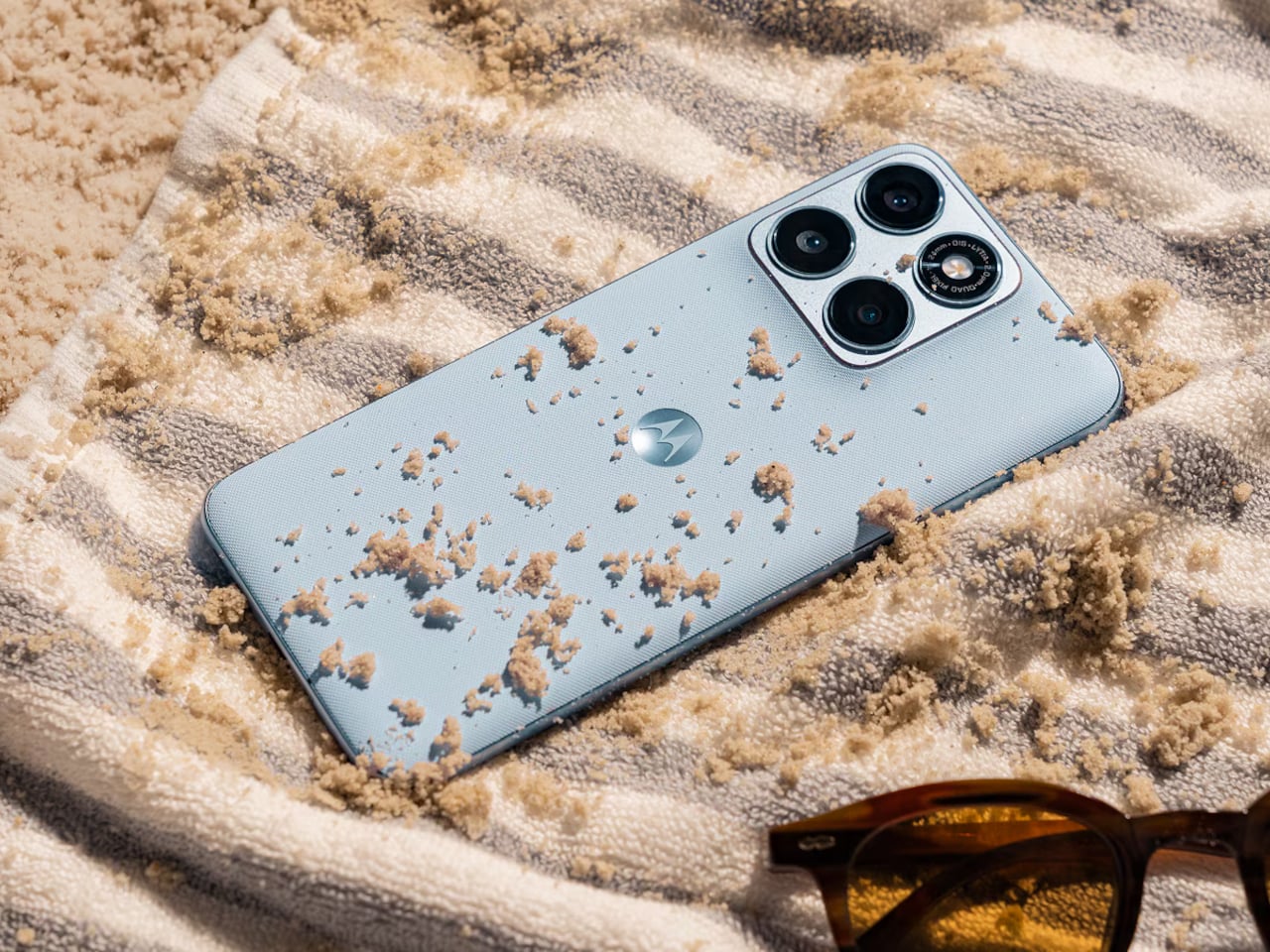
Motorola went further than most midrange phones dare to go on the durability side. The edge 70 fusion carries both IP68 and IP69 ratings, meaning it handles submersion up to 1.5 meters and high-pressure water jets. MIL-STD-810H certification covers the drop and temperature extremes, and Corning Gorilla Glass 7i protects the front. A small but useful detail called Water Touch keeps the touchscreen responsive with wet fingers. The back uses textures inspired by nylon and linen, materials that feel warmer in hand than the cold-glass backs that have become the default on most phones.
There are two battery variants, and the difference between them is significant. The standard model has a 5,200 mAh cell rated for up to 39 hours of mixed use. The second variant ships with a 7,000 mAh silicon-carbon battery, a chemistry that fits more energy into less physical space, rated for up to 50 hours. Both versions charge at 68W via TurboPower, which Motorola says delivers enough power for a full day in just 10 minutes of charging. For anyone who has ever started a long travel day at 34%, that’s not a trivial promise.
The Snapdragon 7s Gen 3 handles processing, paired with up to 8 GB of RAM and a RAM Boost feature for smoother multitasking, with up to 256 GB of internal storage. It’s a capable mid-tier chipset, honest about where it sits. Motorola is guaranteeing three Android OS upgrades, and moto ai brings in features like Next Move for contextual on-screen assistance and Playlist Studio for AI-generated playlists. Google Gemini integration rounds out the software story.
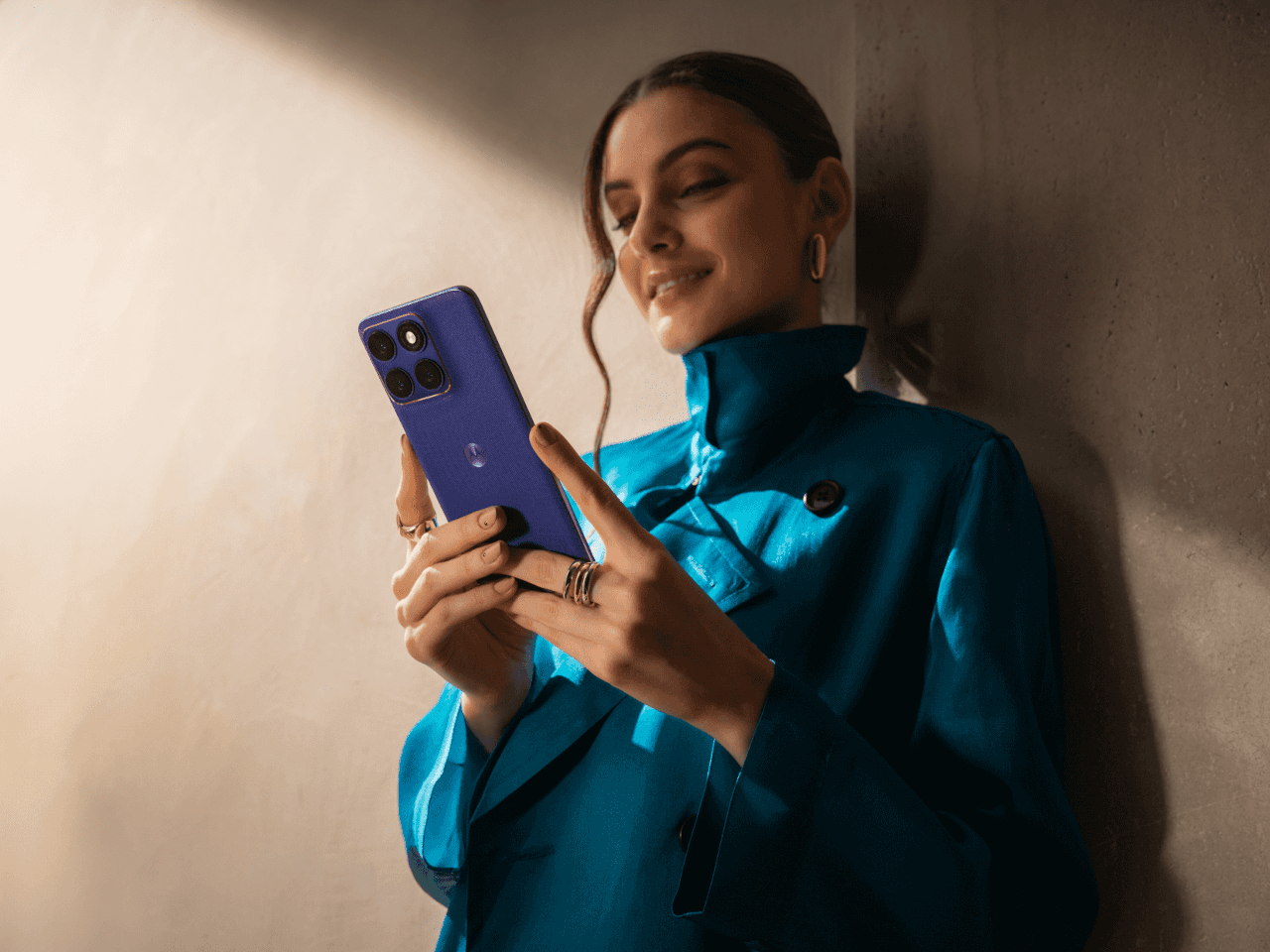
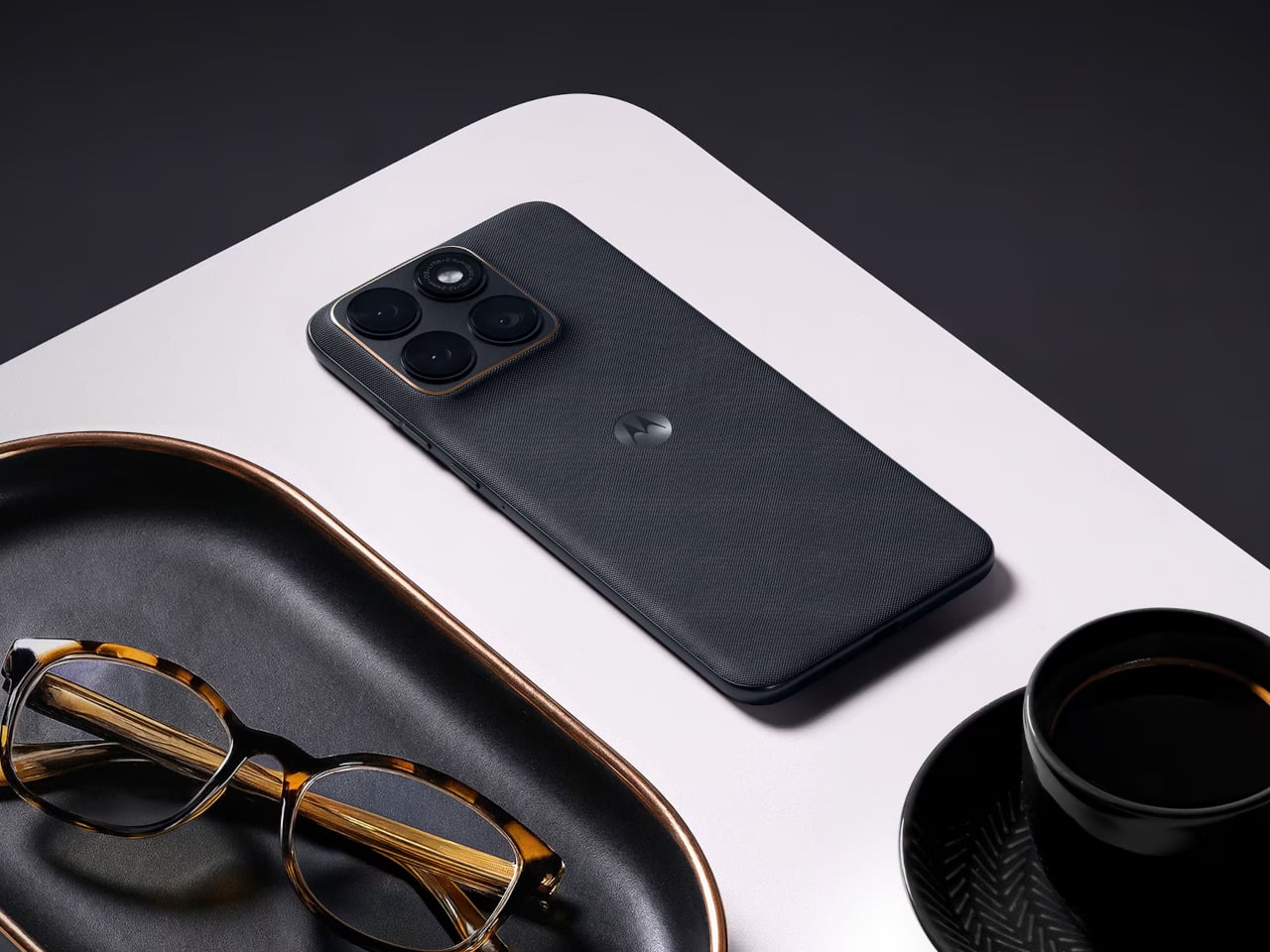
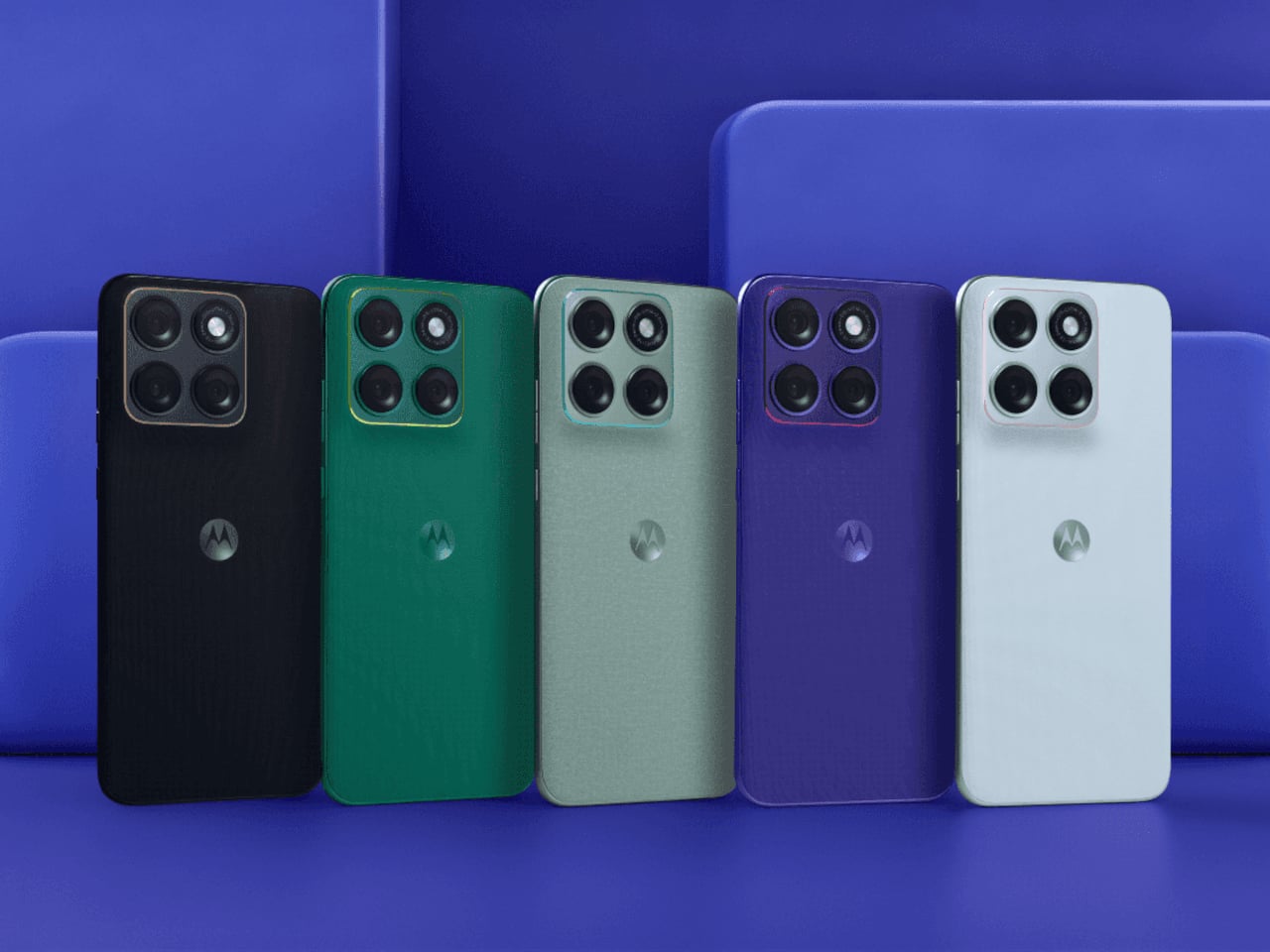
The edge 70 fusion comes in five Pantone-curated colorways, including Orient Blue, Silhouette, Sporting Green, and Country Air, each with matching colored accents around the camera lenses. It’s a detail that suggests the design team was thinking about the phone as something you carry, not just something you use. The real question the edge 70 fusion leaves open is a broader one: at what point does the gap between midrange and flagship stop being about capability and start being about perception?