
Most knife recommendations come with a quiet asterisk. A brand deal, a commission link, a product sent to a chef’s PO box before the review goes live. What gets left out of that conversation is what the same chef keeps in the drawer at home — the blade they reach for on a Sunday morning when nobody is filming. Japanese knives occupy a rare space where craft, material science, and design intersect, and choosing one well changes the way you cook in ways that are difficult to articulate until you’ve experienced it.
The five knives on this list were chosen for what they do rather than how loudly they market themselves. Some are visually striking in ways that stop you mid-prep, others are quietly exceptional tools that earn no attention but demand all the respect. All of them sit in a price range that rewards cooks who pay attention. Under $200, the Japanese knife category is genuinely competitive, and every pick below earns its place through steel quality, blade geometry, and the kind of design honesty that paid recommendations rarely manage.
1. Black Kitchen Knives

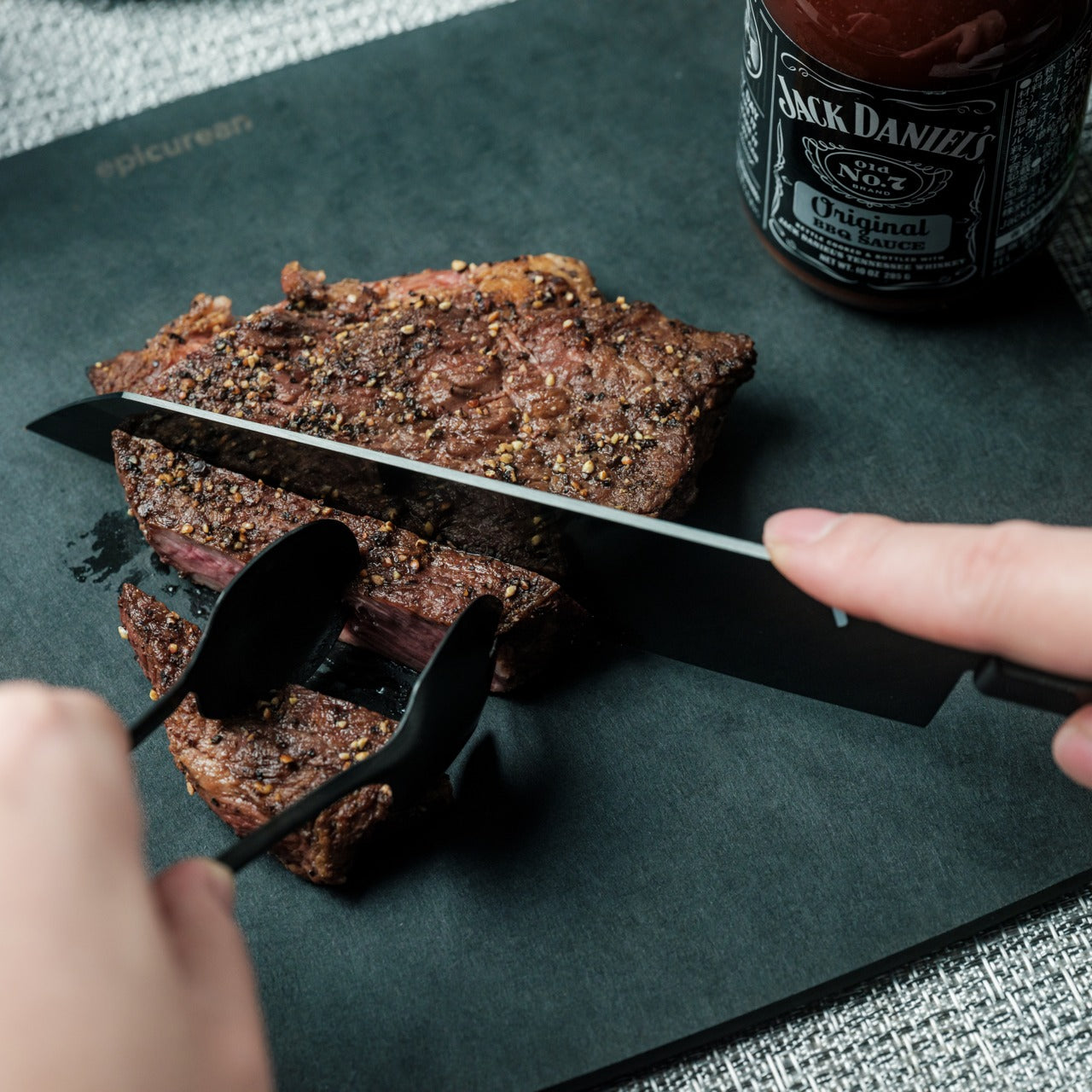
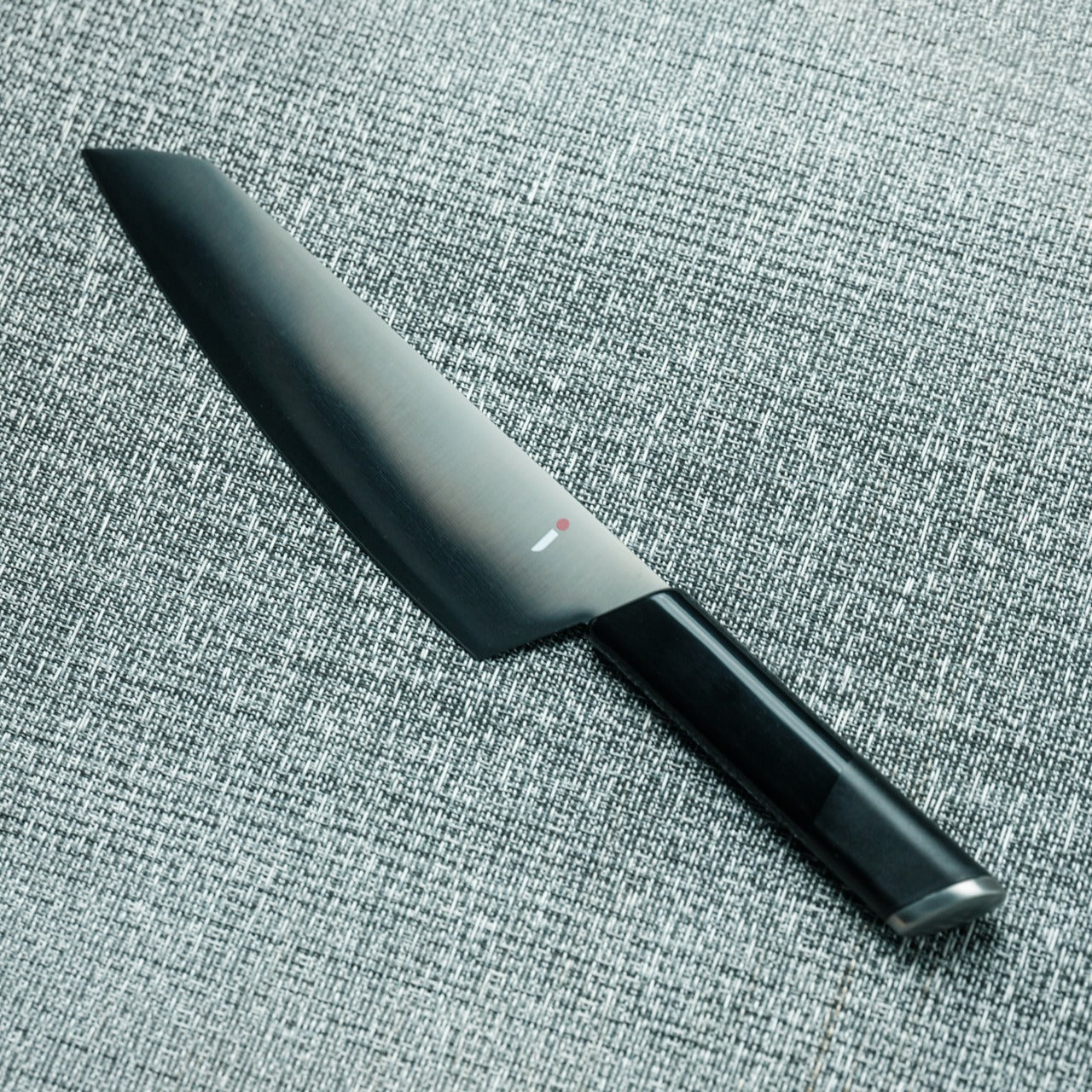
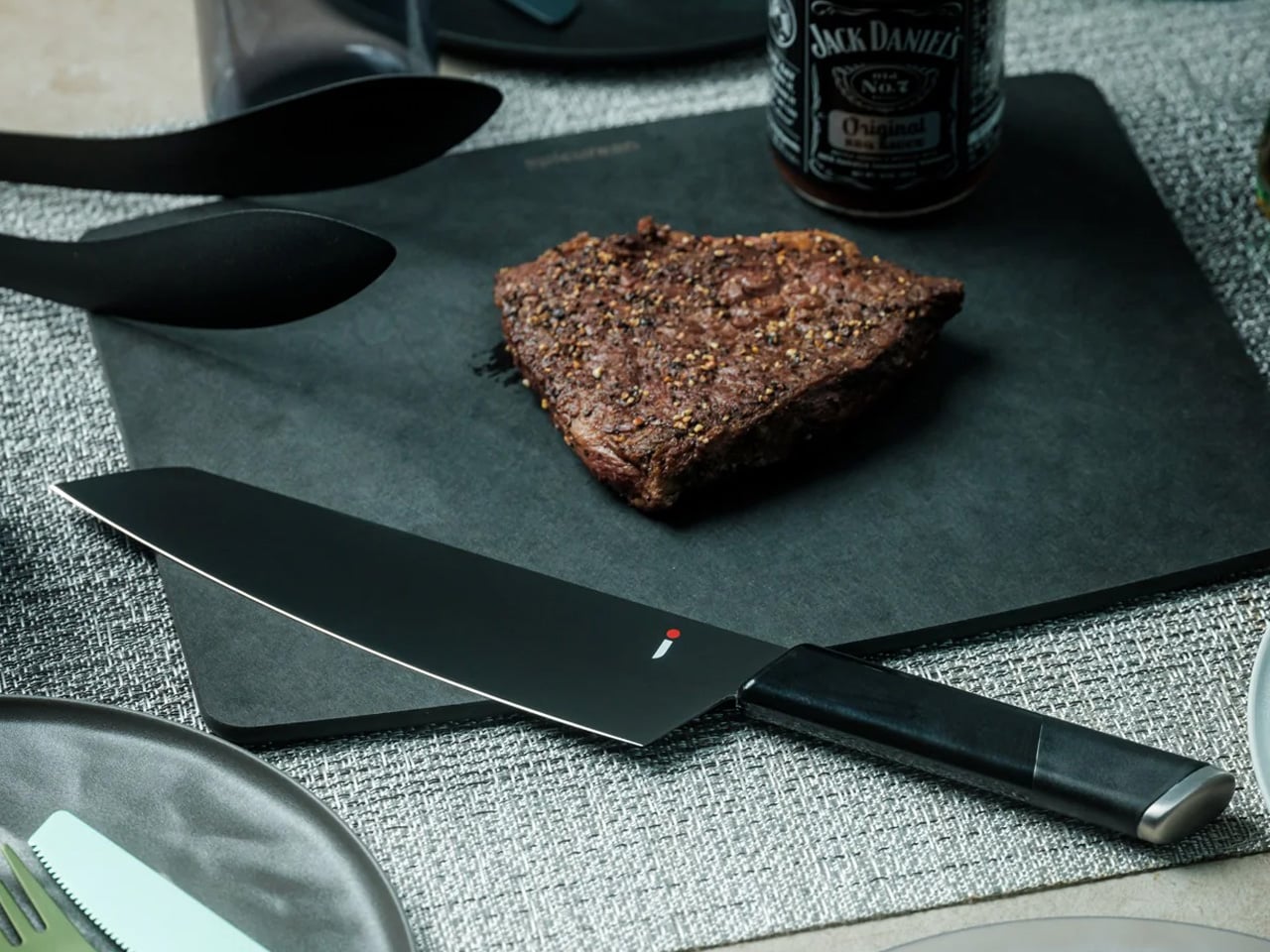
Seki, Japan, carries centuries of blade-making heritage that predates the modern kitchen entirely. The same region that once shaped swords for samurai now produces knives for home counters, and Yanko Design’s pitch-black series makes that lineage feel entirely current. Crafted from molybdenum vanadium steel with a titanium coating, each blade arrives in a matte black finish that is as functional as it is striking. The coating isn’t cosmetic theater — it contributes to durability and surface longevity while making the knife one of the most visually distinctive tools you can introduce to a kitchen without overhauling anything else.
Available in Santoku, Gyuto, and Petty styles, the series covers the full range of tasks that most home kitchens genuinely require. Each blade is crafted individually by a craftsman using a full-scale double-edged grind, which means the cutting geometry is precise rather than approximate. For anyone who has spent time thinking carefully about the objects they interact with daily and expecting those objects to have a point of view, these knives deliver it plainly. Food prep becomes something more considered when the tool in your hand looks like it was made with intention. That shift in feeling is not trivial.
What We Like
- The titanium-coated black finish is striking and purposeful, contributing to durability rather than just aesthetics.
- Each blade is handcrafted individually, giving it the qualities of a bespoke object rather than a factory product.
- Three blade profiles available mean there is a version here suited to nearly every cutting preference.
What We Dislike
- The dramatic visual identity demands deliberate care and proper storage to preserve the finish over the years of use.
- Titanium-coated surfaces can show wear differently from bare steel if not cleaned and maintained with attention.
2. Sakai Takayuki KUROKAGE VG10 170mm
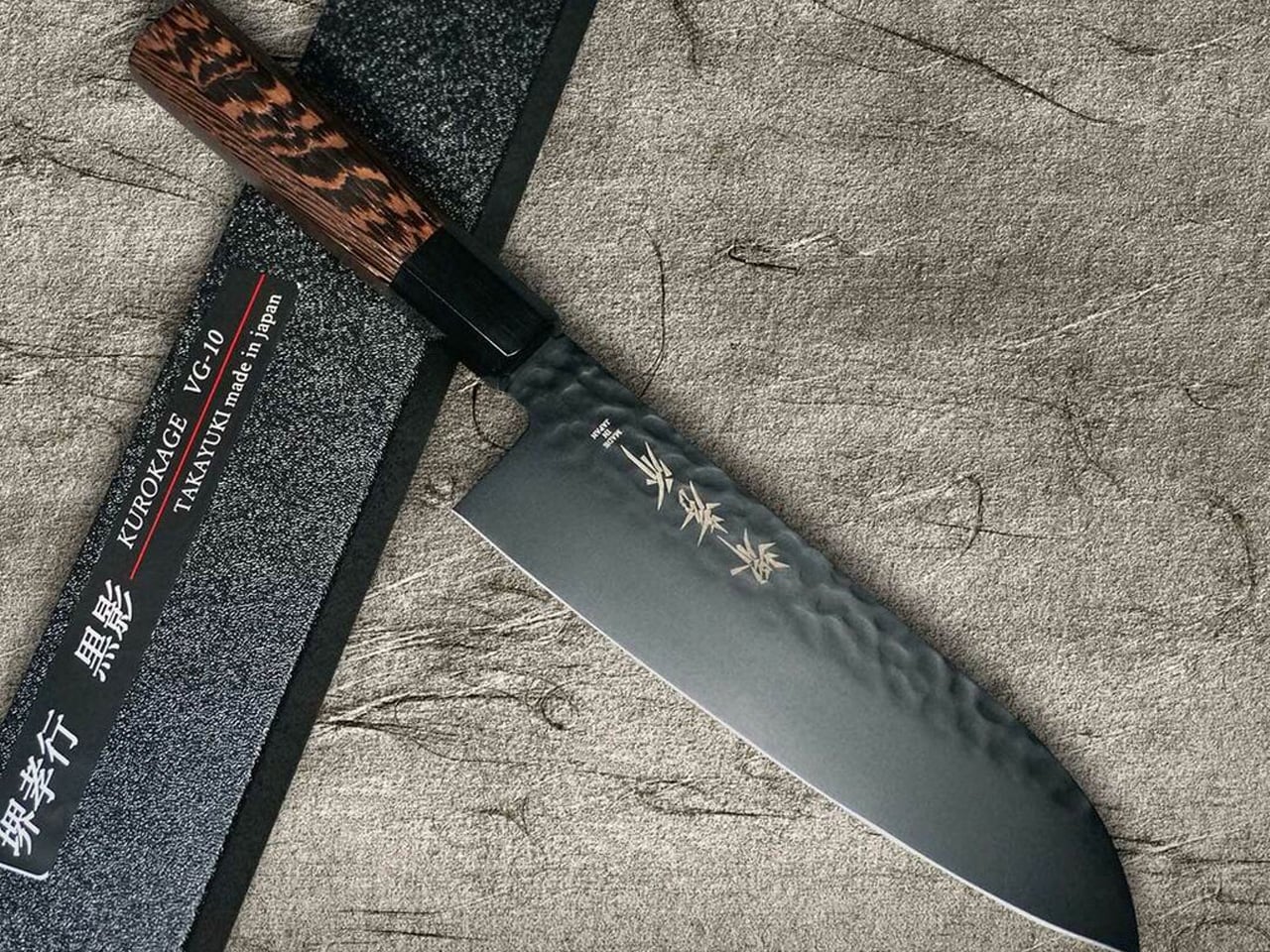
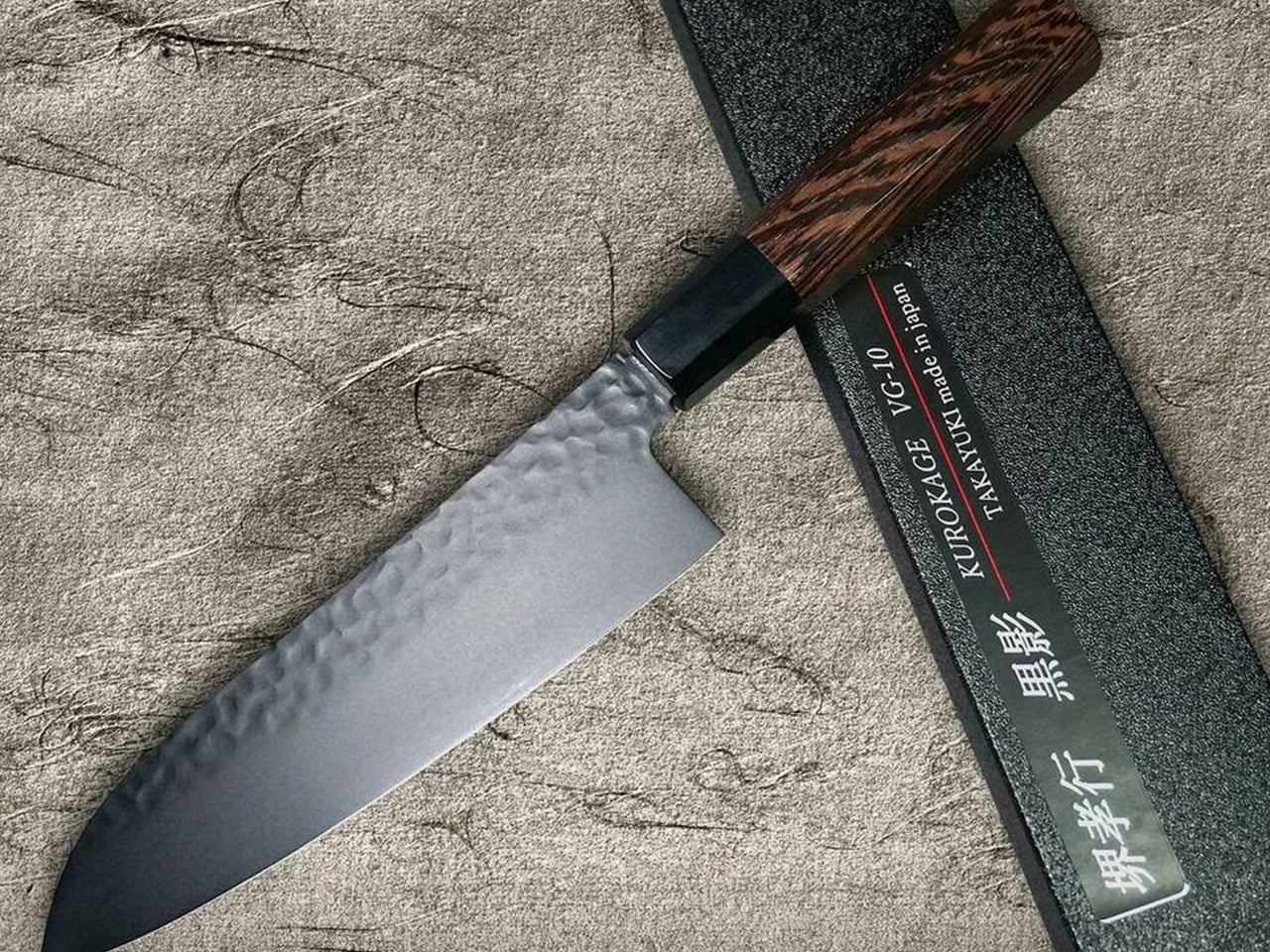
KUROKAGE translates to “dark shadow,” and the name earns its credibility from the first moment you pick the knife up. Sakai Takayuki’s fluorine resin coating on the VG-10 blade creates a surface that food simply refuses to cling to, and that quality changes the pace of prep work in surprisingly immediate ways. The hammered concavo-convex texture of the blade reinforces the non-stick effect physically, creating a topography of dimples that reduces contact between steel and ingredient. Pair that with a VG-10 core hardened to 60-61 HRC, and the edge retention consistently outperforms most knives at twice this price range.
Where the KUROKAGE separates itself further is in the details surrounding the blade. The half-rounded octagonal wenge wood handle with a buffalo horn ferrule signals genuine consideration for how a knife is held over time, not merely how it photographs. Each knife is hand-sharpened before leaving the factory, which means out-of-the-box performance is immediate. There is no break-in period, no first session on the whetstone to get it where it should have arrived. For cooks who want a knife that performs as though it were made with a specific user in mind, this is the closest that experience gets at this price.
What We Like
- Fluorine resin coating paired with hammered dimples creates food release that genuinely speeds up the rhythm of prep.
- VG-10 steel at 60-61 HRC delivers edge retention that outlasts chrome molybdenum alternatives, including the respected MAC non-stick line.
- The wenge wood and buffalo horn handle is refined in a way that feels earned rather than decorative.
What We Dislike
- The Teflon finish requires careful storage and non-abrasive cleaning to avoid surface damage over the years of heavy use.
- The matte tones of both blade and handle show fingerprints more readily than polished steel finishes do.
3. Yoshihiro VG-10 16-Layer Hammered Damascus Nakiri 165mm
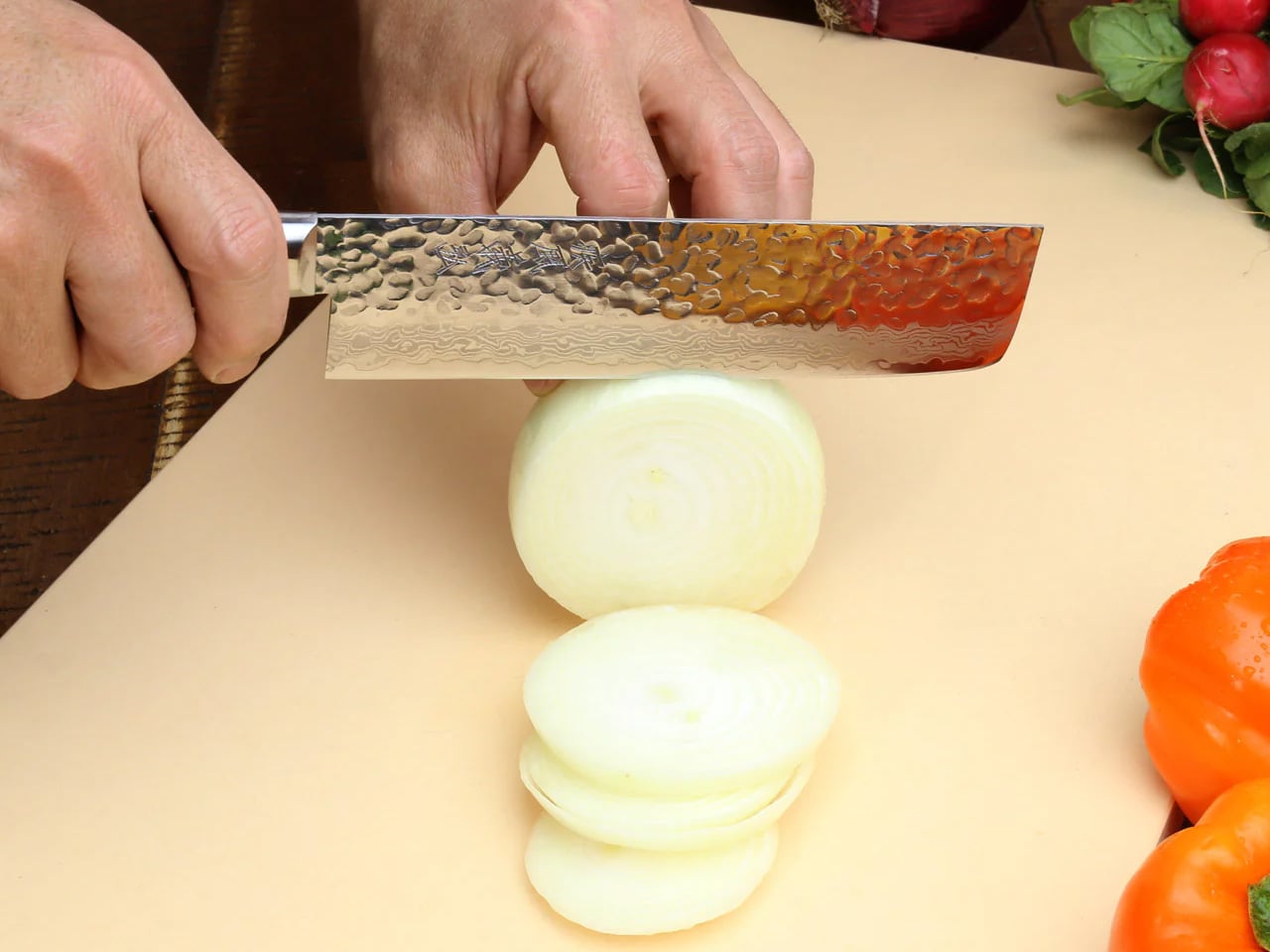
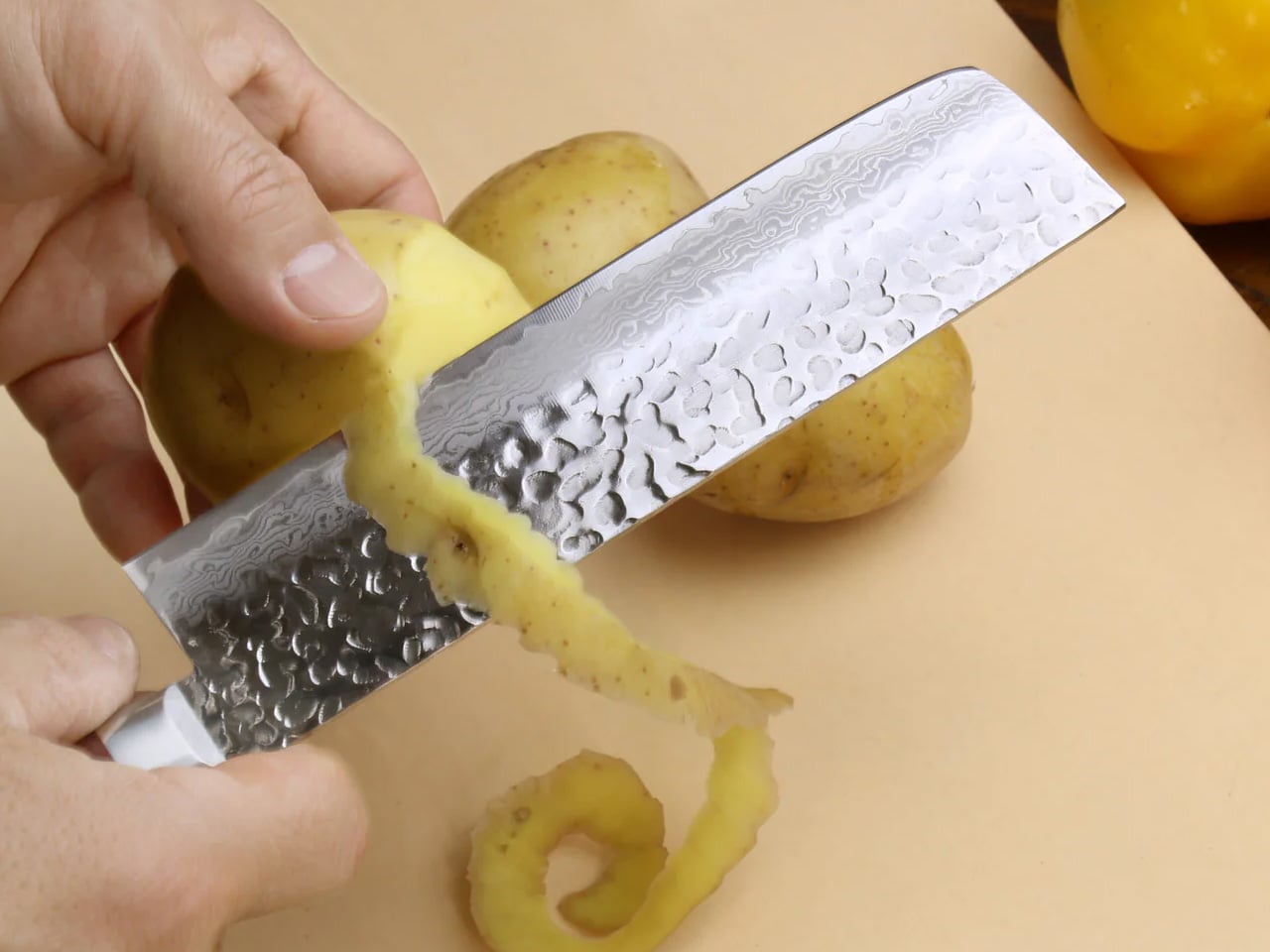
Vegetable-forward cooking has a dedicated tool, and most people discover it far later than they should have. The Nakiri, with its flat rectangular edge and full blade contact along the cutting board, makes push cuts through anything from dense root vegetables to ripe summer tomatoes faster and more precisely than any standard chef’s knife allows. Yoshihiro’s 16-layer hammered Damascus version, built around a VG-10 core, adds a visual dimension to that functionality that turns the blade into something genuinely close to an object of craft. The hammered surface reduces friction during each cut, preventing food from sticking and maintaining a clean, fluid motion through the board.
The Western-style mahogany handle extends to the full tang, giving the knife a solidity that feels well-considered for sustained daily use. Certified for commercial kitchens and handcrafted by master artisans, each blade carries Damascus layering that produces a pattern unique to that specific knife. No two are exactly alike — a meaningful distinction in an era of mass production. Whether you’re moving through greens for a salad or working down a pile of root vegetables for a slow braise, the Yoshihiro Nakiri makes even the most routine prep feel like something worth approaching carefully and with the right tool.
What We Like
- The 16-layer hammered Damascus pattern is genuinely beautiful, with layering unique to each blade.
- The flat Nakiri edge creates more consistent and precise vegetable cuts than a standard chef’s knife profile allows.
- Full tang mahogany handle delivers solid balance and structural durability across extended prep sessions.
What We Dislike
- The Nakiri is a specialist vegetable blade and is not the right choice for someone seeking a single all-purpose knife.
- Damascus finishes require mindful maintenance to preserve both the edge geometry and the layered surface over time.
4. Tsunehisa VG1 Nakiri 165mm
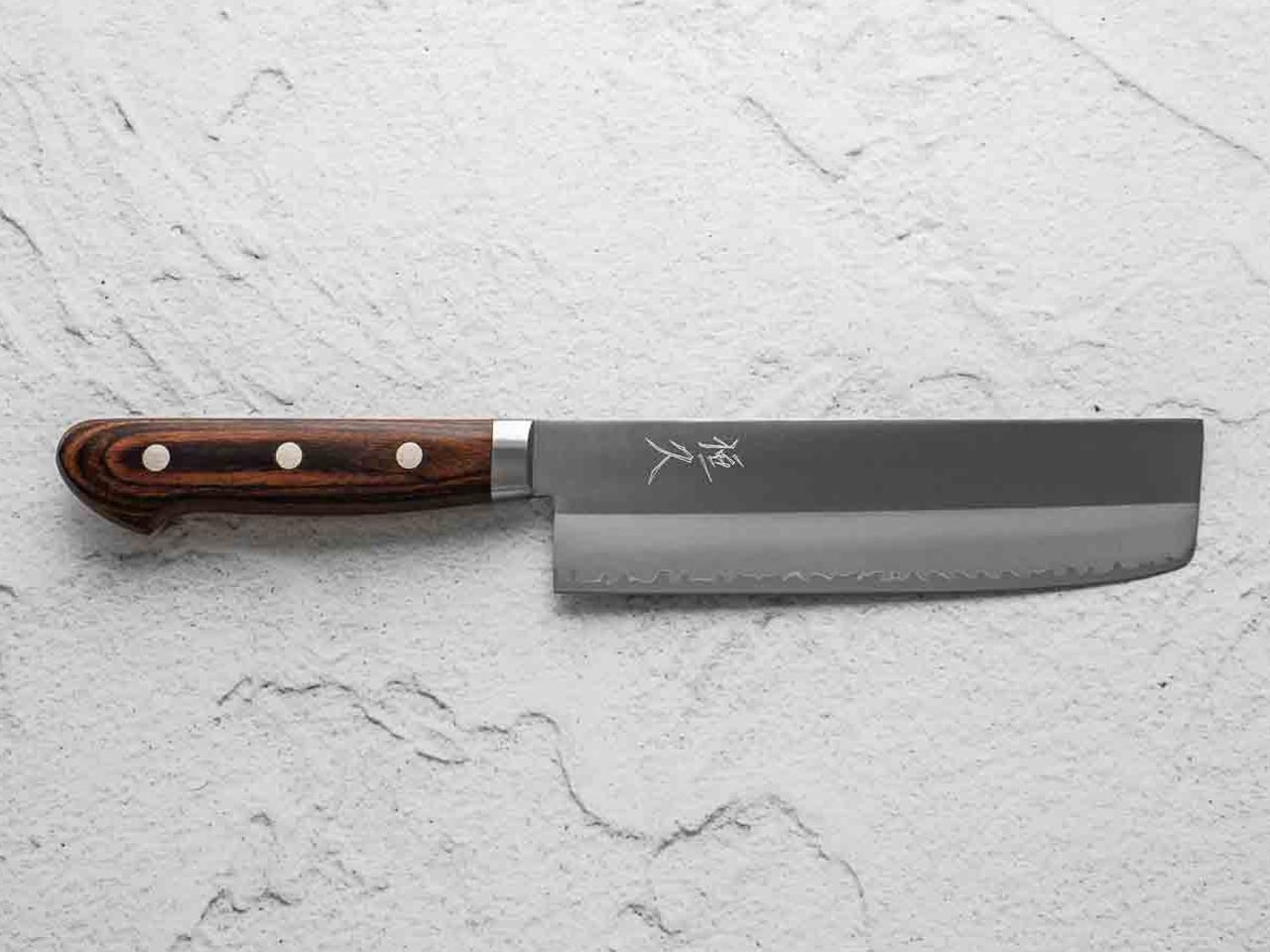

Most knives in this price category top out at VG-10 as their steel of choice, and for good reason — VG-10 is excellent. The Tsunehisa VG1 Nakiri makes a more ambitious material decision. VG-1 steel, enriched with carbon, chromium, cobalt, molybdenum, and vanadium, offers a level of edge retention and sharpness that positions it as a meaningful step above the standard category offering. For a cook who sharpens their own knives and understands what they are working with, the reward is a blade that holds its edge through longer prep sessions before it asks to be returned to the stone.
The design of this knife is deliberate in its restraint, and that restraint is its strongest visual statement. There is no hammered finish, no Damascus drama, no surface treatment that distracts from the blade itself. What remains is the clean rectangular profile of the Nakiri geometry, engineered precisely for vegetable work, and a blade that carries the quiet confidence of a tool that knows exactly what it is. For kitchens that value precision over performance, and for cooks who find more satisfaction in a blade that earns attention through cutting rather than appearance, the Tsunehisa makes an entirely compelling case.
What We Like
- VG-1 steel goes beyond what most competitors in this price range offer, making it a genuinely elevated material choice.
- The clean, architectural aesthetic feels intentional and considered rather than understated by default.
- Enrichment with cobalt, molybdenum, and vanadium produces exceptional hardness and long-term structural durability.
What We Dislike
- The higher hardness of VG-1 steel can make the blade slightly more brittle than softer stainless alternatives if used carelessly on hard surfaces.
- The restrained design will leave buyers expecting visual drama feeling underwhelmed by appearance alone.
5. SOUMA (Fujiwara Kanefusa) FKM Santoku 180mm

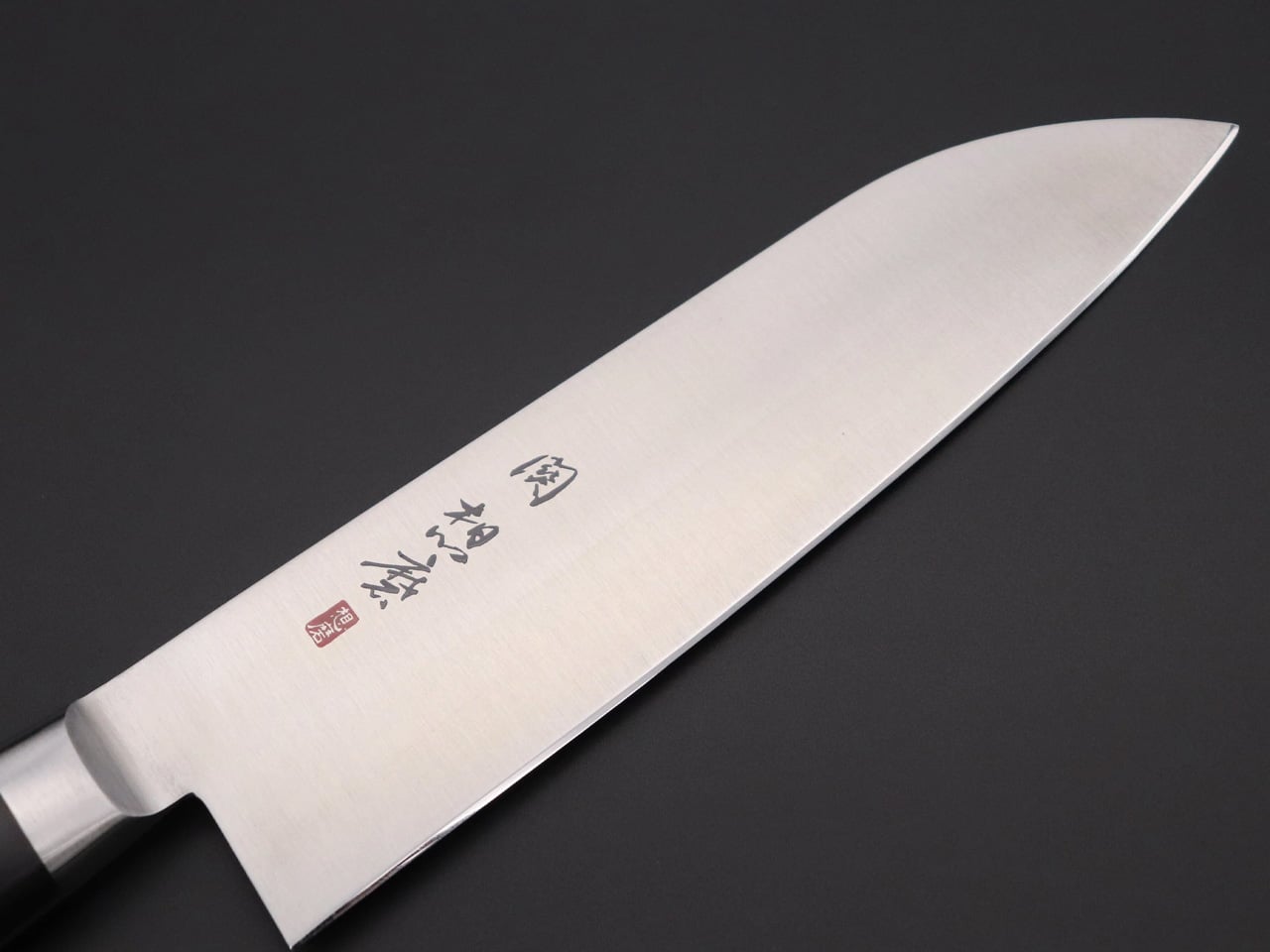
Every list of knives needs one that a seasoned cook would recommend to someone they genuinely care about, rather than someone they want to impress. The SOUMA FKM Santoku, formerly known under the Fujiwara Kanefusa name and recently rebranded without changing what has always made it reliable, is that knife. Made from AUS-8 molybdenum vanadium stainless steel, it delivers cutting performance, rust resistance, and ease of re-sharpening in a combination that makes daily kitchen use genuinely uncomplicated. The Santoku profile, with its tall blade and rounded tip, moves through meat, fish, and vegetables with equal ease and no change in technique required between tasks.
The black pakkawood handle and stainless steel bolster keep the visual profile composed and professional, and the bolster is positioned to distribute weight exactly where the hand expects it during longer prep sessions. This is the knife that sits beside significantly more expensive blades in the same kitchen without apologizing for its price. For first-time buyers of Japanese knives who want something honest rather than showy, the SOUMA FKM is the answer that experienced cooks would give if they weren’t being paid to say something else. Reliable, well-built, and priced in a way that leaves room to build further as the relationship with good knives deepens.
What We Like
- AUS-8 stainless steel is genuinely easy to sharpen and maintain, making it accessible without feeling like a compromise.
- The tall Santoku blade handles meat, fish, and vegetables with equal competence and no adjustment in grip or technique.
- Black pakkawood handle and stainless bolster give it a clean, professional appearance in any kitchen setting.
What We Dislike
- AUS-8 steel won’t hold an edge as long as VG-1 or VG-10, so it requires slightly more frequent attention on the whetstone.
- The intentionally understated design lacks the visual presence of the other knives on this list.
The Sharpest Decision You’ll Make in the Kitchen
Japanese kitchen knives are one of the few purchases where the return on investment is felt with every single meal. Each knife on this list was chosen because it earns its place through material quality, considered design, and a level of performance that changes the way you move through a recipe. Whether you gravitate toward the visual authority of the KUROKAGE, the Damascus craftsmanship of the Yoshihiro, or the pitch-black confidence of the Yanko Design series, the difference a well-chosen blade makes is immediate and lasting.
The specifics of which knife fits best depend entirely on how you cook. A Nakiri for kitchens that treat vegetables as the main event, a Santoku for cooks who need a single versatile blade that handles everything without fuss, and the Yanko Design series for those who believe that every object on the counter should carry as much intention as the food being prepared on it. The list starts here. Where you go next depends on what you find yourself reaching for first.