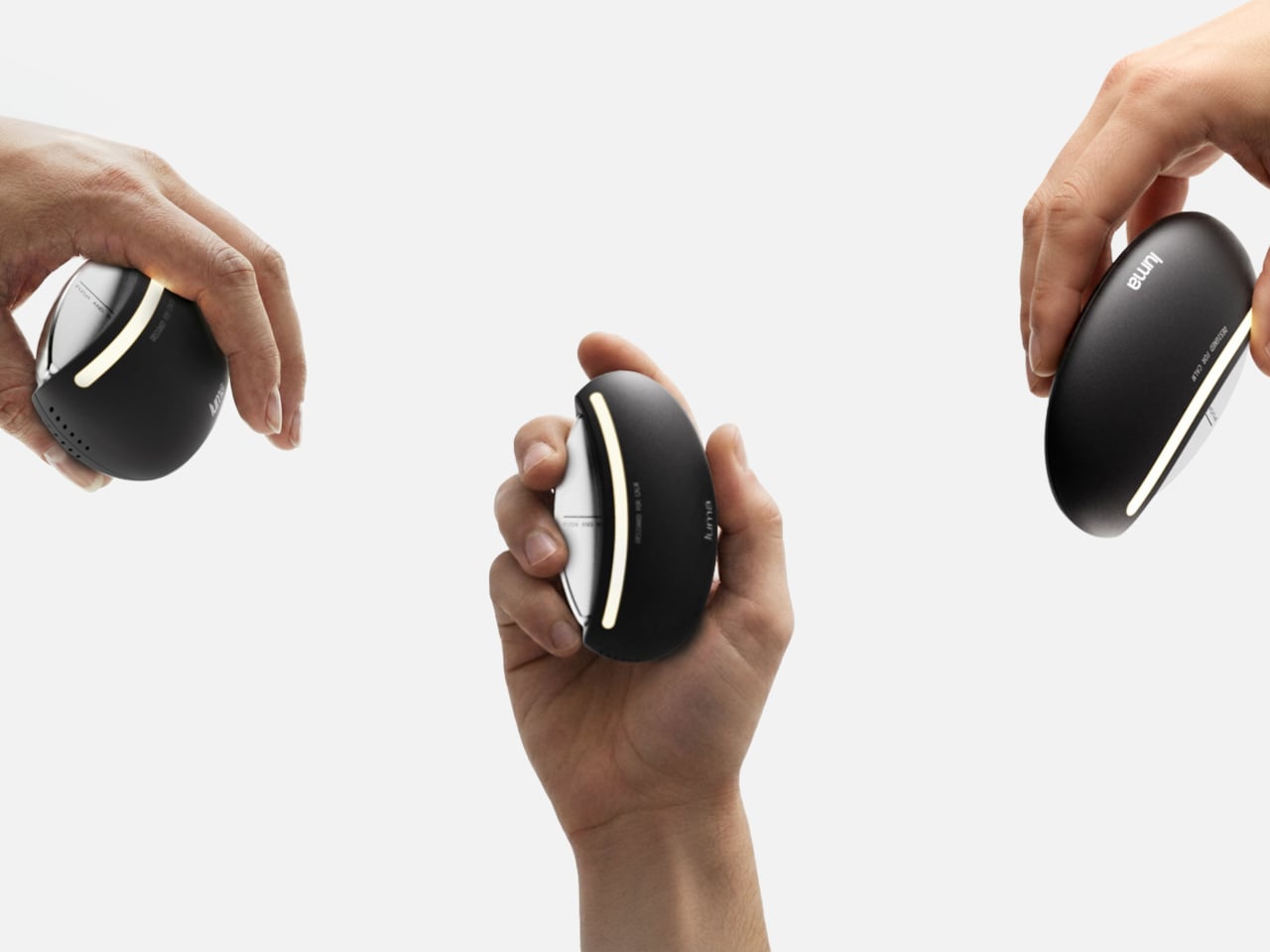

Anxiety tools have a strange habit of making things worse. Fidget spinners draw stares across a conference table, breathing apps demand screen time mid-conversation, and wearable buzzers pulse on your wrist where anyone paying attention can spot them. The very act of reaching for help becomes another source of self-consciousness, which is the opposite of what someone in the grip of a social anxiety episode needs. The ideal intervention would be one that nobody else can detect at all.
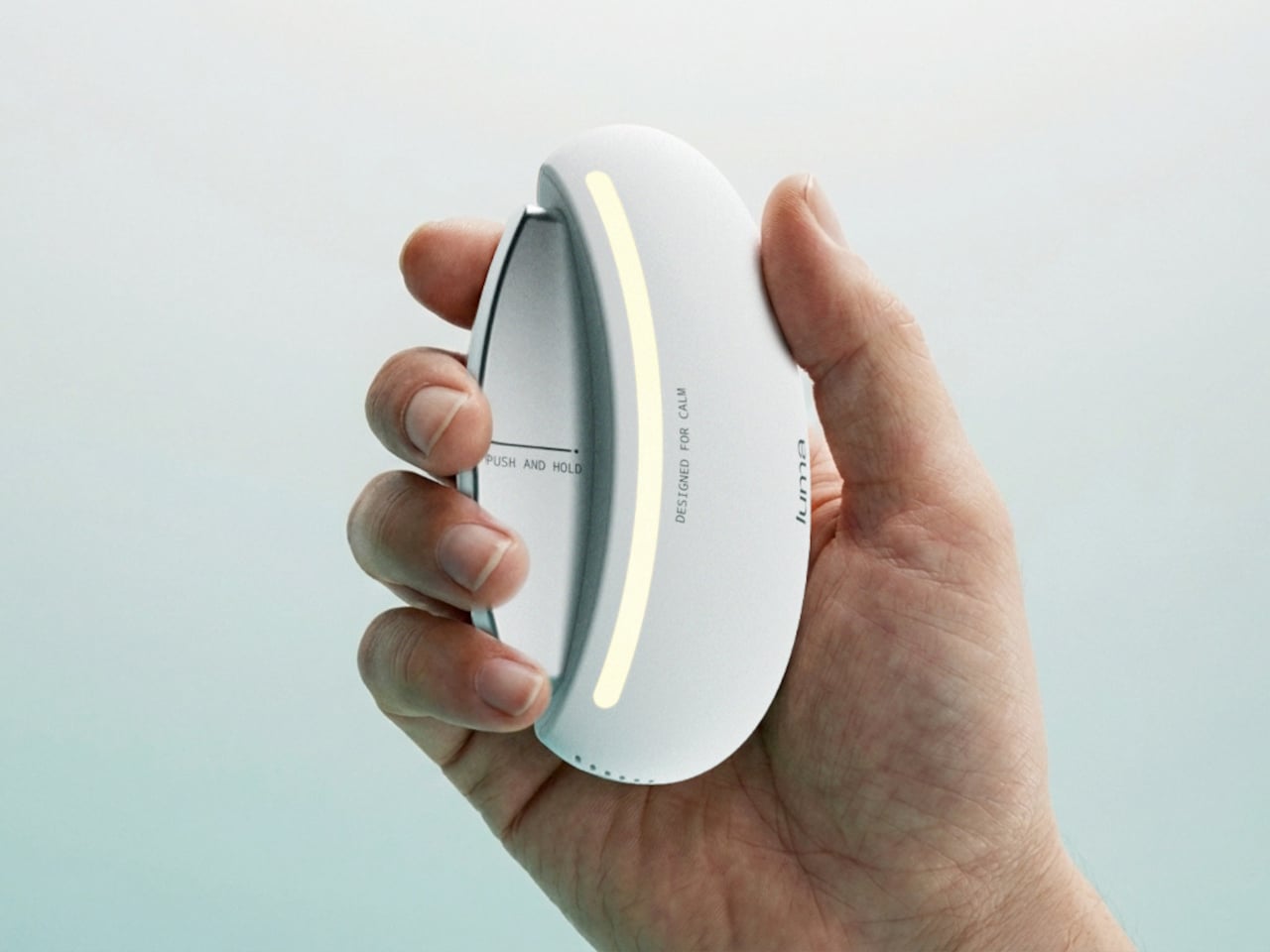
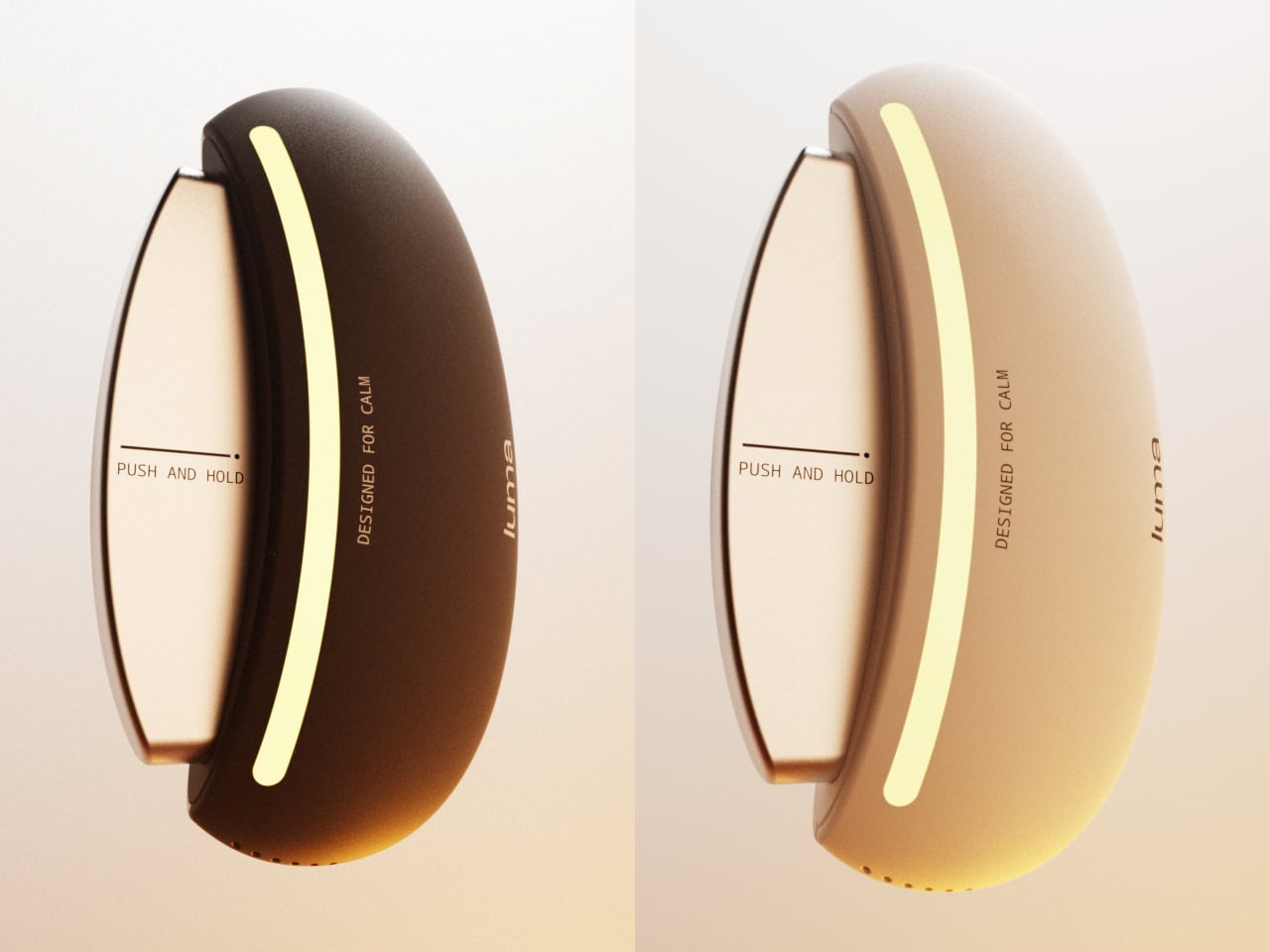
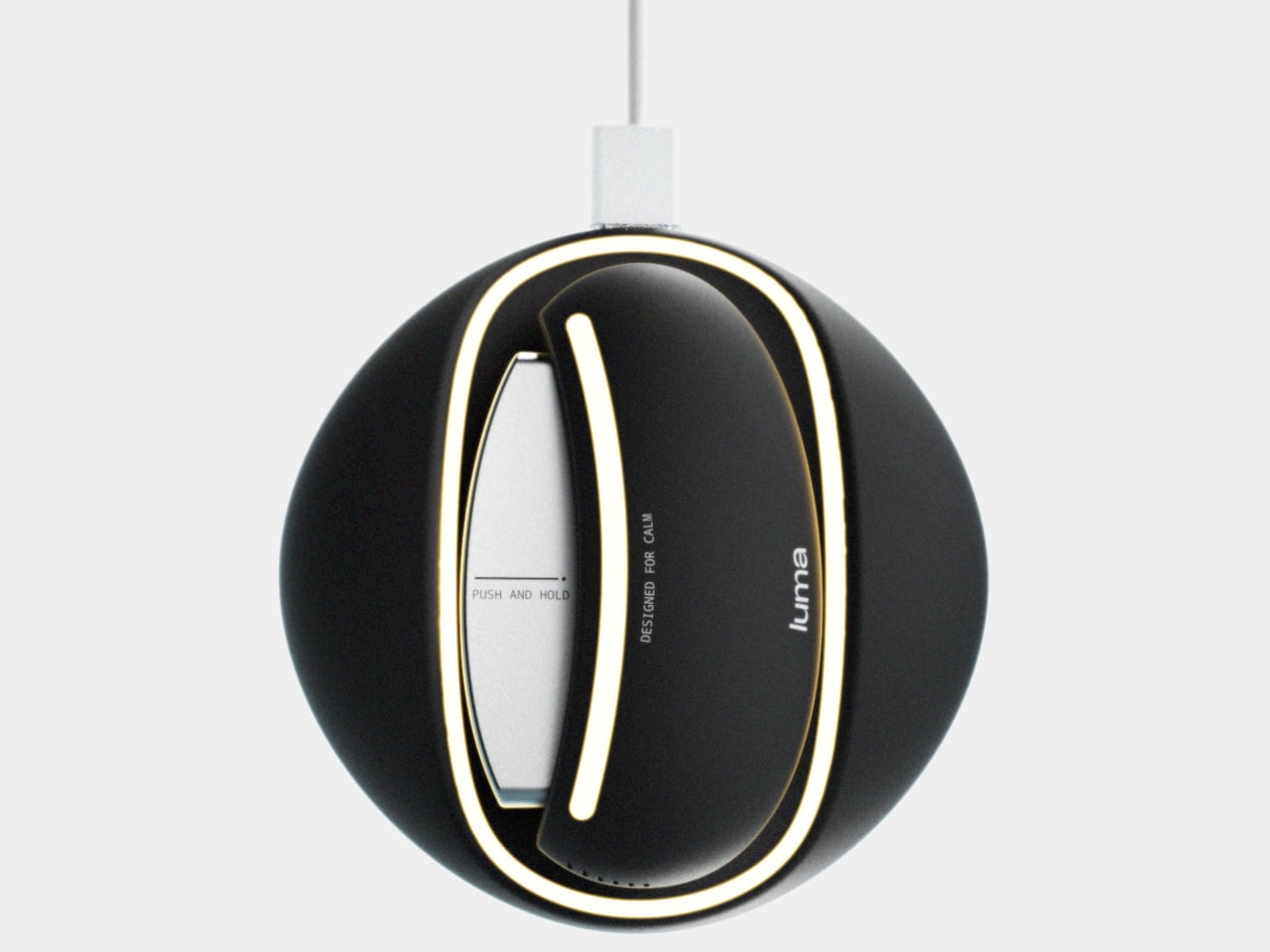
That is the premise behind LUMA, a concept device that fits entirely inside a closed fist. Shaped like an asymmetric pebble with a two-tone split between a matte dark outer shell and a lighter inner palm surface, LUMA combines tuned haptic vibration with gentle warmth to guide breathing and counter the physical symptoms of acute anxiety. “Designed for Calm” reads the text printed along its curved body, and the device activates with a single push-and-hold action that requires no fumbling, no screen, no second hand.
Designer: Vedant Kulkarni
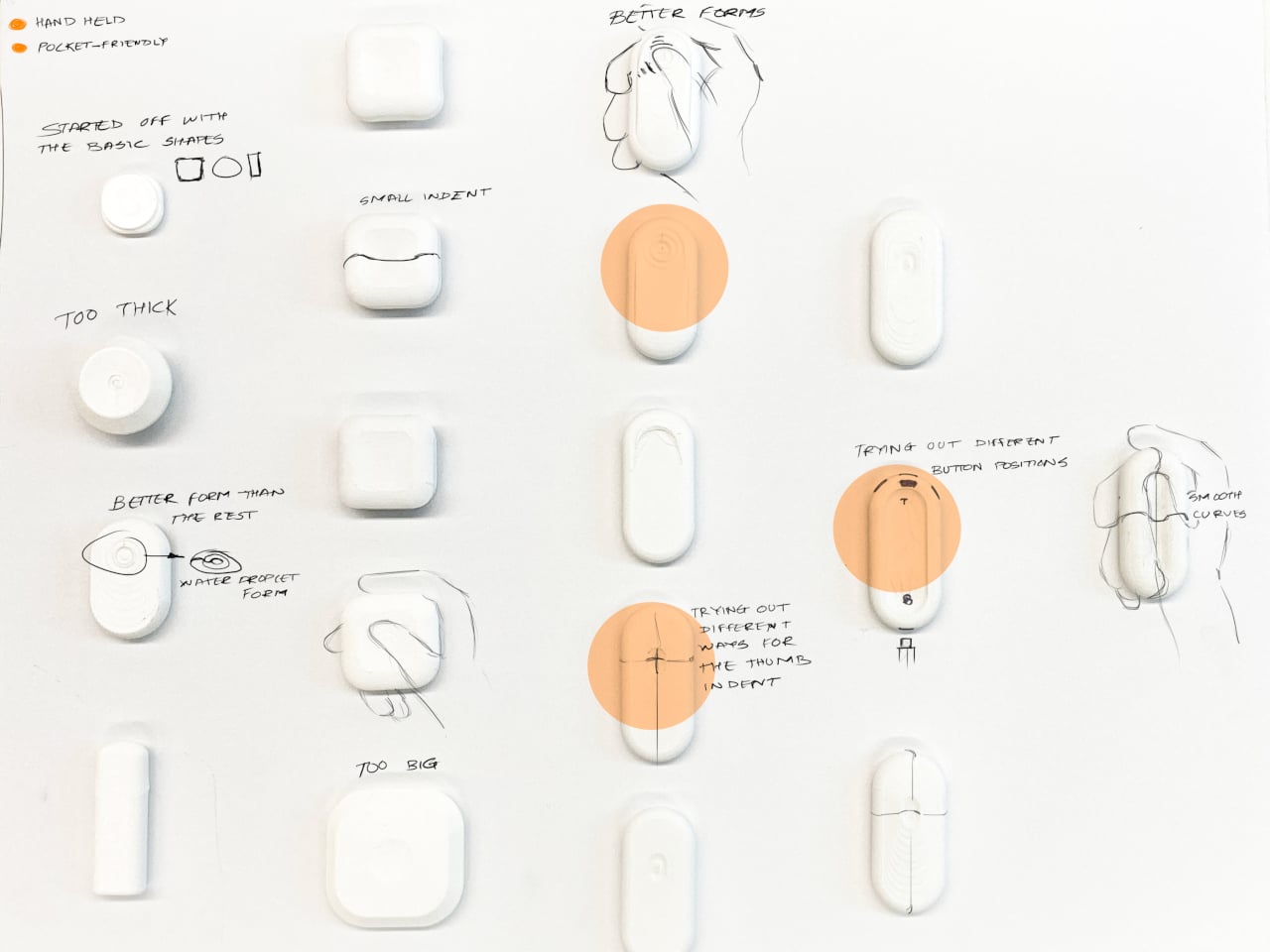
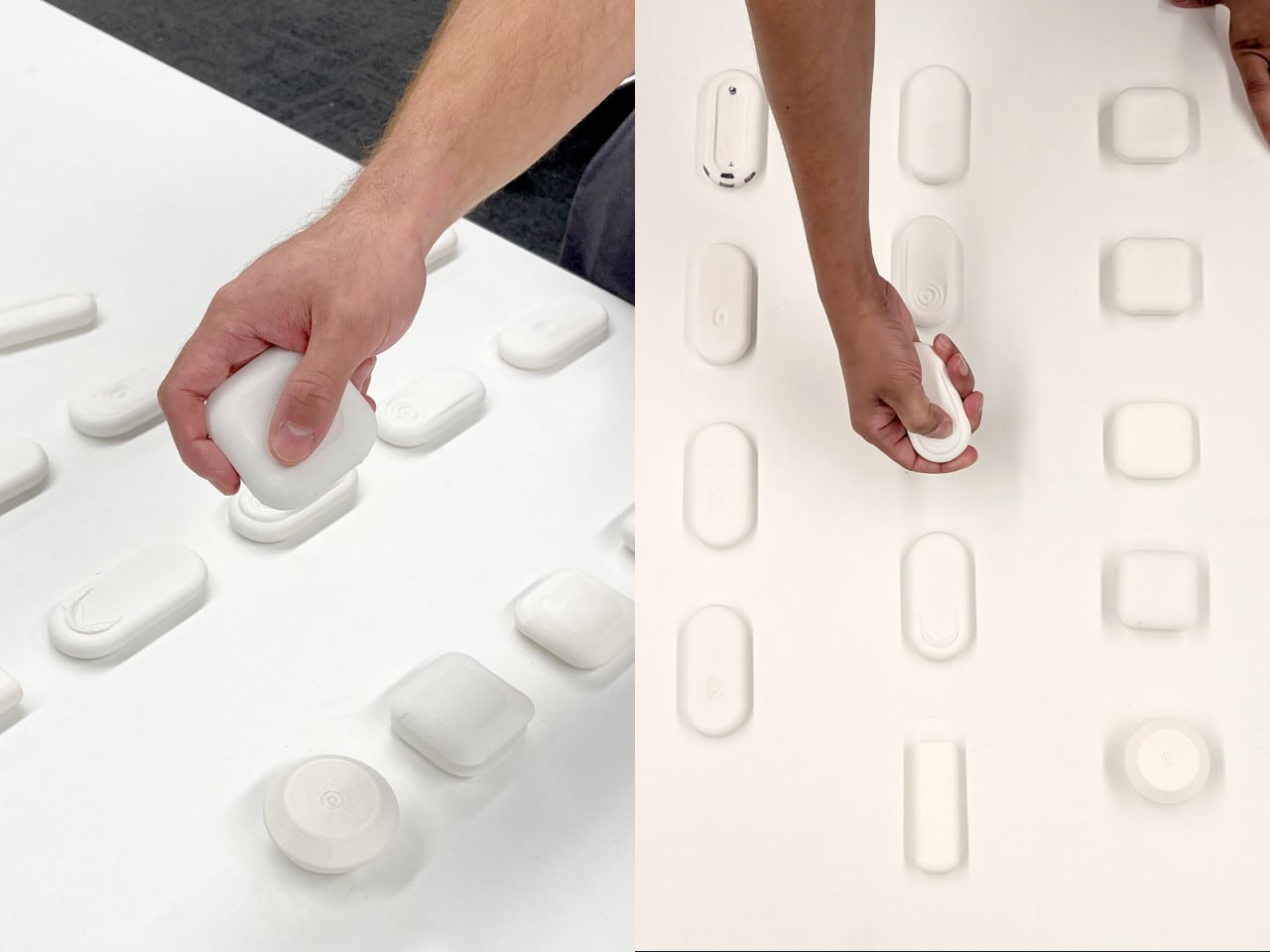
Early explorations cycled through squares, cylinders, pill shapes, and a water-droplet silhouette before arriving at the final biomorphic curve. Each candidate was filtered through two criteria simultaneously: does it feel natural in a clenching grip, and can it disappear inside a trouser pocket? Thumb indent placement, button positioning, and overall thickness were all iterated with physical models. The result is a device that reads less like a gadget and more like a smooth stone you picked up on a beach, except this one pulses warmth into your palm.
The calming mechanism works in two ways simultaneously. Haptic vibration patterns pace breathing rhythm, guiding the user through inhale-exhale cycles without any visual or audio prompt. Gentle heat addresses the cold-hands response that commonly accompanies anxiety spikes, while also providing a grounding tactile sensation. Picture someone at a networking event, feeling their chest tighten during small talk. They slip a hand into their pocket, squeeze LUMA, and within seconds the device is pacing their breath through their fingertips. Nobody around them notices a thing.
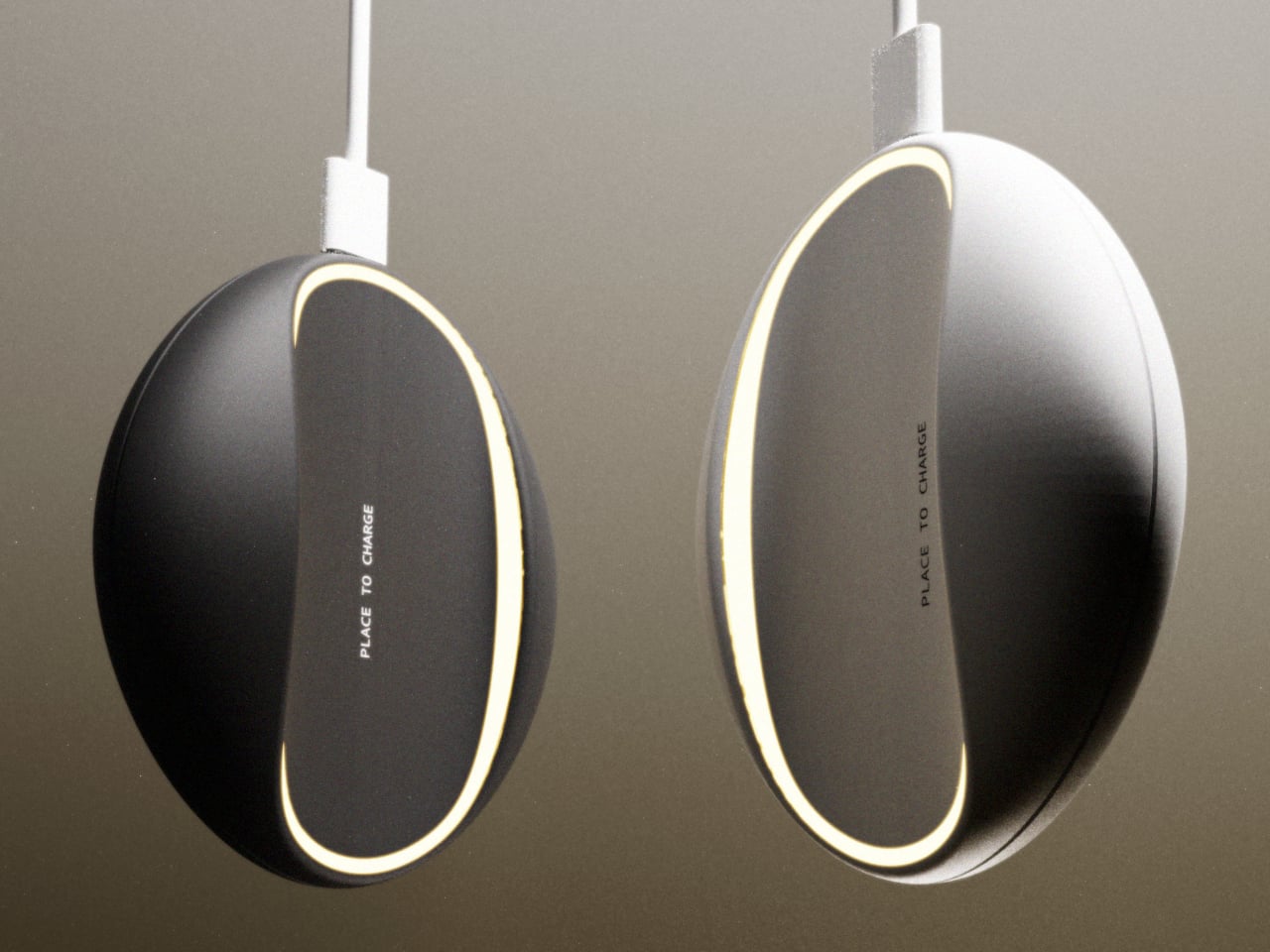
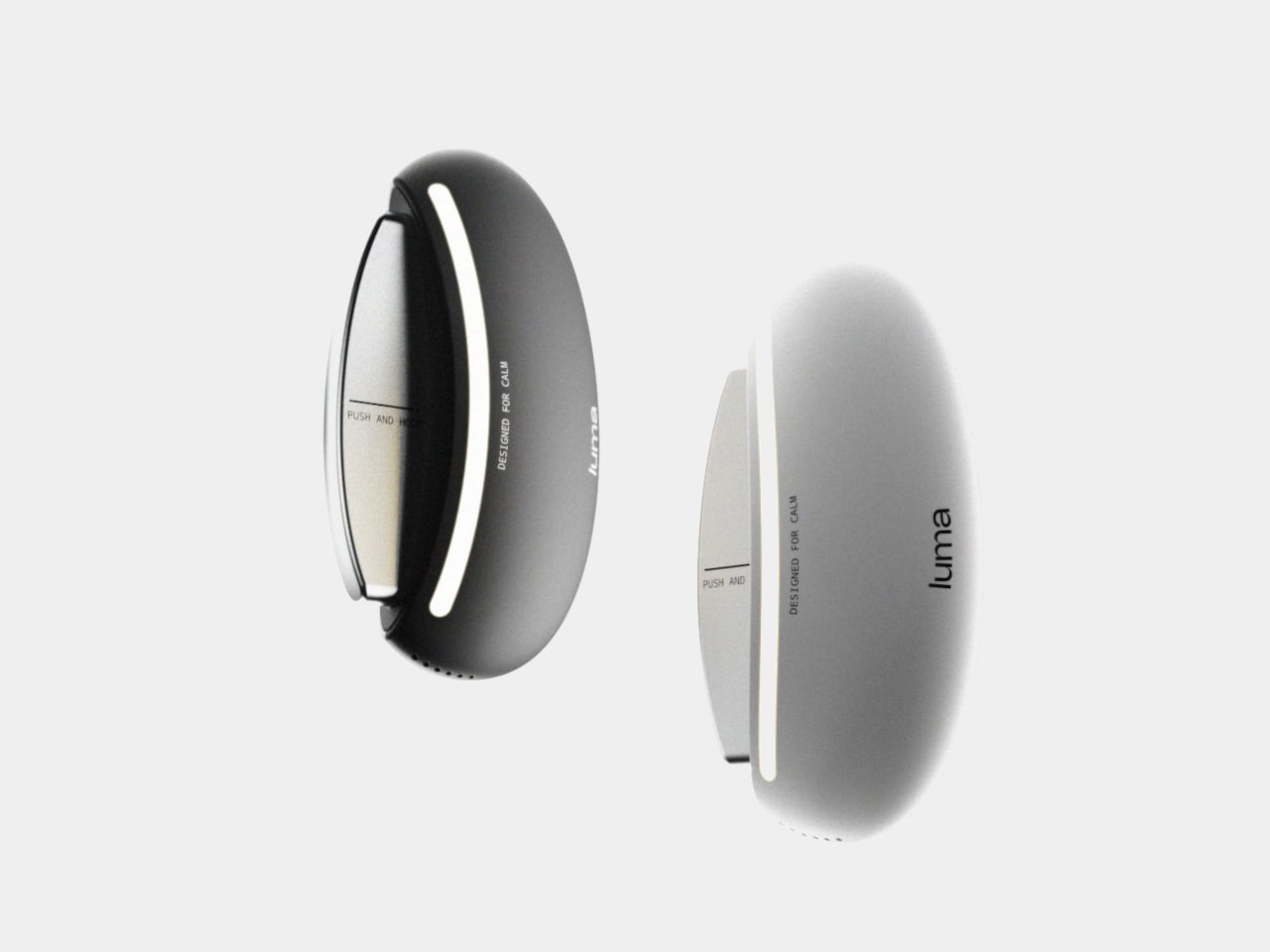
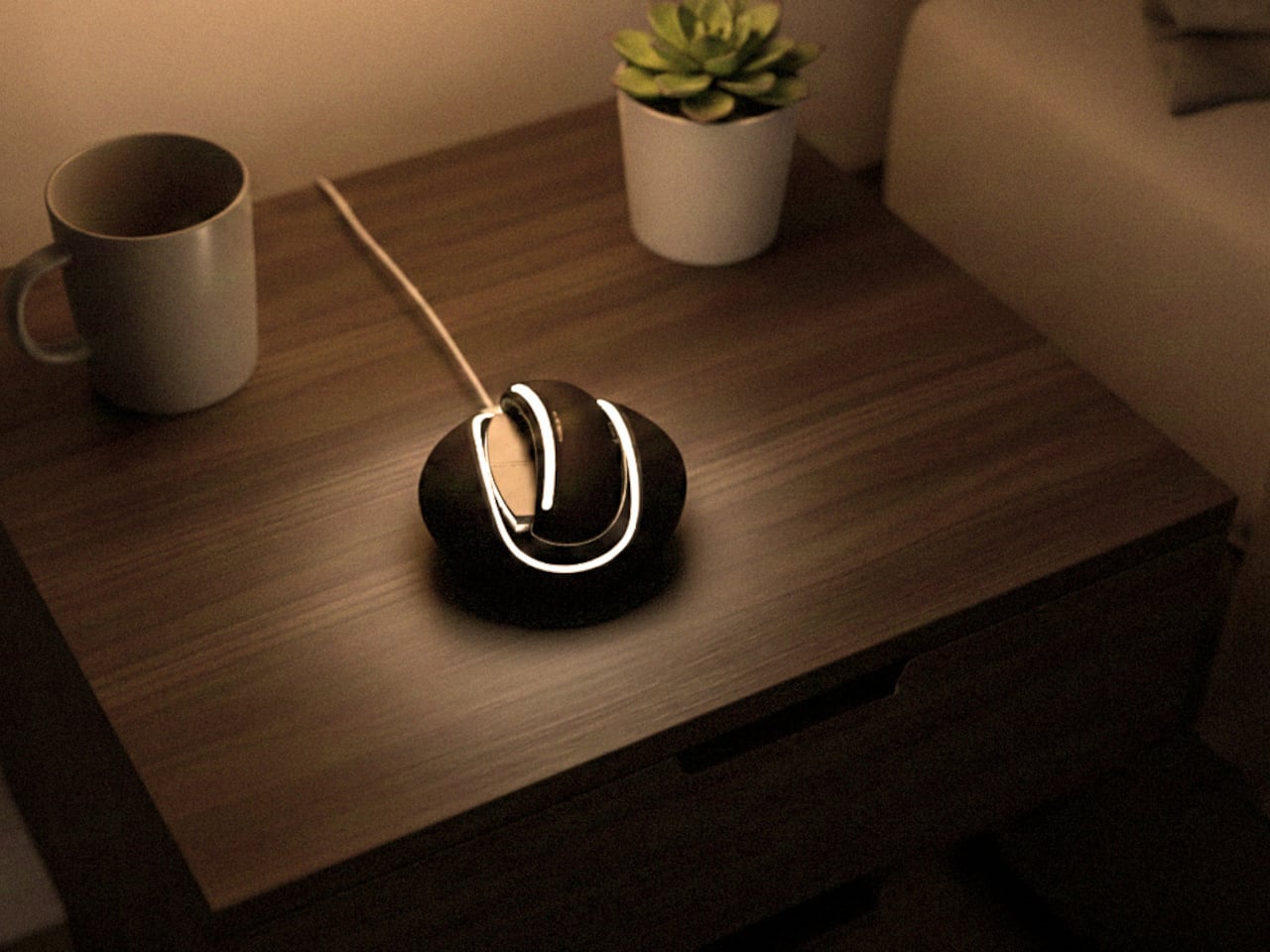
But wait, there’s more! Sitting on a bedside table while charging, LUMA glows softly through its LED light strip and looks like a small decorative object, something between an ambient lamp and a polished stone. It does not look like a medical device or a wellness gadget, and that visual ambiguity is entirely deliberate. Most products in the anxiety-relief space announce their therapeutic purpose through clinical form factors, companion apps, or wearable visibility. LUMA refuses to do any of that.
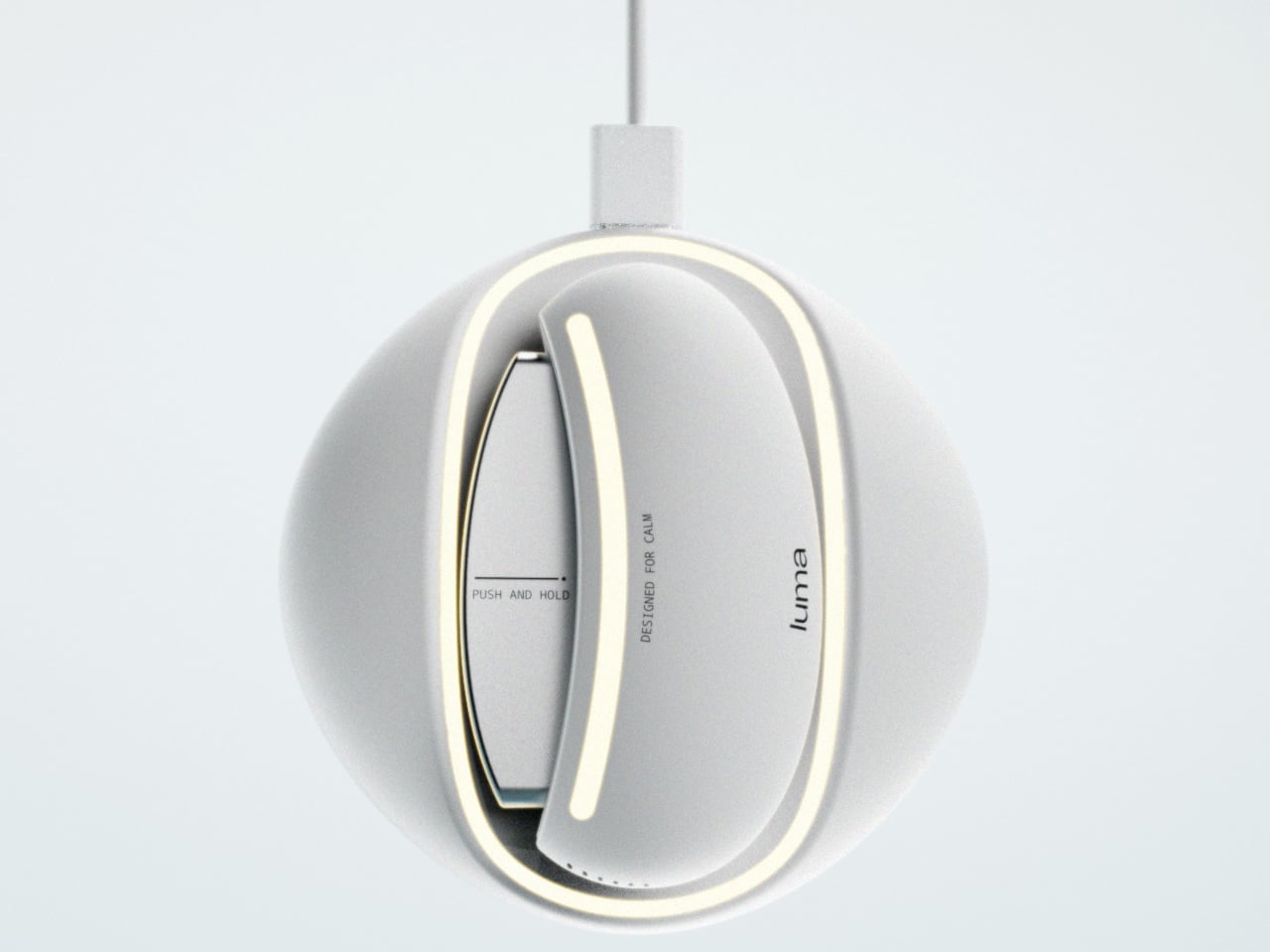
No handheld object can solve social anxiety. What LUMA proposes instead is that the moment of reaching for help should feel private, physical, and calm rather than clinical or conspicuous. The form factor argument is strong, and the dual heat-and-haptic approach addresses real physiological symptoms rather than just offering distraction.