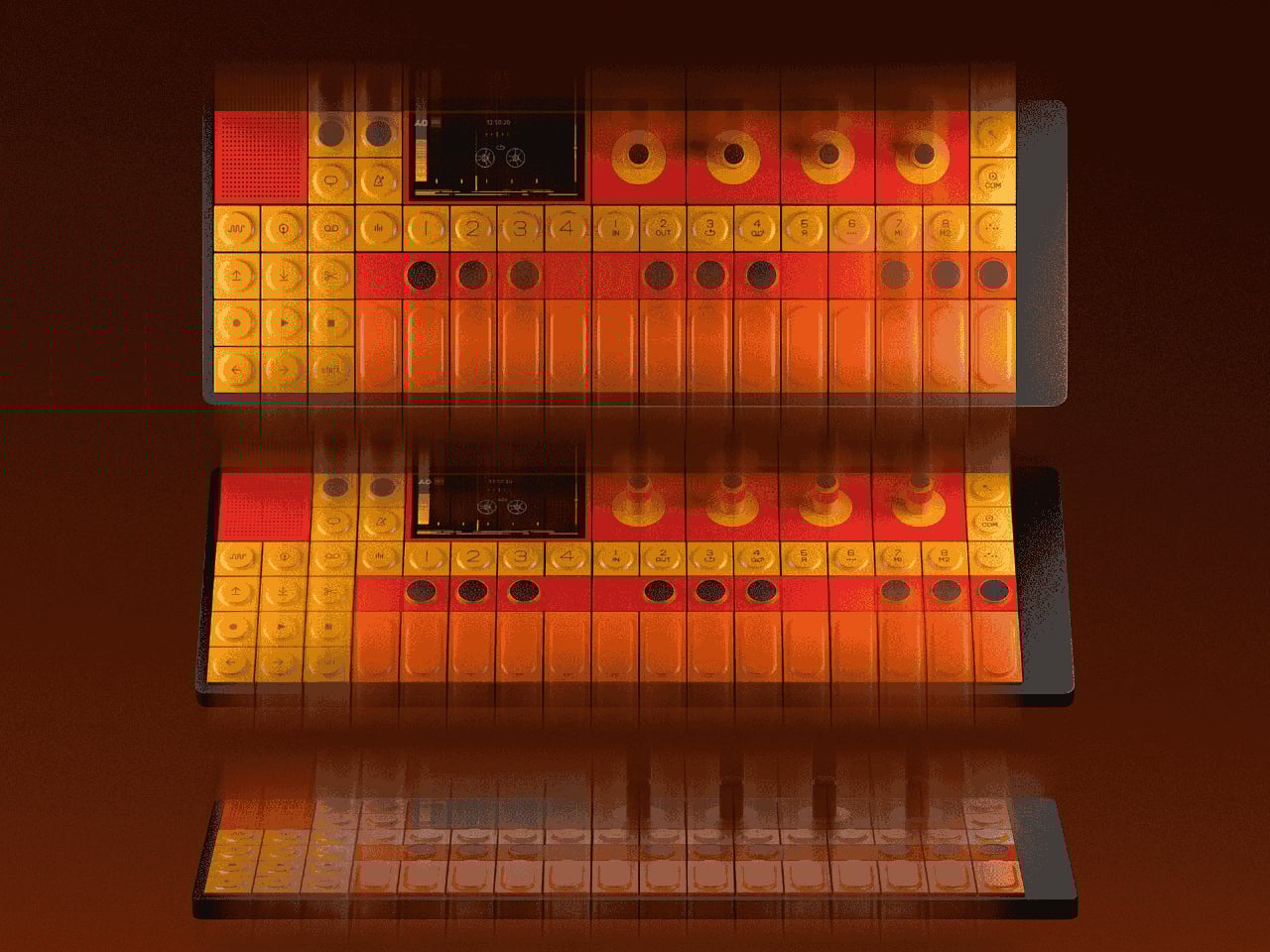

Modular synthesis has a split personality. There are racks of patch cables that promise infinite sound design but also scare off newcomers who don’t know what an oscillator actually does. Then there are small, playful instruments and construction toys that invite you to just start pressing things and see what happens. There’s room for a hardware system that borrows the friendliness of toys while still behaving like a serious instrument, one that teaches as you build.
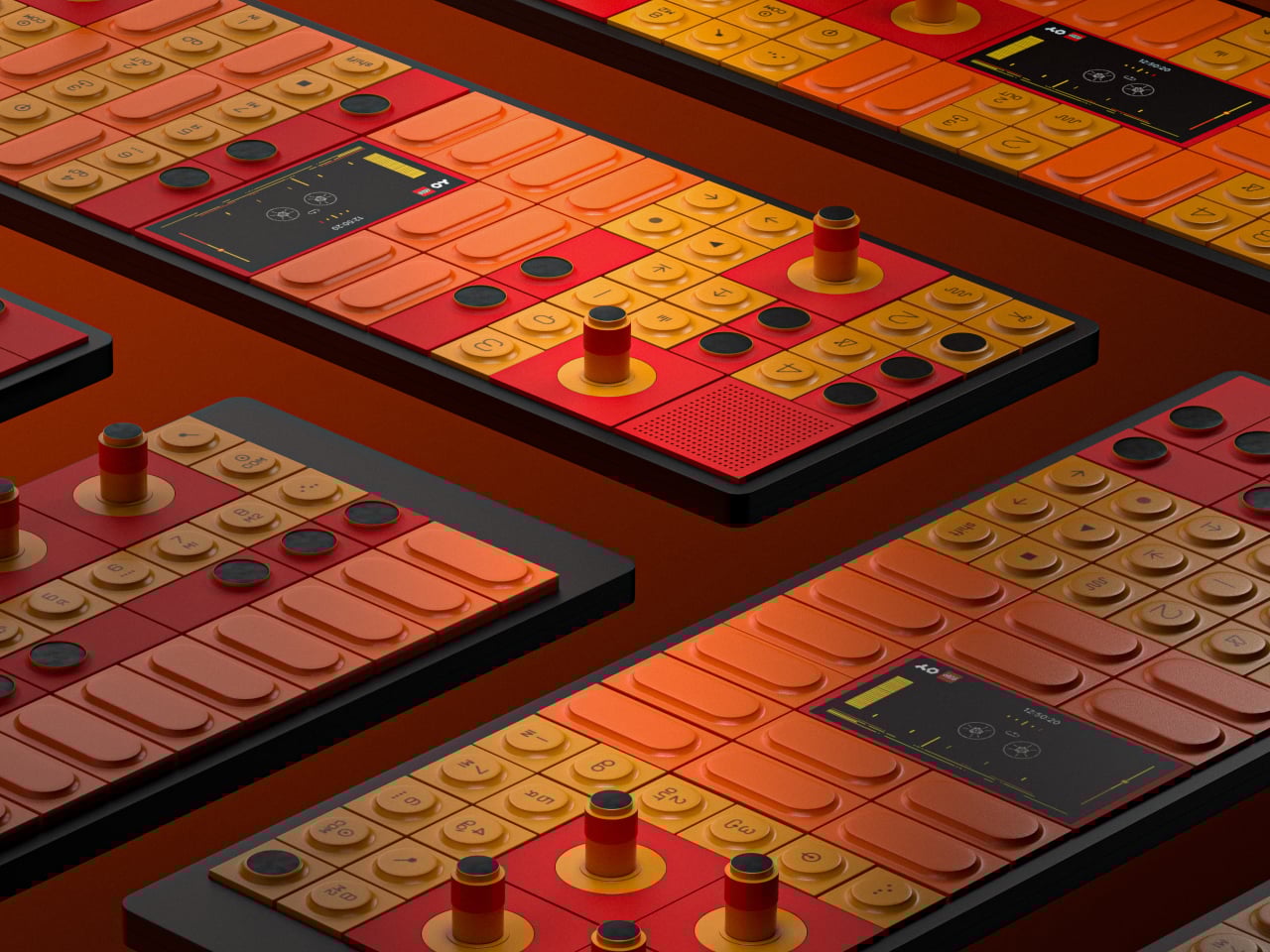
Synth is a modular music synthesizer concept that treats every function as a physical block. Keys, pads, knobs, sequencer, effects, and display all live on separate modules that snap into a base. The designer cites inspiration from playful minimalism and block-based logic, but the project is independent and not affiliated with any existing brands; it simply borrows that spirit of approachable, interlocking parts that make complex things feel accessible.
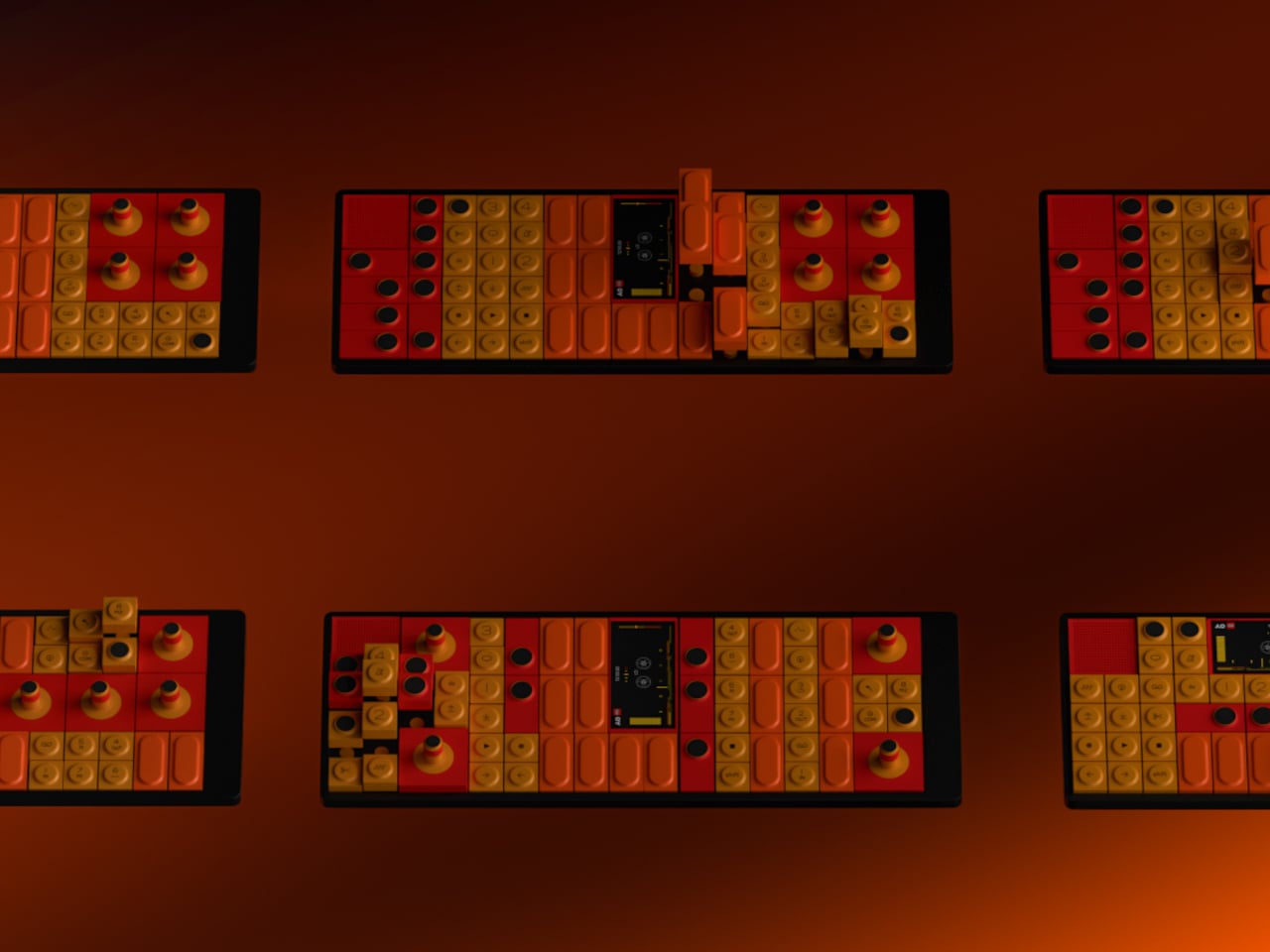
The base acts like a studded board, and each module clicks into place wherever you want it. A beginner might start with a simple strip of keys, a small display, and a single effects block. As they grow more confident, they can add more modules, rearrange the order, or build a performance-focused layout with pads and big knobs up front, all without opening a settings menu or diving into software preferences.
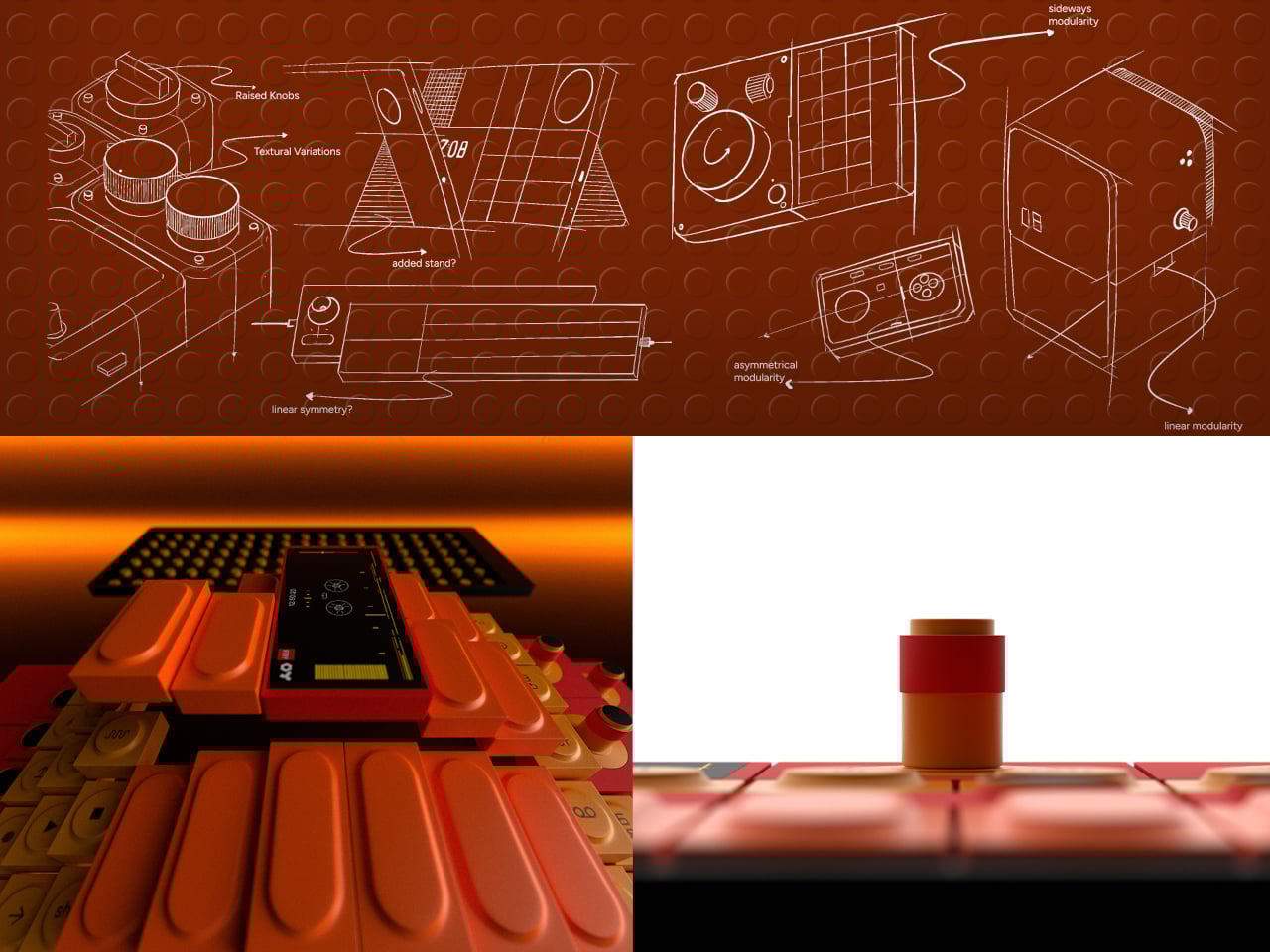
Arranging modules from left to right or top to bottom mirrors the path sound takes through a synth. Oscillator, filter, envelope, effects, each block is a step in the chain, you can literally see and touch. Clear visual cues and simplified controls help users understand what each stage does, turning abstract synthesis concepts into something you learn by rearranging tiles instead of reading manuals.
This approach makes Synth less intimidating for beginners, who can treat it like a musical construction set, while still giving advanced users a flexible playground. Someone focused on live performance might cluster pads, faders, and a sequencer near the edge, while a sound designer might build a long row of modulation and effects modules. The same hardware adapts to very different workflows without needing firmware updates or screen menus.
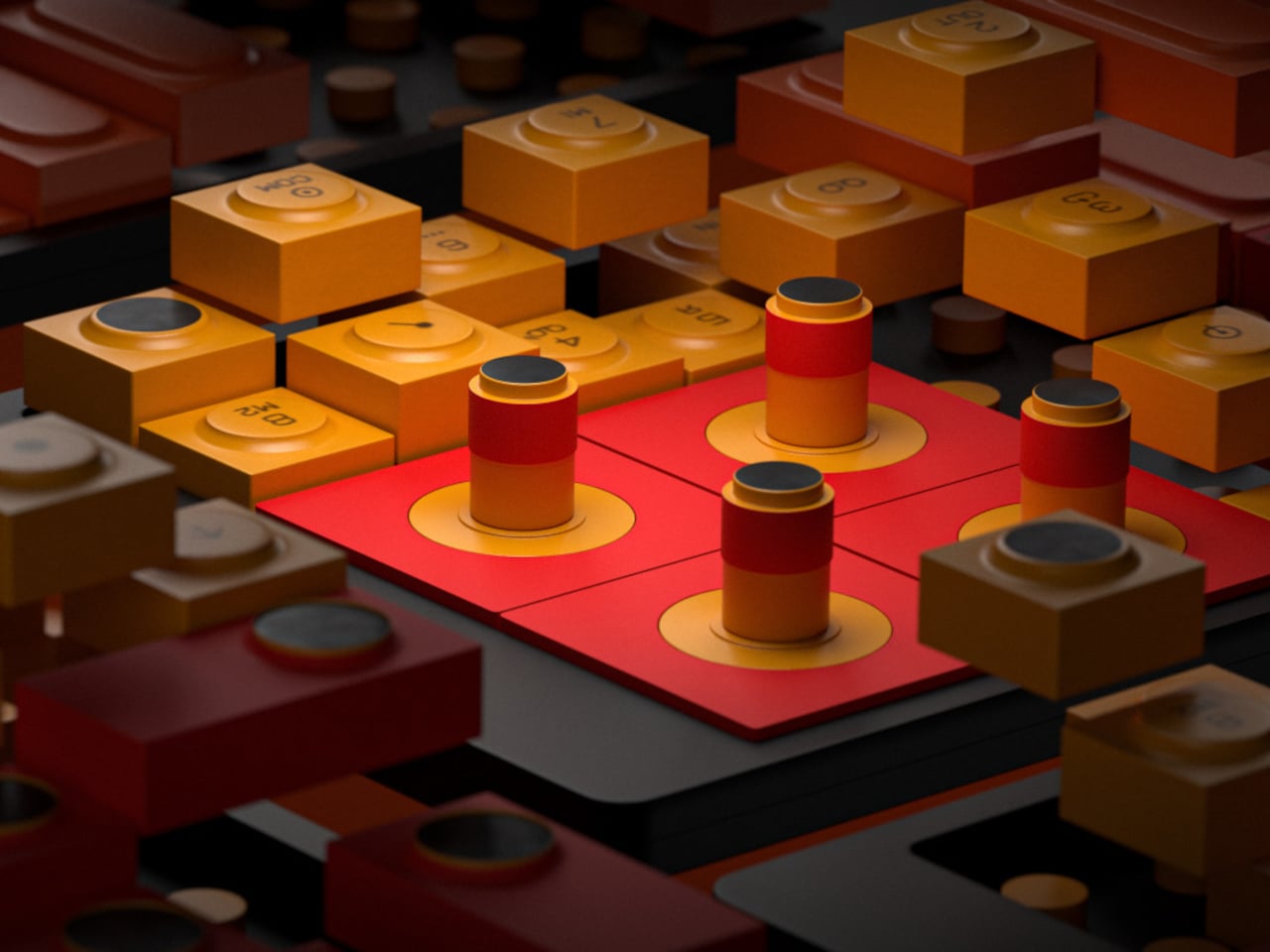
The warm, tile-based aesthetic, with bold colors and minimal controls, invites experimentation rather than caution. The layout feels like a board game or building set, which lowers the psychological barrier to trying odd combinations. That sense of play is intentional; the project wants sound design to feel like a hands-on, spatial activity instead of a dense screen full of parameters you’re afraid to touch.
Synth reframes music production as something that grows alongside the user. Instead of buying a fixed box and learning to live with its quirks, you build your own interface, then rebuild it when your needs change. Even as a concept, it hints at a future where modular music hardware isn’t only about swapping electronic modules in a rack, but about reshaping the very surface you touch while you create.