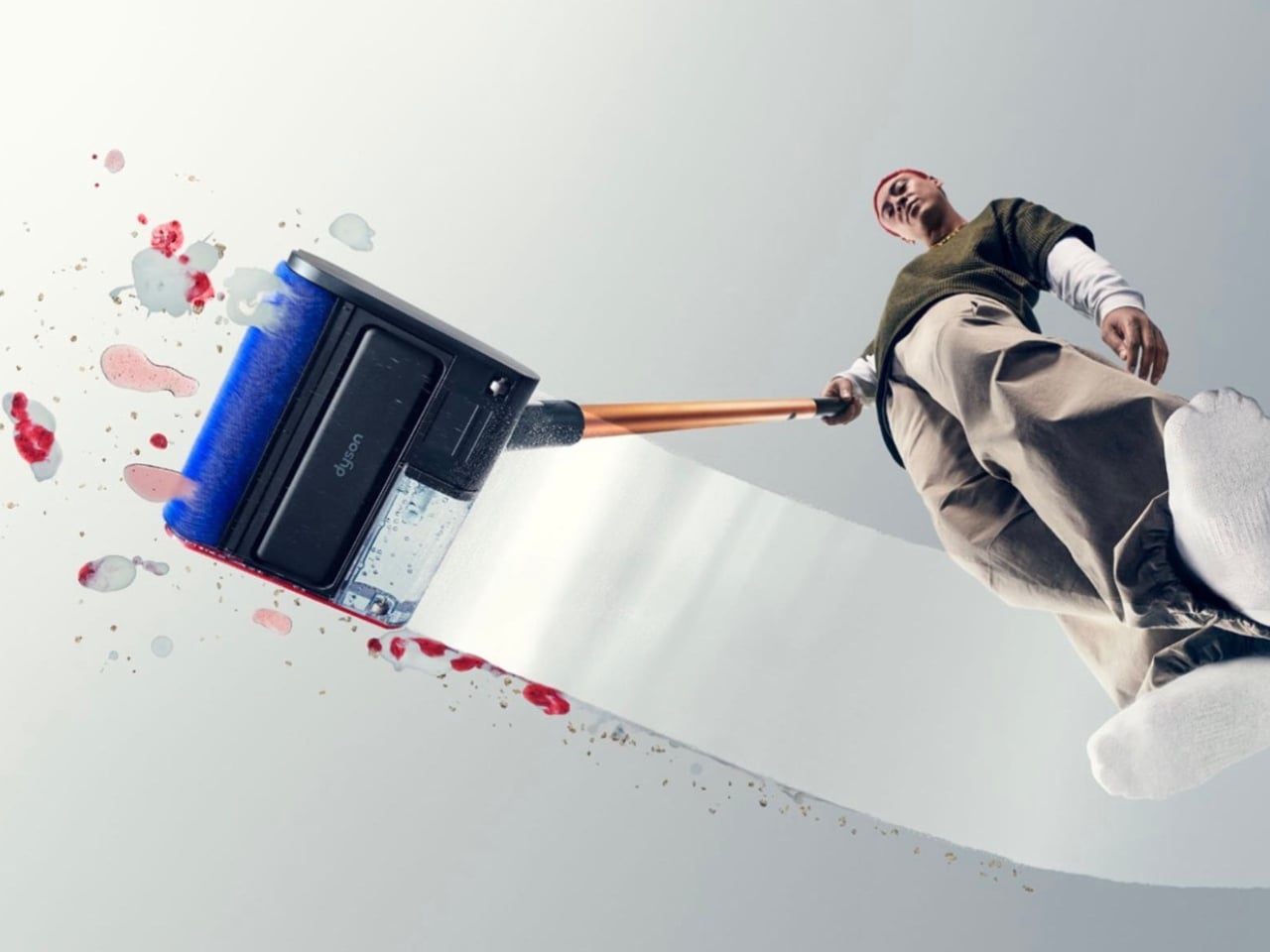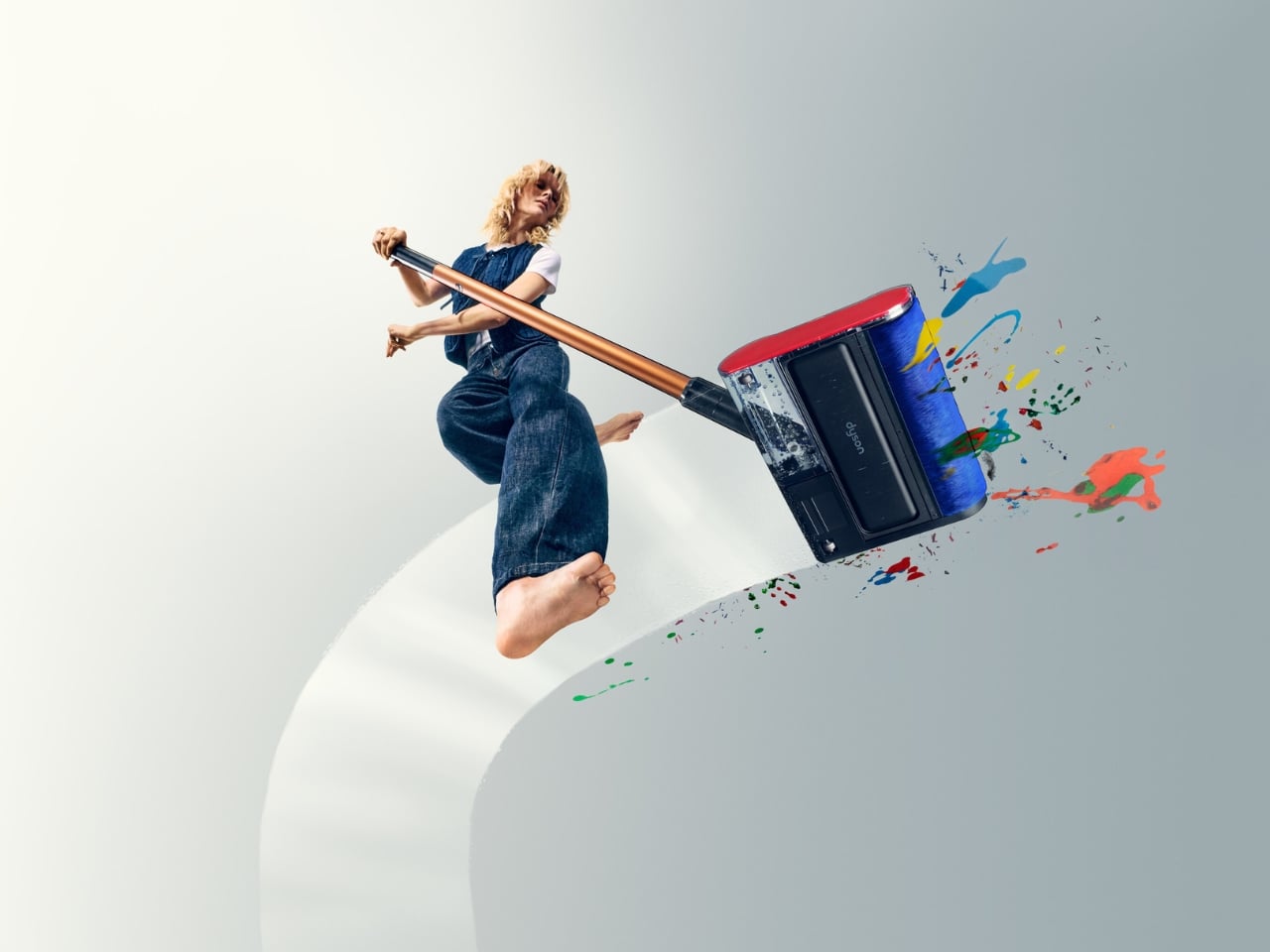

Nobody has ever looked at a traditional mop and thought, “Yes, this is the peak of human ingenuity.” Mopping has always been the cleaning task that feels like a punishment. You fill a bucket, push dirty water across the floor, realize the mop head smells suspect, and then spend the next 20 minutes waiting for everything to dry. It works, technically. But it’s never been good. Dyson wants to change that conversation entirely with its newest launch, the PencilWash, and the case it makes is surprisingly compelling.
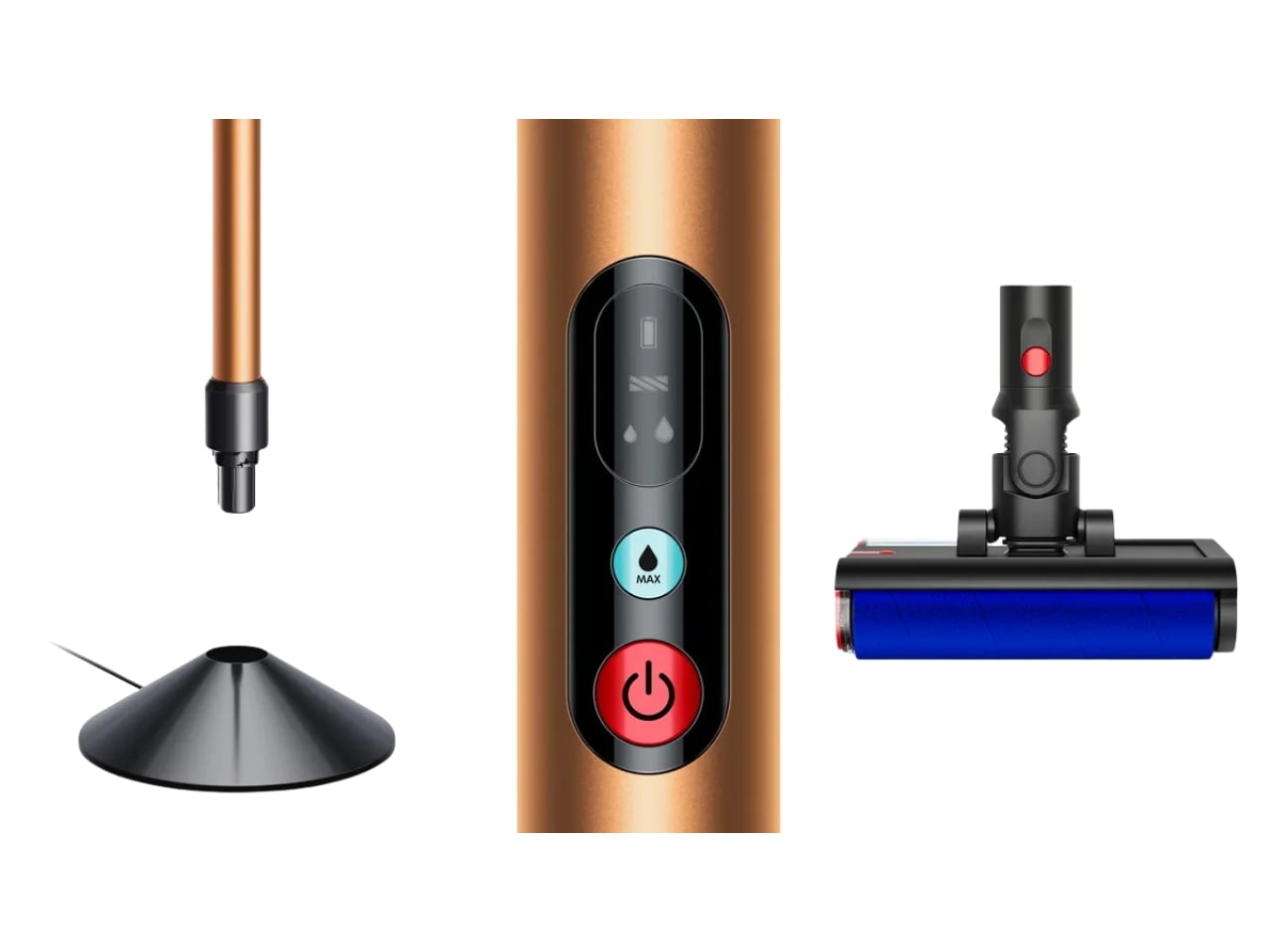
The PencilWash follows the same design philosophy as the PencilVac, Dyson’s super-slim cordless vacuum that turned heads when it launched in 2025. The idea is simple but radical: what if cleaning tools didn’t have to be bulky? The PencilWash takes that premise into wet cleaning territory with a 38mm-diameter handle, which, true to the name, is roughly the thickness of a pencil. At just 4.9 pounds total and only 0.8 pounds in the hand, it feels like a completely different category of product from the heavy, tank-like floor washers already on the market.
Designer: Dyson
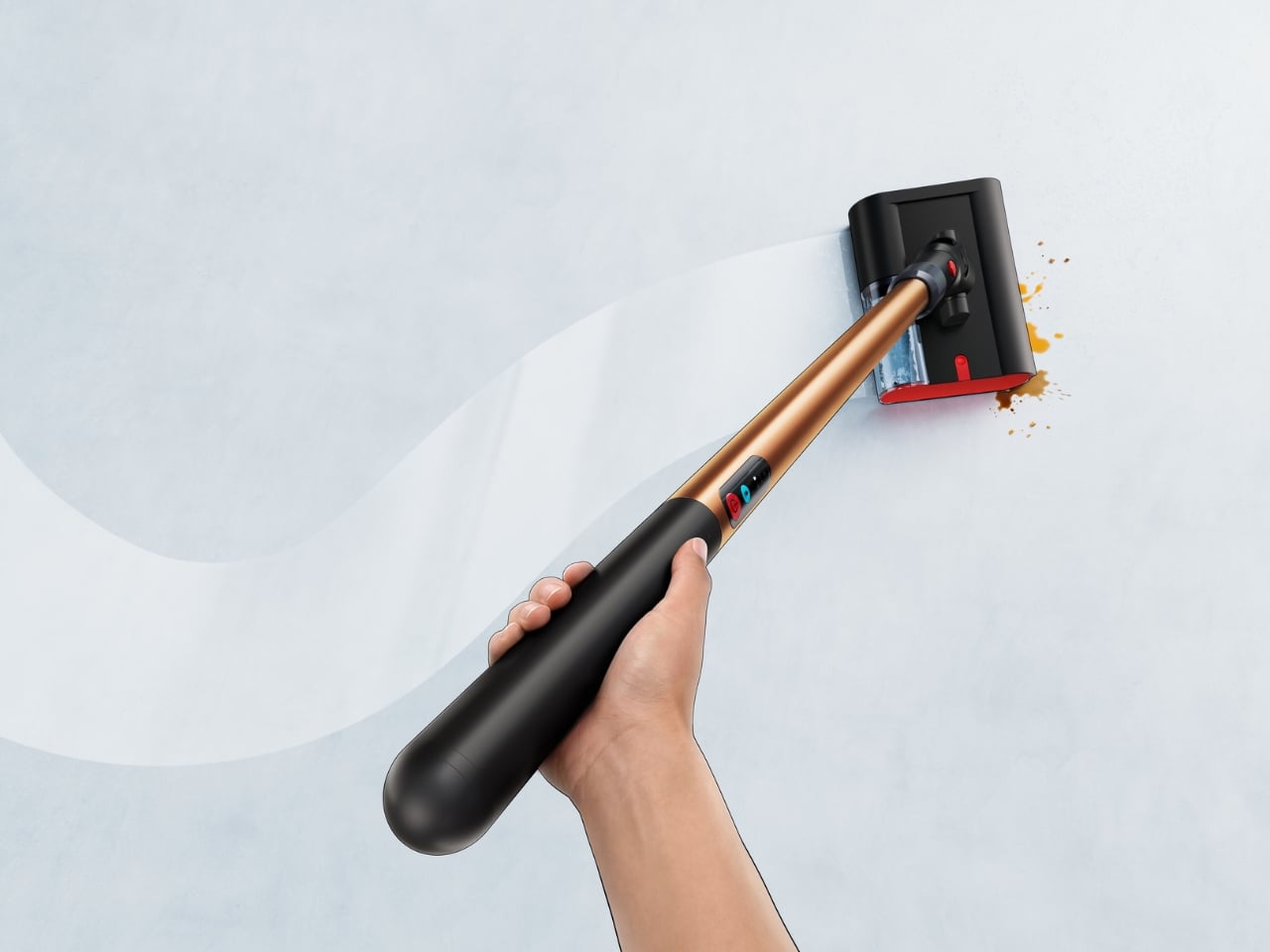
The slimness isn’t just a style flex. Because the machine lays flat to 170 degrees, it can slide under furniture as low as 6 inches off the ground. That means the coffee table, the media console, the bed frame, all those places where crumbs and sticky residue build up because your vacuum simply can’t reach them, are now fair game. It also maneuvers along walls and skirting boards, which is where most wet cleaners give up and go home. The PencilWash was clearly designed with real living spaces in mind, not idealized showroom floors.
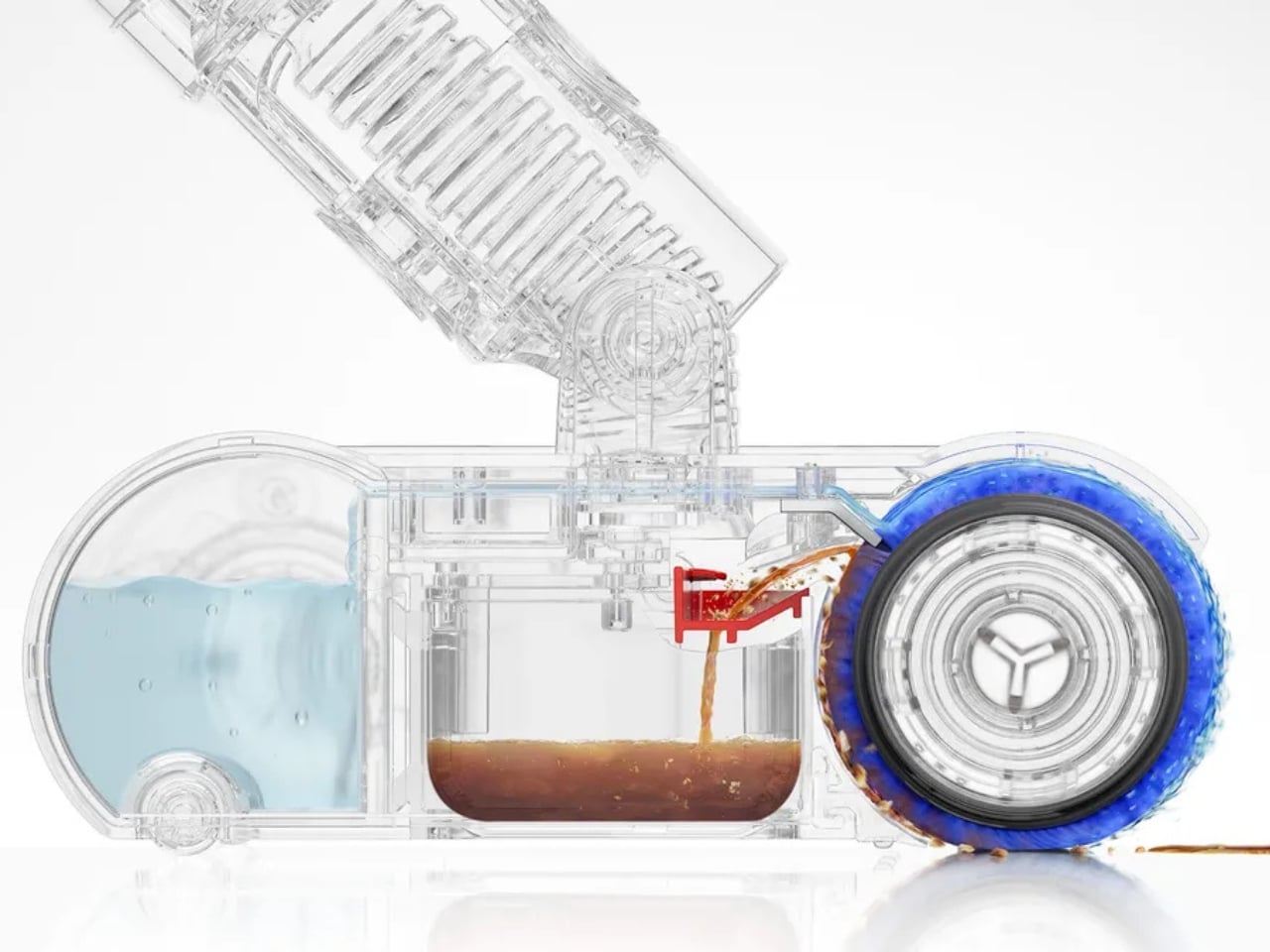
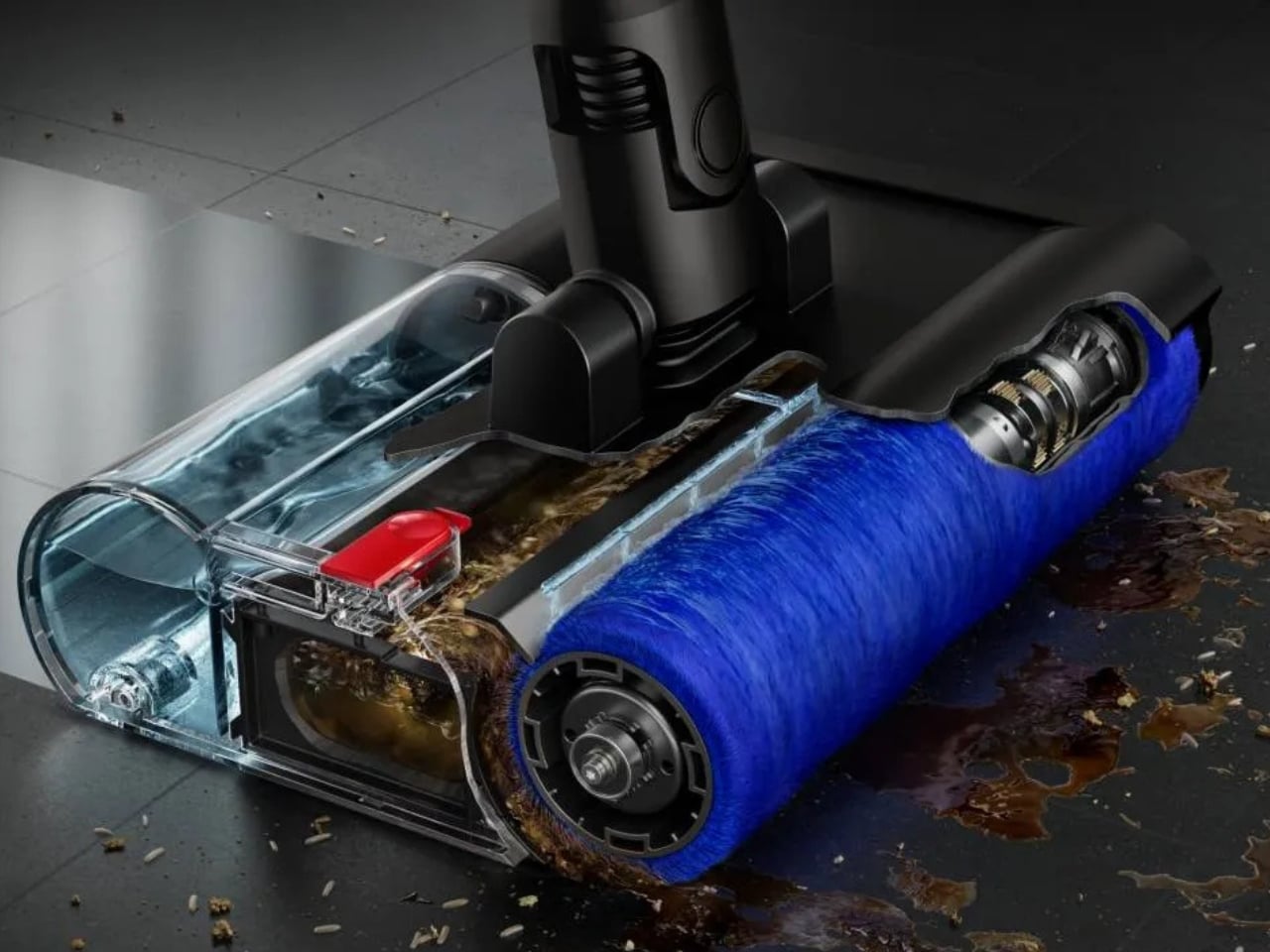
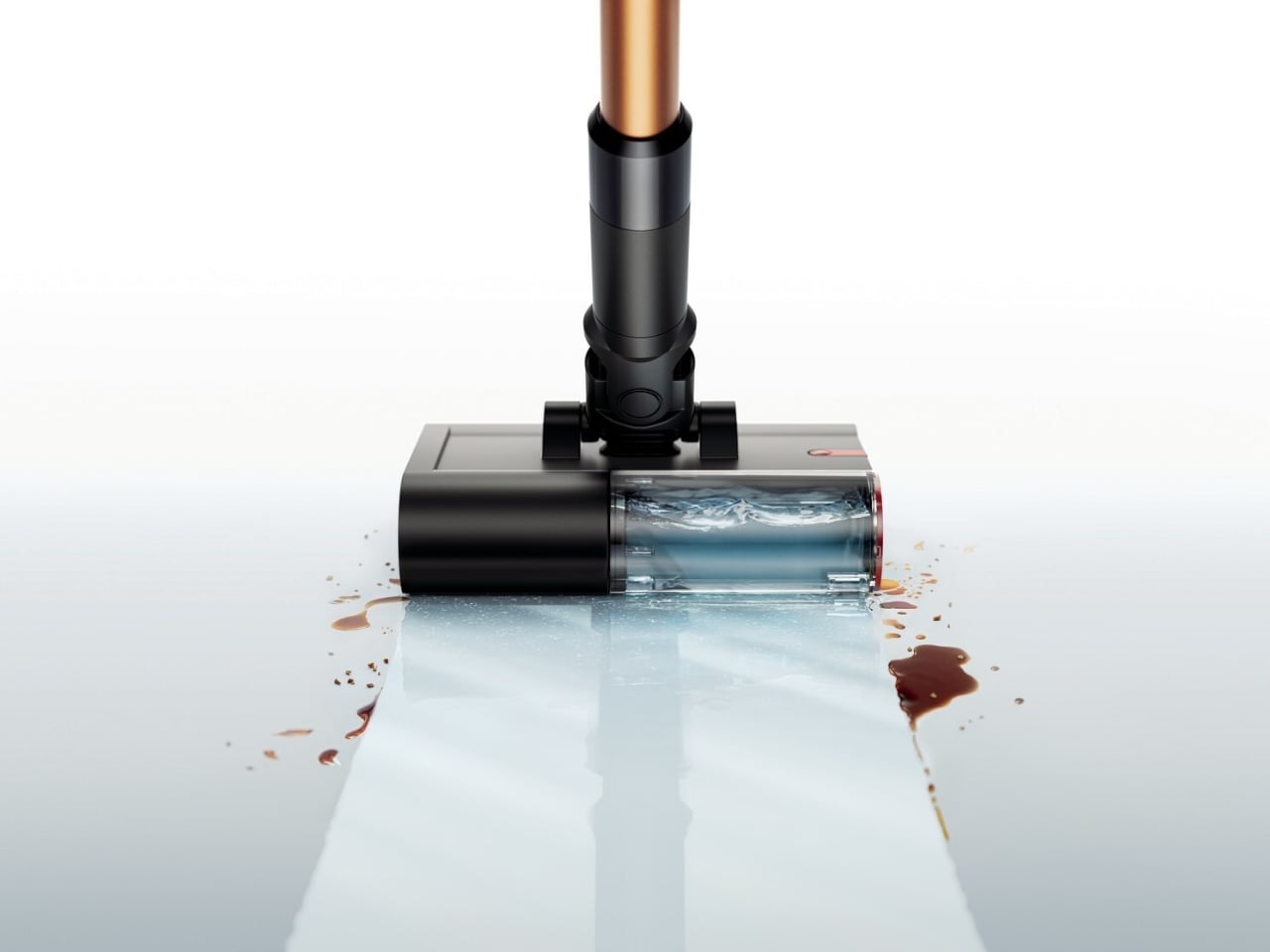
What makes the tech behind it genuinely clever is Dyson’s three-part cleaning approach: hydration, agitation, and extraction. The machine uses a high-density microfiber roller packed with 64,000 filaments per square centimeter, spinning at 650 RPM, to pick up both wet and dry debris at the same time. But the part that truly sets it apart is the 8-point hydration system, which feeds fresh water to the roller on a continuous, controlled basis. Dirty water is extracted from the roller on every single rotation and funneled into a separate 12 fl oz dirty water tank, kept entirely away from the 10 fl oz clean water supply. What that means in practice is that you’re always mopping with fresh water, not just spreading the same grimy water around in circles.
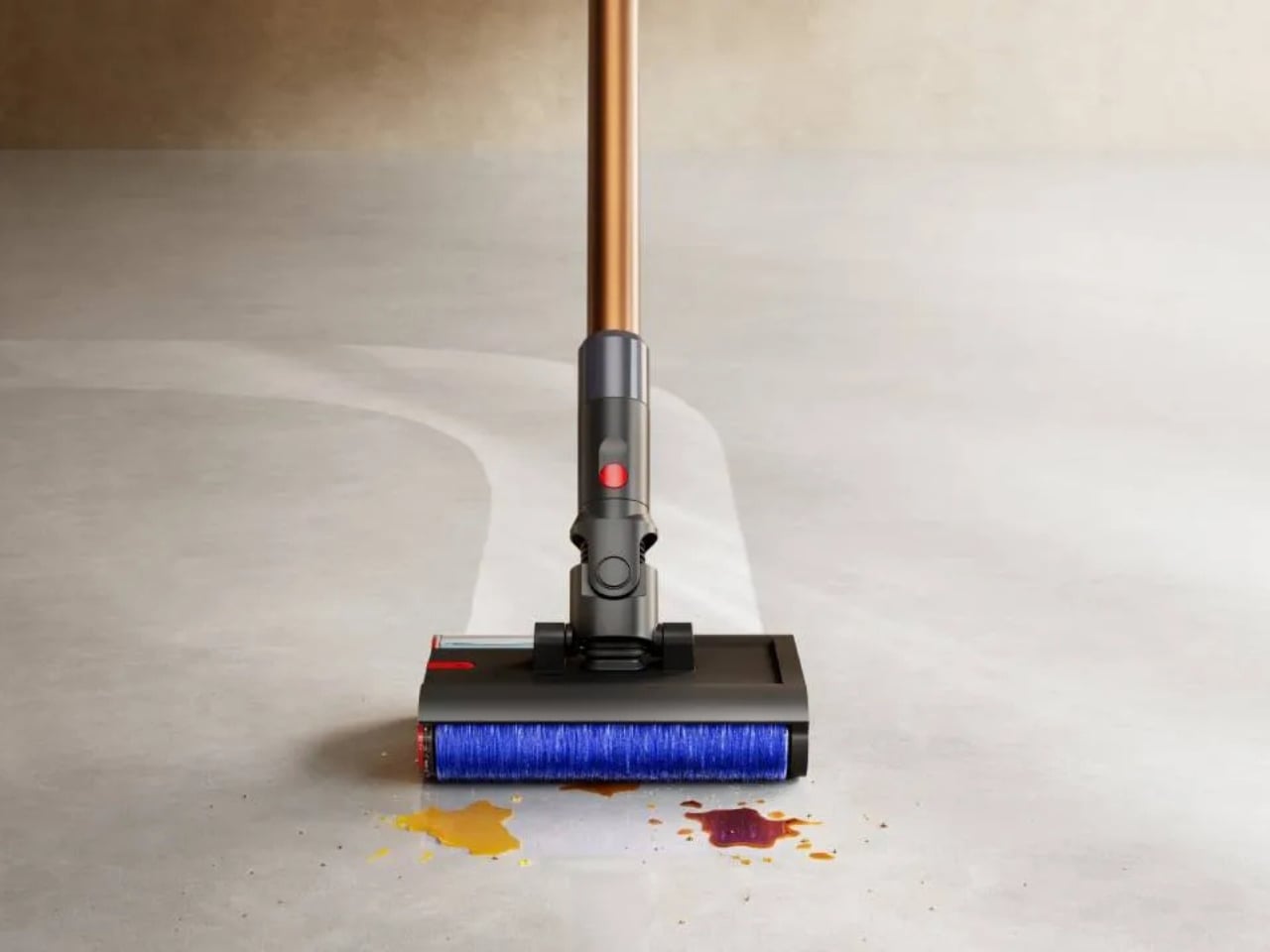
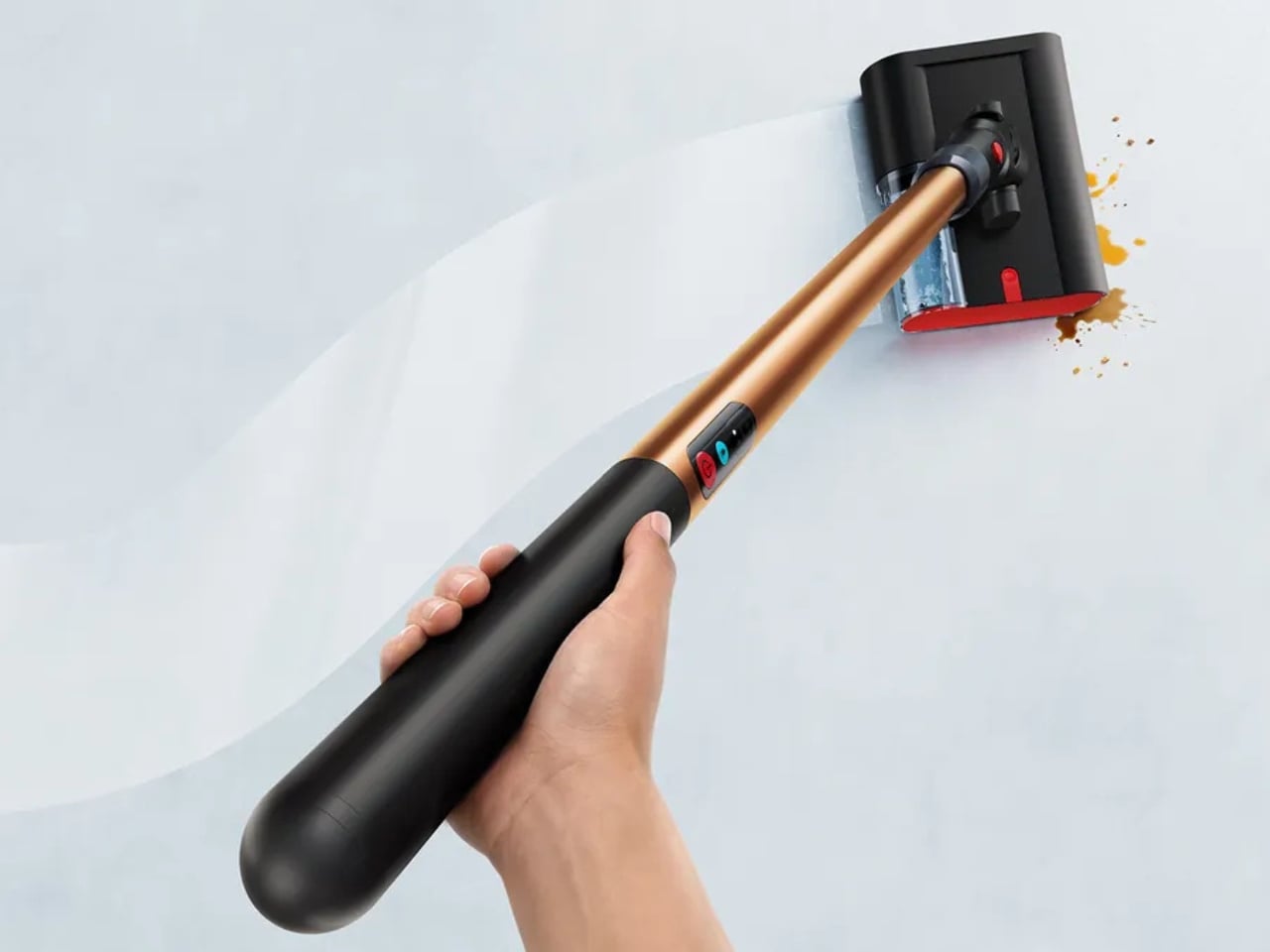
The filter-free design is another deliberate engineering choice. Most wet cleaners rely on filters that trap debris, harbor bacteria, develop odors over time, and eventually clog up. Dyson removed the filter completely, which eliminates the risk of sludge buildup, performance drops, and that particular cleaning-appliance smell you’ve probably already encountered. The clean water tank covers up to 1,076 square feet per fill, enough for most apartments and medium-sized homes in one run.
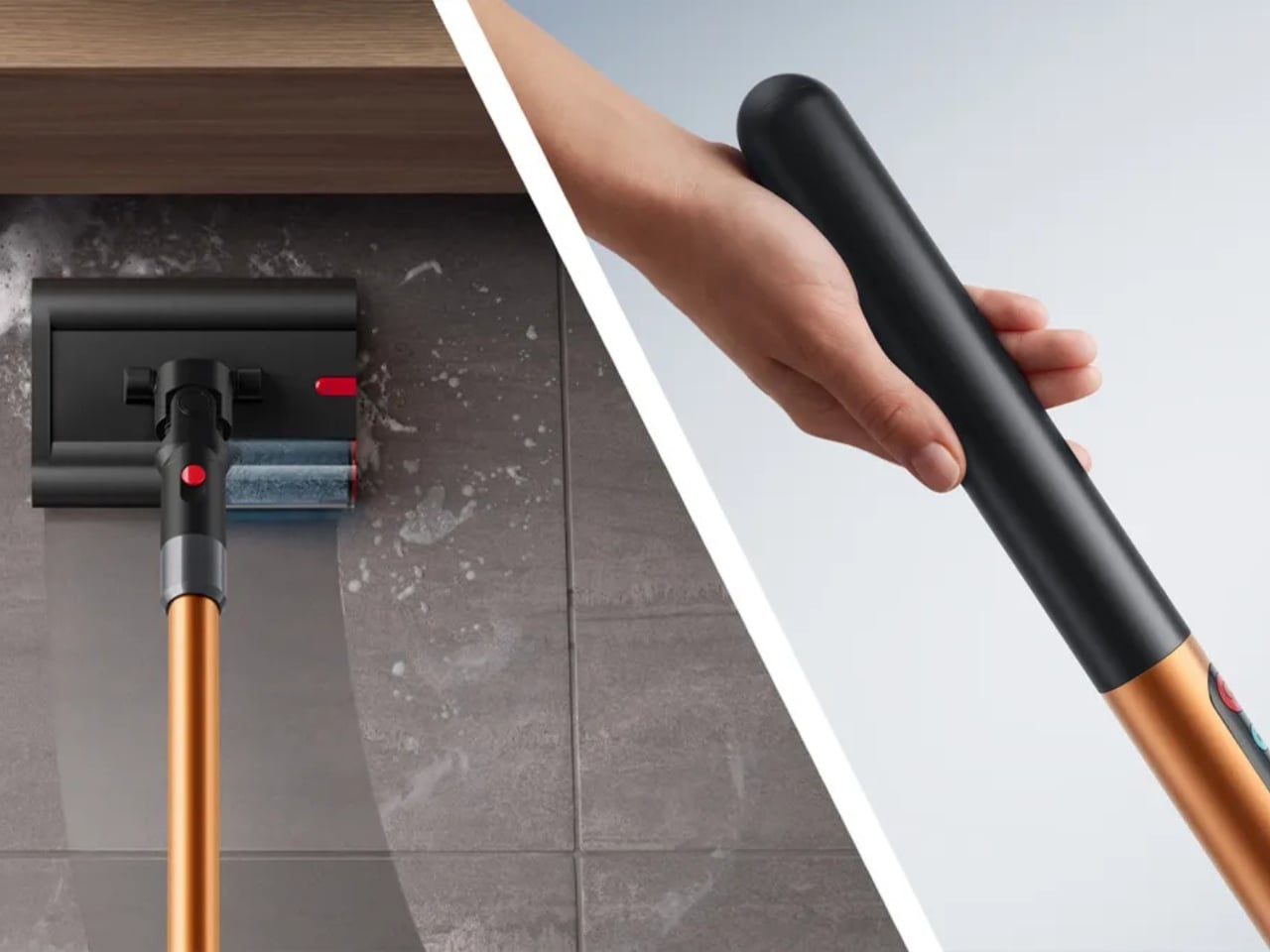
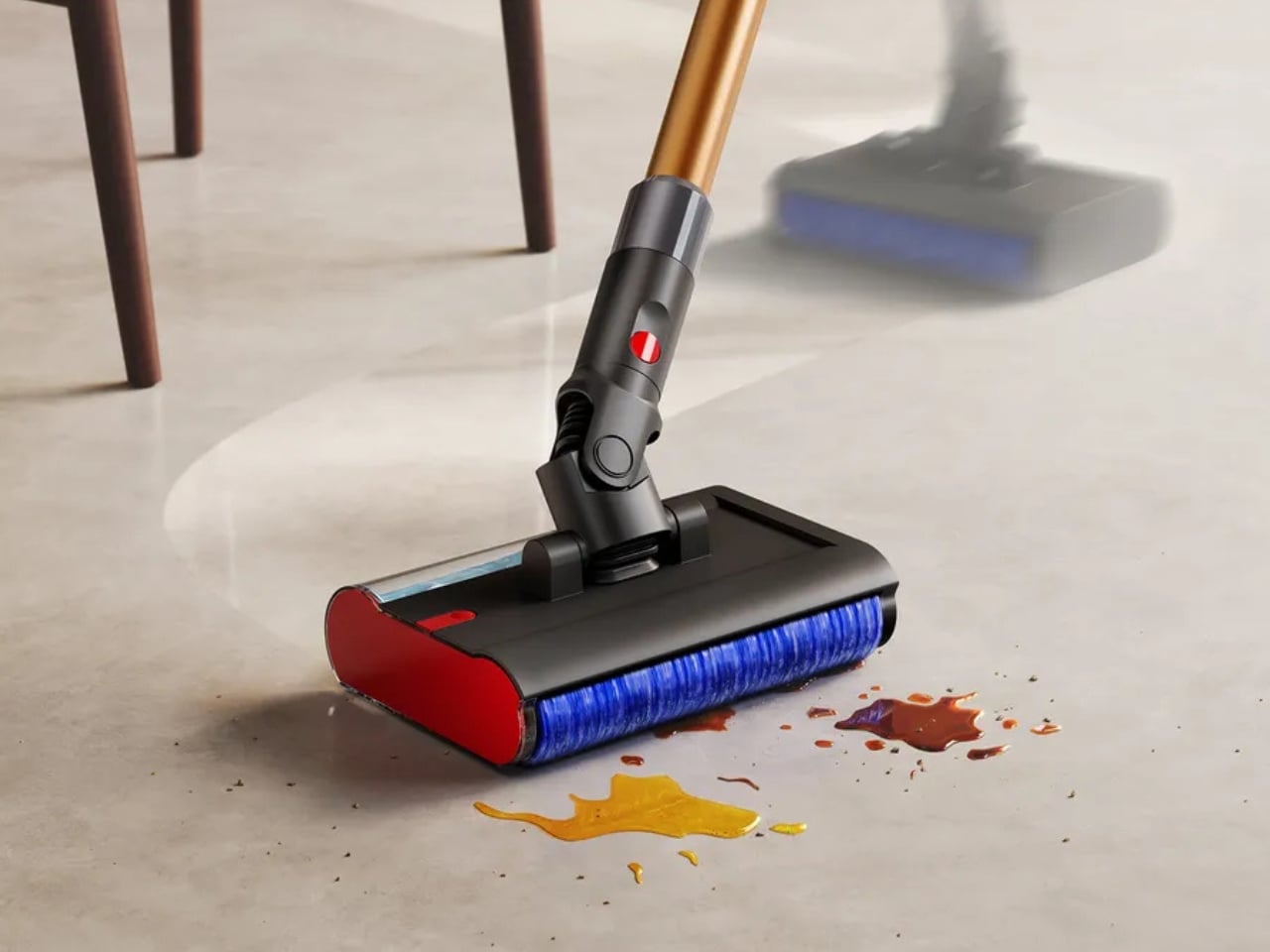
Dyson also pairs the PencilWash with its O2 Probiotic hard floor cleaning solution, a non-foaming, non-toxic formula that cleans at the microscopic level and is safe around pets and kids. It’s the kind of optional companion product that actually earns its place, rather than feeling like an upsell for upselling’s sake.Battery life sits at 30 minutes per charge, with a 3.5-hour charge time. For bigger homes, there’s an optional swappable battery that extends the range without much hassle.
The Dyson PencilWash goes on sale March 17, 2026, in the US at $349. It launched earlier in the UK at £299.99 and in Australia at AU$499. If you want to be among the first to get your hands on one, Dyson has a waitlist open right now. What Dyson is really building with the Pencil lineup is a new design logic for home cleaning. Smaller doesn’t mean weaker. Slimmer doesn’t mean a compromise. The PencilWash makes a strong argument that the bulky, filter-dependent appliances we’ve tolerated for years were never really the best option available. They were just the only one we had.