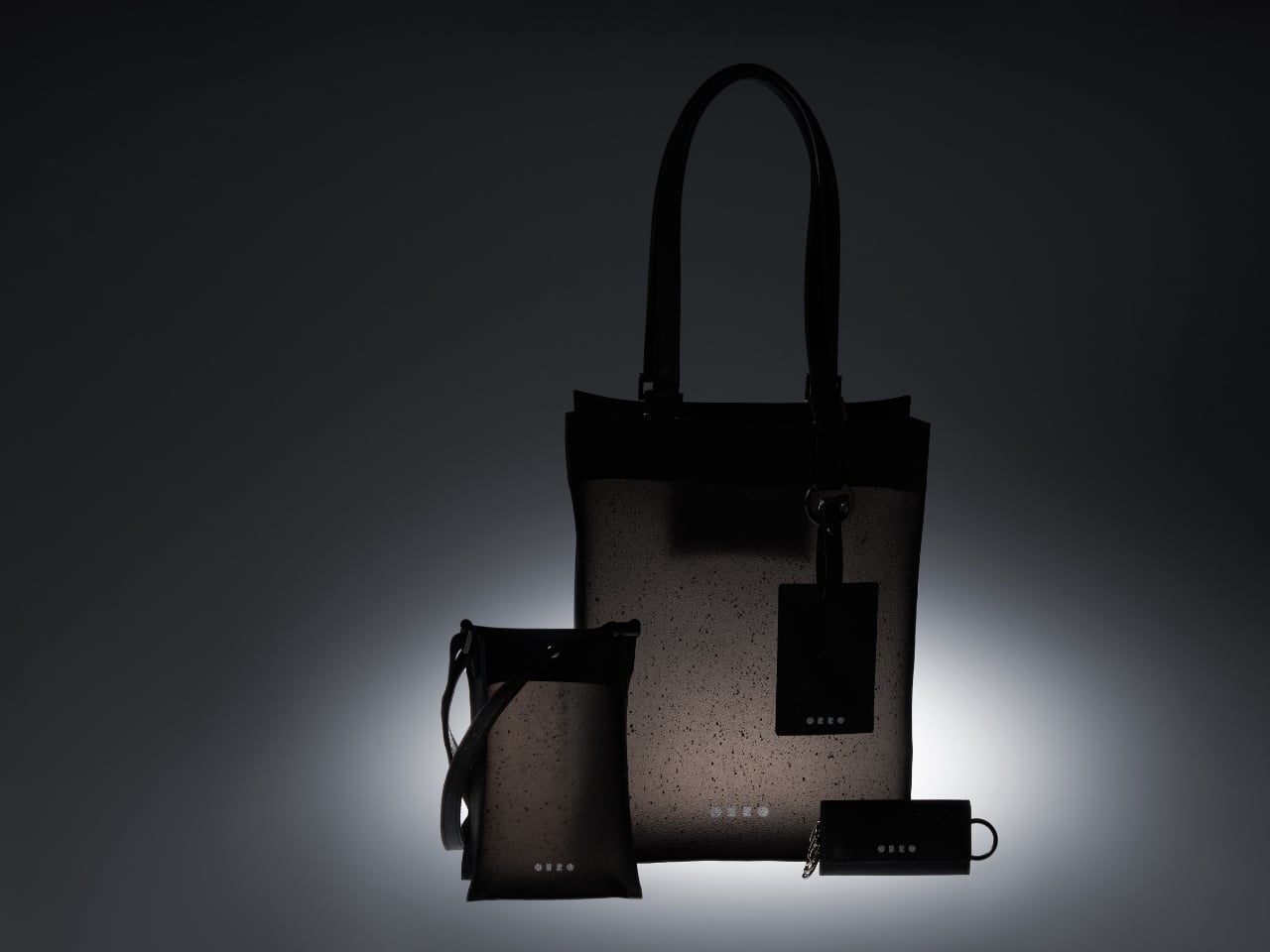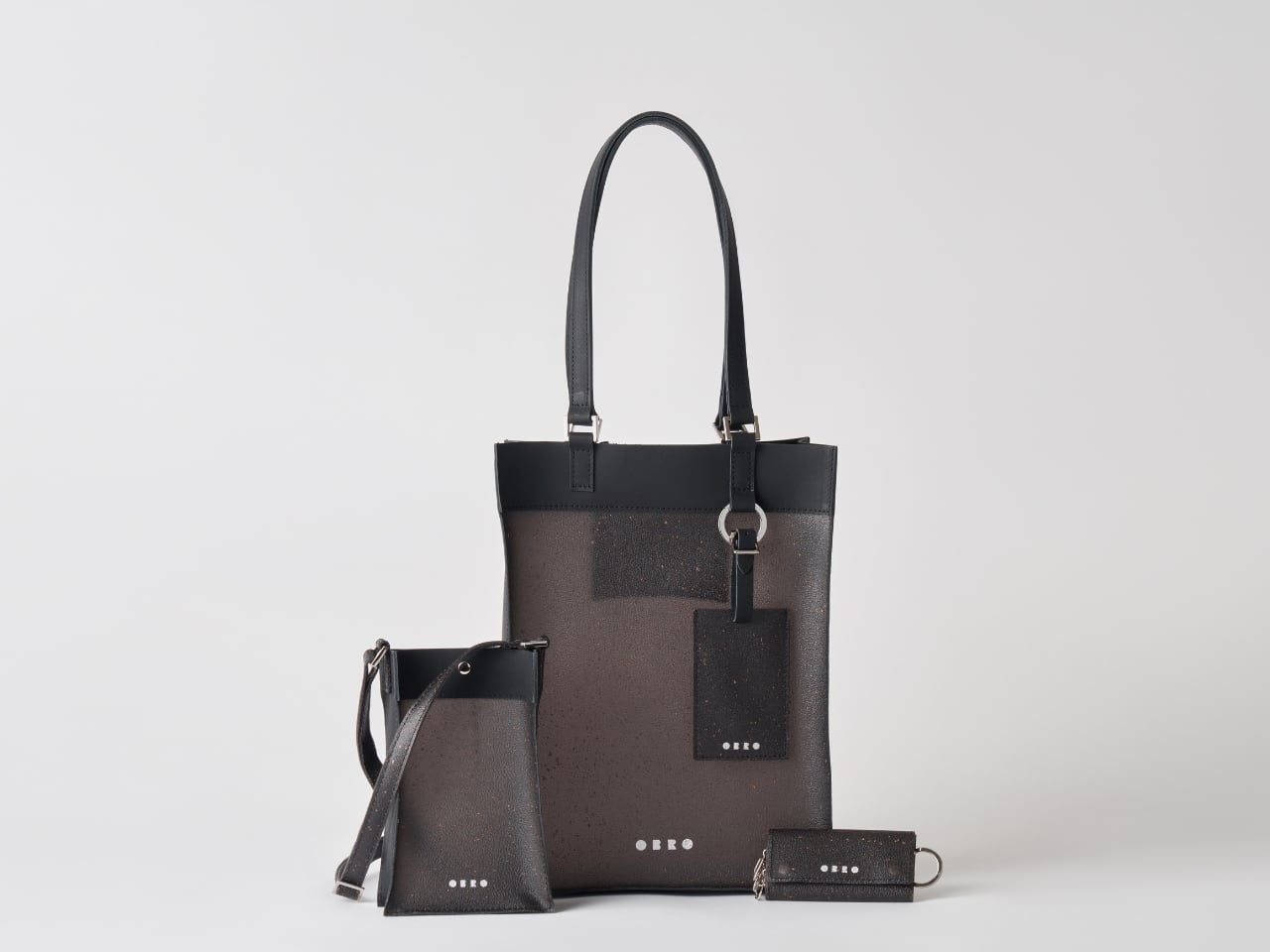

There’s something quietly radical about a material that refuses to hide what it’s made from. OBRO, a new composite from Japanese manufacturer Sanyo Co., Ltd., takes recycled leather powder and suspends it in transparent black PVC, creating a surface that looks like stars scattered across a midnight sky. Instead of disguising its origins, the material puts waste on full display, transforming discarded scraps into something you actually want to touch.
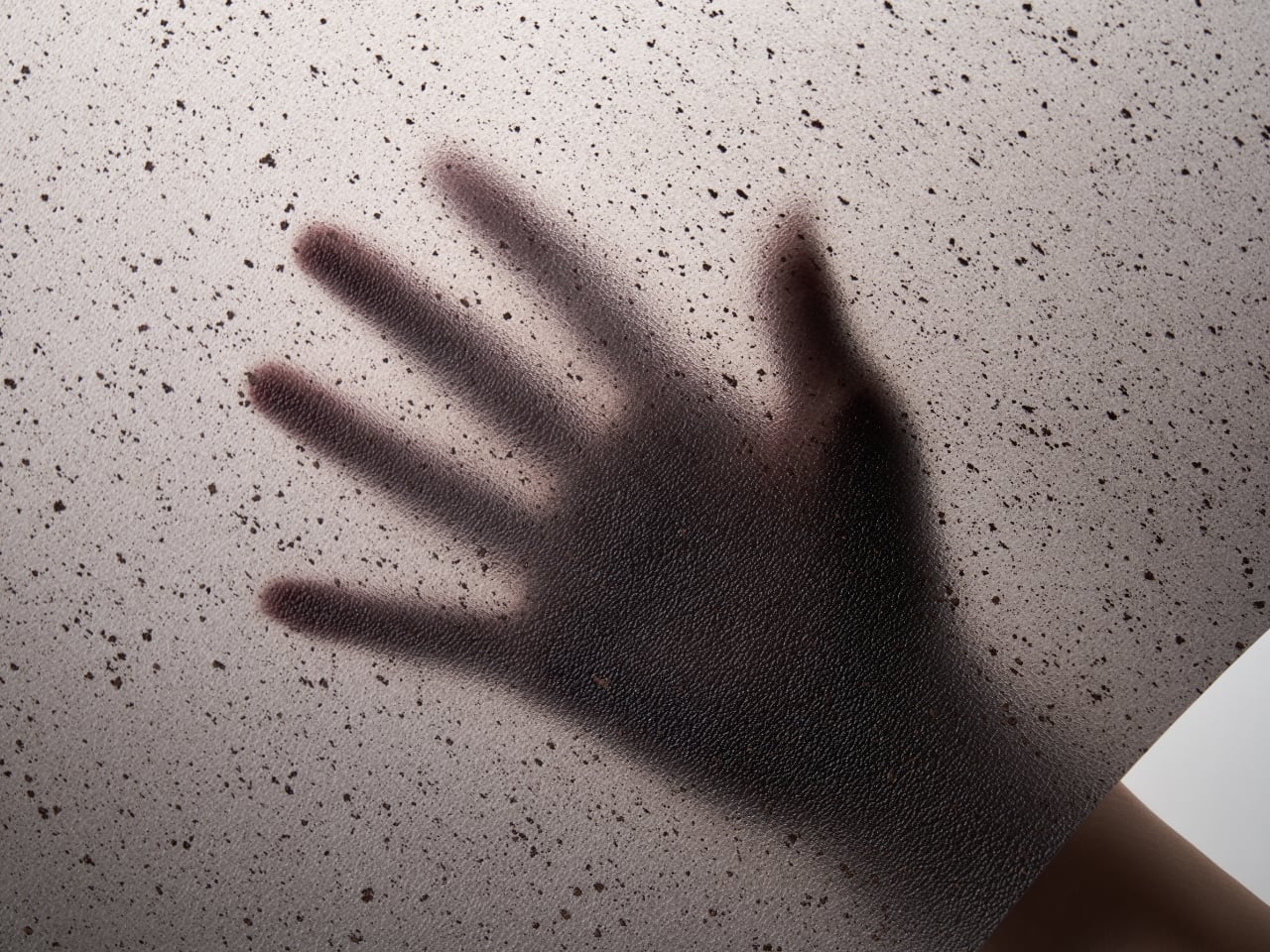
The name itself gives you a sense of the effect. OBRO comes from the Japanese word “oboro,” which translates to “hazy” or “softly blurred.” It’s that in-between quality where things aren’t quite solid, not quite translucent. Hold the material up to light and the leather fragments shimmer beneath the surface, shifting between metallic glints and organic warmth depending on the angle. It’s the kind of visual texture that photographs beautifully but probably demands to be seen in person to fully appreciate.
Designer: Satoru Shimizu / Sanyo Co., Ltd.
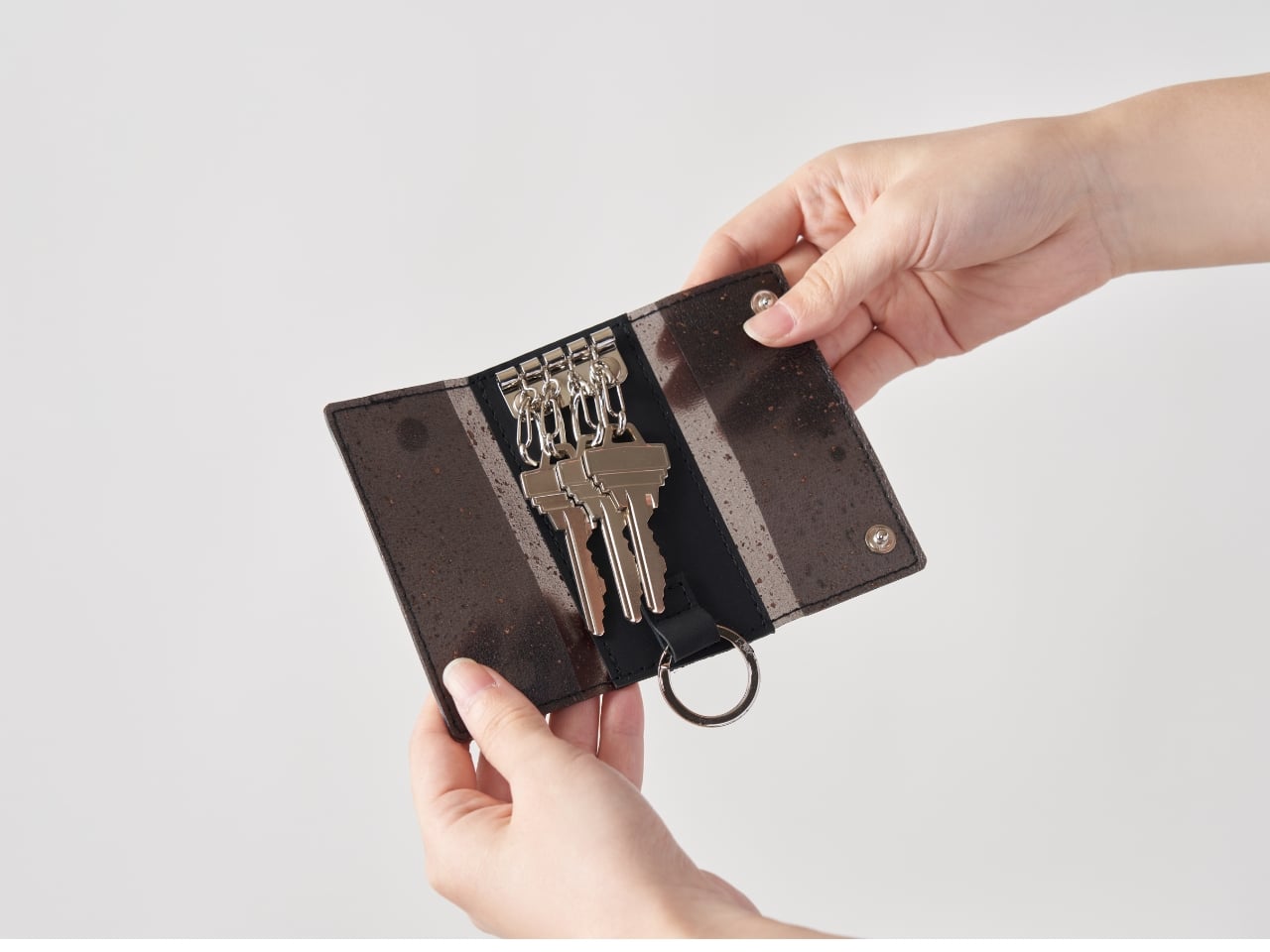
Sanyo Co., Ltd. has been around since 1947, so they’ve had plenty of time to understand leather as both craft and industry. What makes OBRO interesting is that it doesn’t try to replicate traditional leather. There’s no embossing to fake a hide pattern, no attempt to make you forget you’re looking at something engineered. The leather powder is ground fine enough to become part of a new material language entirely, one that feels more industrial poetry than nostalgic pastiche.
The debut collection keeps things refreshingly straightforward. There’s a tote bag, a sacoche (the compact crossbody style that’s become ubiquitous in streetwear), and a key case. All three are designed with a minimalist, gender-neutral aesthetic that lets the material do the talking. Genuine leather accents frame the OBRO panels, creating a contrast between the hazy composite and the solid, familiar texture of traditional hide. It’s a smart move that highlights what makes OBRO different without abandoning the tactile warmth people expect from leather goods.
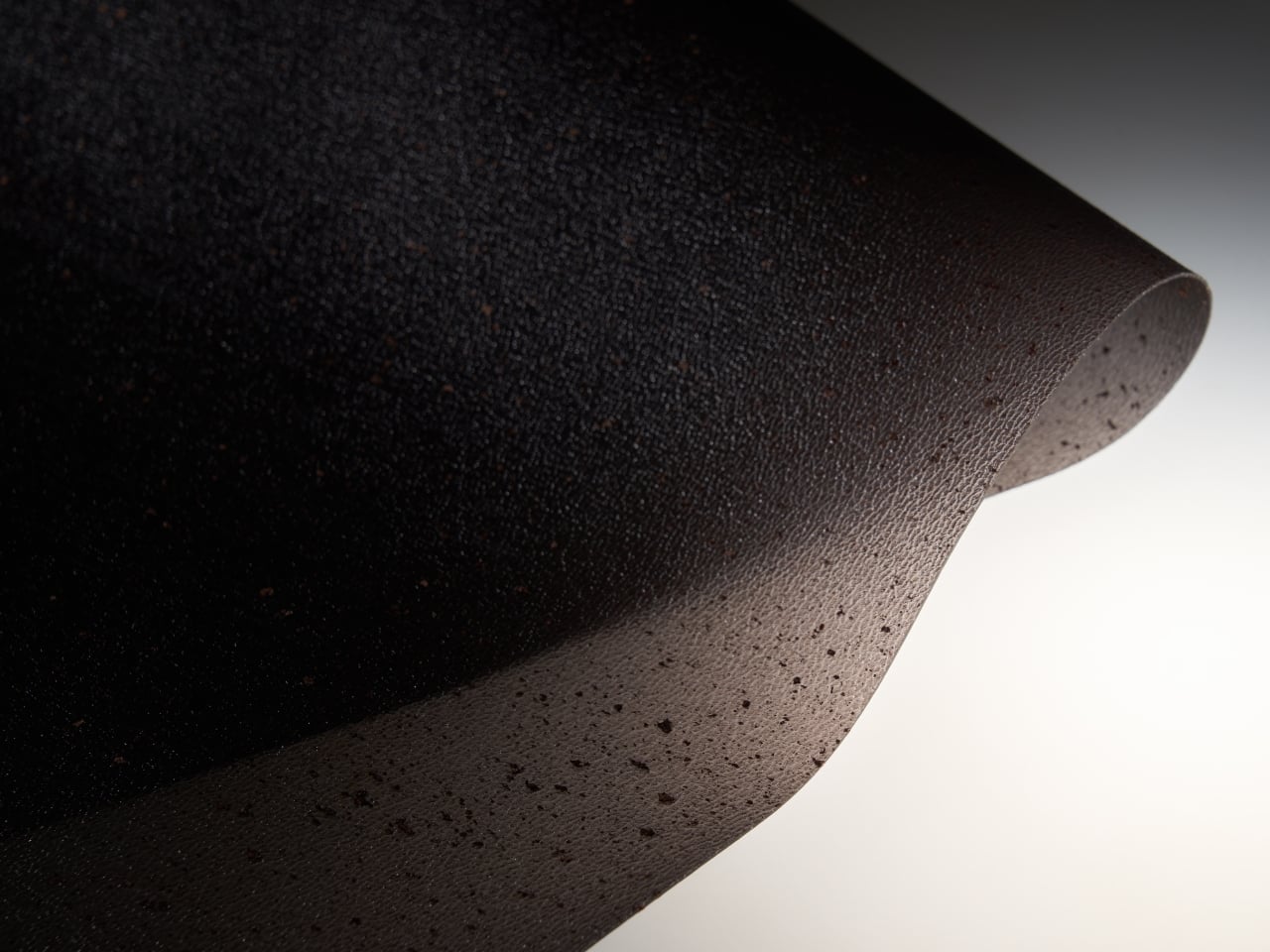
From a practical standpoint, OBRO brings some unexpected benefits. It’s lightweight in a way full-grain leather rarely is, and the PVC component makes it water-resistant without needing chemical treatments. For anyone who’s watched a leather bag slowly absorb a rainstorm and then spent days trying to condition it back to life, that’s not nothing. The material holds its shape well, which matters when you’re talking about bags that need structural integrity but don’t want the stiffness of heavily lined leather.
What’s compelling here is the philosophy embedded in the material itself. Most sustainable design efforts focus on using less, sourcing better, or finding biodegradable alternatives. OBRO takes a different approach by celebrating the waste stream as a visible design element. Those leather fragments aren’t hidden away or ground so fine they disappear. They’re the whole point, catching light and creating depth in a way that pure PVC never could. It’s sustainability that doesn’t ask you to compromise on aesthetics or accept something less refined in the name of environmental responsibility.
Designer Satoru Shimizu and the team at Sanyo have essentially created a new category. OBRO isn’t vegan leather trying to pass for the real thing, and it isn’t traditional leather pretending it has no environmental cost. It’s a third option that acknowledges material waste as an inevitable part of production and then asks what happens if we make that visible, beautiful, and functional all at once.
The market for this feels broad. Design enthusiasts will appreciate the material innovation and Japanese attention to detail. Tech-minded people will respect the engineering that makes disparate elements work together cohesively. Fashion and streetwear audiences already gravitate toward pieces that tell a material story, especially when that story involves reimagining waste. And anyone tired of greenwashing will probably appreciate a product that shows its sustainable credentials literally on its surface.