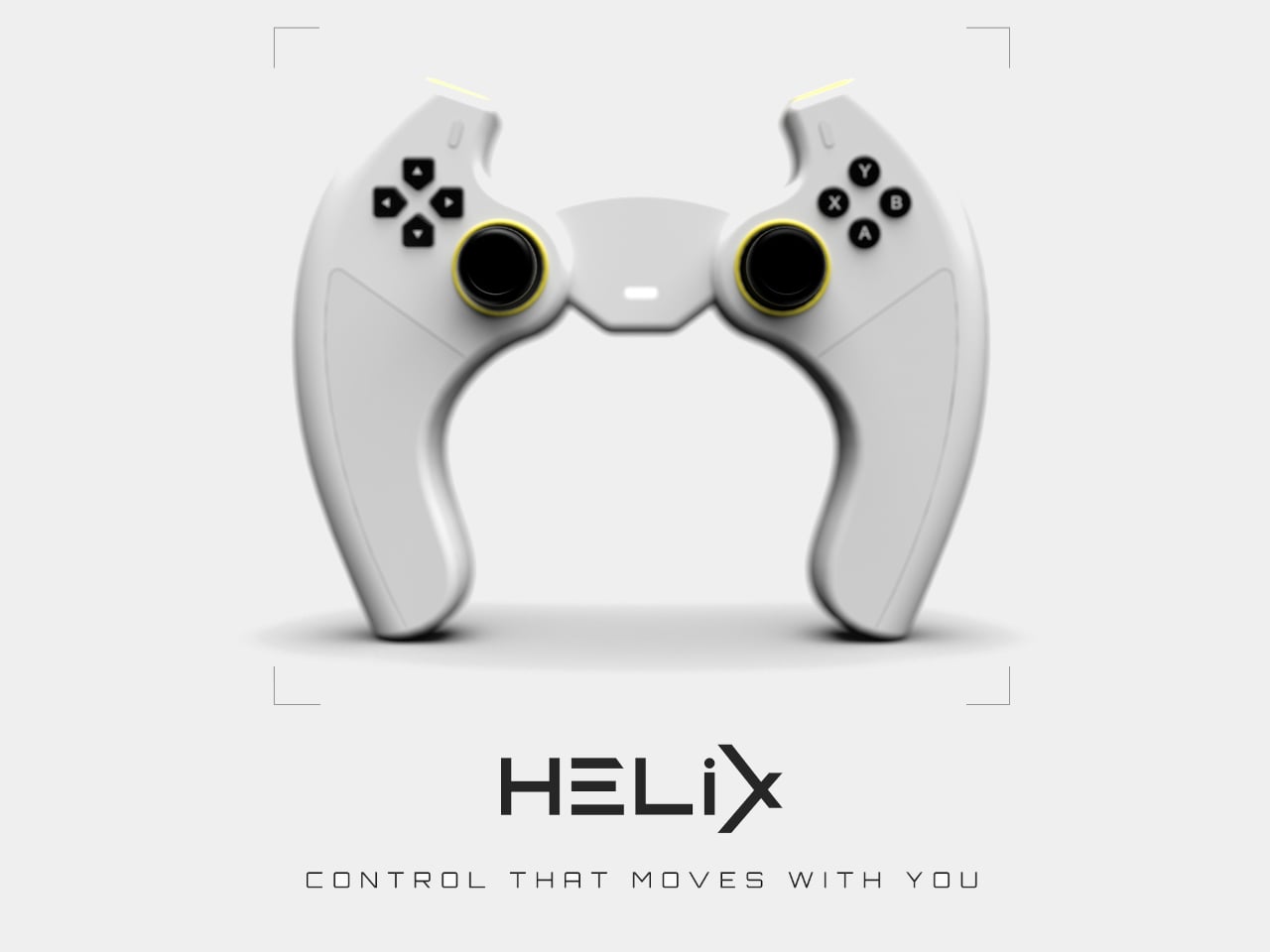

Late-night gaming sessions have a familiar rhythm. Shoulders creep up, wrists lock around a rigid gamepad, and the clock slides past midnight while you chase one more match or level. Gamers are stereotypically seen as night owls, but the controllers they use are still built like daytime office tools, fixed in shape and posture, demanding that your hands adapt to them instead of the other way around.
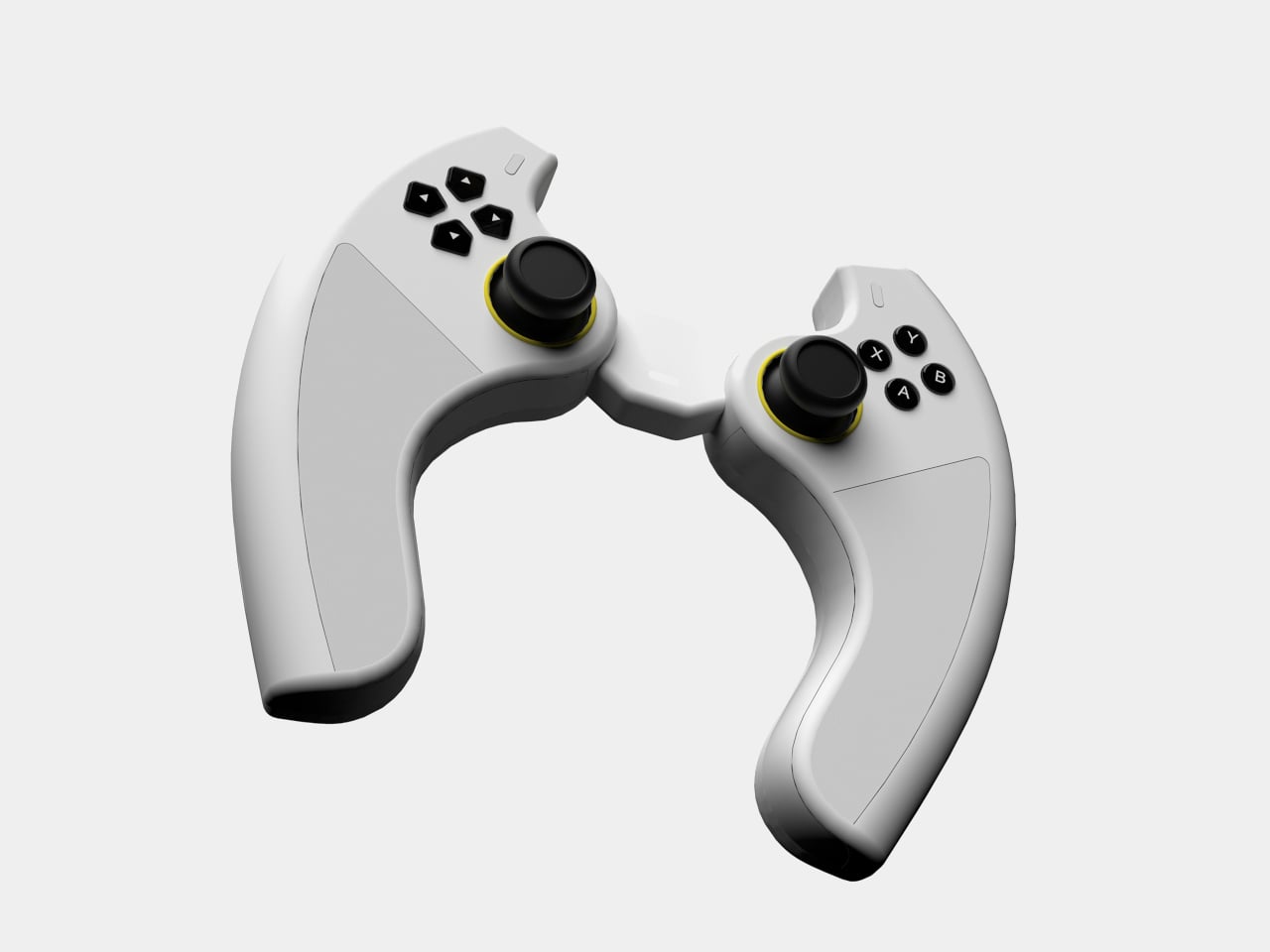
HELIX is a biomorphic controller concept that borrows its overall stance from an owl, symmetrical, balanced, and ready to move. It’s designed to come apart and fit back together easily, working as a single controller or as two separate pieces. The flexible shape is meant to follow how players actually sit and shift during long sessions instead of forcing one rigid grip that starts to ache after the third hour.
Designer: Radhika Shirode
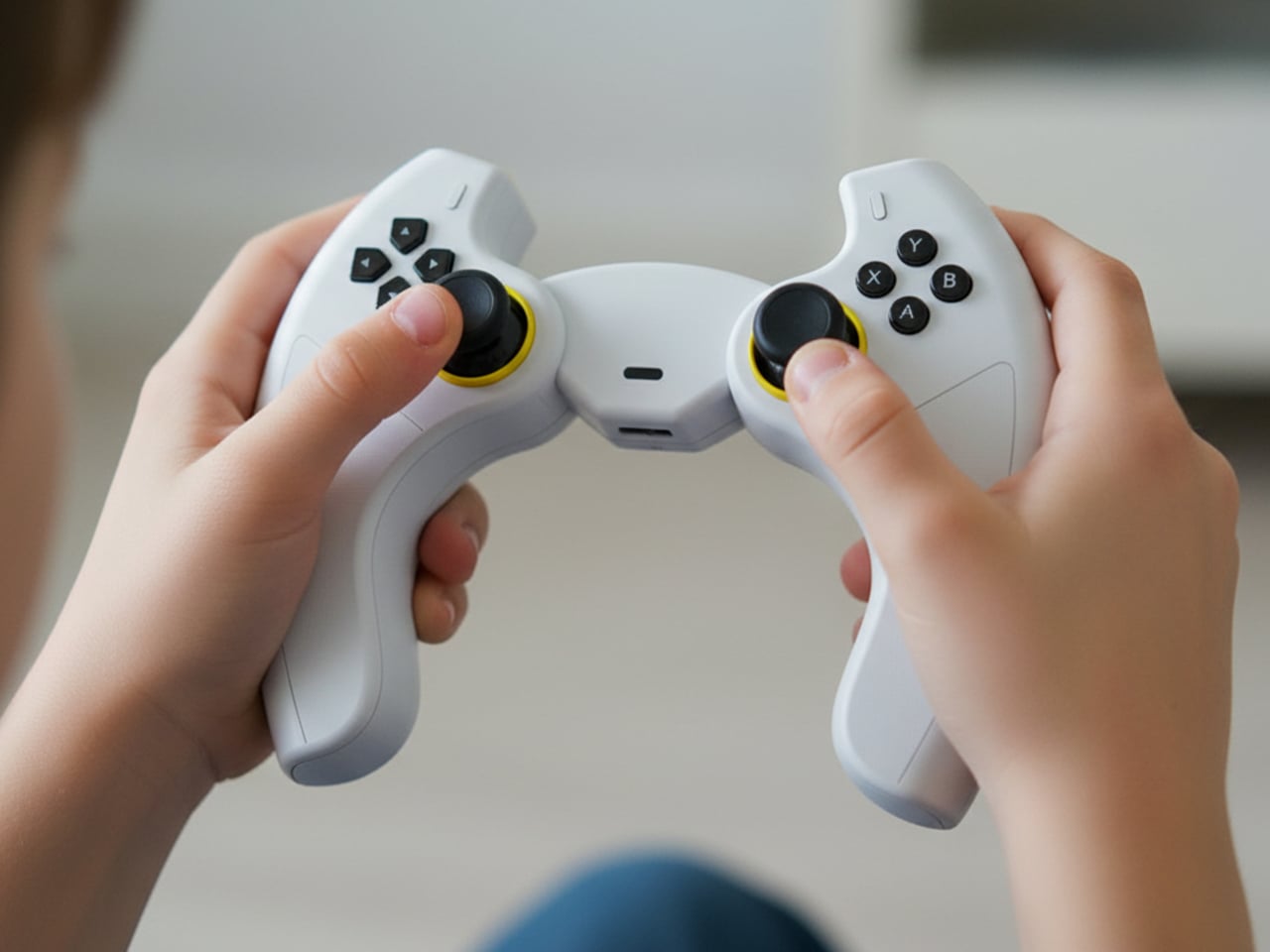
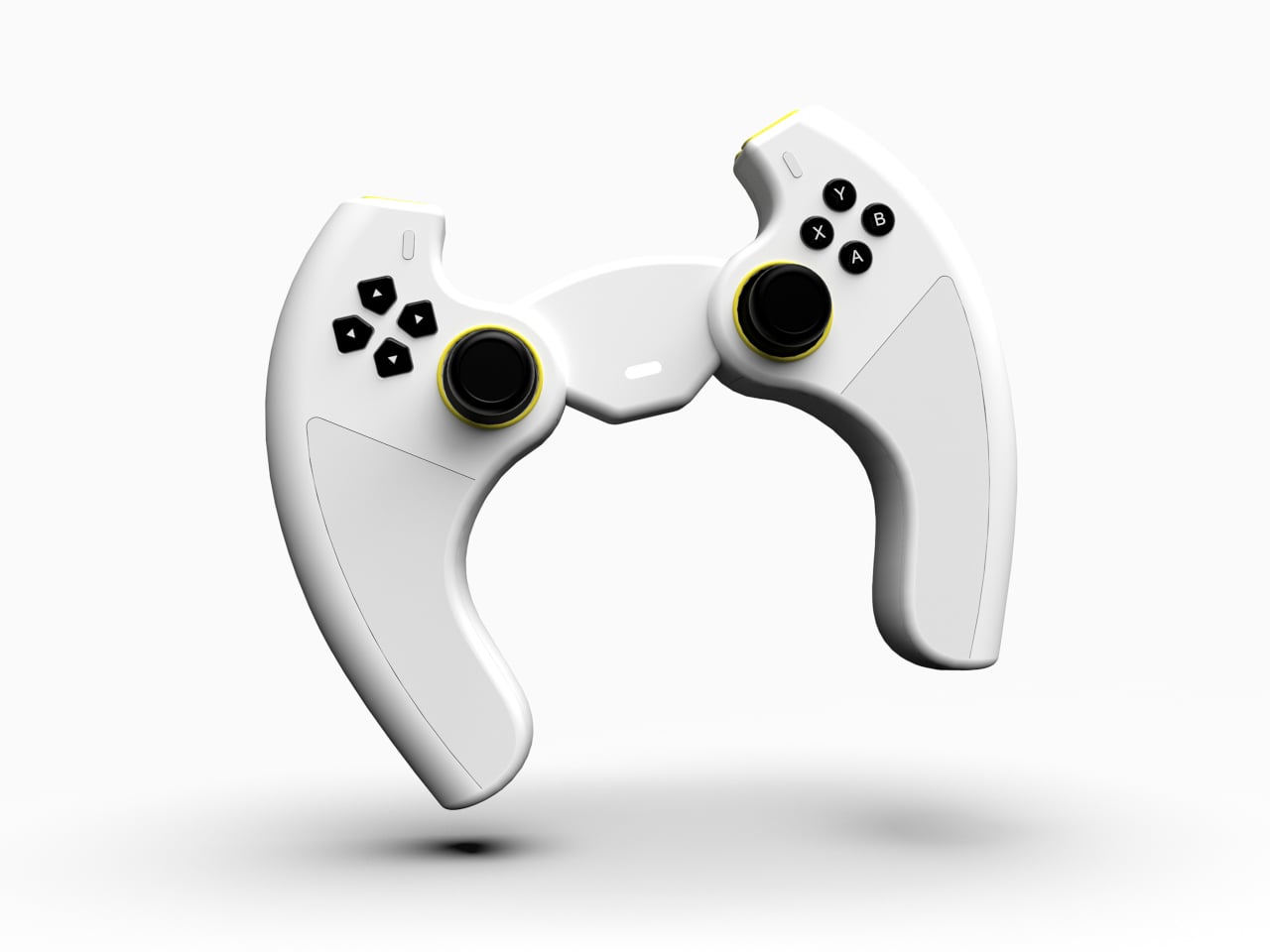
In its unified form, both halves are joined by a small central bridge. The layout is familiar, analog sticks, face buttons, and directional controls where you expect them, but the wing-like grips curve down and out instead of forming a flat bar. That biomorphic curve lets your hands rest in a more natural position, which matters when you’re chasing one more match at two in the morning and don’t want to wake up with sore thumbs.
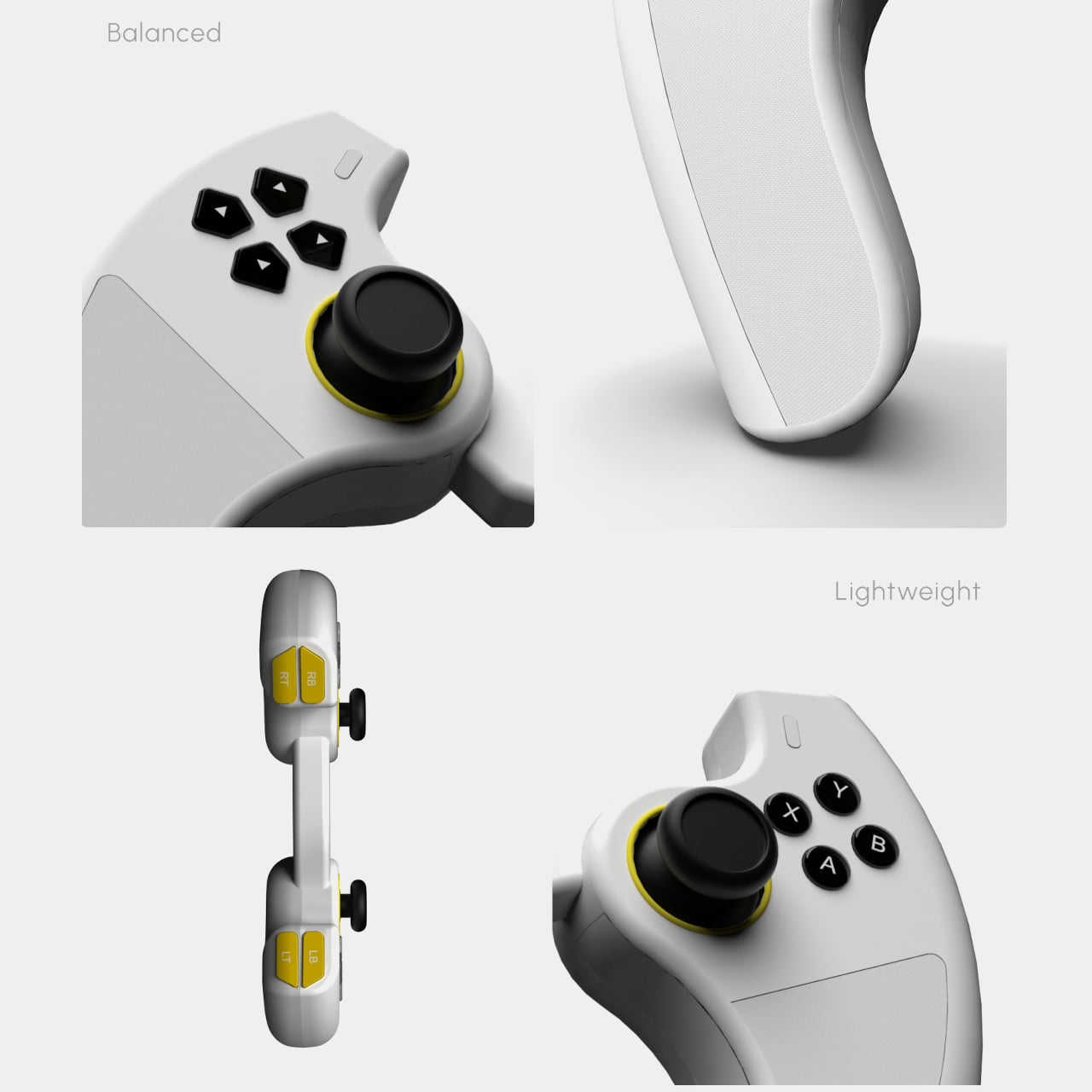
When HELIX comes apart, each half becomes its own lightweight controller, complete with stick, buttons, and triggers. You can lean back, drop your arms to your sides, or rest them on the sofa back, each hand holding a separate piece. That freedom to spread out reduces tension in shoulders and wrists, which is when night-owl sessions stop feeling like work and start feeling comfortable again.

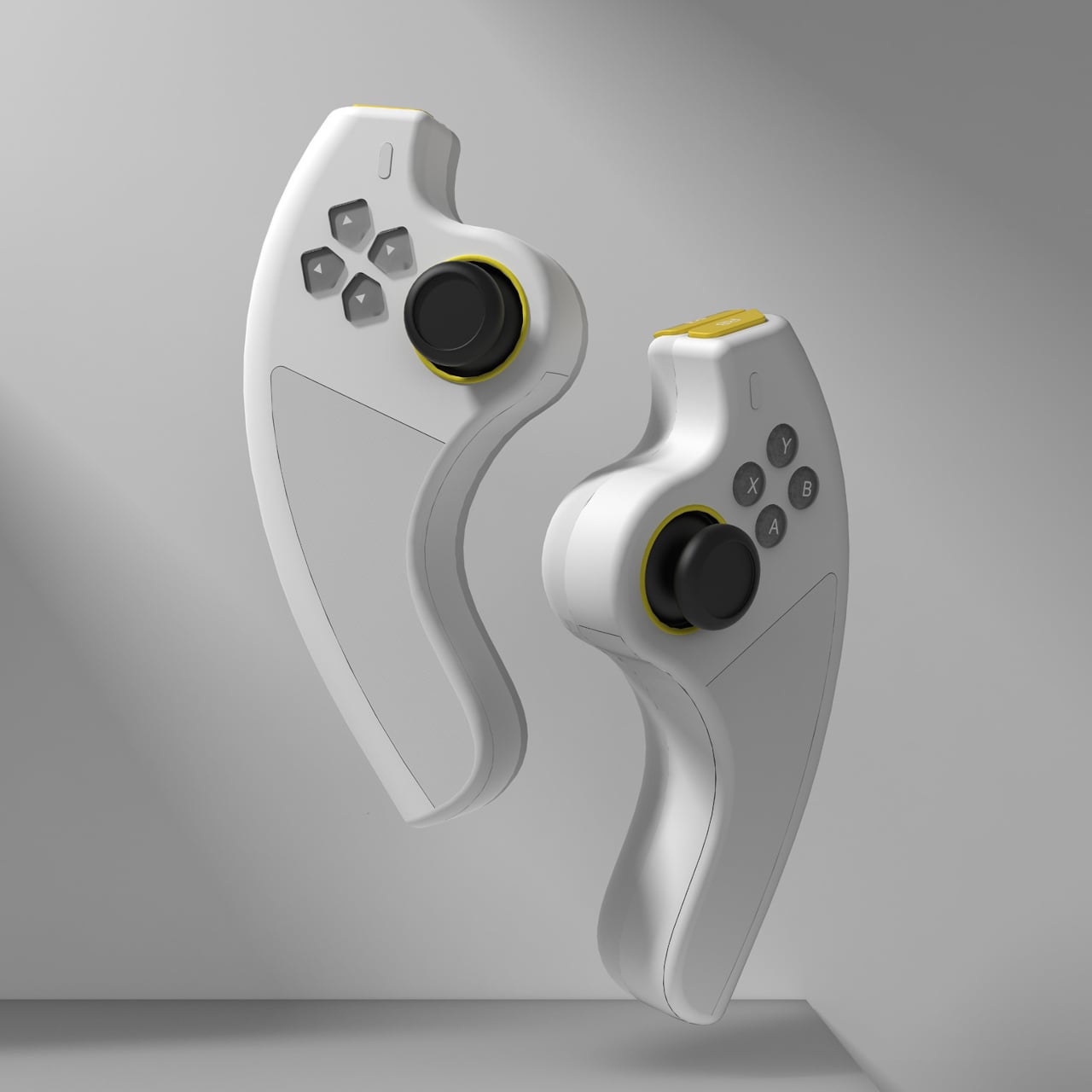
The split design also makes it easier to share. Two people on a couch can each take a half for simpler games or asymmetric roles, without digging for a second controller. Passing one wing across the room feels more casual than handing over a full gamepad, and the shape encourages interaction instead of everyone hunching over their own device in separate corners of the room.
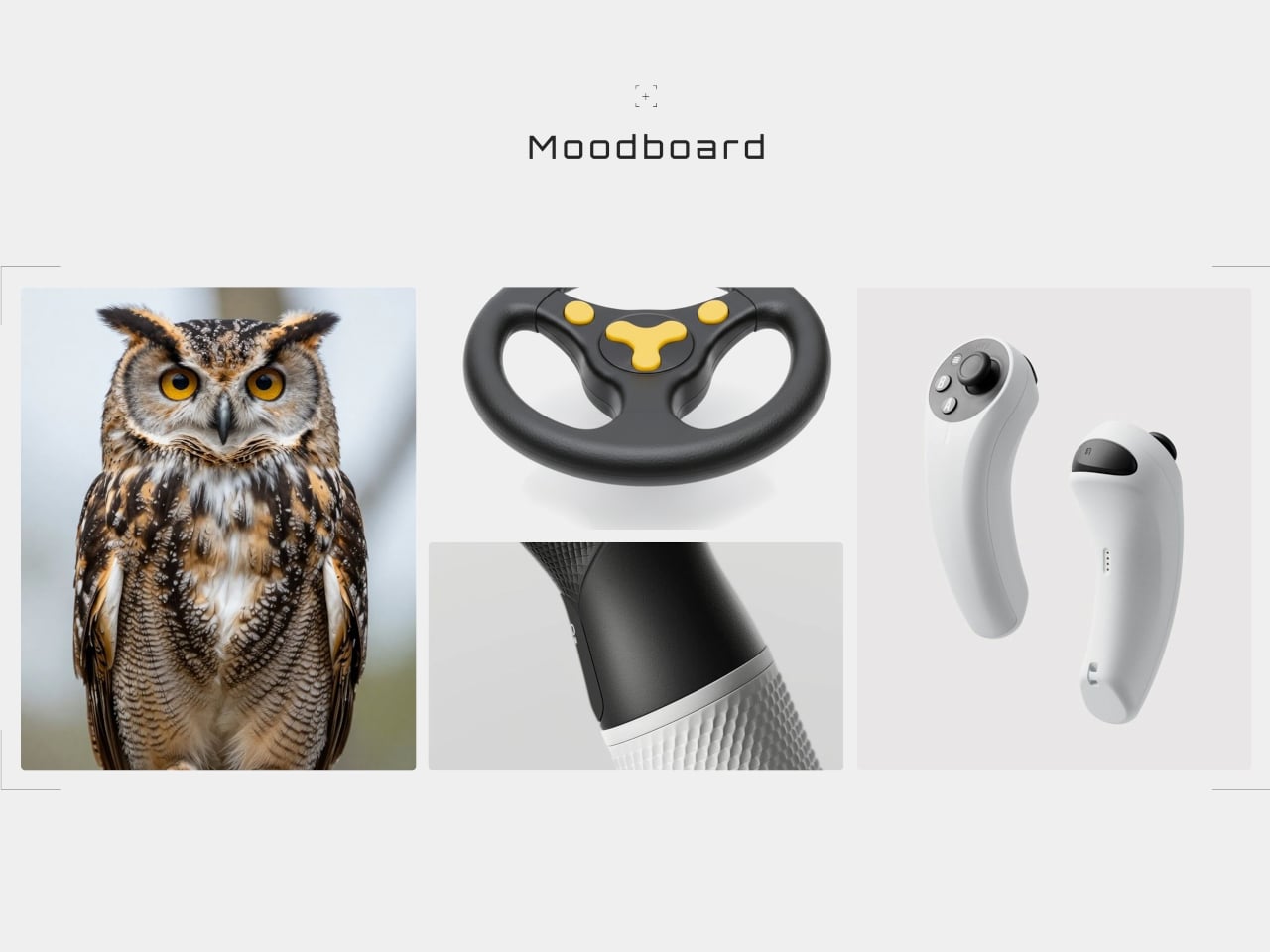
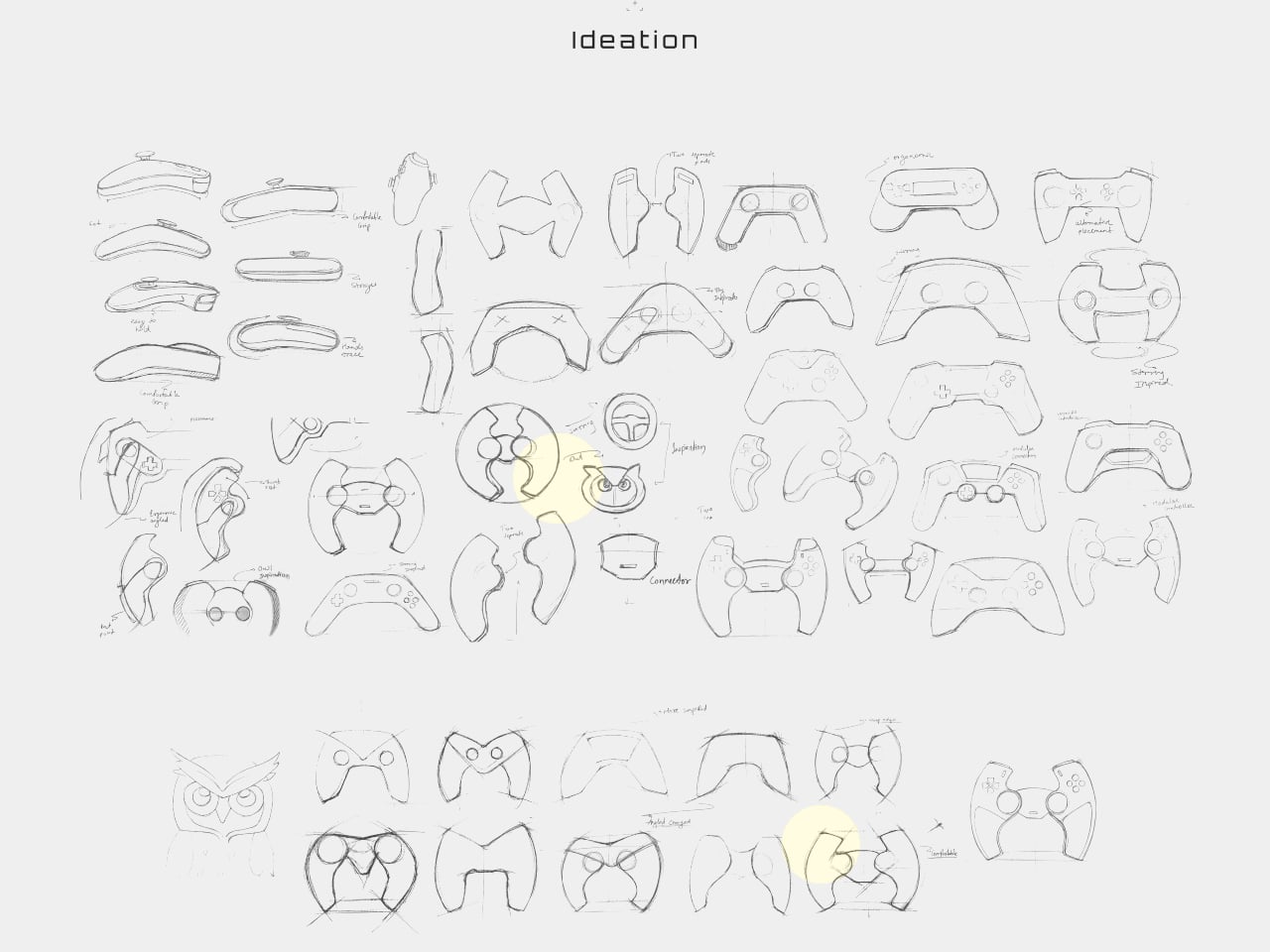
The focus on balance and lightness means each half is shaped to feel stable on its own, not like a broken piece of a larger object. The designer explored many silhouettes before landing on this owl-inspired form, where the grips echo wings, and the center reads like a small body. It’s a softer, more organic take on a category that often leans into sharp, aggressive lines and tactical branding.