
We’ve all been there. You’re running late, grab your keys, rush out the door, and three blocks later realize your phone is still sitting on the nightstand. Or maybe you left every light in your apartment blazing because your brain was already at work before your body made it out the door.
Designer YeEun Kim gets it. Her concept project, Darling, tackles the scattered morning routine with a smart bedside organizer that’s equal parts lamp, tray, and very gentle personal assistant. The design speaks to anyone who’s ever retraced their steps back home, cursing under their breath about that one essential item left behind.
Designer: YeEun Kim
The concept addresses a surprisingly common problem. According to Kim’s research, modern forgetfulness often stems from irregular sleep patterns, excessive screen time, and the kind of stress that comes with overpacked schedules. The typical advice is to take walks, get better sleep, or generally relax more. But if you’re the type of person who needs this advice, you’re probably also the type who doesn’t have time to follow it.
So Darling takes a different approach. Instead of trying to fix your entire lifestyle, it focuses on building small, sustainable habits. The kind that actually stick because they’re simple enough to do even when you’re running on four hours of sleep and too much coffee.
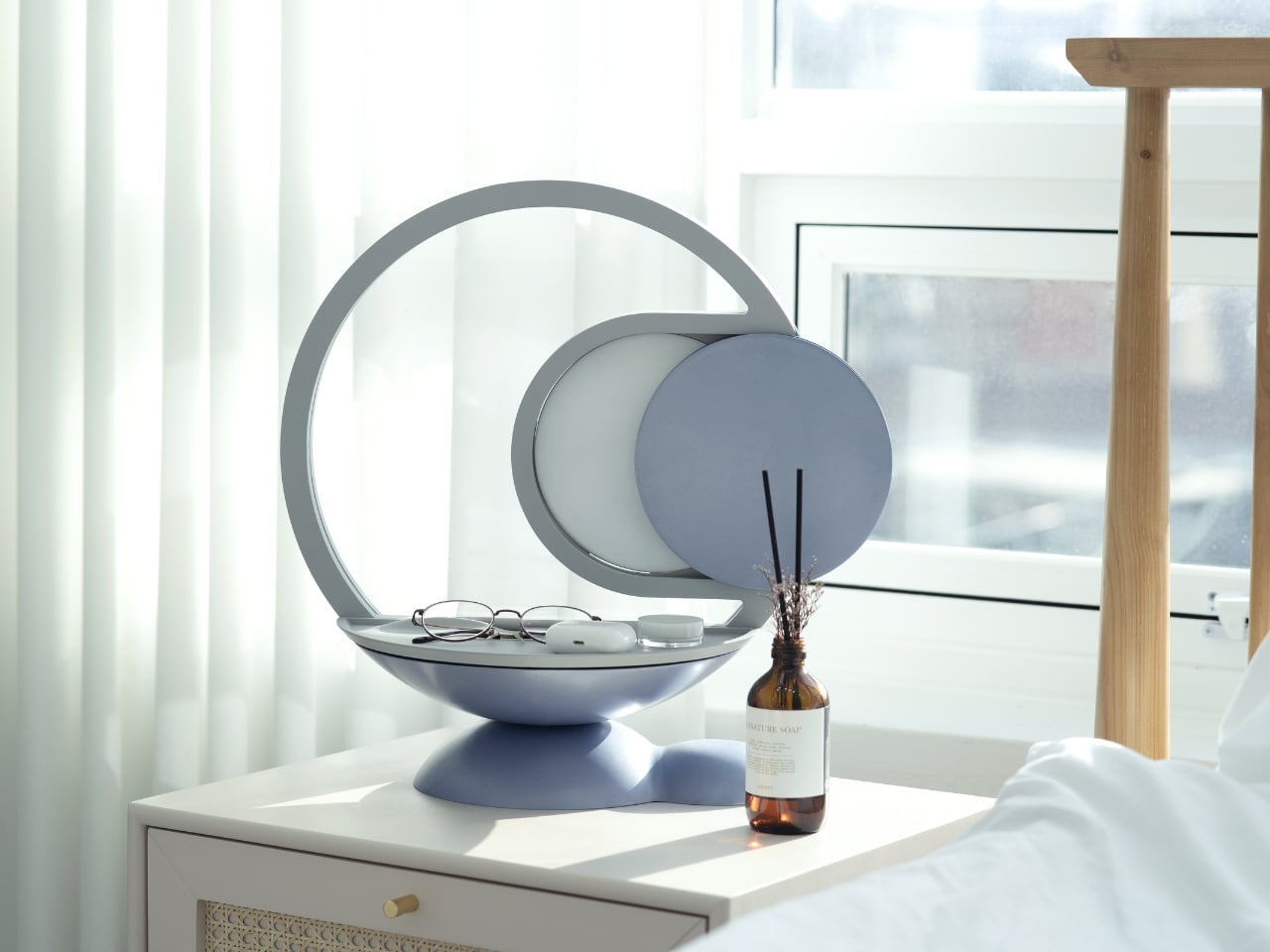
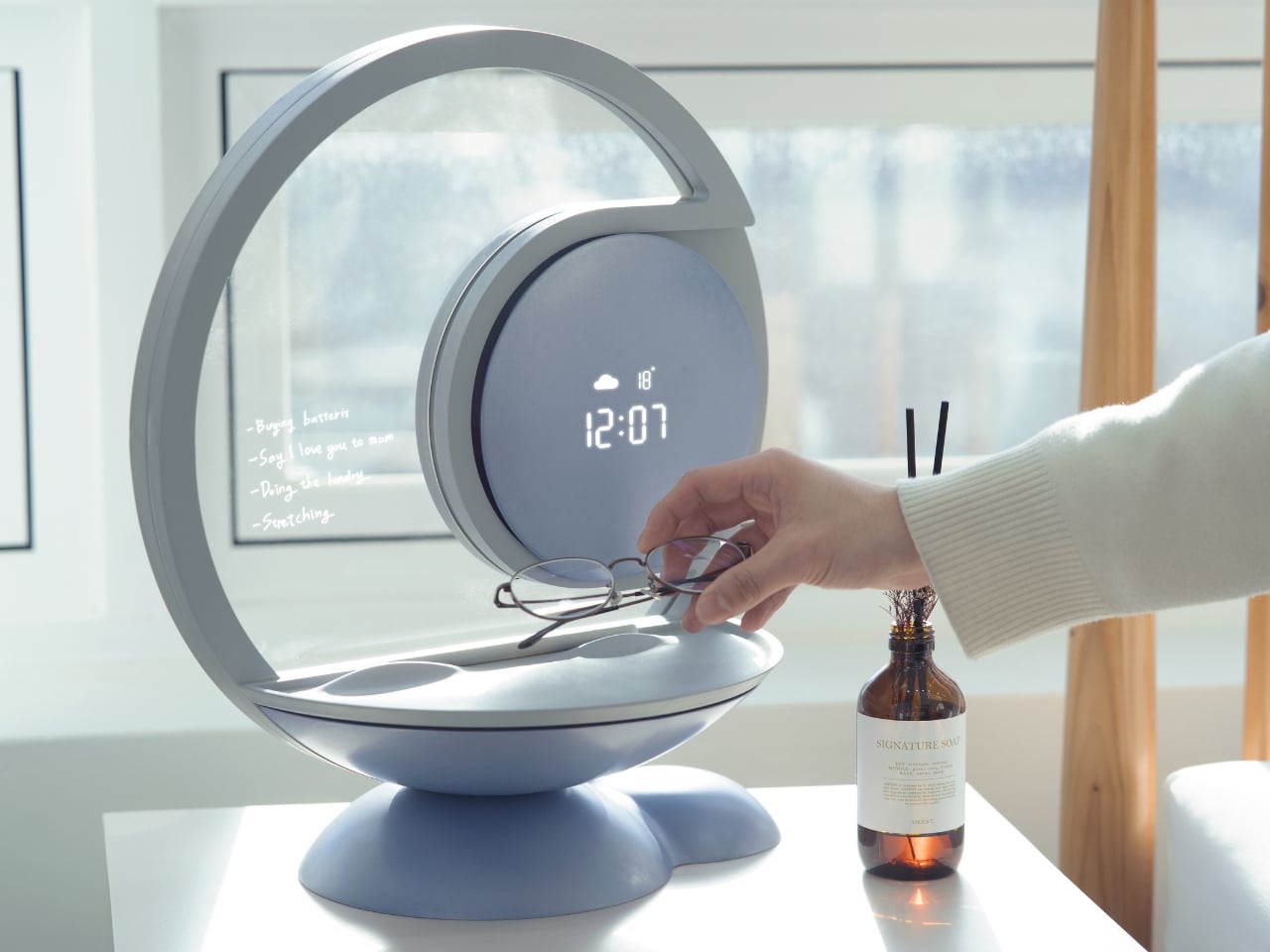
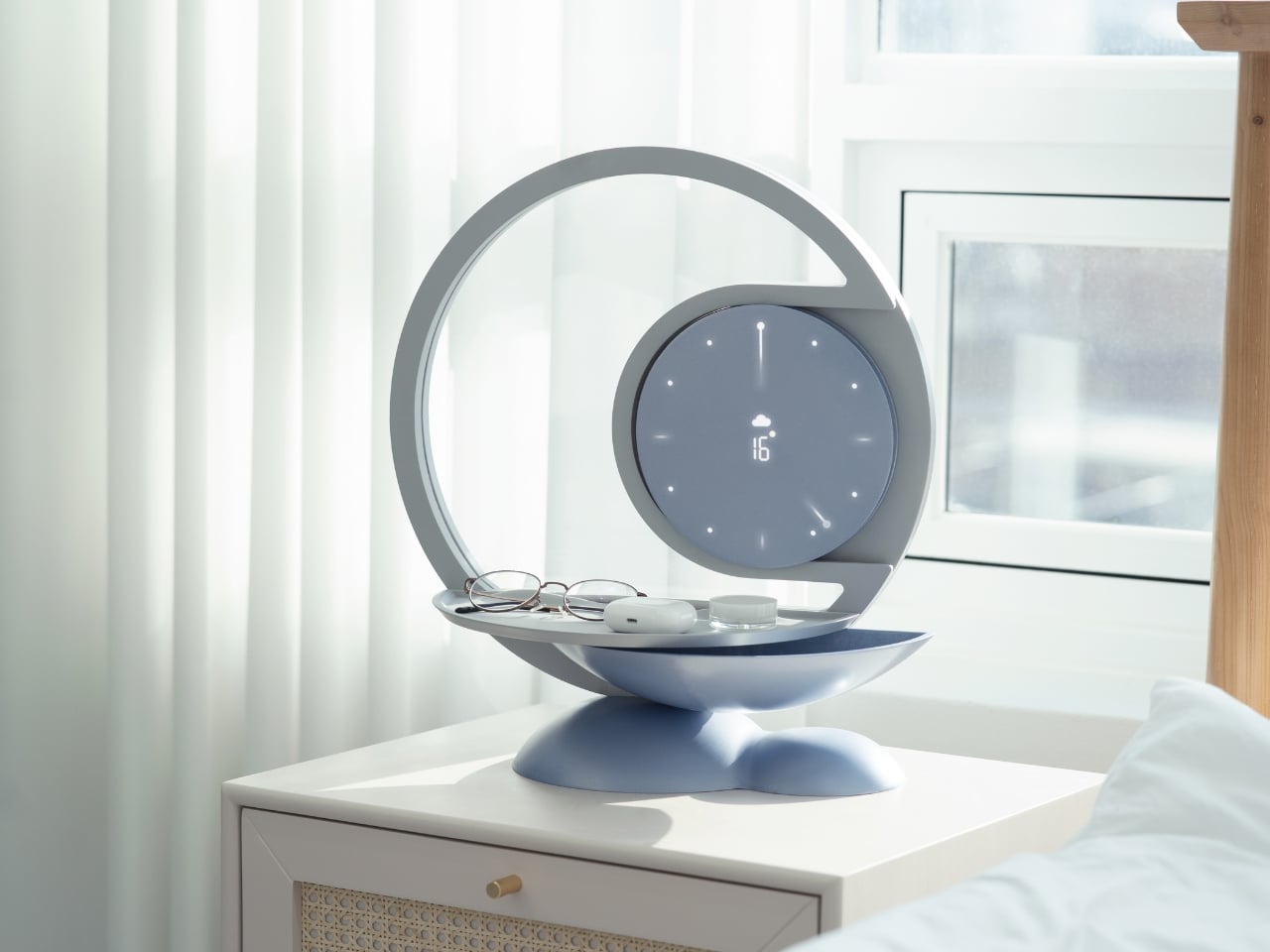
The design itself is remarkably soothing to look at. Kim built the entire aesthetic around soft curves and circular forms, which makes sense for something meant to bookend your day. The last thing you want on your nightstand is aggressive angles and harsh lines staring at you before bed or first thing in the morning. The lamp component arches over a shallow tray, creating this balanced, almost zen-like silhouette that wouldn’t look out of place in a boutique hotel or a carefully curated Instagram feed.
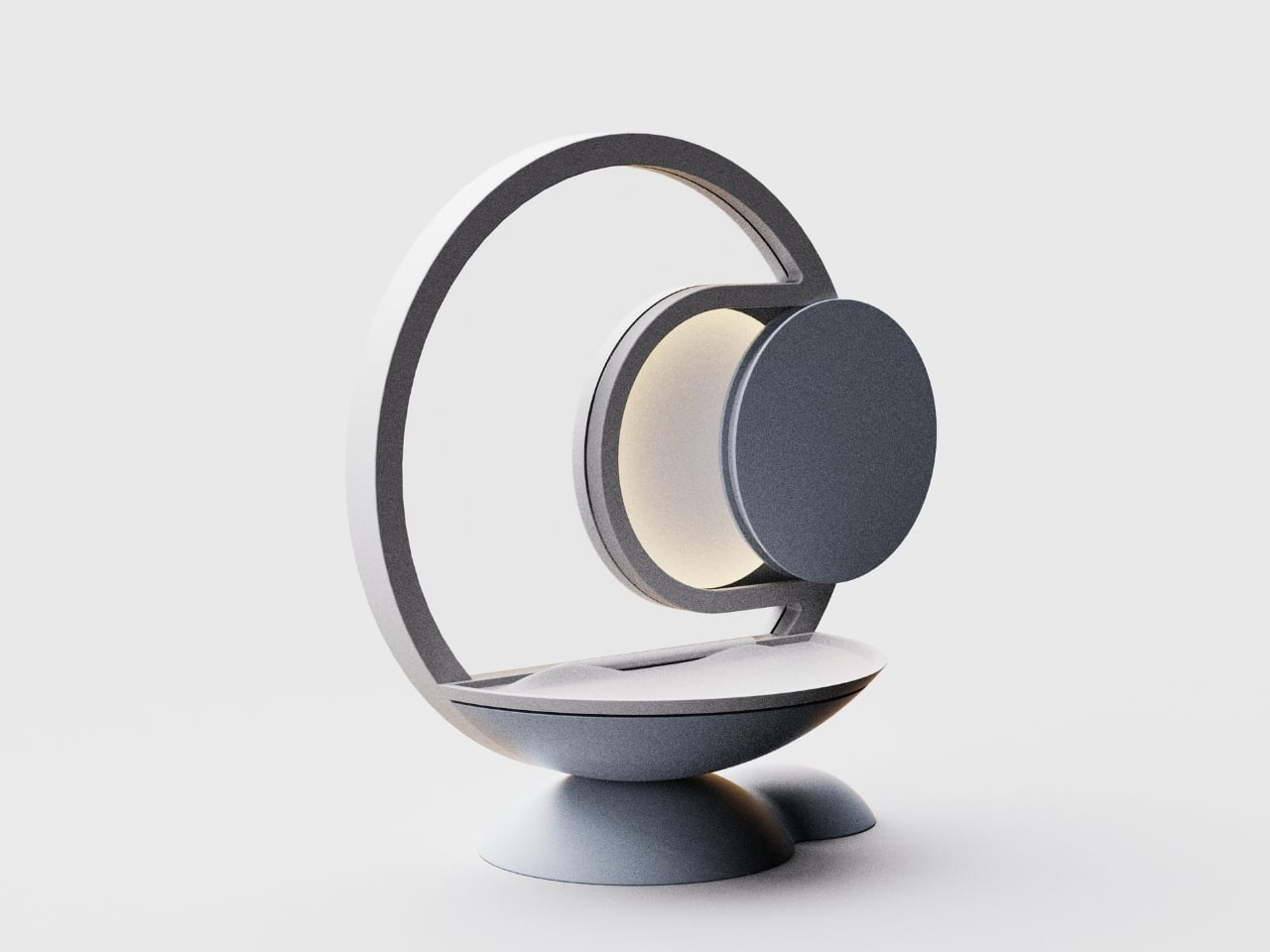
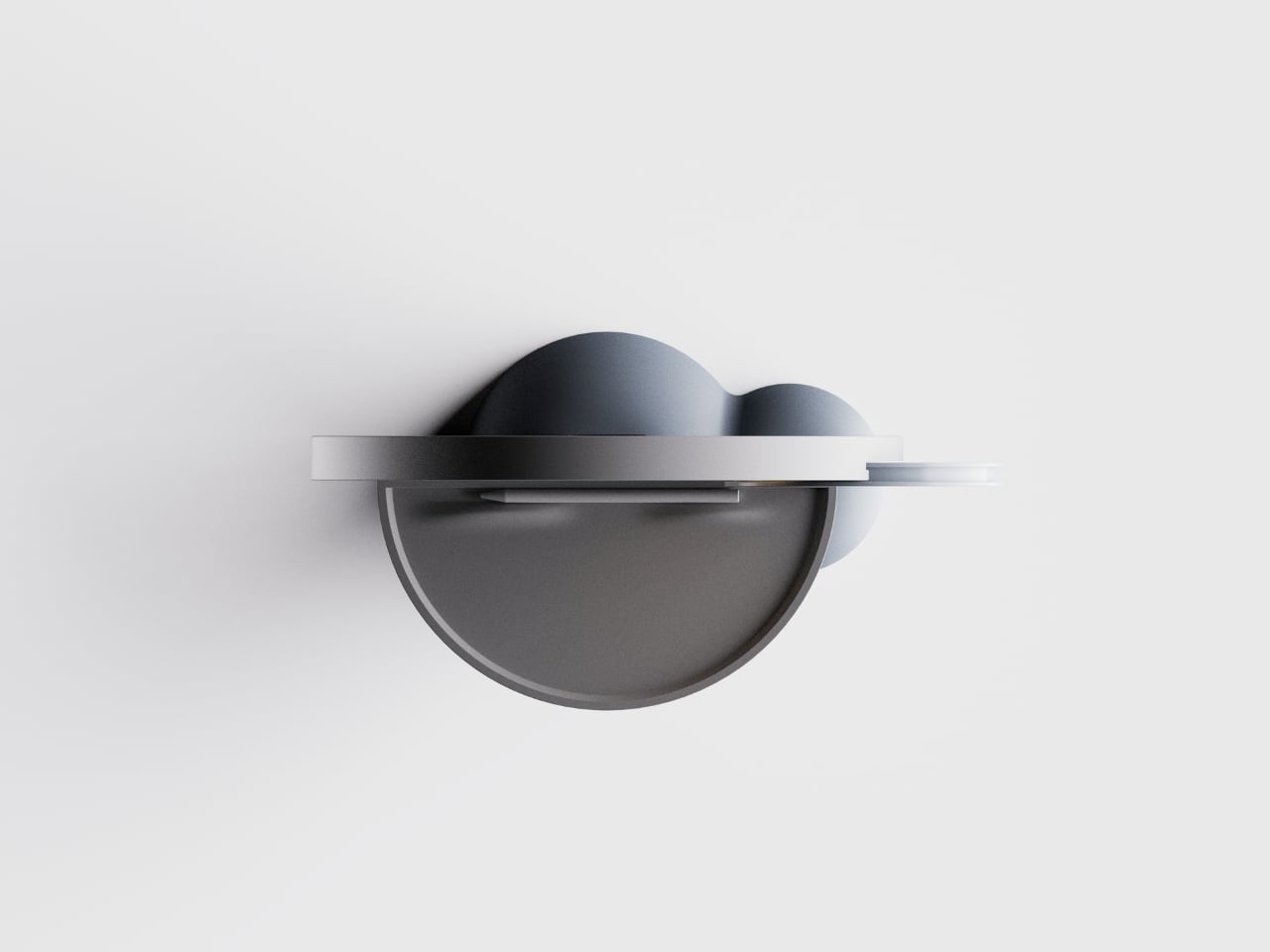
But the real cleverness is in how it works. Darling connects to your schedule and uses light cues to help you remember things. Place your everyday essentials in the tray before bed, and when it’s time to leave in the morning, the device uses flickering lights to remind you to grab what you need. It’s a subtle nudge rather than an alarm or notification, which feels refreshingly analog in our current era of constant pings and alerts.
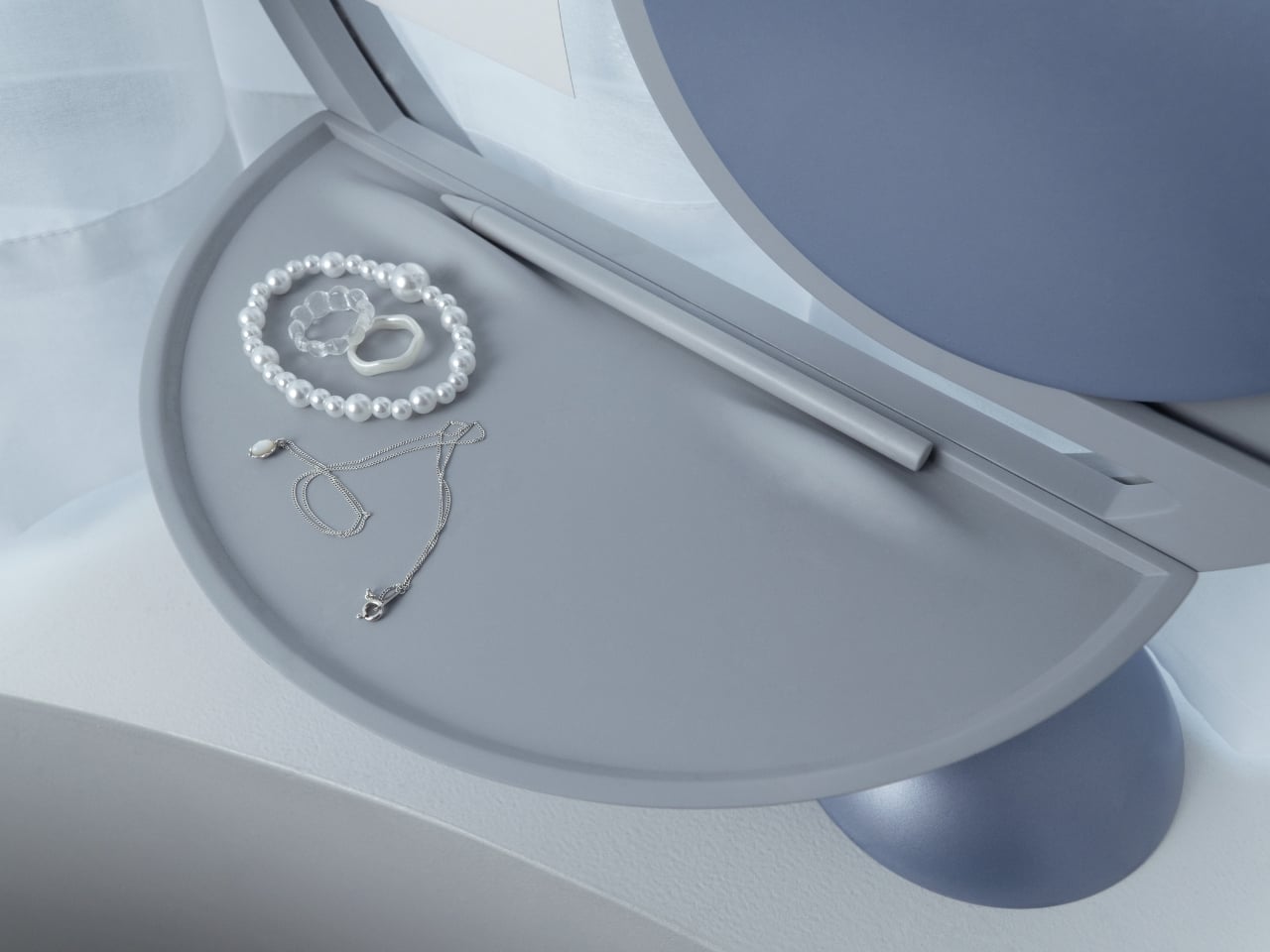
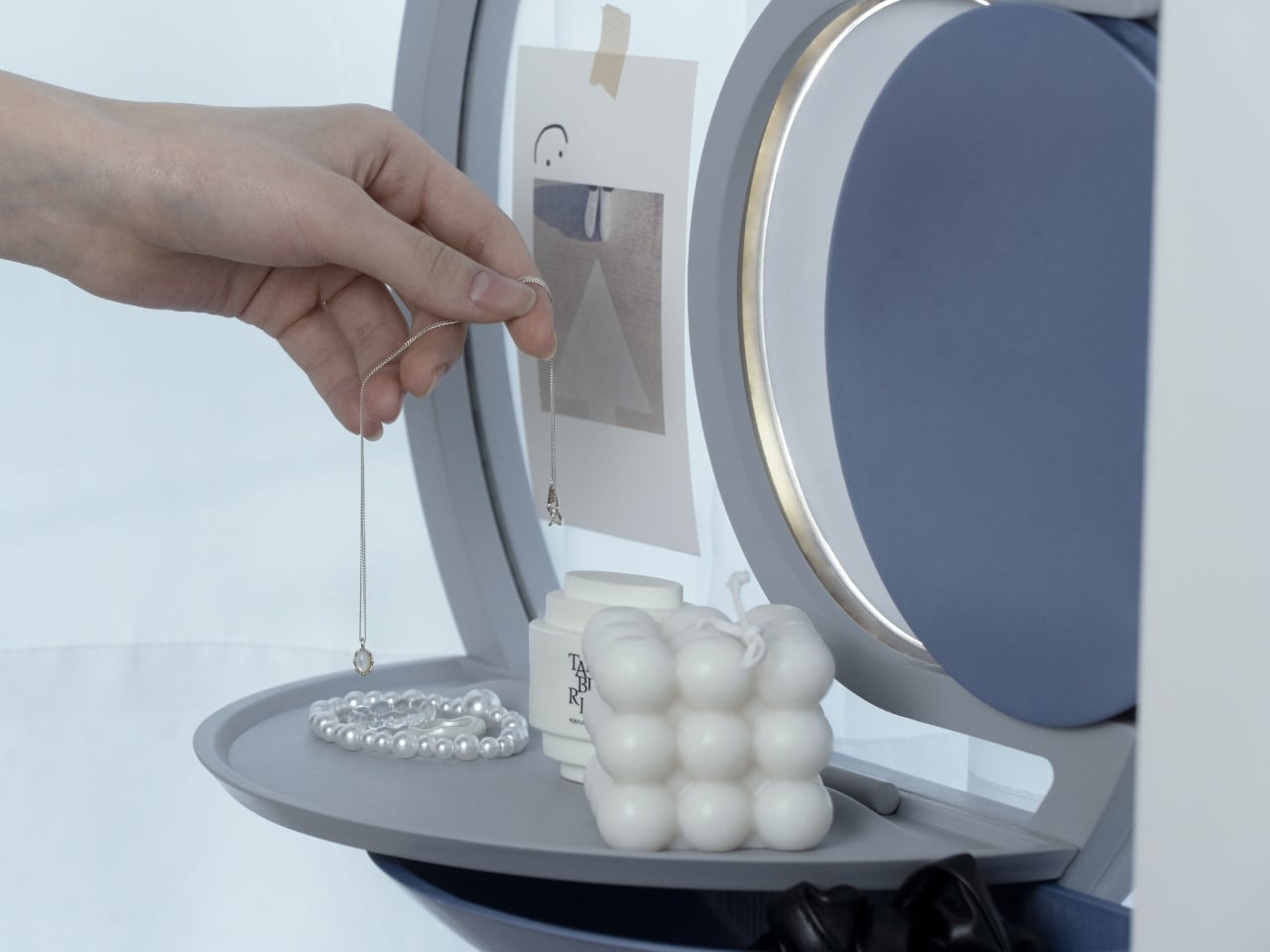
The psychology behind it is solid too. Memory experts have long advocated for designated spots for frequently used items. When your keys always go in the same place, your brain doesn’t have to work as hard to remember where they are. Darling just makes that designated spot beautiful and adds a gentle technological reminder system to back up your muscle memory.
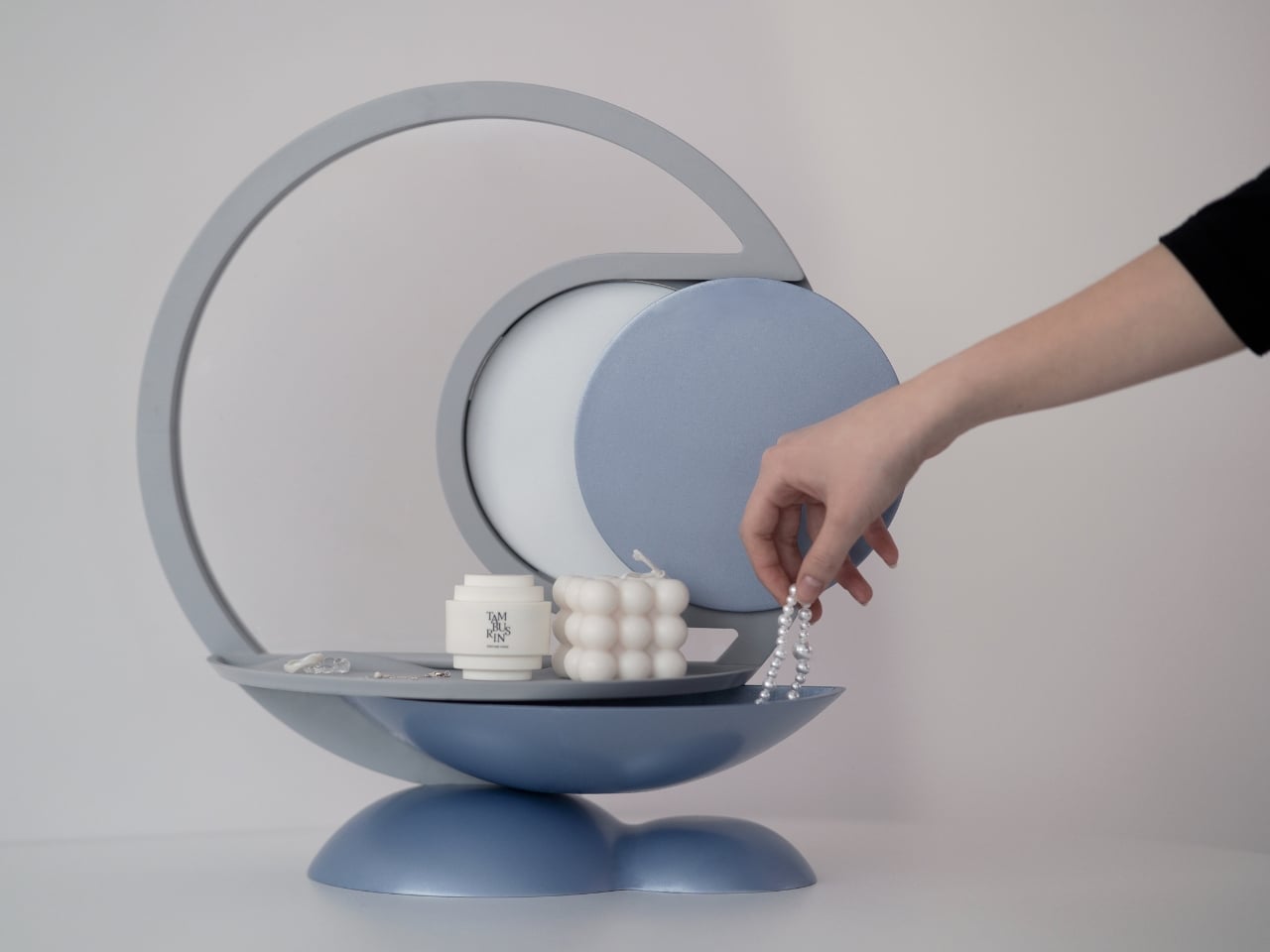
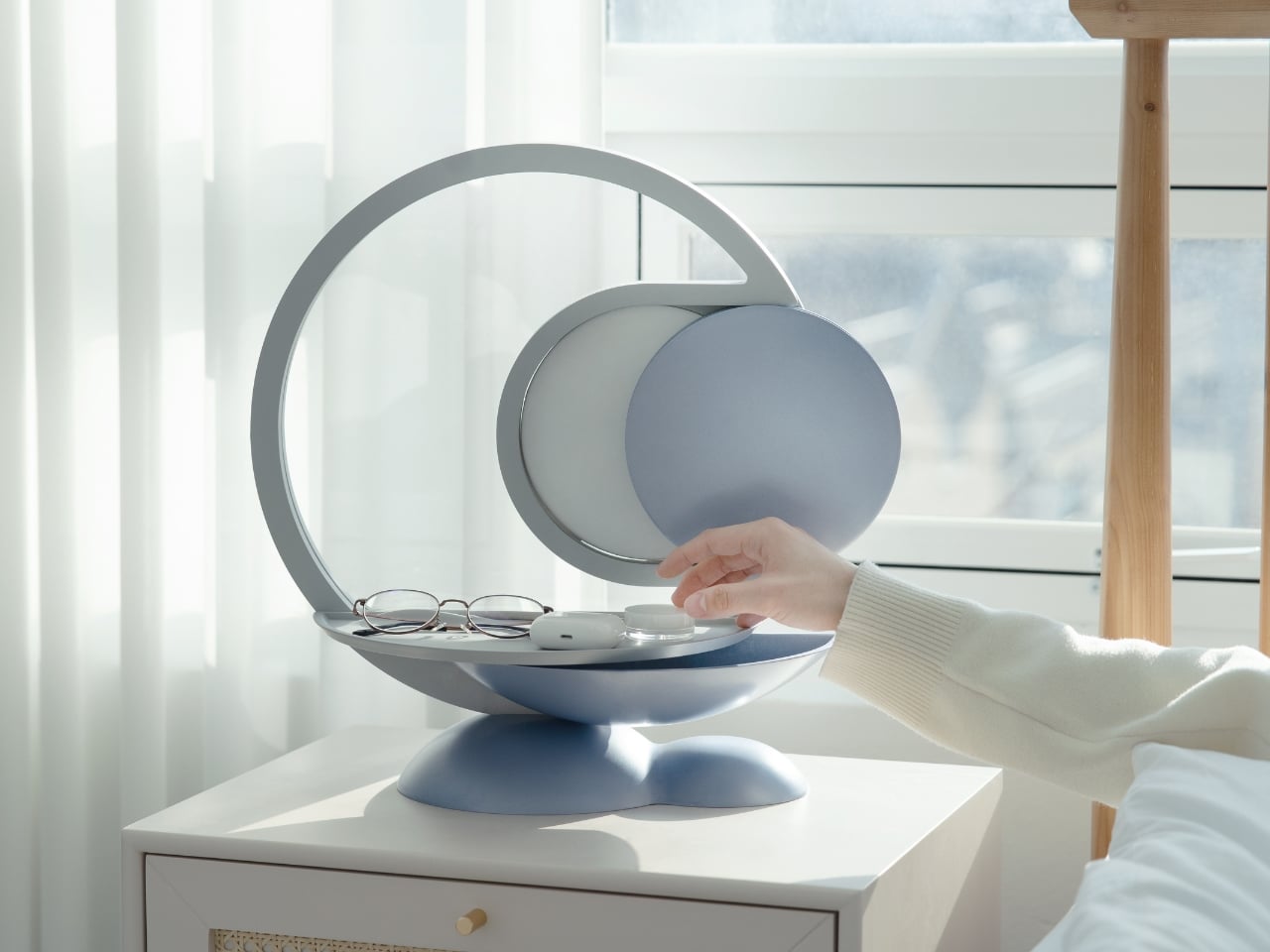
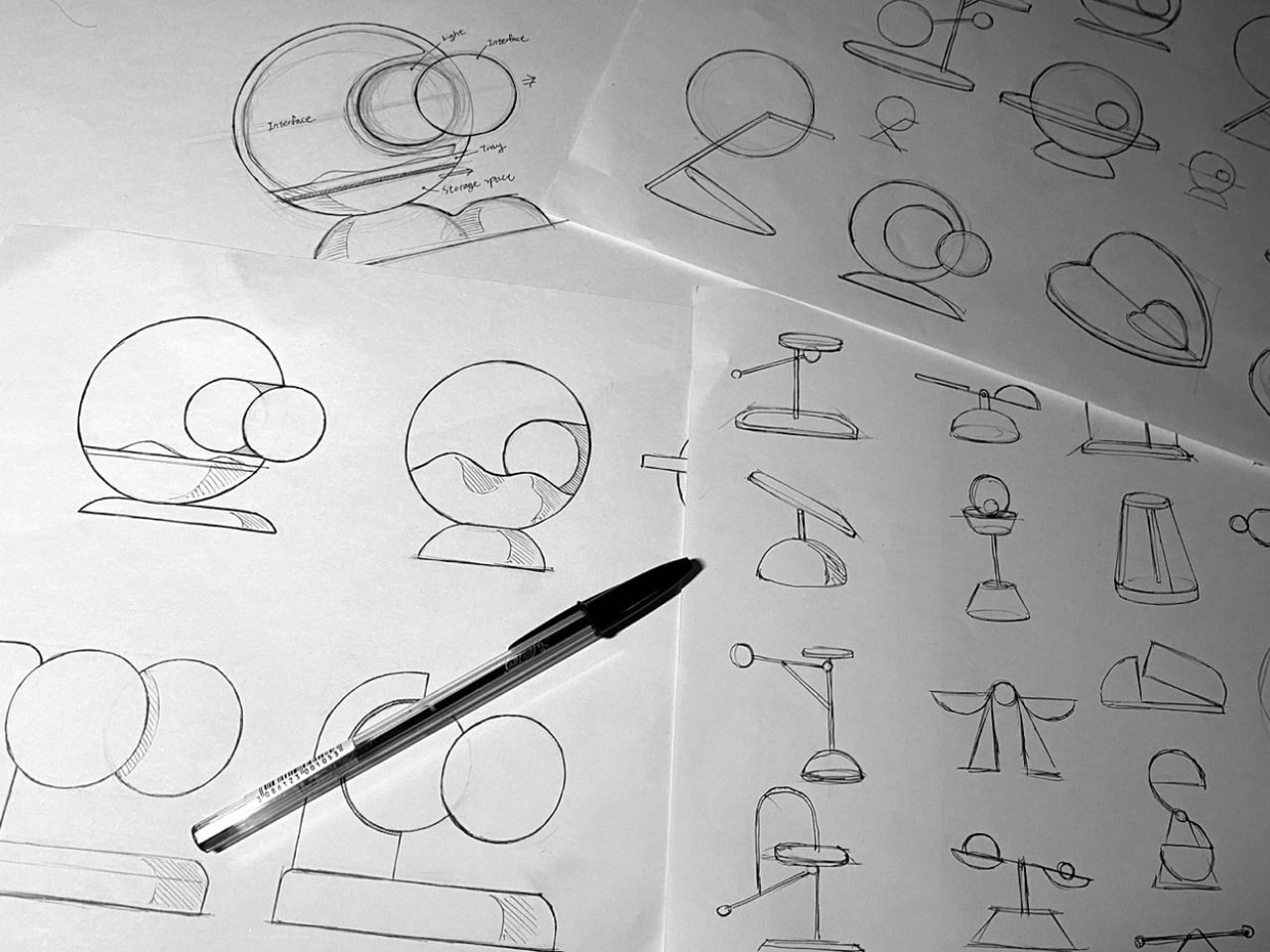
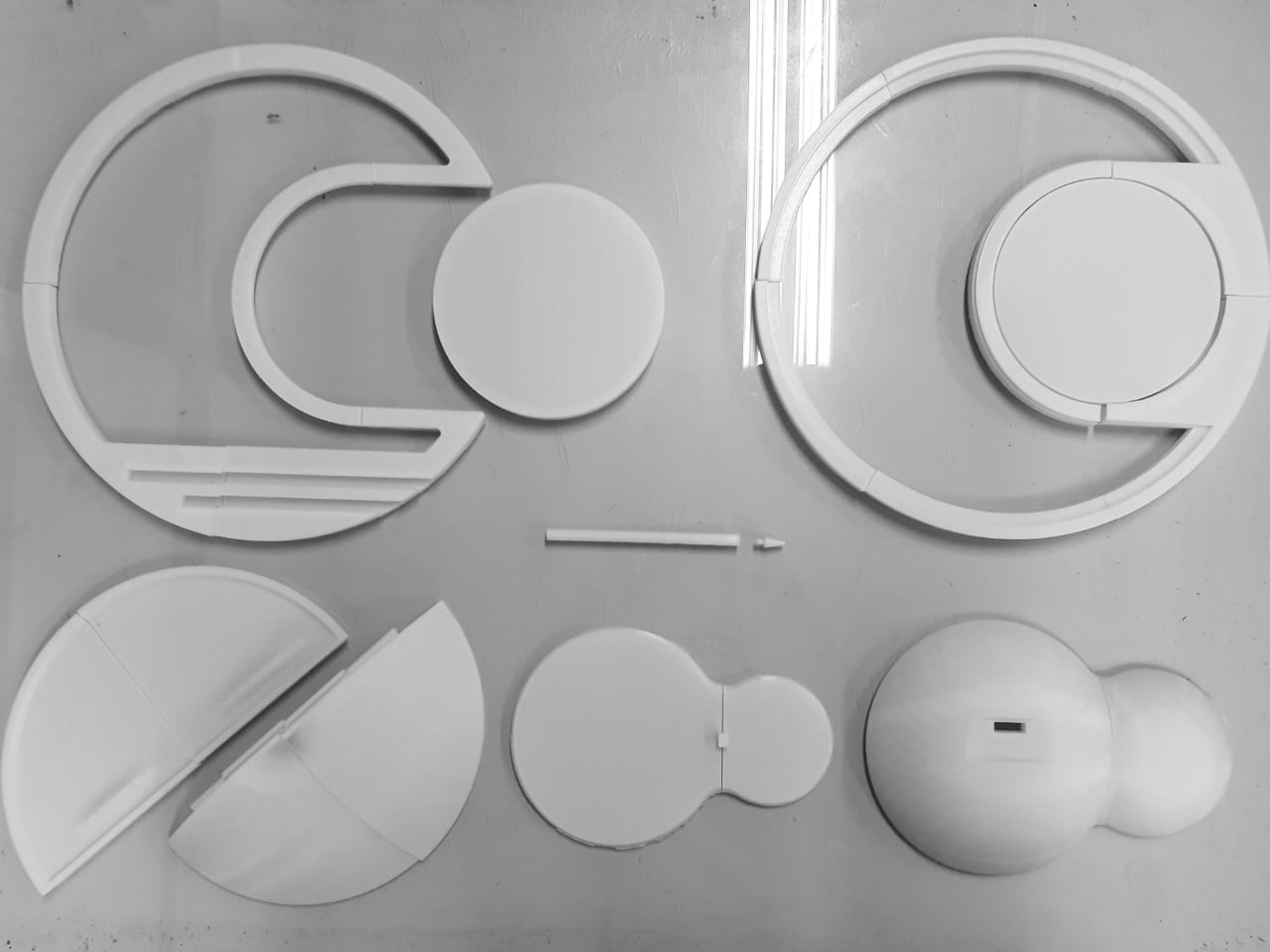
Looking at Kim’s development process, you can see the thoughtfulness that went into refining the concept. The sketches show dozens of iterations, each exploring different configurations of the circular theme. The prototyping photos reveal careful attention to how hands interact with the object, how the tray needs to be positioned, and how the lamp should cast light without being obtrusive.
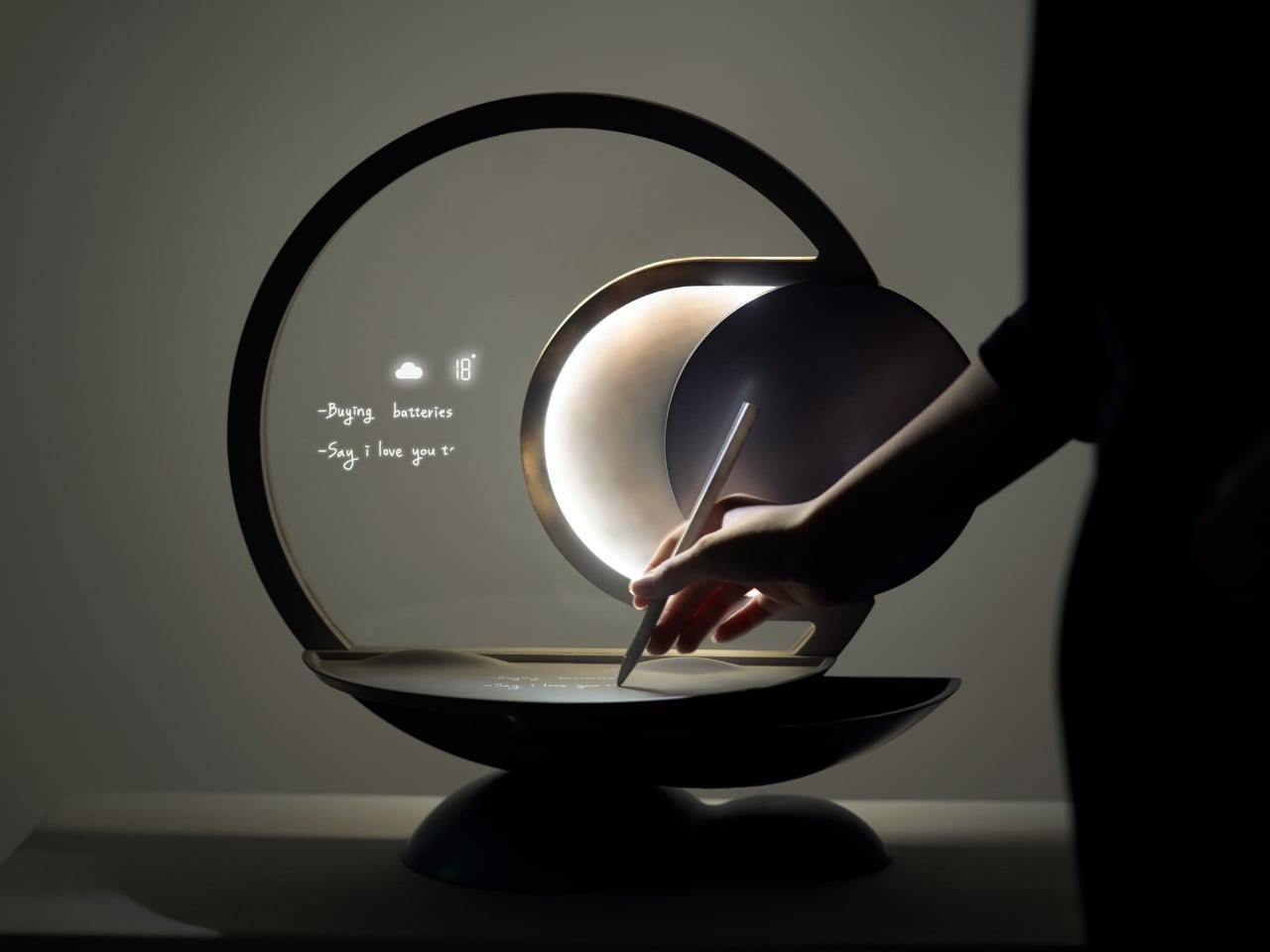
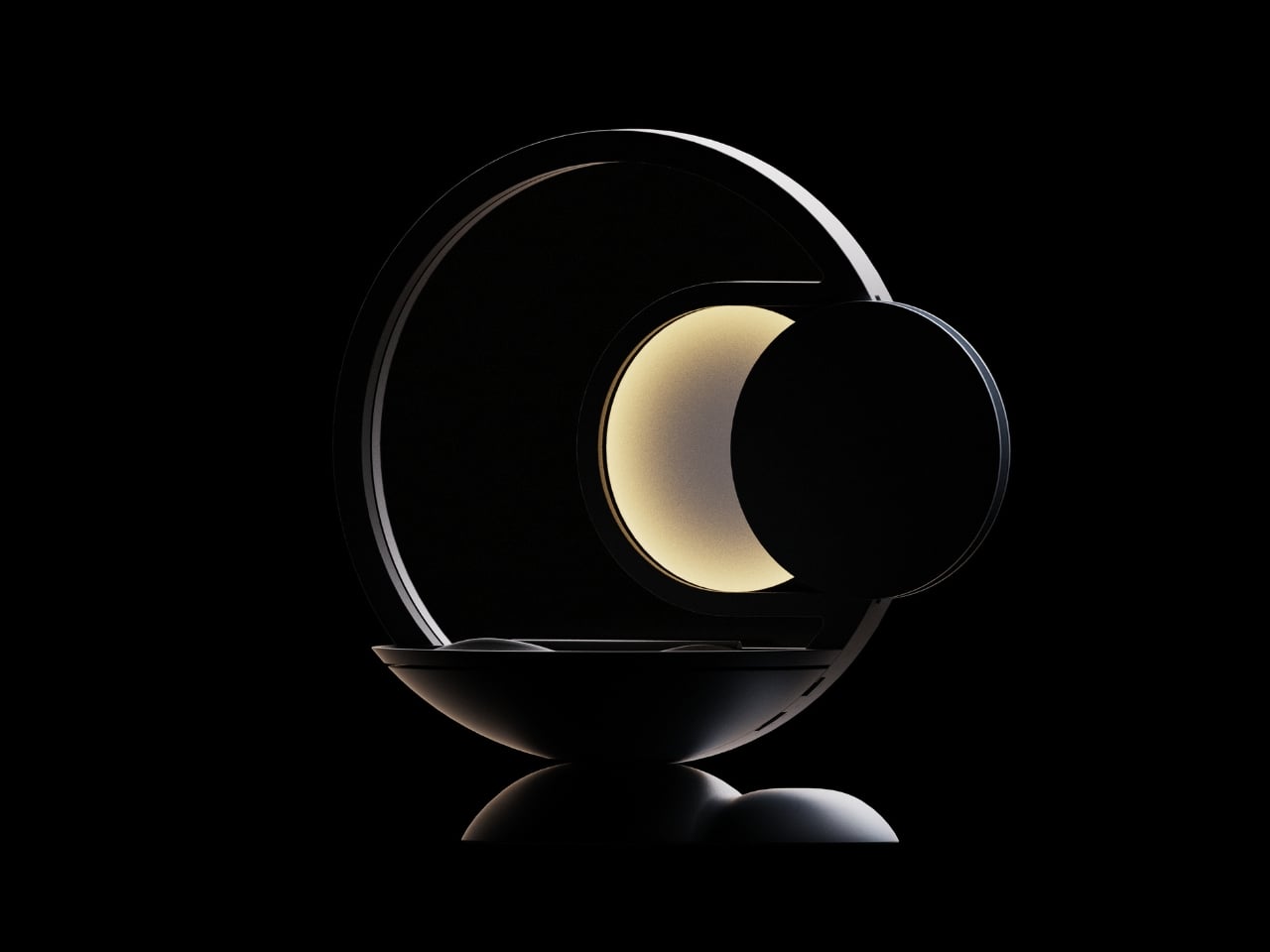
What makes Darling particularly interesting in the broader design landscape is how it pushes back against the “smarter is better” mentality. We’re surrounded by devices that want to do everything, track everything, and connect to everything. Darling does exactly three things: it holds your stuff, it lights your space, and it reminds you not to forget. That restraint feels almost radical.
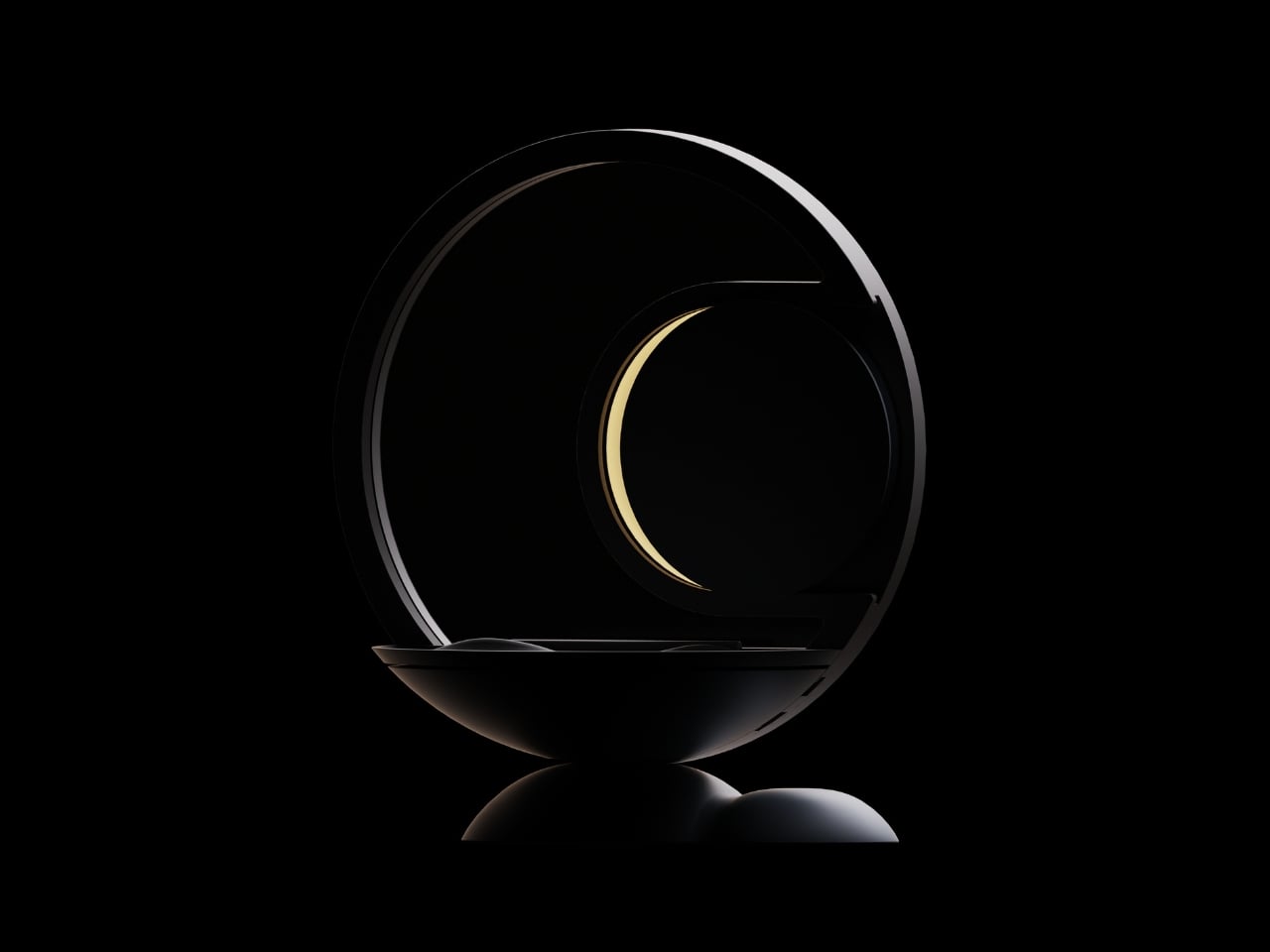
The concept also reflects a larger conversation happening in design circles about how technology should integrate into our most personal spaces. Bedrooms have become battlegrounds for sleep trackers, smart speakers, and charging stations for multiple devices. Darling suggests that maybe what we need isn’t more capability but more calm. A piece that helps us be slightly more organized without demanding we learn a new app or wade through settings menus.
Whether Darling makes it from concept to production remains to be seen. But as a design statement, it’s already doing important work. It reminds us that solving everyday problems doesn’t always require complex solutions. Sometimes you just need something beautiful that flickers at the right moment.