
Remember the pocket archaeology of untangling your headphones every single time you pulled them out? That split second of dread when you’d fish them from your bag only to discover they’d somehow tied themselves into impossible knots? Designer Aleš Boem remembers. But instead of trying to solve that universal frustration, he’s immortalized it.
His project, Tangled Headphones for print, takes that chaotic mess of wires we all spent years battling and transforms it into something worth looking at. These aren’t functional headphones in the traditional sense. They’re 3D-printed sculptures that wear their tangles like a badge of honor, turning what used to drive us crazy into the entire aesthetic.
Designer: Aleš Boem
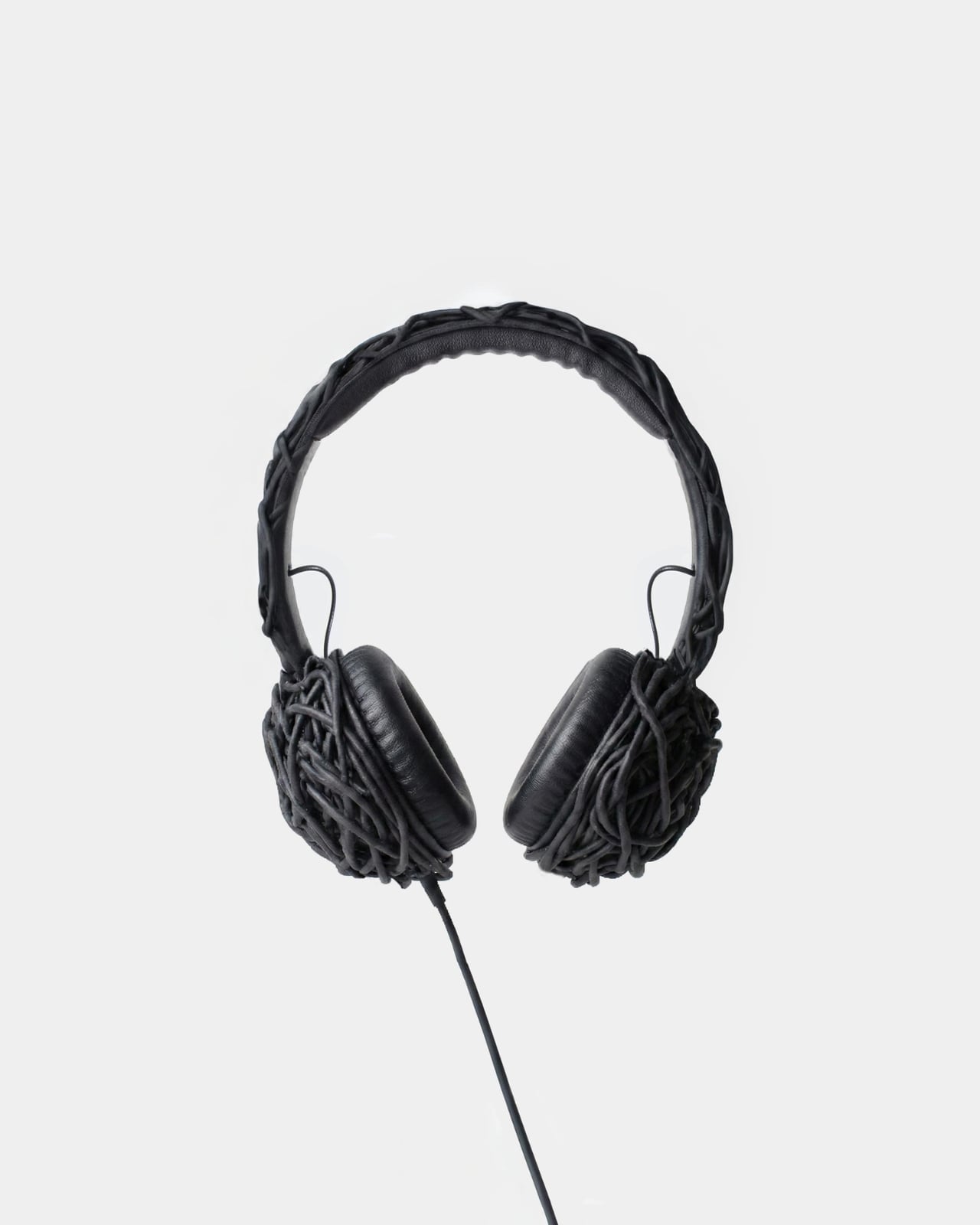

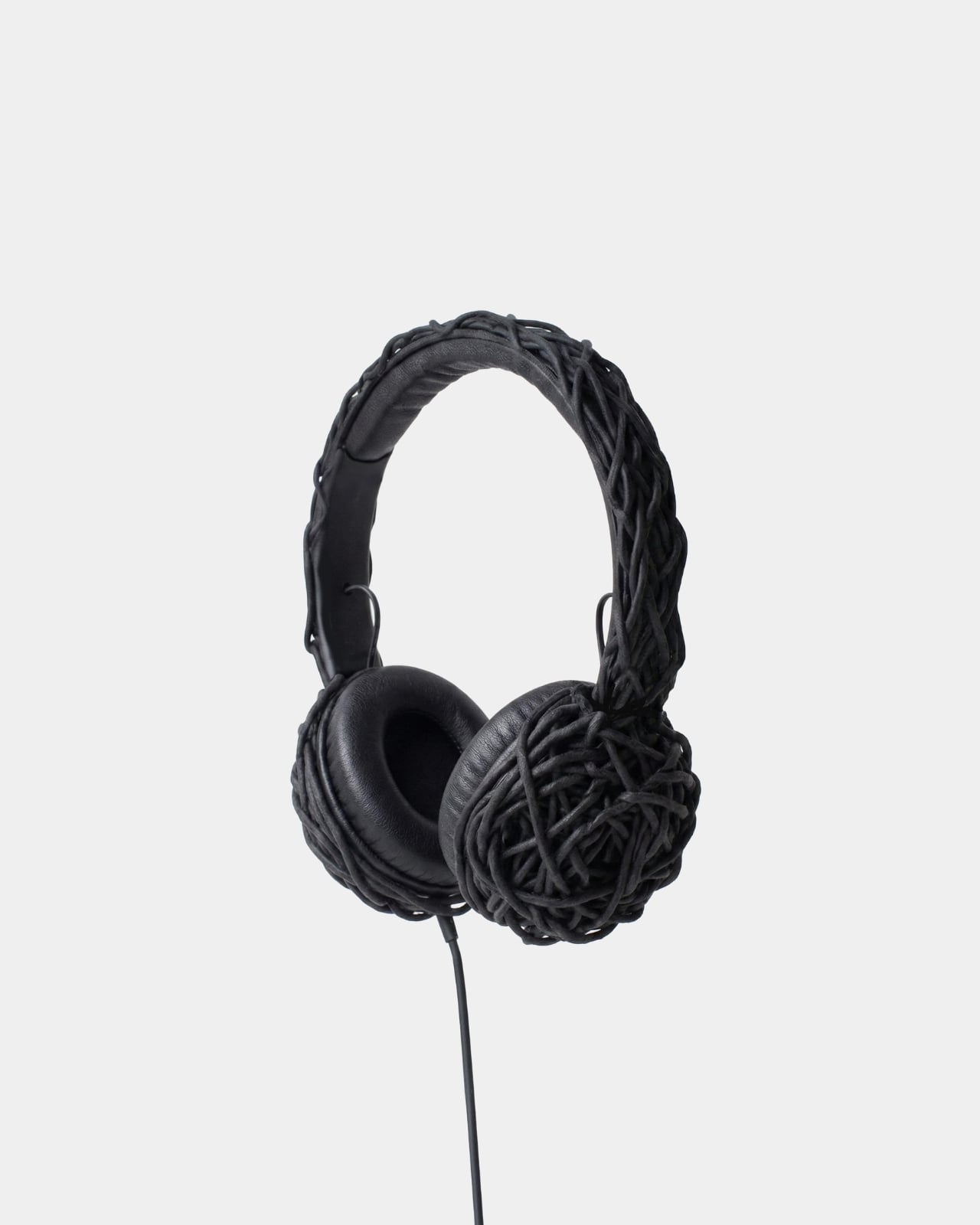
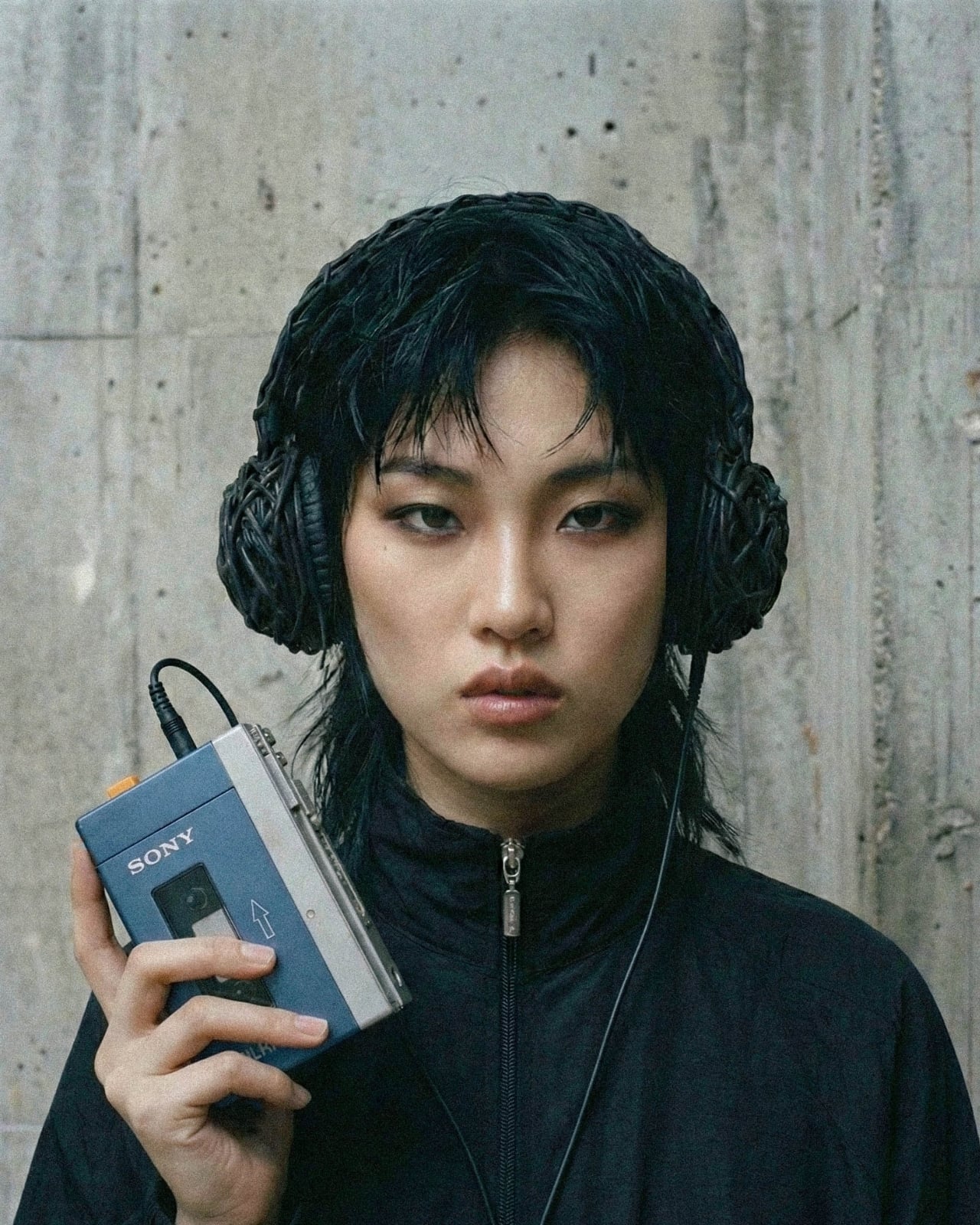
The design itself is striking. Boem has essentially frozen a moment of cable chaos in black plastic, creating headphones where the tangled cord isn’t a bug but the feature. The earcups are swallowed by loops and knots of wire, the headband twists and weaves, and even when you look at them straight on, your brain does that thing where it tries to trace the path of the cable and gets completely lost. It’s visually messy in the most deliberate, controlled way possible.
What makes this project so interesting is its timing. We’re living in the post-wire era. AirPods dangle from ears everywhere. Bluetooth has become the default. Most people under 20 probably think tangled headphones are some kind of abstract concept, like dial-up internet or waiting a week to see what your vacation photos looked like. But for everyone else, there’s this strange collective memory of the tangle struggle, and Boem is tapping directly into it.
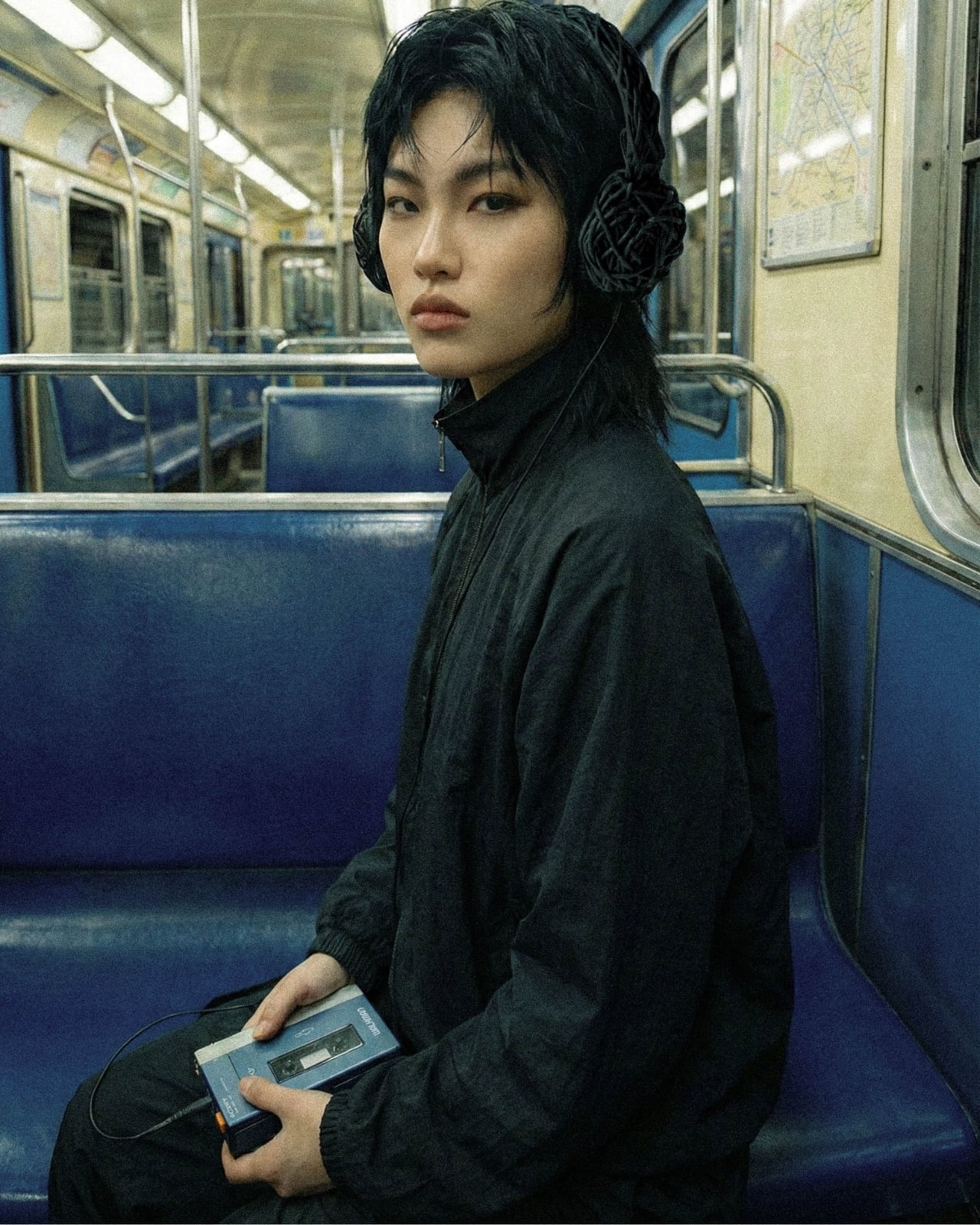
There’s something almost archaeological about seeing these headphones styled in those moody editorial photos. The model on the subway, holding a cassette player. The vintage Sony Walkman making an appearance. It’s not just product photography; it’s visual storytelling about a specific moment in technology that’s already slipped into nostalgia territory. The fact that these are 3D-printed adds another layer. Modern fabrication technology creating a monument to obsolete problems.
The sculptural quality is what really elevates this beyond a novelty. Look at the headphones on their own, isolated on that white background, and they read as genuine art objects. The tangles aren’t random. They’re carefully designed loops and intersections that create texture and volume. The way the cable winds around itself has rhythm to it. If you didn’t know what you were looking at, you might think it was some kind of experimental fashion accessory or a piece from a contemporary art exhibition. And maybe that’s the point. Good design often involves looking at the everyday and asking what if we didn’t fix this? What if we leaned into it instead? Boem took something universally annoying and reframed it as something worth preserving. It’s a love letter to the physical quirks of older technology, the little inconveniences that somehow become part of the experience.
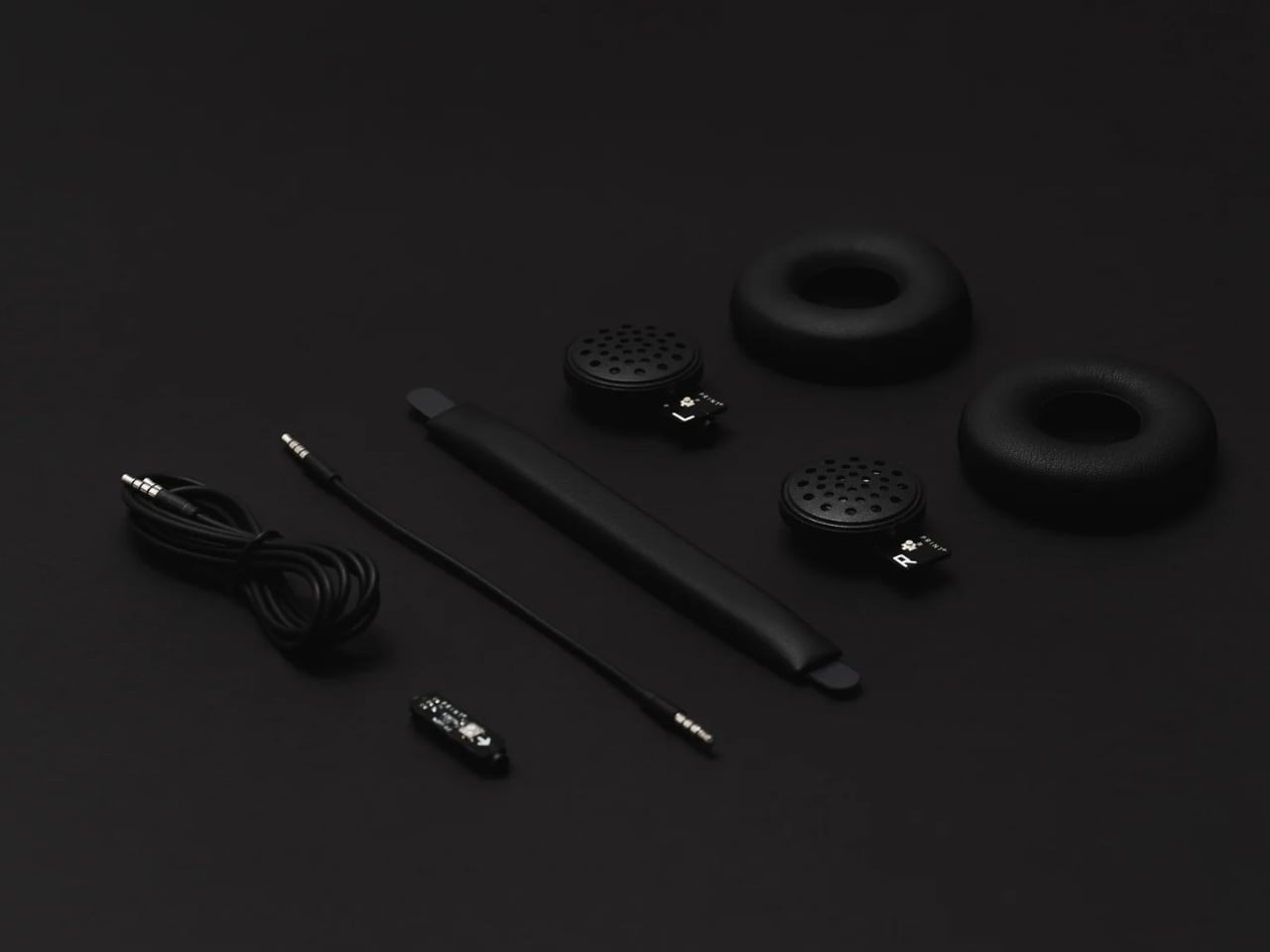
The project also raises questions about what we lose when technology goes wireless. Sure, nobody misses fighting with tangled cables at 7 AM while trying to catch the bus. But there was something tangible about wired headphones. They were physical objects with character. They got worn in. They had that one earbud that always died first. The cable would fray at exactly the spot where it bent coming out of your pocket. They broke, they lasted, they were real in a way that feels different from charging cases and Bluetooth pairing.
Tangled Headphones for print sits right in that weird space between functional design and art commentary. It’s too conceptual to be practical, but too grounded in real experience to be purely abstract. It’s a conversation starter, a nostalgia trigger, and a genuinely clever piece of design thinking all wound together. Whether you’d actually want to own a pair is almost beside the point. What matters is that Boem saw something everyone else was trying to eliminate and decided it was worth celebrating instead. In doing that, he created something that makes you look twice and remember a very specific kind of small, everyday chaos that barely exists anymore. That’s pretty special.