
Meta talks about XR glasses as companions for your social life. Snap a photo, answer a call, ask an AI what you are looking at. The PlayStation XR Glasses concept spins that idea toward a different center of gravity. Here, the glasses are not about broadcasting your world. They are about pulling the PlayStation universe closer, shrinking the distance between you, your console, and the screen that usually sits across the room.
Here, XR is not a spectacle. It is a subtle layer that folds into your existing PlayStation life. Imagine a virtual screen hovering above your TV stand, system notifications floating at the edge of your vision, a familiar PS logo resting by your temple like the Start button you have pressed a thousand times. The fantasy is not about replacing your PS5, but about letting its world follow you from couch to desk to bed, quietly, through something that looks like ordinary eyewear.
Designer: Shirish Kumar
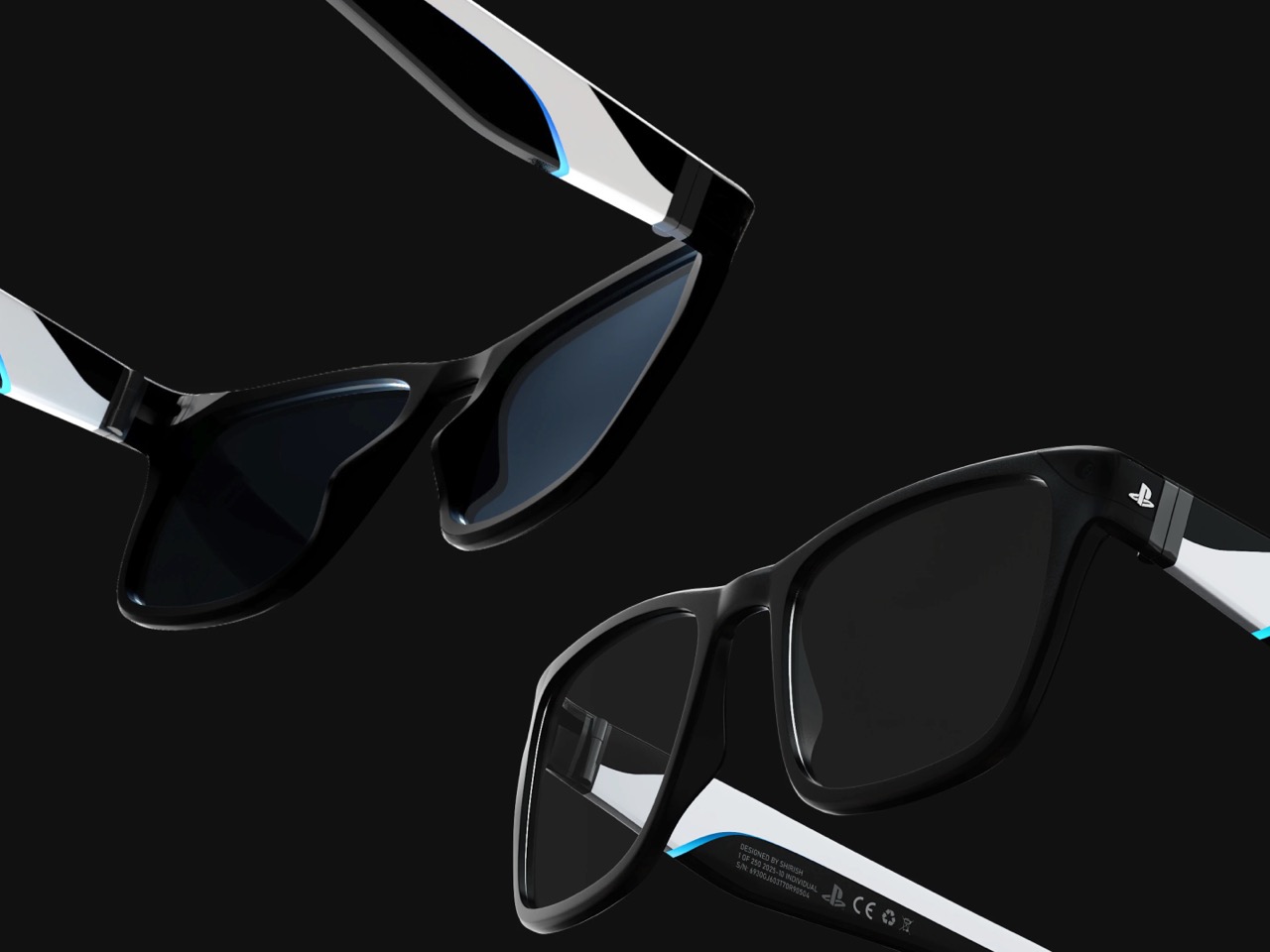
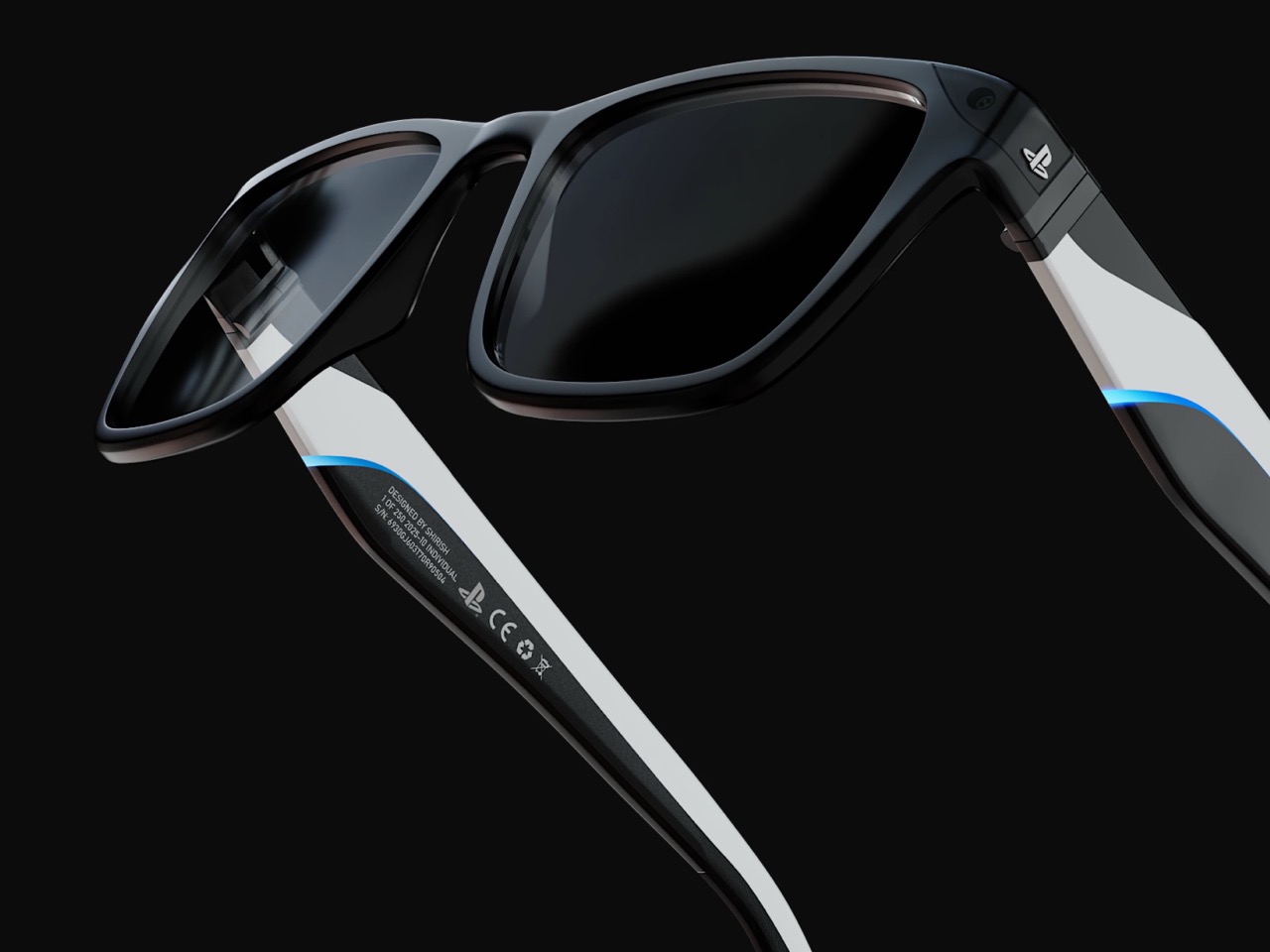
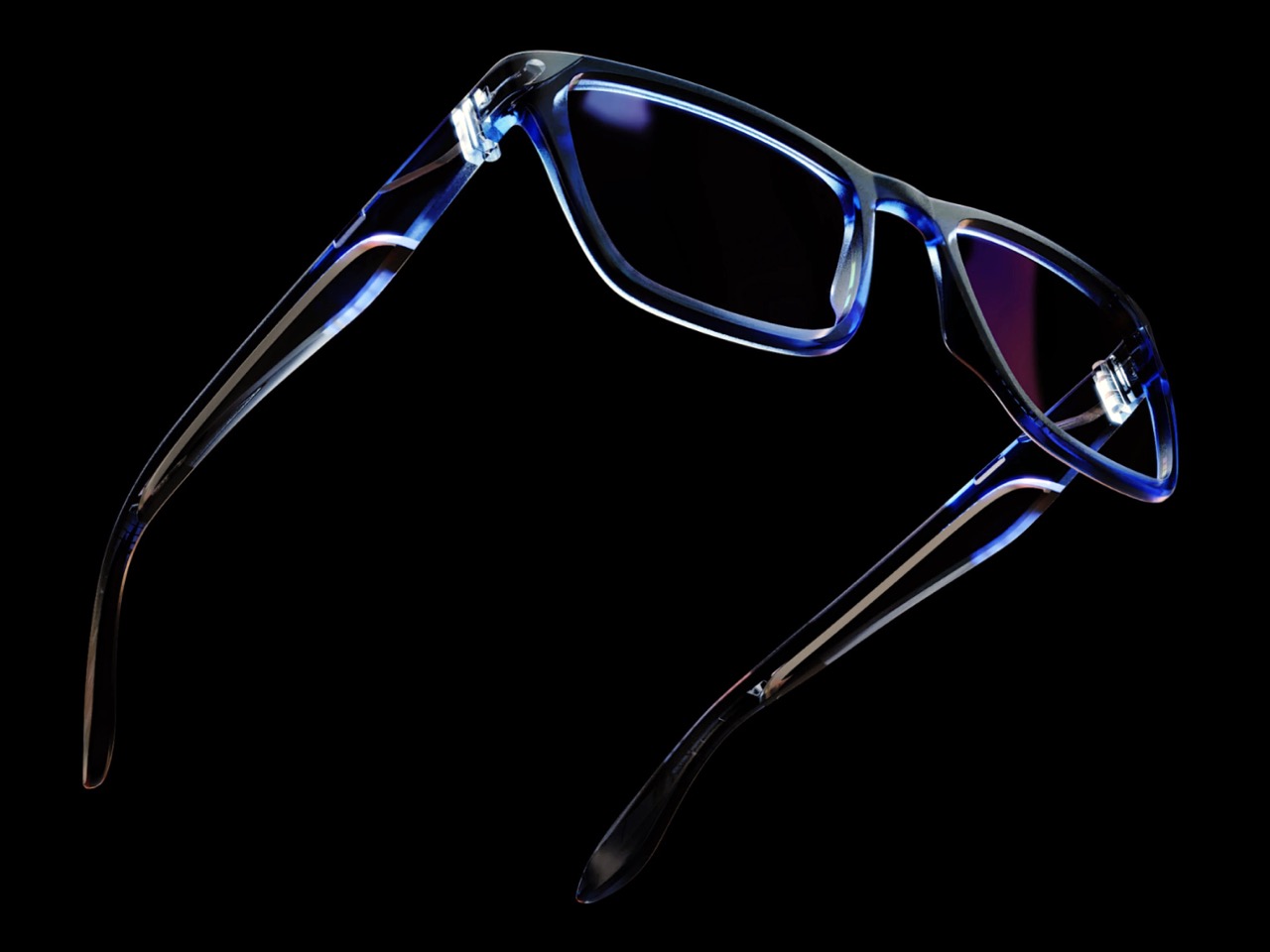
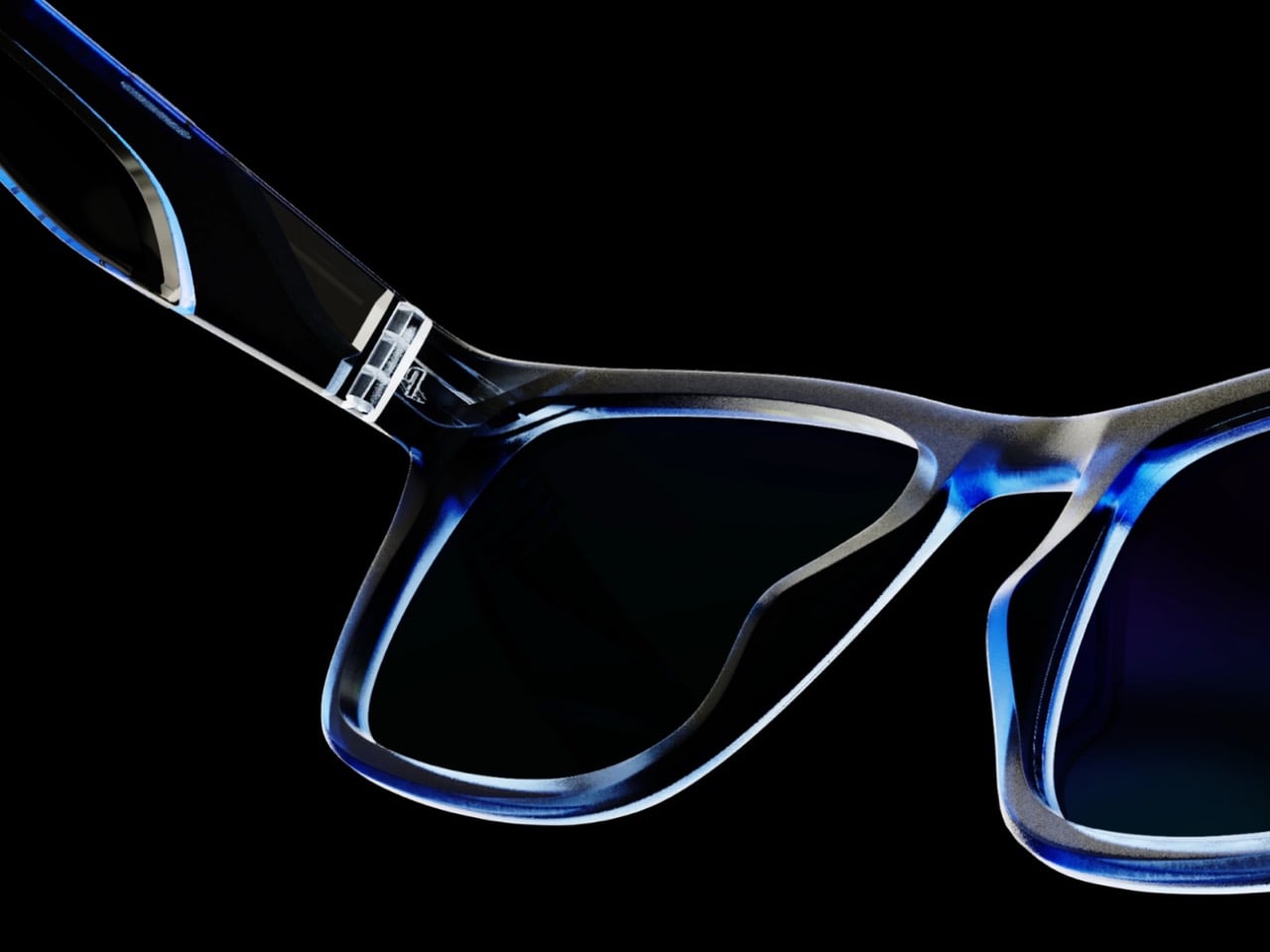
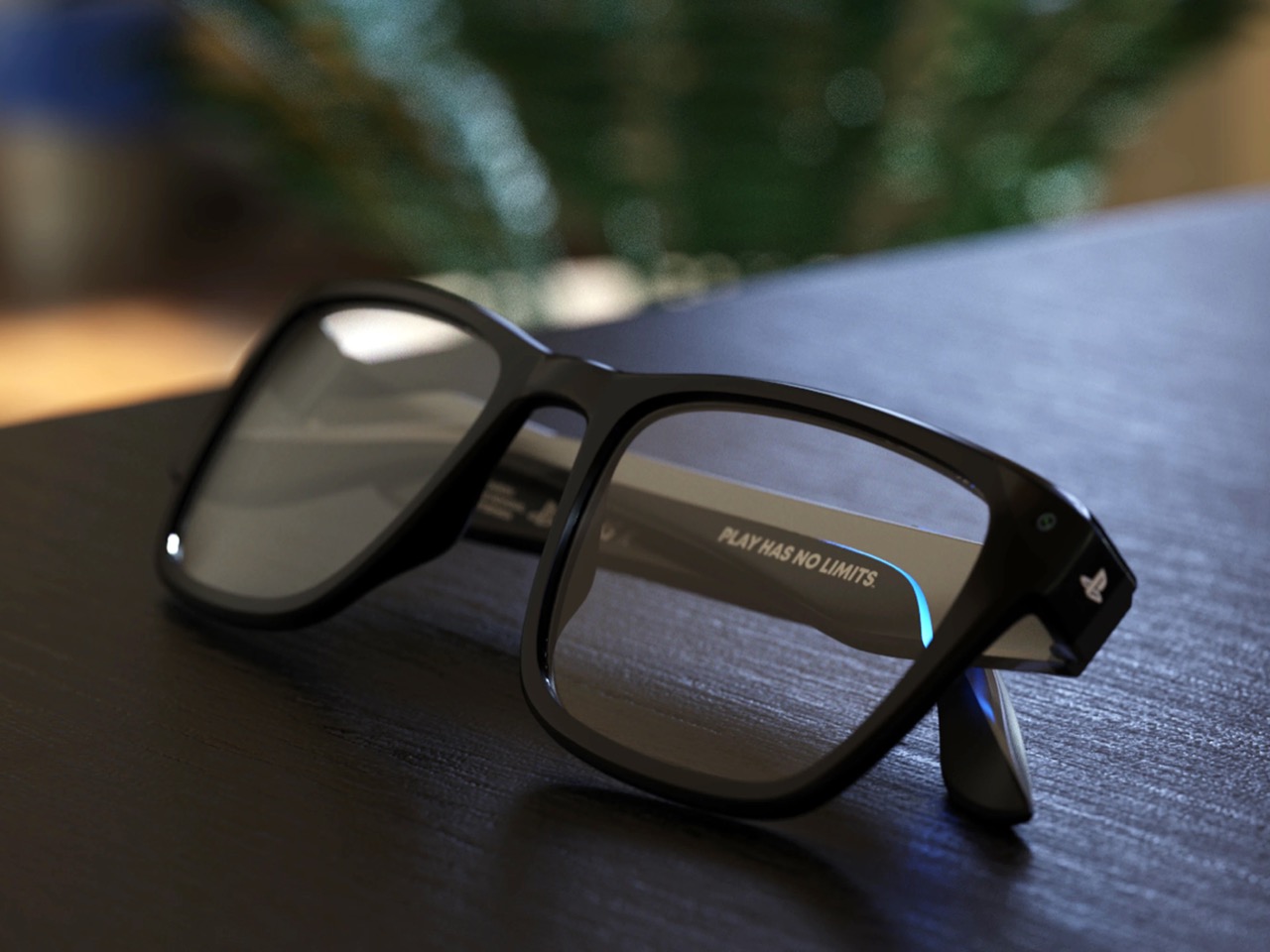
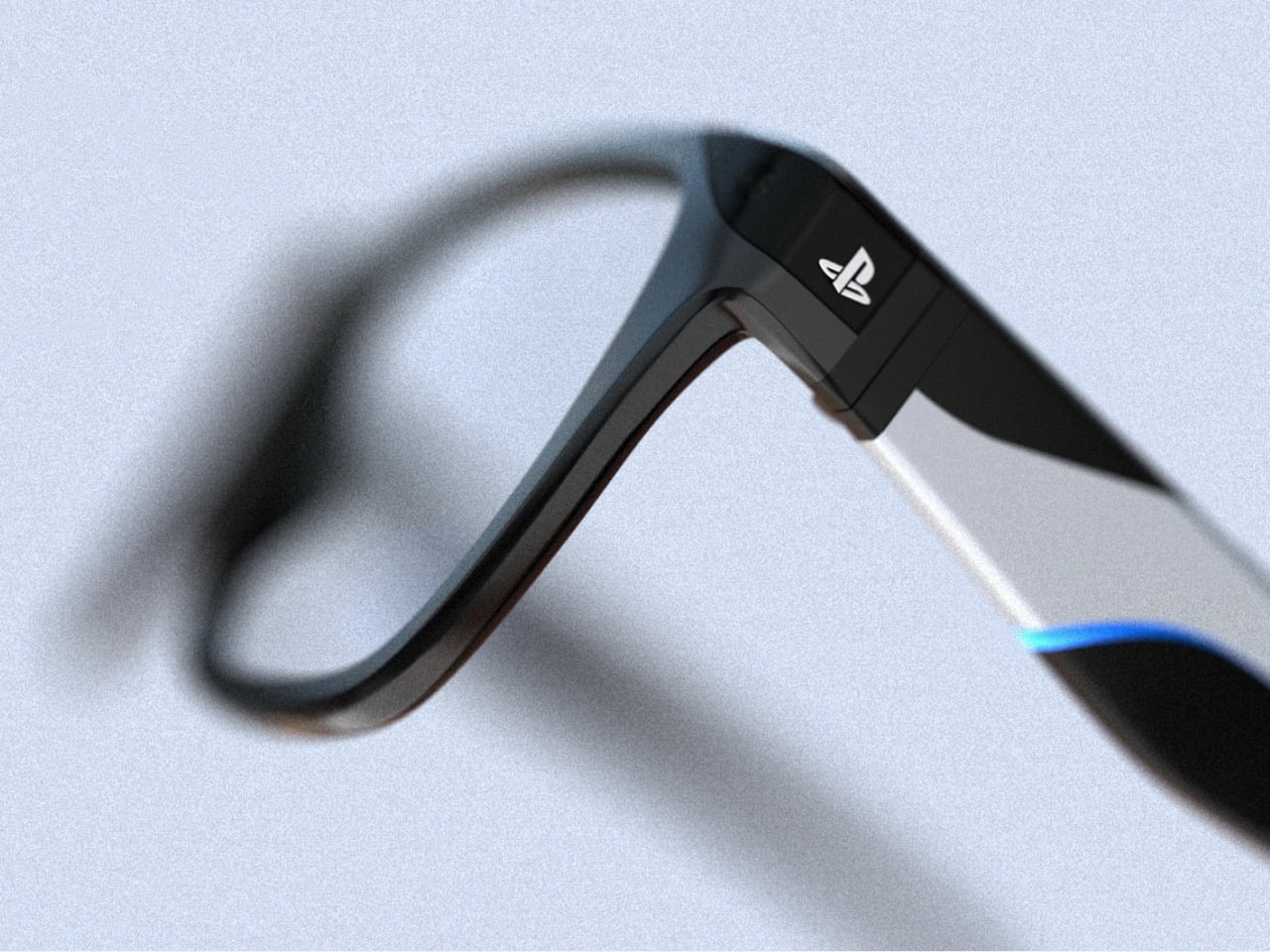
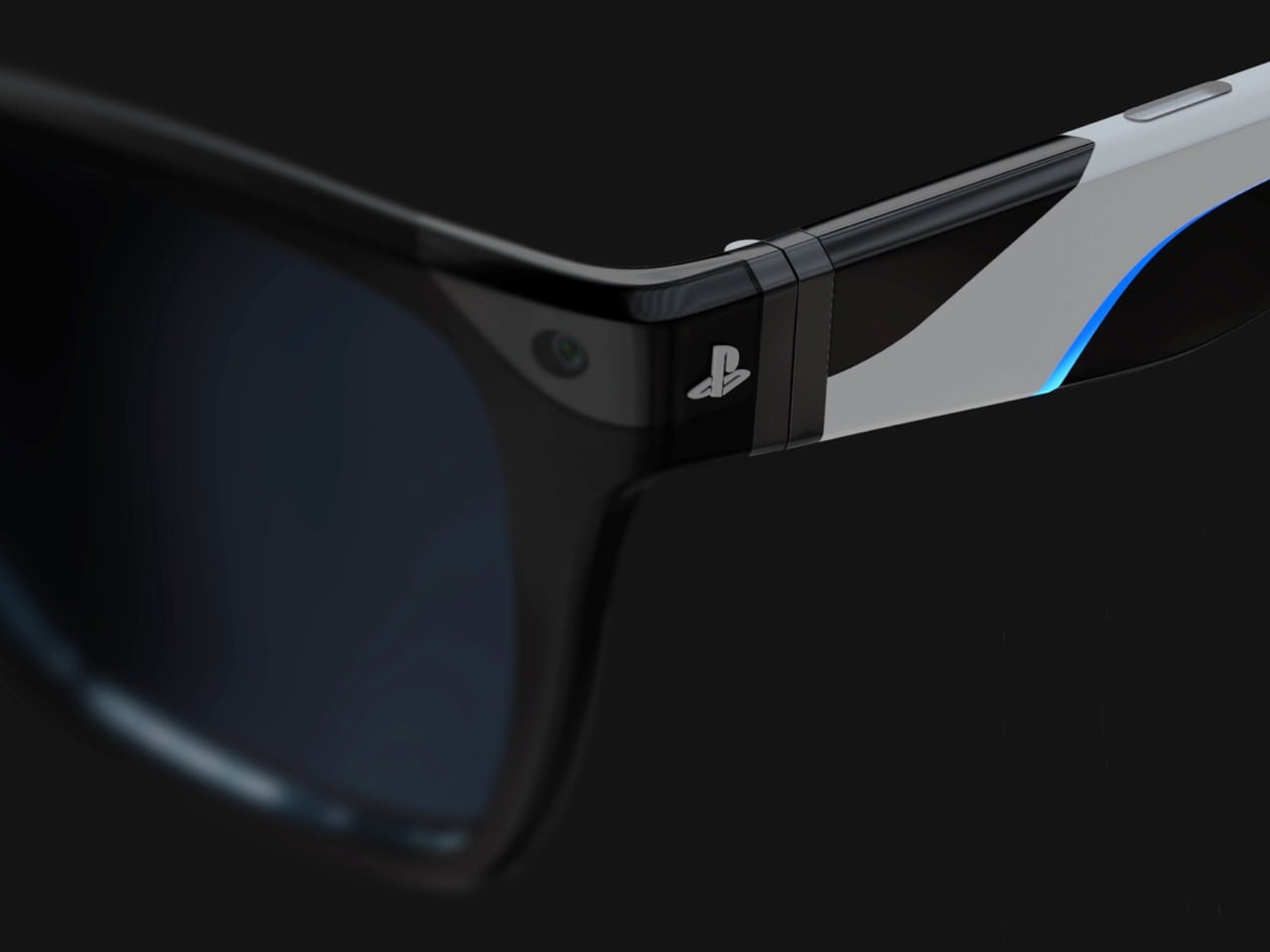
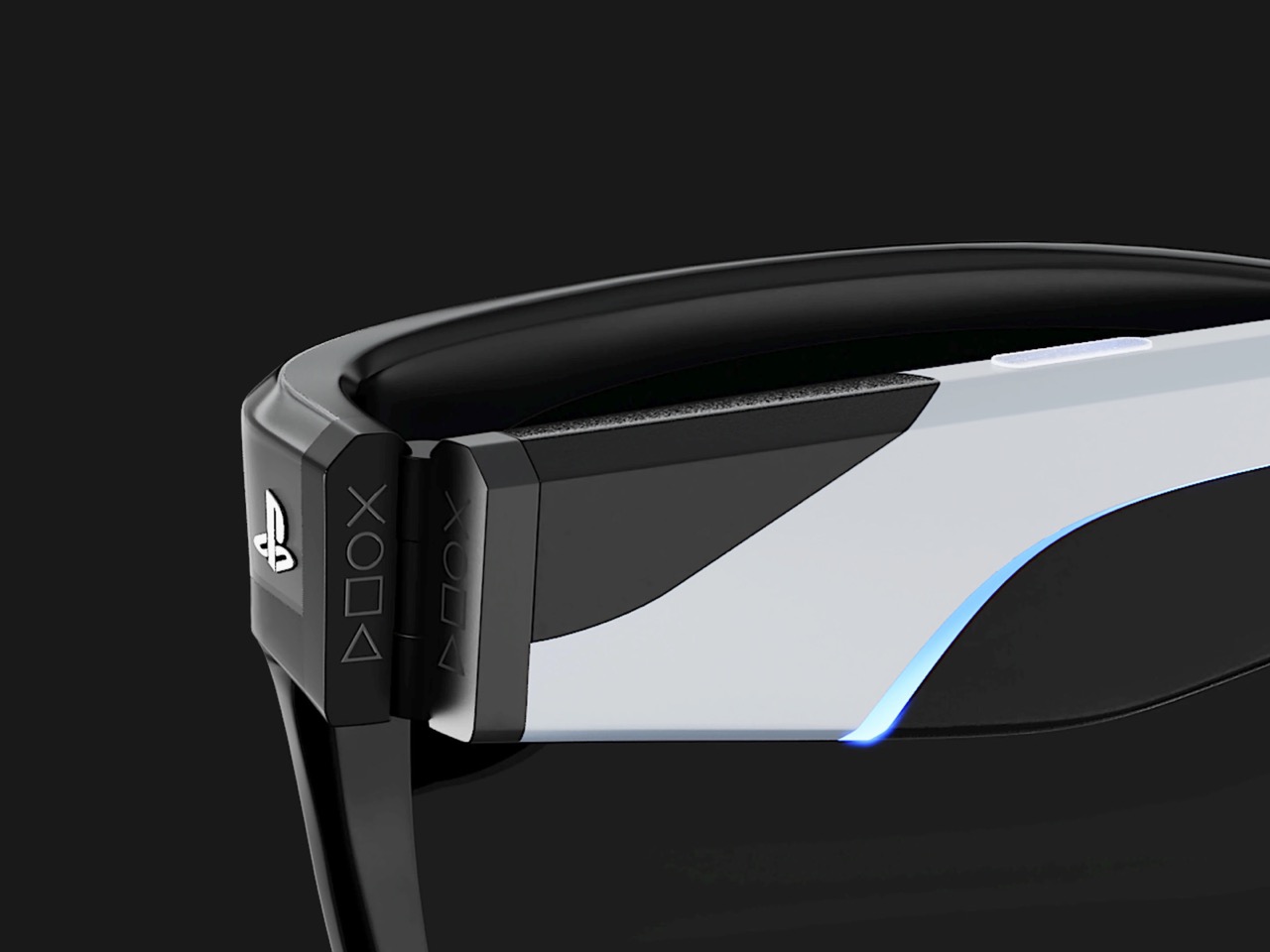
The frames carry the same visual language as the PS5 and DualSense controller, all smooth curves and deliberate angles that look cohesive sitting next to your console. That blue accent lighting running along the temples is pure PlayStation branding, the kind of detail that works because it feels earned rather than slapped on. The folding hinge reveals those iconic button symbols when you open the arms, which is a nice touch that reinforces you are holding a gaming device that happens to look like eyewear. Whether Sony’s actual industrial design team would ever build something this sleek is another question entirely, but as a design exercise, it holds together.
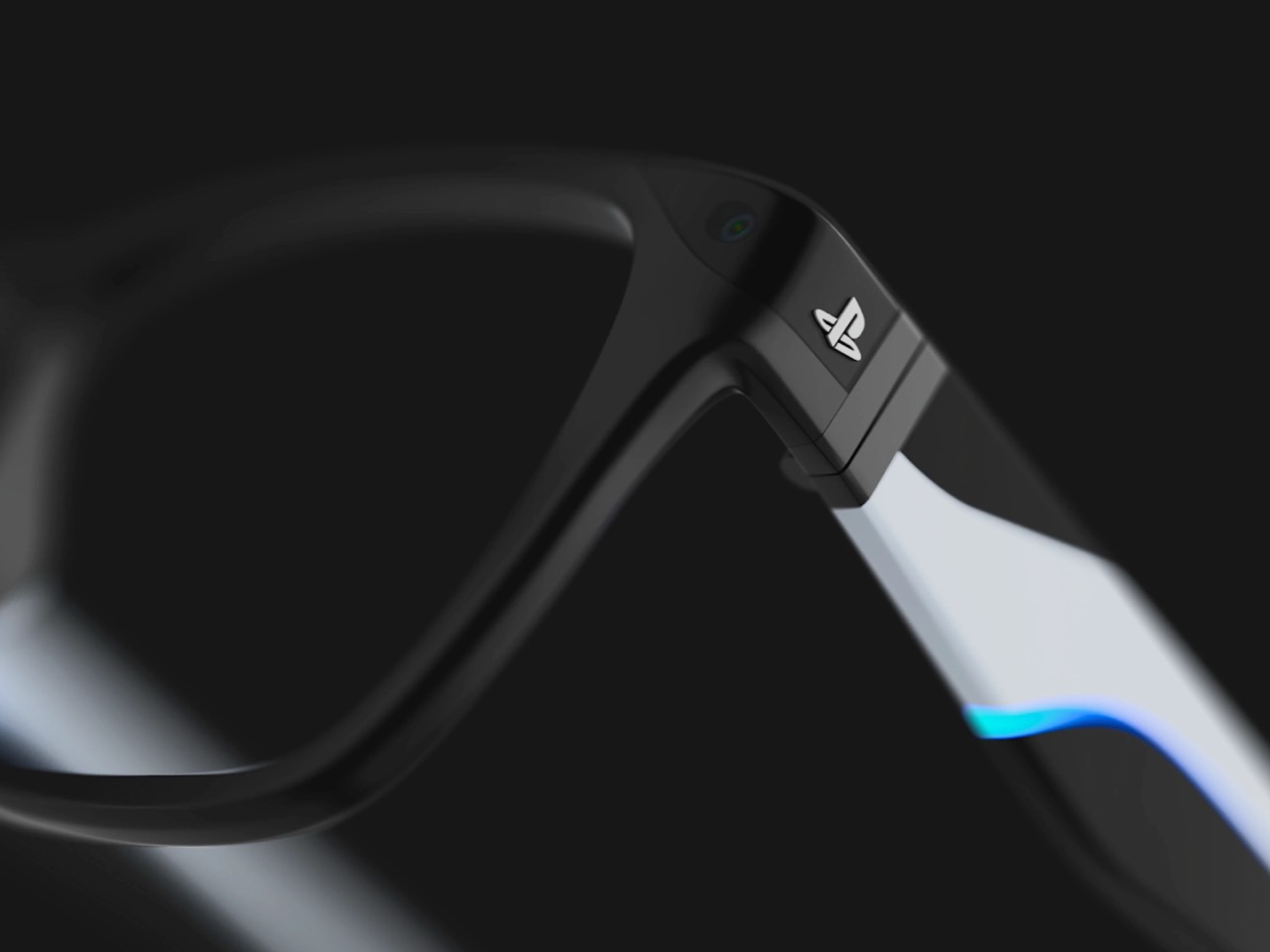
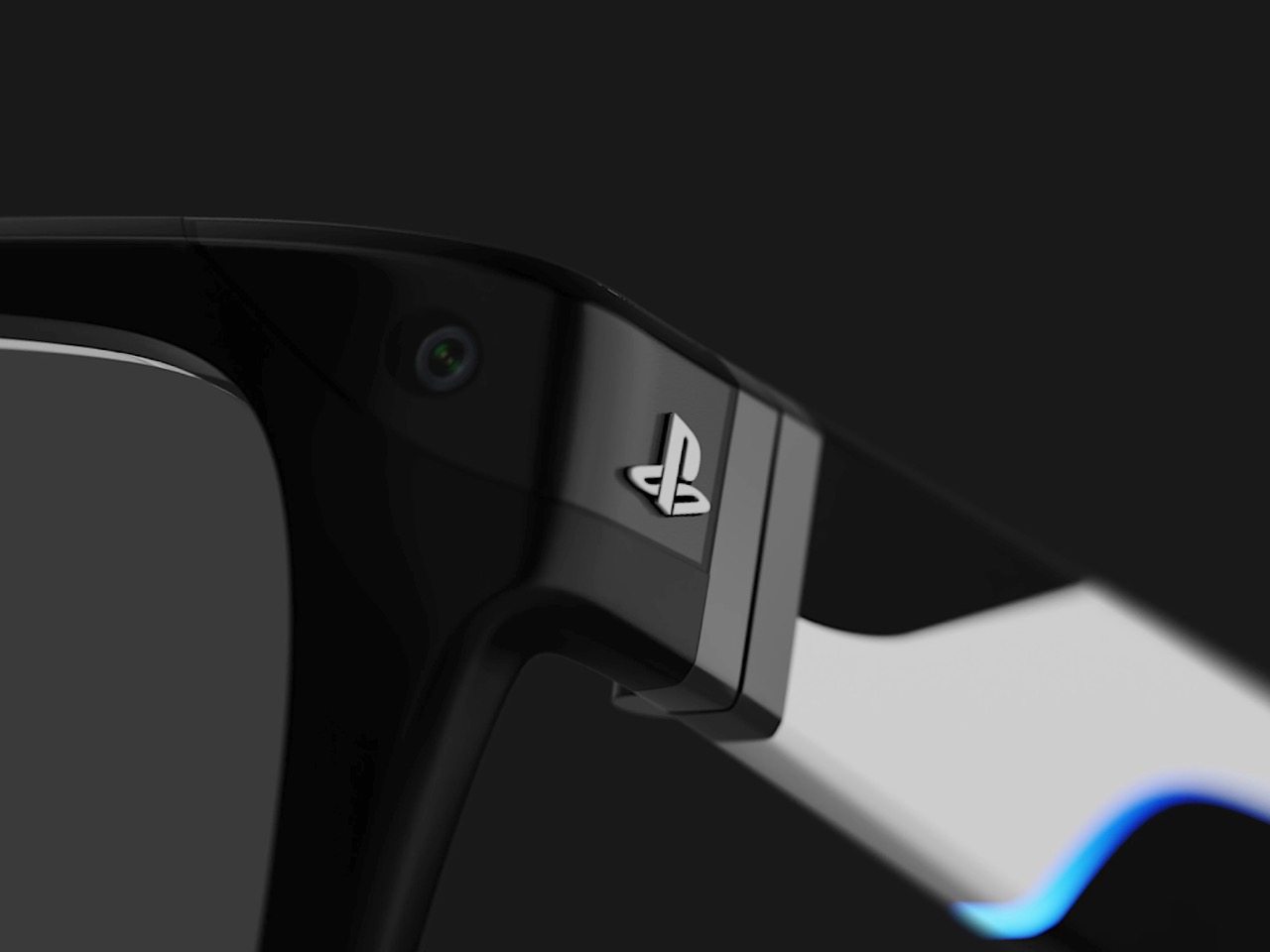
There is a front-facing camera tucked under the lenses for object tracking and AR overlays, auto-adjusting lenses that darken outdoors and clear indoors, embedded sensors for a heads-up display, gesture controls for navigation. The PS logo on the temple supposedly works like a button, tap for Start and hold for Home, mirroring your muscle memory from the controller. All of that sounds good on paper. The real question is what you actually do with these once they are on your face. Existing PlayStation games would almost certainly run as a virtual screen floating in your field of view, basically a private monitor you wear instead of stare at. True AR gameplay where Aloy from Horizon is dodging around your coffee table requires games built specifically for that, and Kumar does not show or describe any of those experiences.
What this concept does well is stake out a different philosophy for XR glasses. Where Meta wants social connectivity and Apple is aiming for spatial computing as a productivity play, this imagines gaming-first hardware that extends an existing ecosystem rather than trying to create a new one. Whether that is enough to justify another screen in your life is the question every XR device has to answer eventually. For now, it is a polished look at what Sony could build if they decided lightweight AR glasses were the next logical step after VR headsets and portable screens.