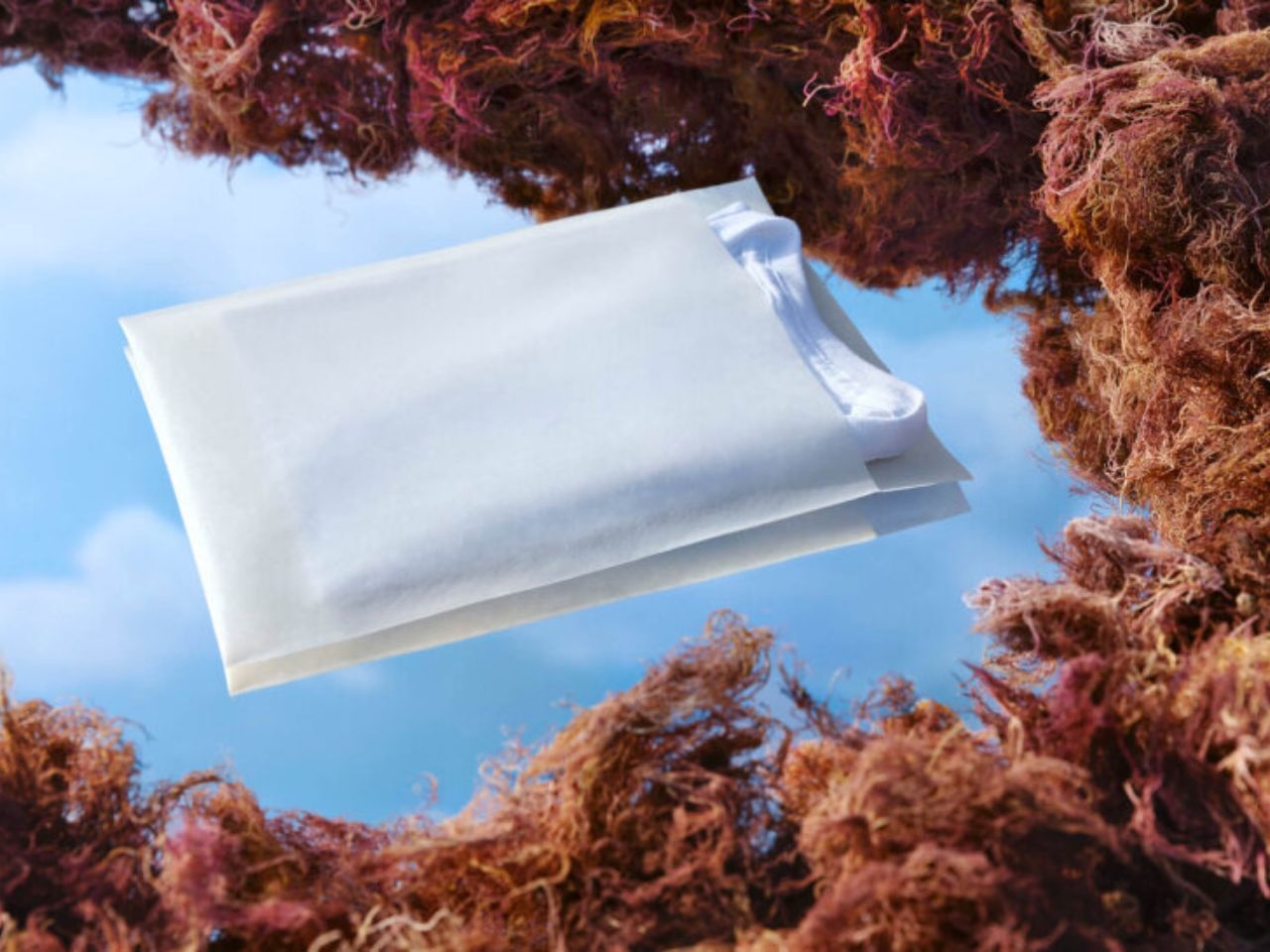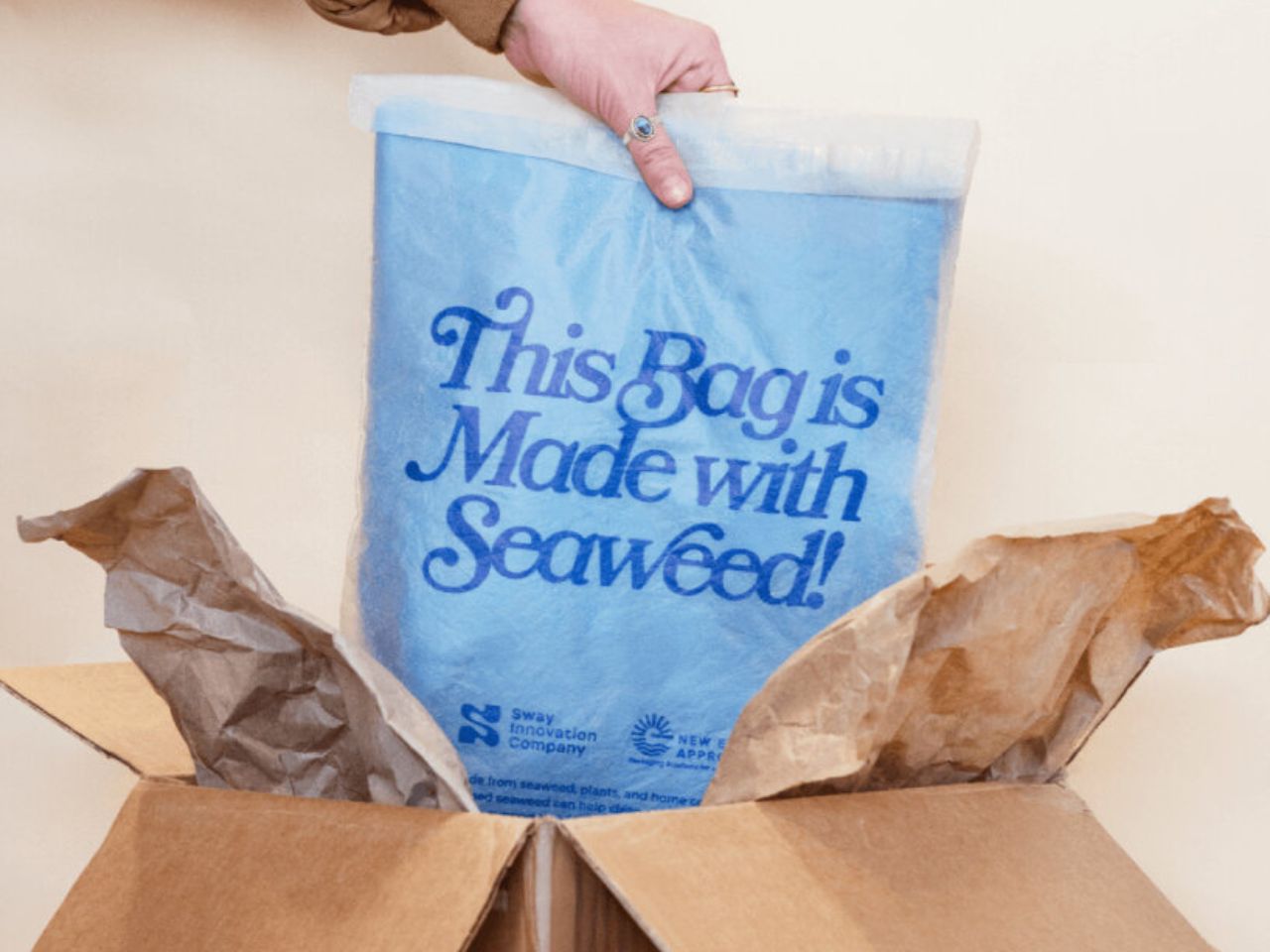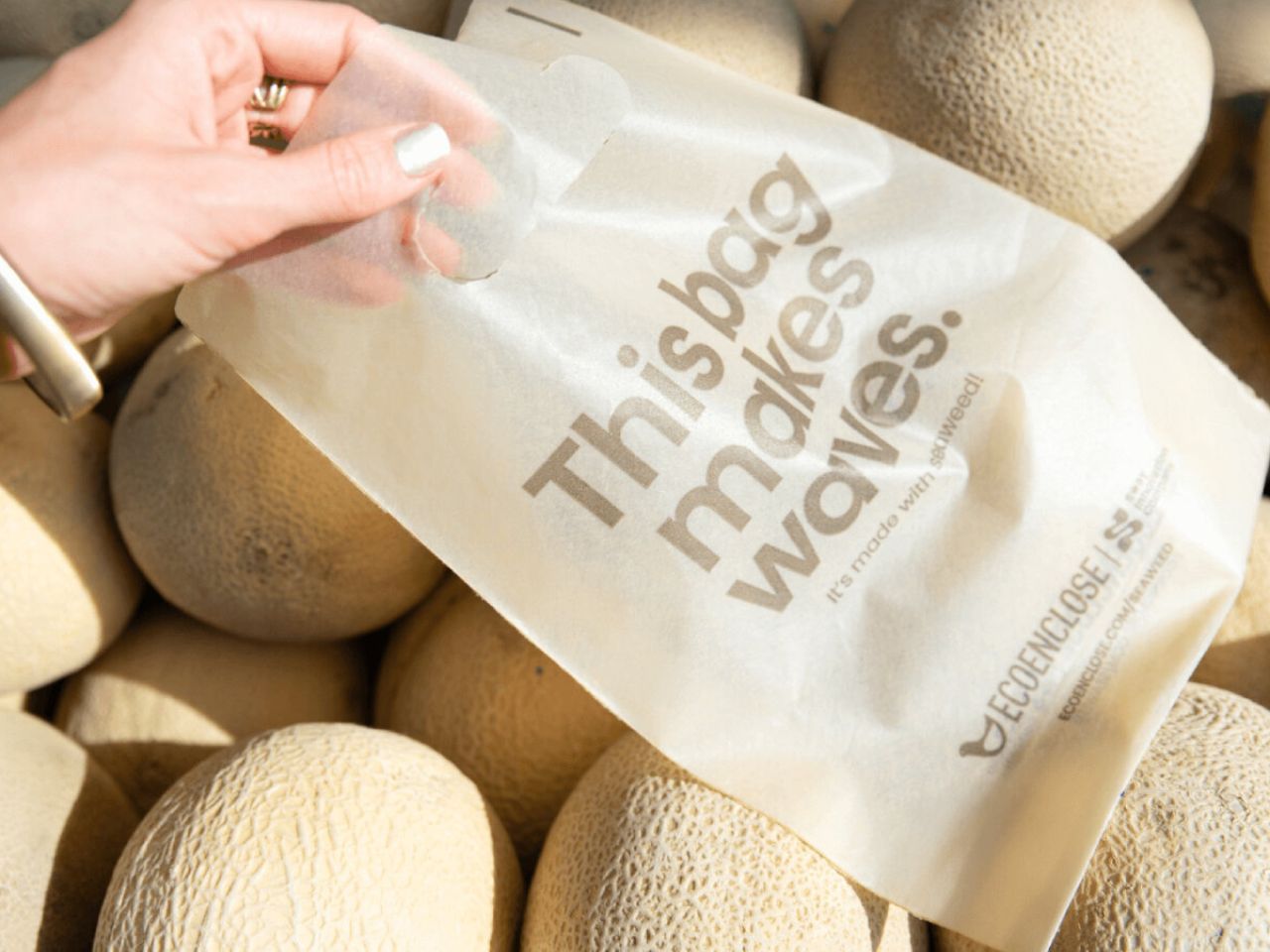

Sway continues to evolve its compostable plastic bags made from seaweed, offering a clear alternative to traditional plastic packaging that has long dominated retail and shipping. Instead of relying on petroleum-based materials that persist in landfills and oceans for decades, the team at Sway uses seaweed as a foundational input to create packaging that performs reliably during use and then safely returns to the soil. The result is a material that is designed to exist only for as long as it is needed, rather than becoming a permanent environmental burden.
According to the company, seaweed allows their bags to be stronger, easier to manufacture, more affordable at scale, and healthier for the environment overall. When these compostable plastic bags reach the end of their life, they are meant to break down naturally instead of fragmenting into microplastics. This means they do not linger in ecosystems or waterways, and instead decompose into soil that can support future growth.
Designer: Sway
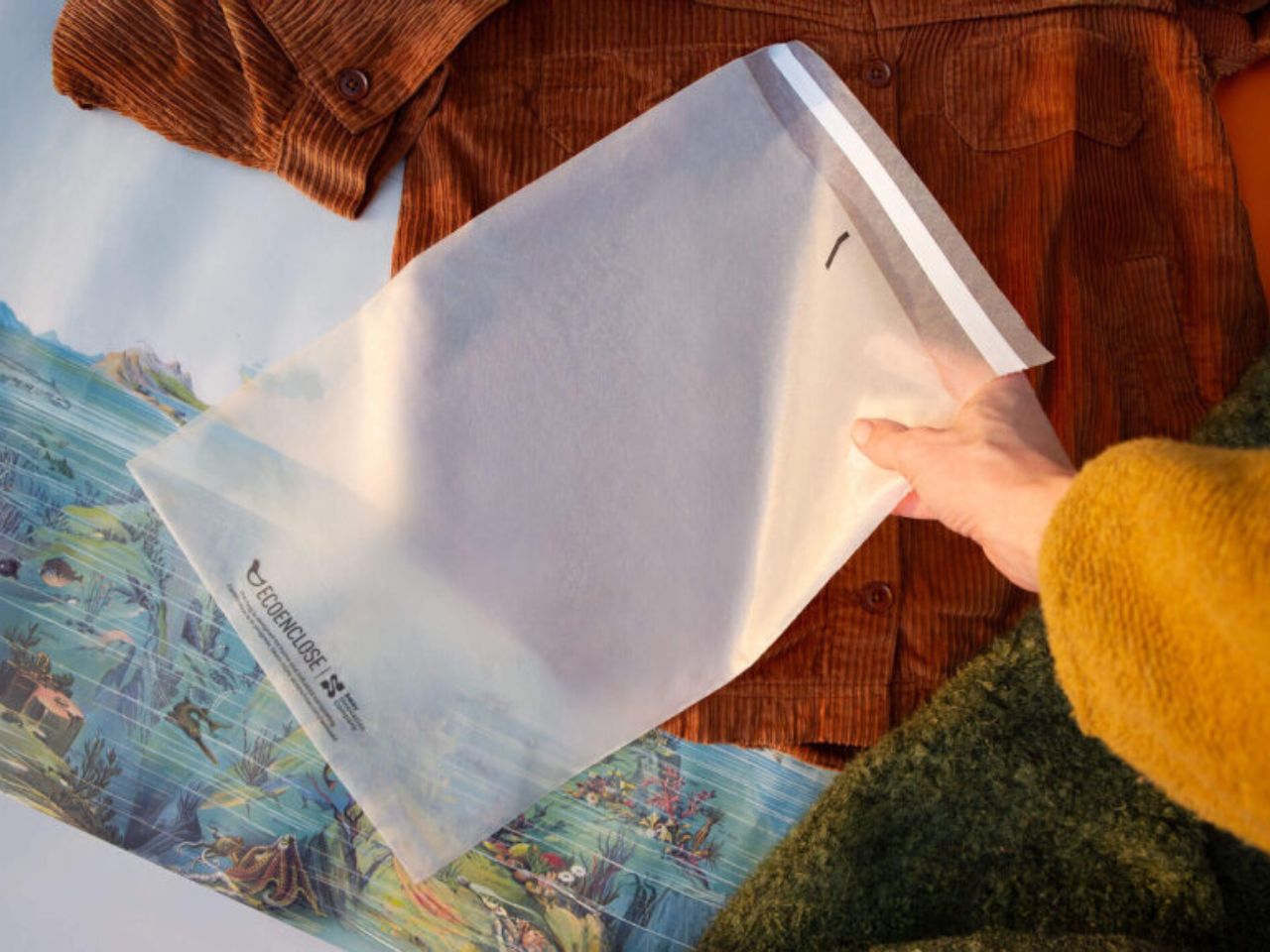
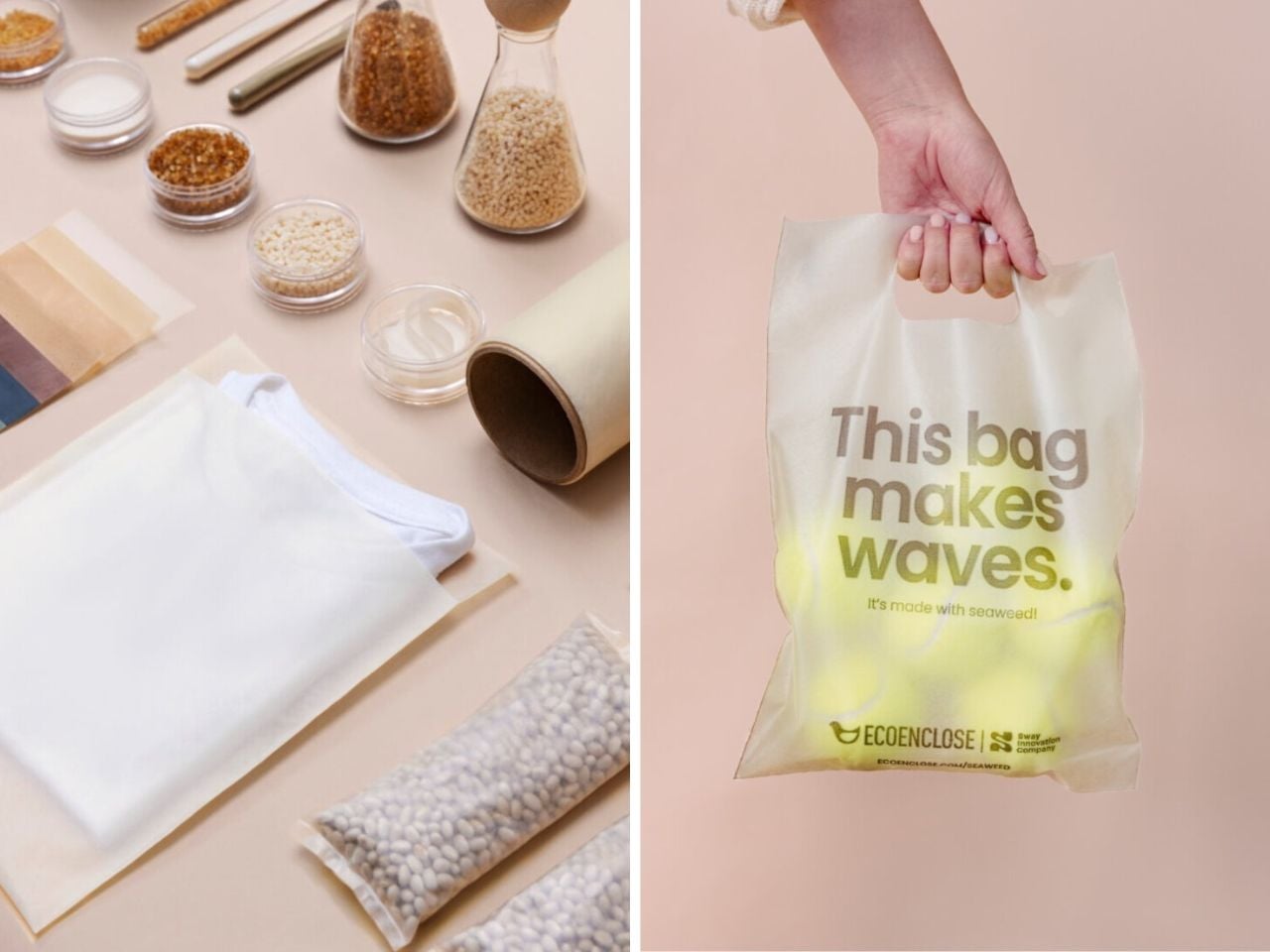
The current range includes polybags, die-cut handle bags, and flexible film wraps, all produced using the same seaweed-based material system. Visually, the bags have a smooth surface with a soft frosted texture. Their translucent exterior allows users to see what is inside, which adds both practicality and a subtle design appeal. The die-cut handle bags are ideal for everyday shopping and in-store use, while the polybags are designed for businesses that need a secure option for shipping products.
All of these formats are made from a blend of seaweed, plant-based materials, and compostable polymers. It is clear that this packaging line is designed for composting rather than recycling. After use, the bags can be placed in home compost systems or industrial compost facilities, where they break down into healthy soil without leaving behind toxic residue. If composting is not available, the team advises disposing of the bags in the trash. While this outcome is not ideal, the material still avoids the long term damage associated with conventional plastic.
At the same time, the emergence of materials like this highlights a larger question. If bioplastics and compostable packaging already exist, why are they still not common in everyday life? Much of the challenge lies in the systems surrounding packaging rather than the materials themselves. Manufacturing infrastructure, pricing models, and waste systems have been optimized for traditional plastic for decades. Compostable materials often require new production processes and clearer consumer understanding of disposal. Confusion between recycling and composting, limited access to compost facilities, and expectations shaped by plastic durability all slow widespread adoption. As a result, innovations like Sway’s tend to move faster than the infrastructure meant to support them.
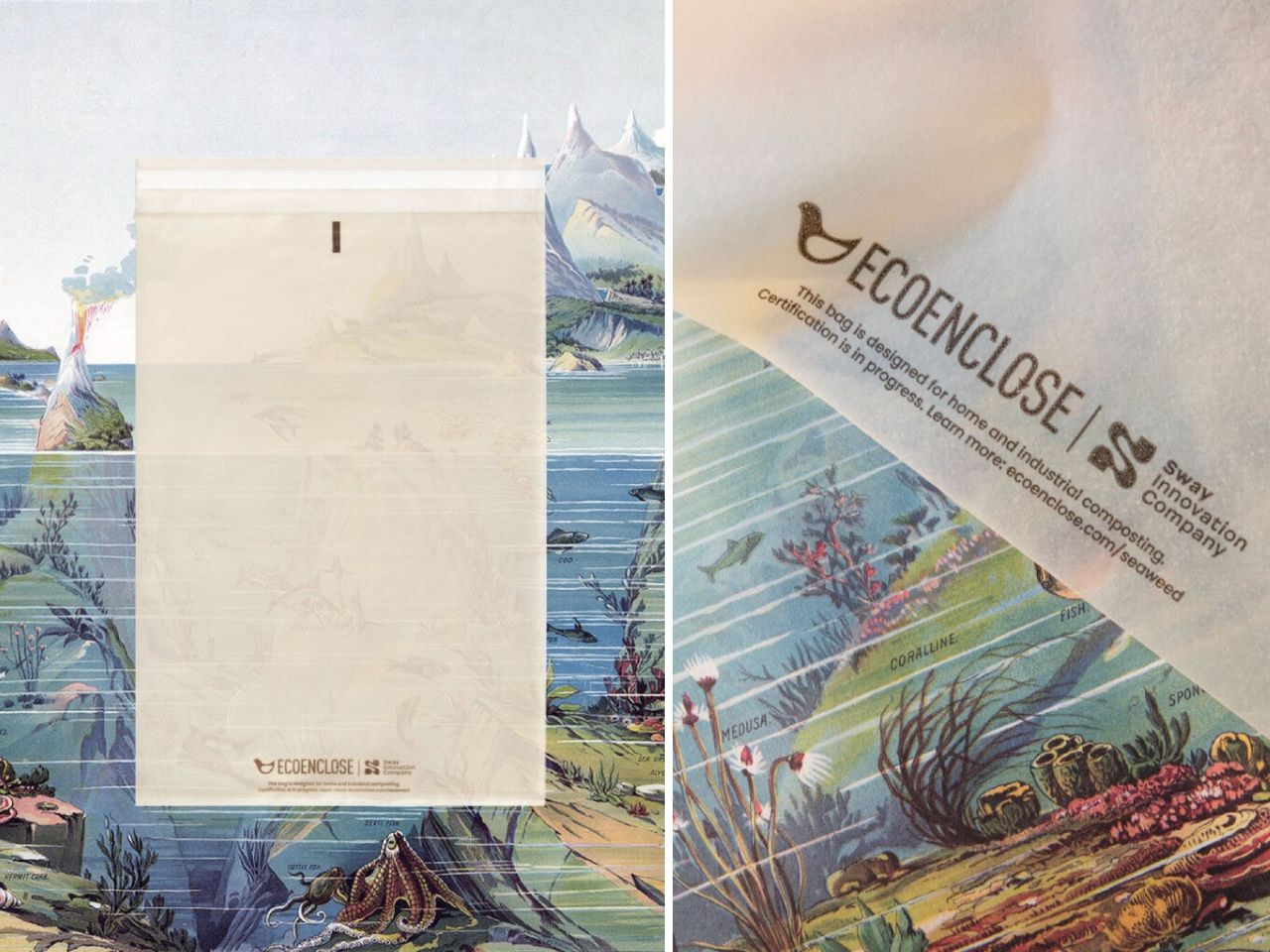
In January 2026, the Sway team shared that they had further improved their compostable plastic bags made from seaweed. Through processing changes, the material is now stronger, more refined in appearance, and available in higher volumes at a lower price point. The frosted design remains consistent, but the updated bags can carry heavier loads while still breaking down after use. Home compost certification for the newest versions is still in progress, while earlier versions have already received industrial compost certification from TUV Austria.
To expand access, Sway works with partners such as EcoEnclose to distribute the bags to businesses, small markets, and shipping operations. At the center of this effort is TPSea Flex, the company’s in-house material that blends seaweed, plant-based inputs, and compostable polymers. Together, these developments point toward a future where packaging serves its purpose and then steps aside, returning to the soil instead of remaining in landfills or oceans for generations.