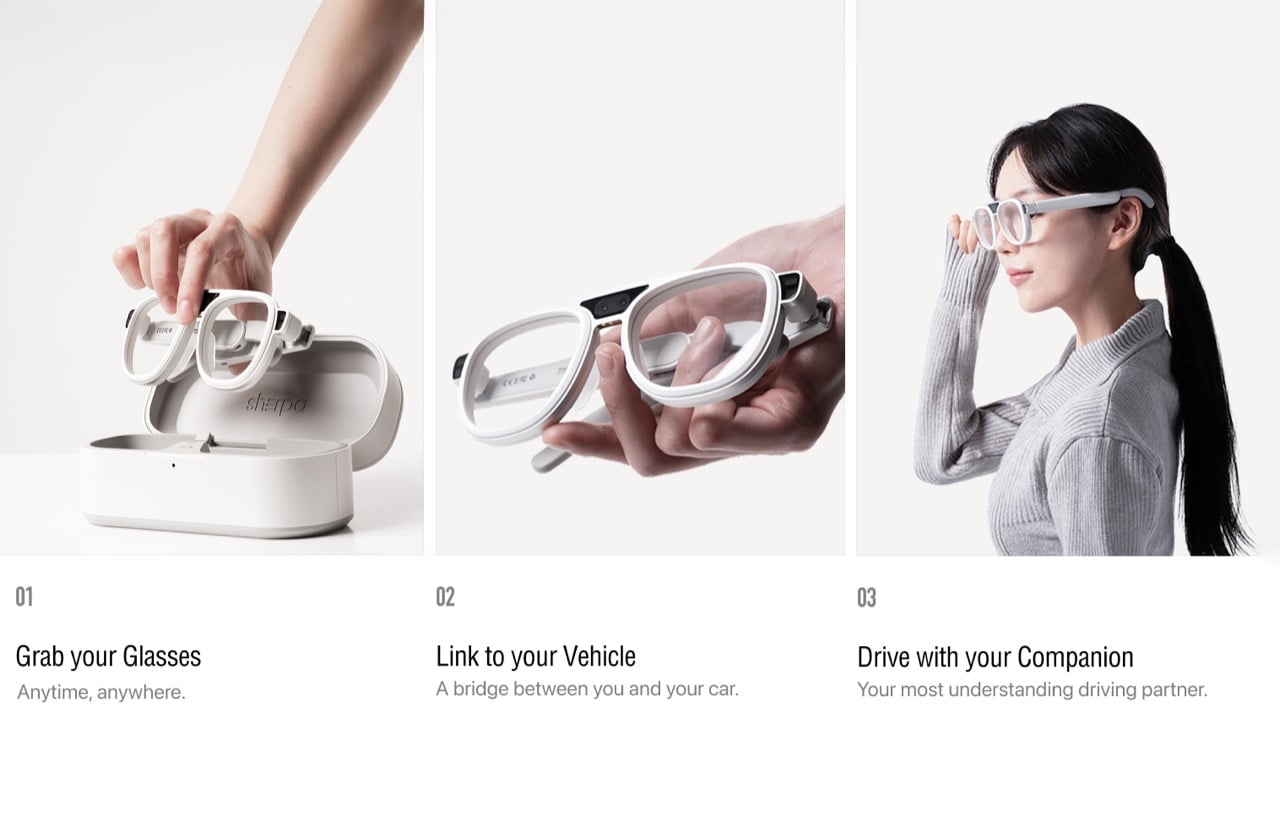
The AR glasses market keeps promising us augmented productivity and enhanced experiences, then delivering expensive ways to check notifications without pulling out your phone. Sherpa takes a different approach by targeting a specific moment of genuine incompetence: those first few months behind the wheel when every intersection feels like a pop quiz you didn’t study for. The concept uses heads-up displays to overlay directional cues and translate dashboard indicators, theoretically keeping your eyes on the road instead of darting between the windshield and that mysterious warning light.
What makes this Hongik University project interesting isn’t the hardware, which looks like standard-issue smart glasses in white plastic. It’s the learning system built around it. After each drive, the companion app analyzes your performance and identifies patterns in your mistakes. Miss the same type of turn signal three times? The AI notices. Struggle with a particular intersection? It breaks down what went wrong. Most new drivers get feedback in the form of angry horns and passenger-seat panic. This proposes something more useful, assuming you’re willing to let an algorithm critique your lane changes.
Designers: Yeongjun Yun, Jaeyun Lee
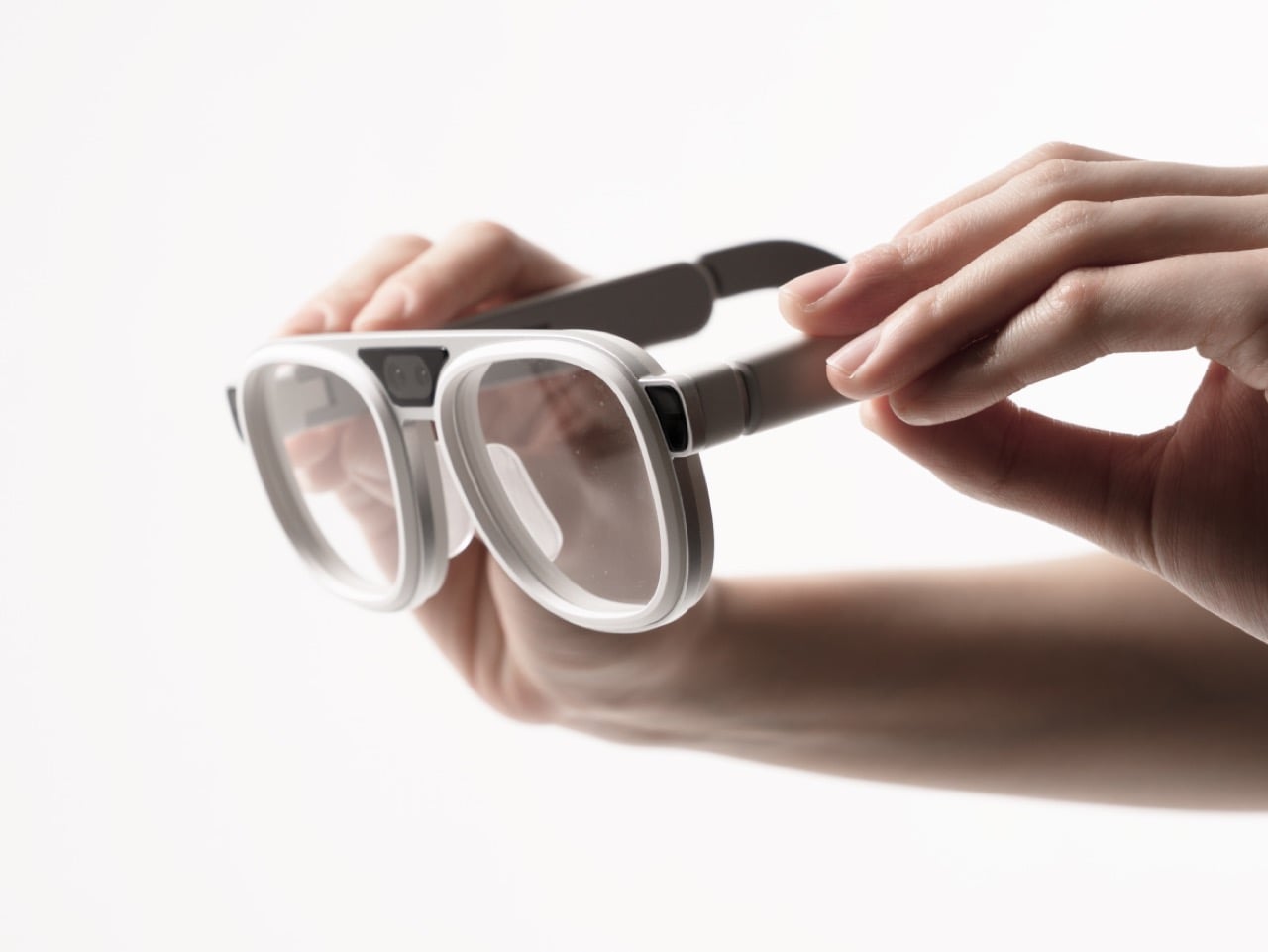

The hardware itself follows the current playbook for consumer AR: rounded frames thick enough to house display optics, visible sensor cutouts on the nose bridge (likely cameras for environmental and eye tracking), and an adjustable temple mechanism that looks borrowed from premium eyewear design. They’ve skipped the usual temptation to make it look aggressively futuristic, which matters when your target audience already feels self-conscious about their driving abilities. The cylindrical charging case suggests they’re thinking about daily use patterns rather than occasional deployment, treating this like essential equipment you grab before every drive during those first nervous months.


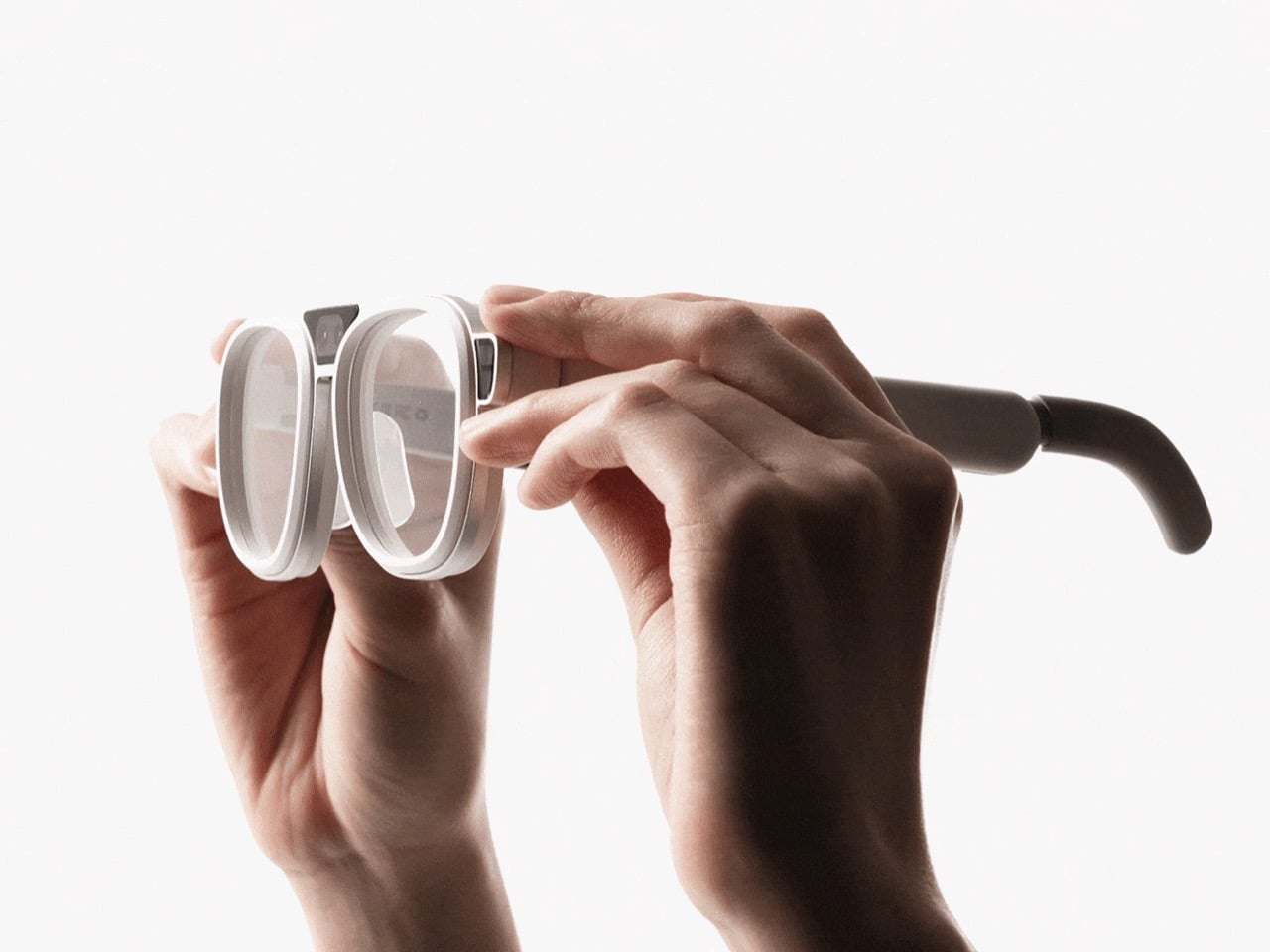

Where this gets genuinely clever is the integration with what they’re calling SDV, or software-defined vehicles. Modern cars already collect absurd amounts of data through their sensor arrays. Sherpa appears designed to tap into that information stream and translate it into actionable guidance. The system knows when you’ve entered a complex intersection, can read your hesitation through eye tracking, and overlay exactly what you’re supposed to watch for at that moment. Then it remembers that you struggle with this specific scenario and adjusts future guidance accordingly.
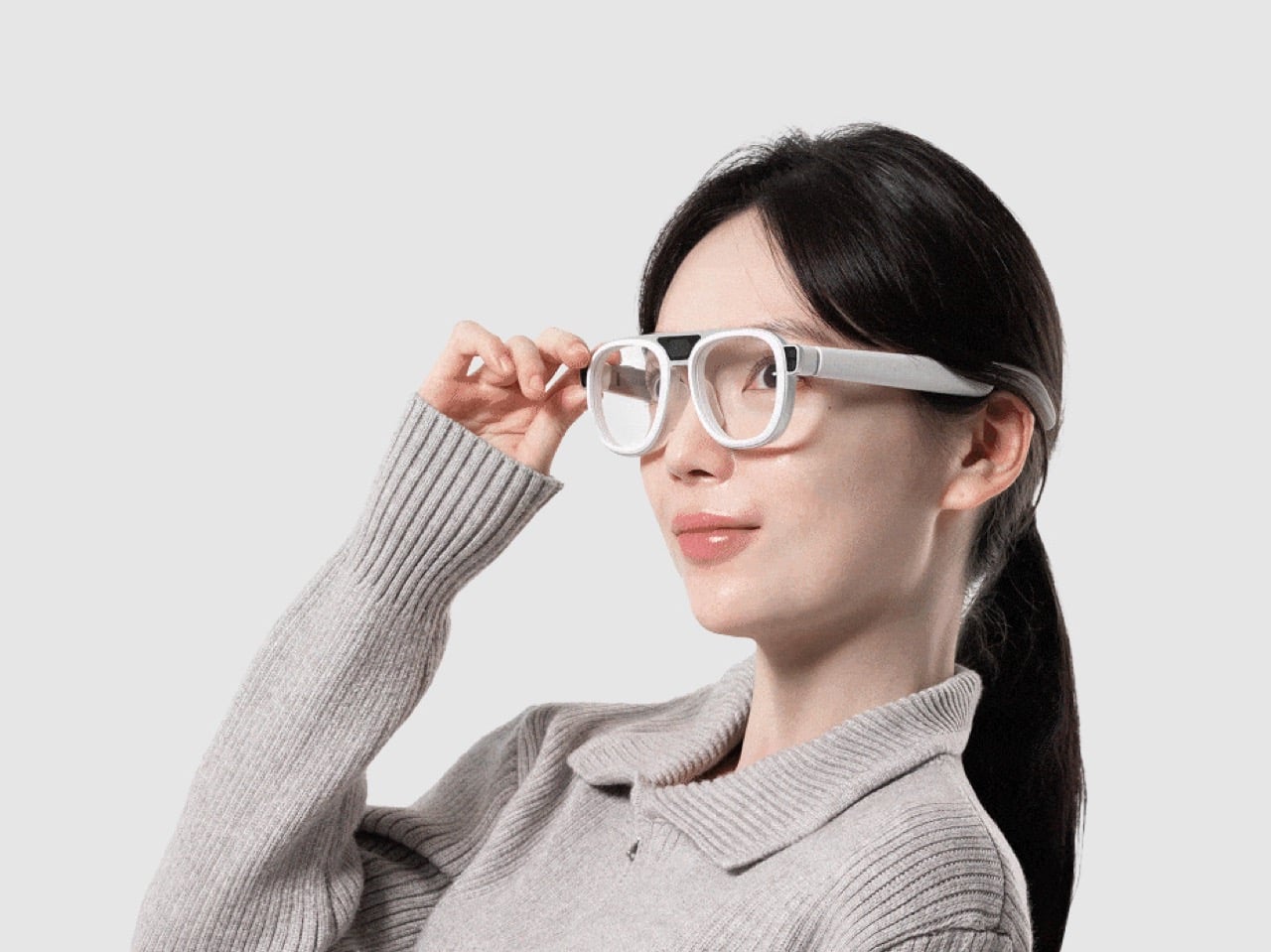

Unlike entertainment-focused AR wearables, this actually solves a real use case, which puts it ahead of most AR glasses the industry is trying to push down our throats. Driving schools teach you mechanics but abandon you at the precise moment when contextual learning would help most. If Sherpa can fill that gap between instruction and competence, it might be the first consumer AR application that people actually need rather than tolerate. Whether novice drivers will adopt glasses that broadcast their inexperience is a different question entirely, but at minimum someone’s finally asking AR to do actual work.