Tech moves fast, breaks things, ships updates, iterates. The entire industry is built on the assumption that this year’s product will be obsolete by next year, and that’s fine because next year’s version will be better anyway. Then you see someone in Fukui Prefecture spending twenty minutes hand-sanding a single wooden keyboard key, checking it by touch, and the whole paradigm feels suddenly optional. Hacoa has been making wooden keyboards this way for four generations now. The current craftspeople learned from their parents, who learned from theirs.
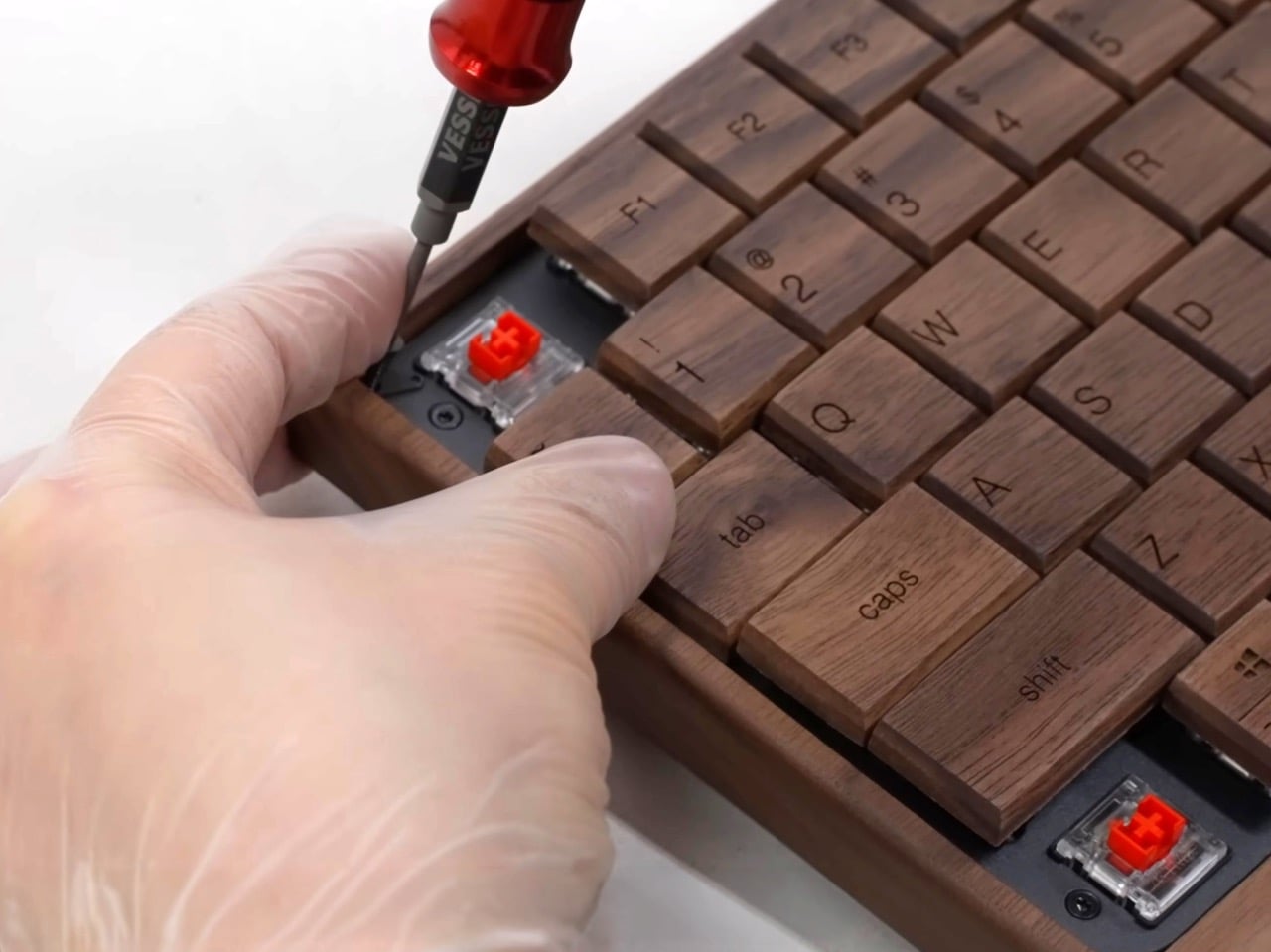
What makes this remarkable isn’t just the craftsmanship, though watching wood move from lumber to finished keys is genuinely mesmerizing. It’s the underlying assumption that contradicts everything tech culture preaches. These keyboards are built to last decades. They’re made from a material that ages visibly, that will show wear and patina and the passage of time. They’re designed for people who want their tools to have history rather than version numbers. And they’re assembled onto standard mechanical keyboard bases, so they actually work for the thing you’d use a keyboard for: typing, every day, for years.
Designer: Hacoa workshop
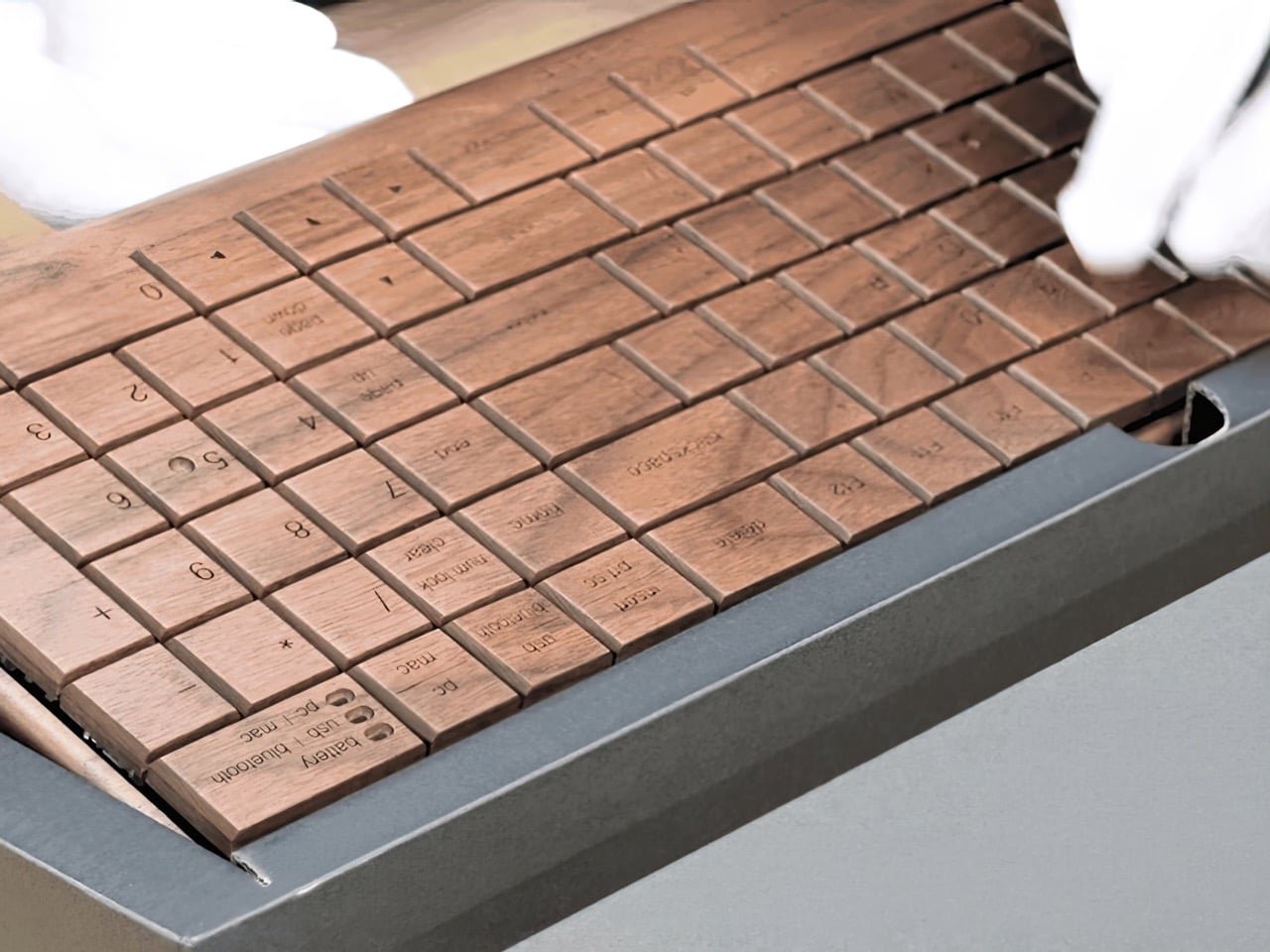

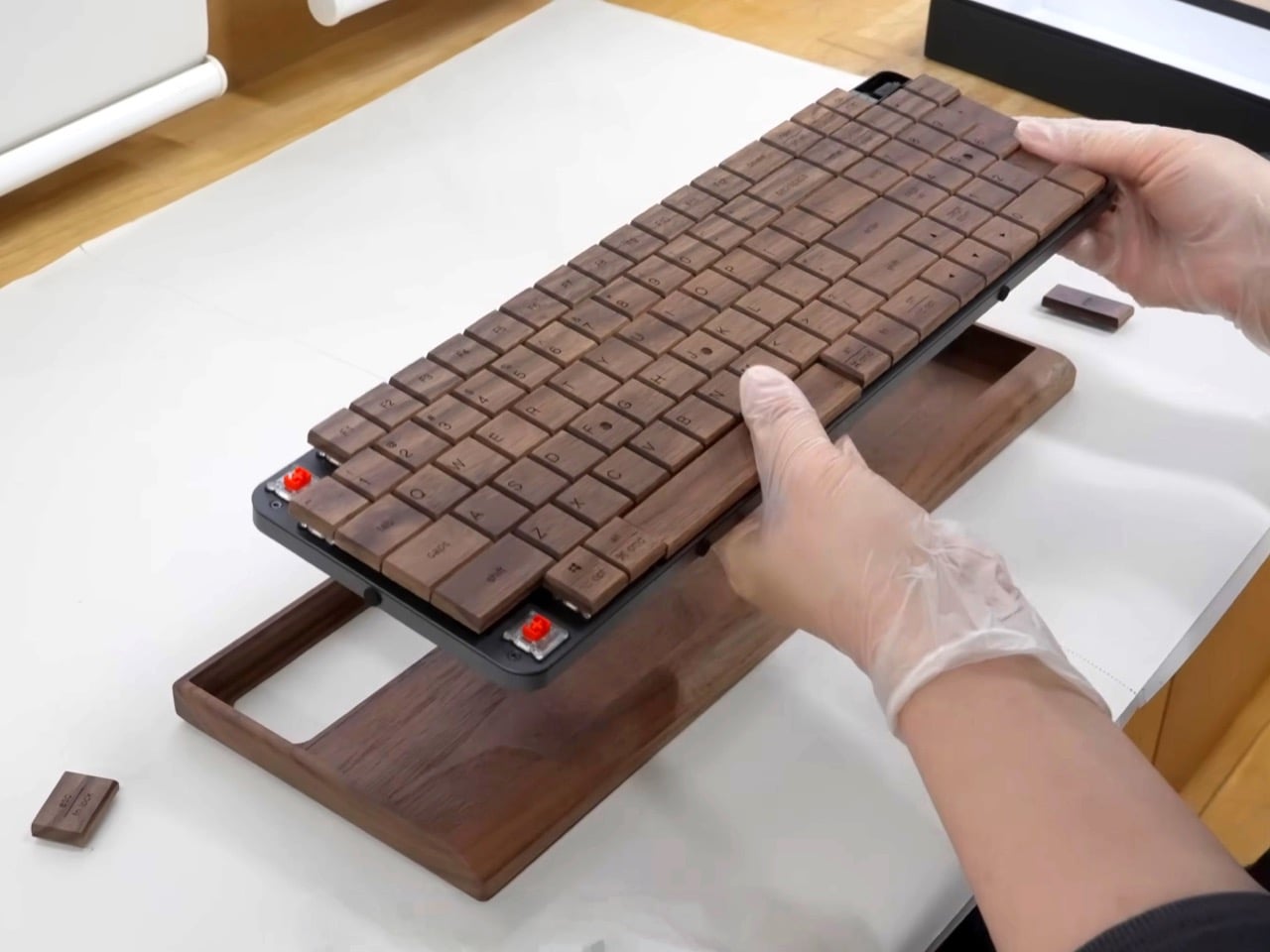
The process starts with lumber selection, which already tells you everything about how different this is from injection-molded ABS keycaps. Someone at the Hacoa workshop in Sabae City examines the grain patterns and decides which pieces are suitable for a keyboard. They measure carefully so nothing gets wasted, then plane the wood down to uniform thickness. This is furniture-grade attention being applied to something most of us buy on Amazon and forget about. The wood gets machined with multiple blade changes between operations, chamfered at the edges so the corners feel softer under your fingers, then cut into individual key blanks.
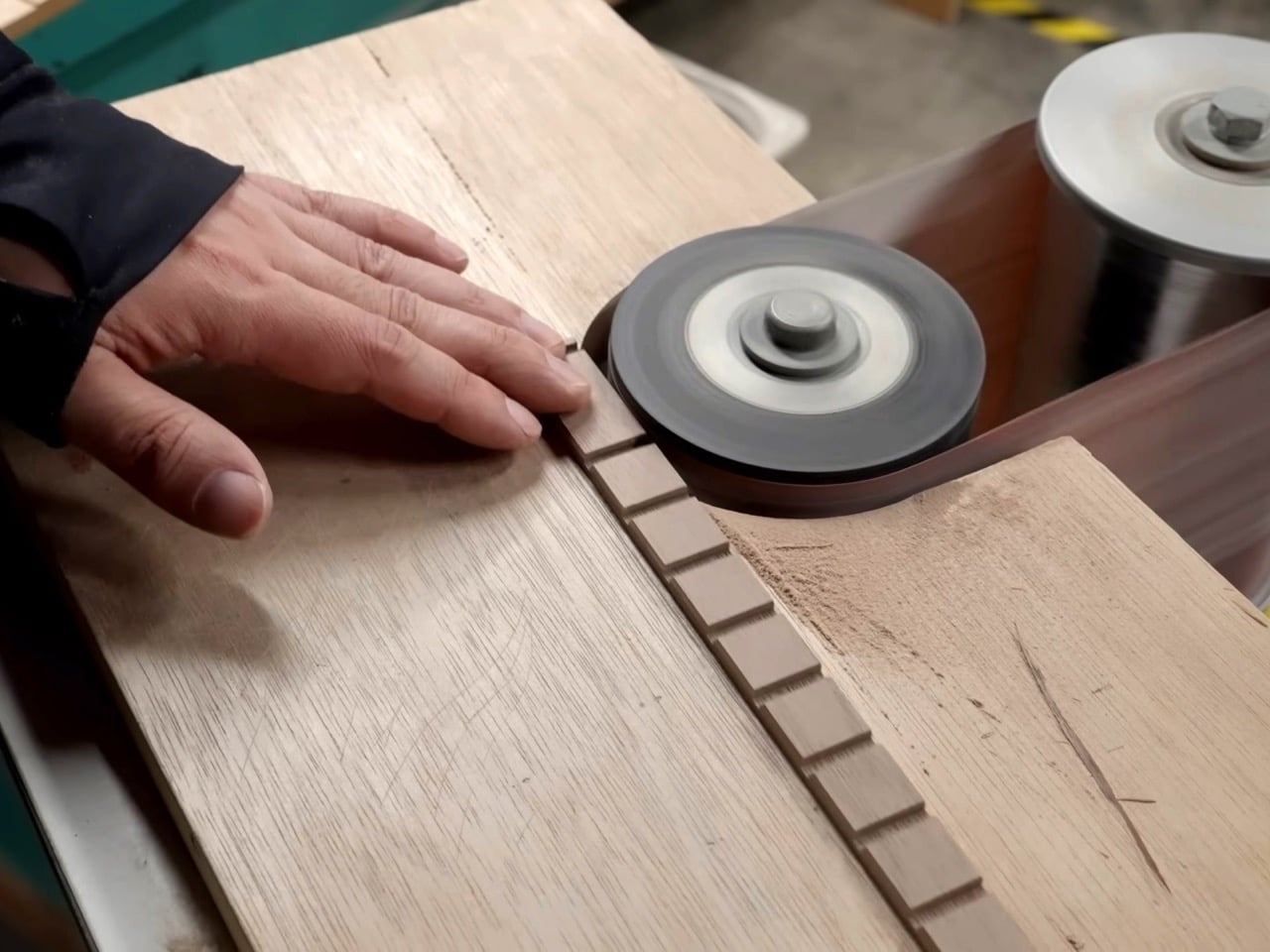
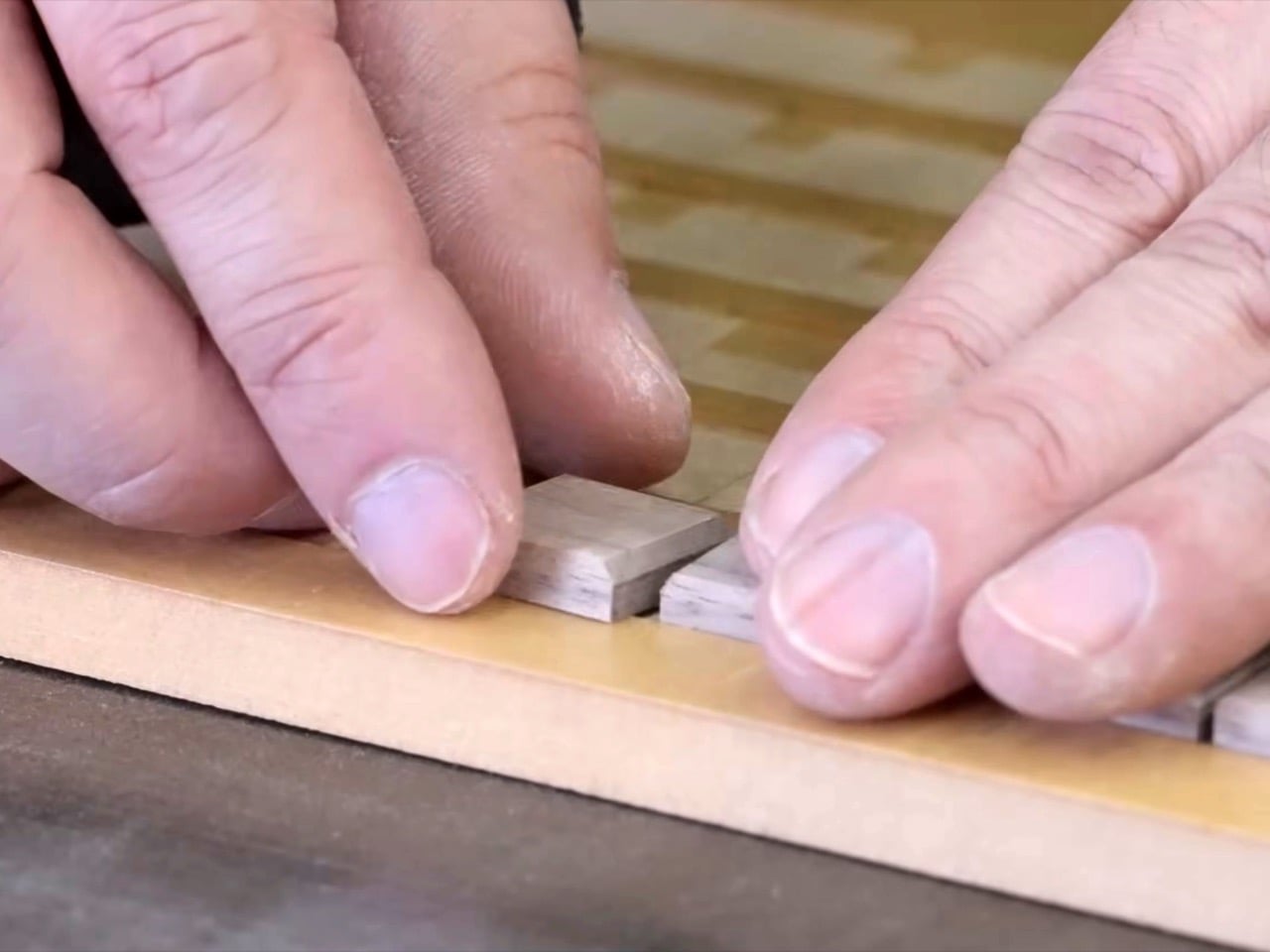
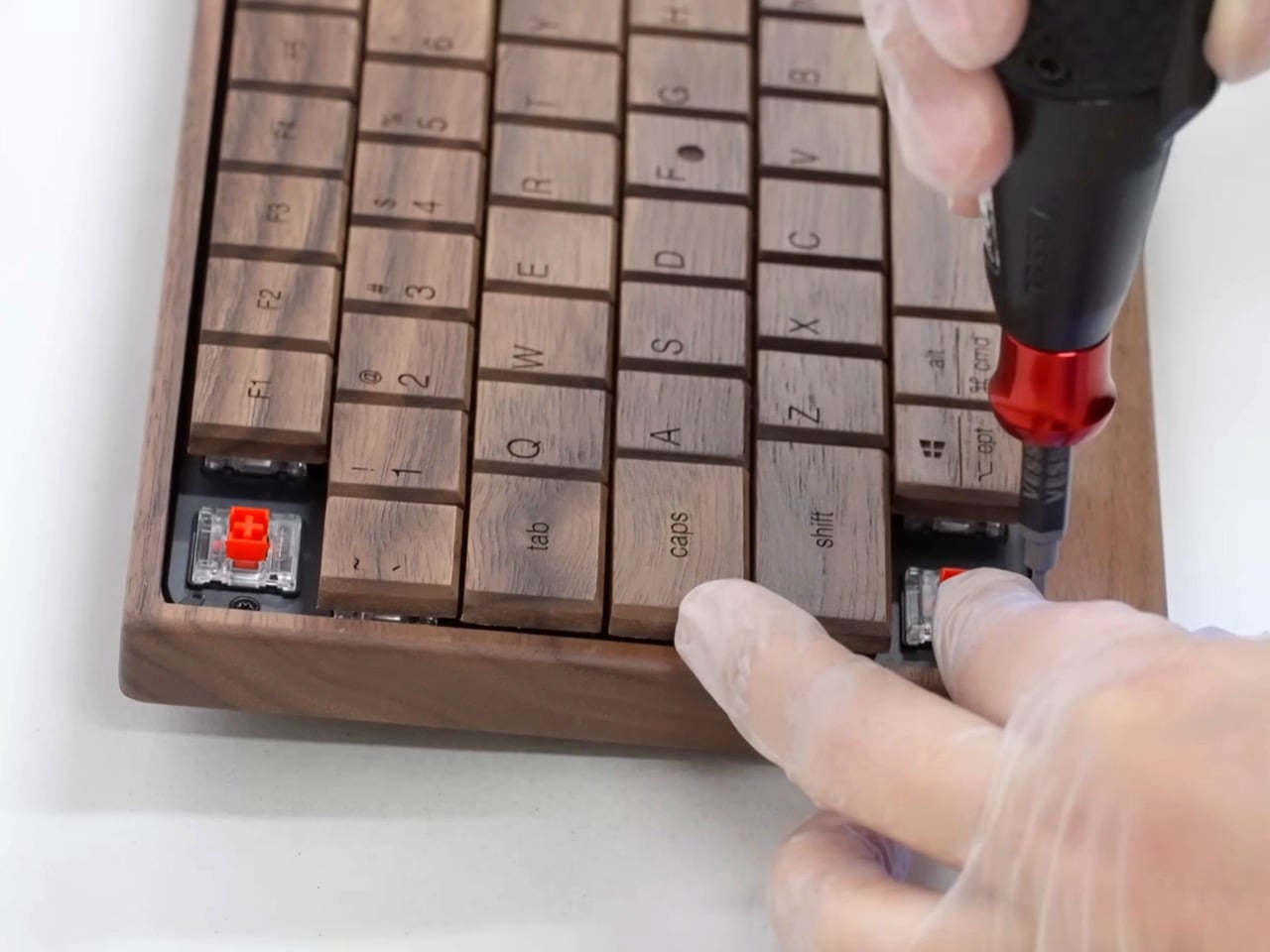
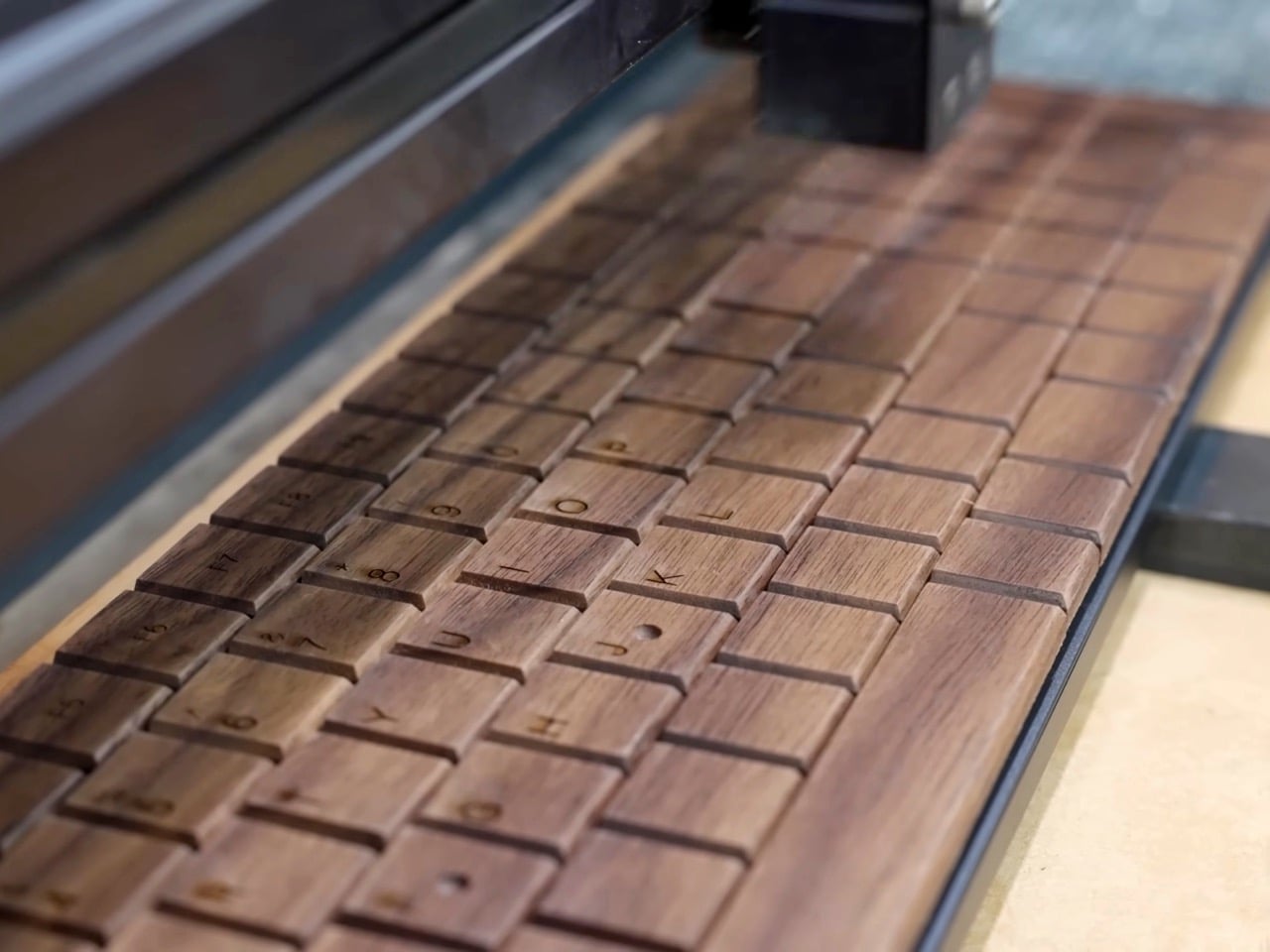
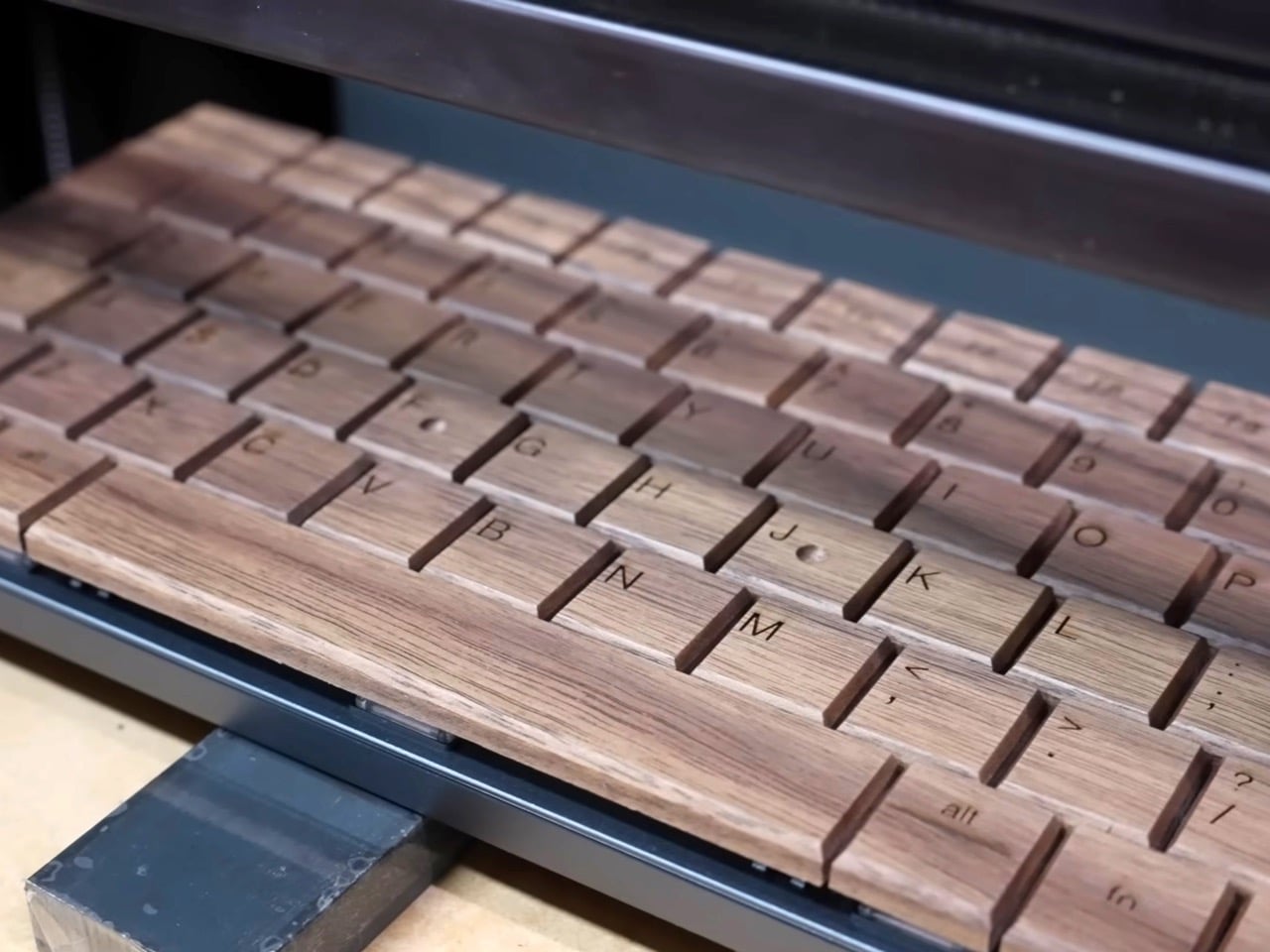
Then the hand work begins. Each key gets shaped individually, sanded on the end grain to refine the tactile experience, finished by craftspeople who use their palms as quality control instruments. They’re literally checking by feel whether each key is ready. The surface gets sanded extensively, taking as long as it takes, because rushing would defeat the entire point. Quality verification happens through touch, which is perfect given that touching these keys will be the whole experience once someone owns the keyboard. After that comes laser engraving for the legends, residue cleanup, and final assembly onto a mechanical keyboard base with standard switches.
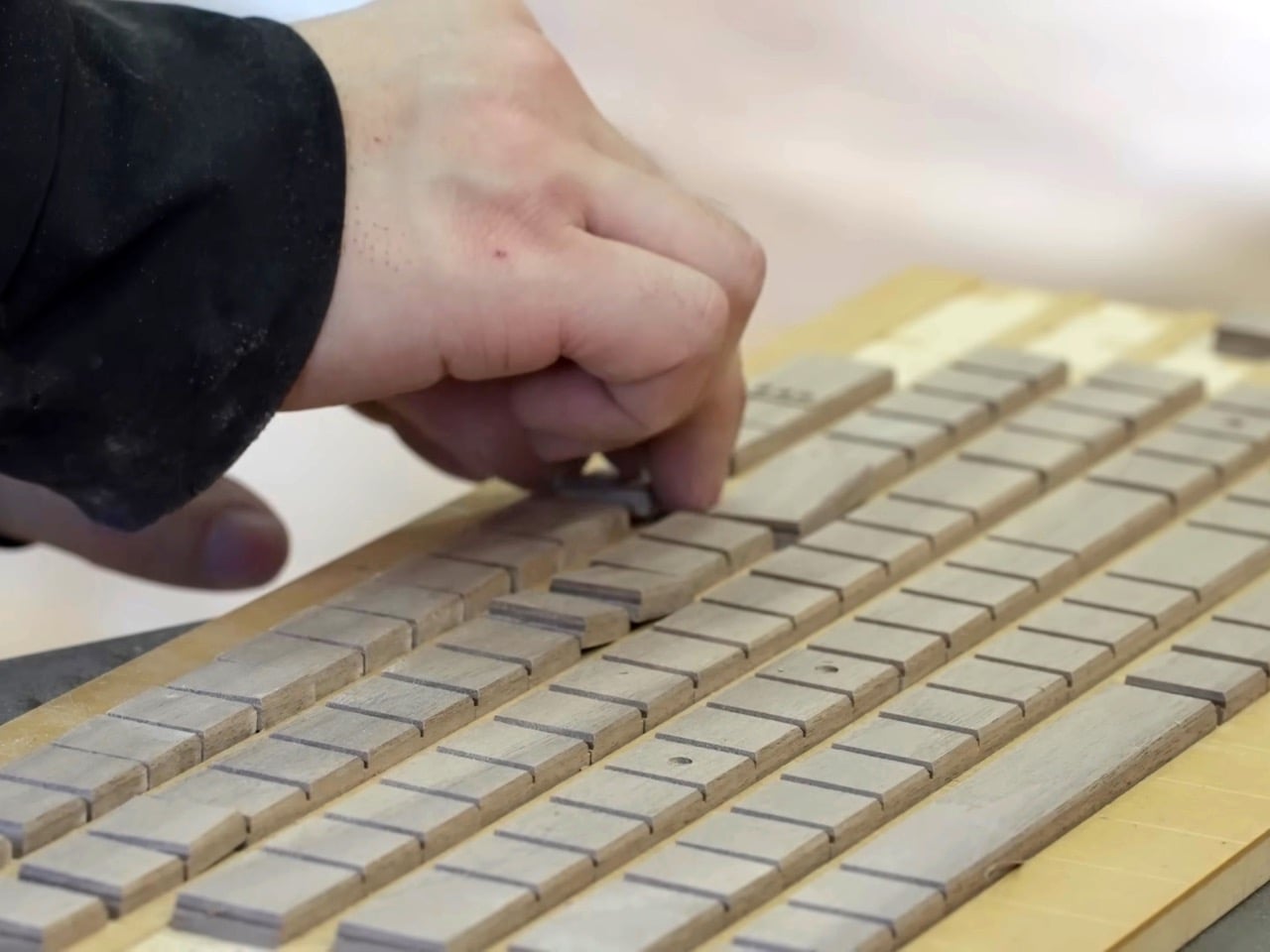
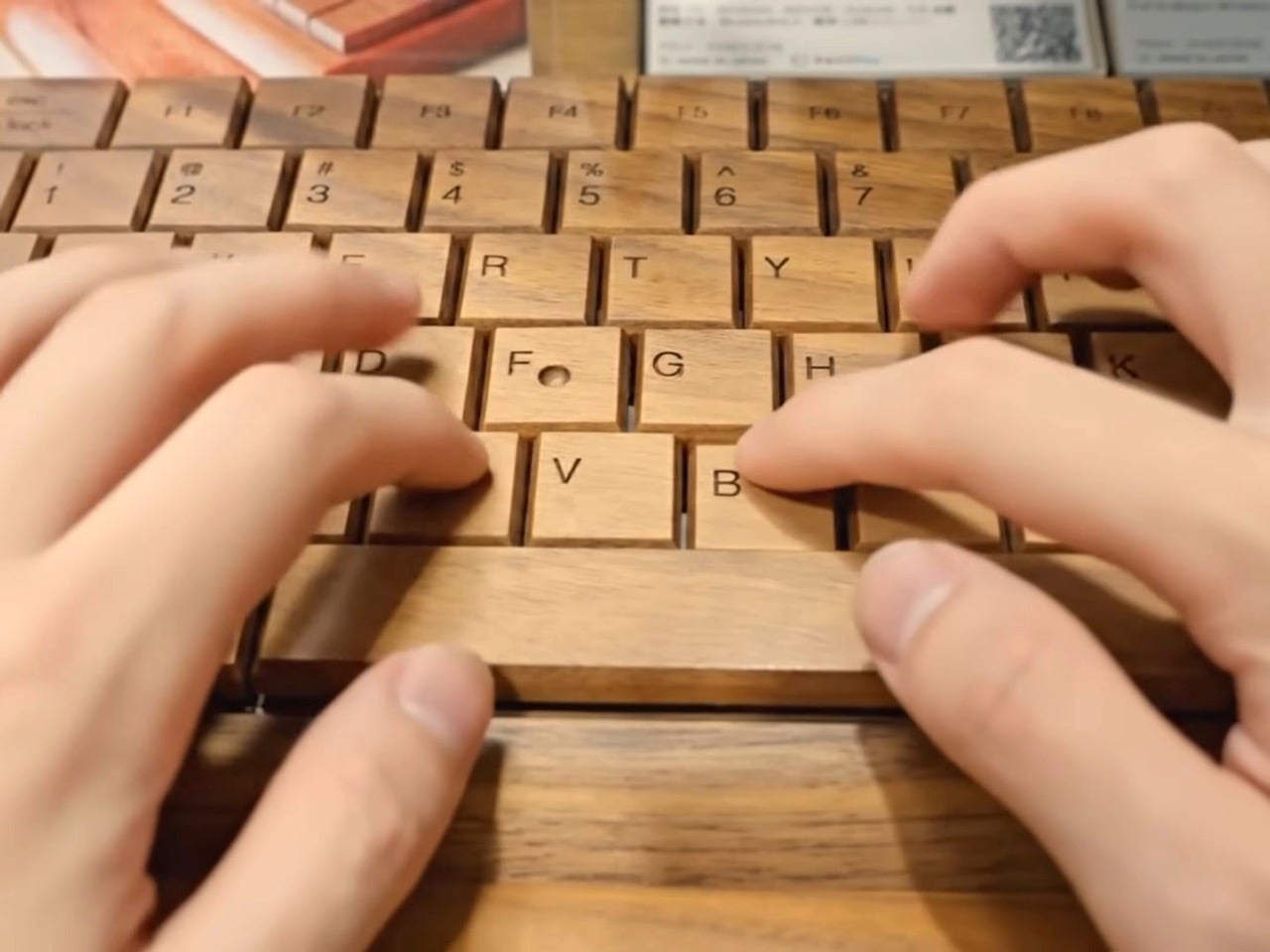
What gets me is the very deliberate disconnect between effort and function. A $30 membrane keyboard from any big-box store does the same job in purely utilitarian terms. You press keys, letters appear on screen, your email gets written. But we spend hours every day with our hands on these things. The texture matters. The sound matters. Whether the object feels disposable or permanent matters, even if we can’t always articulate why. Hacoa seems to understand that the keyboard isn’t just an input device, it’s the primary physical interface between you and every digital thing you make.
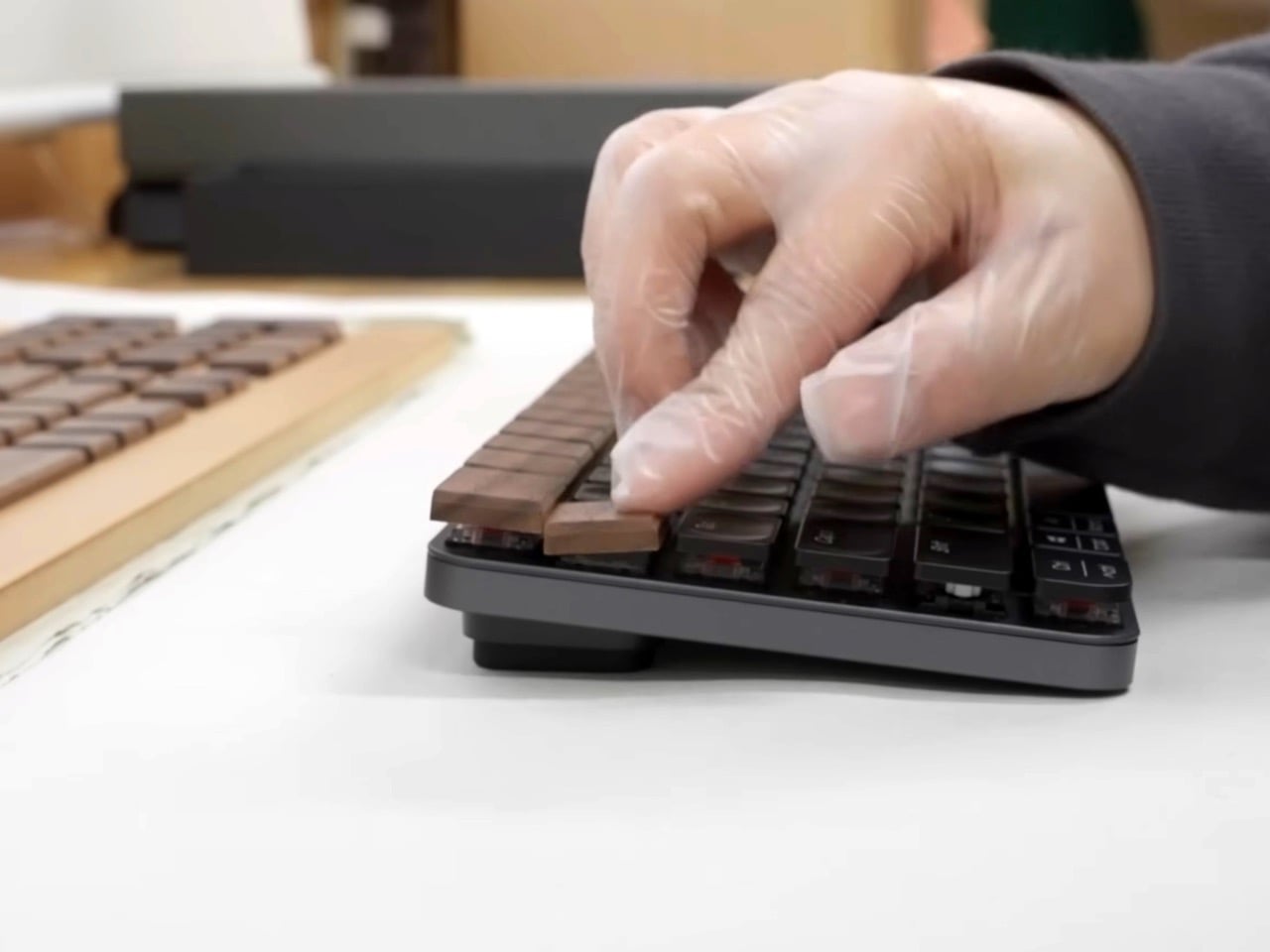
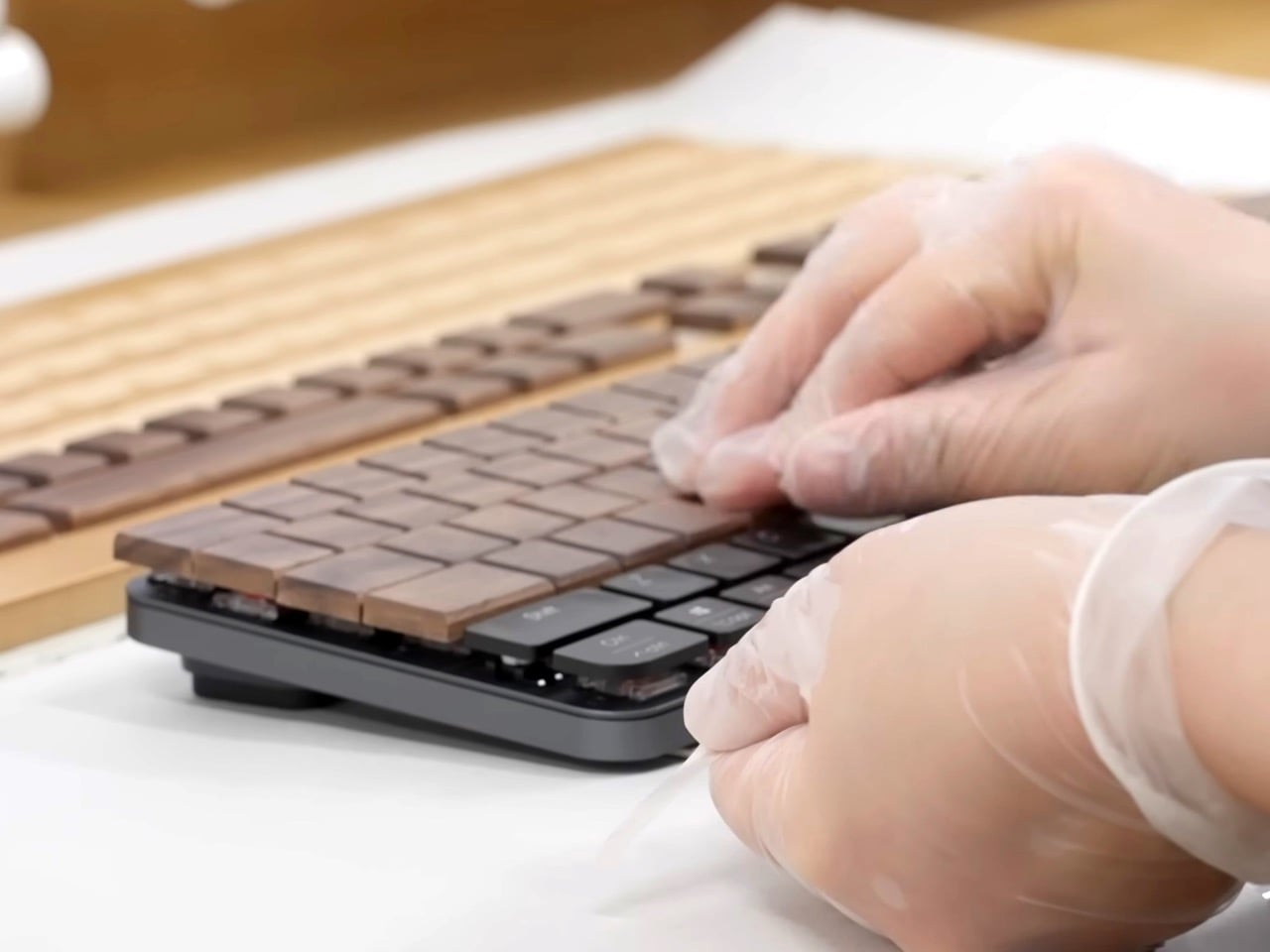
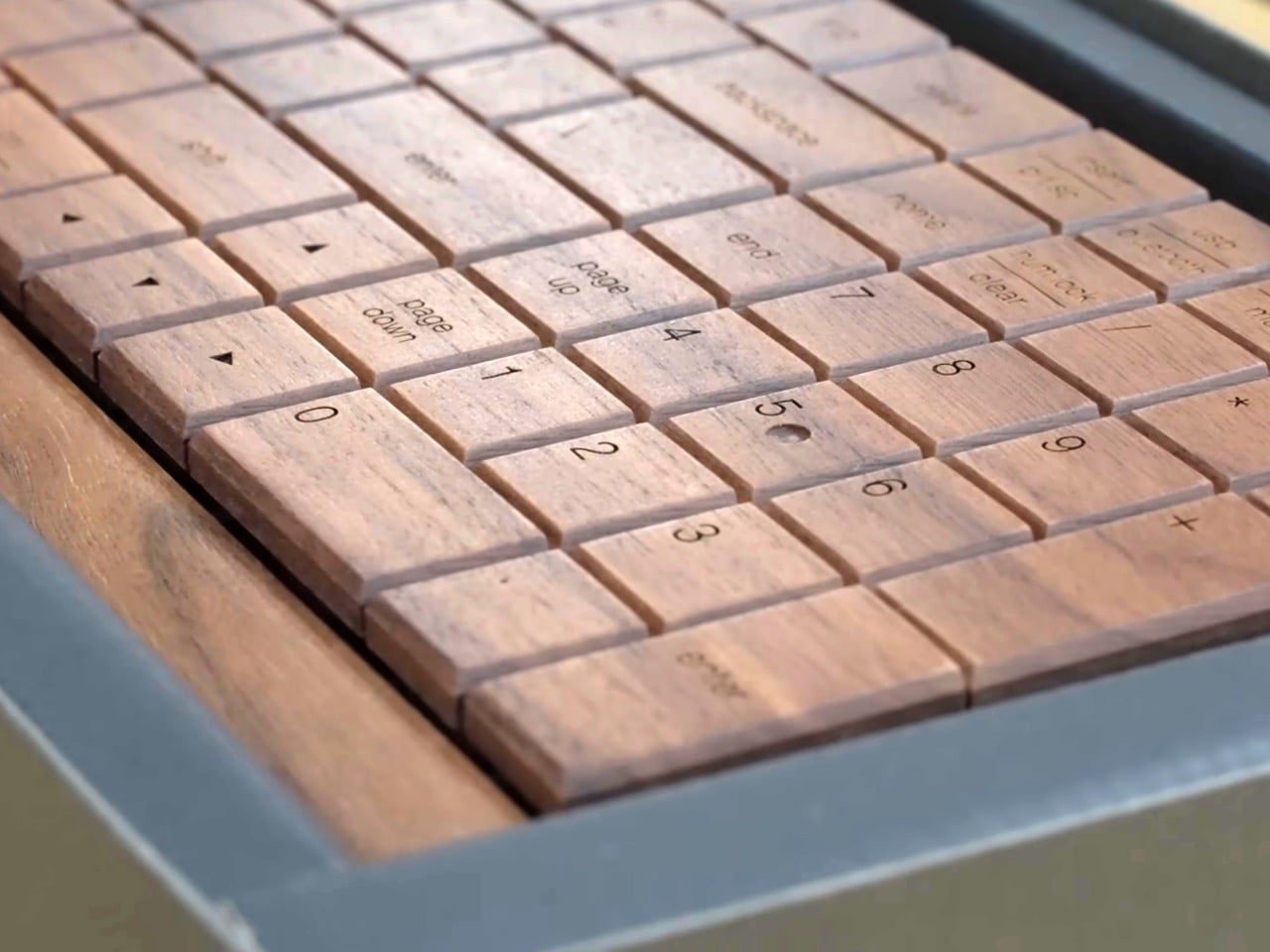
The final product shows visible wood grain variation across every key. Some are lighter, some darker, because that’s what wood does. Each keyboard carries unique patterns that came from whatever tree the lumber came from, which means no two are identical. They’re mounted on dark bases that contrast with the natural wood tones, and the whole thing works with standard mechanical switches. You can actually use this daily without treating it like a museum piece, which honestly makes it more interesting than if it were purely decorative.
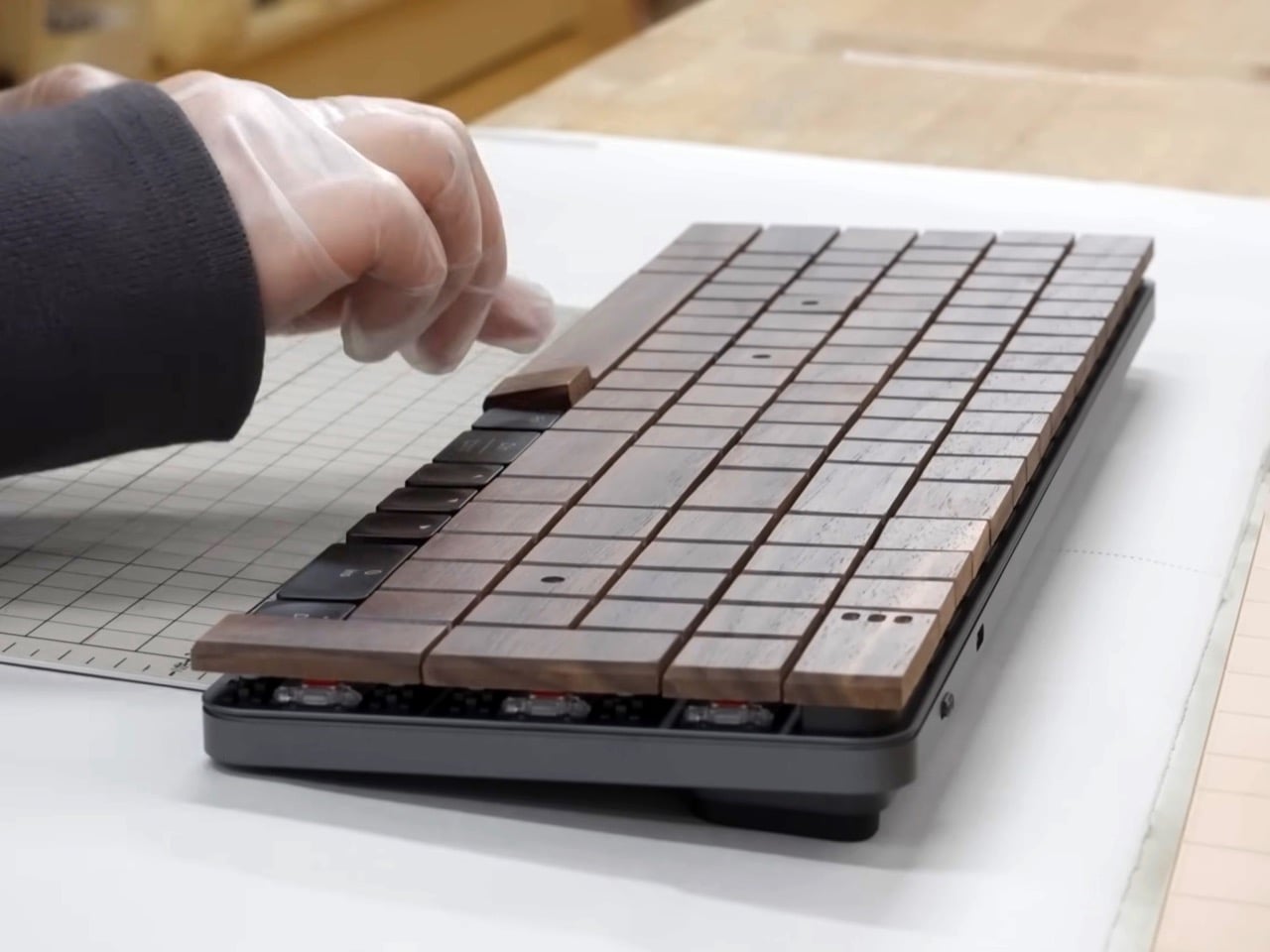
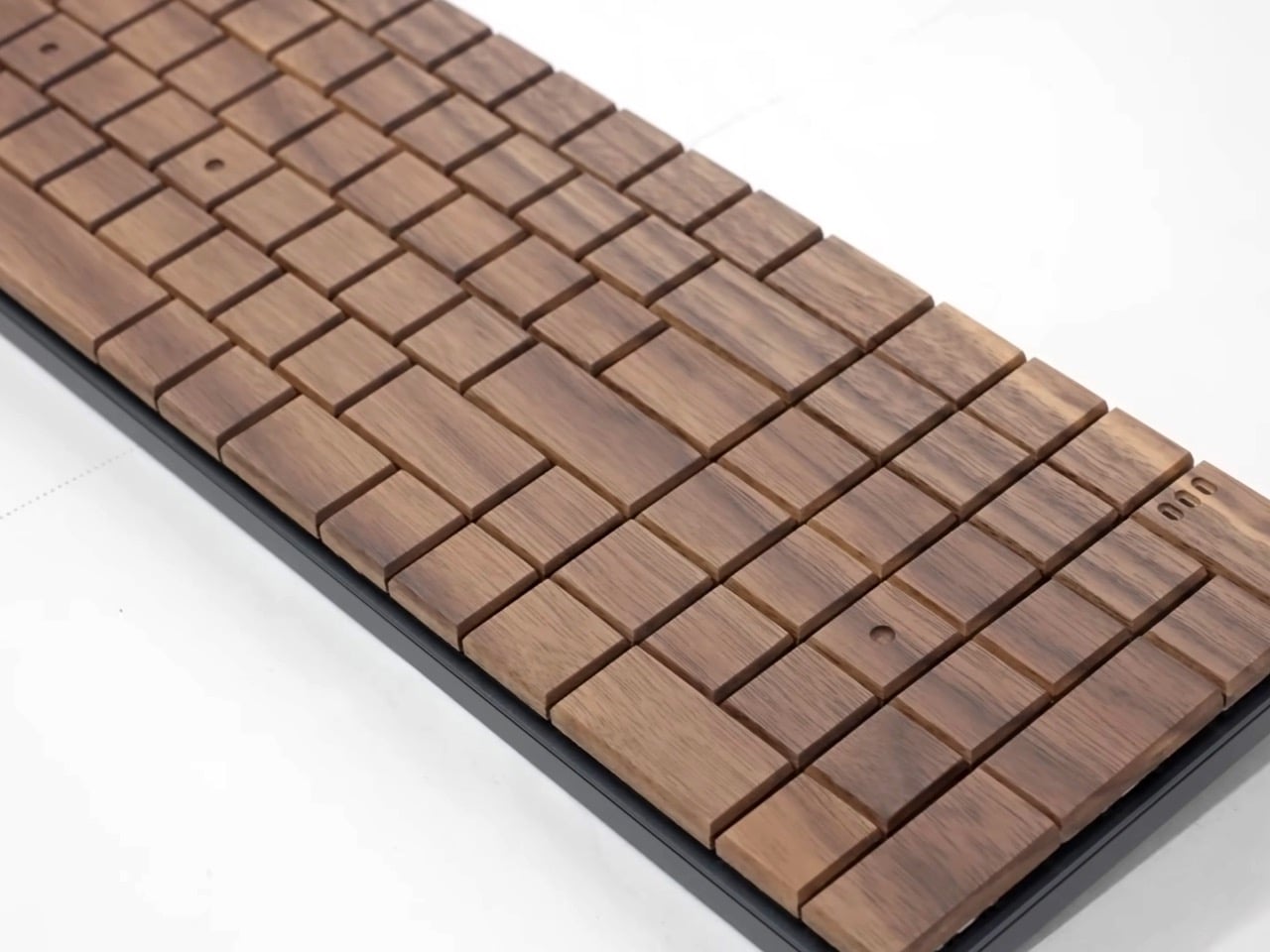
Four generations of craftsmanship went into mastering the material and this product category. That timeline alone makes it weird in tech terms, where four generations might mean four years of product iterations. Here it means actual humans passing down technique and judgment through family lines, the kind of knowledge transfer that only happens when someone works beside their parent for years. The current craftspeople at Hacoa learned by watching, by doing it wrong, by developing the muscle memory that lets them know when a piece of wood is ready just by running their hand across it.
I think about planned obsolescence a lot, probably too much. The assumption baked into most consumer tech that you’ll replace it soon anyway, so why build it to last. These keyboards operate in a completely different value system where the goal is creating something worth keeping. Whether that makes financial sense for most people is debatable. Whether it’s a more sane way to think about the objects we use constantly is not.