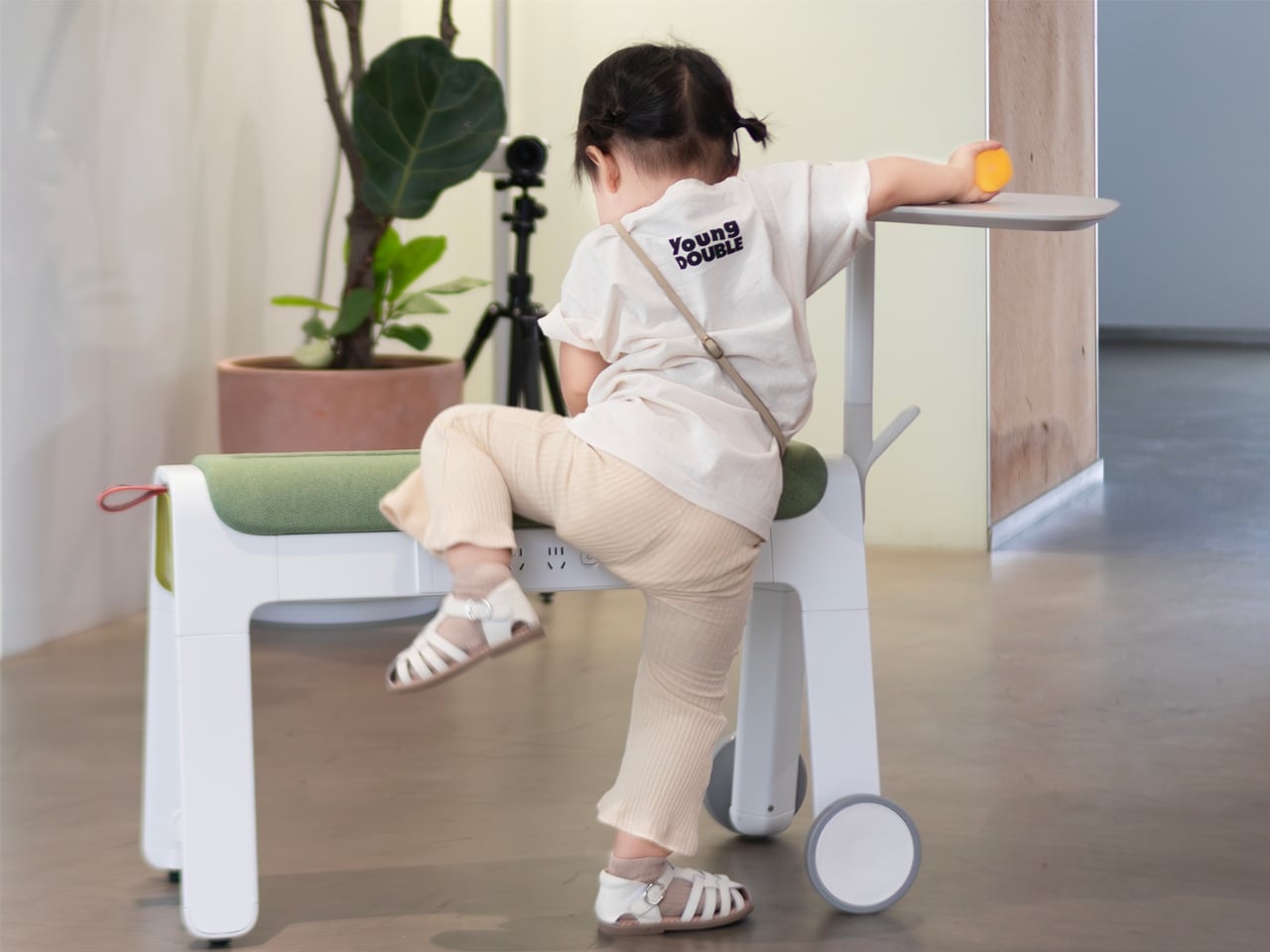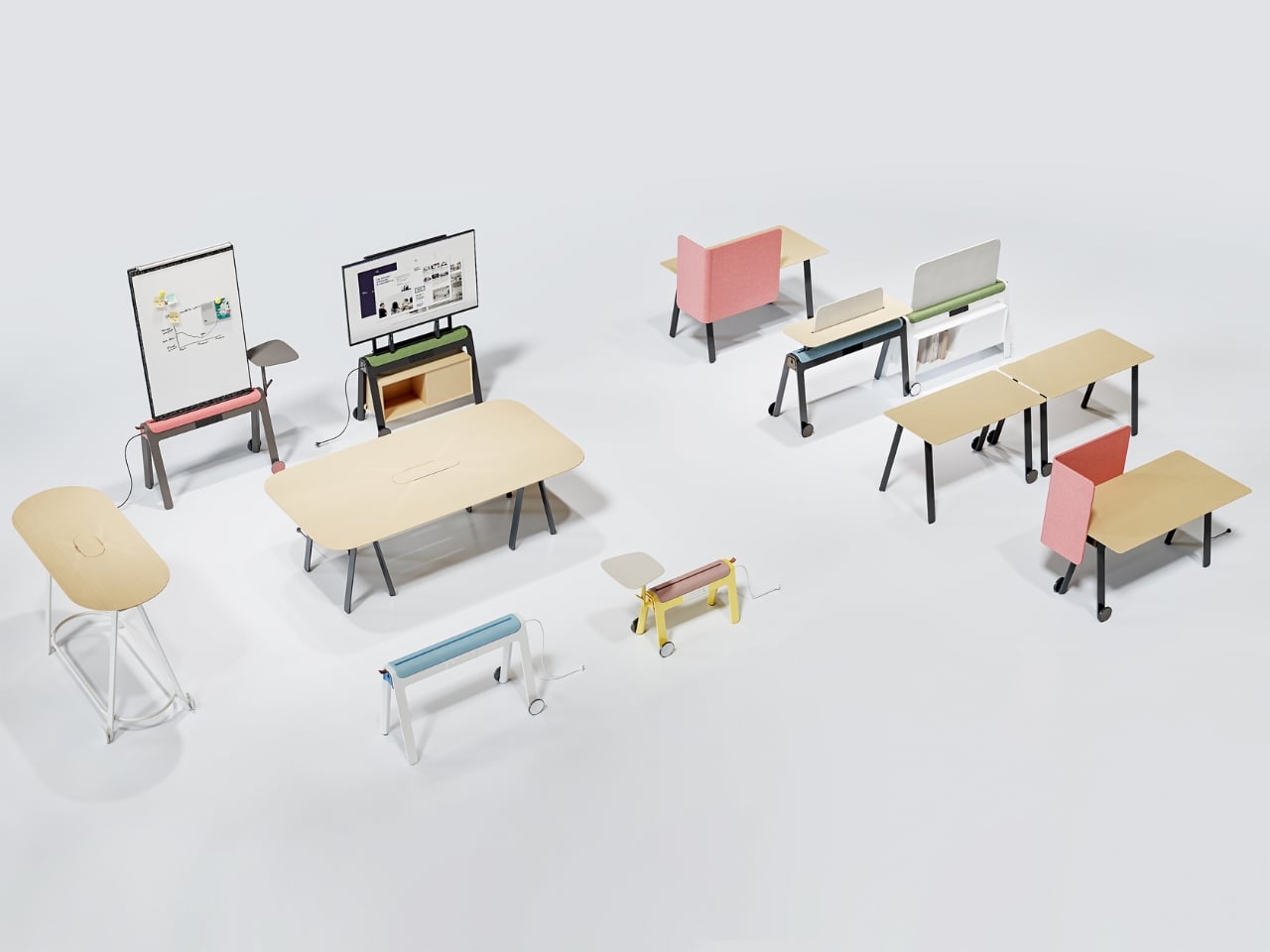

Remember when office furniture meant heavy desks bolted to the floor and chairs that squeaked every time you moved? Those days feel like ancient history now. The way we work has transformed so dramatically that our furniture is finally catching up, and the Kylinc system by Belte Furniture is proof that flexibility isn’t just a buzzword anymore.
Unlike traditional office setups that commit you to one configuration forever, Kylinc treats your workspace like a living thing that can adapt whenever you need it to. The secret lies in its clever design: each piece rolls on large wheels, transforming your office into a sort of adult Lego set where you can rebuild your environment based on what the day demands.
Designer: Belte Furniture
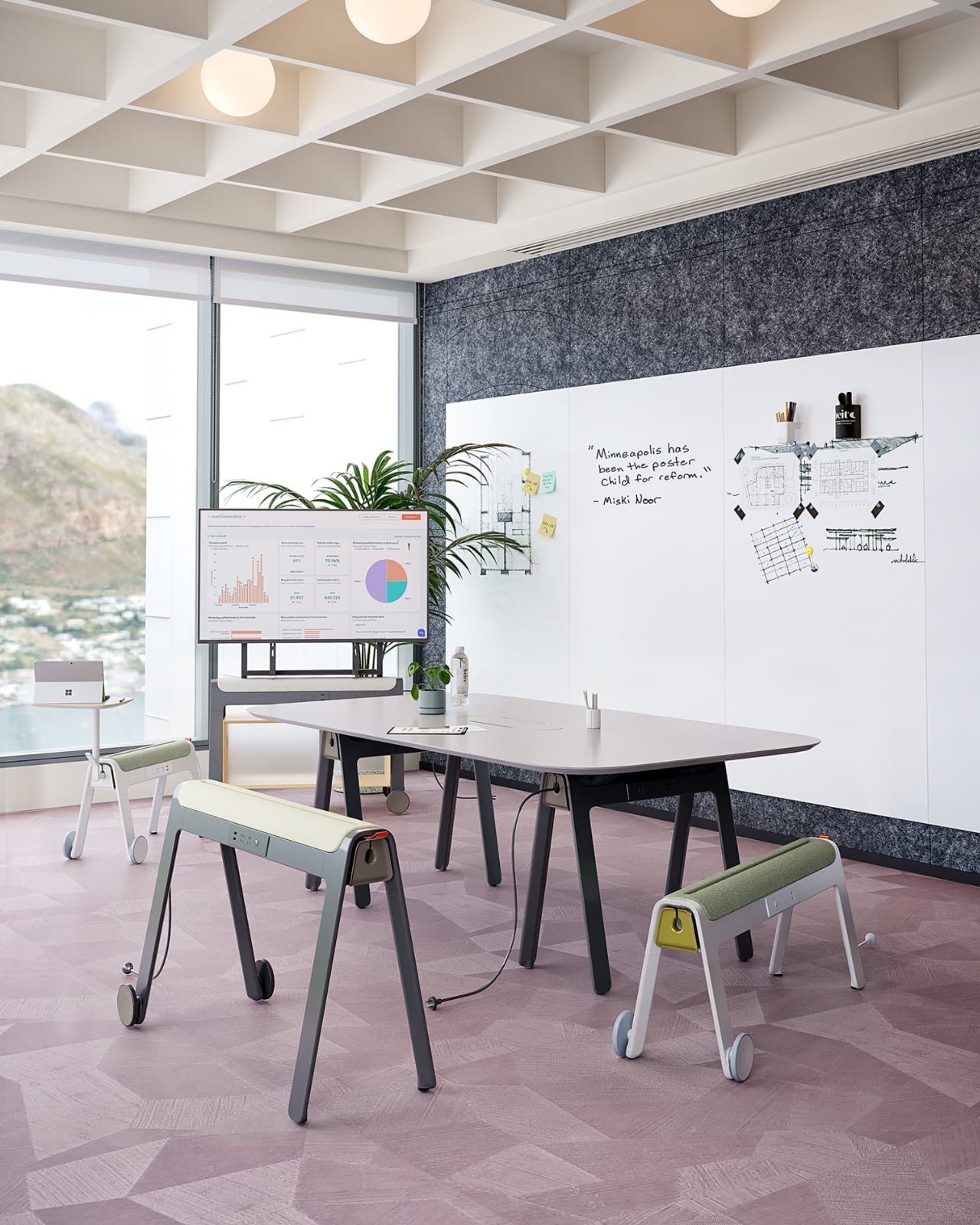

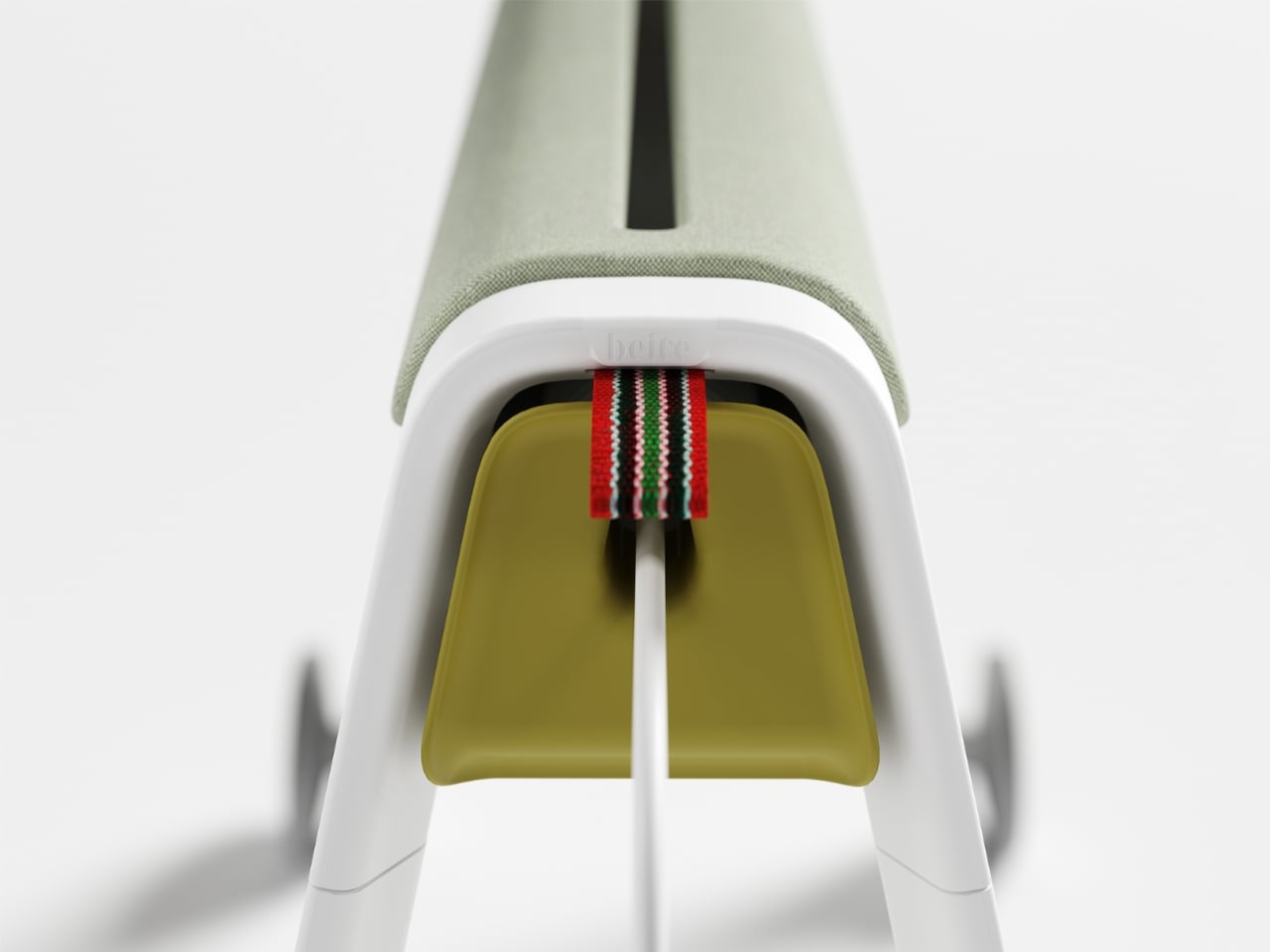
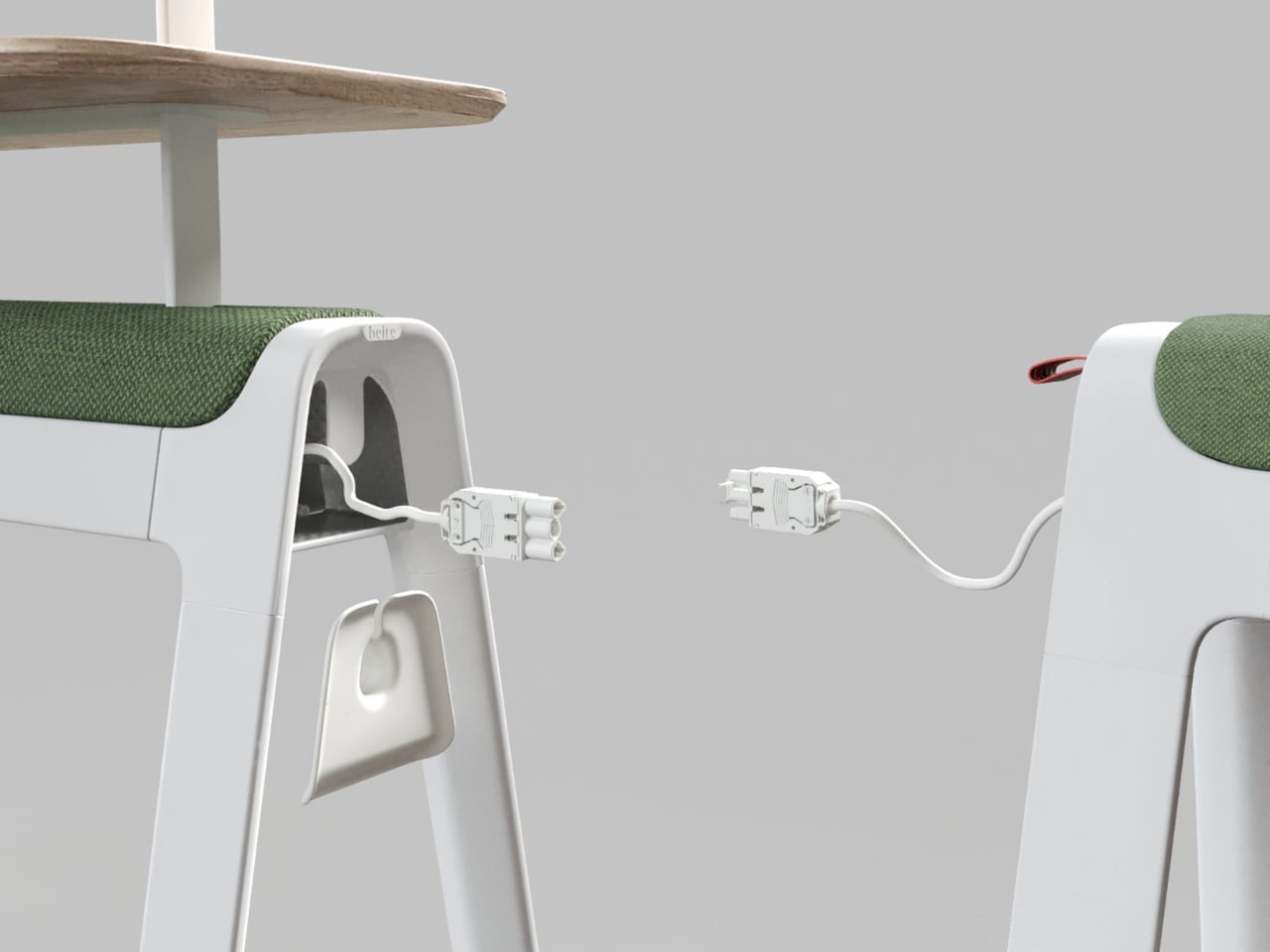
The real genius shows up in the details. Those oversized wheels aren’t just for show. They make repositioning furniture feel effortless, whether you’re creating an impromptu collaboration zone or carving out a quiet corner for focused work. And in a world where every device needs charging, Kylinc integrates power management directly into the furniture itself, complete with smart cable organization that keeps cords from turning into a tangled mess.
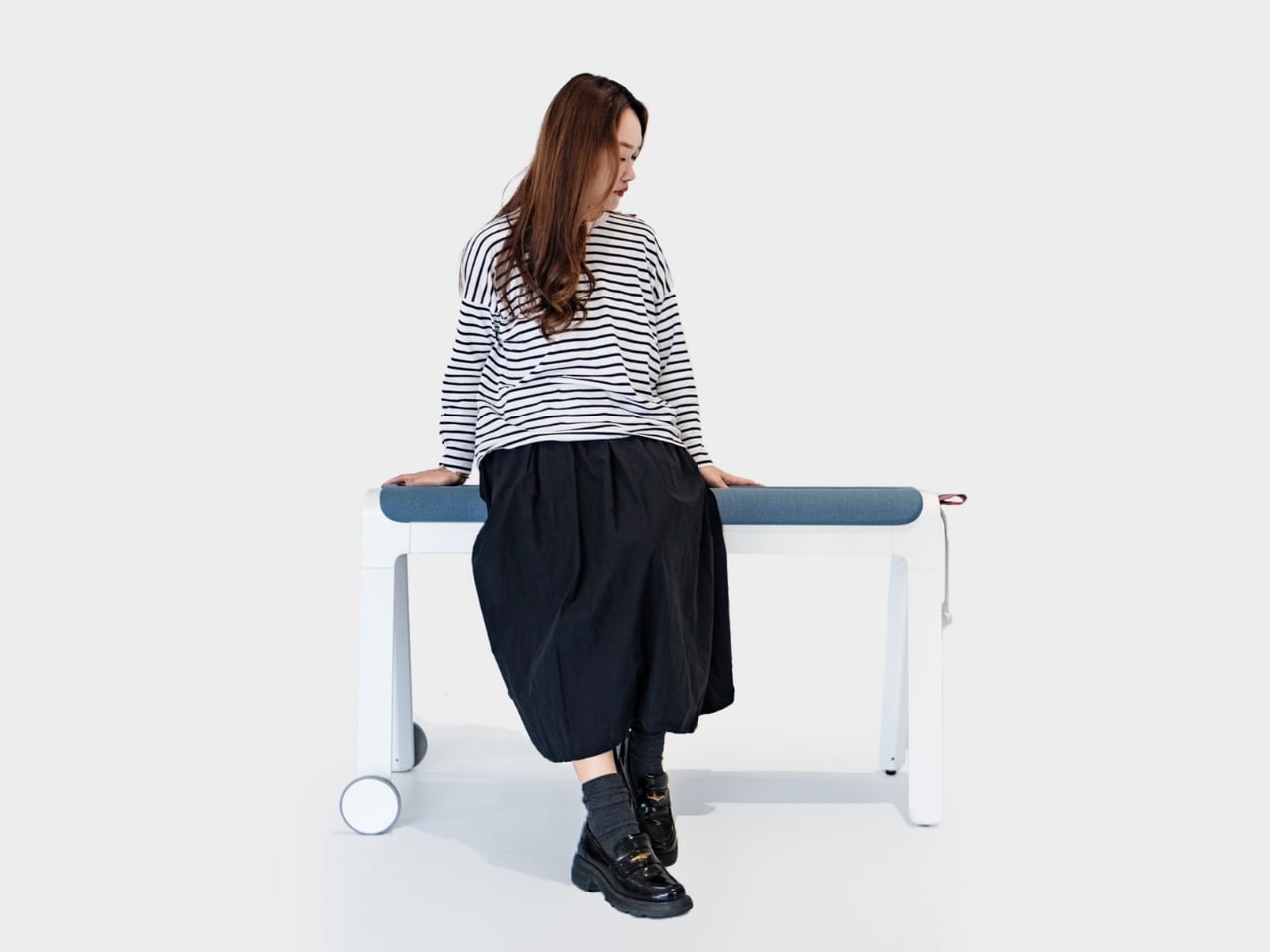
But here’s where things get interesting. The system comes alive through its mix-and-match approach. Benches, seating pods, work surfaces, and storage units all play together in whatever combination makes sense for your space. Need to host a team brainstorm? Arrange the pieces in a circle. Pivoting to heads-down work mode? Spread everything out for individual focus zones. The furniture bends to your workflow instead of forcing you to adapt to rigid layouts.
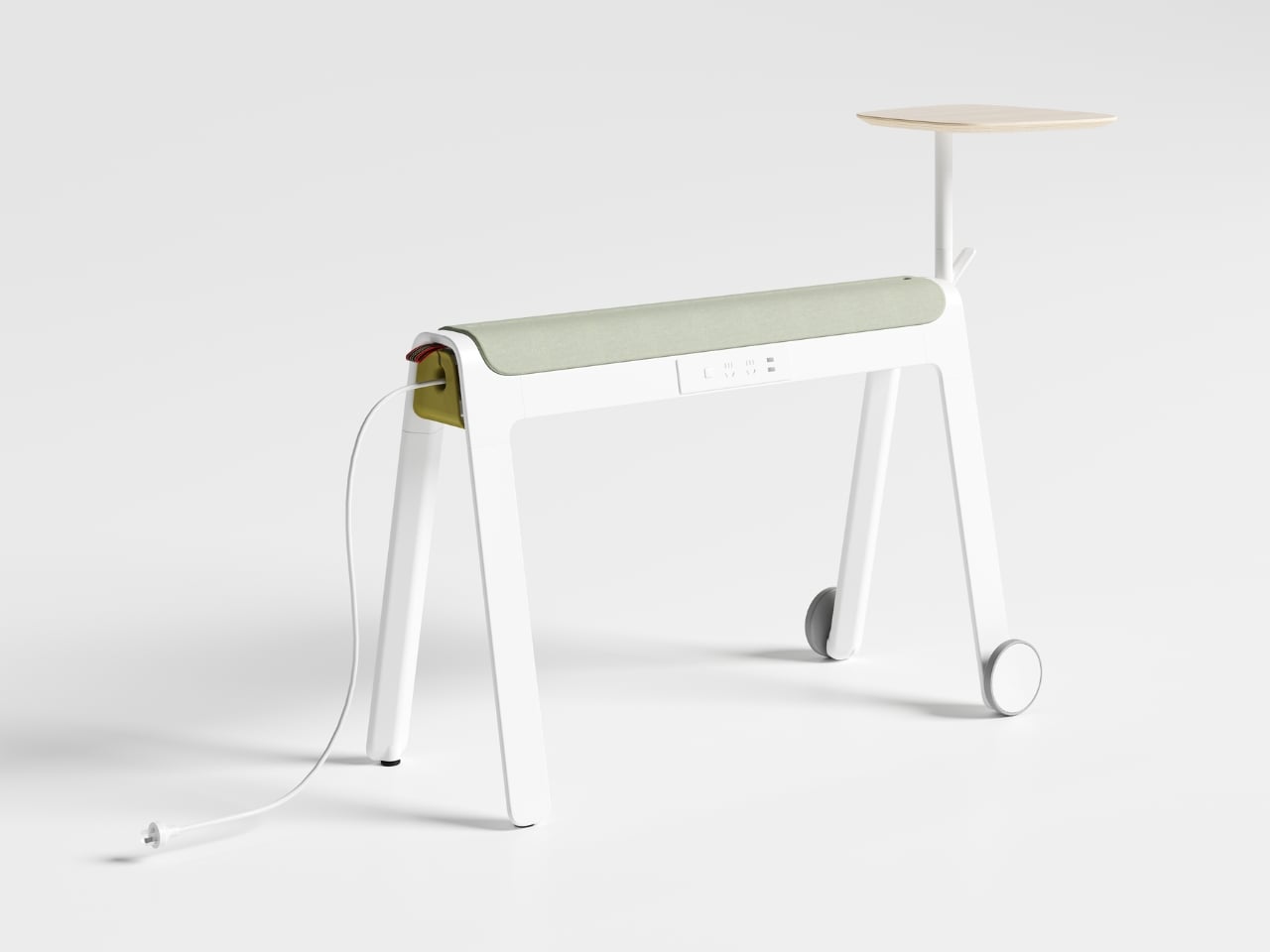
The color palette deserves its own mention. While most office furniture sticks to safe grays and blacks, Kylinc brings vibrant hues into the mix, injecting energy into spaces that typically feel sterile. It’s a small touch that acknowledges something important: where we work affects how we feel, and how we feel influences what we create.
Of course, no design exists in a vacuum. Some observers have noted that Kylinc draws inspiration from established designs in the flexible furniture space, particularly work by firms like Pearson Lloyd. The addition of integrated power might seem like pure innovation, but it introduces a practical question: will people actually bother unplugging and managing those cables when they want to reconfigure their space? There’s a gap between theoretical flexibility and real-world behavior that even the smartest design can’t always bridge.
Still, this tension points to something larger happening in workplace design. We’re moving away from the idea that one setup serves all needs all the time. The pandemic accelerated this shift, but the underlying truth was always there: different tasks require different environments, and the same person might need a collaborative hub in the morning and a quiet retreat in the afternoon. Kylinc responds to this reality by making spatial reconfiguration actually feasible. Traditional modular furniture often requires tools, time, or multiple people to rearrange. By contrast, a system built on wheels and designed for intuitive assembly lowers the friction enough that people might actually use it the way it’s intended.
The multifunctional accessories add another layer of versatility. Surfaces can morph from laptop stands to communal tables. Storage elements double as room dividers. Each component serves multiple purposes, which matters especially in smaller offices where every square foot counts. What makes furniture like Kylinc significant isn’t just the product itself but what it represents. We’re seeing a fundamental rethinking of how physical space supports work. The old model assumed stability: you’d sit at the same desk, in the same spot, doing roughly the same thing. The new model embraces flux: your needs change throughout the day, throughout the week, throughout your projects.
Winning an iF Design Award puts Kylinc in good company among furniture innovations that are reshaping how we think about workspaces. Whether this particular system becomes ubiquitous or simply points the way forward, it’s part of a bigger conversation about creating environments that serve people instead of constraining them. And in a time when the relationship between work and space continues to evolve, that’s exactly the kind of furniture we need more of.