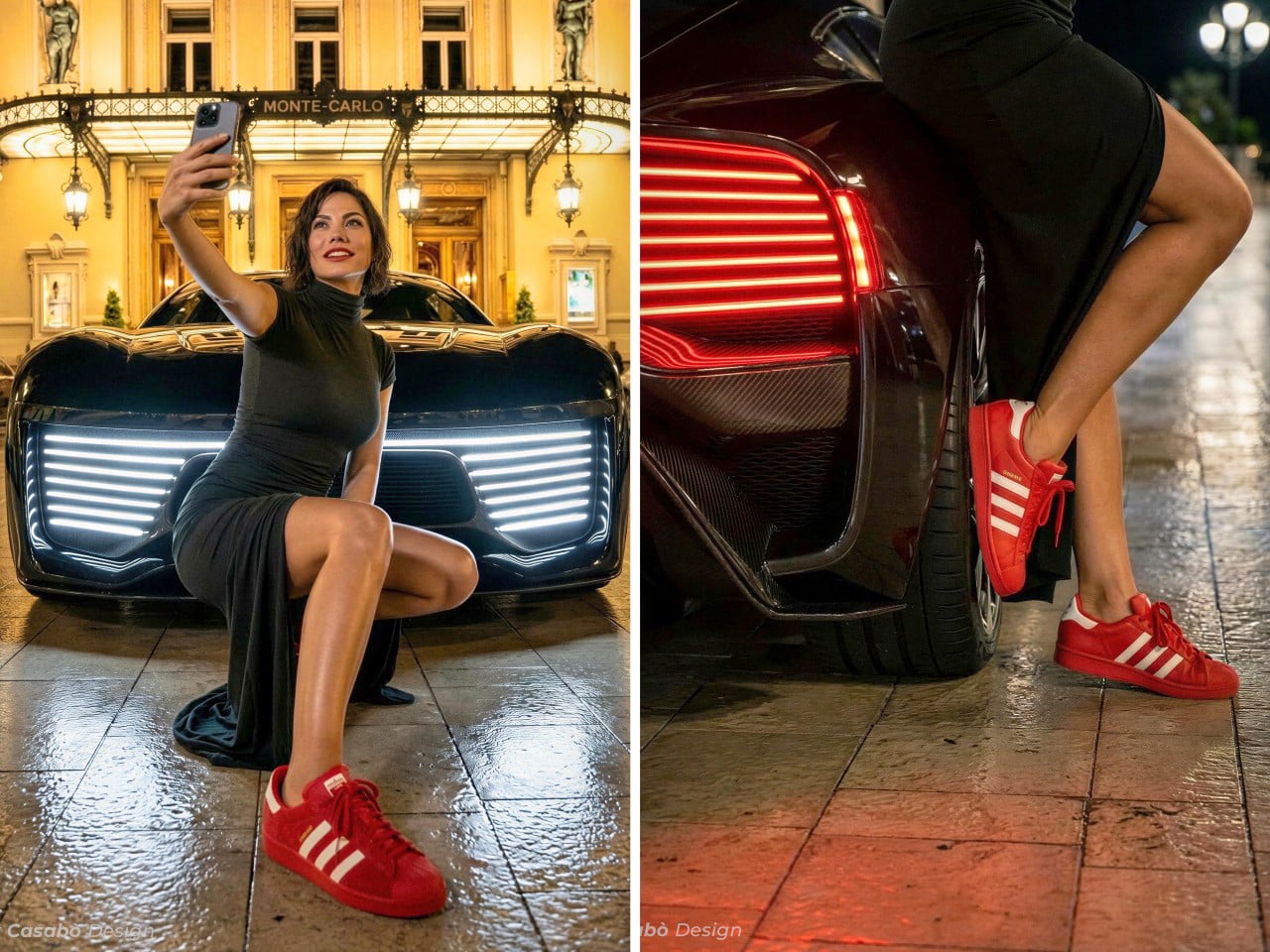

Modern luxury automotive design has developed a visual shorthand. Horizontal LED treatments. Fastback silhouettes. Minimalist interiors dominated by screens and ambient lighting. The AC Luxury GT by Alex Casabo takes this established vocabulary and speaks it fluently, proving that working within constraints doesn’t mean sacrificing identity.
The car presents a masterclass in thematic consistency. Those layered horizontal light bars don’t just appear on the front fascia and disappear. They inform the wheel design, echo in the rear lighting, and establish a rhythmic visual language that unifies the entire form. It’s the kind of disciplined approach that separates thoughtful design from hasty pastiche. Rendered in both sterile studio environments and glamorous European backdrops, the AC Luxury GT maintains its composure. Some concepts need drama to convince you. This one relies on refinement.
Designer: Alex Casabo
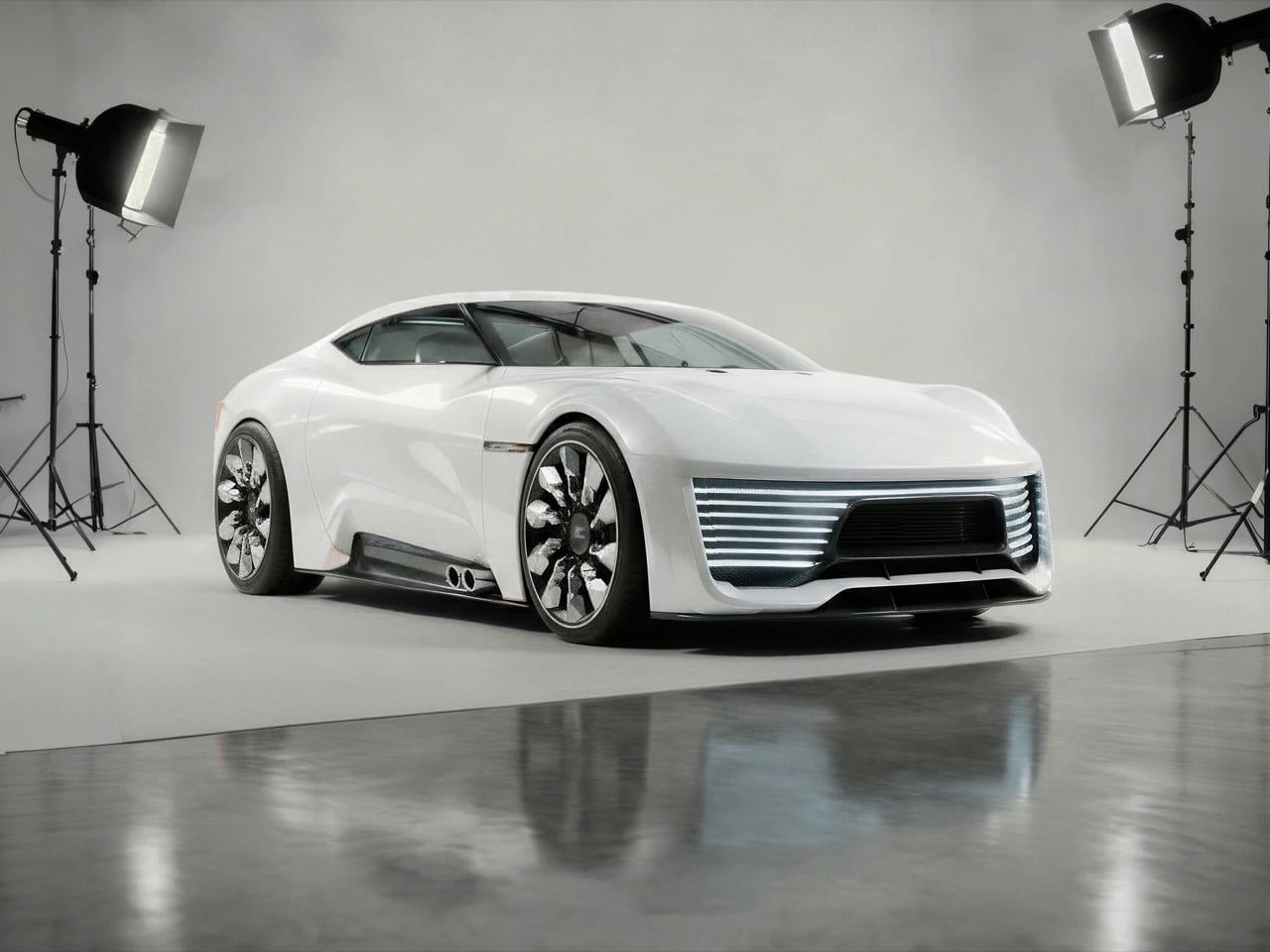
The front end borrows heavily from Lincoln’s recent concept work, particularly that Star concept’s grille treatment where horizontal lines create sculptural depth. But where Lincoln went full theatrical with their execution, Casabo dials it back just enough to feel plausible for 2027 production. The striated LED treatment works because it’s geometric without being fussy, creating genuine visual interest through light and shadow play rather than relying on complex surface modeling. Stand this next to a Hyundai Ioniq 5 and you’ll spot the parametric pixel influence immediately, but the AC Luxury GT translates that Korean confidence into something that reads distinctly more Western luxury.
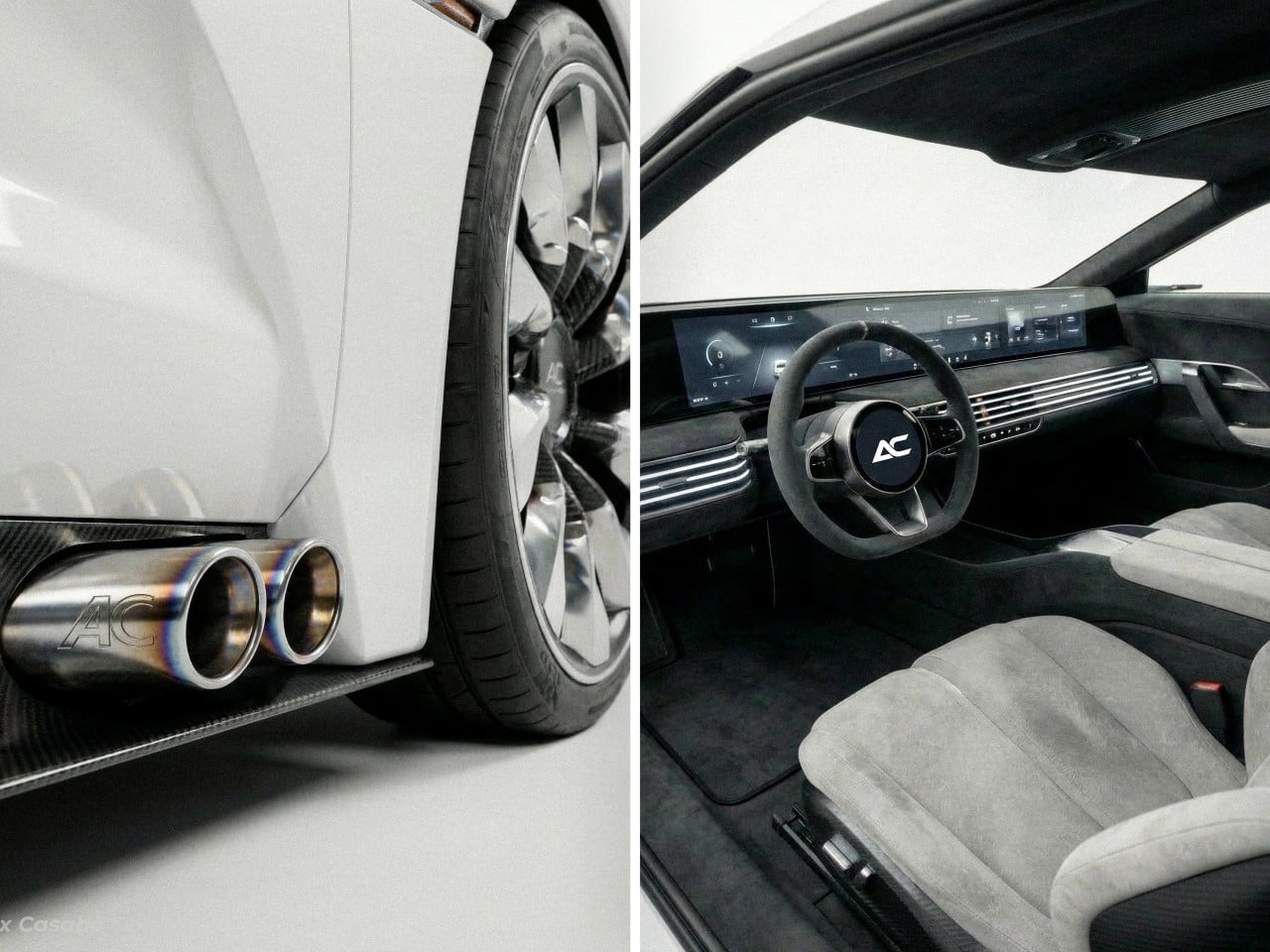
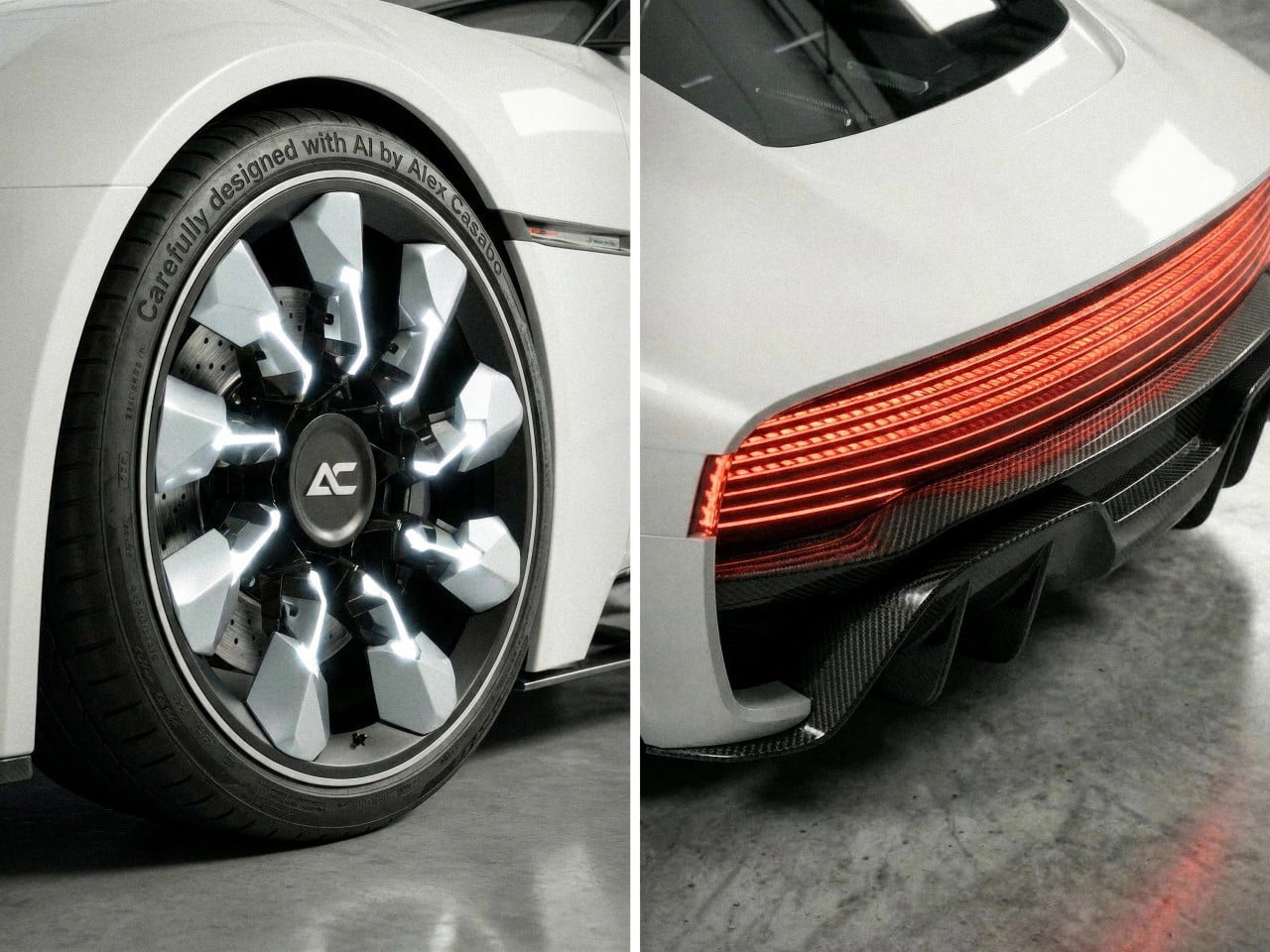
The wheels, however, are pure concept car audacity. Illuminated elements integrated into the spokes, geometric cutouts that would make any aerodynamicist nervous, and proportions that suggest this thing rolls on 22s minimum. They’re completely impractical for production and utterly perfect for their intended purpose. The “AC” logo on the steering wheel appears on the wheel centers too, maintaining brand consistency in a way that feels intentional rather than slapped on. You can almost hear the tire noise those open spoke designs would generate at highway speeds, but that’s tomorrow’s problem.
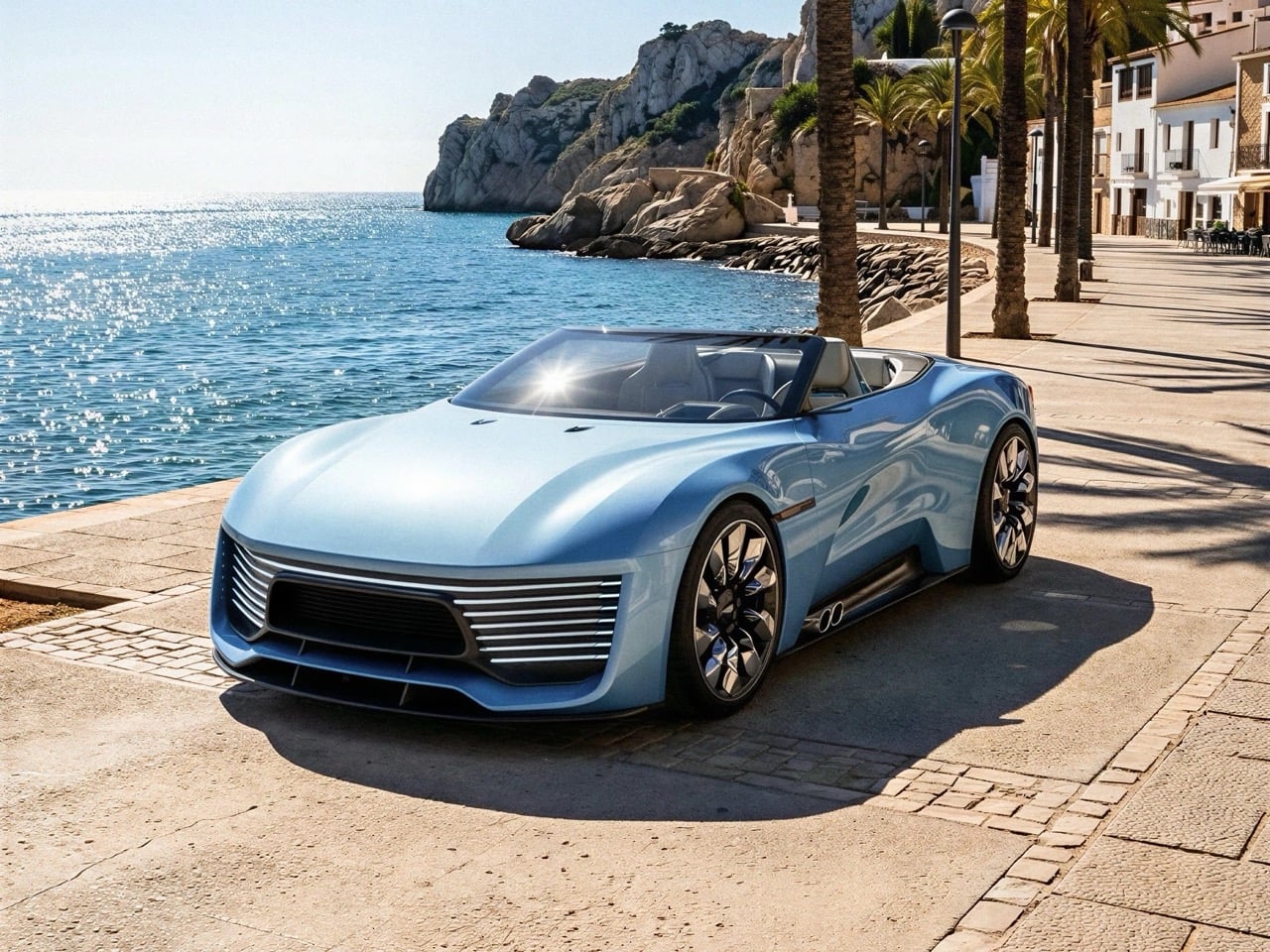
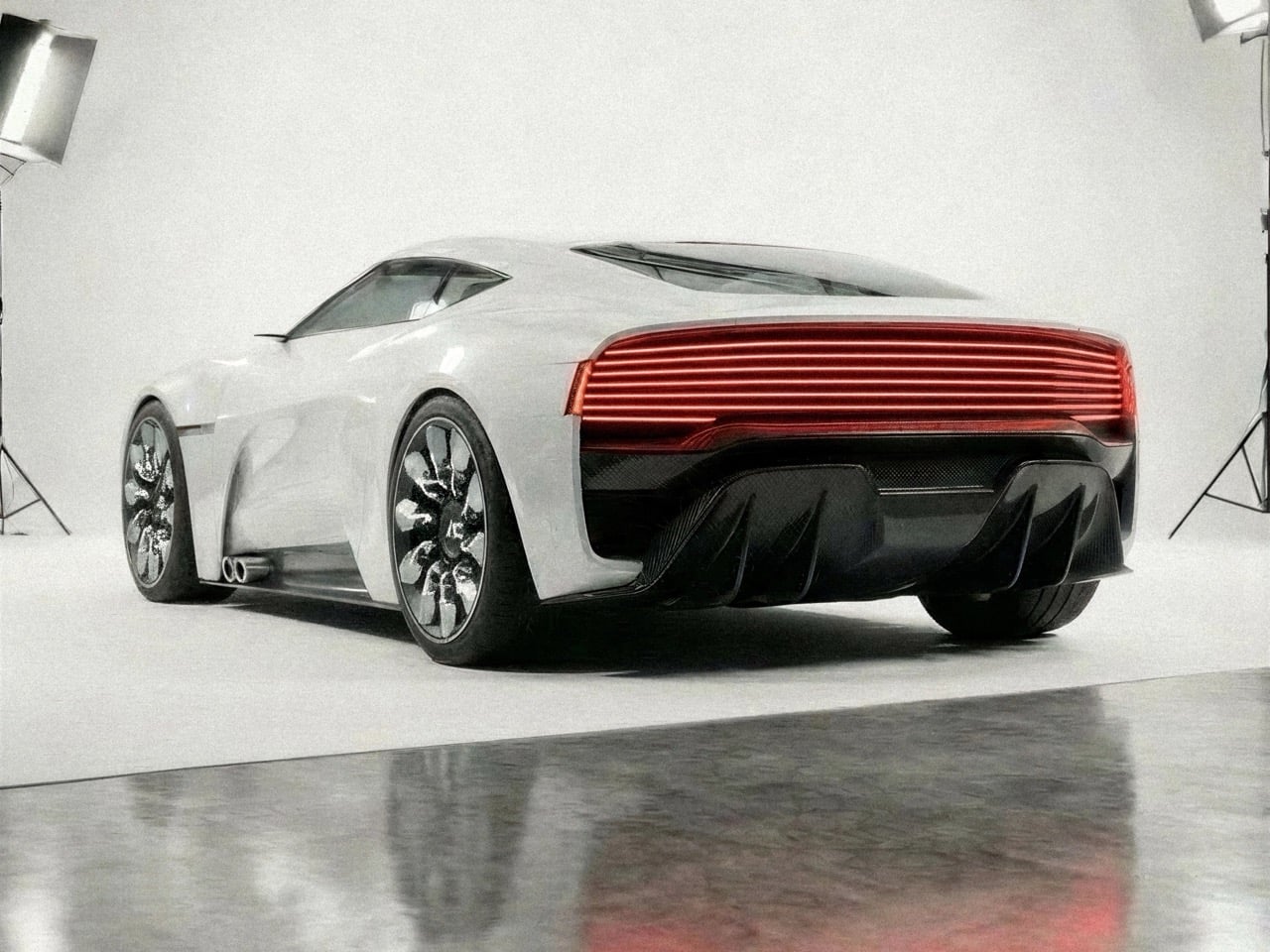
The fastback roofline creates a silhouette that splits the difference between grand tourer and luxury sedan. There’s cab-forward proportions here that suggest electric skateboard platform packaging, which makes sense given the visual language Casabo is working within. The rear haunches have just enough muscle to suggest performance credentials without veering into Dodge Challenger testosterone territory. Surface transitions are smooth, almost organic, letting the form speak through curvature rather than aggressive character lines. It’s a very 2020s approach to surfacing, this idea that restraint signals confidence.
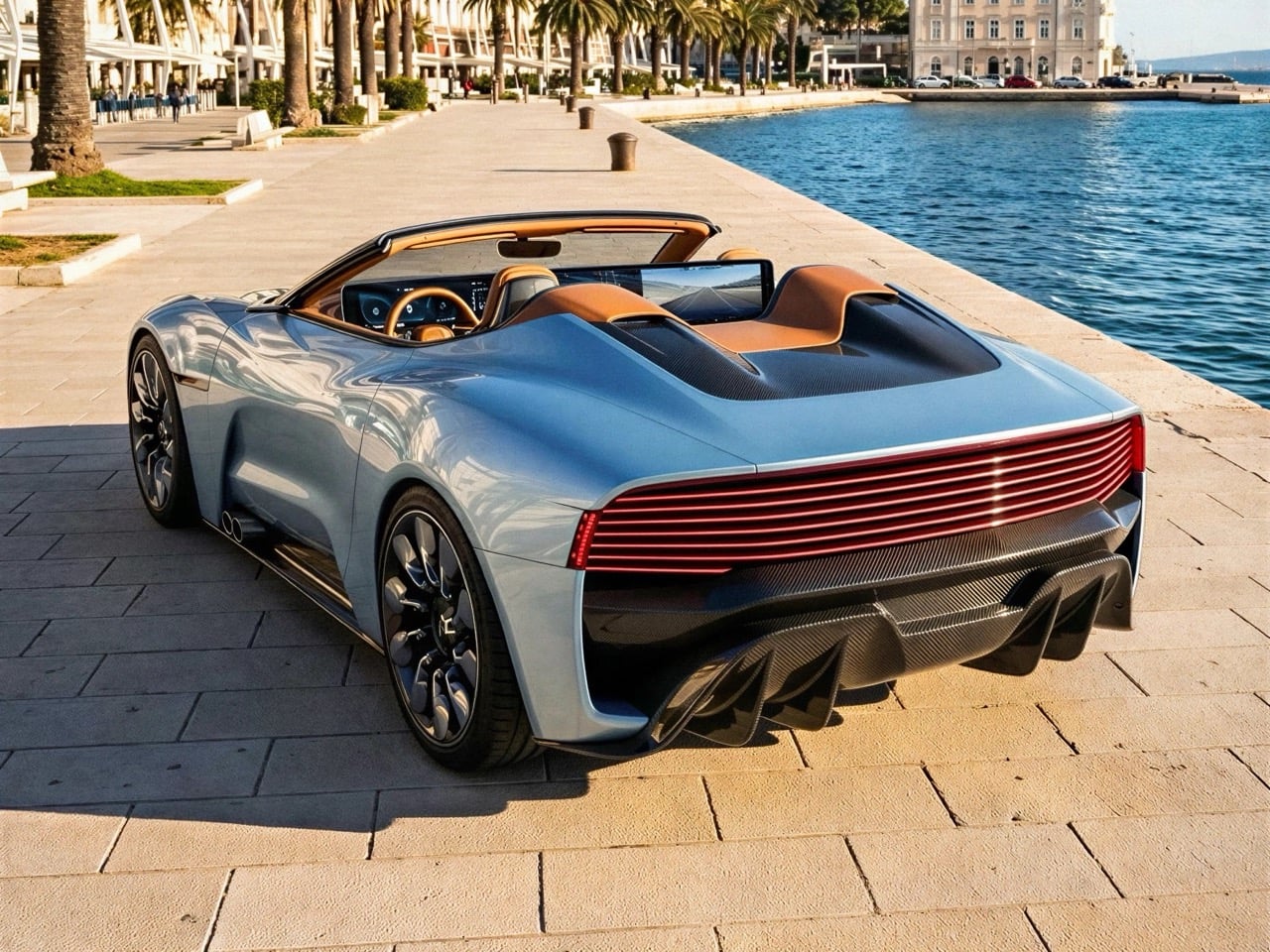
That rear lighting treatment deserves its own discussion. Full-width taillight bars have become the luxury car equivalent of a required signature, but the horizontal striations here give it actual depth and texture. The way light filters through those layers creates genuine visual complexity, transforming what could have been a generic LED strip into something with presence. Below it, that carbon fiber diffuser and quad exhaust setup (probably fake on an EV, but we’ll suspend disbelief) provides the performance visual cues that the rest of the design deliberately avoids. It’s the mullet principle applied to automotive design: serene luxury up top, track-ready aggression below.
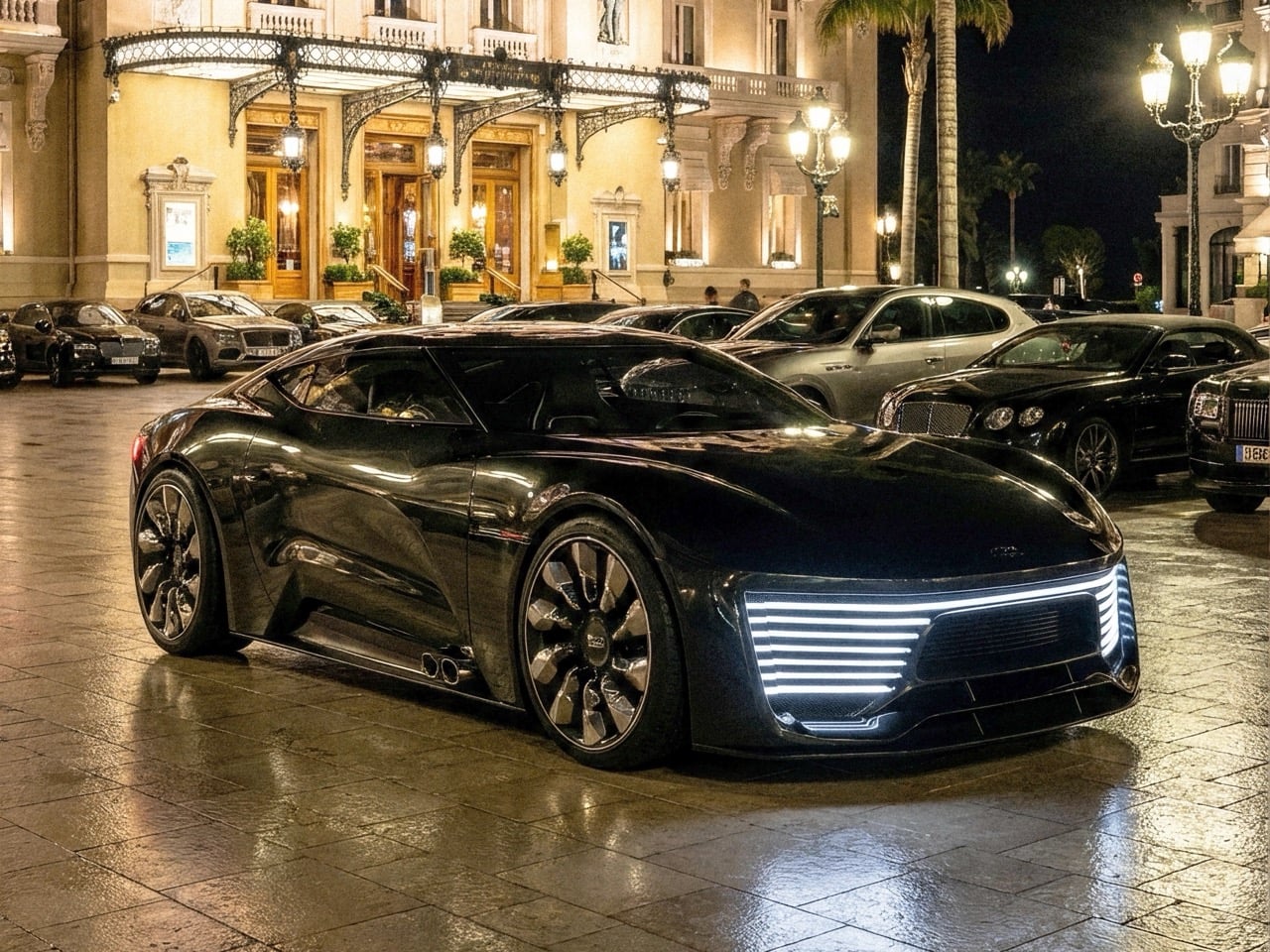
The interior (or whatever we can see of it) follows the playbook established by Lucid and Mercedes with their EQ lineup. Horizontal dashboard architecture, integrated screen real estate that flows into the IP rather than bolting on as an afterthought, light materials that suggest Scandinavian serenity over German precision. The steering wheel is refreshingly simple, avoiding the temptation to festoon it with capacitive buttons and haptic zones. Sometimes a wheel should just be a wheel. What’s interesting is how the exterior’s horizontal theme continues inside through that dashboard treatment, maintaining design language consistency in a way that many concepts forget about entirely.
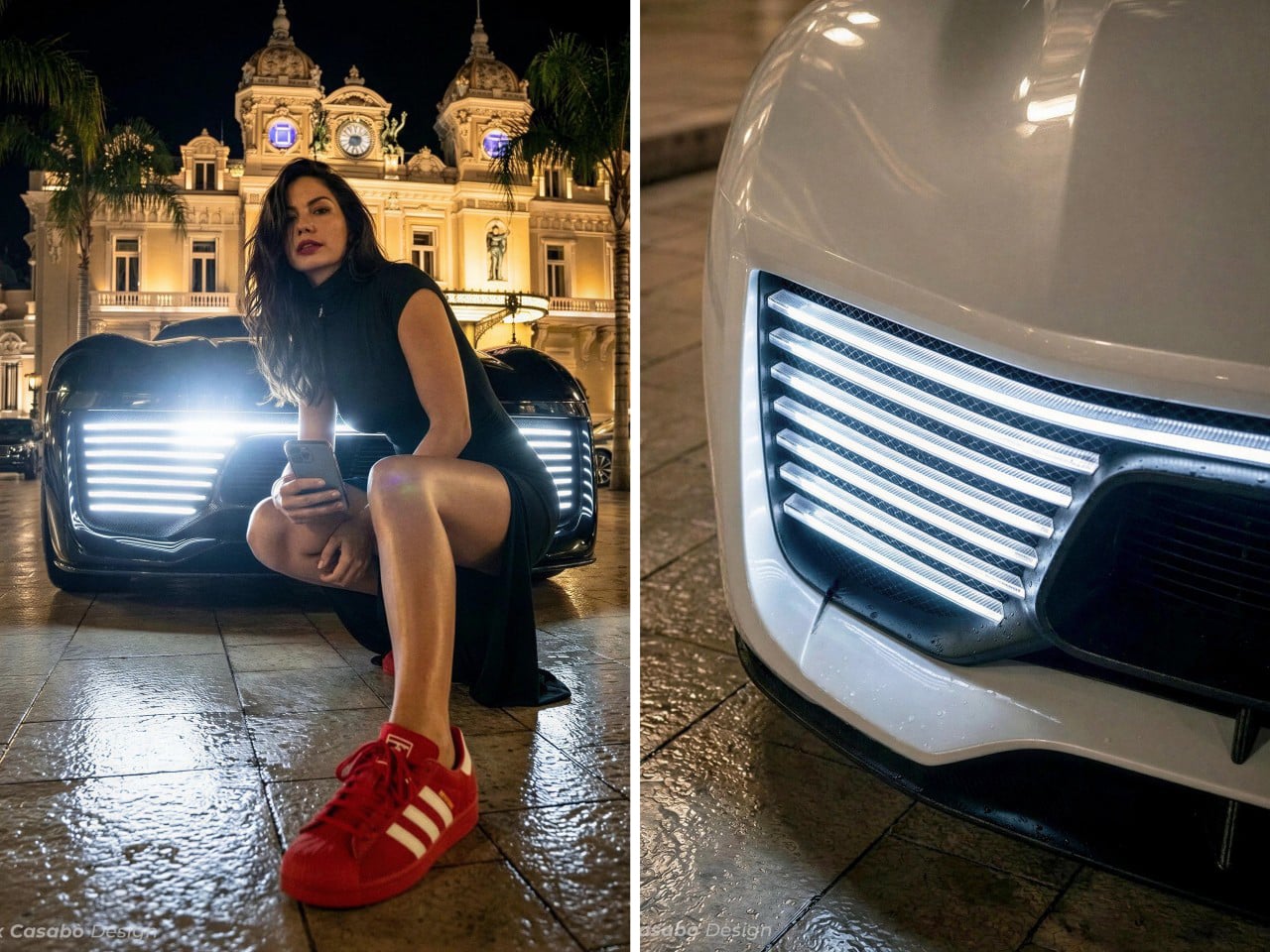
Casabo created this as an exploration of AI tools in the design workflow, using Midjourney, Vizcom, and Photoshop to iterate rapidly on forms and contexts. It shows. The quality of these renders, the variety of lighting conditions and environments, the speed at which a designer can now visualize ideas across multiple scenarios, that’s the real story here. The AC Luxury GT works as a design exercise precisely because the tools allowed for the kind of rapid refinement that traditionally required weeks of studio time.