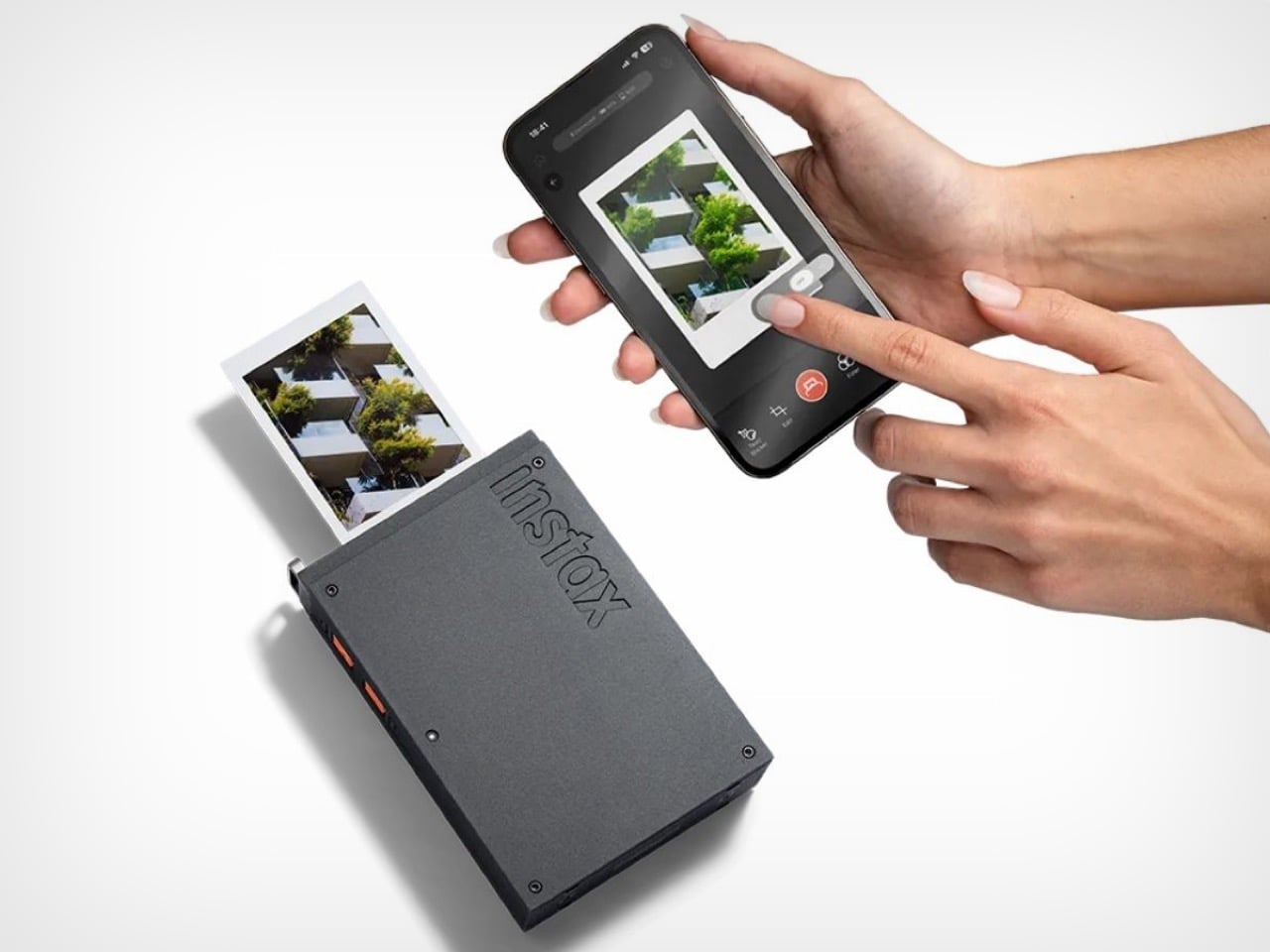
The smartphone has killed the photo album, turned memories into infinite scrolls, and made physical prints feel almost quaint. But there’s something about holding a tangible photograph that a camera roll of 10,000 images can’t replicate. Fujifilm’s new Instax Mini Link+ smartphone printer bridges this gap with a sophistication that previous models lacked, trading playful pastels for matte black and orange industrial design.
What sets the Link+ apart isn’t just its grown-up aesthetic. The printer introduces a Design Print Mode specifically engineered for text-heavy layouts, graphic work, and intricate illustrations. Whether you’re printing Pinterest inspiration boards, magazine layouts, or poster designs, the enhanced resolution captures fine details that earlier models struggled to render. At $169.95, it positions itself as the premium option in Fujifilm’s smartphone printer lineup, targeting creators who want more than just snapshot printing.
Designer: Fujifilm
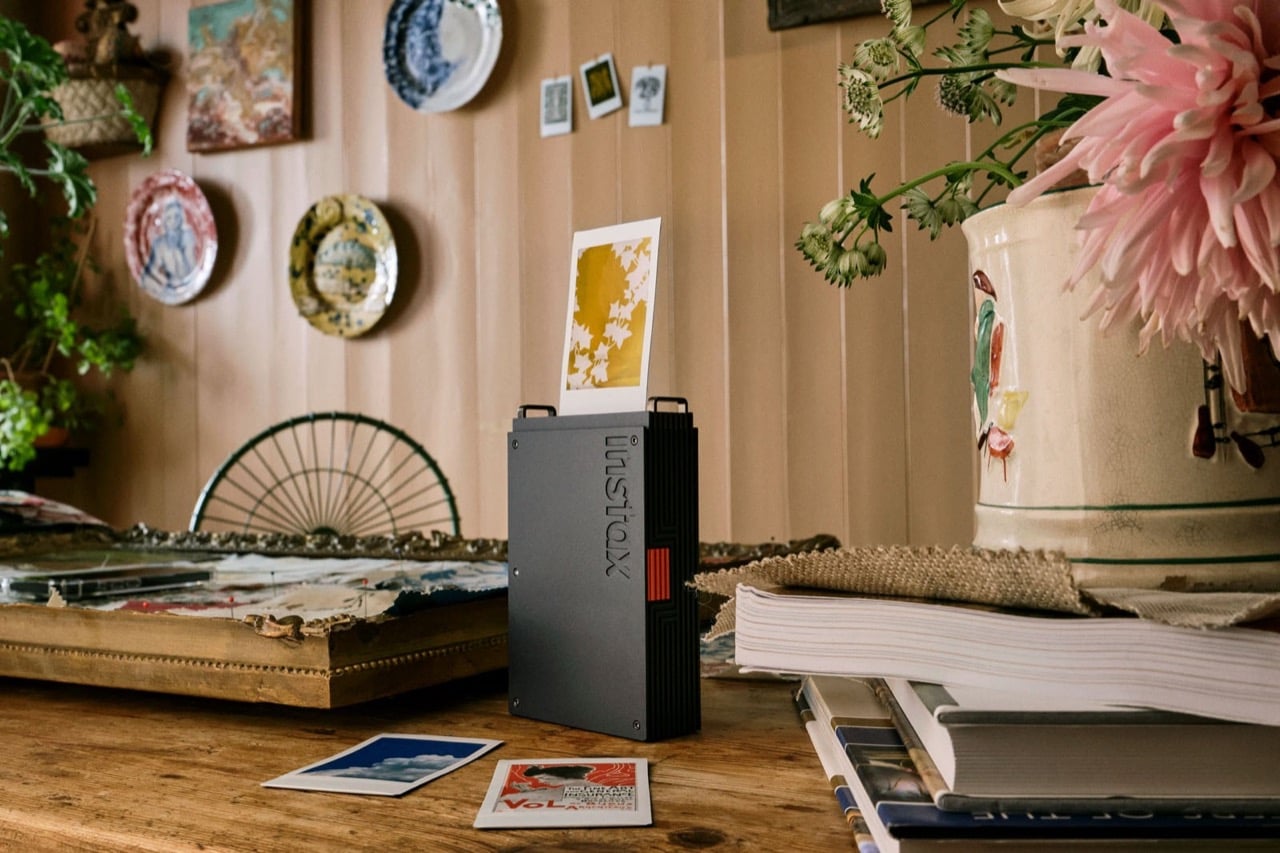

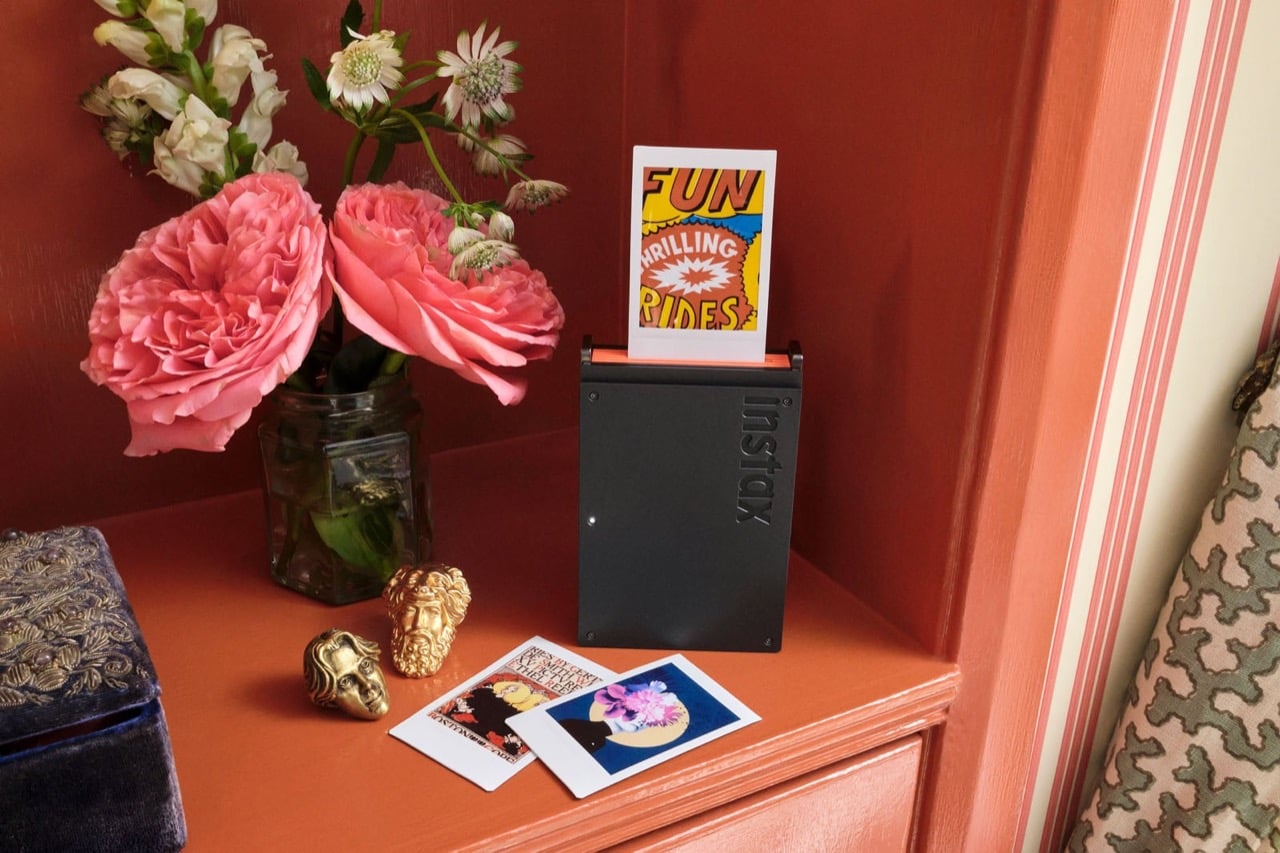
Here’s the thing about instant film printers: they’ve always been terrible at text. The Link 3 and its predecessors could handle photos decently enough, but try printing anything with small type or fine line work and you’d get a blurry mess. The Link+ solves this with what Fujifilm calls Design Print Mode, which optimizes the 318 dpi OLED exposure system for sharp edges and clean letterforms. I’ve seen the sample prints, and the difference is immediately obvious. That “FUN THRILLING RIDES” graphic they keep showing in the promo shots actually maintains readability, which sounds basic but represents a genuine technical improvement over previous models.
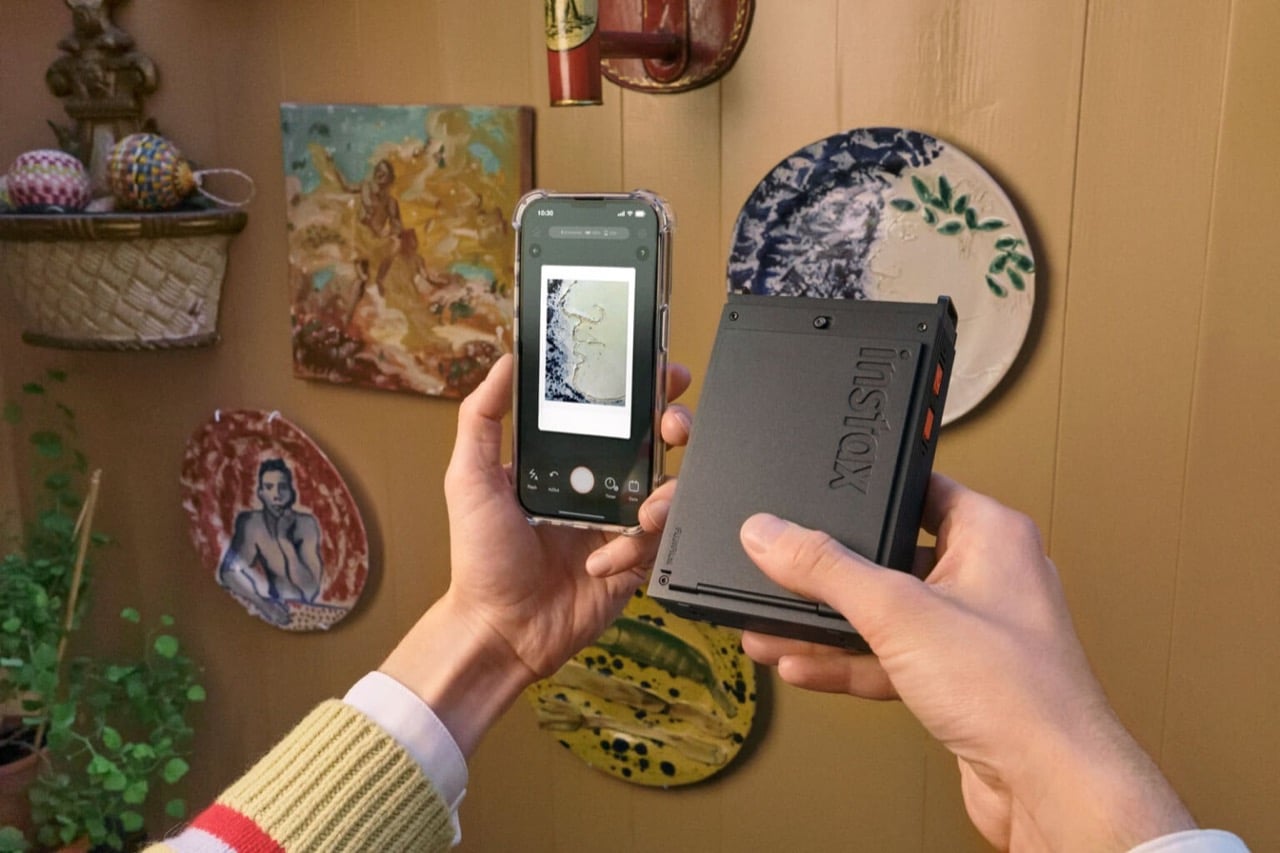
The printer outputs on standard Instax Mini film, so you’re working with a 2.4 by 1.8 inch image area. Small, yes, but that constraint forces you to think carefully about composition. The app now includes two color modes: instax-Natural for muted, film-like tones, and instax-Rich for saturated colors that pop. You can batch print up to 10 images at once, which makes creating a cohesive series actually practical instead of tedious. Each print takes about 12 seconds from exposure to ejection, and a full charge gives you roughly 100 prints.
And here’s the surprising part – the camera comes with Pinterest integration. You can pull images directly from your boards and print them as mini mood boards or inspiration cards. The app also lets you extract frames from videos, which opens up interesting possibilities for grabbing stills from footage without needing a separate video editor. Frame it, add a text caption or sticker if you want, then print. The whole process happens via Bluetooth 4.2, which means no cables but also means you’re limited to the bandwidth and occasional connectivity hiccups that come with wireless protocols.
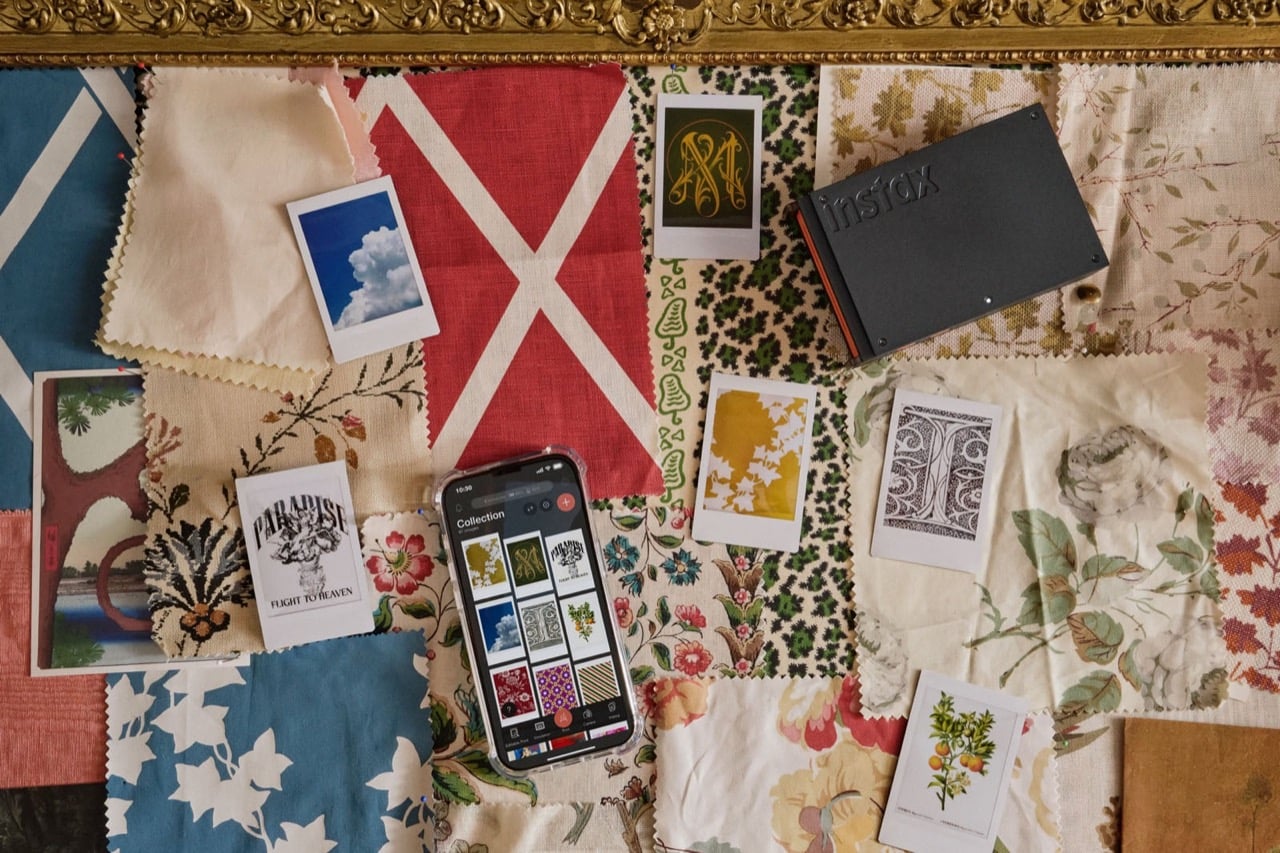
The Link+ It measures slim enough to toss in a bag without much bulk, and the vertical printing orientation means you can watch your image emerge from the top slot like a tiny vending machine dispensing art. Fujifilm clearly wants this in design studios and on styled shelves, not just at birthday parties.
The question becomes whether the improvements justify the price premium over the Link 3, which still works perfectly fine for standard photo printing and costs about $30 less. If you primarily print snapshots, probably not. But if you’re printing graphics, working with text, or treating instant film as a legitimate creative output medium, the $169.95 Link+ delivers capabilities the older models simply cannot match. Sometimes maturity means gaining new skills, not just changing your outfit.