
Settling in for “just one more run” usually means your thumbs, wrists, or forearms start complaining long before the game is done. Most controllers are fixed objects that expect your body to adapt, which can lead to repetitive strain or numbness. You either push through the discomfort or take breaks that feel like interruptions, but rarely can you adjust the hardware itself to match how your hands actually feel in that moment.
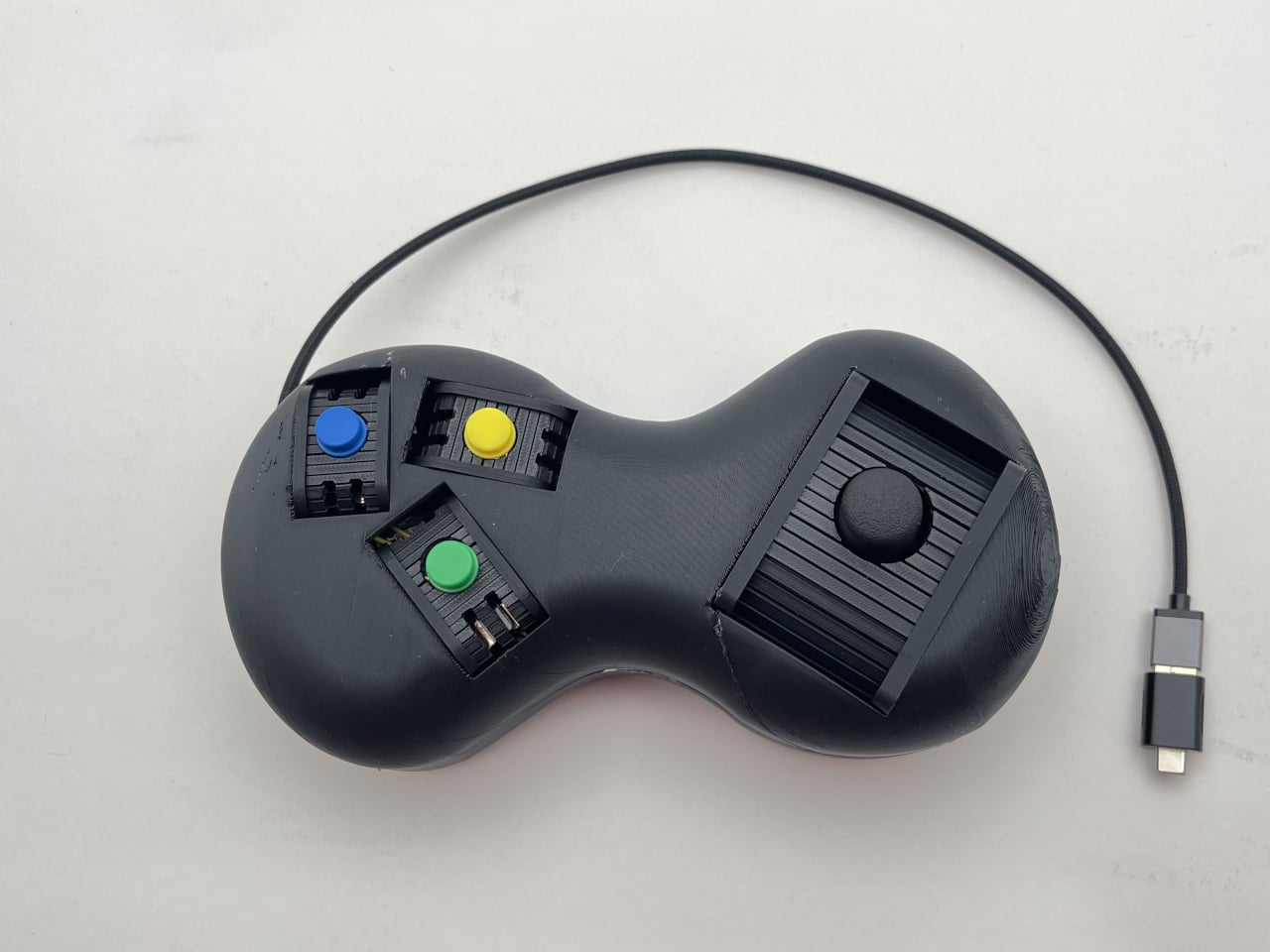
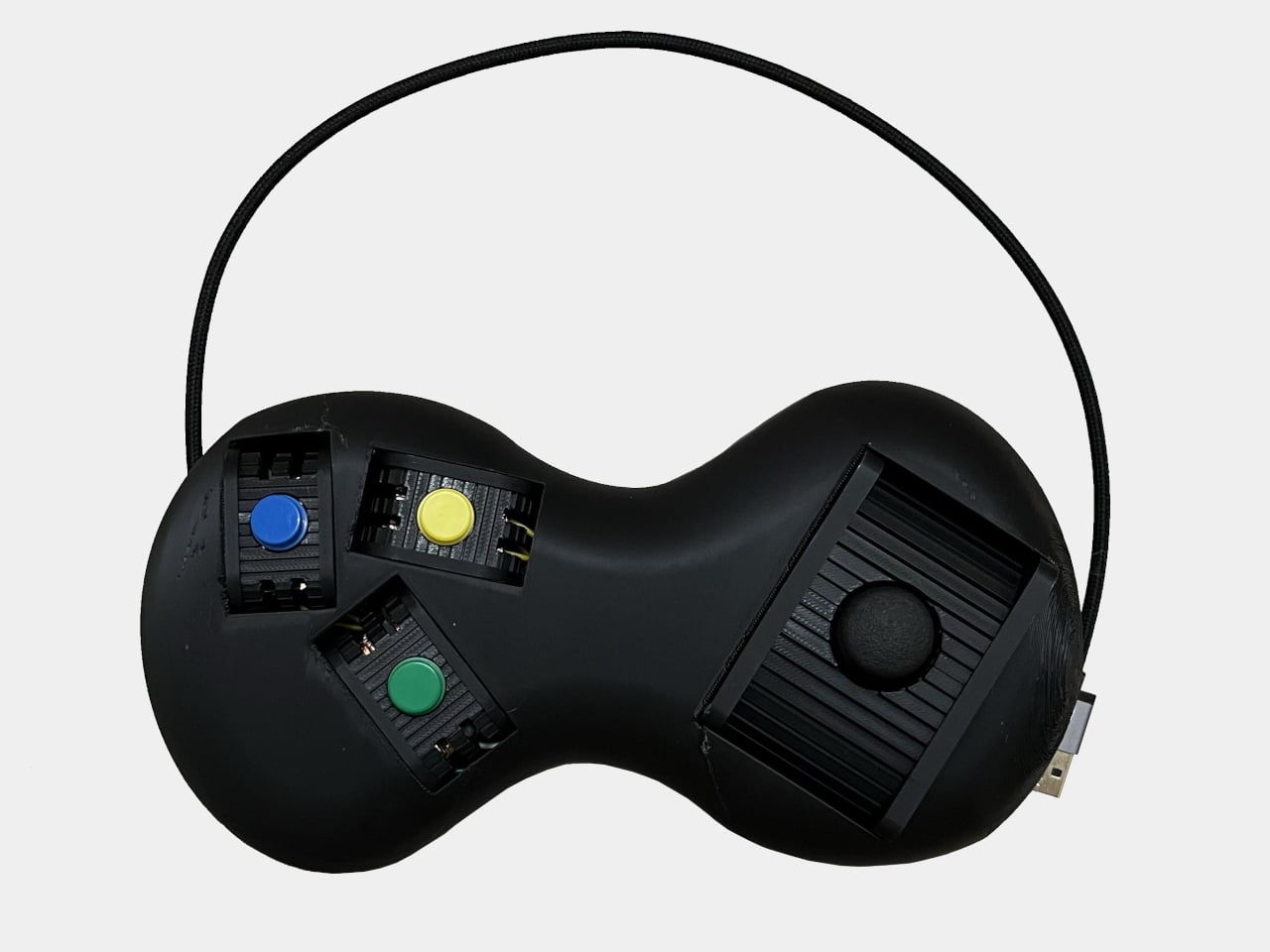
Morphable is a DIY adjustable gamepad built around a peanut-shaped shell and sliding modules for the joystick and buttons. It is designed to reduce strain by letting you reposition inputs to match your hands and play style, and if something starts to feel off mid-game, you can shift the layout instead of stopping. The whole thing is open-source and 3D-printable, built by someone who wanted their controller to adapt.
Designer: maggs_cas
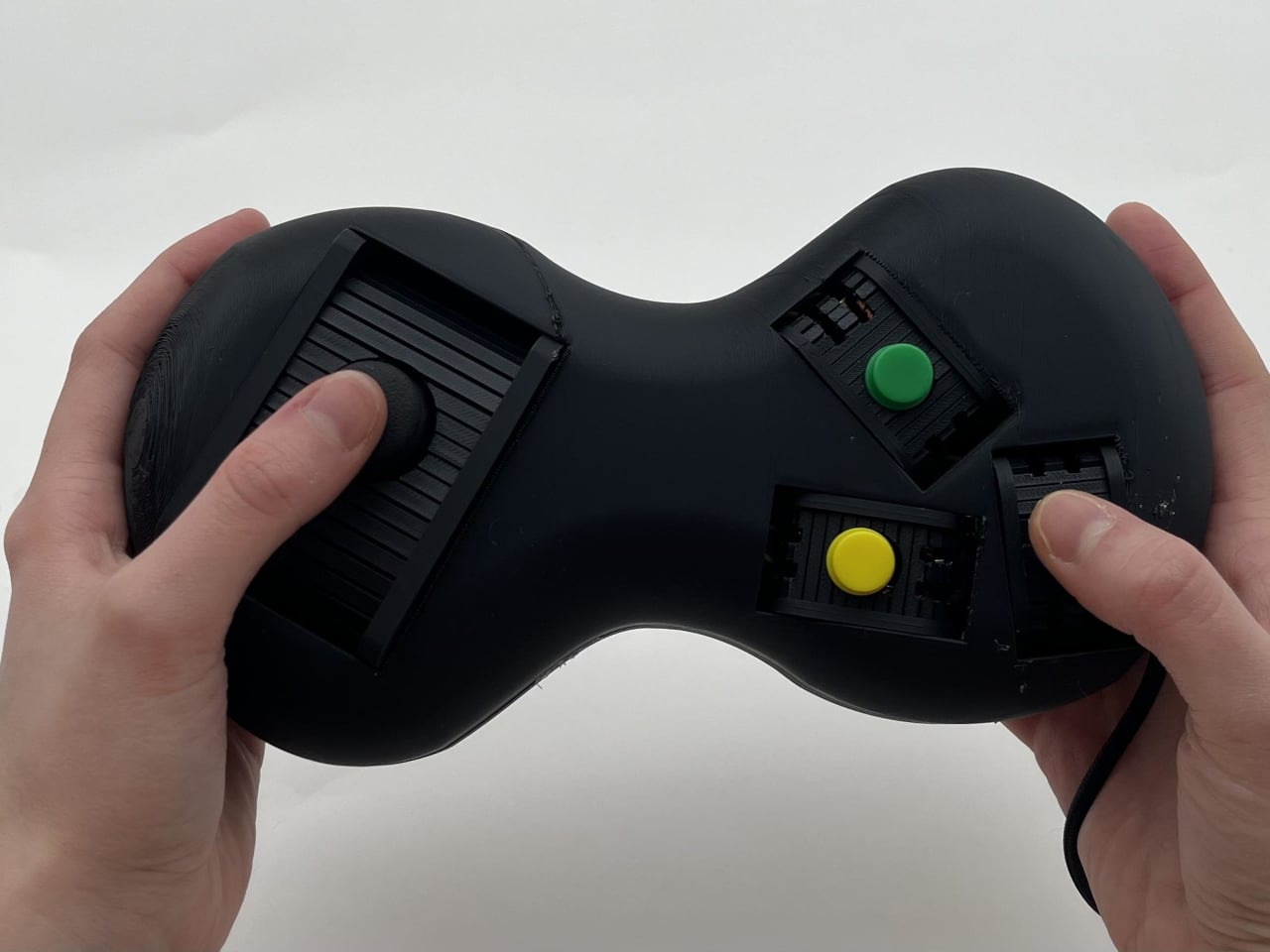
Playing a demanding game for an hour or two, you might start with a familiar layout and then nudge a button rail closer to your thumb when your reach starts to feel tight. Maybe you slide the joystick slightly inward so your wrist can straighten, or move a frequently used button lower so another finger can take over. The controller encourages micro-adjustments that let different muscles share the work instead of overloading the same joints.
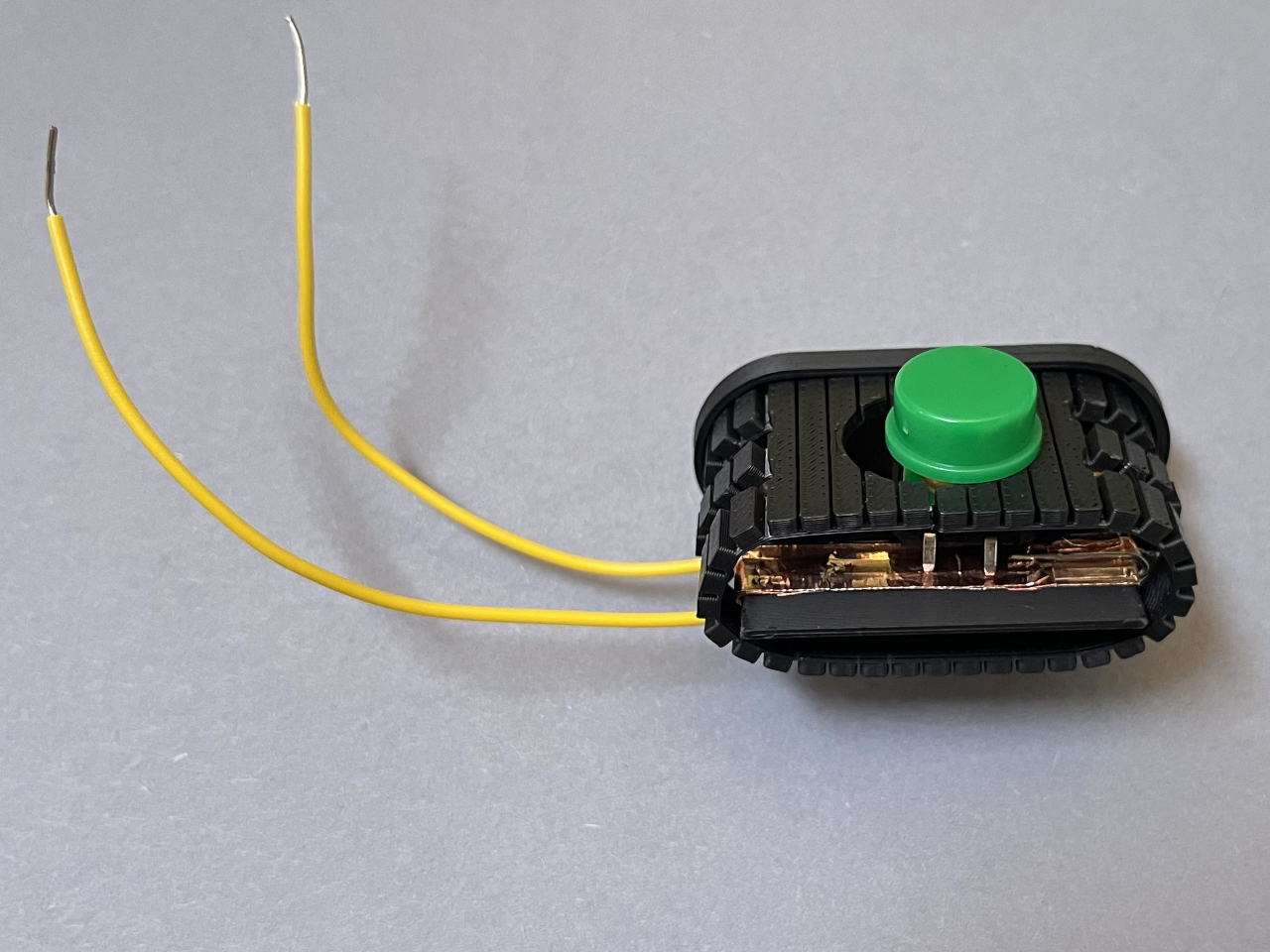
Each button sits on a small sled that rides on a rail, held in place by magnet tape. Underneath, copper tape runs along the base, and wires press against it to carry signals. The joystick uses a similar sled and rail. This setup means you can slide modules around freely while the Arduino inside still sees every press and movement, maintaining electrical contact as things shift without needing screws.
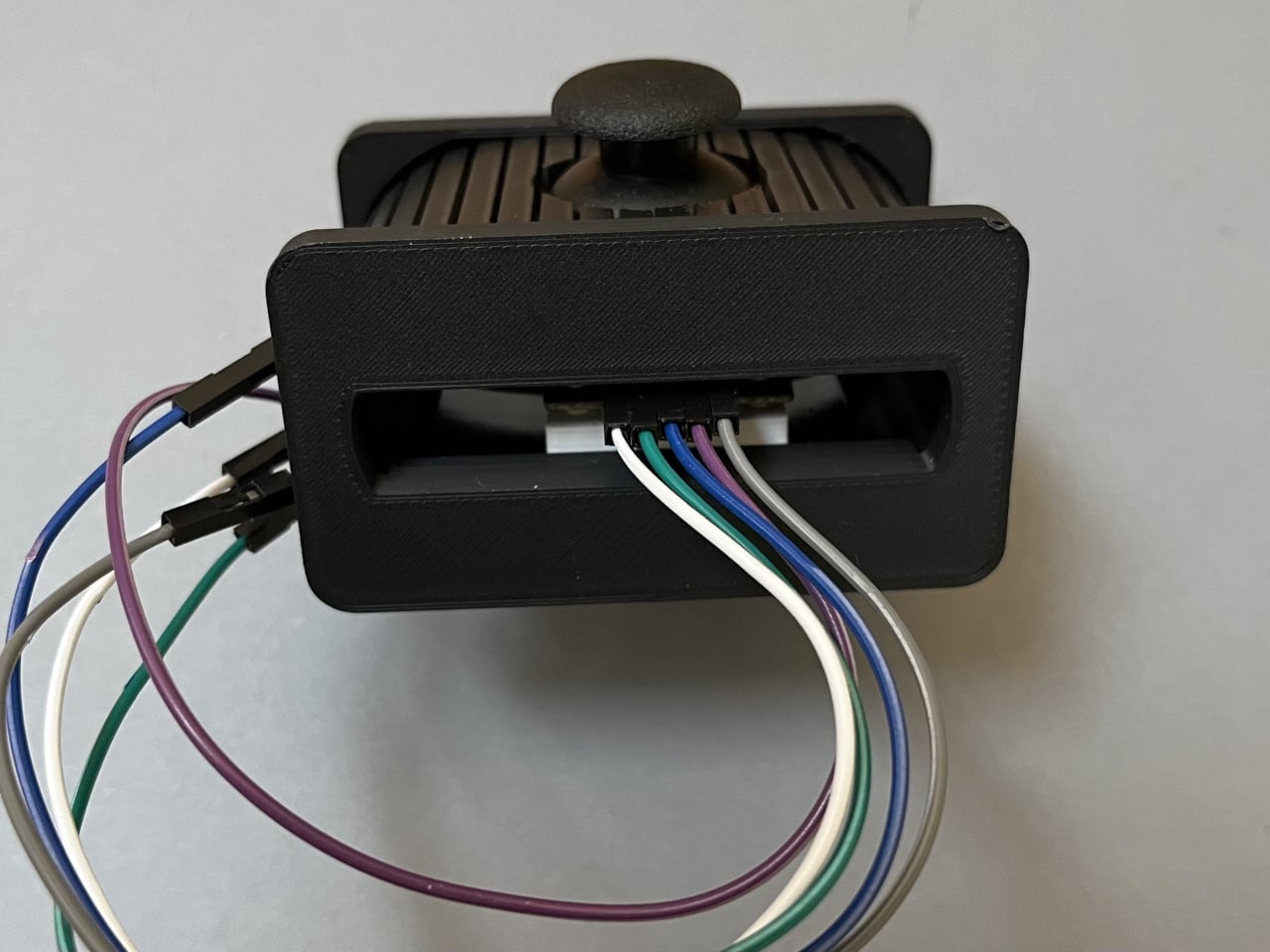
Morphable uses an Arduino Leonardo, which can pretend to be a USB keyboard. The three buttons and joystick axes are wired to specific pins, and the code maps them to keys like E, J, and K for games such as Hollow Knight. Because it shows up as a keyboard, you can remap controls in software and experiment with different layouts without being locked into a console’s default scheme.
The main body is a smooth, 3D-printed peanut shape that fills both palms and keeps wrists in a more neutral position than a flat gamepad. There are no sharp edges, and the weight is spread across the hands instead of concentrated under the thumbs. Combined with the movable modules, the shell lets you tune the controller to your posture instead of the other way around.
Morphable is less about one perfect layout and more about the idea that your ideal layout changes over a night, a week, or a year. Hardware does not have to be static; it can be something you keep adjusting as your body and habits shift. Fixed plastic shells dominate the market, but a controller that invites you to move things around to stay comfortable feels like a quietly radical prototype.