
DJI’s gimbal lineup has always operated on a clear hierarchy. At the bottom, the Osmo Mobile series keeps smartphone creators happy with pocket-friendly stabilization. At the top, the RS 4 Pro hauls cinema camera rigs with carbon fiber arms and 4.5kg payload capacity. The middle ground, though, has been trickier to nail down. Too light and you’re pushing mirrorless setups to their limits. Too heavy and solo operators end up fatigued halfway through a wedding shoot. The RS 5 arrives as DJI’s latest attempt to find that sweet spot, and judging by the spec sheet, they might have actually figured it out this time.
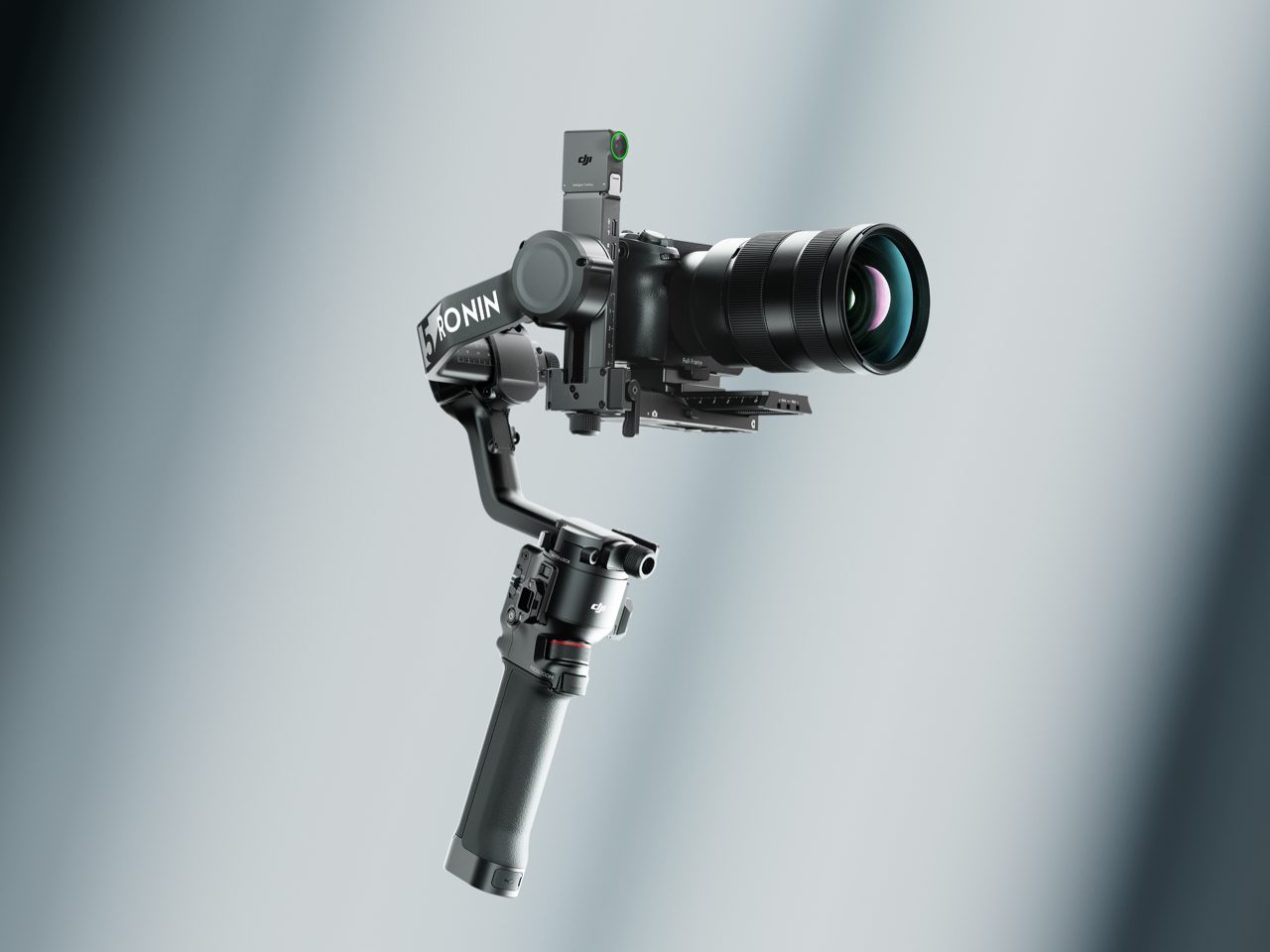
Weighing 1.46kg with a 3kg payload capacity, the RS 5 matches the physical footprint of the standard RS 4 while claiming a 50% boost in peak motor torque and 14 hours of runtime on the standard battery. More interesting is what DJI has prioritized here: the RS Enhanced Intelligent Tracking Module (borrowed from the RS 4 Mini’s debut), an Electronic Briefcase Handle for high and low angles, and significantly faster charging that gets you back to work in an hour instead of waiting around for half a day. This isn’t about raw specs anymore. It’s about keeping solo commercial videographers moving efficiently through shoots without needing a full crew or endless battery swaps.
Designer: DJI
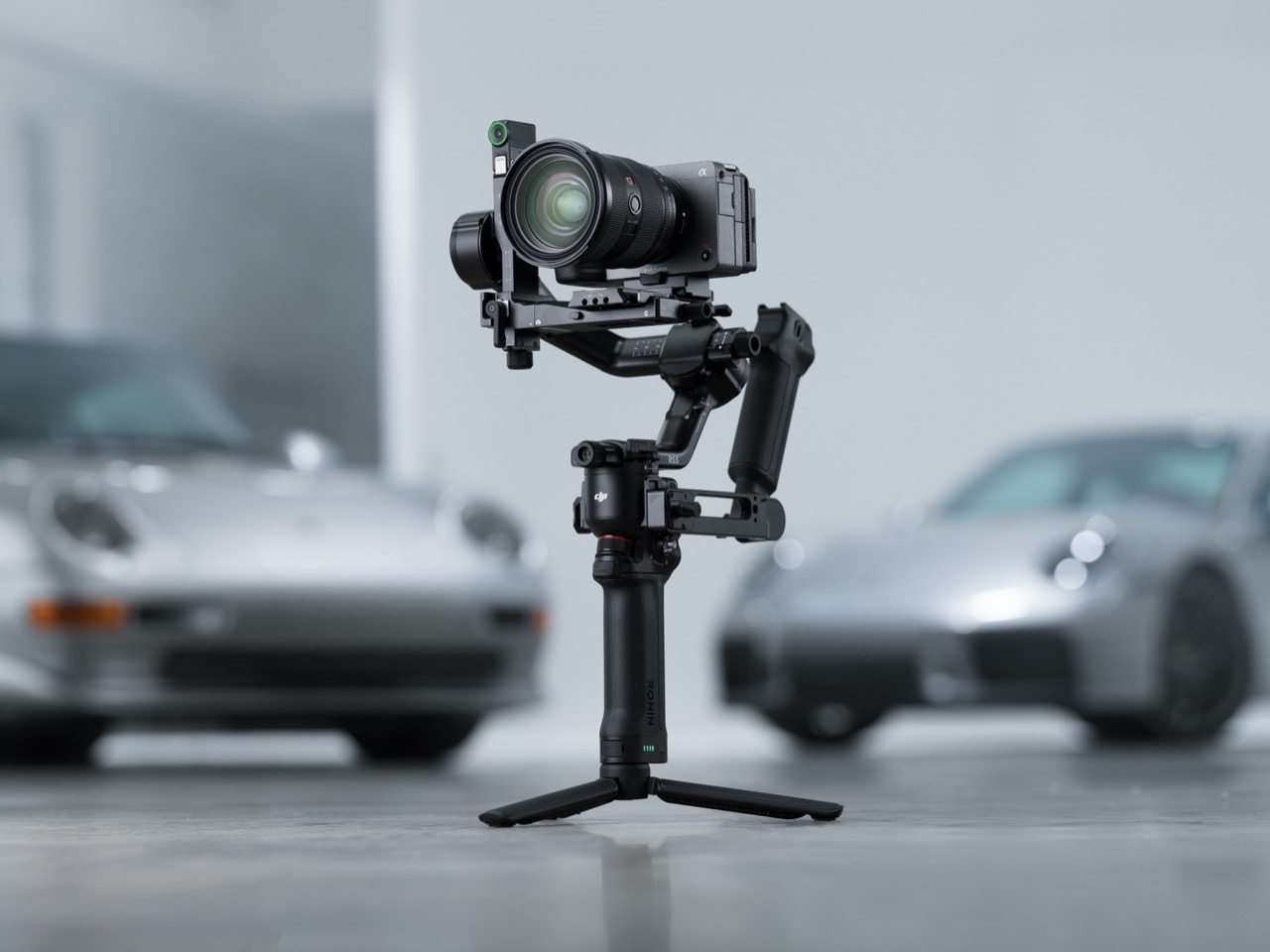
It’s one thing to hold a 3kg payload steady during a slow pan, but chasing a subject through a crowded event is a different beast entirely. That 50% peak motor torque improvement is where the RS 5 starts to justify its existence, especially when paired with their fifth-generation stabilization algorithm. This is the kind of power that prevents micro-jitters when you’re running or making sudden direction changes. It also means the native vertical switch, which lets you flip to a 9:16 aspect ratio in seconds, doesn’t come with a performance penalty. That’s a huge deal for anyone delivering social content alongside traditional horizontal video, as you’re not compromising stability just to get the shot framed for TikTok.
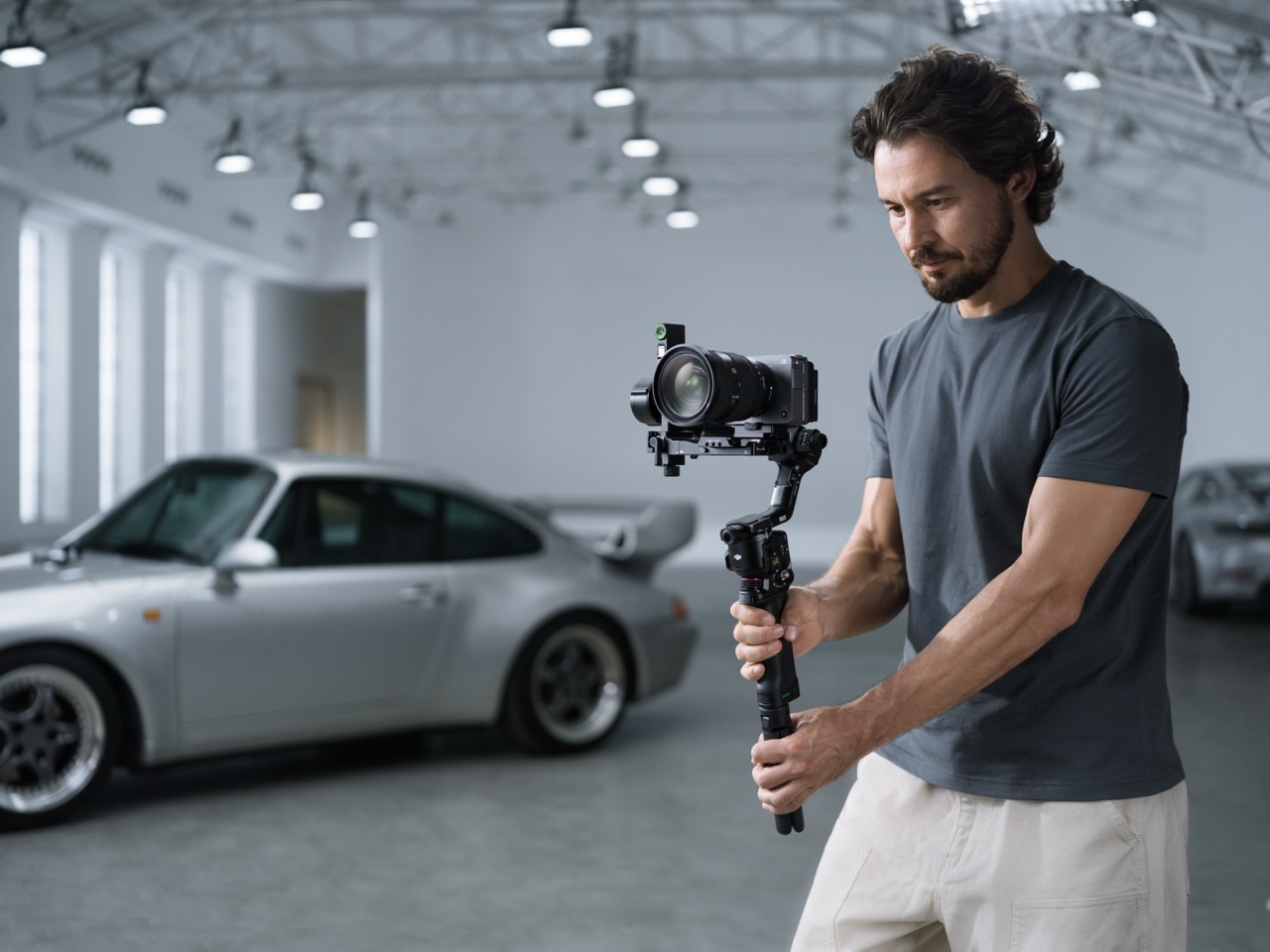
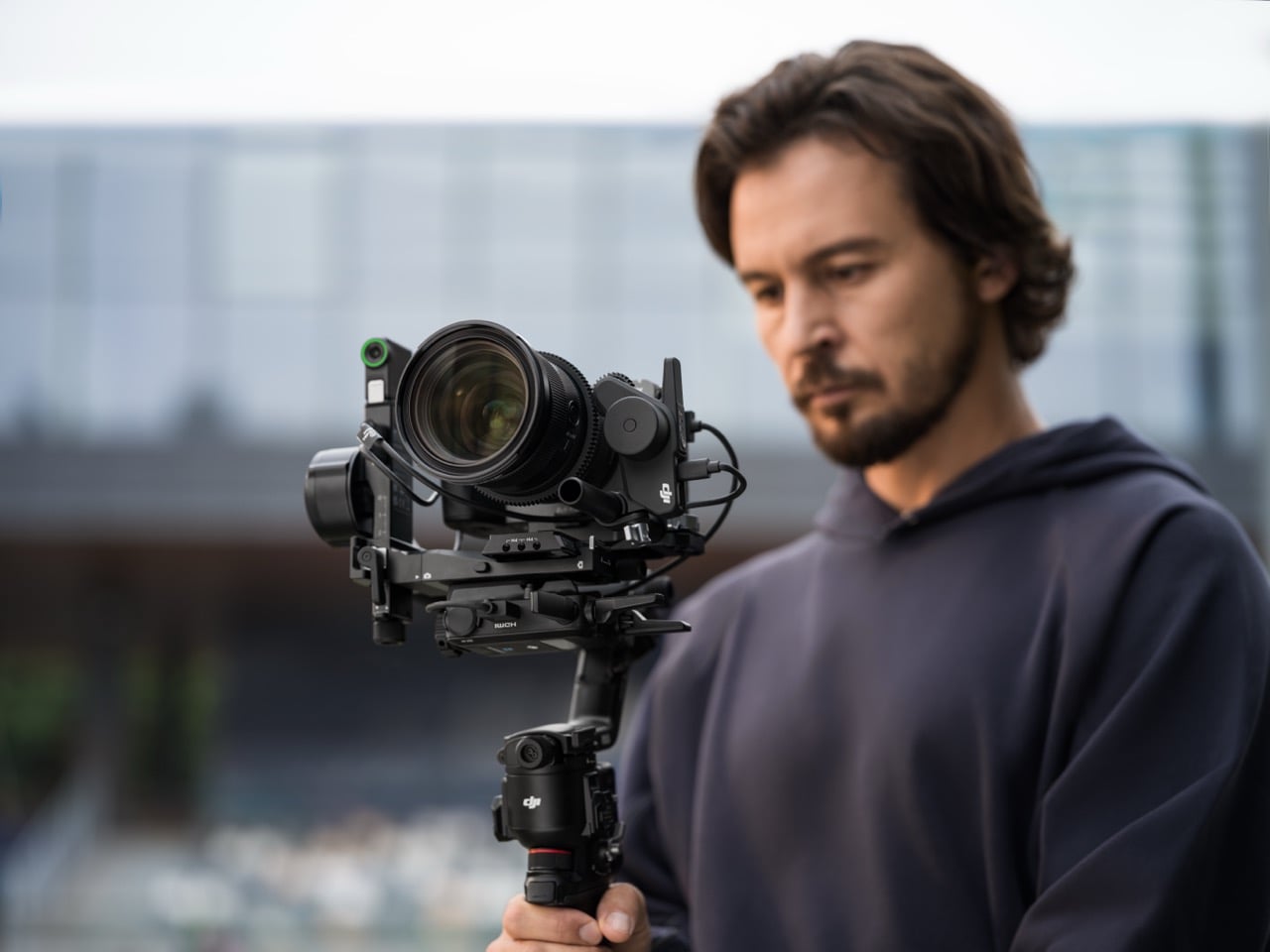
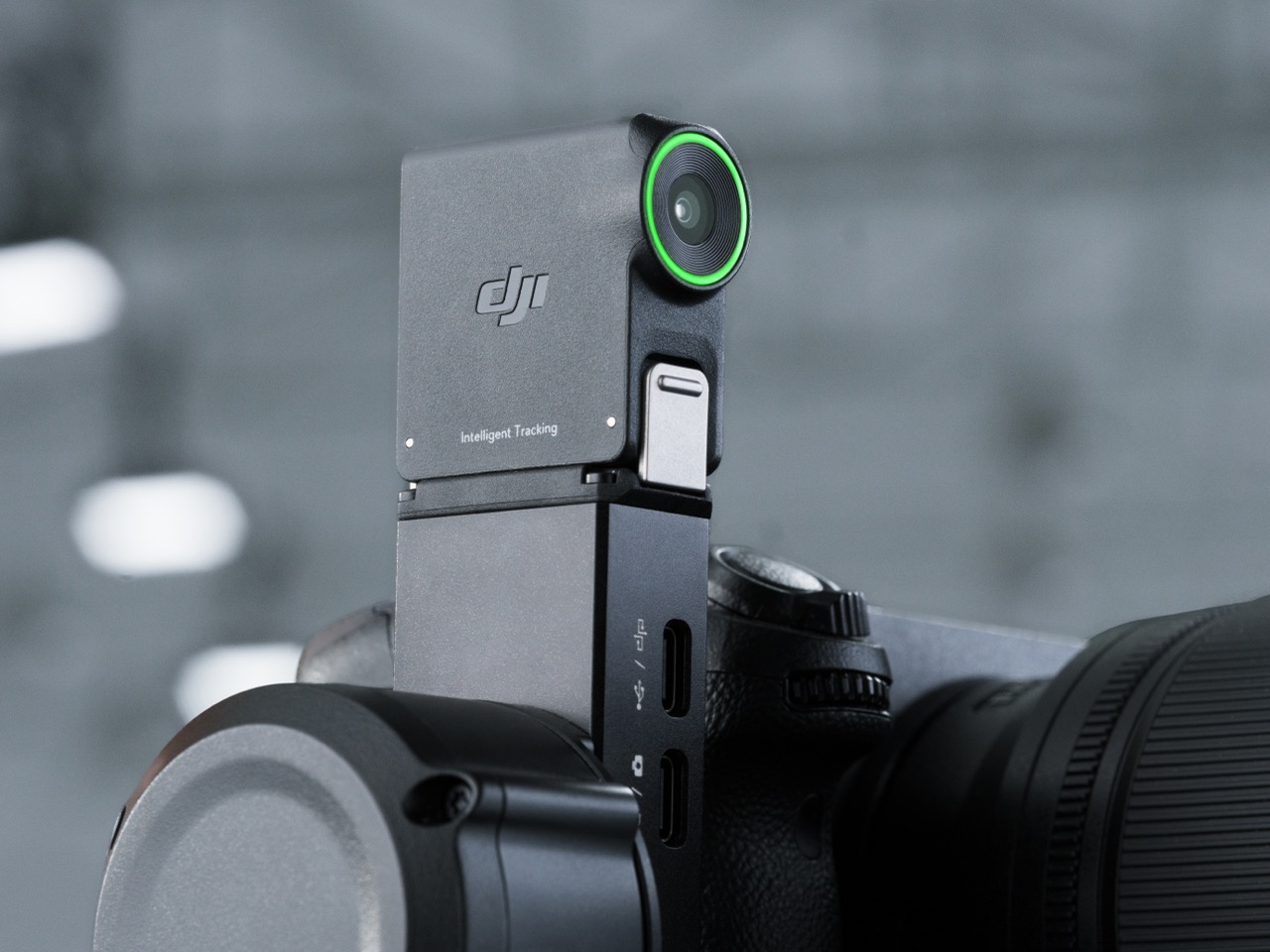
All that stabilization doesn’t mean much if your subject keeps drifting out of frame while you’re focused on your own footwork. The RS Enhanced Intelligent Tracking Module, pulled from the RS 4 Mini and beefed up, handles the tracking with aplomb. It tracks more than just people; you can lock onto vehicles, pets, or any object you tap on the screen from up to 10 meters away. Even better, it can re-acquire a subject if they’re temporarily obscured, saving you from a ruined take. The fact that it attaches magnetically without needing extra adapters is a smart touch, acknowledging that setup time is a real currency for solo operators. It’s a clever bit of product strategy, bringing a killer entry-level feature up to the commercial tier where it’s arguably needed most.
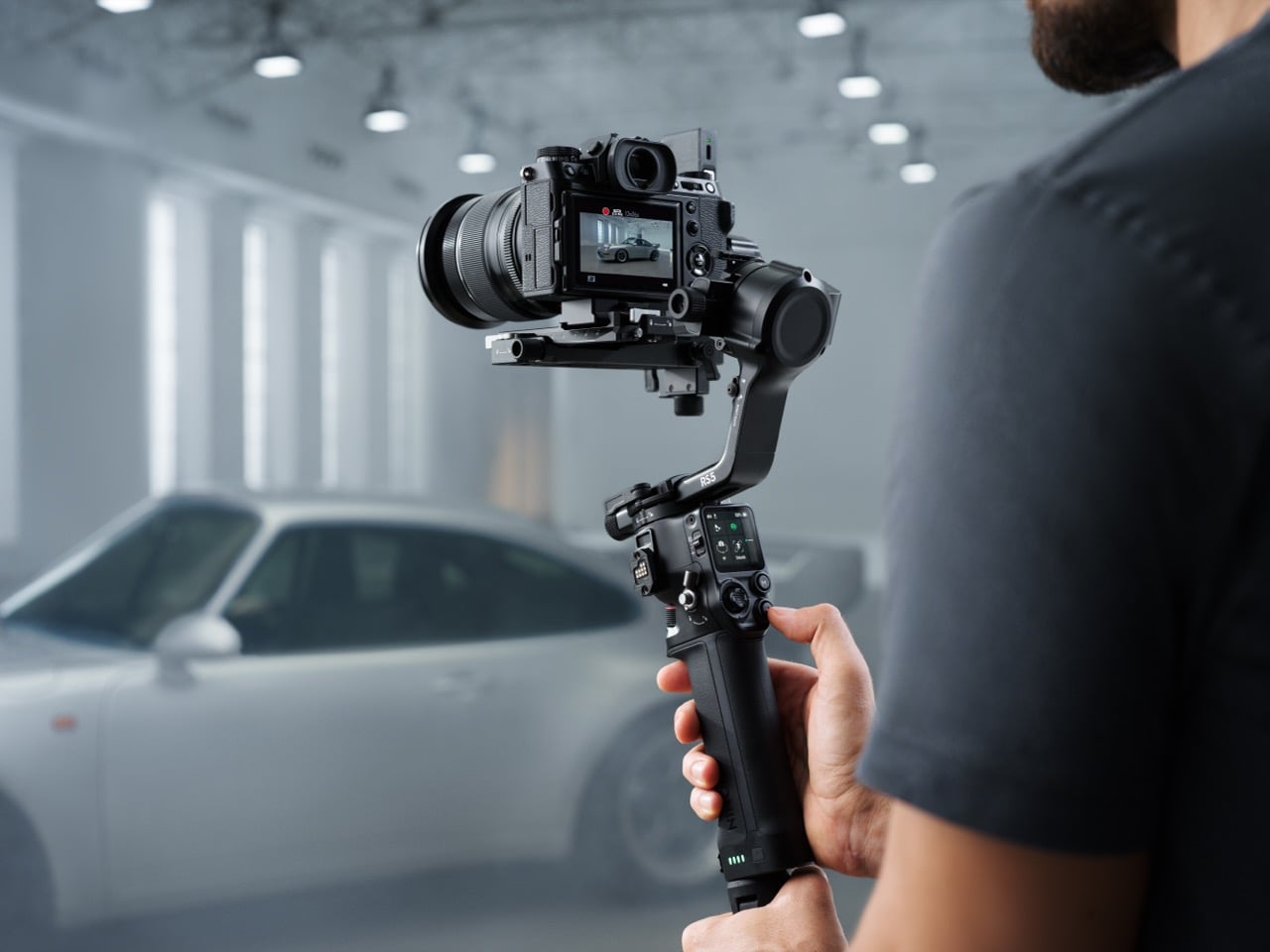
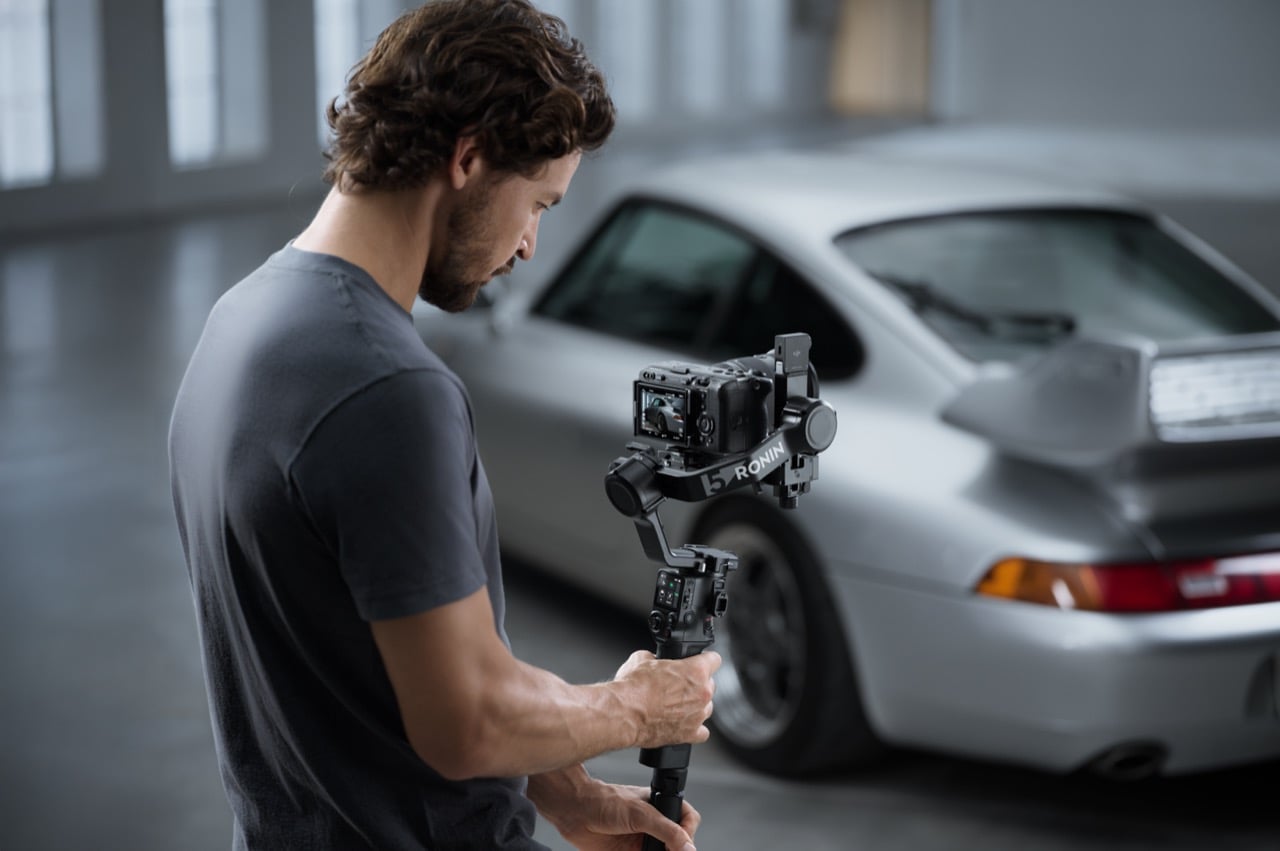

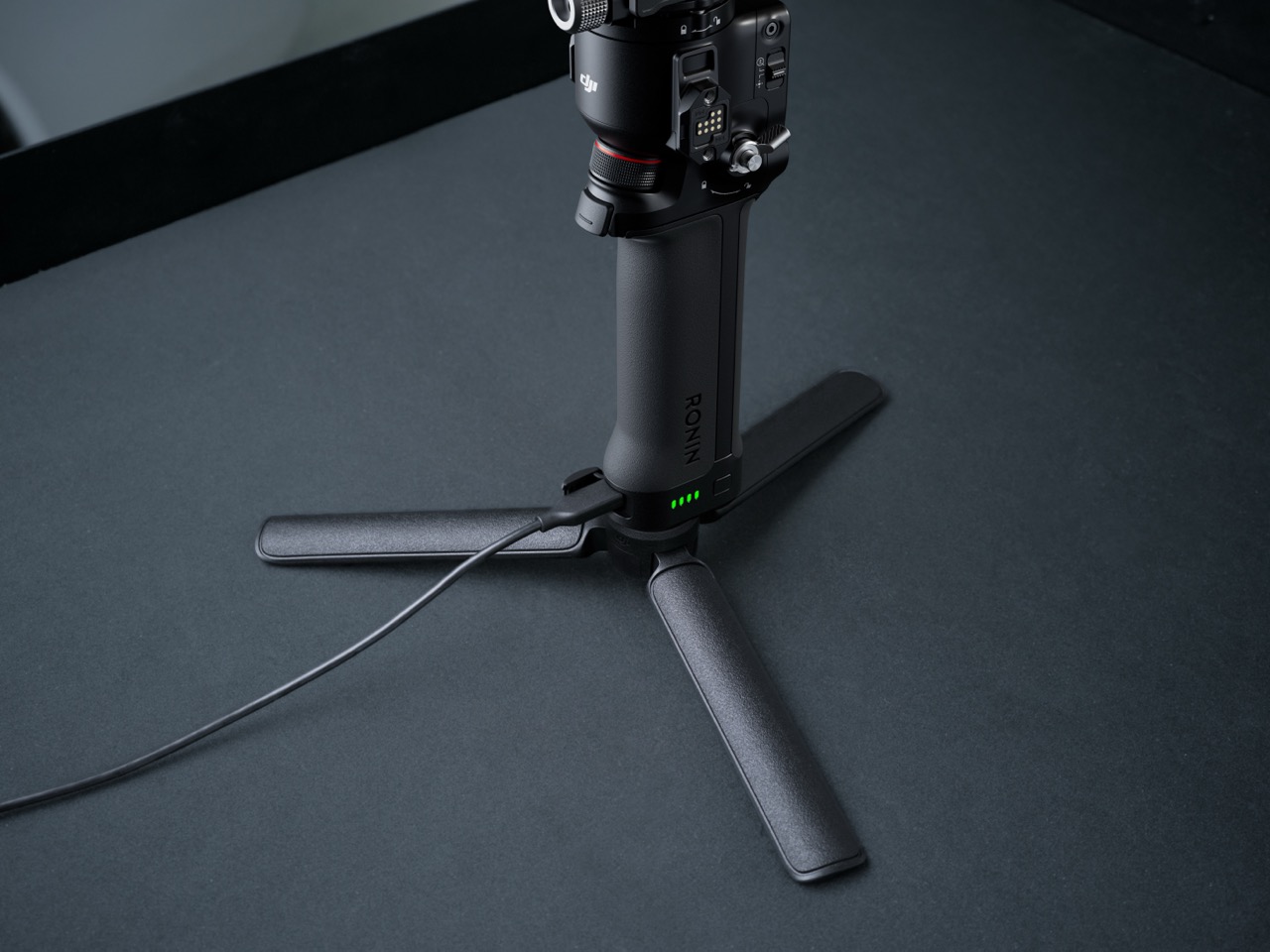
The dirty secret of every solo videographer’s kit is a bag overflowing with batteries and a constant, low-grade anxiety about runtime. DJI seems to have finally gotten the message. The RS 5 hits a full charge in just one hour with a 65W PD charger, which is a massive quality-of-life improvement. The standard battery gives you 14 hours of juice, but the optional BG70 High-Capacity grip pushes that to a claimed 30 hours. Even if real-world use cuts that down significantly, it’s enough to get you through the longest wedding day without a panic. They’ve also expanded the Bluetooth shutter control to include Panasonic and Fujifilm cameras, a long-overdue nod to the fact that the camera world doesn’t just revolve around Sony, Canon, and Nikon.
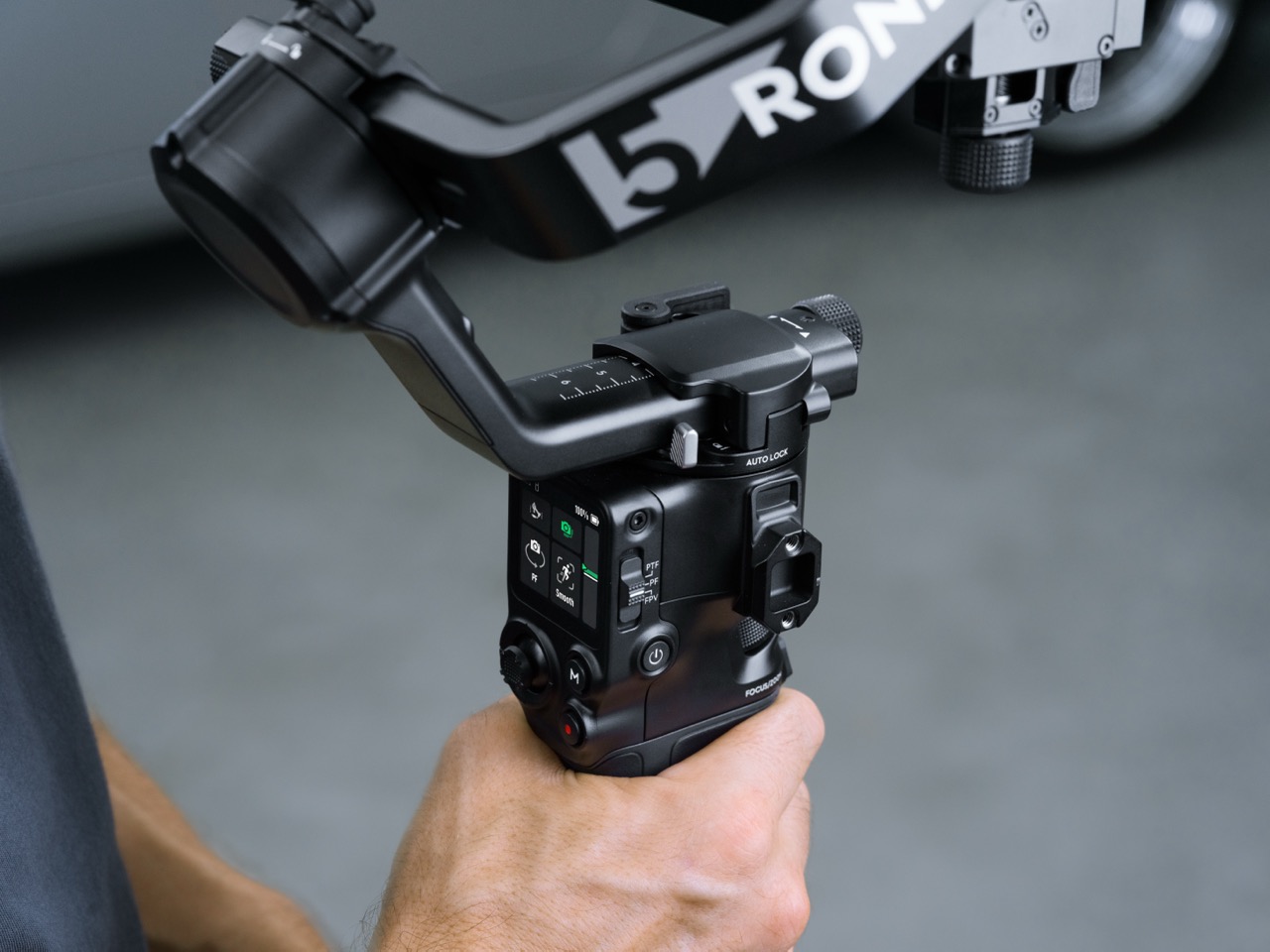
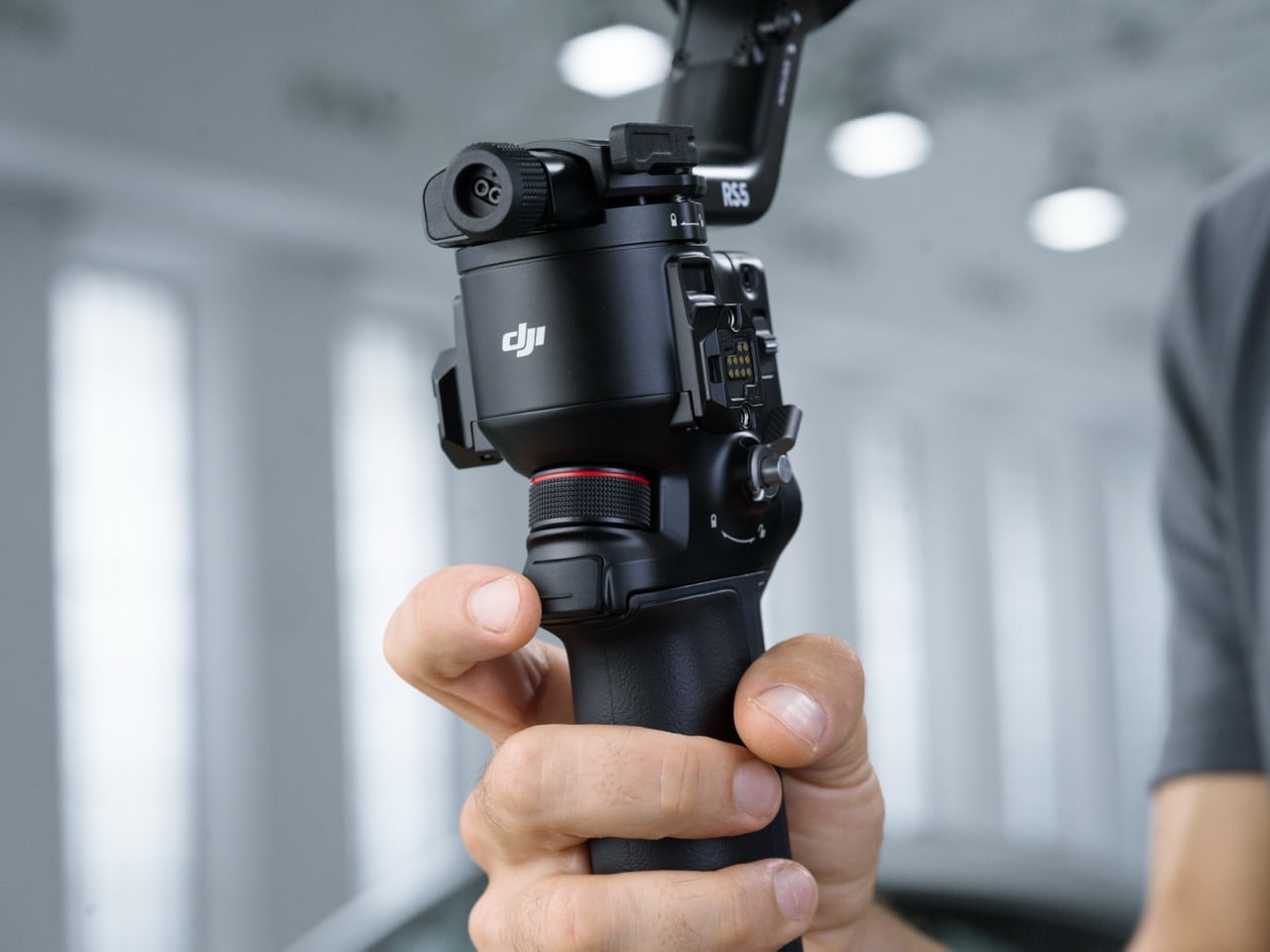
You’re probably a good candidate for the RS 5 if you’re shooting paid work with mirrorless cameras and your current gimbal makes you want to throw it into a lake by hour three. Event videographers, wedding shooters, small production houses, anyone who’s working solo but needs results that look like a full crew showed up. If you’re hauling around a RED Komodo or a cinema rig that pushes past 3kg, skip this and go straight to the RS 4 Pro with its 4.5kg capacity and carbon fiber construction. On the flip side, if you’re still shooting with your phone or occasionally pulling out a compact camera for vlogs, the Osmo Mobile or Osmo Pocket lines will serve you better. Those devices are far more portable, cost a fraction of what the RS 5 demands, and honestly, DJI will probably refresh them in the coming months with similar intelligent tracking features trickling down from this generation. But if you’re already committed to proper camera gear and tired of fighting your equipment, this sits right where it needs to.
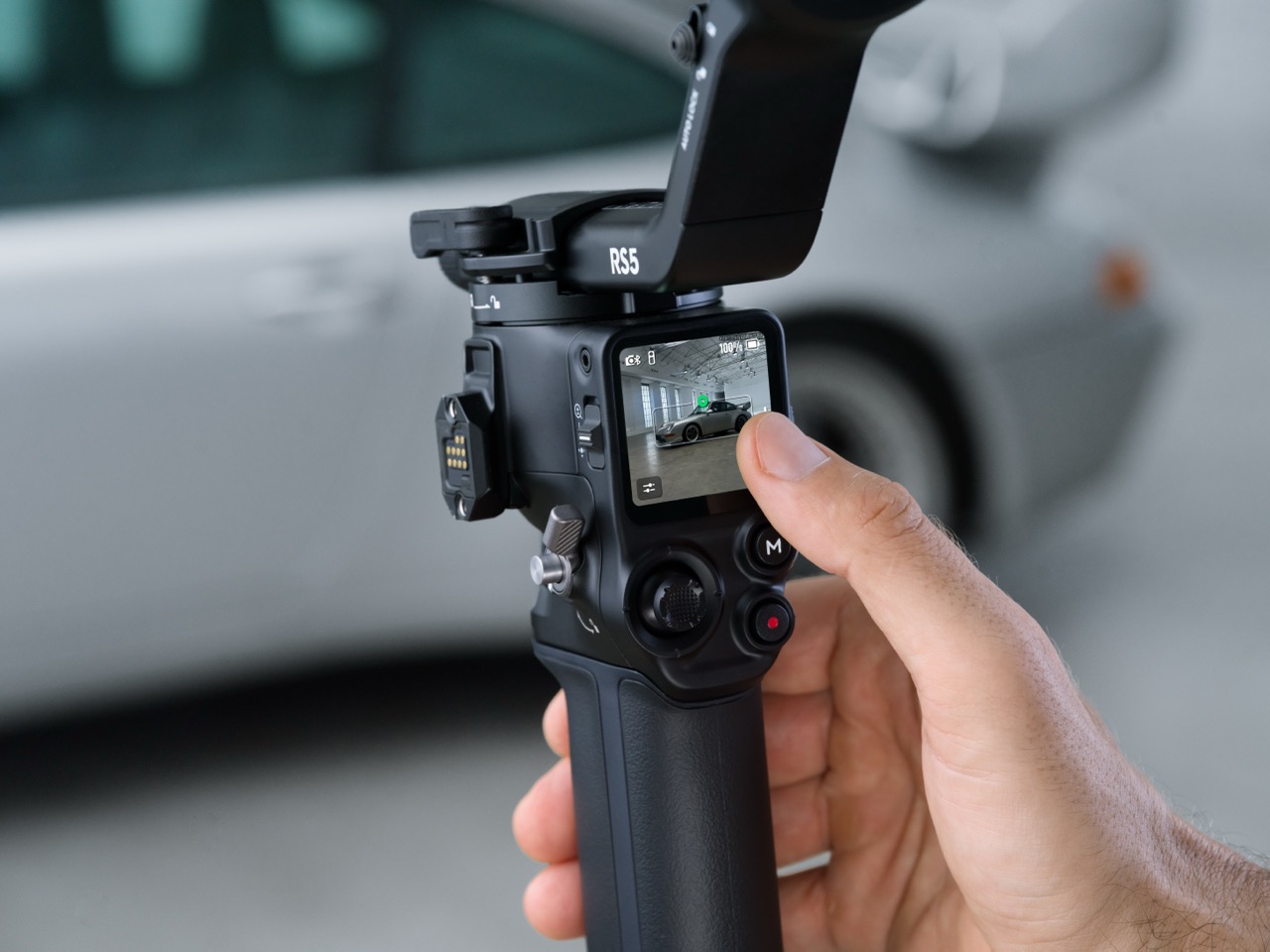
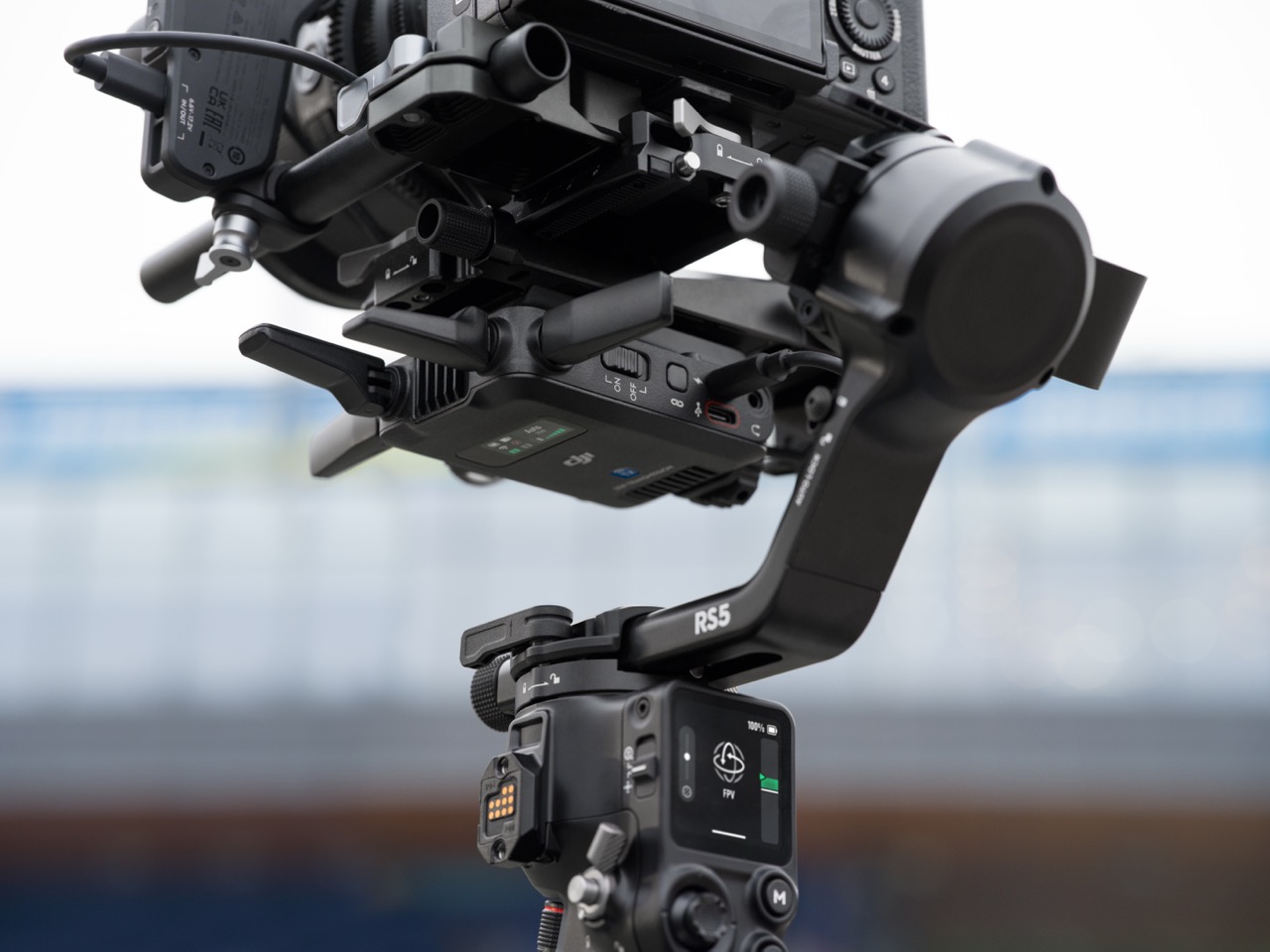
So this all sounds great, but it always comes down to the hole it leaves in your wallet. The standalone gimbal runs $671 (£485), which plants it firmly in that prosumer middle ground. The real conversation, though, is about the Combo kit at $856 (£619), which adds the tracking module and the electronic briefcase handle. For a working videographer, that’s the package that makes sense. You’re not just buying a stabilizer; you’re buying back time and reducing on-set frustration. It’s a tool built for the specific pressures of the one-person crew, and that focus is what makes it a compelling piece of hardware.