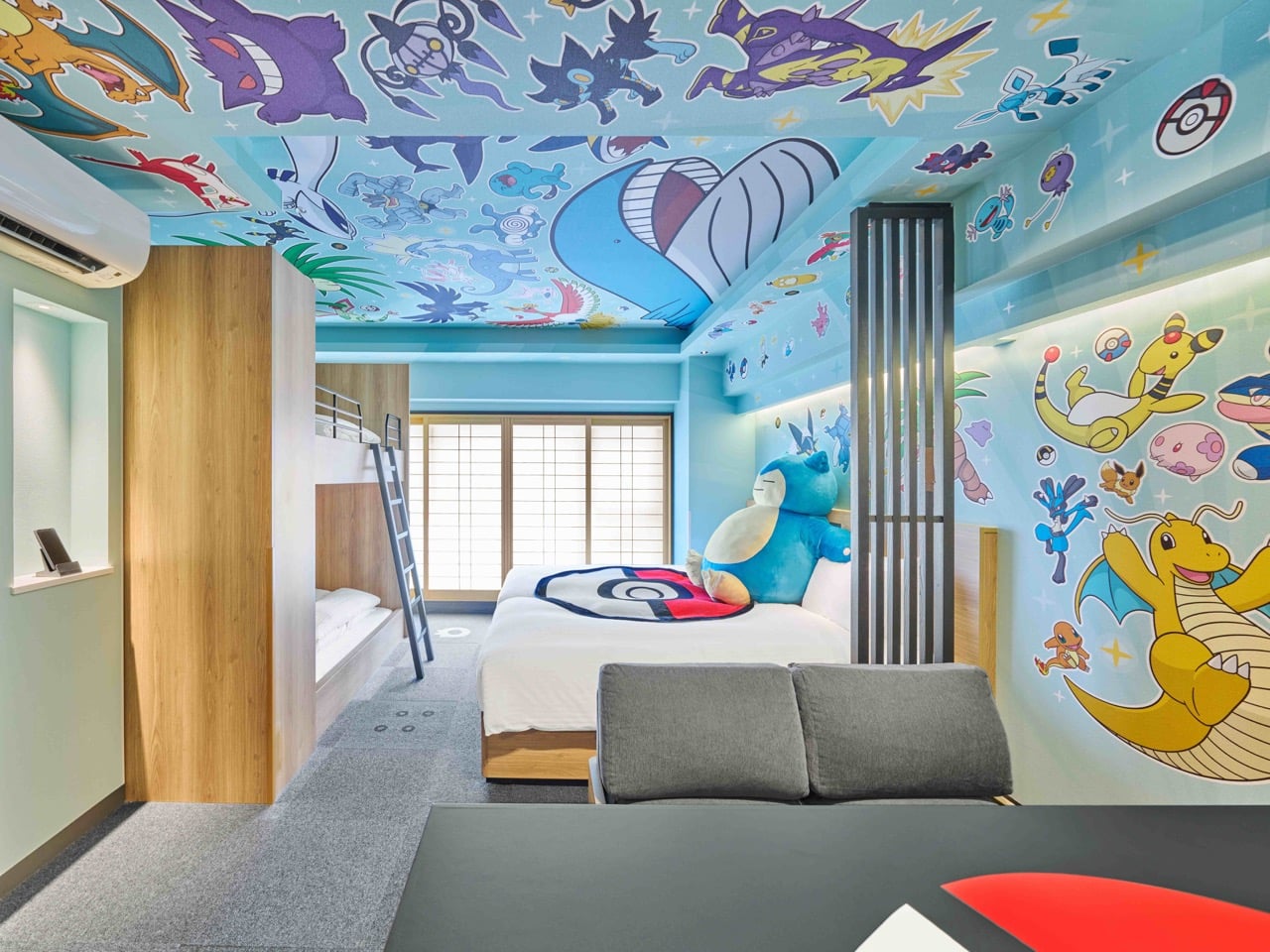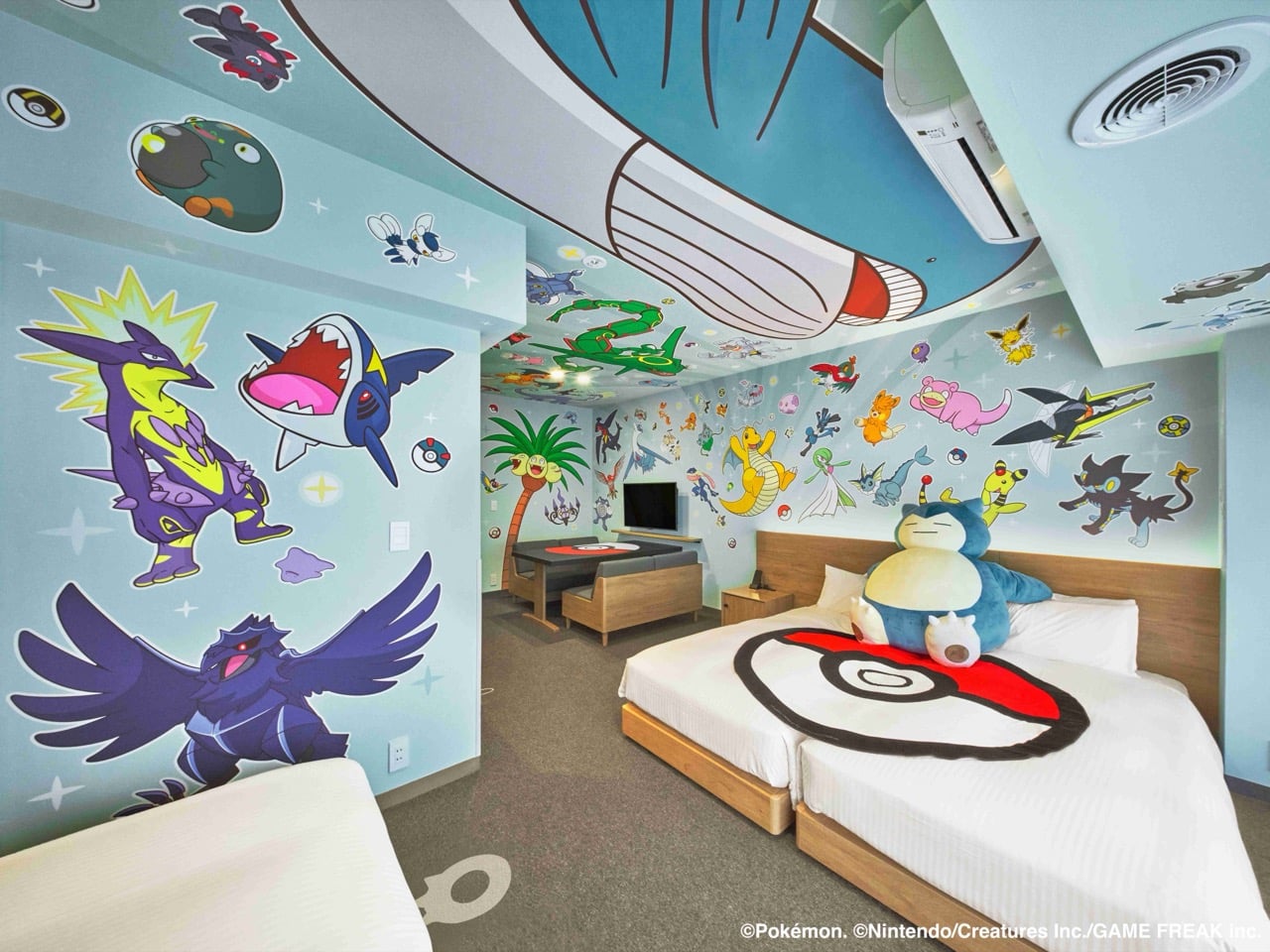

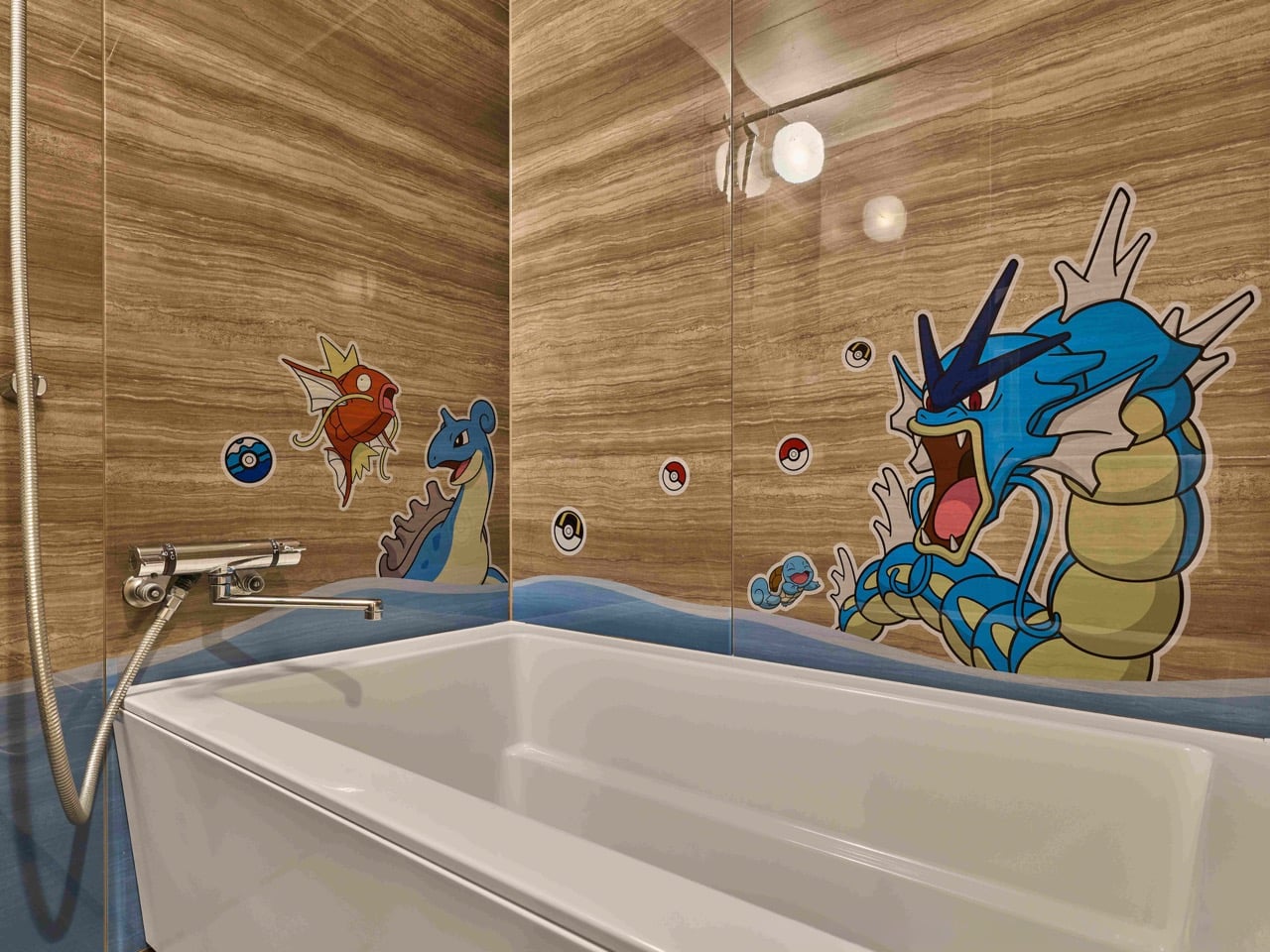
Snorlax is napping on your bed. Rayquaza soars across the ceiling. Gyarados splashes through your bathroom walls. This is not a fever dream—this is checking into a MIMARU Pokémon Room, where over 100 beloved characters have escaped their Poké Balls to transform apartment-style hotels across Japan into immersive wonderlands.
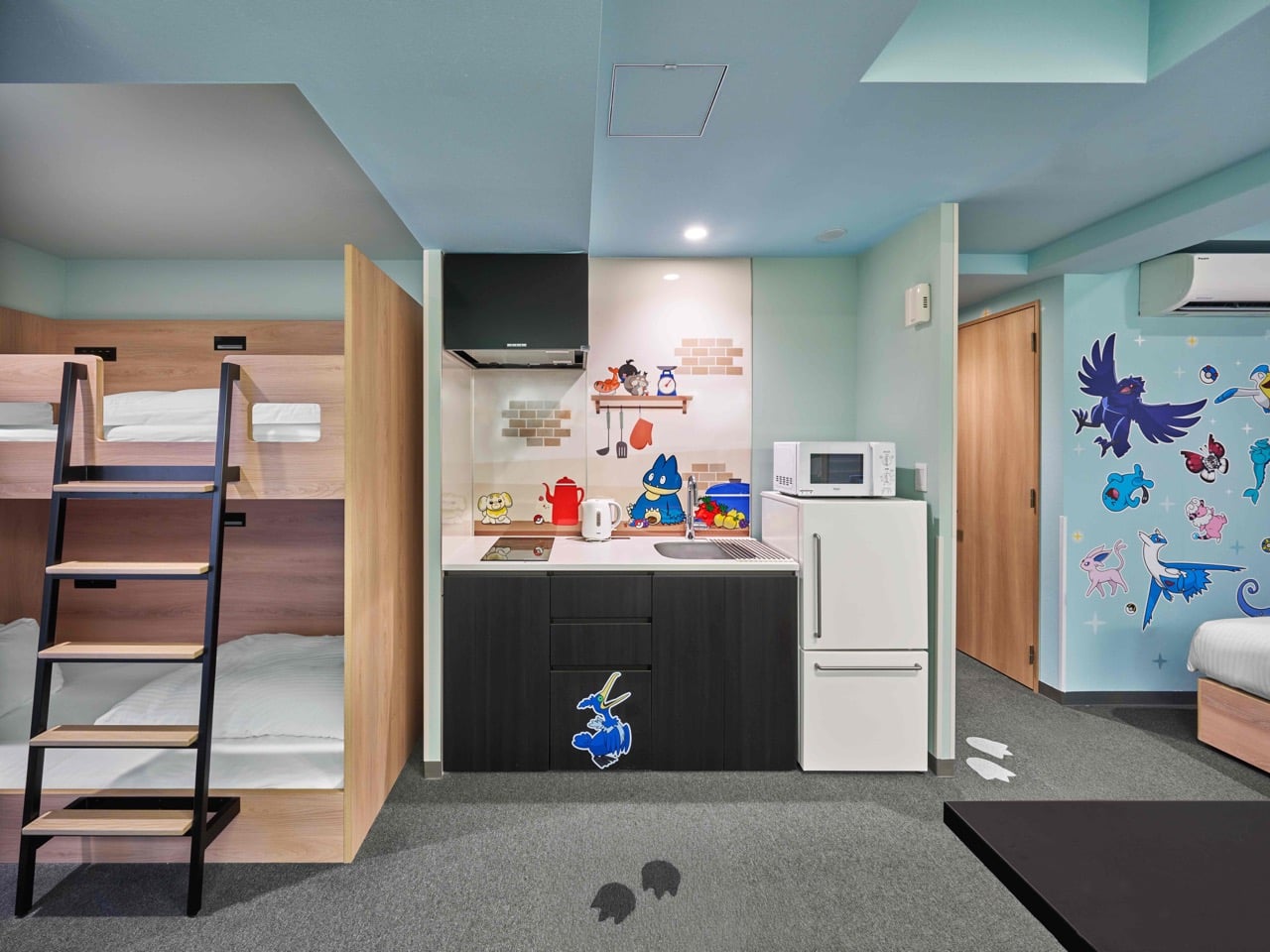
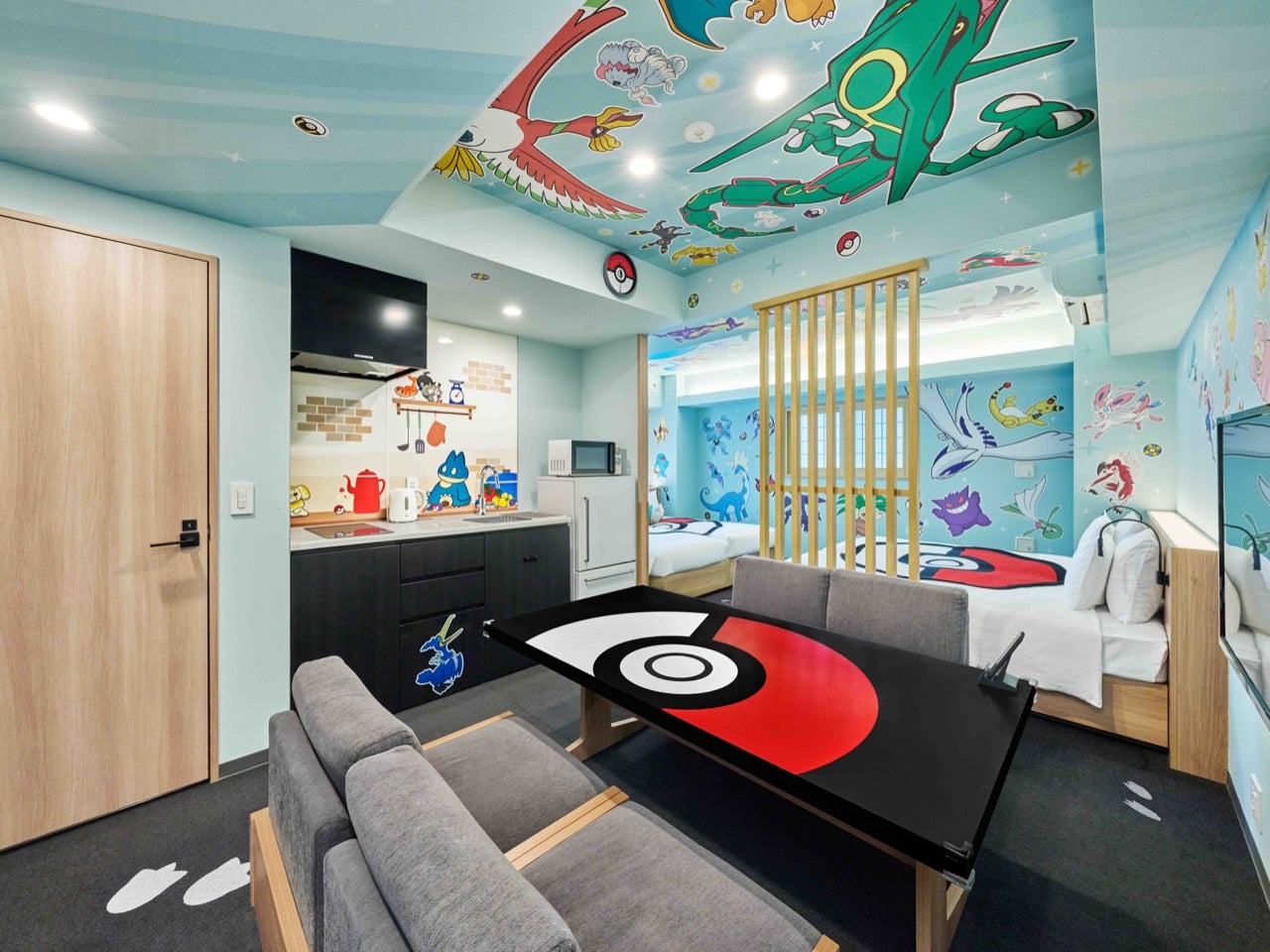
Since their 2019 debut, these themed accommodations have evolved from a novel concept into a hospitality phenomenon, now spanning 10 properties in Tokyo, Kyoto, and Osaka. The latest renovation doubles down on what made them irresistible: more Pokémon, more family-friendly spaces, and meticulous attention to detail. Water-types gather in bathrooms. Food-loving characters populate kitchens. Even the dining table and tableware echo the iconic Poké Ball design. For families seeking more than generic hotel rooms and Pokémon fans wanting to live inside their childhood obsession, MIMARU has created something genuinely special.
Designers: Nintendo & Mimaru Hotels
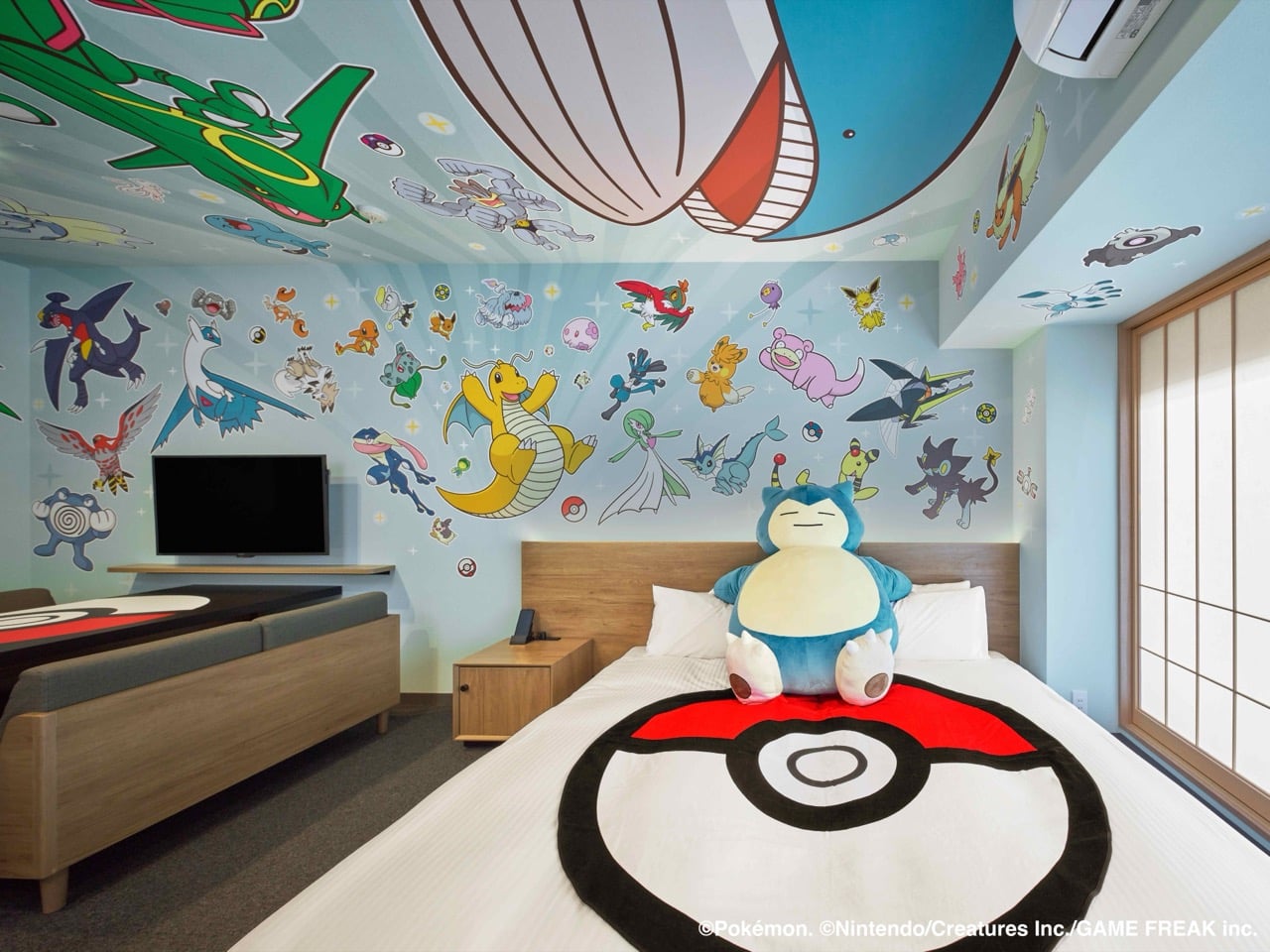
Most themed hotels give you a logo on the wall and call it a day. MIMARU went full maximalist and put 100+ Pokémon across every available surface including the ceiling, which most designers treat like dead space. The apartment format solves the actual problem of traveling with kids or groups: you need a kitchen, you need separate sleeping areas, you need room to exist without climbing over each other. Scaling from the 2019 launch to 10 properties across Tokyo, Kyoto, and Osaka means this concept is making serious money. Hotels kill ideas that don’t work. They expand what drives bookings.
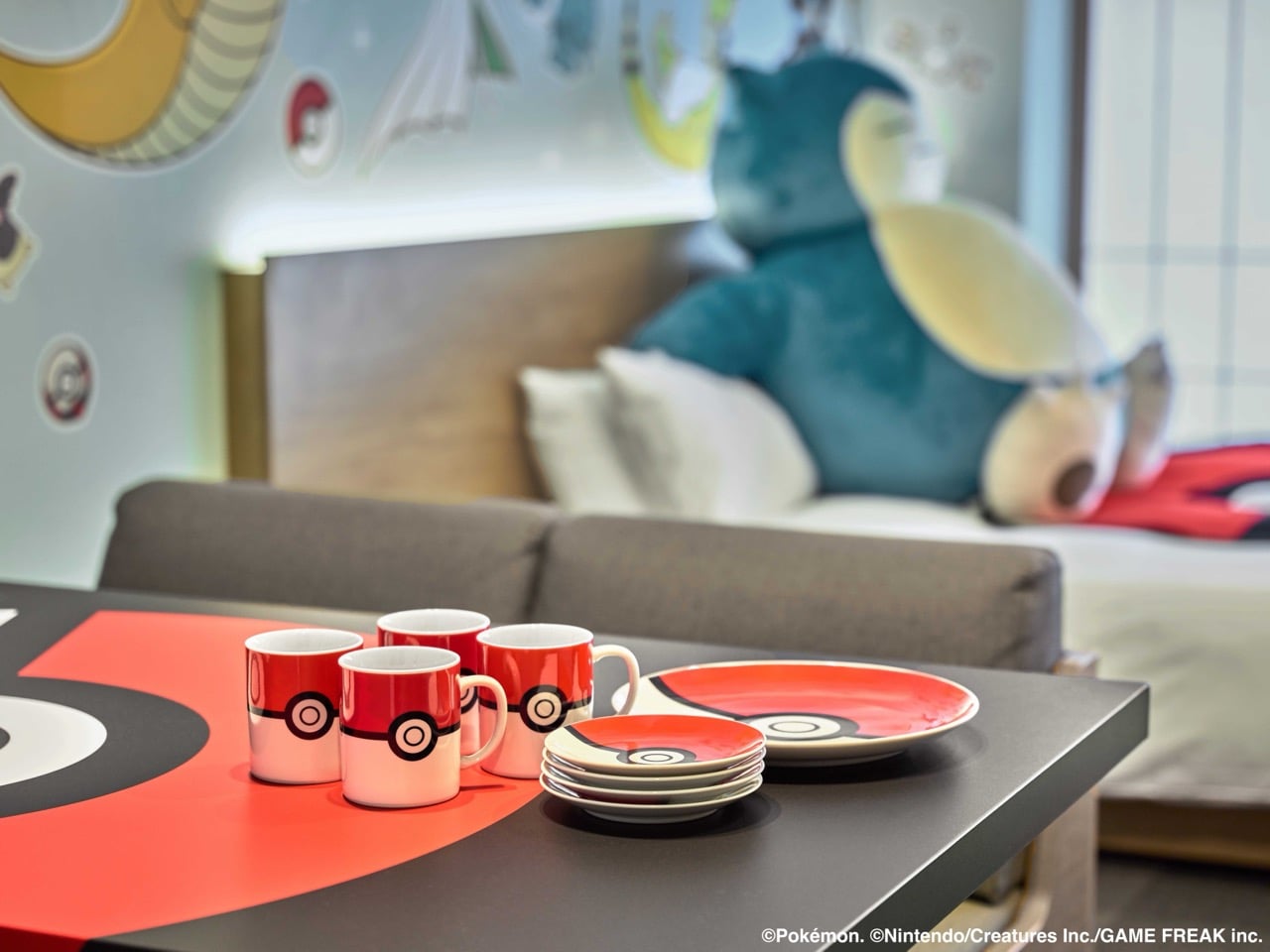
Custom Poké Ball plates and mugs mean you’re eating breakfast off themed dinnerware. The dining table itself has the circular red and white design built in. These aren’t afterthought details or cheap branded merchandise they threw in a gift shop basket. The tableware extends the experience into every meal without being obnoxious about it. You’re drinking coffee from a Poké Ball mug while surrounded by wall art of Charizard and Dragonite. The layering works because each element reinforces the others instead of competing for attention.
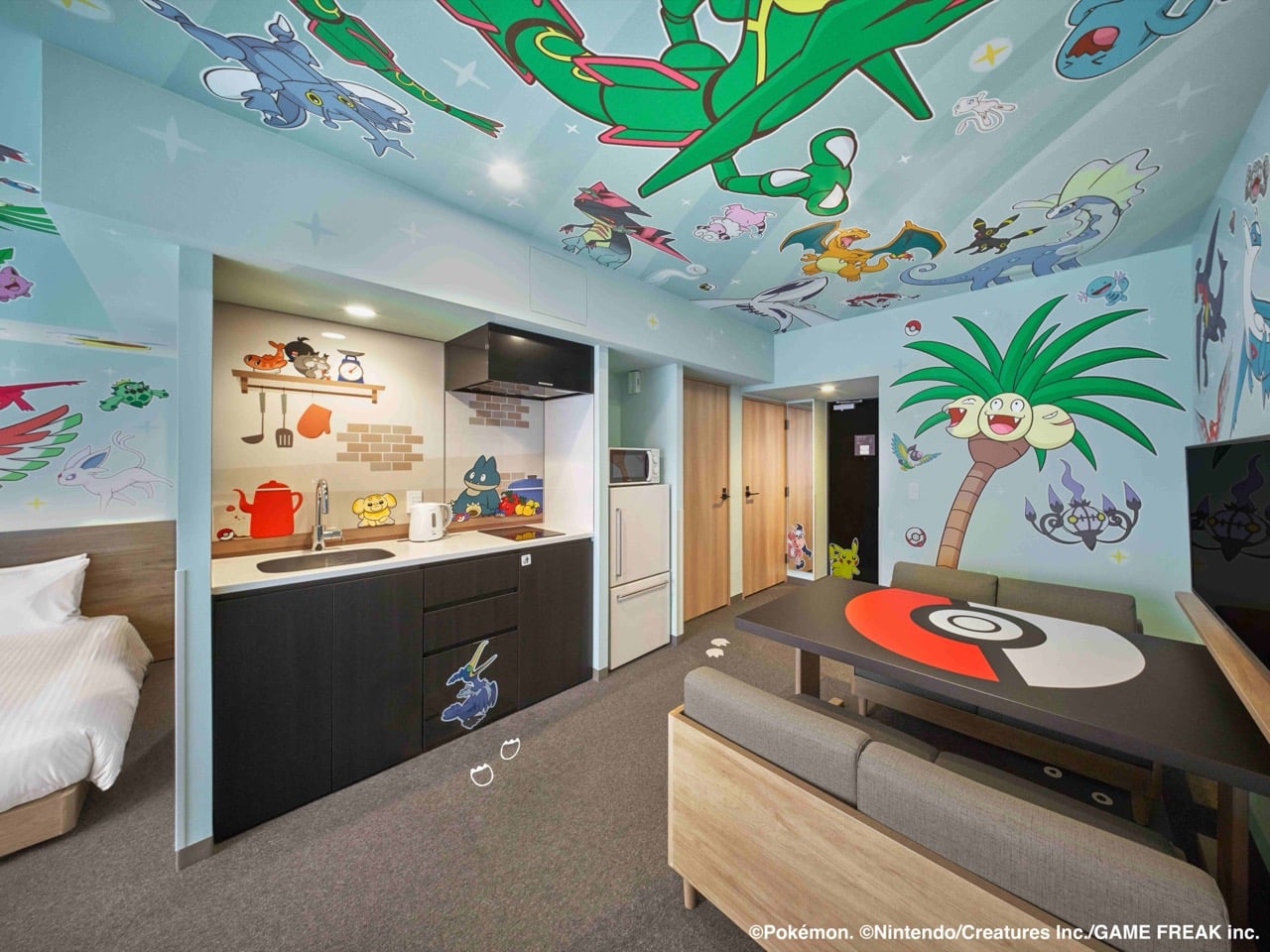
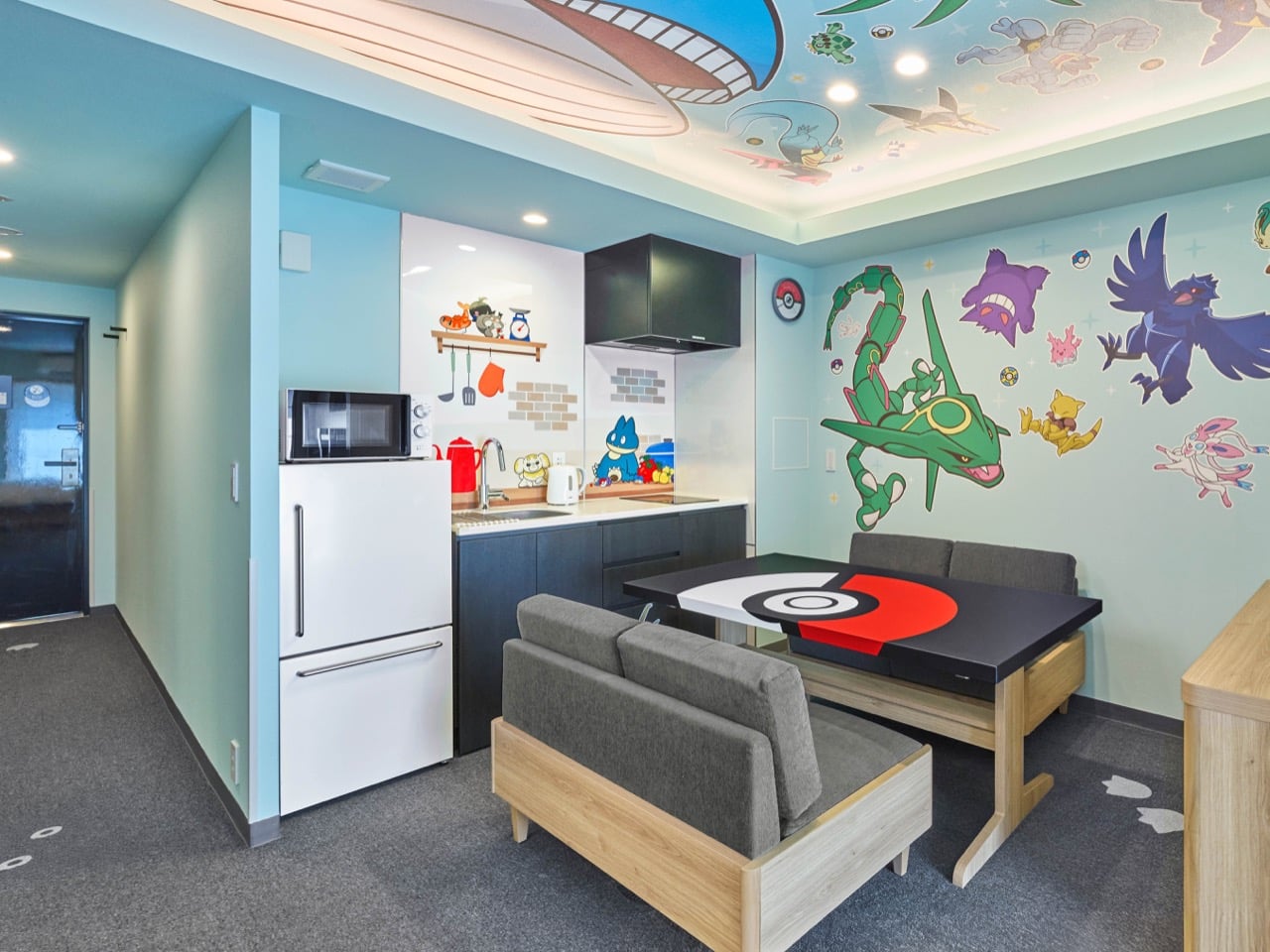
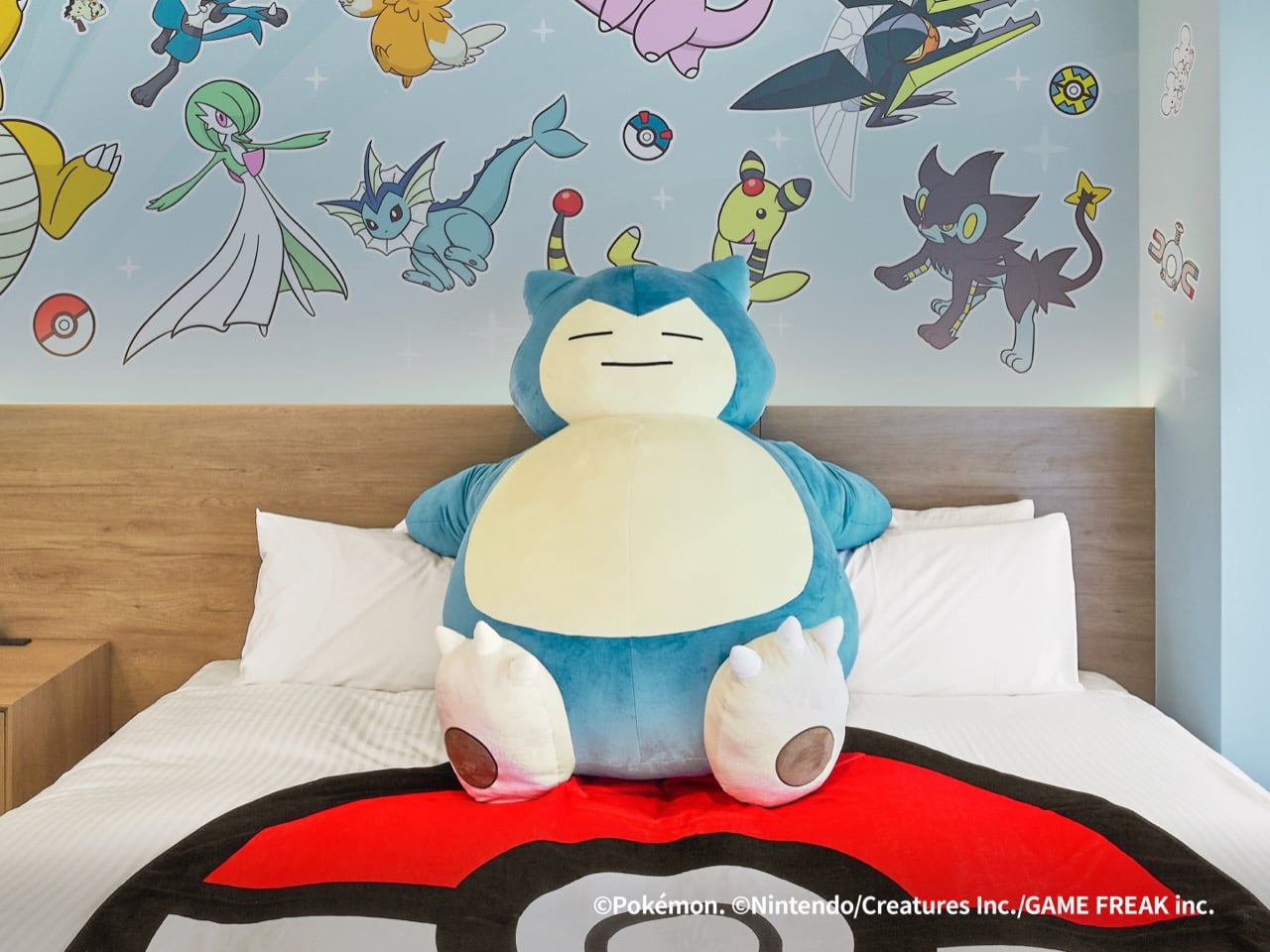
You walk in and there’s a massive Snorlax plushie sprawled across Poké Ball bedding. Every guest photographs this thing. Every review mentions it. It’s become the signature element that people specifically request when booking. The plushie works because it’s tactile, huggable, and perfectly in-character for Snorlax to be permanently napping on your bed. It’s also shameless Instagram bait, which means free marketing from every family that stays there. The design team knew exactly what they were doing when they made this the centerpiece.
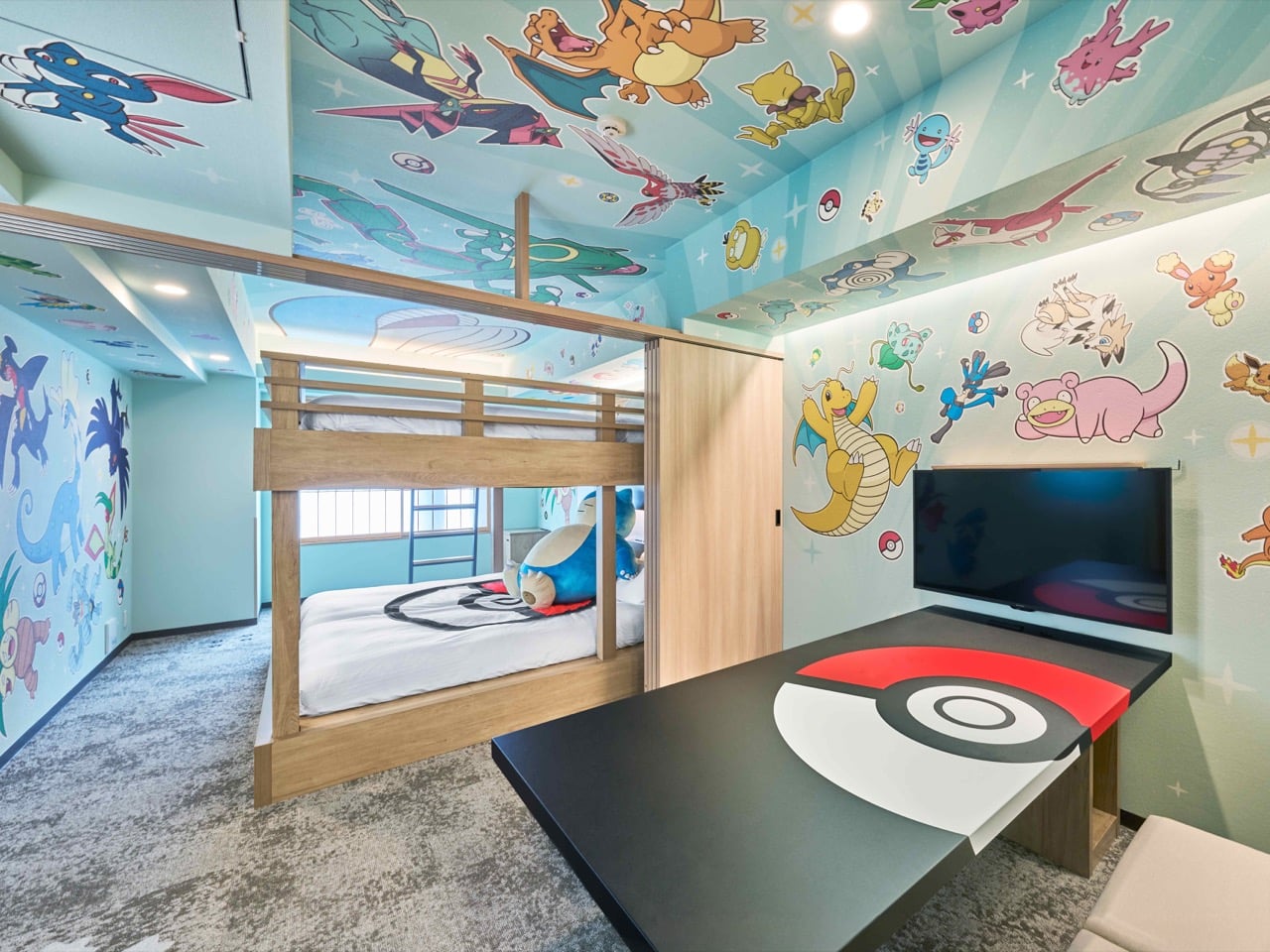
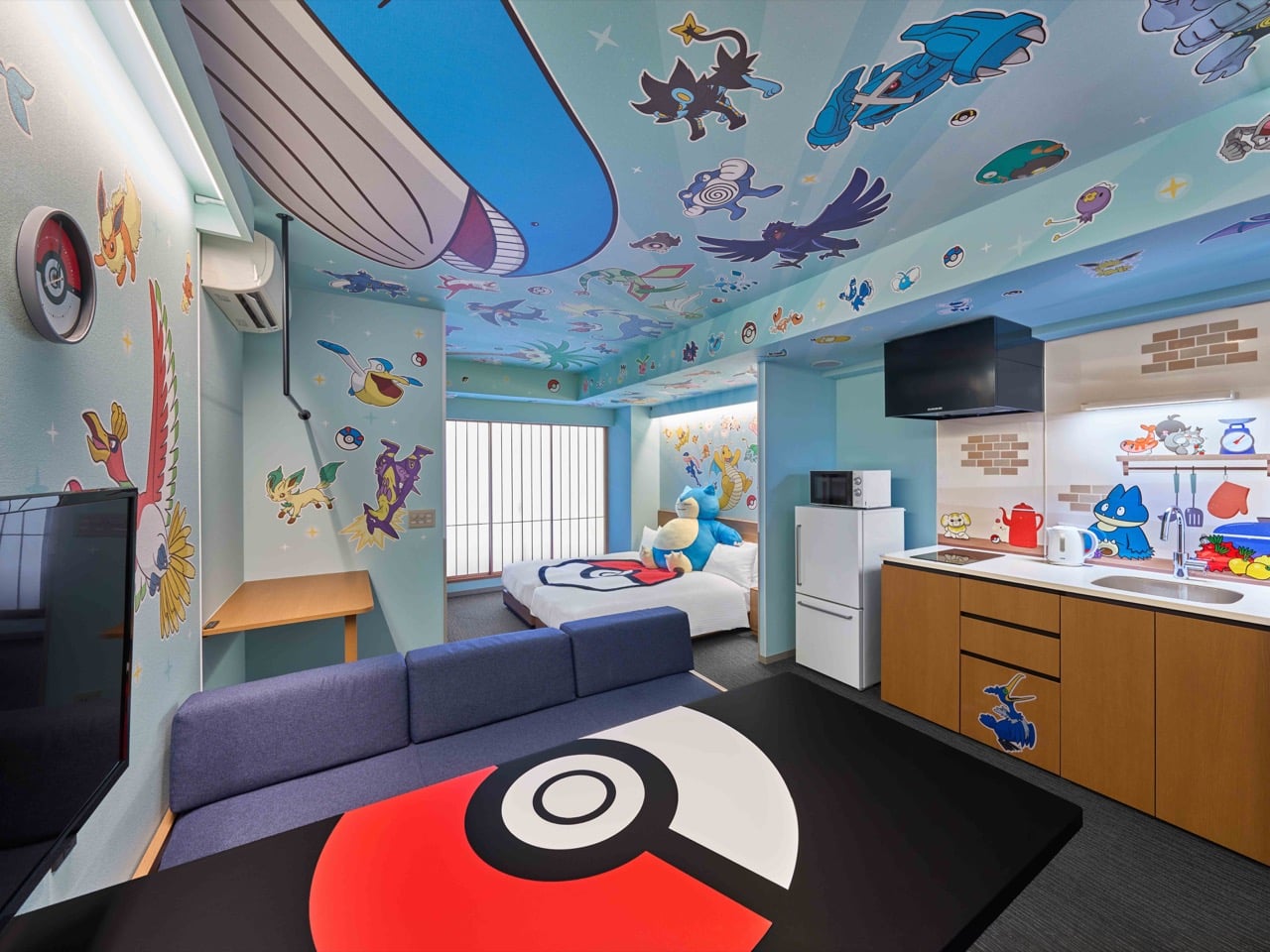
Water-types live in the bathroom. Food-obsessed Pokémon populate the kitchen. Flying and legendary types take over the ceiling murals. Someone actually thought about spatial logic instead of randomly slapping characters everywhere like a kid with stickers. Lapras and Magikarp around the bathtub makes intuitive sense. Pikachu hanging out near the dining table with other food-loving characters feels natural when you’re making breakfast. This kind of ecosystem thinking is rare in themed spaces, which usually prioritize maximum logo visibility over coherent storytelling. The renovation team understood that immersion breaks when placement feels arbitrary.
Every stay includes MIMARU-exclusive merchandise you can’t get anywhere else. Limited edition fabric bags, collectible items that only guests receive. This is retention marketing dressed up as a perk, and it’s extremely effective. People collect these things. They post about them. They keep them as physical reminders of the experience, which triggers “remember when we stayed at the Pokémon hotel” conversations years later. Creating scarcity around a hotel stay is smart business. Making guests feel like they’re part of something exclusive rather than just renting a room builds the kind of emotional attachment that drives repeat bookings.
The properties sit near major tourist hubs and transportation centers, which balances fantasy with practicality. You can spend your day exploring Shibuya or Kyoto’s temples, then return to your Pokémon sanctuary at night. International families especially appreciate the apartment setup because it lets them cook meals and avoid the exhausting hotel-restaurant cycle. Guest feedback consistently uses phrases like “living in the Pokémon world,” which is the gold standard for themed hospitality. You want people feeling transported, not just tolerating cute wallpaper for a night.