
The drawer full of half-used AA and AAA batteries, some new, some dead, some leaking, is familiar. The last-minute scramble for batteries when a remote dies usually means digging through the pile, testing them one by one, and feeling uneasy about throwing spent alkalines into the trash. The problem is not just waste, it is the lack of a clear system for how we power small devices scattered around a home.
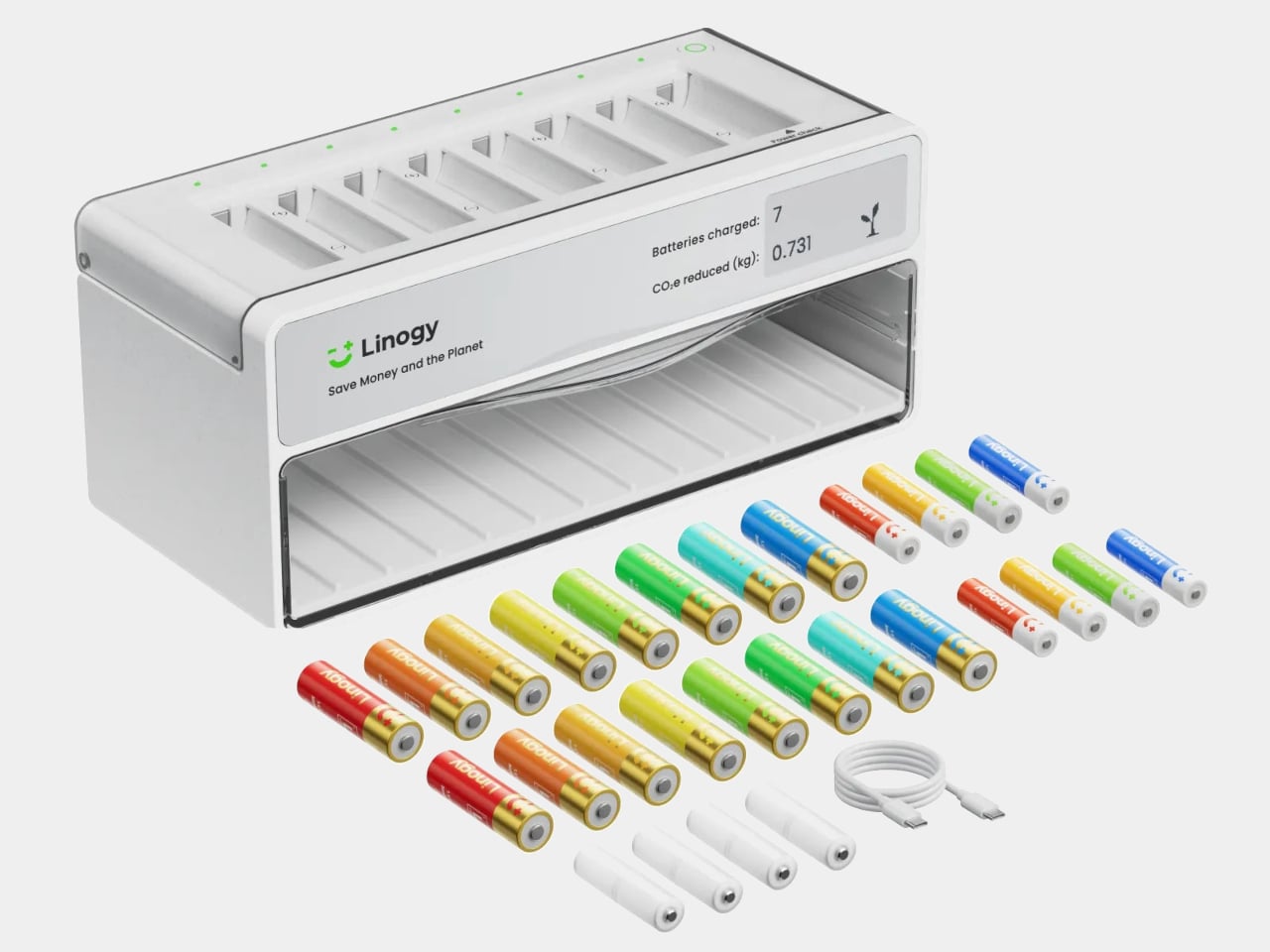
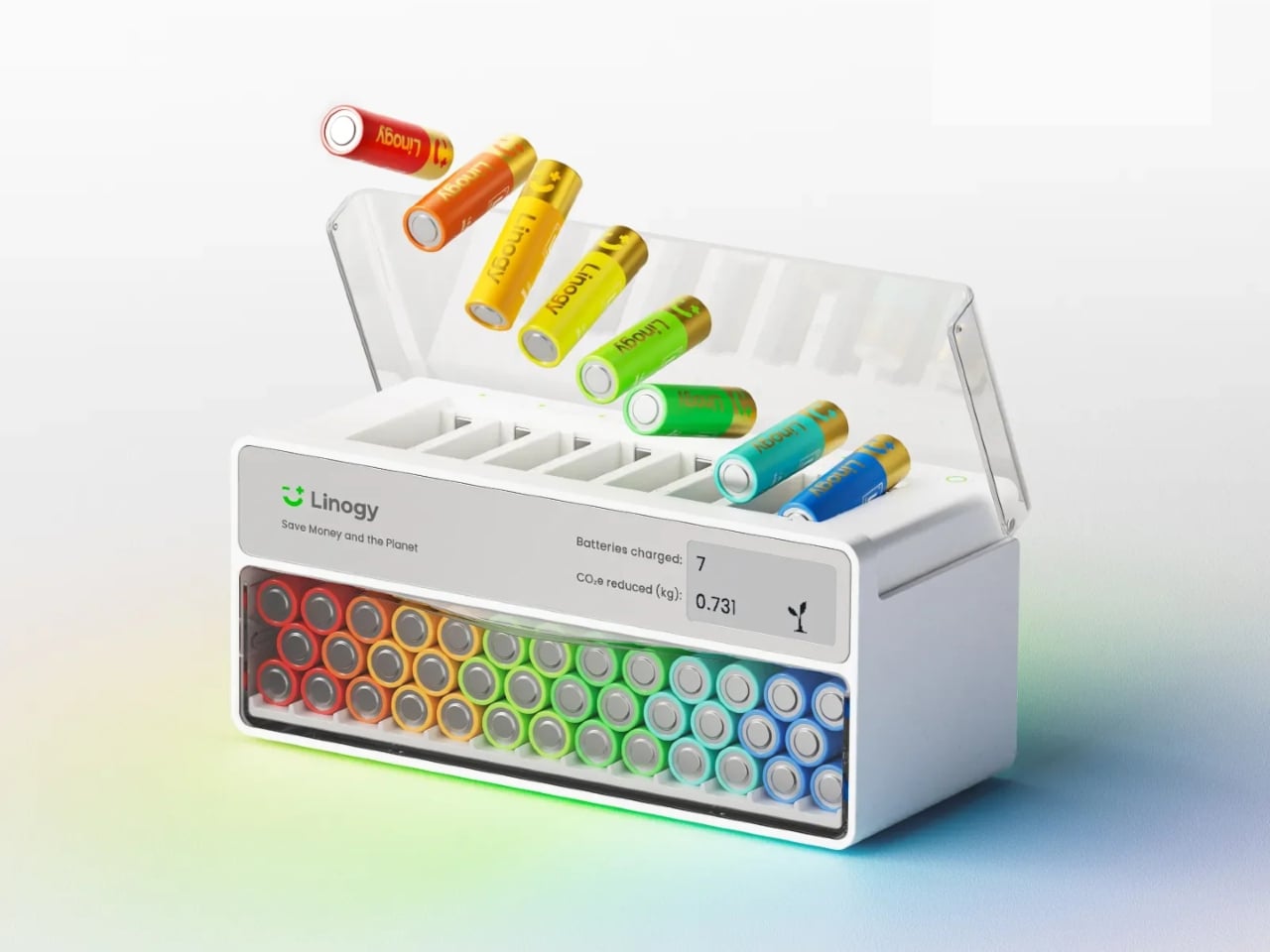
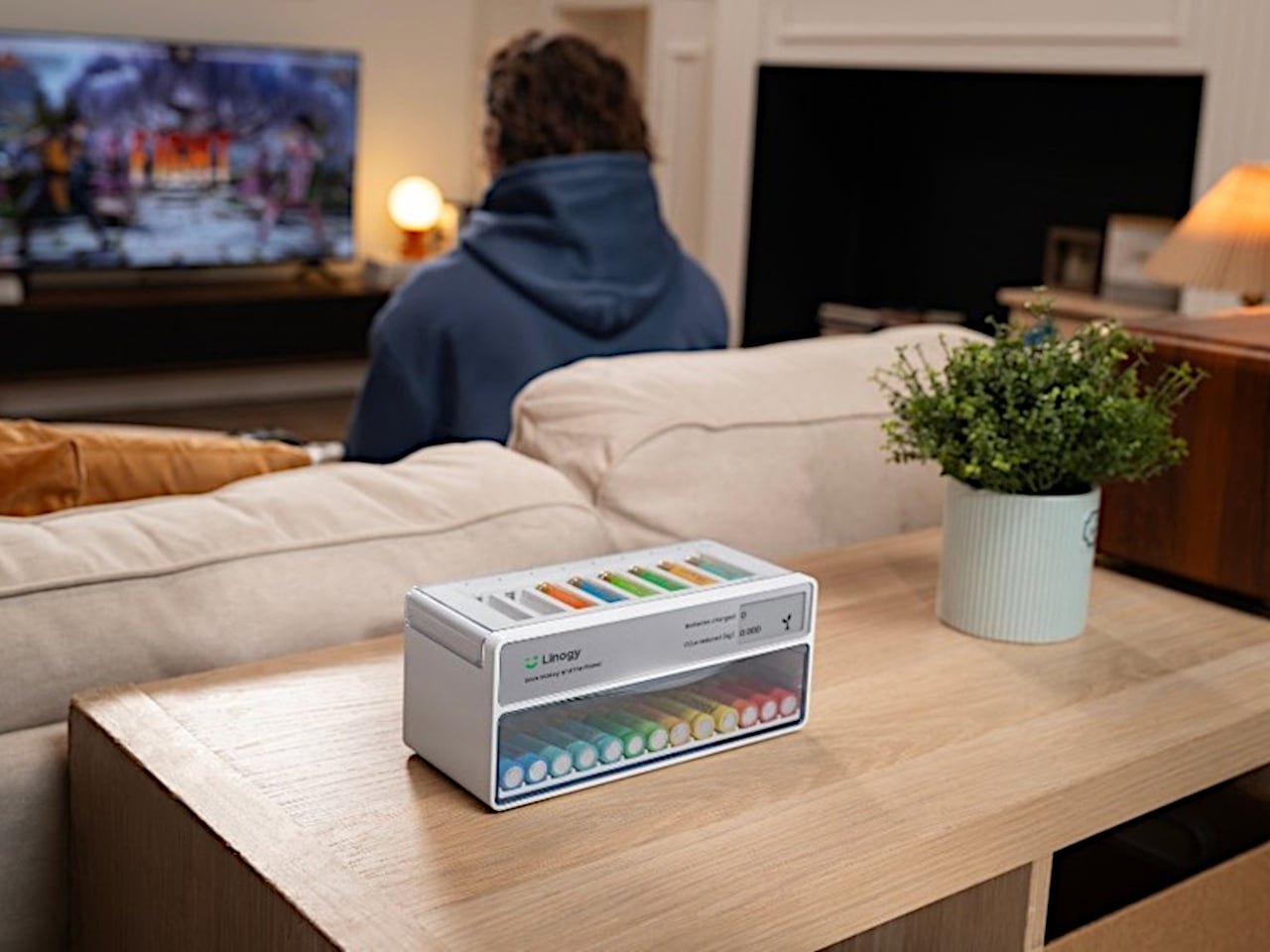
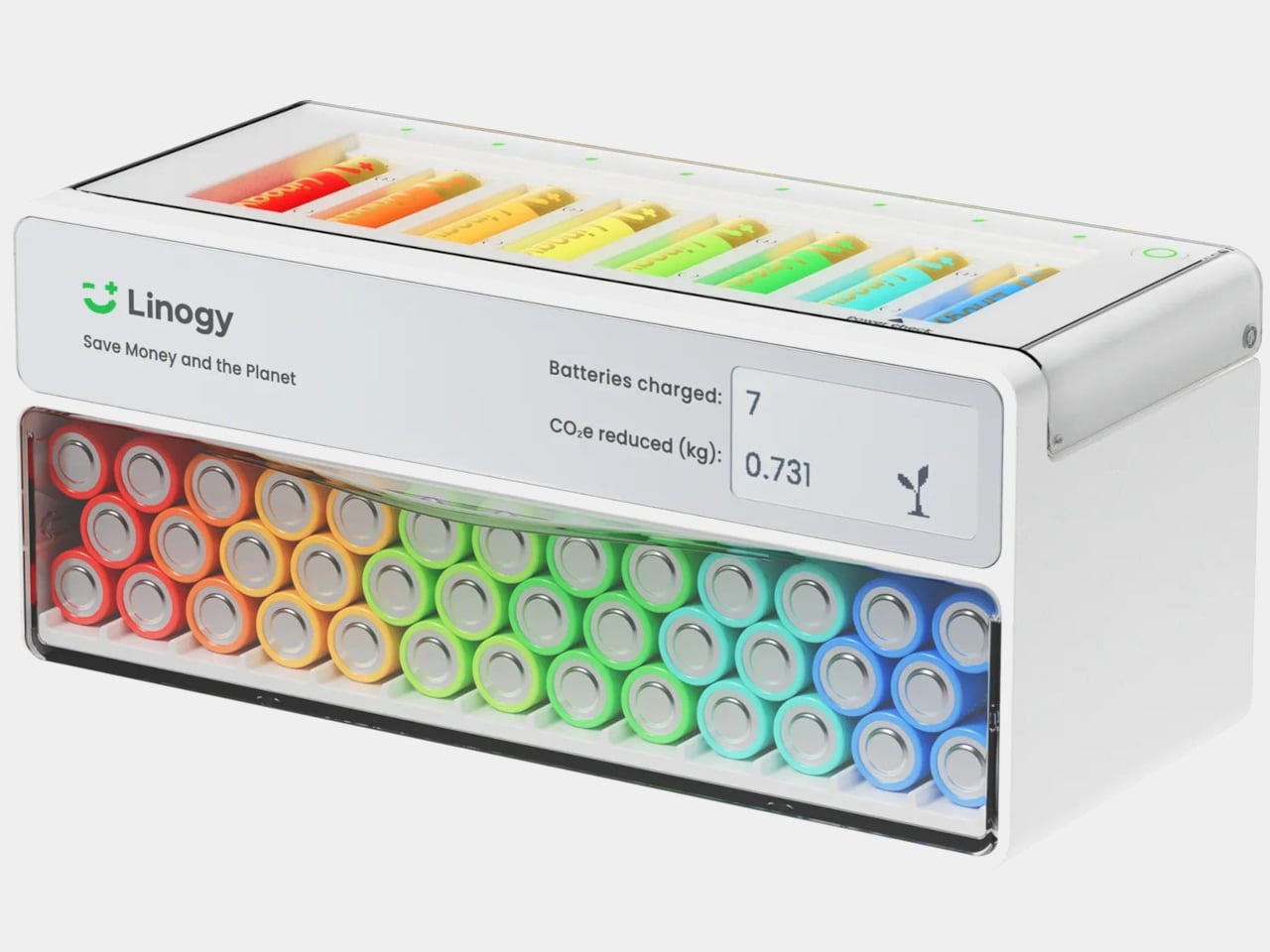
Linogy is a rechargeable battery ecosystem built around 1.5 V Li-ion AA and AAA cells plus an all-in-one smart station. The station lives on a desk or shelf, acting as a battery tester, fast charger, and organizer case that holds up to 40 cells. The goal is to replace the random drawer with a single, visible place where all your batteries live and get managed.
Designer: Linogy
Disposable alkalines are convenient but add up to billions of cells tossed each year, along with tens of thousands of tons of waste and CO₂. Ni-MH rechargeables solve part of that but bring their own quirks: 1.2V output that some devices dislike, high self-discharge, lower energy density, and slow charging that makes topping them up feel like a chore you keep postponing.
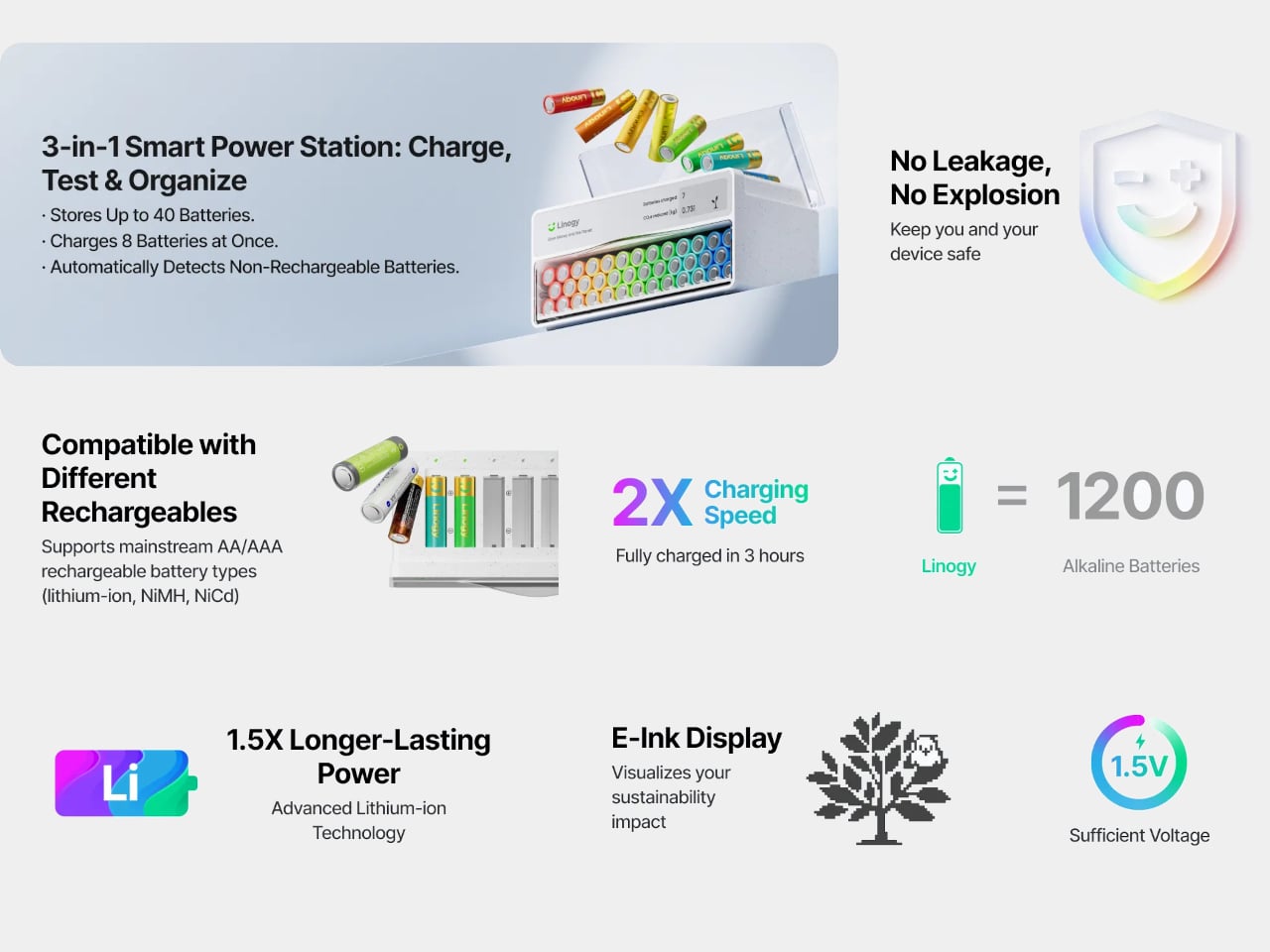
Linogy’s cells pack around 3,600mWh and deliver stable 1.5V, closer to what devices expect from alkalines, so performance and battery indicators behave more predictably. The cells are rated for up to 1,200 cycles, meaning one rechargeable can stand in for roughly 1,200 disposables over its life, and built-in protection layers handle overcharge, short circuit, and drop impacts without leaks or smoke.
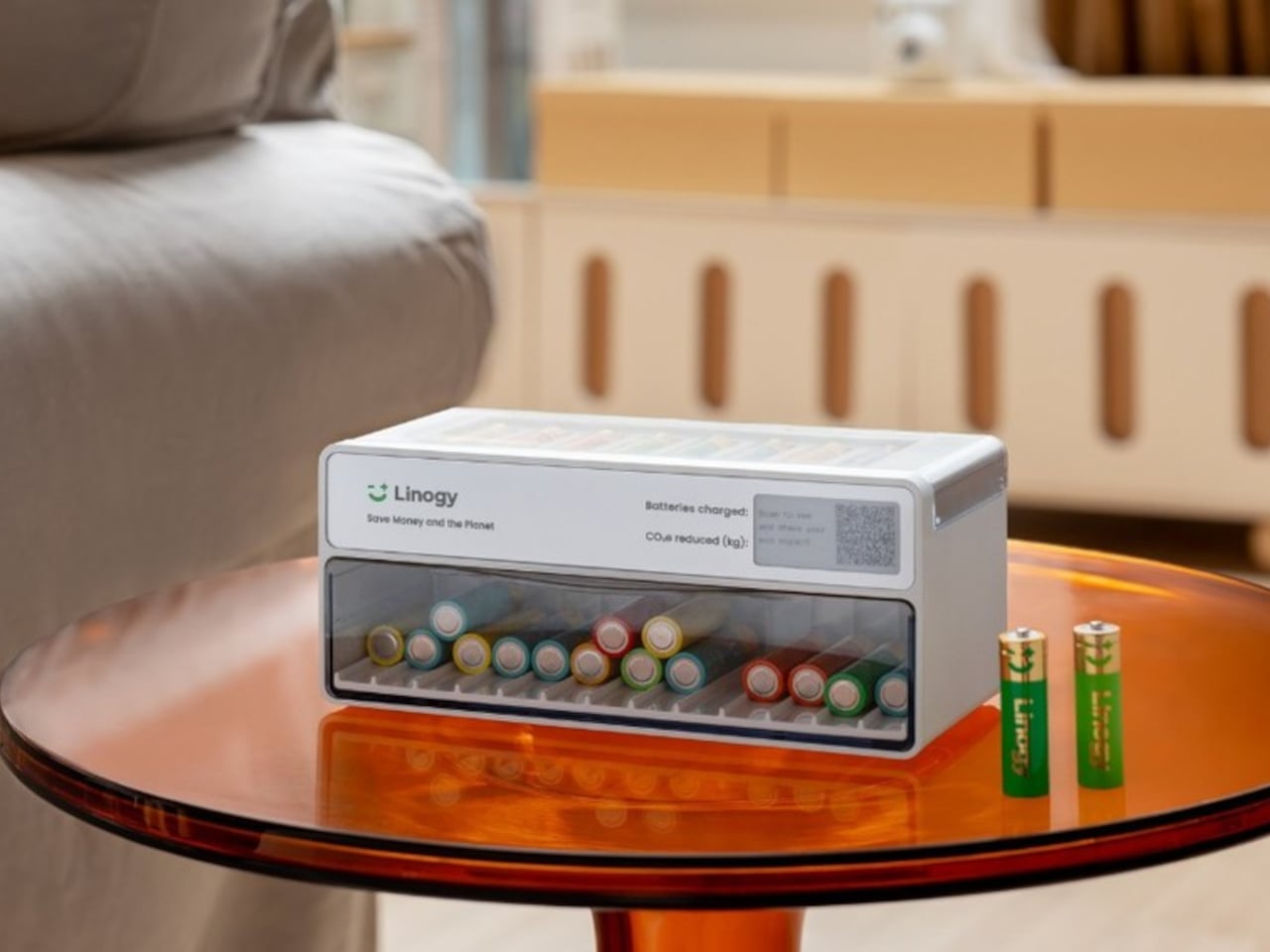
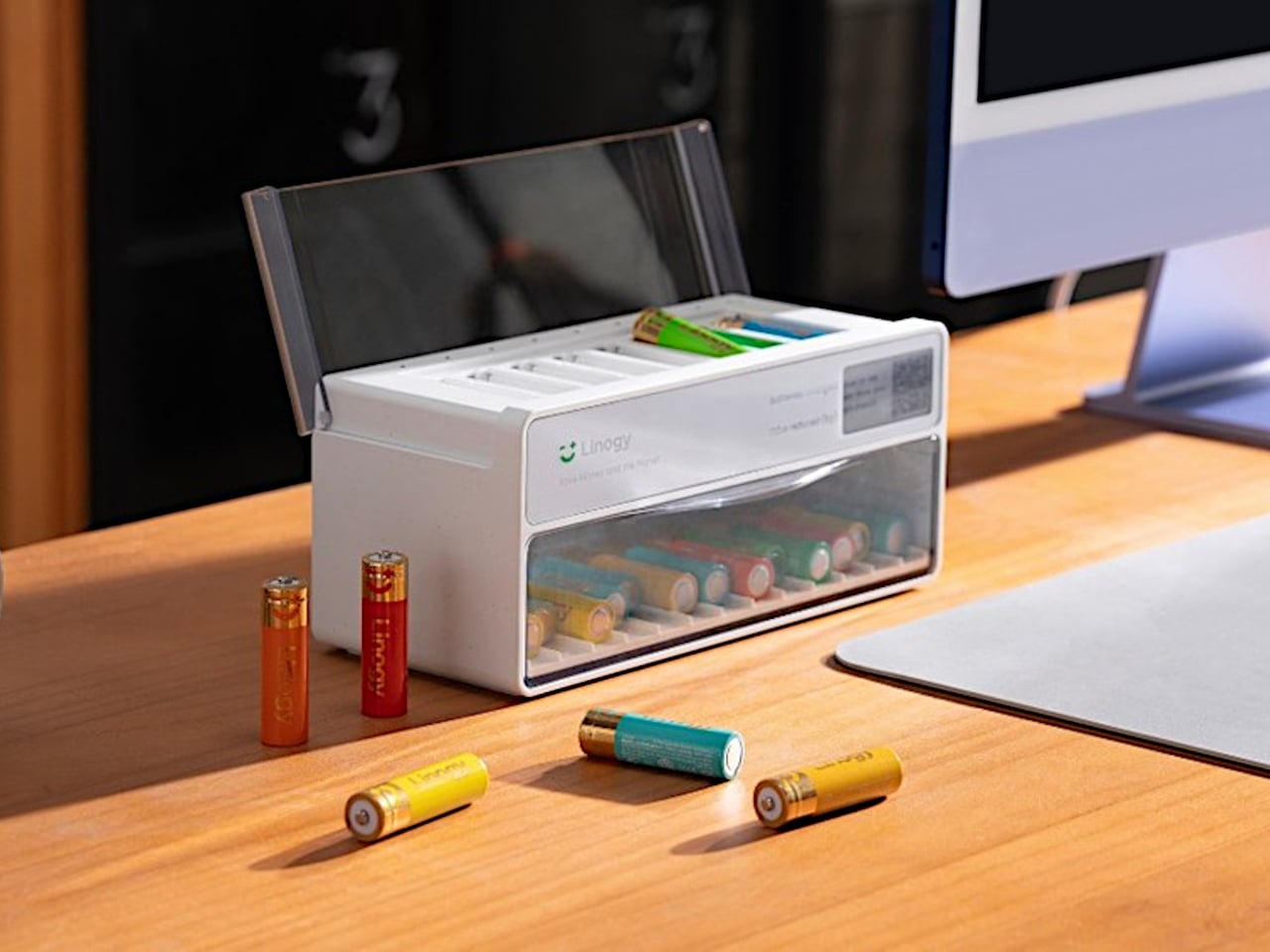
Dropping a mix of AA and AAA cells into the station, it automatically detects type, health, and charge level. The e-ink display shows which batteries are full, which are charging, and which are ready to retire, without bright LEDs or guesswork. A full charge takes around three hours, and once topped up, the station stops charging and simply holds the cells until something needs power.
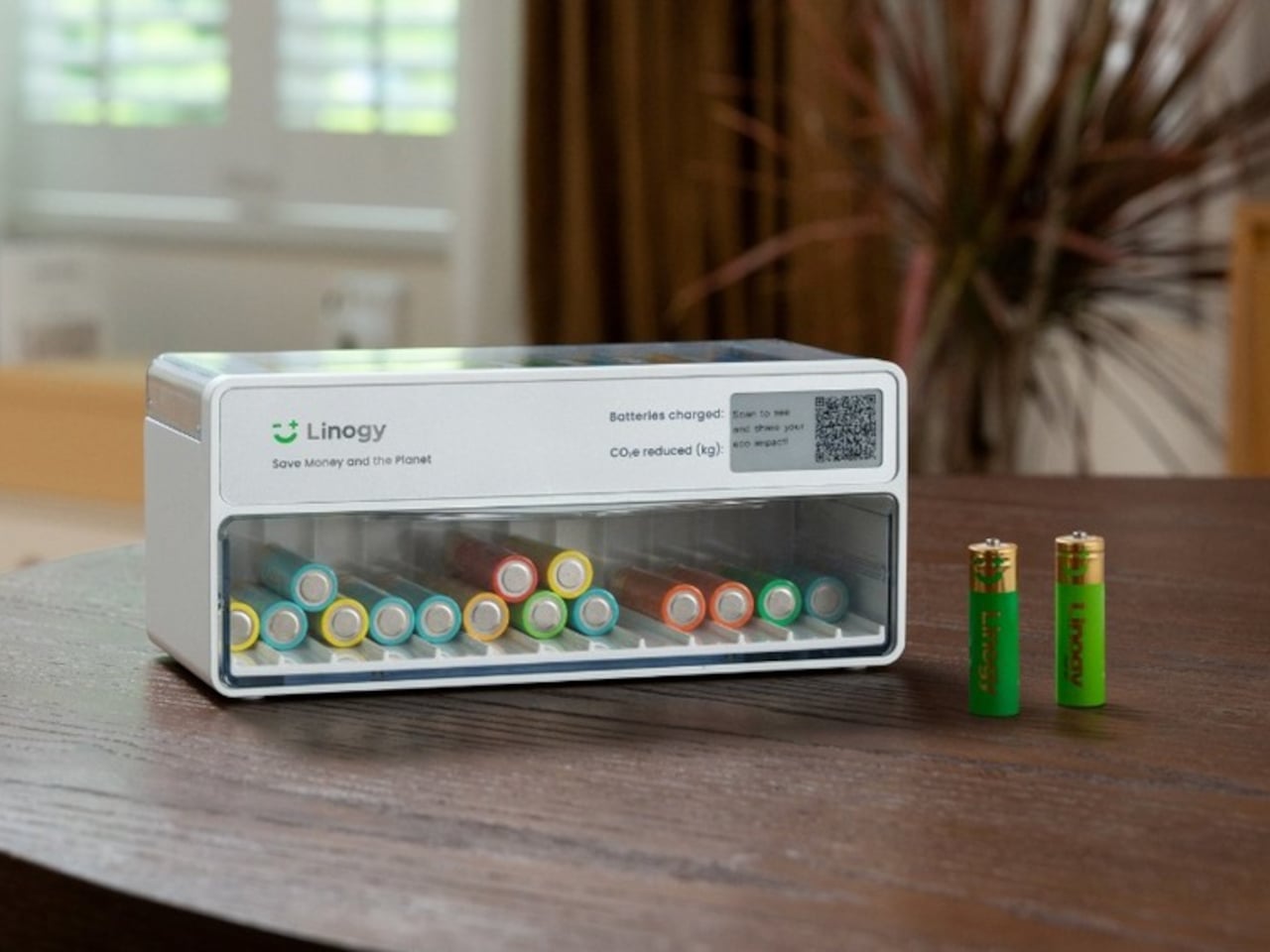
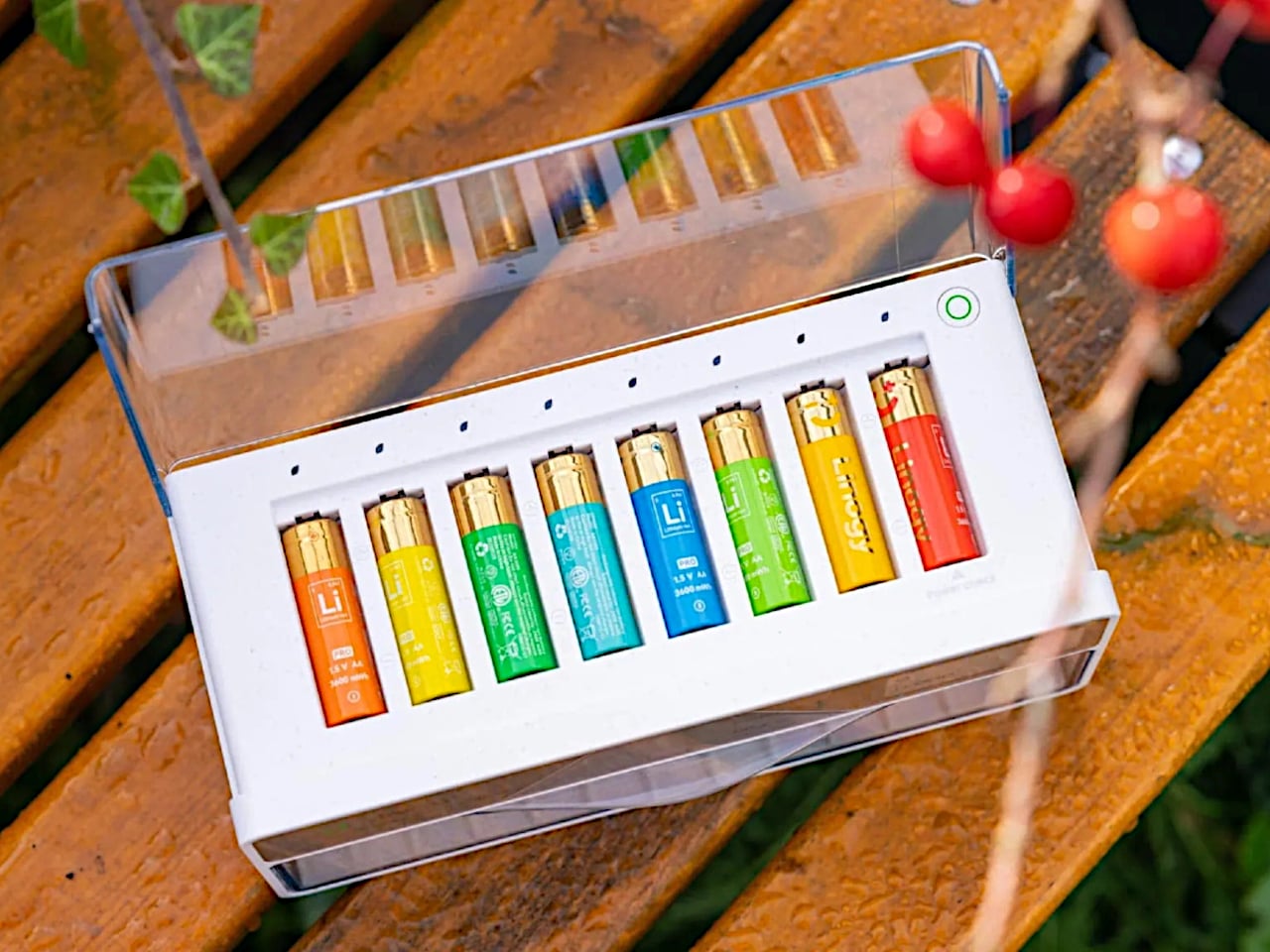
The station is compatible with Linogy’s Li-ion cells, Ni-MH, and Ni-Cd AA and AAA batteries. You do not have to throw out existing rechargeables; the same box can test and charge them while you gradually swap in higher-capacity 1.5V cells. Over time, the random mix becomes a more coherent set of batteries you actually trust instead of avoiding.
A simple change in how you handle AA and AAA power can reduce waste and friction. One Linogy cell replacing up to 1,200 alkalines, recyclable packaging, and a charger that looks like a small appliance rather than a tangle of cables all add up. It turns the humble battery from something you forget about until it fails into a part of the home that is designed, visible, and surprisingly satisfying to keep in order.