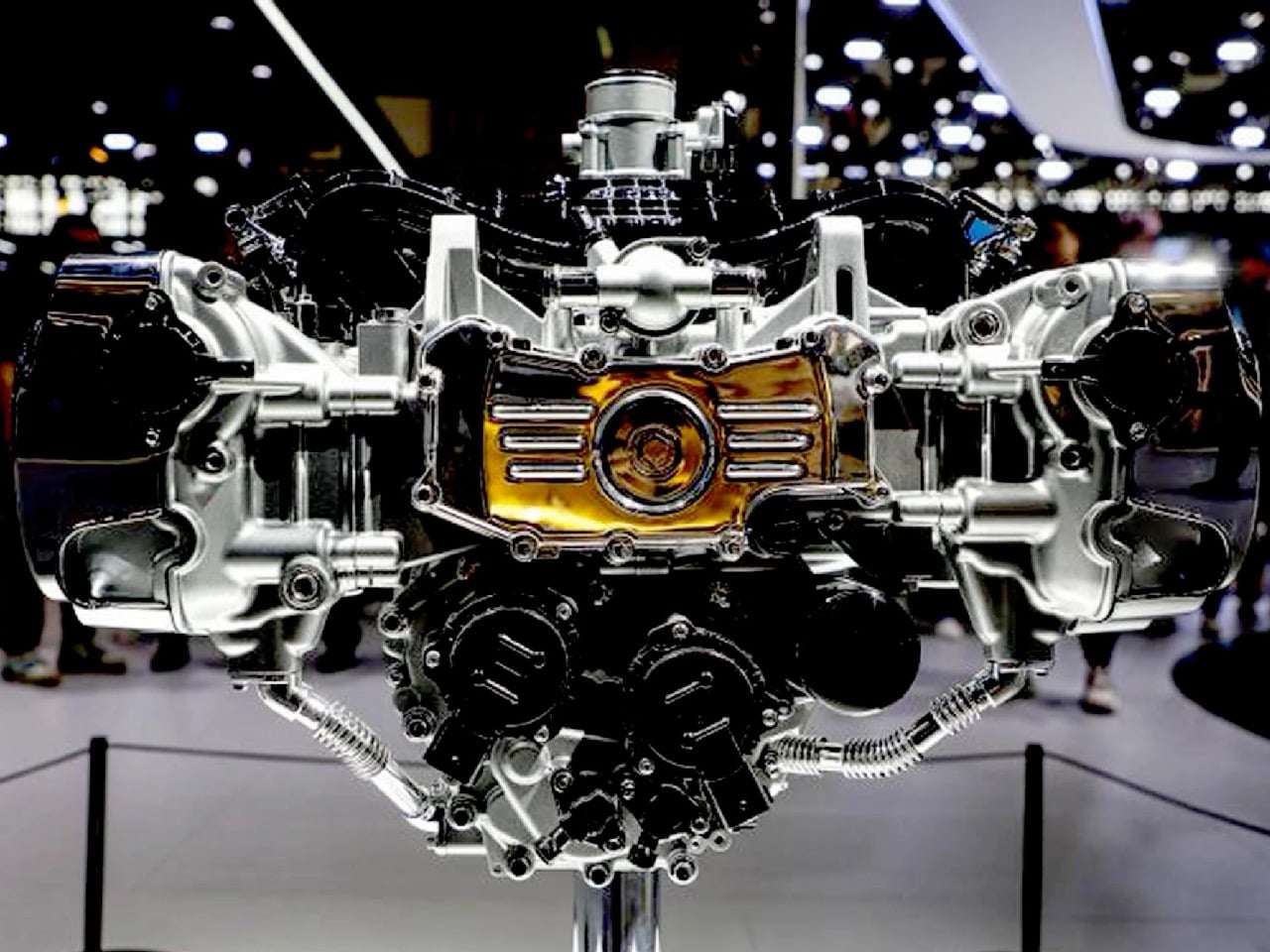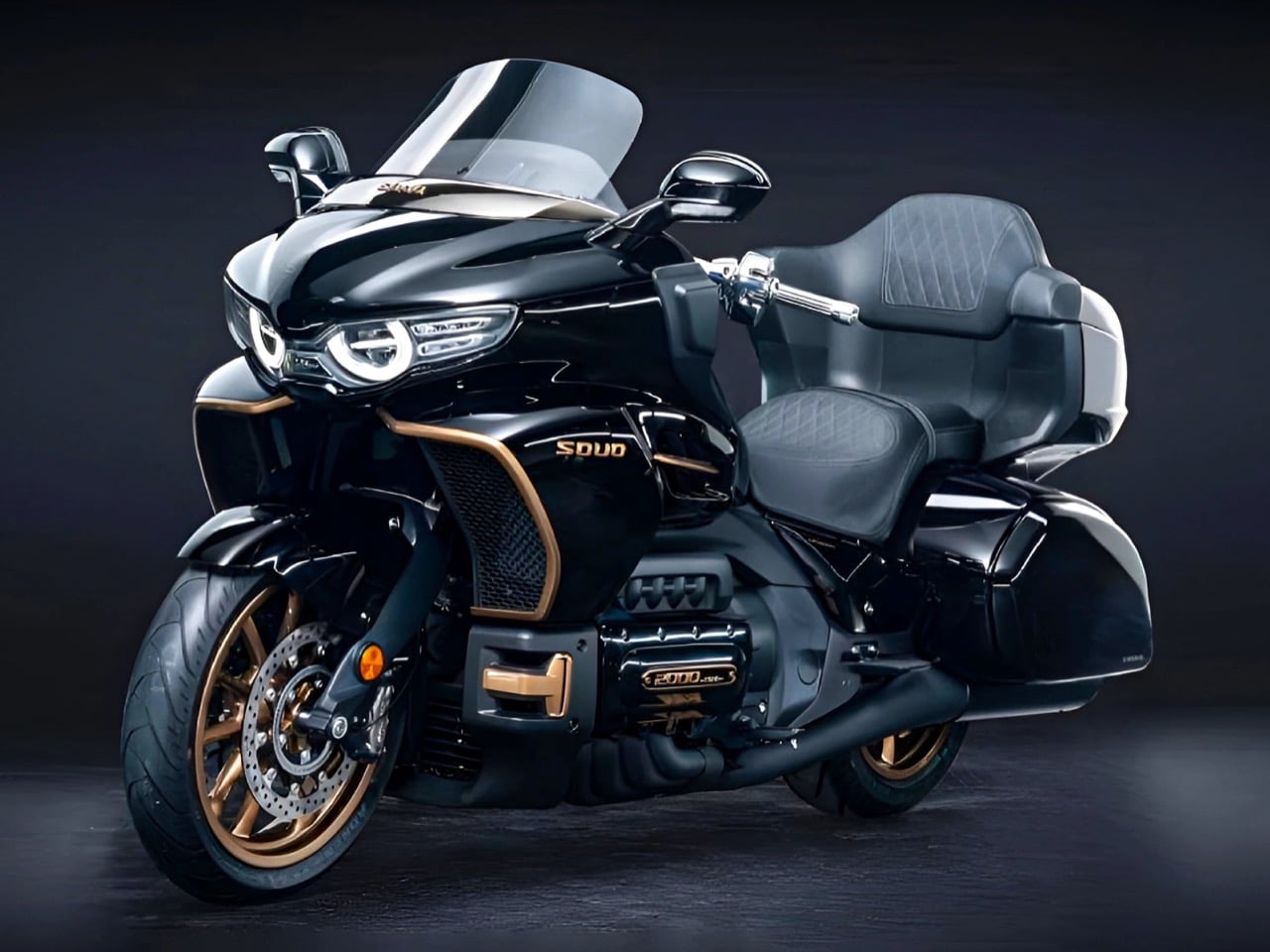

Picture this: a Chinese automotive giant with zero motorcycle heritage decides its first two-wheeled creation should pack eight cylinders, displace two liters, and weigh over half a ton. Most companies would call that insane. GWM chairman Wei Jianjun called it a passion project and threw over 150 million dollars at making it happen.
The result is the Souo S2000, the world’s first production motorcycle with a flat-eight engine. While Honda, Harley, and BMW pivot toward electric futures and downsized engines, GWM has built something gloriously unnecessary: a touring bike with more cylinders than most cars, more power than a Honda Goldwing, and enough chrome and gold trim to make a baroque cathedral jealous. It’s excess personified, and it’s reportedly headed to America in 2027 with a $30,000 price tag.
Designer: Great Wall Motor Company
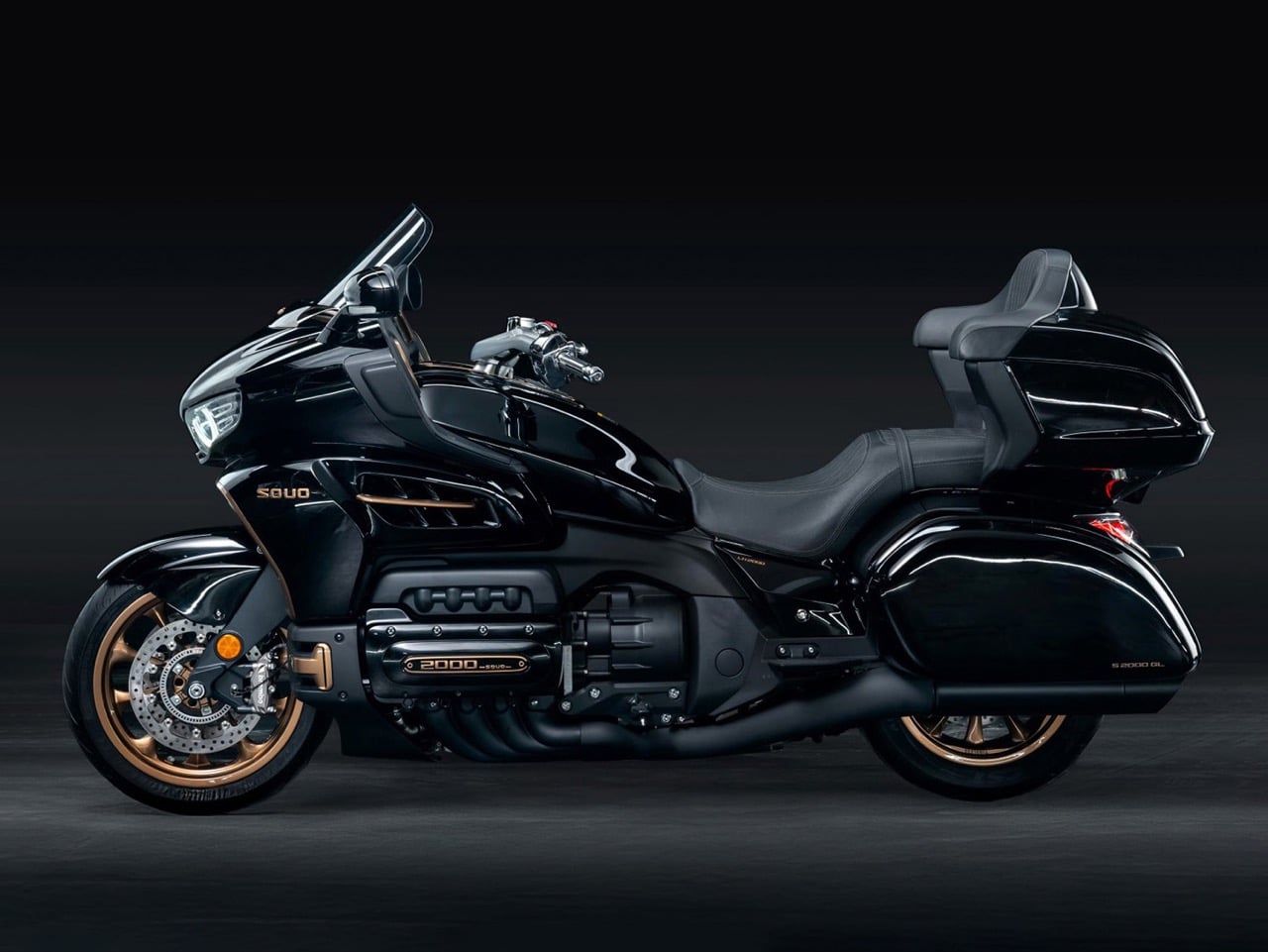

The specs read like someone’s fever dream. A 1,999cc horizontally opposed eight-cylinder engine making 154 horsepower at 6,500 rpm and 190 Nm of torque at 4,500 rpm. That’s 21% more power than the Goldwing’s 1.8-liter flat-six from only 9% more displacement, which suggests GWM’s engineers actually know what they’re doing. The engine connects to an eight-speed dual-clutch transmission because apparently seven speeds wasn’t enough to embarrass Honda. And here’s the kicker: it has a reverse gear that moves at 1.8 mph because backing up 461 kilograms by foot would be physically impossible for most humans.
The chassis borrows from automotive thinking in ways that make traditional motorcycle engineers wince. GWM claims the frame uses a bolt-free welded aluminum construction, which sounds impressive until you remember this thing weighs more than some compact cars. The front suspension is a three-tier double wishbone setup that they’re calling a world first, though anyone familiar with the Hossack front end will recognize the DNA. It’s basically a way to separate braking forces from suspension duties, which matters when you’re trying to stop a half-ton missile from 130 mph. Brembo supplies the four-piston calipers on both ends because of course they do.
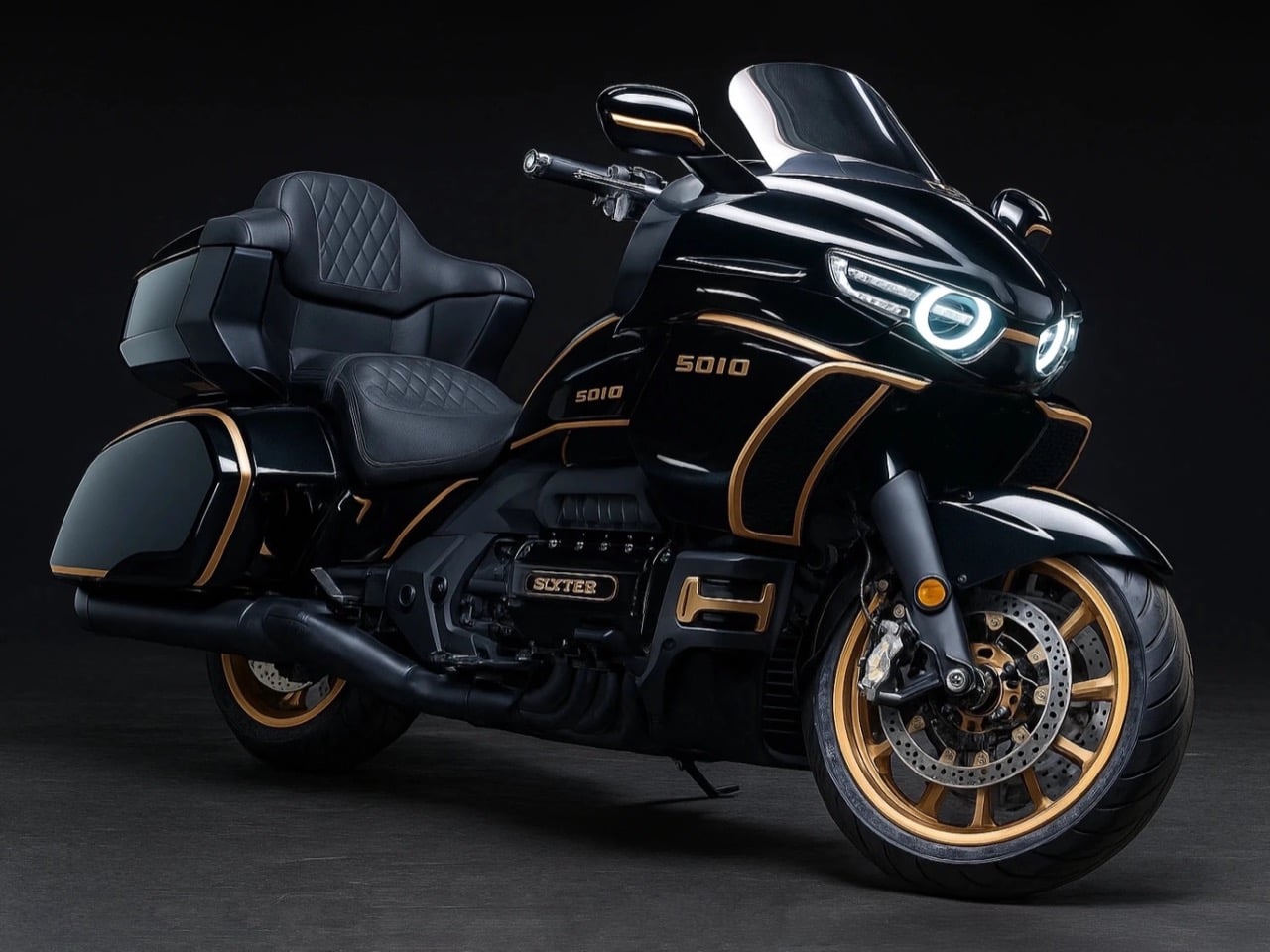
That 1,810mm wheelbase is 115mm longer than the Goldwing, which explains why photos of this thing make it look like a small spaceship. The seat height sits at a surprisingly reasonable 740mm despite the bike’s overall mass, meaning shorter riders can actually touch the ground. GWM stuffed 118 liters of luggage capacity into the panniers and top case, heated everything that could conceivably be heated, and threw in an eight-speaker sound system because subtlety died somewhere around cylinder number five.
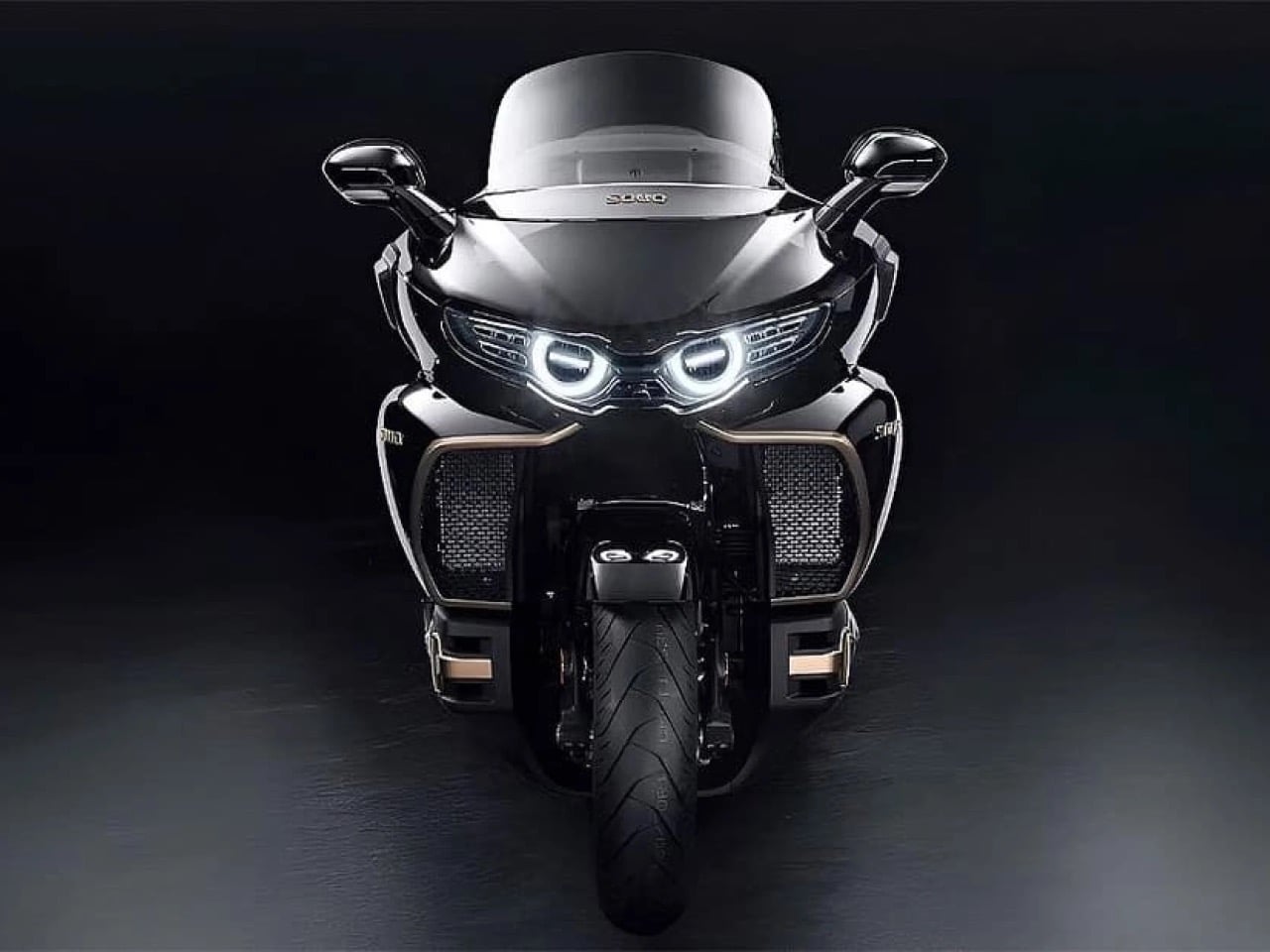
The really fascinating bit is how this bike even exists. GWM is primarily known for making SUVs and pickup trucks. They rank among the top 25 automakers globally and export to over 170 countries, but motorcycles? Completely new territory. Wei Jianjun simply loves bikes and had the resources to make this happen, so he did. The first batch of 200 units sold out. The second batch sold out. The third batch that went on sale in March 2025 also sold out. Chinese buyers are paying between 218,800 and 288,800 yuan depending on trim level, which translates to roughly $31,000 to $41,000 USD.
For context, a Honda Goldwing Tour with DCT starts at around $26,000 in America. The S2000 costs more and weighs 71 kilograms more than the fully loaded Goldwing Tour. It’s also faster, angrier, and comes in a Founder Edition with 24-karat gold accents and the chairman’s signature etched into the fuel tank. Only 88 of those were made, and someone recently paid 668,800 yuan for a one-off called the Cloud Lion with hand-painted clouds and mother-of-pearl lacquering. That’s over $100,000 for a motorcycle.
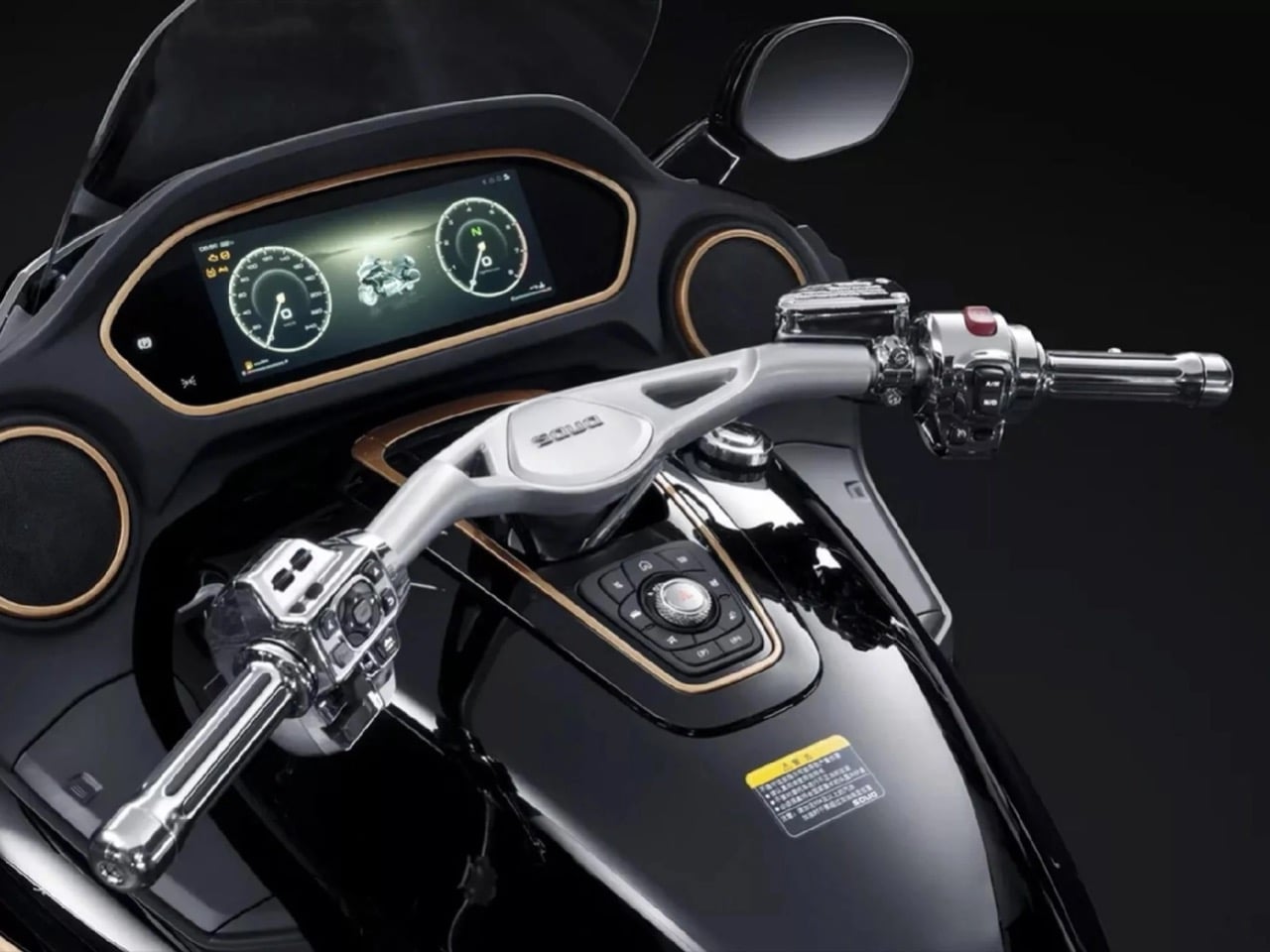
The question everyone’s asking is whether this thing will actually make it to American roads. GWM confirmed at CES 2026 that they’re planning a North American launch in 2027, targeting that same $30,000 price point. The company has zero presence in the US market currently, which makes this either incredibly ambitious or incredibly stupid. Probably both. They’re planning to expand through Europe and Australia first, testing the waters before tackling American regulations and the nightmare that is establishing a dealer network from scratch.