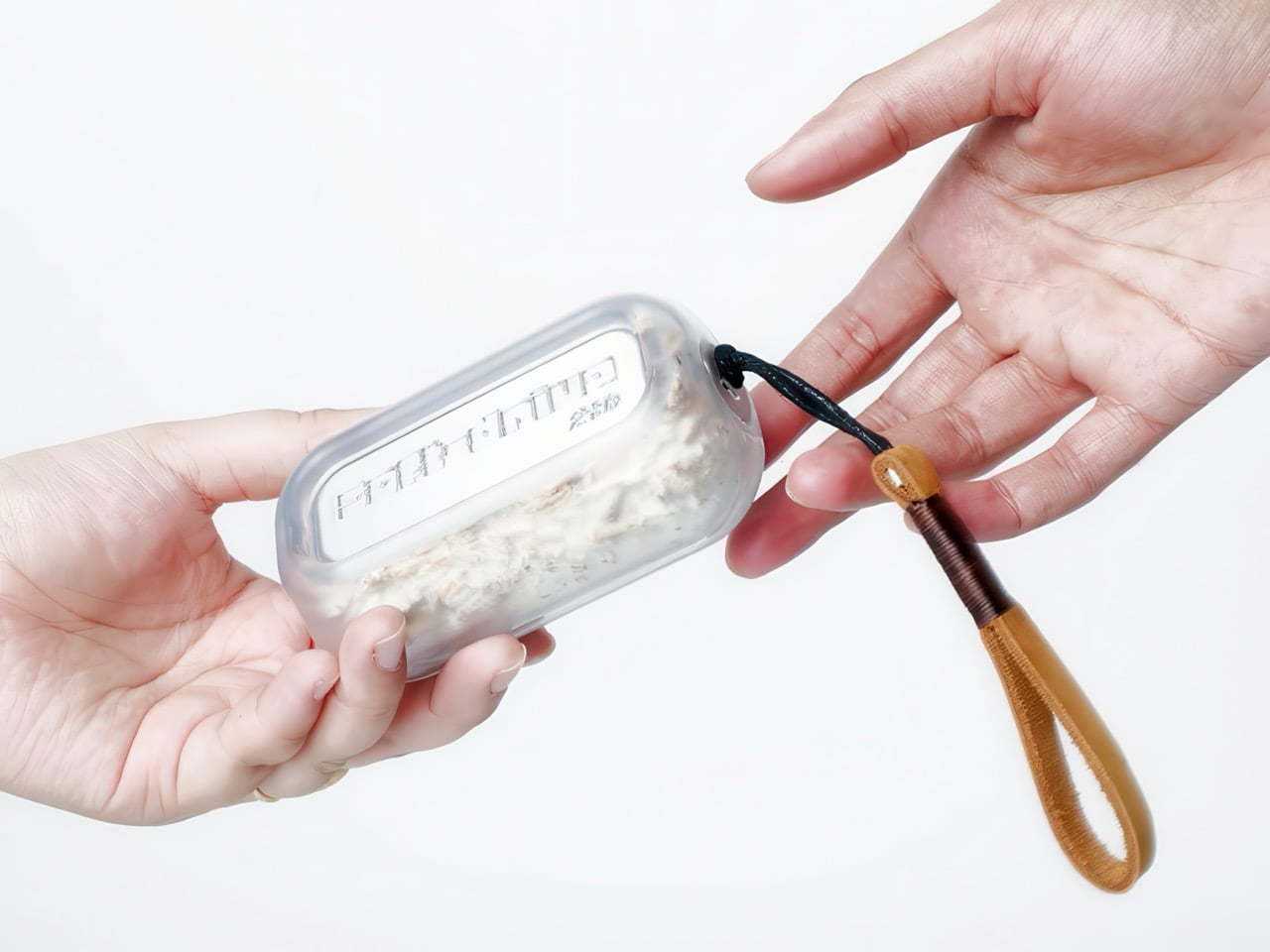

So here’s a sentence I never thought I’d write: someone made a USB drive out of mushrooms. Well, technically mycelium, the sprawling fungal network that lives underground and occasionally pops up as the mushrooms we eat. But still. We’re talking about storing your family photos, tax documents, and embarrassing early-2000s selfies inside what is essentially cultivated fungus. And somehow, this makes perfect sense.
Enter the Soft Drive, which looks less like a tech product and more like something grown in a lab that studies alien artifacts. Designer Sree Krishna Pillarisetti built this portable drive with a shell made from mycelium, the root-like structure of fungi, combined with hemp and bioplastics from waste materials. You can see the fungal fibers through the translucent case, all wispy and organic, protecting the electronics inside. It’s strange and beautiful and deliberately so. The whole thing is designed to make you feel the weight of your data again, to make storage physical and local and weird in a way that makes you reconsider why we ever outsourced our digital memories to faceless corporations in the first place.
Designer: Sree Krishna Pillarisetti
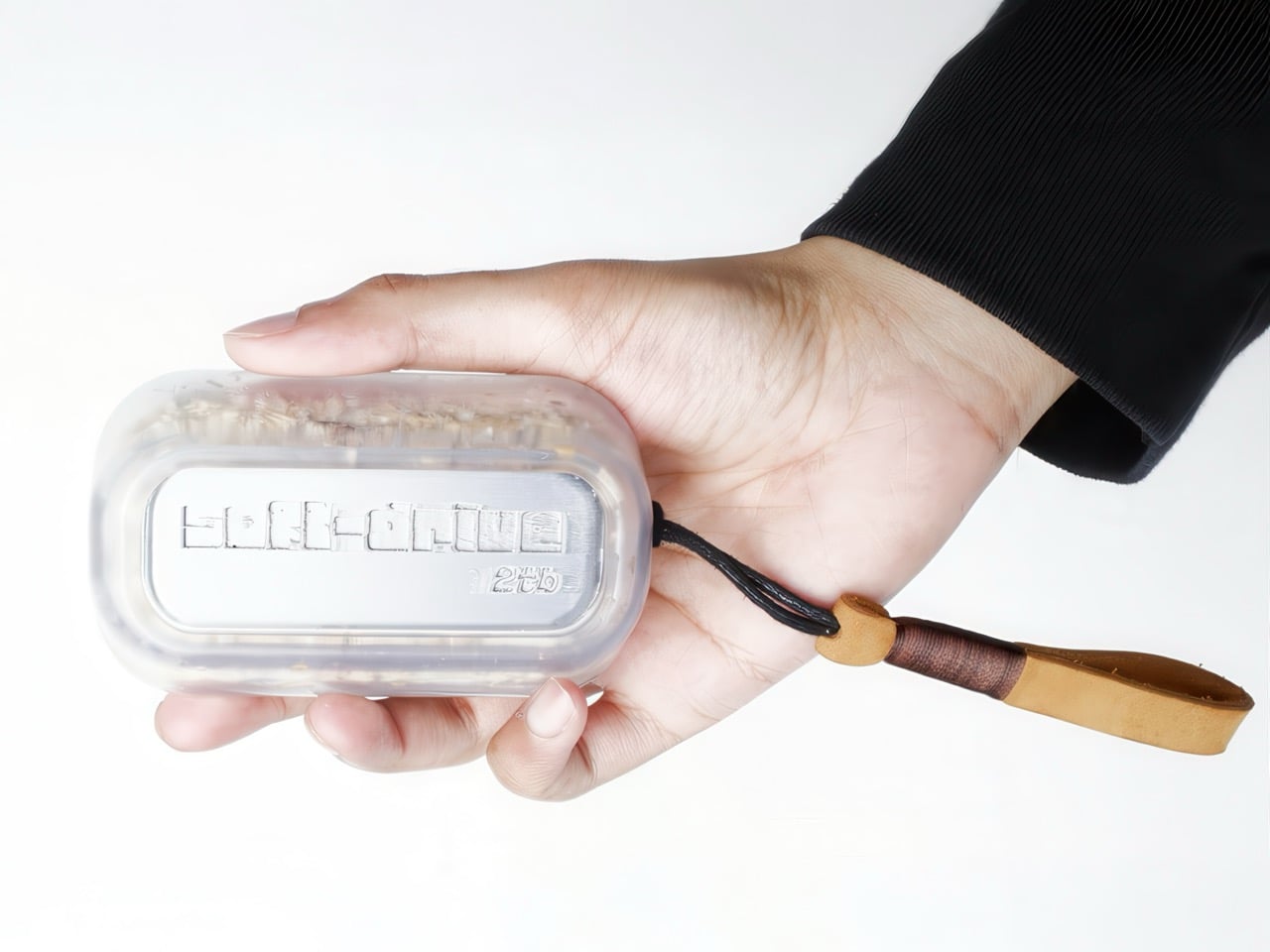
The translucent casing shows off the wispy, organic texture of mycelium mixed with hemp, wrapped around a standard memory card and heat sink. There’s a woven lanyard attached like it’s a charm you’d wear. It holds 8GB, which sounds quaint until you realize that’s exactly the point. This isn’t about competing with cloud storage. It’s about asking why we ever thought it was a good idea to hand over our entire digital lives to massive, energy-guzzling server farms we’ll never see or control.
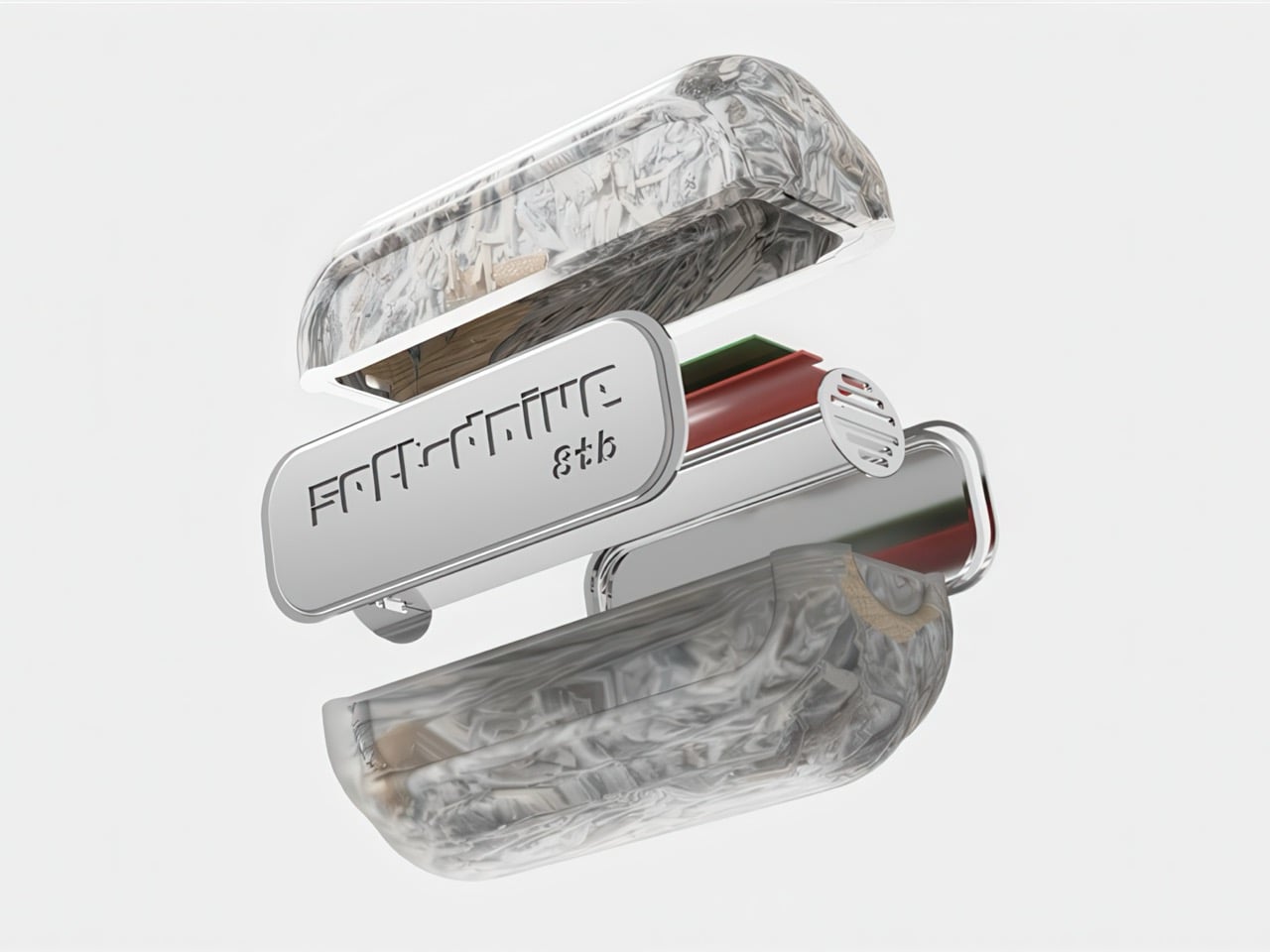
The name is doing a lot of heavy lifting here, and I’m here for it. “Soft Drive” as the inverse of “hard drive” is chef’s kiss levels of nomenclature. Pillarisetti, who completed this as his MFA thesis at Parsons, built the entire shell from materials sourced from waste streams: mycelium, hemp fibers, and polylactic acid (PLA). The mycelium acts as natural shock absorption, which is clever because dropping your drive has historically been a nightmare scenario. Fungi don’t crack the way plastic does. They compress, absorb impact, and generally behave like they evolved for this, which, in a roundabout way, they kind of did.
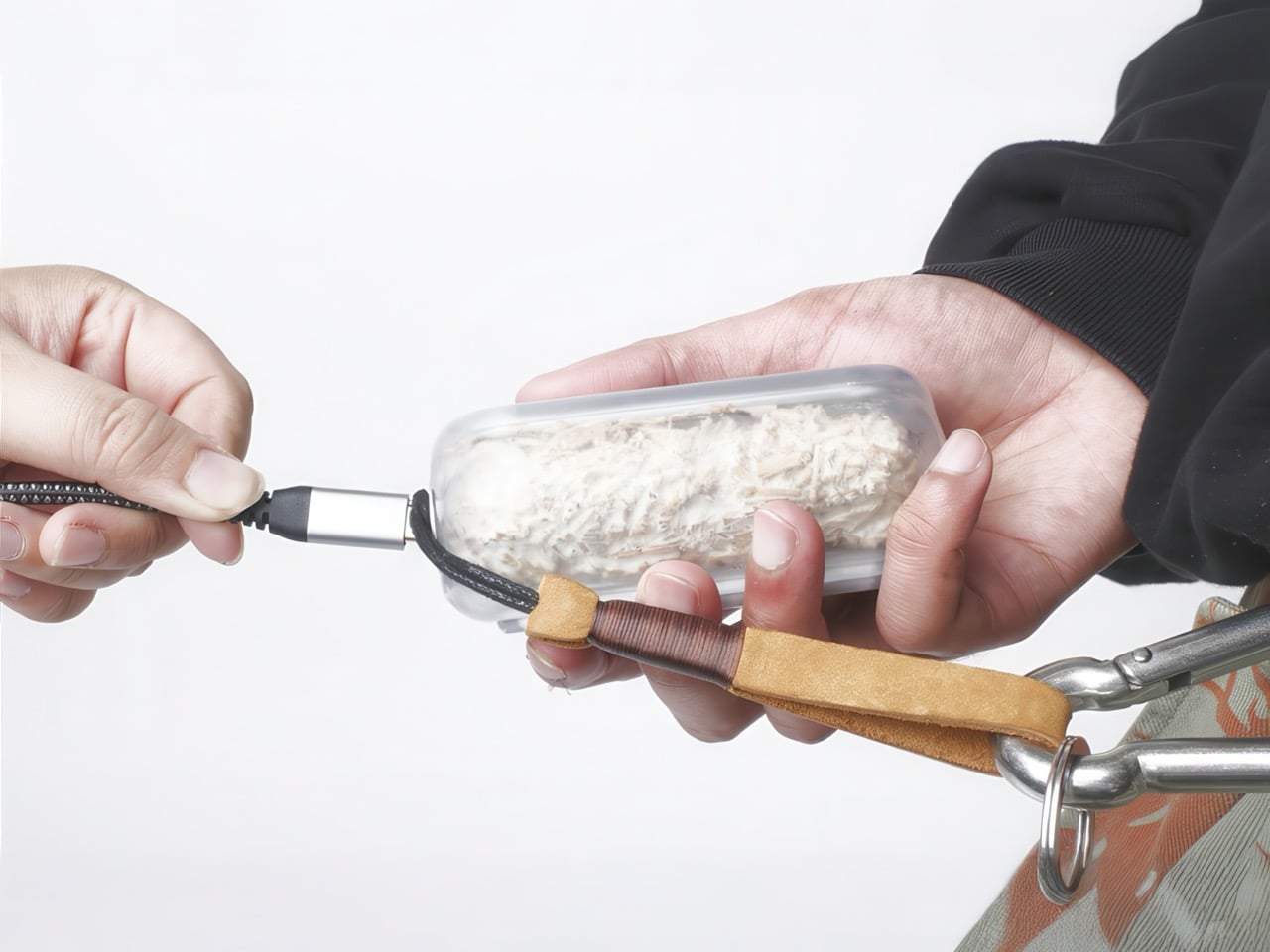
And I personally love how deliberately weird this thing looks. Consumer electronics have spent decades trying to disappear, to become these frictionless black mirrors we barely notice. The Soft Drive does the opposite. It foregrounds its materials, makes you aware you’re holding something that grew, that came from a living process. The translucent case means you see everything: the fibrous mycelium texture, the metallic components inside, the fact that this object has layers and history. It’s the anti-iPhone, and I mean that as a compliment. Pillarisetti calls it a “regenerative memory storage device,” which is a fancy way of saying it can eventually break down and return to the earth instead of sitting in a landfill for the next thousand years. The whole concept pushes toward decentralized local networks, physical sharing, data you can hand someone instead of emailing a Dropbox link. It’s romantic in a way tech hasn’t been in years.