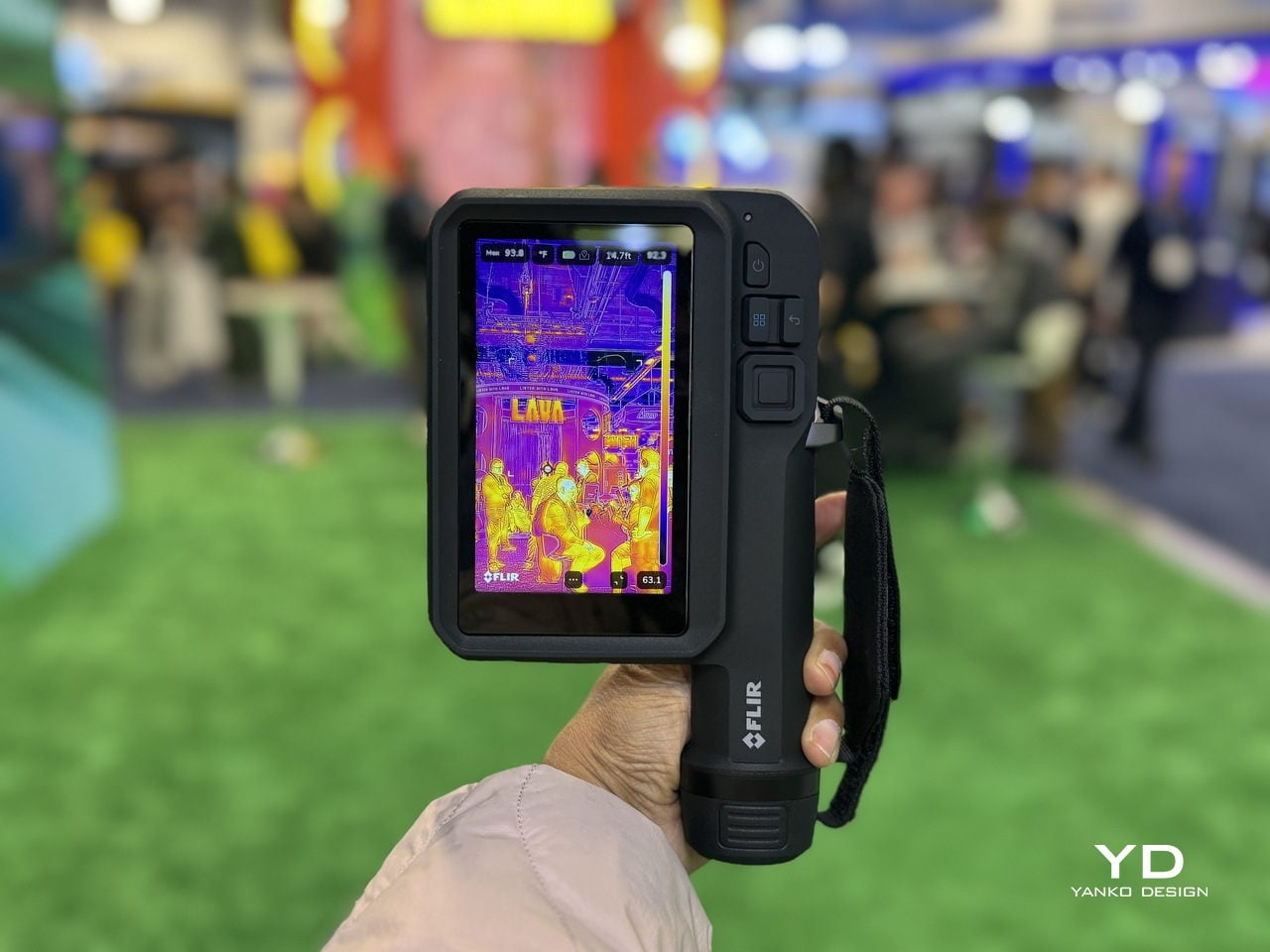

Traditional thermal inspections are messy. Technicians capture images, transfer them from SD cards to laptops, manually enter notes into spreadsheets, and spend hours back at the office generating reports. Around 60% of maintenance teams report a shortage of skilled thermographers, which makes the problem worse. Reporting alone can eat up half a technician’s time, turning straightforward inspections into documentation marathons.
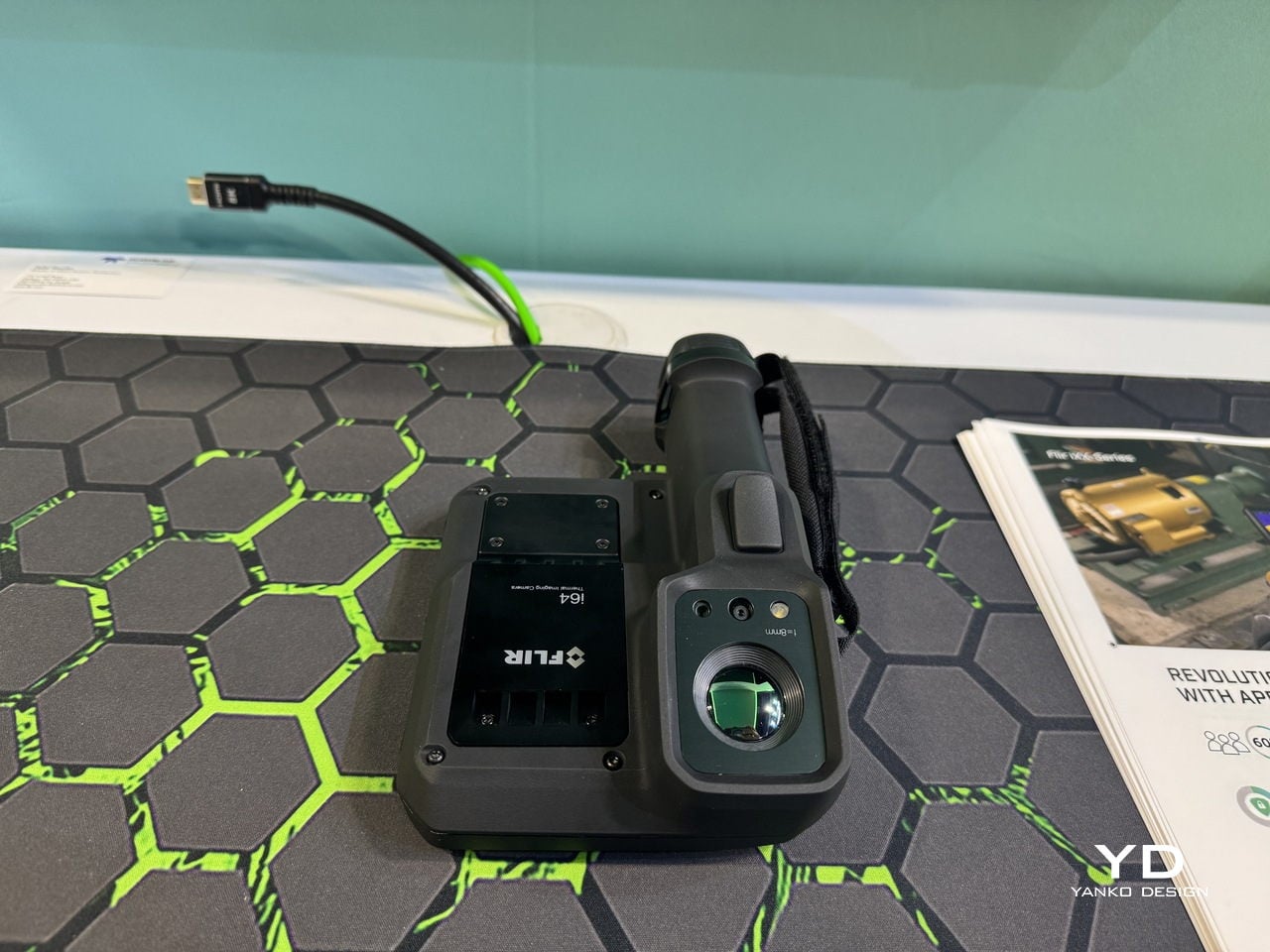
FLIR’s iXX-Series is a response to that reality. It’s a handheld thermal imaging camera that behaves more like an app-enabled platform than a single-purpose tool. Built on FLIR’s ACE operating system, the iXX combines high-performance thermography with smartphone-style connectivity and an open app ecosystem. It’s designed for what FLIR calls the “deskless office,” where technicians need their camera to be rugged and smart.
Designer: FLIR
From Camera to App-Driven Platform
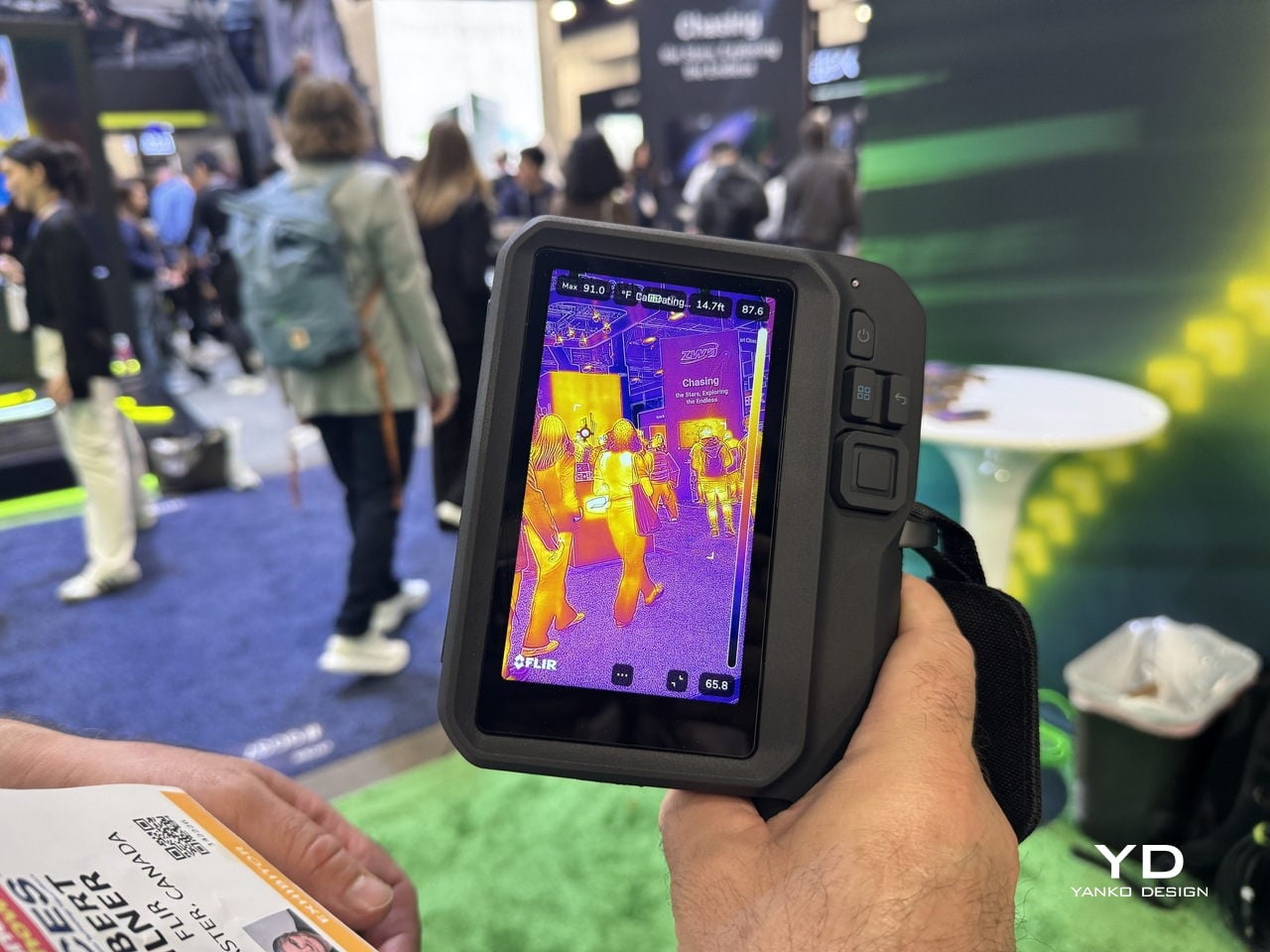
The iXX-Series comes in four models, i34, i35, i64, and i65, with thermal resolutions up to 480 × 640. Sensitivity sits under 40 mK at 30 °C, and accuracy hits ±2 °C or ±2%. Those specs matter as the foundation for structured, cloud-connected workflows that didn’t exist on older cameras.
According to the FLIR team, the focus is on “the importance of the deskless office, making sure data can flow in a seamless and customized way according to our customer needs.” That shift from hardware-first to workflow-first changes what the device is for. It’s about getting usable data into the right systems immediately.
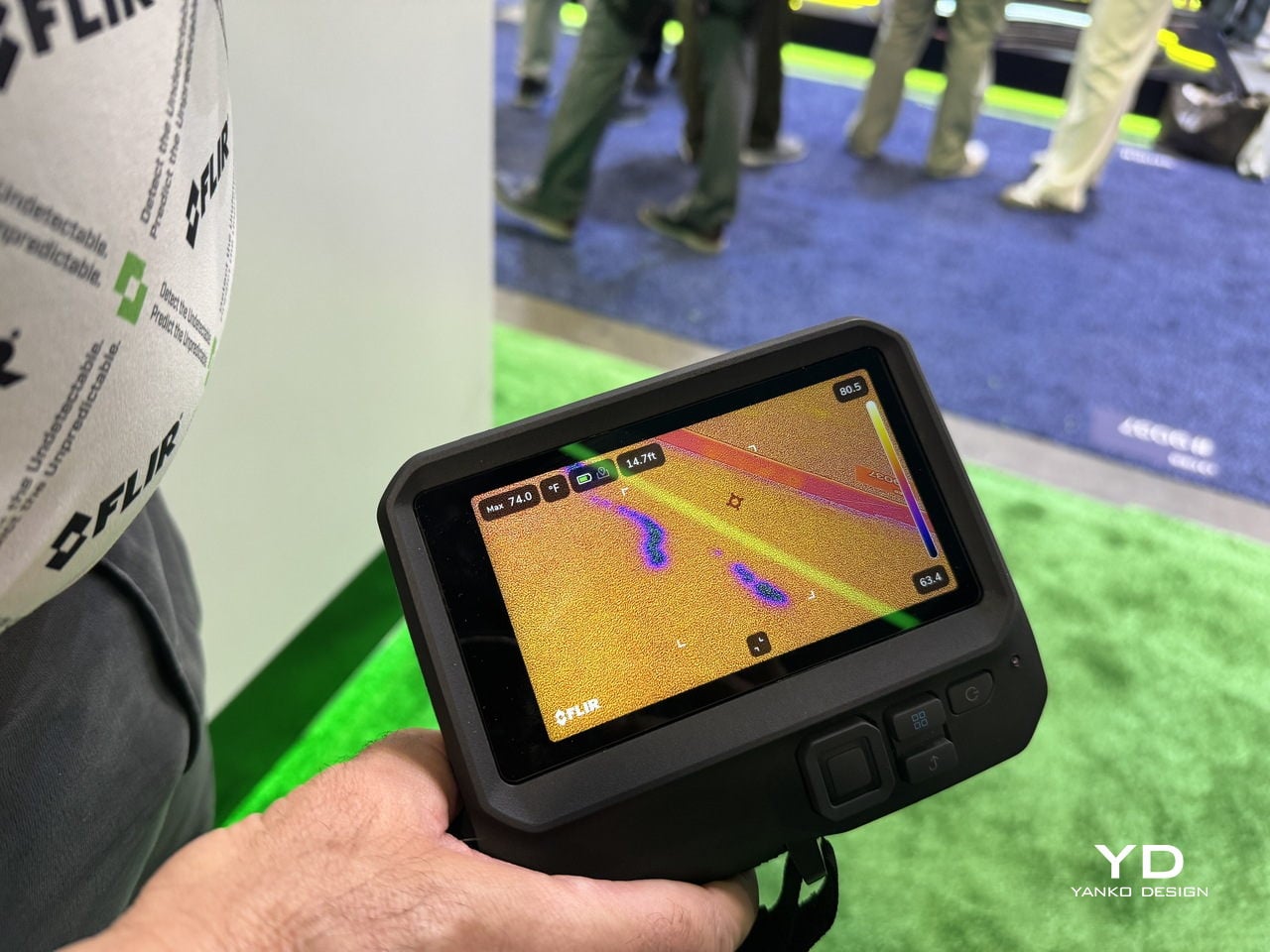
The iXX integrates directly with FLIR Assetlink and Ignite, cloud systems that link thermal images to specific assets. Capture an anomaly on a motor, and it tags to that motor in your system, complete with trend data and inspection history. Reporting time, which traditionally consumes up to 50% of a technician’s day, can drop to nearly zero.
One electrical testing company using the iXX with the Condoit app cut their reporting from eight to 12 hours down to under five minutes for large jobs. That’s the kind of time savings that changes how teams actually work.
Designed for the Deskless Office
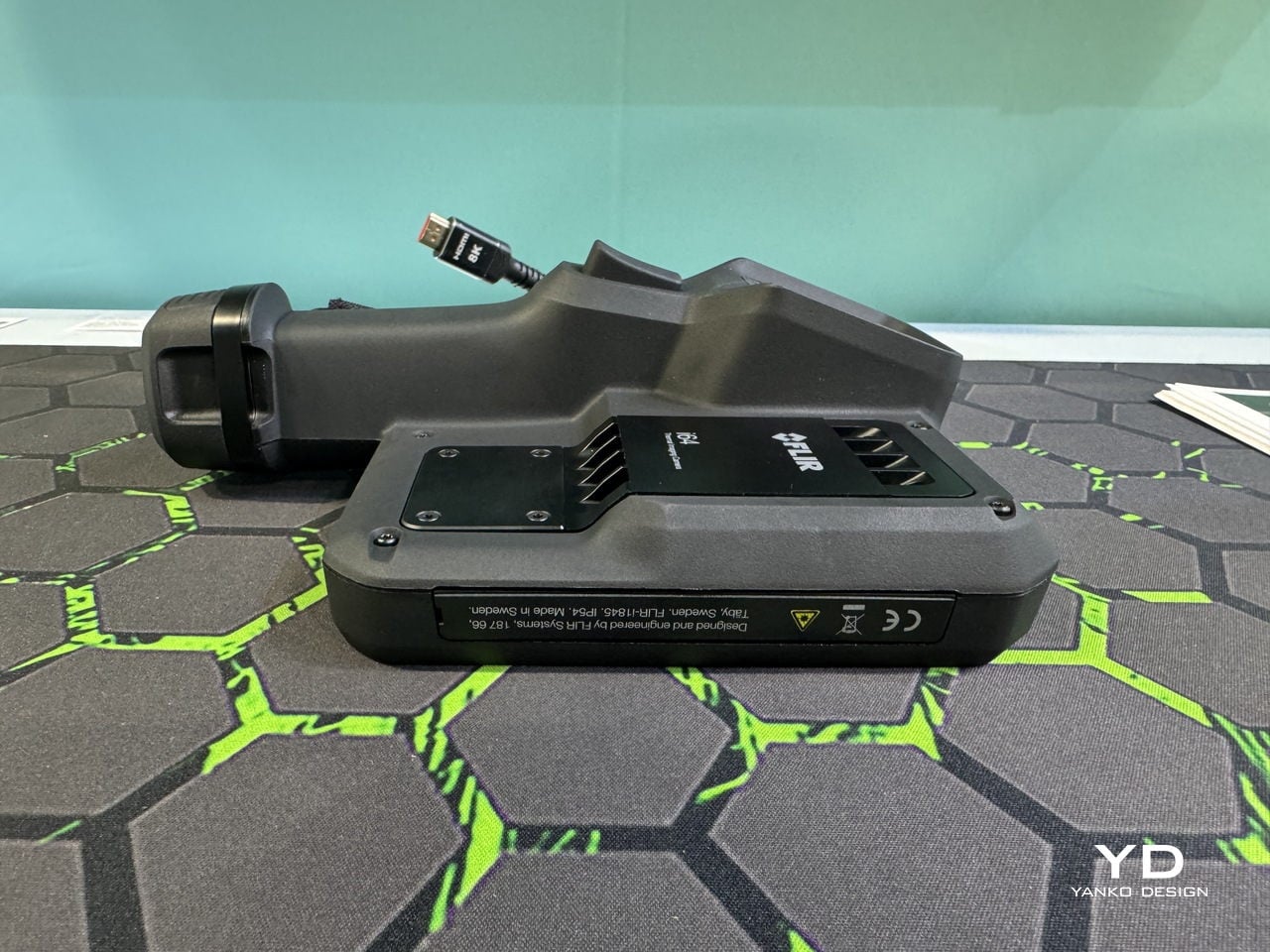
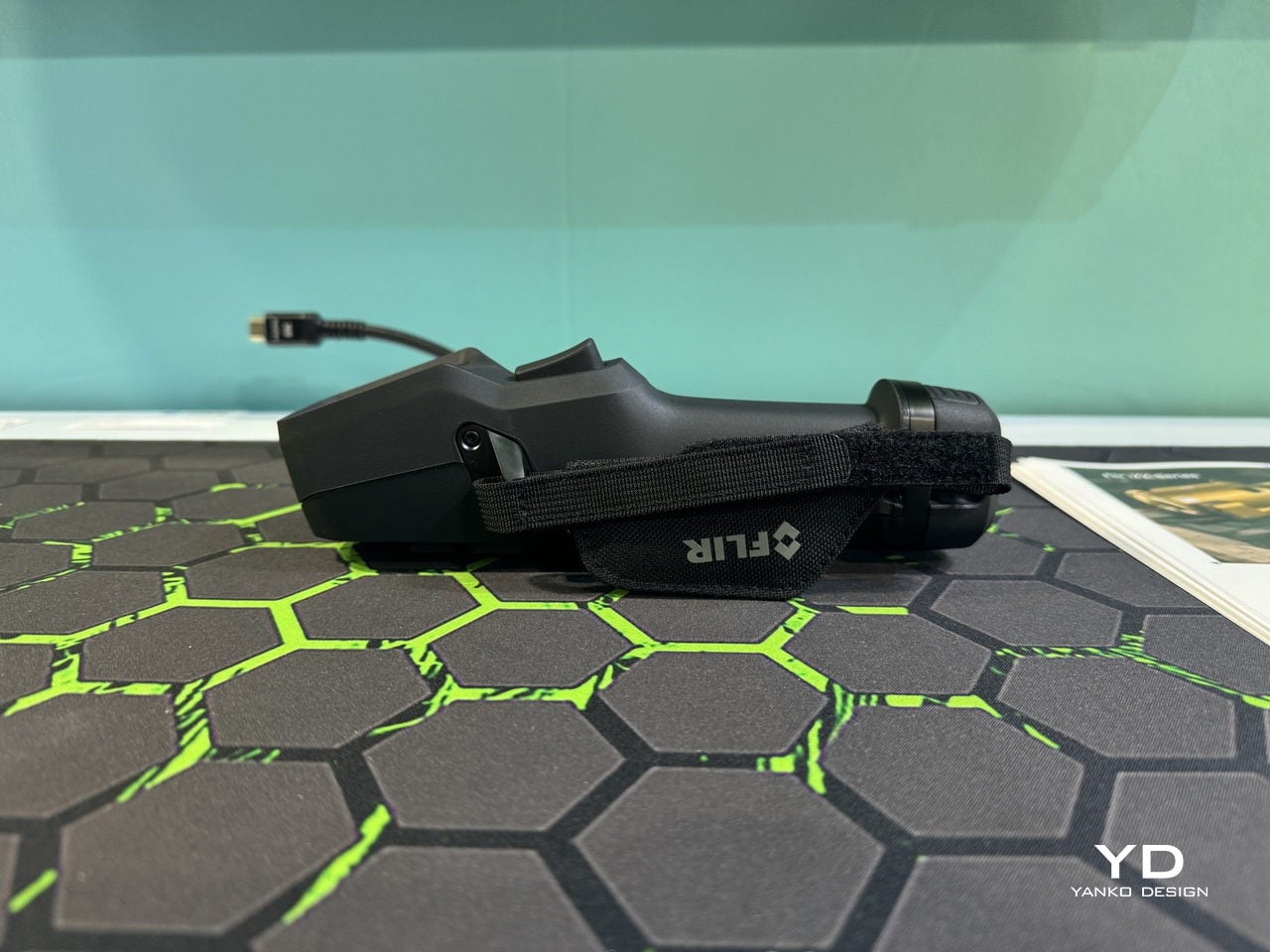
The hardware is built to survive. IP54 rating, 2 m drop test, 0.8 kg body, and a 5-inch touchscreen that works with gloves. Operating range runs from -15 °C to 50 °C. The battery lasts around four hours with quick charging. It’s industrial-grade housing with a consumer-grade interface layered on top.
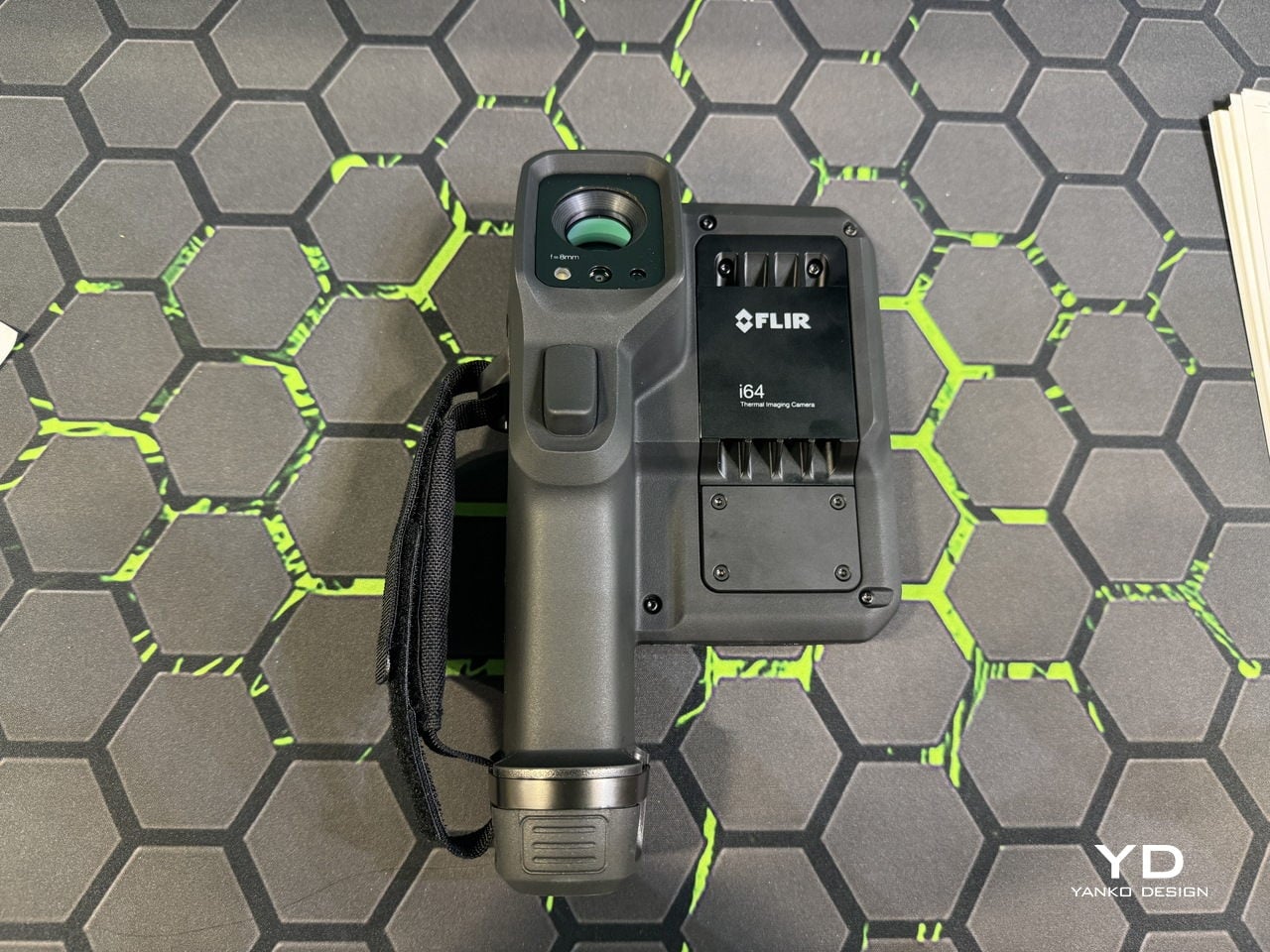
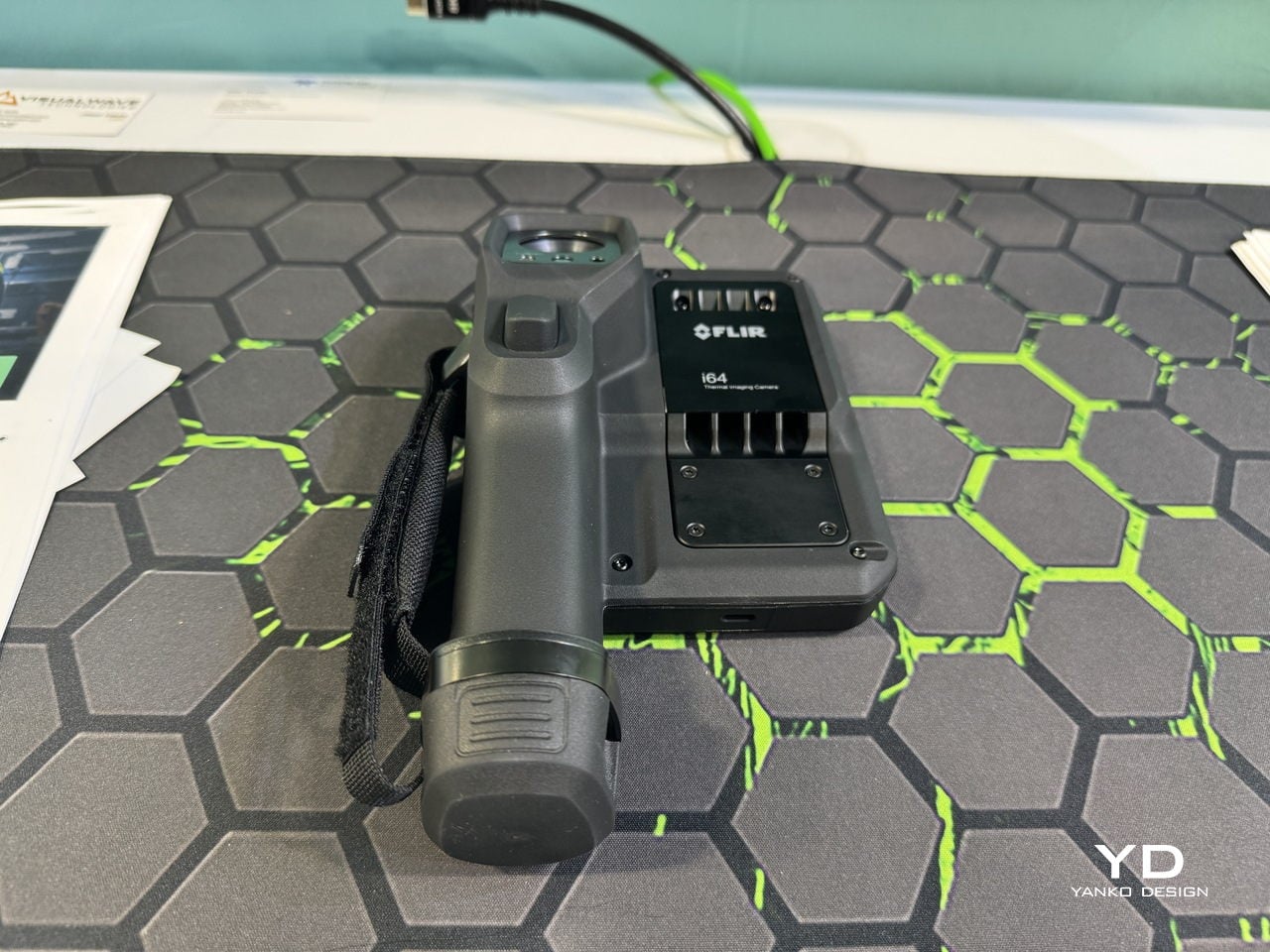
The FLIR team explains that “with ergonomics and usability in focus as always for FLIR, it is a balance to address multiple different customer needs and applications with different levels of expertise.” You can hand this to a senior thermographer or a junior tech, and both will find it usable, just configured differently.
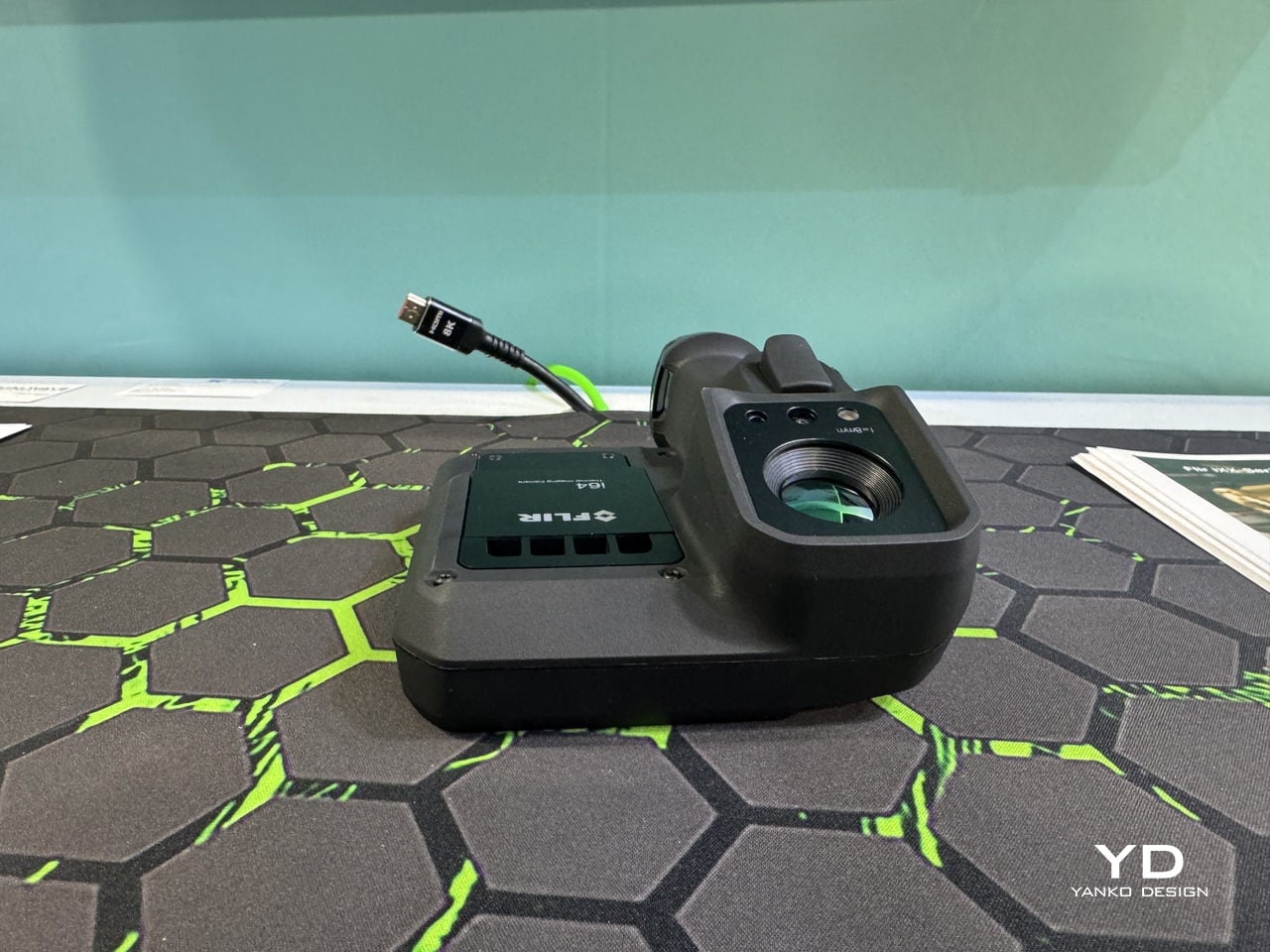
You also get an 8 MP visible camera, MSX image enhancement, a work light, and a laser pointer. These let a technician capture context and document conditions without juggling three devices. The touchscreen and app model make the iXX feel closer to a field computer than a traditional instrument.
Open Apps and Tailored Workflows
Where the iXX really diverges is the app ecosystem. It supports FLIR apps, third-party apps, and private apps built by customers. According to FLIR, “having the open approach is critical… now making sure it is easy for anybody to develop something tailored for their use case is a success factor.”
No two plants or facilities run inspections the same way, so the camera should adapt to the team. Apps can guide inexperienced technicians step by step, auto-link images to asset hierarchies, generate work orders with one tap, or enforce security policies. There’s definitely flexibility built into the platform.
A technician walking through a data center can scan electrical distribution gear, flag temperature anomalies, and sync everything to the cloud before leaving the room. By the time they’re back in the truck, the office team already has the data and dashboards updated automatically.
Always-Connected Inspections
Connectivity is built in via Wi-Fi across the line, and certain models, the i35 and i65, include LTE. The FLIR team notes that “a safer and more stable connection is key for having all the data at hand out in the field for taking correct and quick decisions, which can be time critical where cellular connectivity is crucial.”
Many outdoor or industrial sites don’t have Wi-Fi, making LTE the only option. With LTE, technicians can send images, messages, and video calls directly from the device. A junior tech scanning a substation can loop in a senior engineer via video without leaving the site. Office teams see data appear in dashboards in real time.
Inspections stop being isolated tasks and start looking more like live, collaborative workflows. That’s a pretty significant shift for teams used to working solo in the field.
Growing with the Platform and Closing the Skills Gap
Longevity is baked into the design. FLIR emphasizes that it’s “very important in our design decisions, from material choices to how to assemble and disassemble for service purposes… with the capability of growing with the platform and constantly increasing functionality through software updates and also with the app ecosystem where new functionality and features will be added by FLIR and others.”
The camera you buy today isn’t frozen. It’s a platform that keeps evolving through firmware updates and new apps. That also helps close the skills gap through app-guided workflows, onboarding tools, and configurable interfaces.
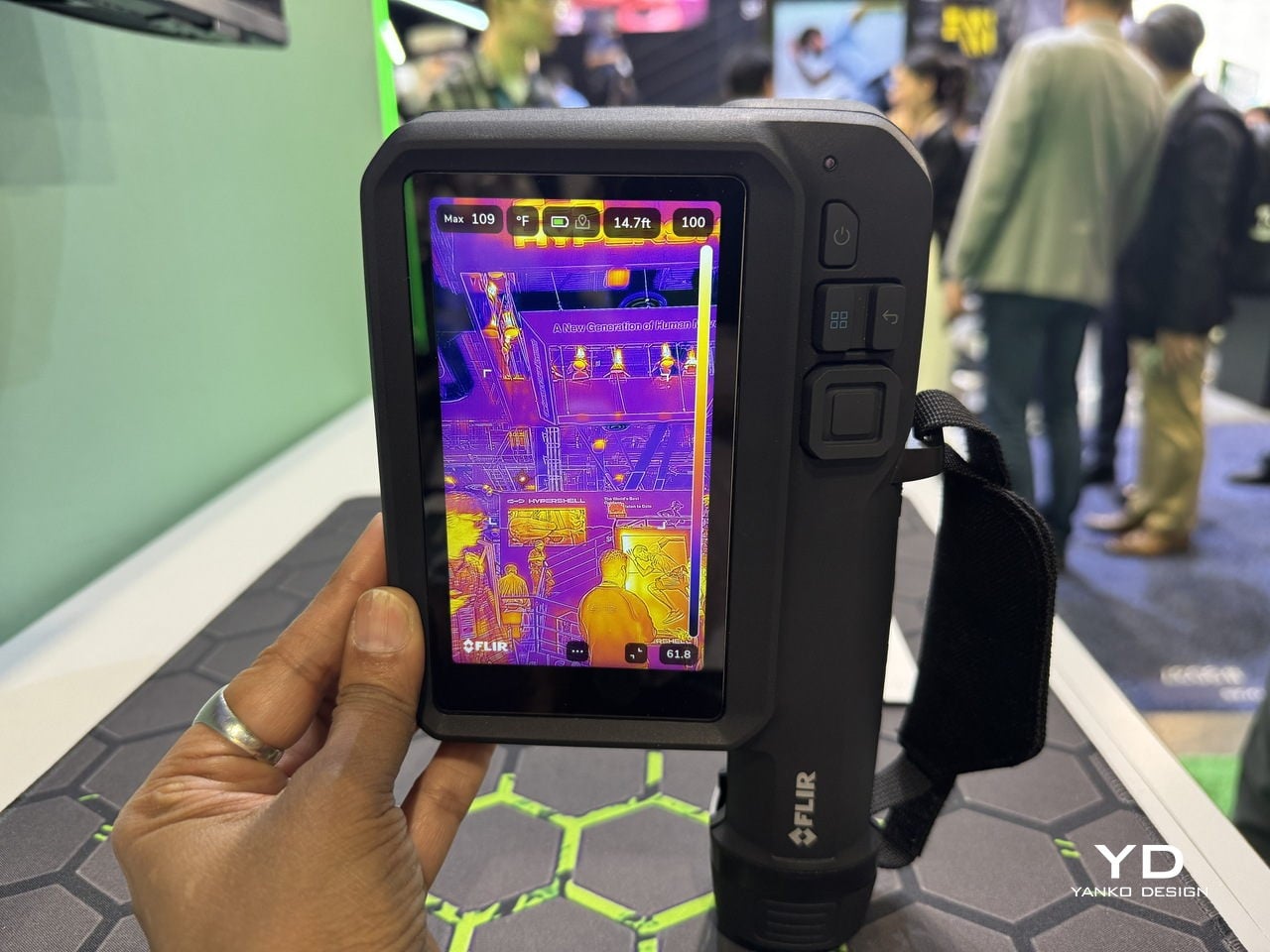
“With the ability to tailor for any customer needs, the data collections are made easier… and the fact that you as a user can choose what apps to download or even develop yourself makes it suitable for anyone, no matter the level of experience,” FLIR explains. A senior thermographer can load advanced apps while a junior tech follows a guided workflow.
The iXX-Series represents a shift in how handheld inspection tools are designed. It’s a connected, app-driven platform built for the deskless office, where technicians need their tools to be rugged, smart, and collaborative. If this is the future of inspection devices, hardware and software are finally being designed together from the start.