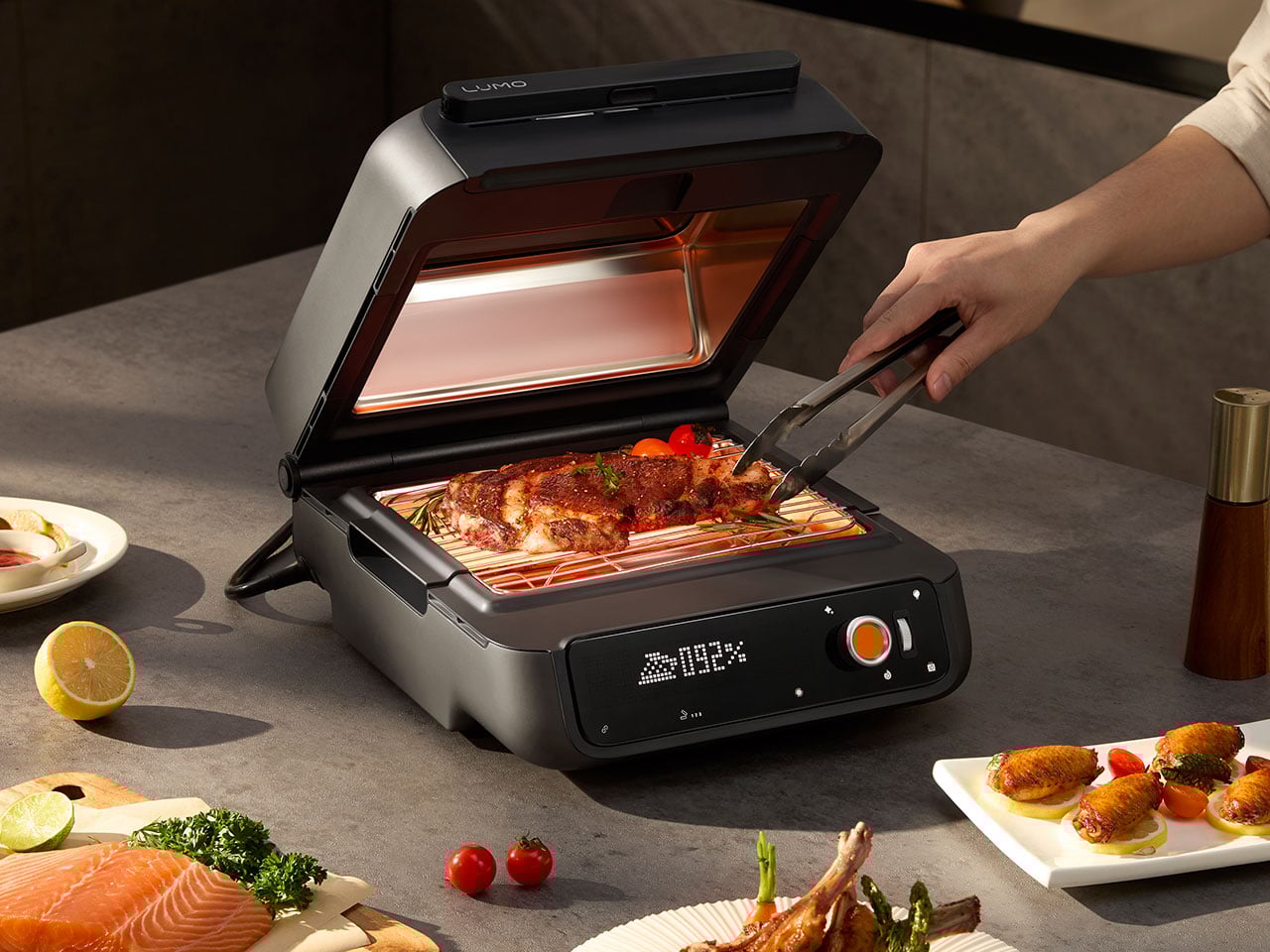

Kitchen appliances don’t usually stop me dead in my tracks at CES, but a grill that cooks with light instead of fire deserves at least a few minutes of attention, right?! Cozytime brought their LUMO optical grill to CES 2026, and the pitch sounds almost too convenient to be true: restaurant-quality char marks without smoke, 0.2-second heat-up instead of the usual 10-minute wait, and AI that scans your food to figure out cooking time automatically. The device uses far-infrared light focused through four precision reflectors to create 360-degree heat coverage, which theoretically solves the biggest annoyance of indoor grilling (setting off smoke alarms) while cooking up to four times faster than traditional methods.
Here’s what makes this more interesting than your typical “smart” kitchen gadget with IoT or LLM integration nobody asked for. LUMO reconfigures into three distinct modes with different light arrangements: a mini oven setup for baking, a fast grill mode for weeknight steaks, and a wide flat mode that opens to 180 degrees for Korean BBQ-style tabletop cooking. The company claims their side-heat design keeps grease from vaporizing into smoke because the heating elements sit beside the food rather than underneath where drippings normally land and burn. That’s clever engineering if it actually works as advertised, though I’m curious how well it replicates that smoky flavor people expect from outdoor grilling.
Designer: Cozytime
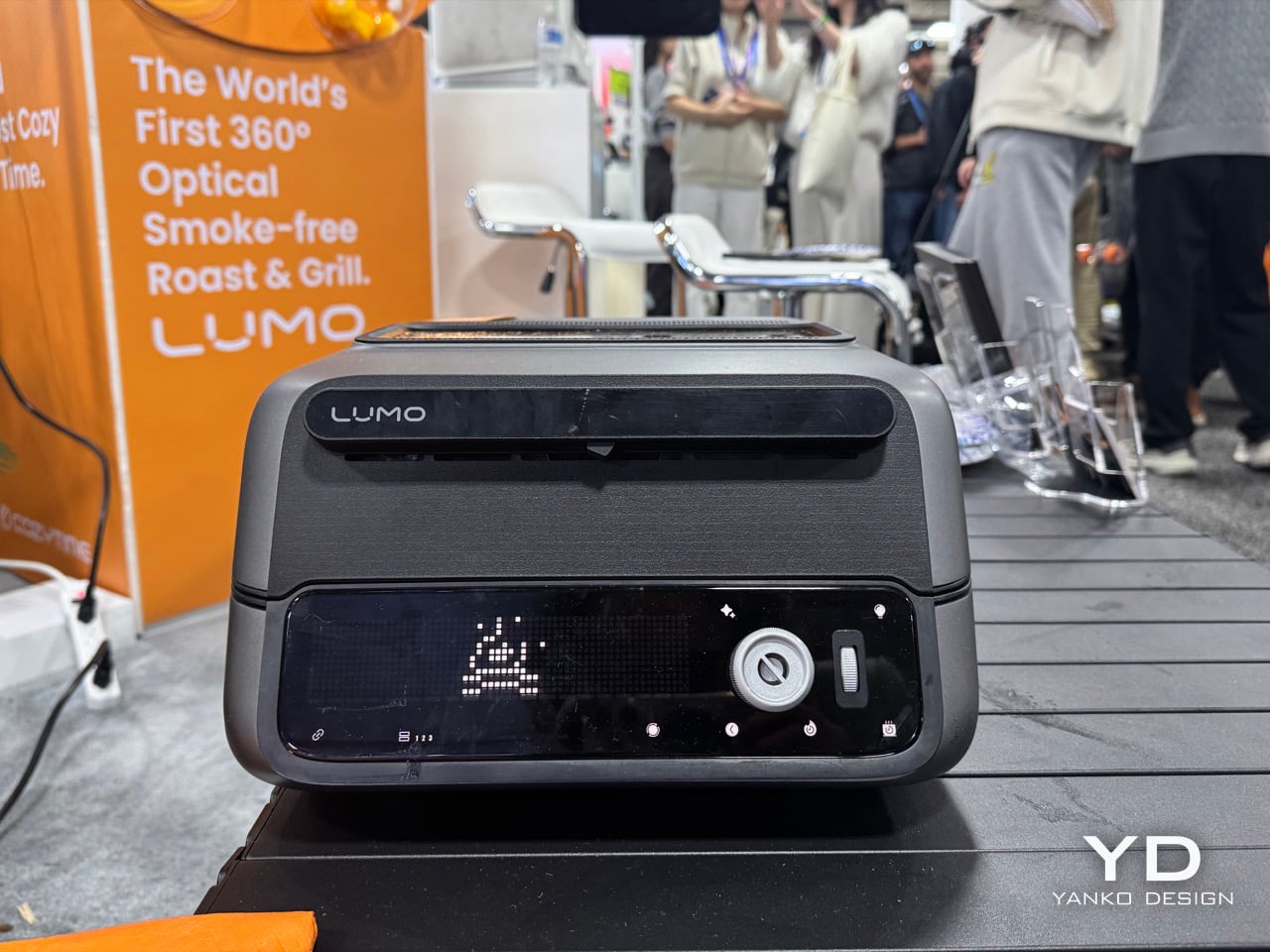

Let’s pause on the absurdity and brilliance of what’s happening here. This thing cooks your steak with concentrated beams of invisible infrared light. We’re talking photons doing the work that fire has done for literally millions of years of human evolution. Four precision reflectors focus far-infrared energy from multiple angles simultaneously, bombarding your ribeye with electromagnetic radiation until it achieves a perfect medium-rare. The physics are wild when you think about it: instead of conductive heat from a metal grate or convective heat from hot air, you’re getting radiative energy transfer that penetrates the food directly. Cozytime calls it “squared thermal efficiency,” and while that sounds like marketing nonsense, the underlying principle is solid. The omnidirectional heating creates that gorgeous Maillard reaction without flipping, without hot spots, without babysitting. At 1800W max power, it has enough thermal authority to actually sear properly, delivering results in a fraction of the time while staying quieter than your refrigerator at under 48 decibels.
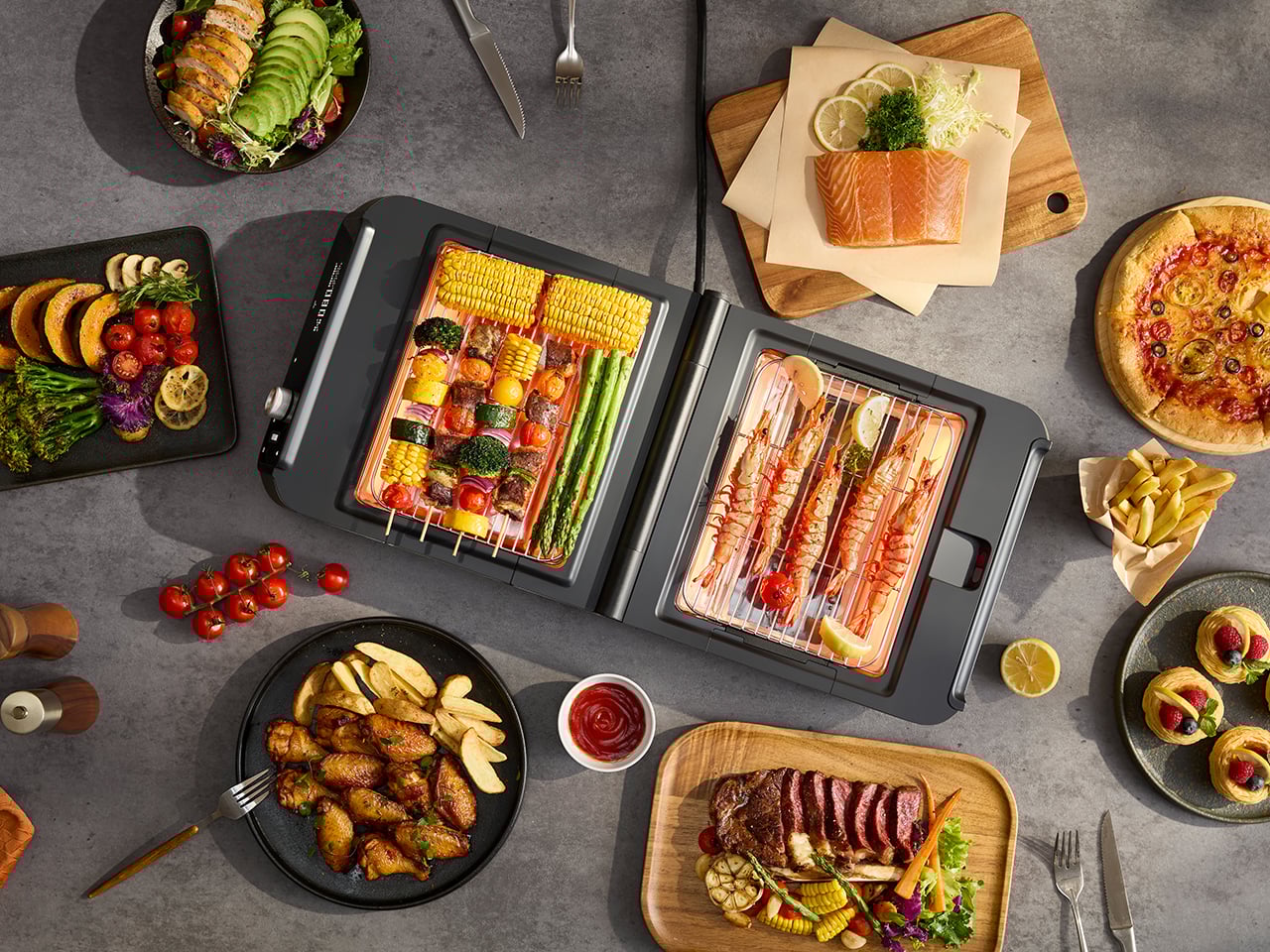
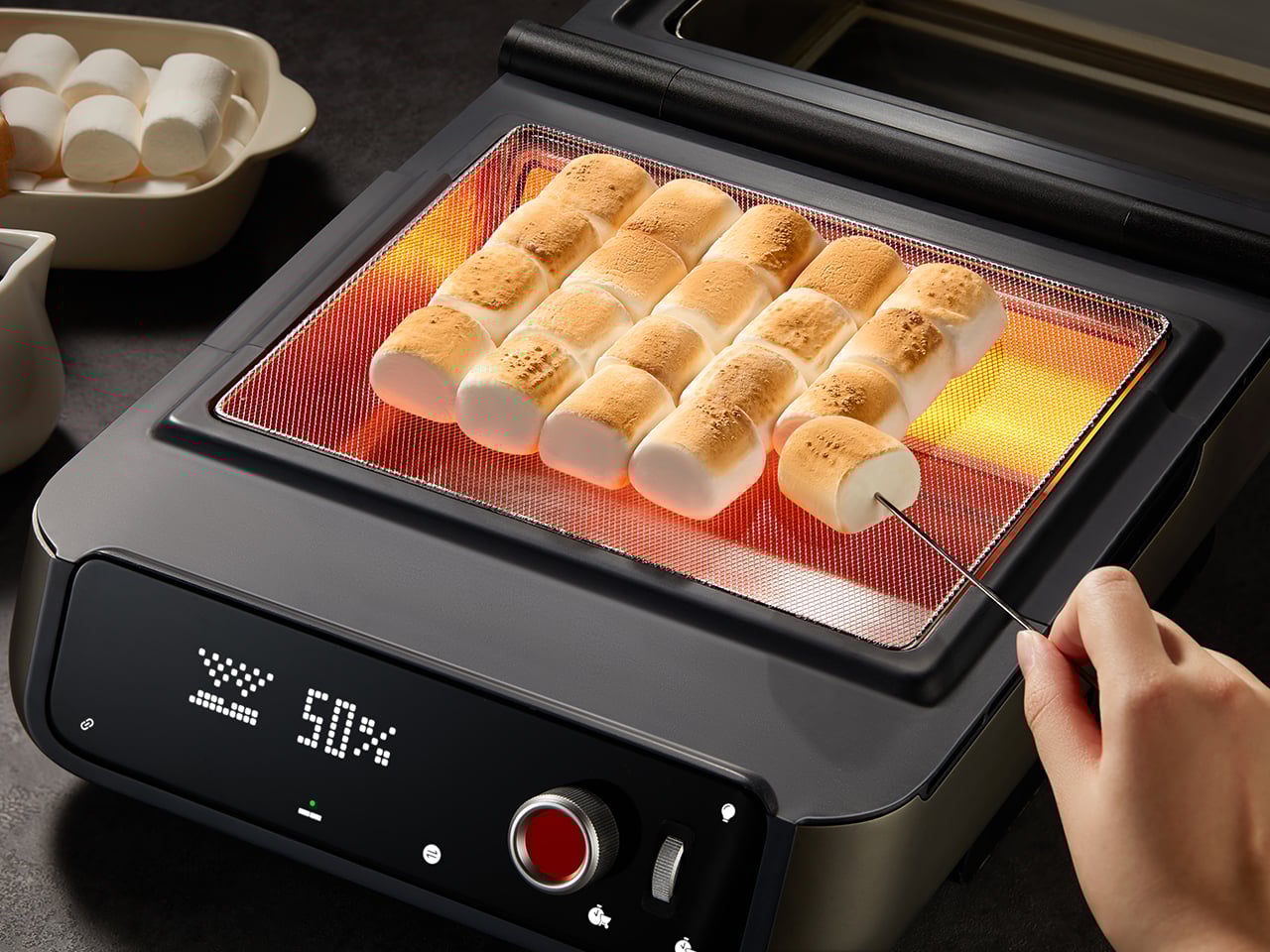
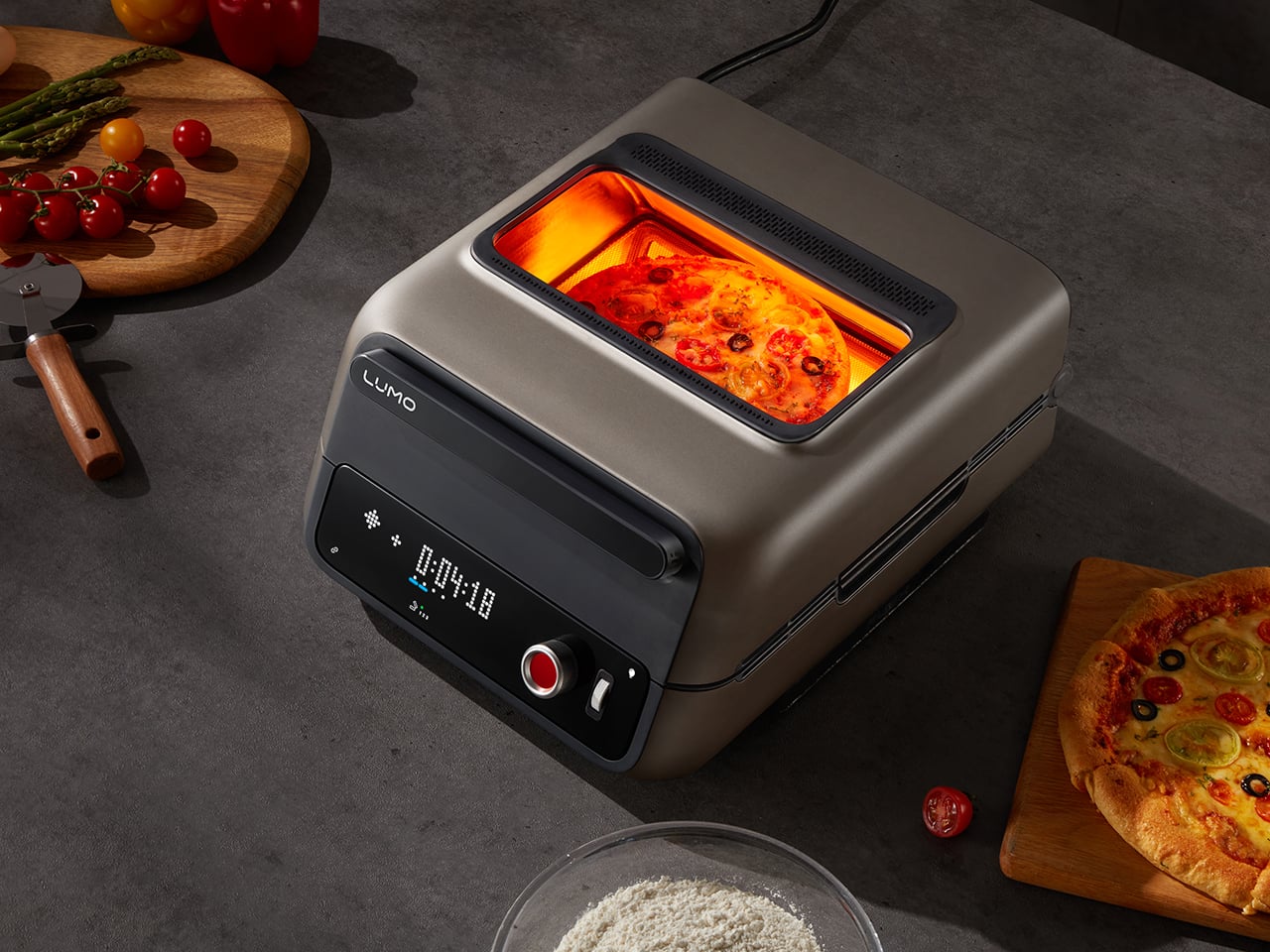
The result of all that focused light is a claimed 0.2-second heat-up time. Zero point two seconds. I’ve spent longer deciding what to cook than this thing needs to reach operating temperature. Compare that to waiting ten minutes for an oven to preheat or twenty minutes for charcoal to ash over, and you realize this is the kind of convenience that actually changes behavior. You could legitimately decide to grill salmon on a Tuesday night without the advance planning typically required for thermal cooking methods. The optical heating elements are rated for 12,000 hours of operation, which works out to roughly a decade of daily use. For context, that’s about as long as LED light bulbs last, which makes sense given the underlying technology. Cozytime basically built a highly sophisticated, food-focused lighting system that happens to cook instead of illuminate.
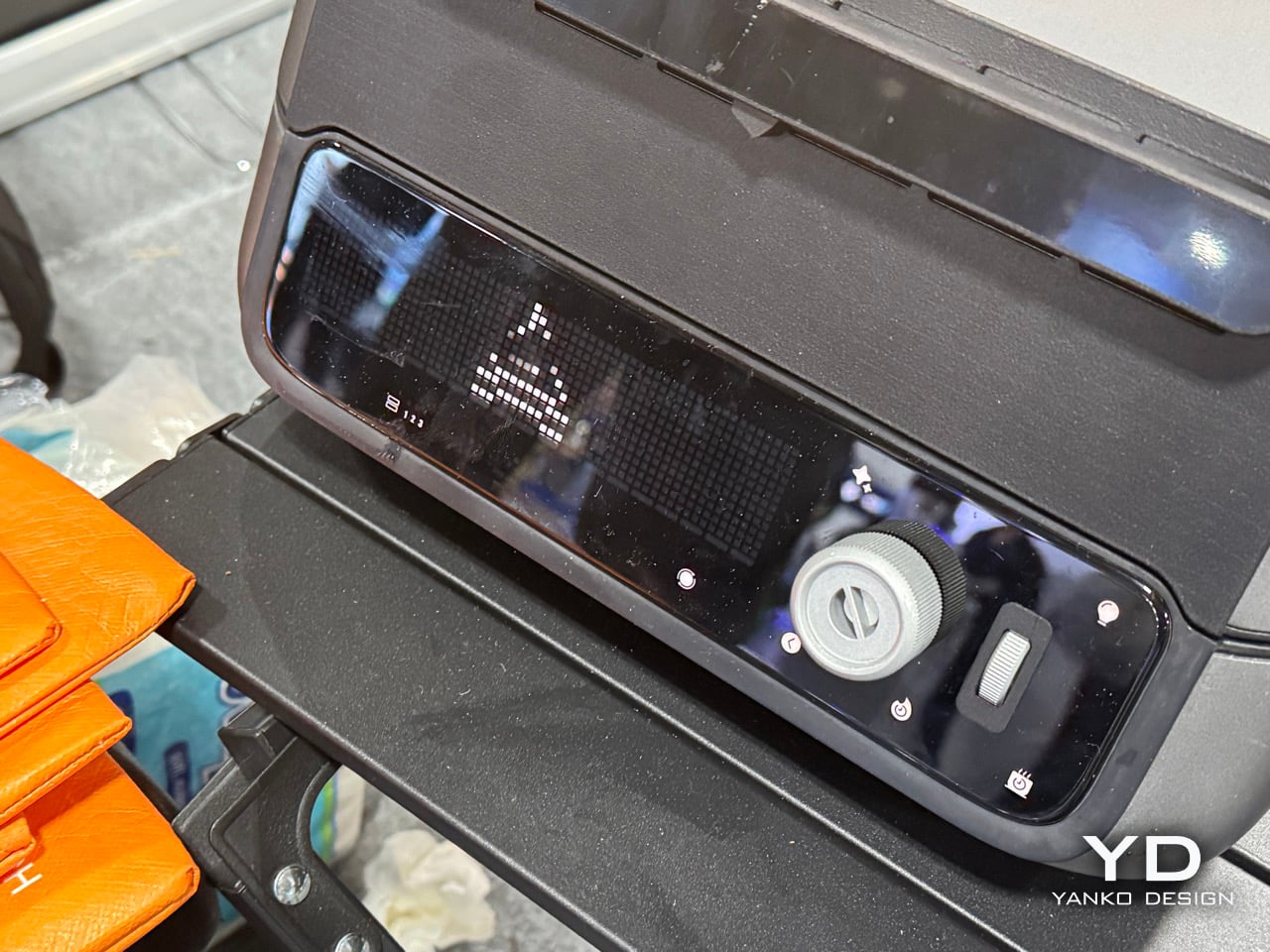
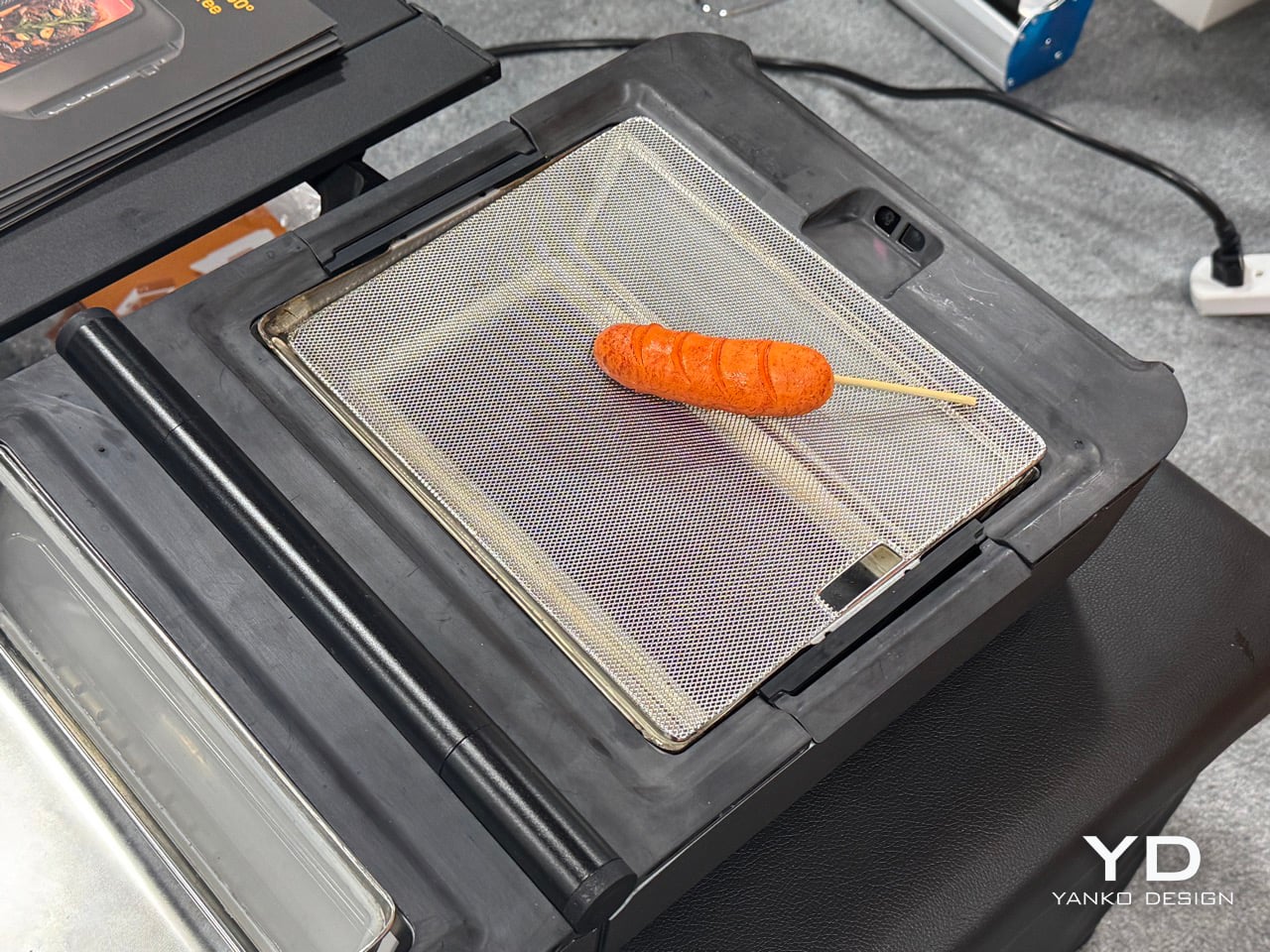
But speed is useless indoors if you’re filling your apartment with smoke. Cozytime’s solution here is surprisingly mechanical and elegant. The side-heat design means the infrared elements are positioned alongside the cooking surface, not below it. When fat drips from a steak or burger, it falls onto a separate collection tray instead of a scorching hot surface, preventing it from ever vaporizing into grease-filled smoke. This is the key innovation that enables high-heat indoor grilling without triggering the smoke detector in your apartment. It’s a simple, physics-based solution to a problem most other “smokeless” grills try to solve with fans and filters, which often fail.
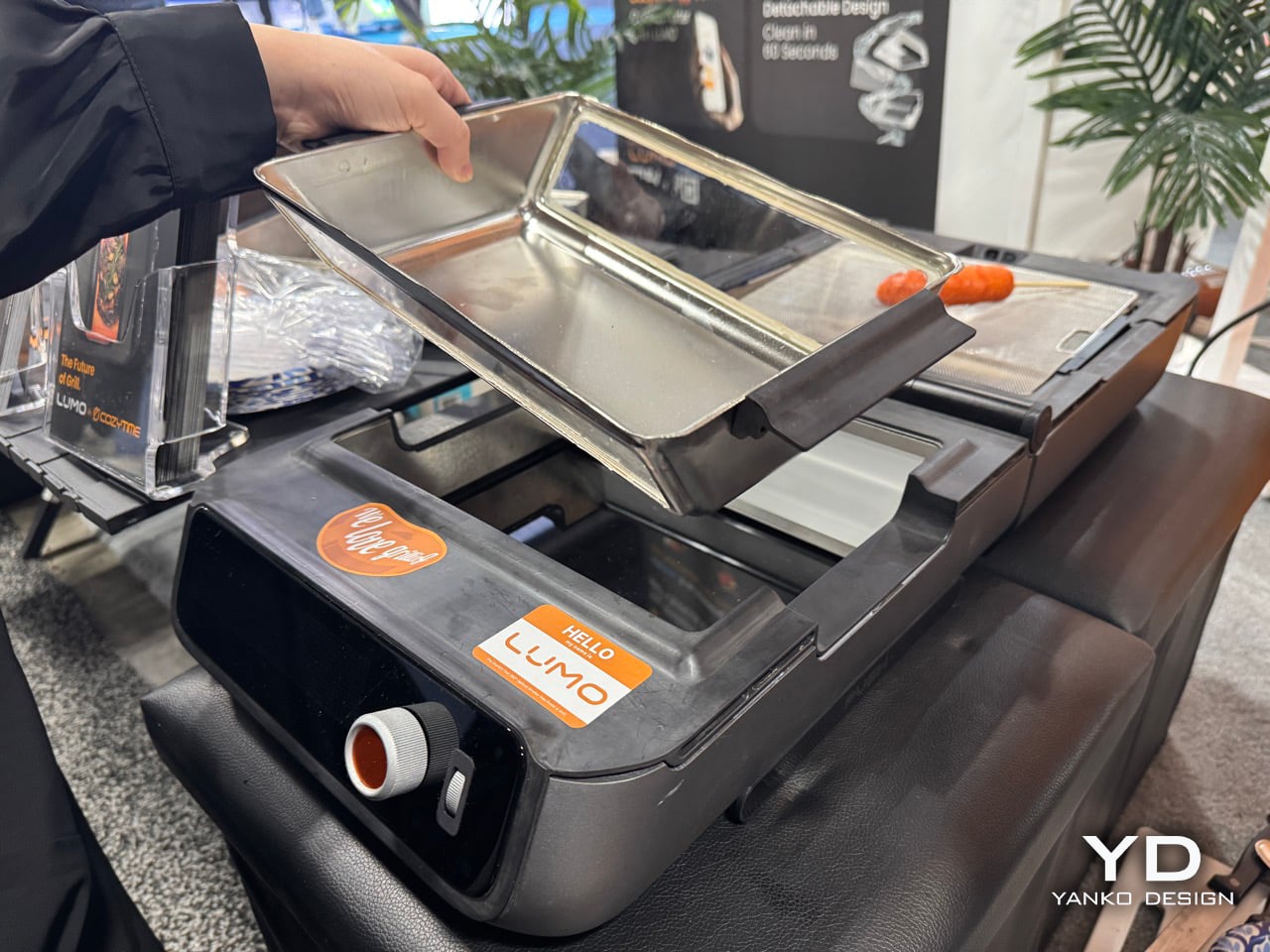
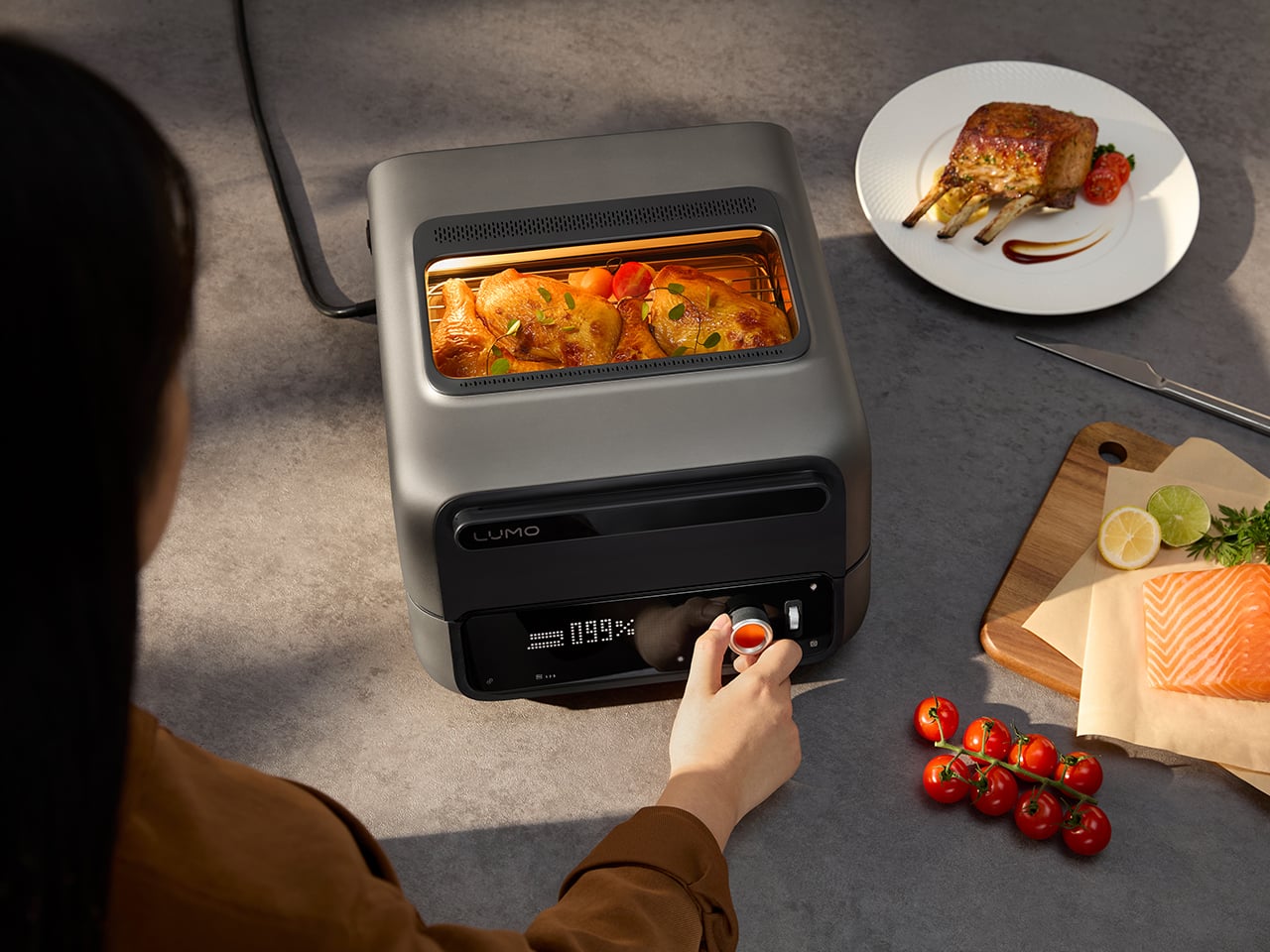
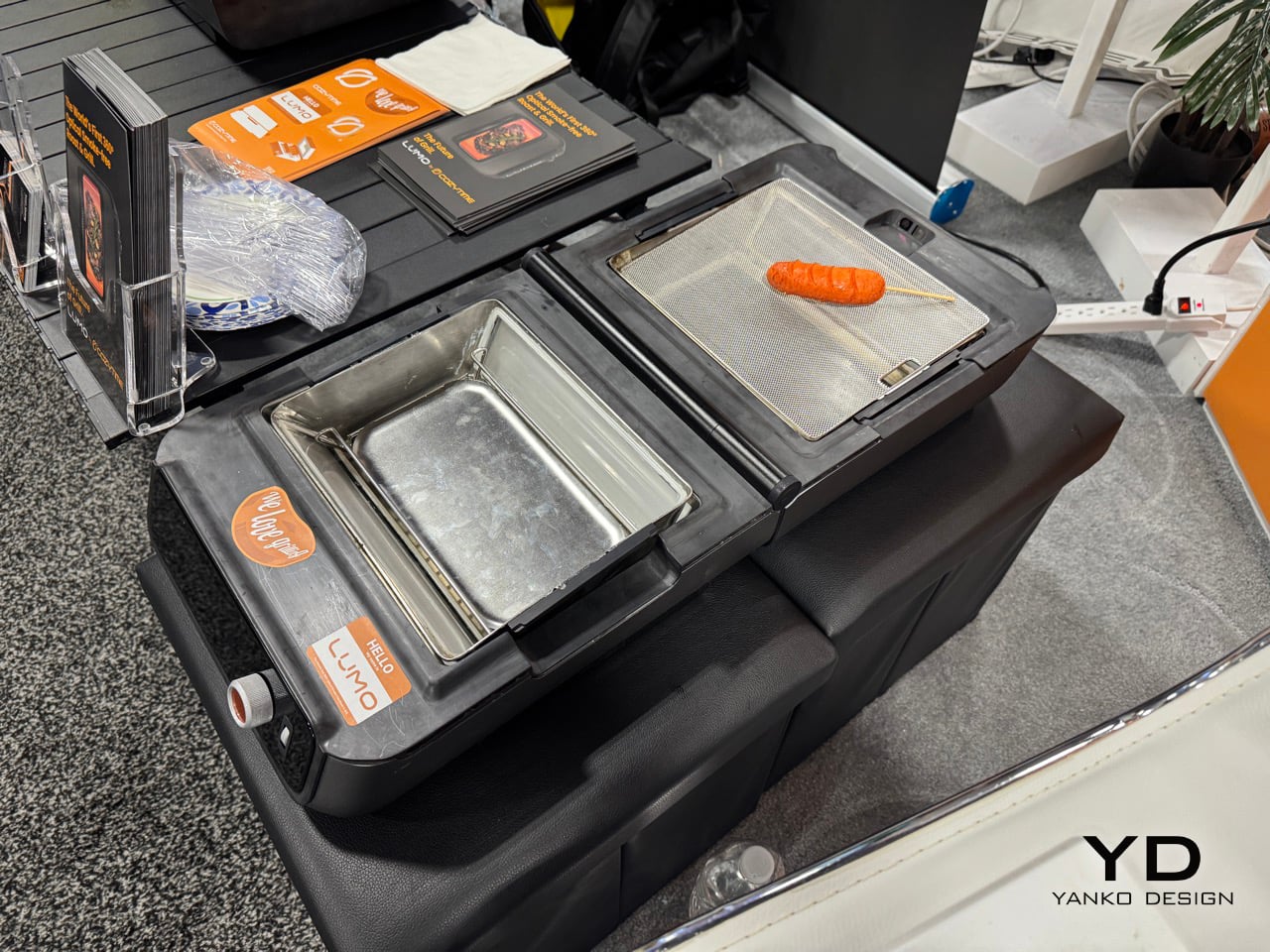
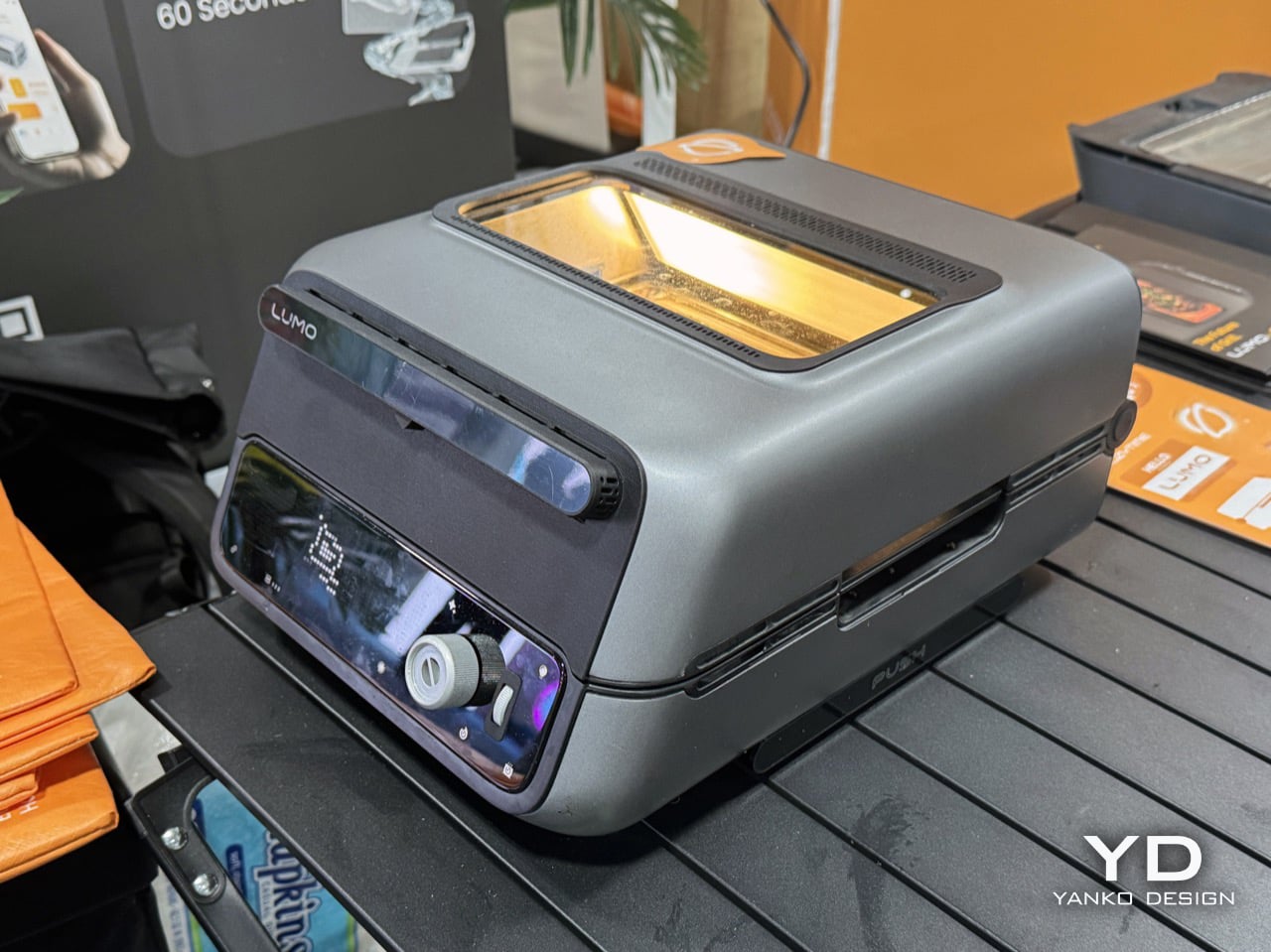
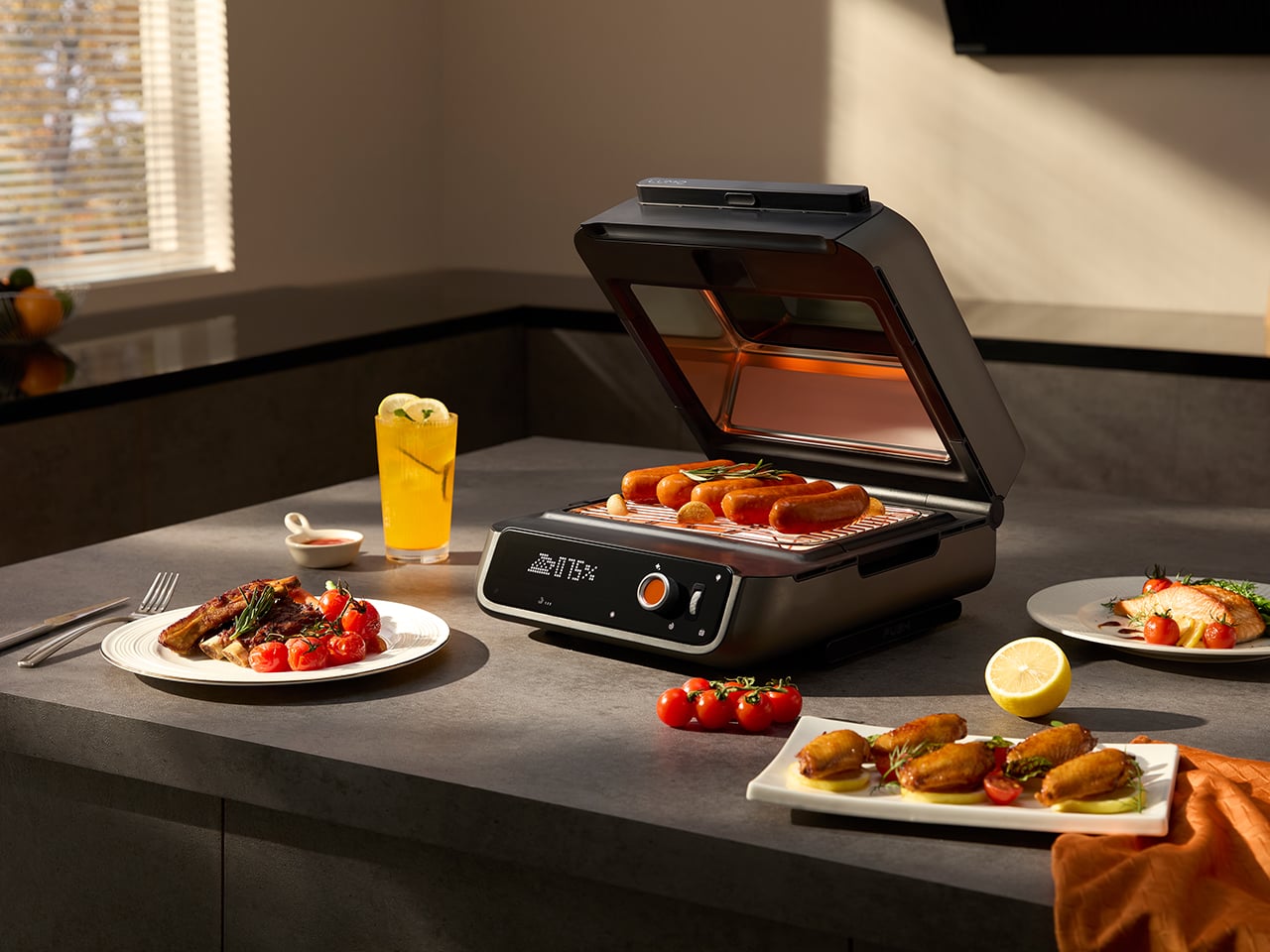
This core heating system is then applied across three different physical configurations, which is where the LUMO starts to look less like a grill and more like a modular cooking platform. In its closed “Mini Oven Mode,” the light layout creates an enclosed, circulating heat environment perfect for a 6-inch pizza or slow-roasted steaks. “Fast Grill Mode” uses a semi-open lid to concentrate heat for searing skewers and chops. The most impressive transformation is “Wide Flat Mode,” where the unit opens 180 degrees to create two independent cooking zones (with each side having independent temperature control). You could genuinely host an indoor Korean BBQ, searing meat on one side while keeping vegetables warm on the other, all on your dining table.
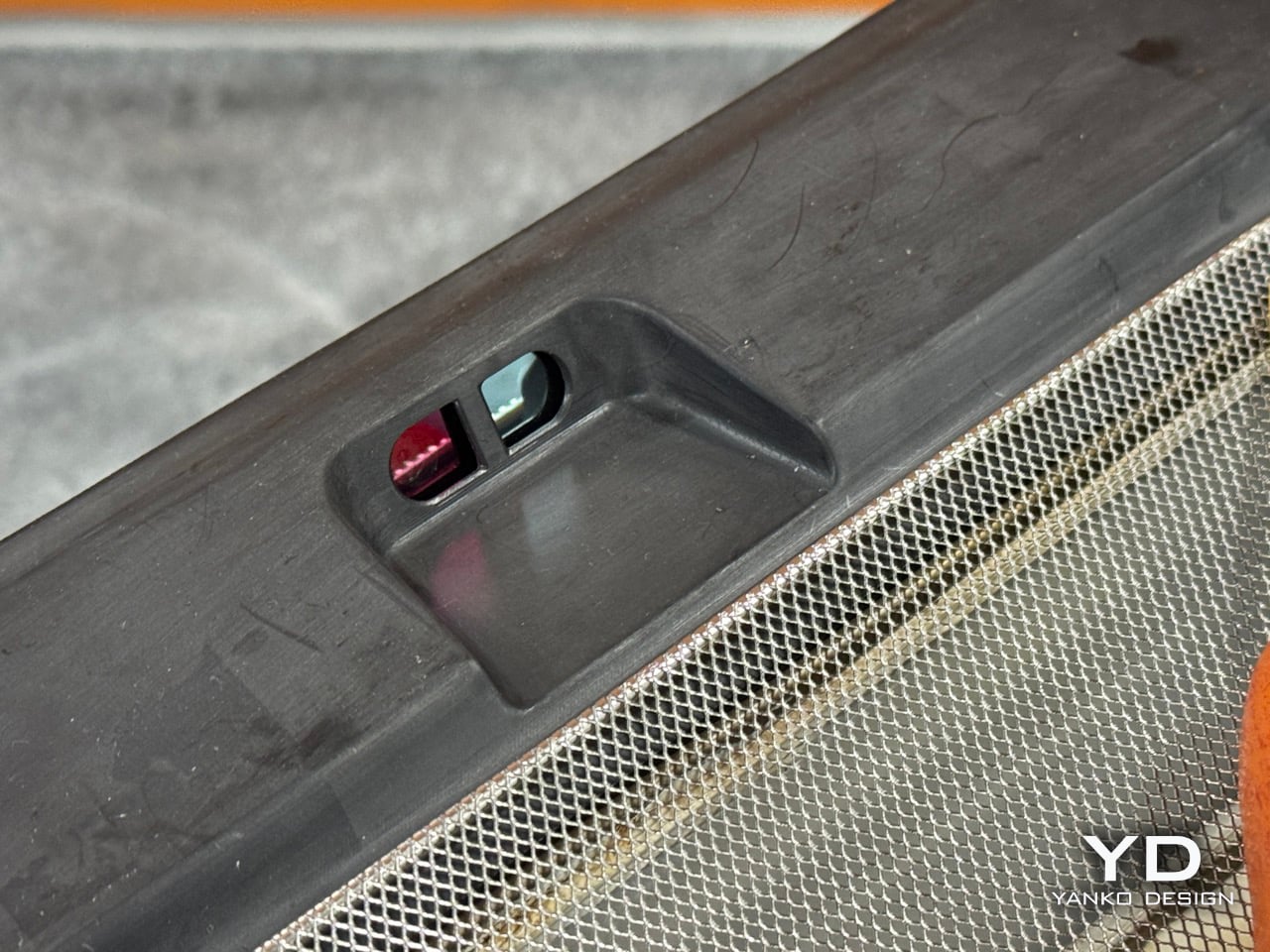
Layered on top of this versatile hardware is the AI SmartSense Culinary System. Inside LUMO, three sensors detect what kind of food you’re cooking, how big it is, how much it weighs, and the starting surface temperature – so the AI can choose the perfect cooking program. For those who prefer manual control, the Cozytime app lets you monitor and fine-tune heat settings from your phone, so you can step away without worrying about overcooking anything. The app also features a recipe-sharing community, turning cooking into a more social and collaborative experience. This is the kind of smart functionality that feels additive rather than intrusive, helping beginners get consistent results while giving experts the precision they demand.
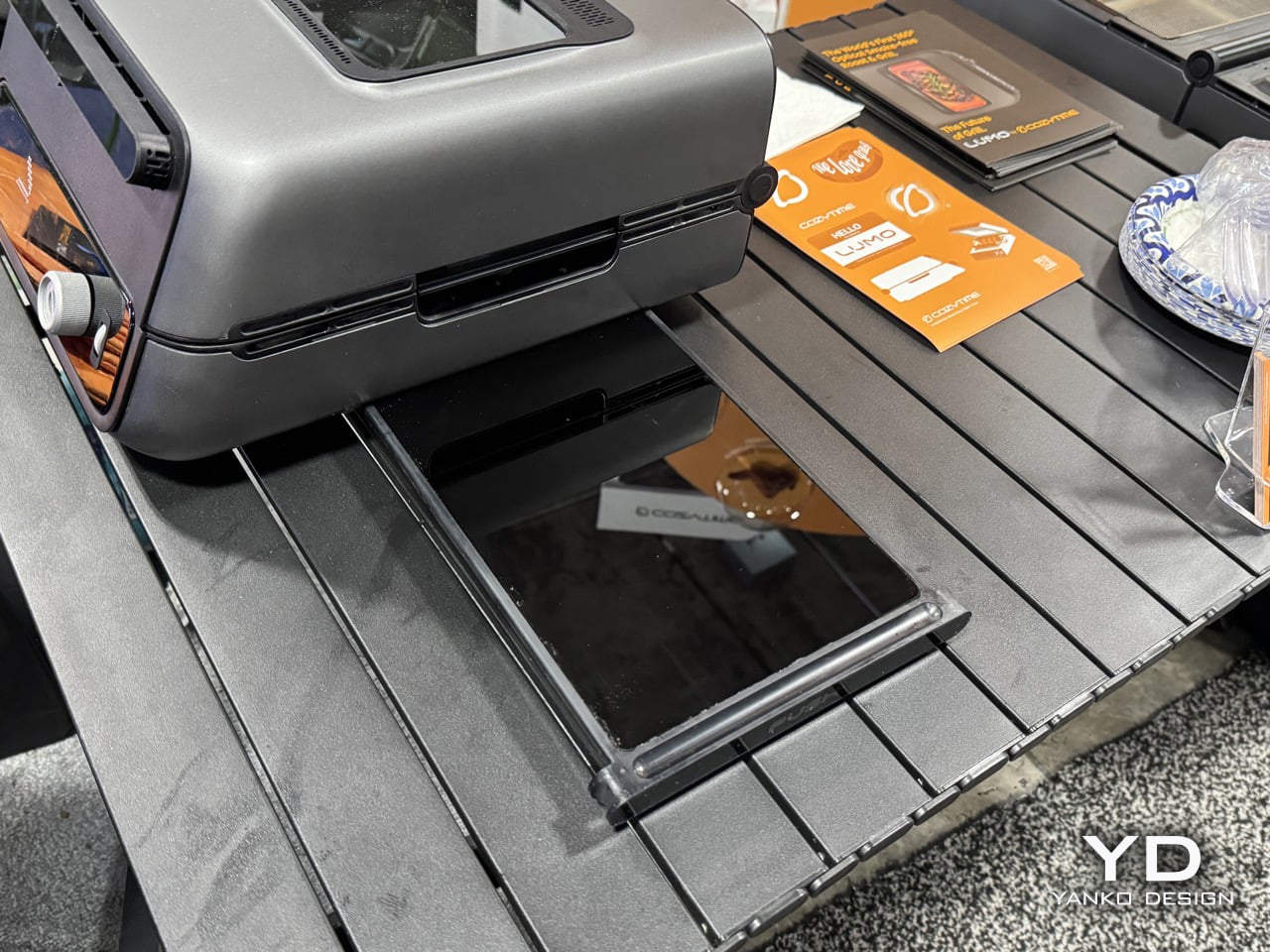
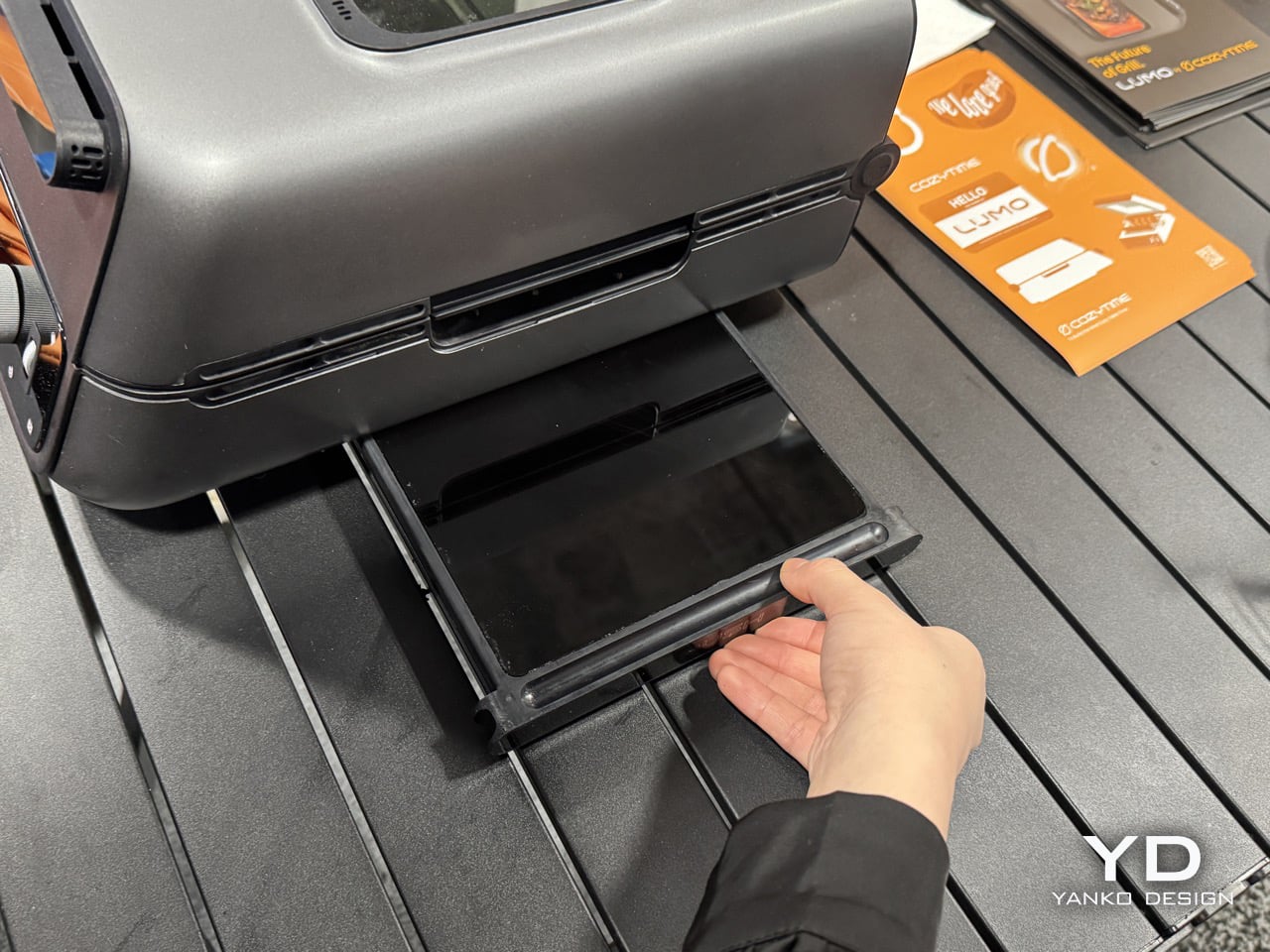
A pull-out warming tray lets you do things like keep steak cuts warm, melt toppings, etc.
My main lingering question revolves around flavor authenticity. That side-heat design brilliantly eliminates smoke, but it also eliminates the flavor compounds created when fat and juices vaporize and redeposit on meat. That’s a huge part of what makes grilled food taste like grilled food. Cozytime clearly thought about this, offering a smoking accessory as an add-on to reintroduce those flavors when desired. Whether that accessory delivers genuine smoke character or just produces a faint hint of woodiness will determine if this can truly replace outdoor grilling for purists. The optical heating should still create proper surface caramelization and char, but the aromatic complexity from smoke is harder to replicate.

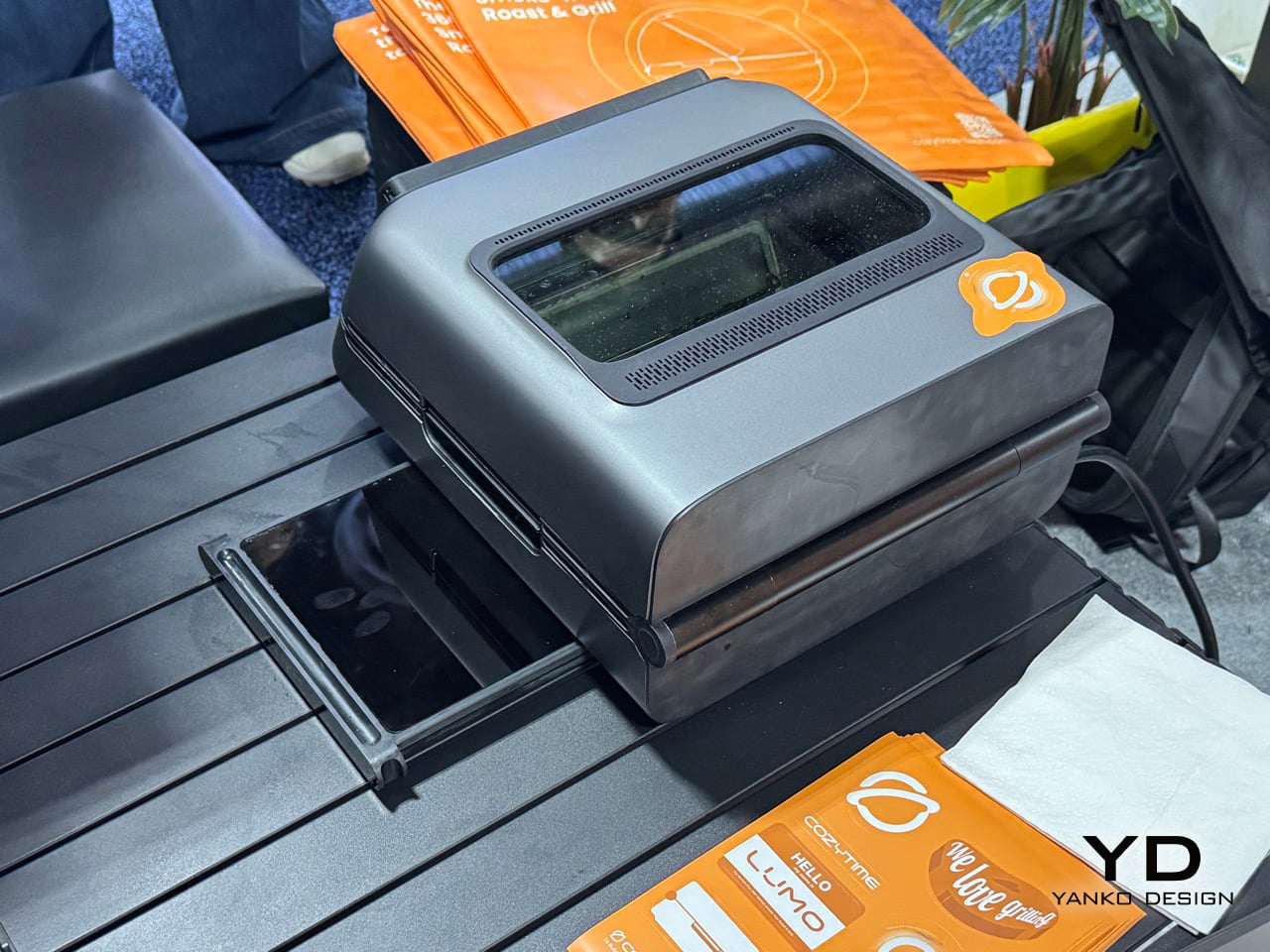
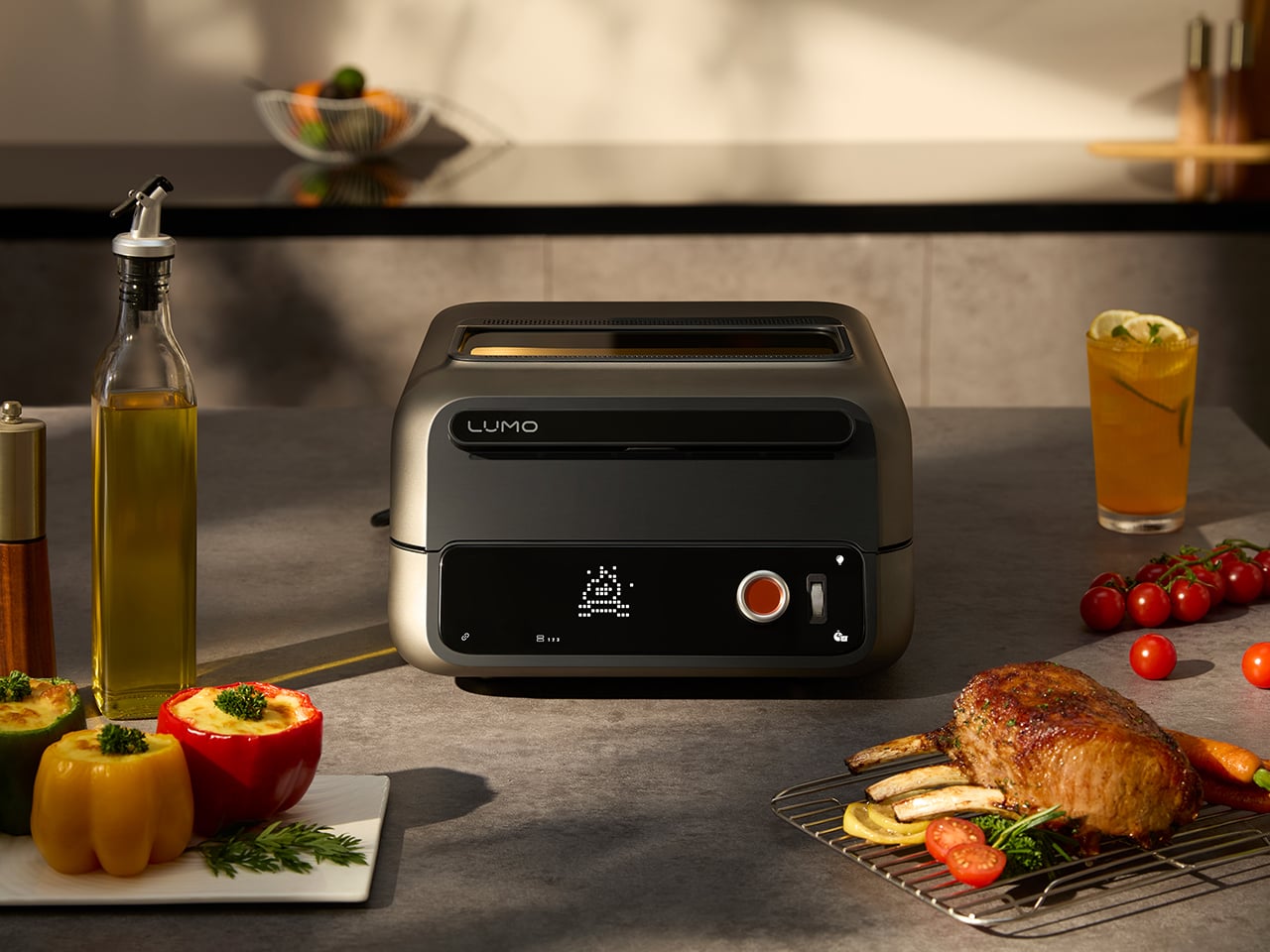
What Cozytime built here is genuinely novel in a category that’s seen mostly incremental tweaks for decades. Cooking food by focusing invisible light beams through reflectors sounds like something from a sci-fi novel, yet the engineering is grounded in well-understood physics applied in a clever new way. The device weighs a reasonable 14.3 pounds, measures 14.6 by 12.2 by 6.9 inches, and runs on standard household voltage. These are practical dimensions for a countertop appliance that transforms into three different configurations. If the execution lives up to the concept, apartment dwellers finally get access to high-heat grilling without smoke or outdoor space requirements. I’m genuinely excited to see this thing in action, because the rare kitchen appliance that fundamentally rethinks how we apply heat to food deserves attention. Cozytime might have actually cracked the indoor grilling problem by asking a deceptively simple question: what if we somehow managed to unlock the convenient grilling experience with an authentic charcoal flavor… just using light?